Surprising Differences Between European and American Lifestyles
Moving between continents feels like stepping into an alternate version of your own life — the same basic human activities, but everything slightly recalibrated. The fork switches hands, the stores close when you’re ready to shop, and your neighbor knows your business before you know theirs.
These aren’t just cultural curiosities or travel anecdotes. They’re daily realities that shape how millions of people move through their ordinary Tuesday afternoon, and they add up to something bigger than the sum of their small differences.
Work-Life Balance

Europeans protect their off hours like Americans protect their property lines. Dinner with family isn’t something that gets squeezed in after the conference call — it’s the conference call that gets moved.
Many European countries legally mandate four to six weeks of vacation time, and taking it isn’t seen as lacking ambition. It’s seen as basic maintenance.
Americans tend to wear exhaustion as proof of importance. The culture rewards the person who answers emails at 9 PM and takes pride in not using all their vacation days.
Europeans find this baffling in the same way Americans find it strange when European shops close for two hours in the middle of a Tuesday.
Personal Space and Social Interaction

Americans build invisible bubbles around themselves in public spaces. Stand too close in line, make eye contact for too long with a stranger, or sit next to someone on an empty bus, and you’ve crossed a line that everyone feels but no one discusses.
Europeans treat public space as genuinely public. Strangers sit next to each other without discomfort, conversations happen between people who will never meet again, and the default assumption is that other humans are just part of the landscape rather than potential threats to personal territory.
Walking vs. Driving

You can tell an American city by how little walking happens in it (except when walking counts as exercise, which requires special clothes and equipment). Most American neighborhoods were designed with the assumption that every adult owns a car and uses it for everything from buying milk to visiting friends two blocks away.
European cities grew up before cars existed, and they’ve kept that pedestrian logic even as they adapted to modern life. But it’s more than just urban planning — it’s a fundamental difference in how people think about moving through space.
Walking somewhere in Europe is transportation; walking somewhere in America is either exercise, poverty, or a political statement about the environment.
Small Talk and Privacy

Americans excel at friendly surface conversation with strangers — the weather, the local sports team, harmless observations about whatever’s happening around them. It’s social lubrication that makes brief interactions pleasant without requiring any genuine vulnerability.
And yet Americans are intensely private about personal matters. Family problems, money troubles, relationship difficulties — these topics are carefully guarded and only shared with close friends.
Europeans often reverse this equation. They’ll sit next to you on a train in complete silence for three hours without feeling rude, but if conversation does start, it moves quickly past the weather to more substantial topics.
Privacy exists, but it’s differently calibrated.
Portion Sizes and Eating Habits

European meals unfold like conversations — courses arrive when they arrive, the pace is unhurried, and the meal ends when everyone’s finished talking, not when the plates are empty. Food is treated as a social activity that happens to involve eating, rather than fuel that needs to be consumed efficiently.
American restaurant portions could feed a European family, and American eating often happens on the run, in cars, or while doing something else. Europeans find this relationship with food as strange as Americans find the European habit of spending two hours over lunch on a regular weekday.
Formality and Hierarchy

Americans default to casual equality in most interactions. First names are used immediately, titles are dropped quickly, and the assumption is that everyone’s just people doing their jobs.
This informality extends to clothing, language, and social interactions across economic and professional lines. European interactions often maintain more formal structure, even in casual settings.
Titles matter longer, there are different levels of politeness for different relationships, and social hierarchies are acknowledged rather than minimized. This isn’t necessarily about class or snobbery — it’s about recognizing that different relationships call for different types of interaction.
Healthcare as a Service vs. Consumer Good

The relationship between Europeans and their healthcare system resembles the relationship Americans have with their public library — it’s just there when needed, without complex negotiations or financial anxiety. Getting sick in most European countries involves calling a doctor, receiving treatment, and going home to recover.
Americans approach healthcare like any other major purchase, complete with shopping around, insurance negotiations, and financial planning. Medical bankruptcy exists as a concept because healthcare functions as a market commodity rather than a social service.
The stress of navigating this system becomes part of the illness itself.
Vacation Expectations
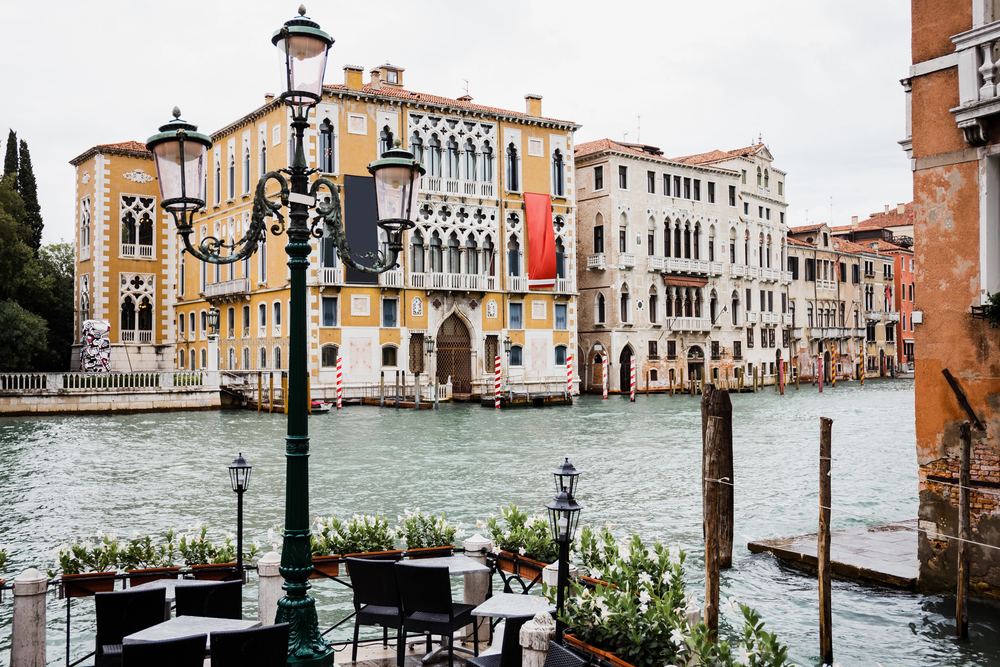
European vacation isn’t an escape from life — it’s part of how life is structured. August empties out entire industries because everyone takes time off simultaneously.
Cities adapt to this rhythm rather than fighting it. The assumption is that regular, substantial breaks from work make people more effective when they return.
American vacation is earned time off that needs to be justified, planned around work demands, and often cut short when something urgent comes up. Even when Americans travel, staying completely disconnected from work requires deliberate effort and sometimes feels irresponsible.
Social Safety Net Attitudes

Europeans tend to view social services as communal insurance — everyone pays in, everyone benefits when needed, and the system exists to prevent individual catastrophe from destroying lives. Unemployment benefits, healthcare, education funding, and retirement support are seen as basic social infrastructure, like roads or electricity.
Americans often approach social services with more ambivalence, viewing them as temporary assistance that should be minimal and brief. The cultural emphasis is on individual responsibility and self-reliance, with government support seen as a last resort rather than a first line of defense against life’s uncertainties.
Public Transportation Usage

Taking public transportation in Europe is just transportation. Business executives sit next to students, elderly people next to young families, and nobody finds this arrangement notable or uncomfortable.
The system is designed to serve everyone, and everyone uses it without social stigma. In many American cities, public transportation carries an unfortunate association with economic necessity rather than practical convenience.
People who can afford cars often avoid buses and trains, creating a cycle where reduced ridership leads to reduced service, which further discourages usage.
Relationship with Authority

Americans maintain a complicated relationship with authority — respectful but skeptical, willing to follow rules but quick to question them. The cultural assumption is that authority figures need to earn respect rather than receive it automatically, and that rules should make sense when examined.
European relationships with authority tend to be more accepting, built on the assumption that institutions exist for good reasons and that expertise deserves deference. This doesn’t mean Europeans are passive — they just start from a different baseline of trust in established systems.
Tipping Culture

European service operates on the assumption that workers receive living wages from their employers, so tips are small gestures of appreciation rather than necessary income supplements. The interaction between customer and server is straightforward — service is provided, payment is made, and everyone moves on.
American tipping culture creates a complex social and economic transaction around every service interaction. Customers become responsible for worker wages, servers depend on customer generosity for income, and everyone navigates unspoken rules about appropriate percentages for different types of service.
Home Size and Living Arrangements

European homes are designed around the assumption that life happens in public spaces as much as private ones. Smaller living spaces work because cafes, parks, community centers, and public squares function as extended living rooms.
Privacy and comfort exist, but they’re balanced against the benefits of shared public life. American homes are designed as self-contained worlds where families can meet most of their social, entertainment, and recreational needs without leaving the property.
Larger spaces accommodate this approach to private life, but they also require more resources to maintain and can create isolation from community life.
Looking Forward Without Nostalgia

These differences persist not because one approach is superior to another, but because they reflect different solutions to the same human challenges — how to work without losing yourself, how to live with strangers, how to balance individual needs with collective responsibilities. Moving between these systems reveals how many aspects of daily life that feel natural and inevitable are actually choices that entire societies have made together.
The most interesting part isn’t judging which lifestyle works better, but noticing how these different approaches shape the people who live within them, creating distinct rhythms of daily life that feel completely normal from the inside and fascinatingly foreign from the outside.
More from Go2Tutors!

- The Romanov Crown Jewels and Their Tragic Fate
- 13 Historical Mysteries That Science Still Can’t Solve
- Famous Hoaxes That Fooled the World for Years
- 15 Child Stars with Tragic Adult Lives
- 16 Famous Jewelry Pieces in History
Like Go2Tutors’s content? Follow us on MSN.