16 Trivia Facts About The Oldest Cities In America
Walking through America’s oldest cities feels like stepping backward through time, where cobblestone streets whisper stories that stretch back centuries before the Revolutionary War. These urban survivors have weathered everything from colonial disputes to modern development pressures, each one carrying secrets that most history books barely touch.
The trivia surrounding these ancient settlements reveals just how much the past still shapes the present in ways both obvious and startling.
St. Augustine, Florida
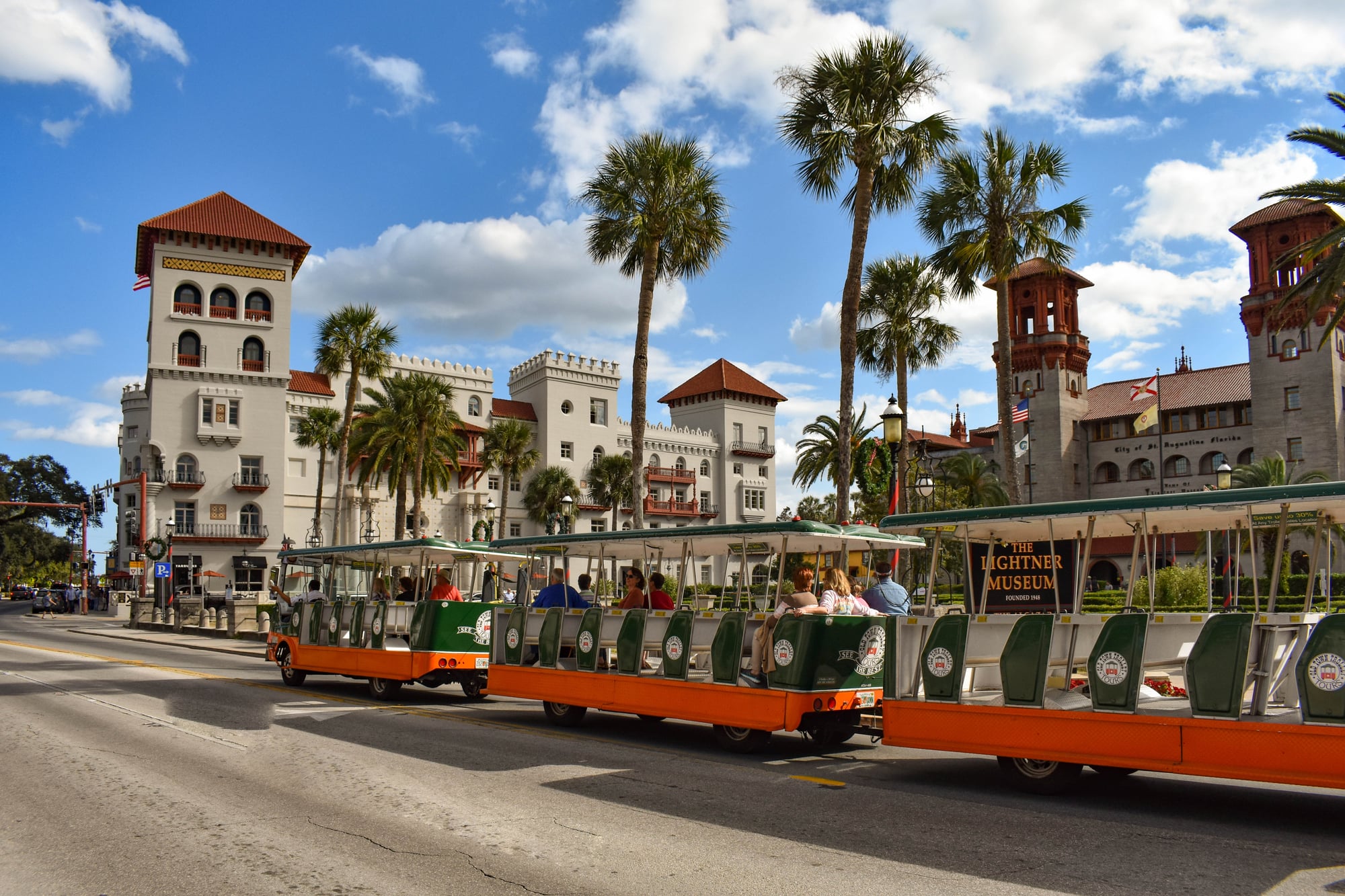
St. Augustine doesn’t just claim to be America’s oldest city. It proves it.
Founded in 1565, it predates Jamestown by 42 years and Plymouth by 55. The Spanish fortress Castillo de San Marcos has never been successfully captured in battle, which is saying something for a structure that’s been standing since 1672.
Santa Fe, New Mexico
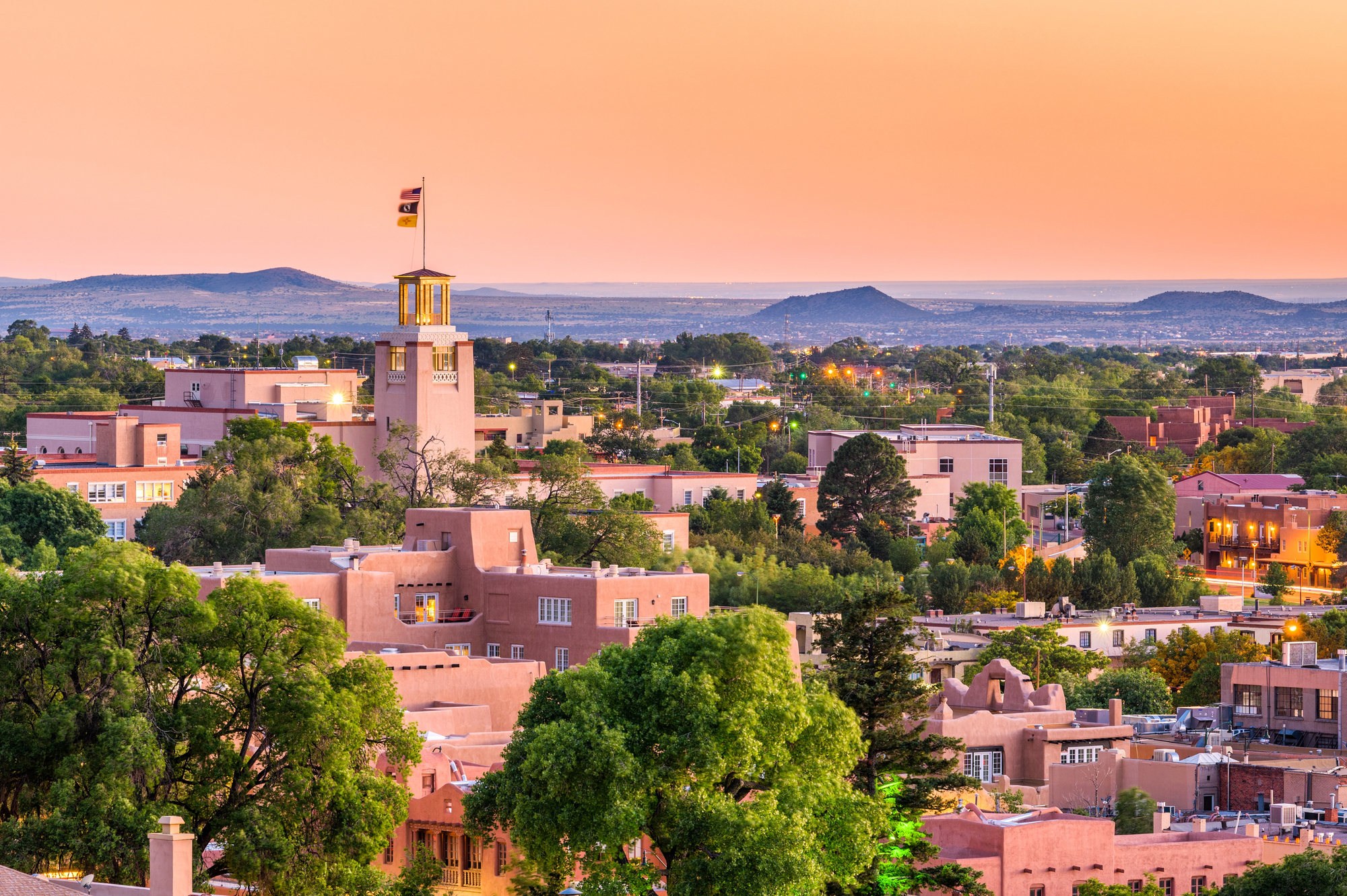
The Palace of the Governors in Santa Fe (established around 1610) holds the distinction of being the oldest continuously occupied public building in the United States, though the exact founding date of Santa Fe itself remains one of those historical puzzles that archaeologists love to debate and tourists prefer to ignore.
Native Americans had been living in the area for over a thousand years before Spanish colonists arrived, but apparently that doesn’t count toward the “official” founding date — which tells you something about how history gets written.
Jamestown, Virginia
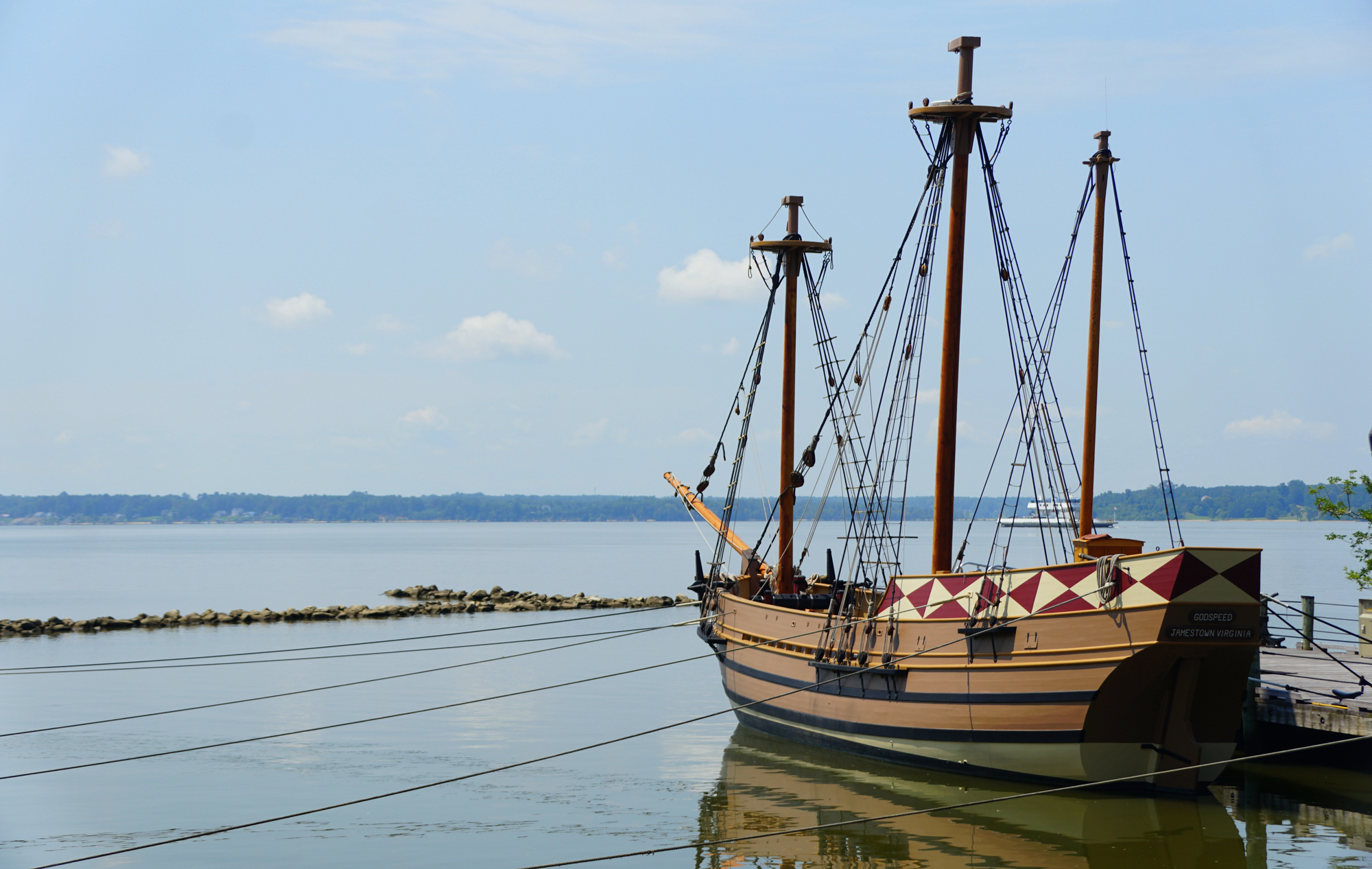
Here’s the thing about Jamestown that the elementary school version glosses over: it was a disaster wrapped in ambition, funded by investors who had never set foot in Virginia and executed by colonists who spent more time searching for gold than planting crops.
The settlement nearly failed three times in its first decade, saved only by strict military discipline and, eventually, cig cultivation. And yet this struggling outpost became the first permanent English settlement in North America, because sometimes persistence matters more than competence.
Plymouth, Massachusetts
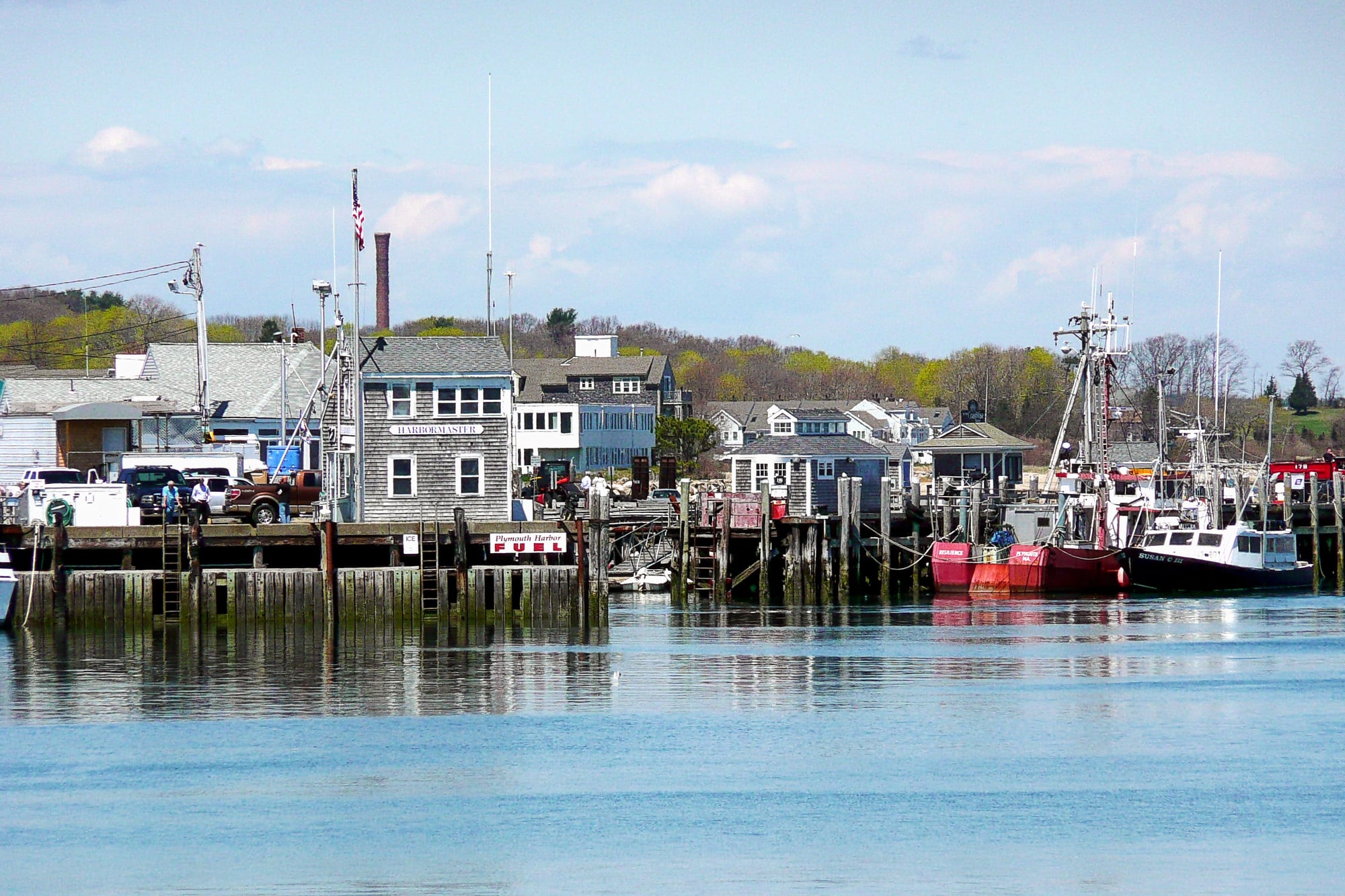
Plymouth Rock — that sacred symbol of American beginnings — is probably not where the Pilgrims actually landed, and the rock itself has been moved, broken, and reassembled more times than anyone cares to count.
It’s like a historical game of telephone played with granite. The real story is more complex anyway: the Mayflower passengers spent weeks exploring the coast before settling in Plymouth, and they chose the location partly because they found cleared fields and fresh water sources left behind by the Patuxet tribe, whose population had been decimated by disease just a few years earlier.
Newport, Rhode Island
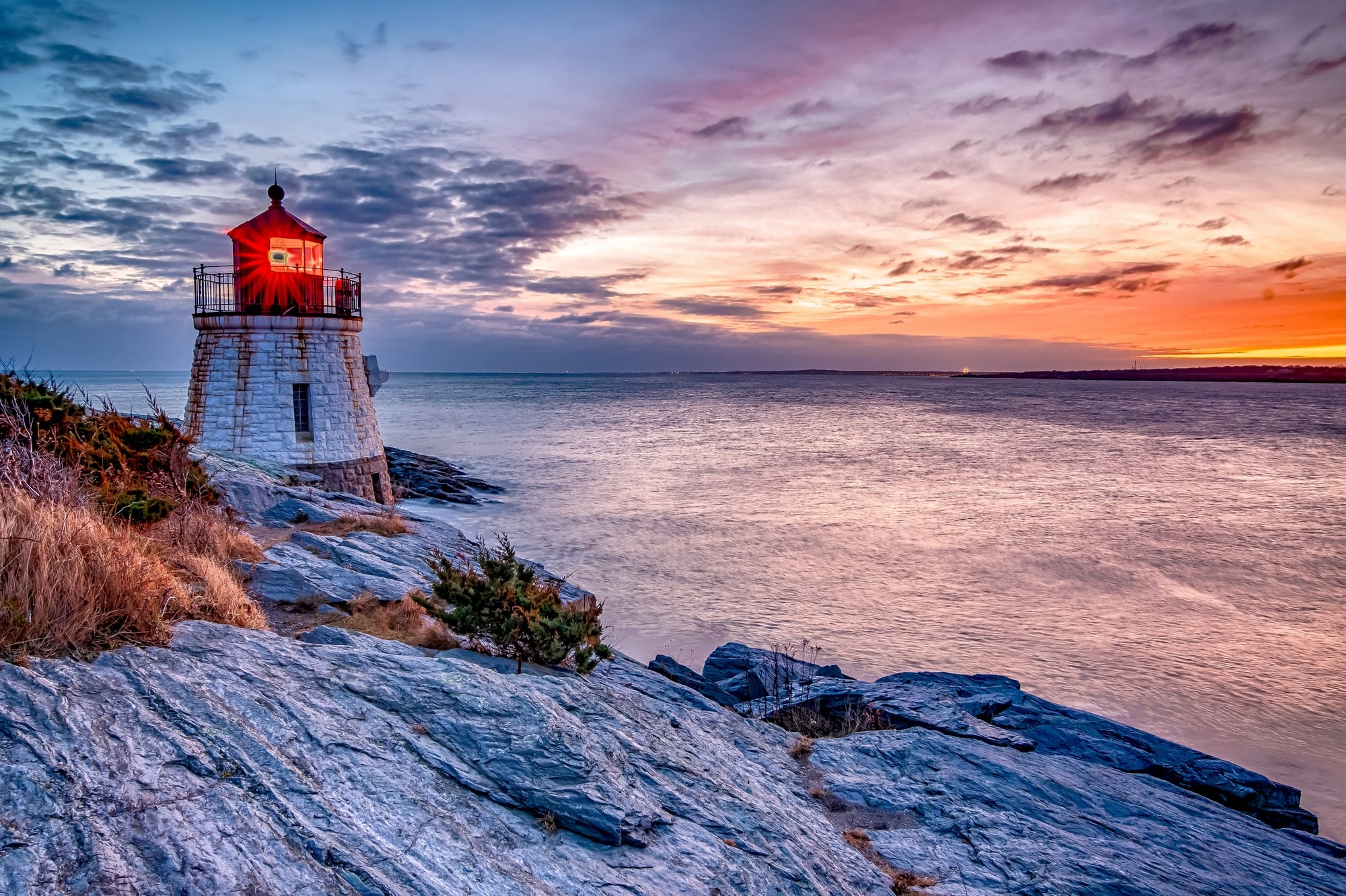
Newport’s colonial charm masks a darker economic reality that most visitors never consider — this picturesque seaside city was built on the profits of the transatlantic slave trade, and by the 1740s, Newport merchants controlled roughly 60 percent of the American slave trade.
The same harbor that now hosts sailing regattas and tourist boats once anchored ships carrying human cargo, a reminder that beauty and brutality often occupy the same spaces in American history.
Annapolis, Maryland
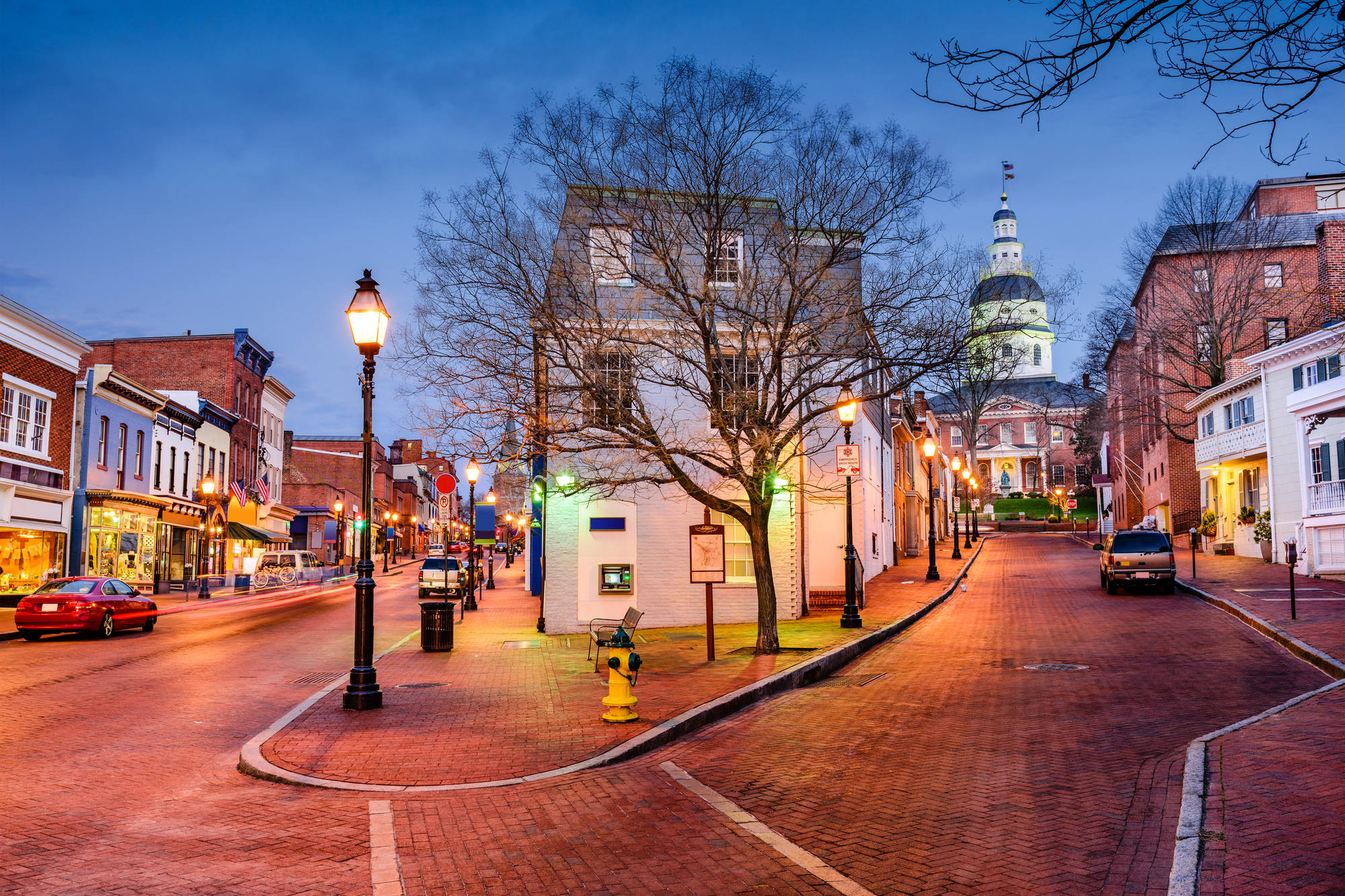
Annapolis served as the temporary capital of the United States for about nine months in 1783 and 1784, during which time the Treaty of Paris was ratified, officially ending the Revolutionary War (this happened in the Maryland State House, which still stands and still functions as a working government building, making it the oldest state capitol in continuous legislative use).
Most people know Annapolis for the Naval Academy, but the city was already two centuries old when the Academy was established in 1845.
Charleston, South Carolina
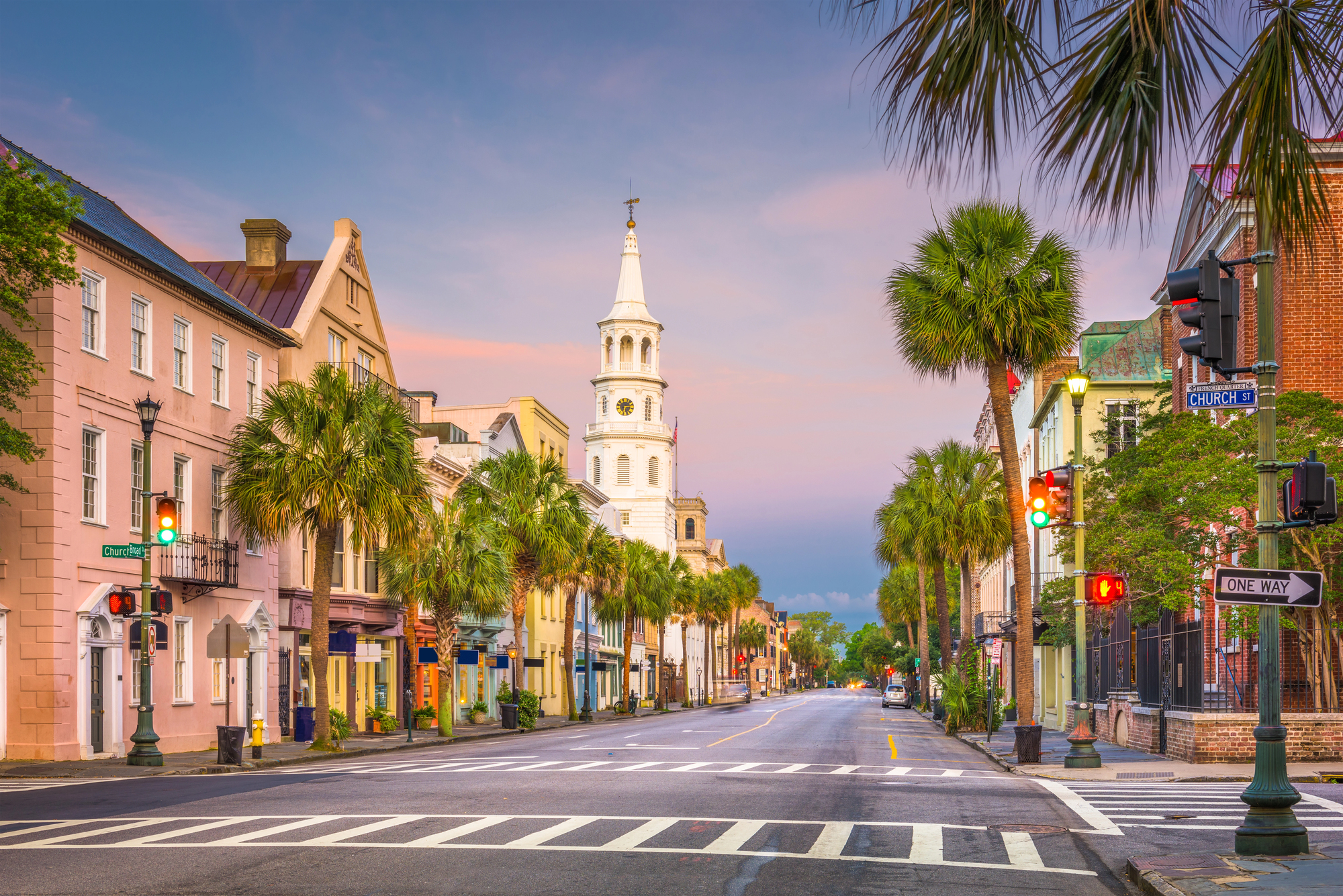
The original settlement of Charles Town was actually located on the west bank of the Ashley River before being moved to its current peninsula location in 1680, so technically Charleston has been founded twice.
The city’s famous rainbow-colored houses along the waterfront weren’t painted in bright colors for aesthetic reasons — the vibrant paint helped sailors identify their homes from the harbor after long voyages at sea.
Williamsburg, Virginia
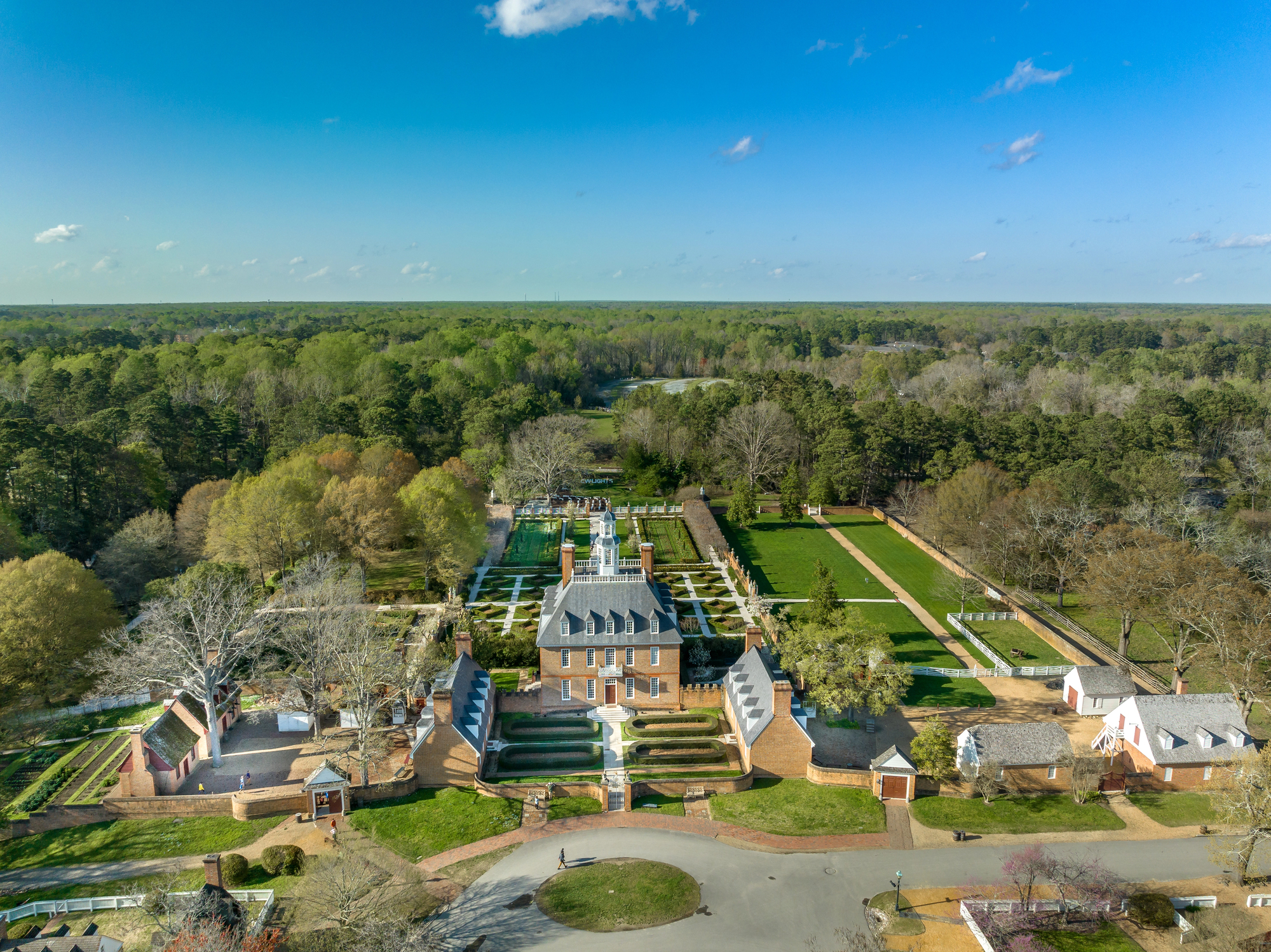
Colonial Williamsburg’s meticulous historical recreation is both impressive and slightly unsettling — it’s a place where the 18th century has been preserved with 20th-century precision, complete with costumed interpreters who speak in period dialect and demonstrate colonial crafts with the kind of attention to detail that actual colonists probably never had time for.
The restoration project, funded largely by John D. Rockefeller Jr. in the 1920s, demolished hundreds of 19th and early 20th-century buildings to recreate the colonial streetscape, which means they destroyed actual history to build a museum of imagined history.
New Haven, Connecticut
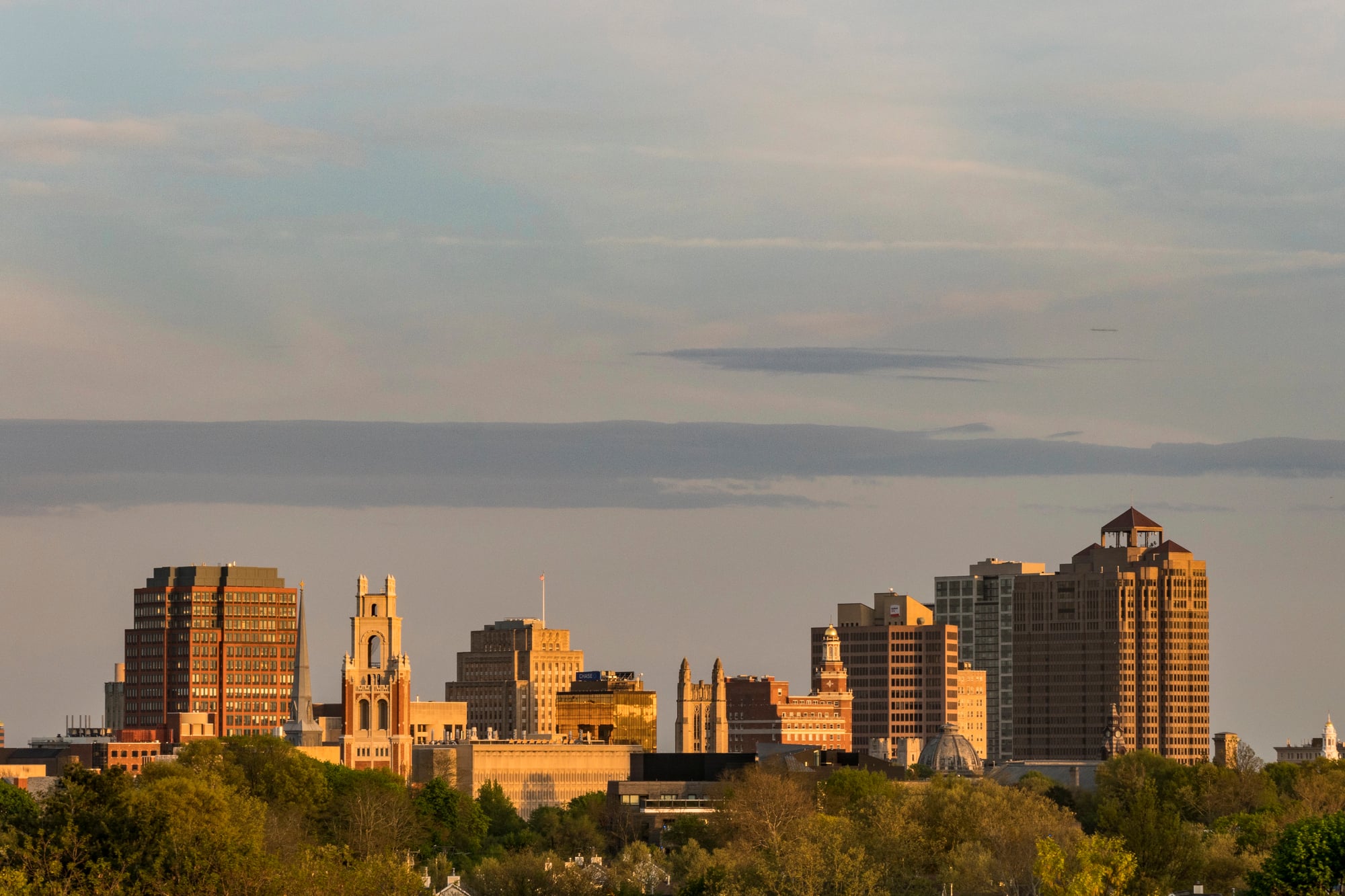
New Haven was designed around nine squares in a grid pattern that was revolutionary for its time — most colonial settlements grew organically around harbors or trading posts, but New Haven was planned from the beginning with geometric precision that wouldn’t look out of place in a modern urban planning textbook.
The city’s founders were Puritans who believed that orderly streets would promote orderly lives, though whether that theory actually worked remains an open question.
Savannah, Georgia
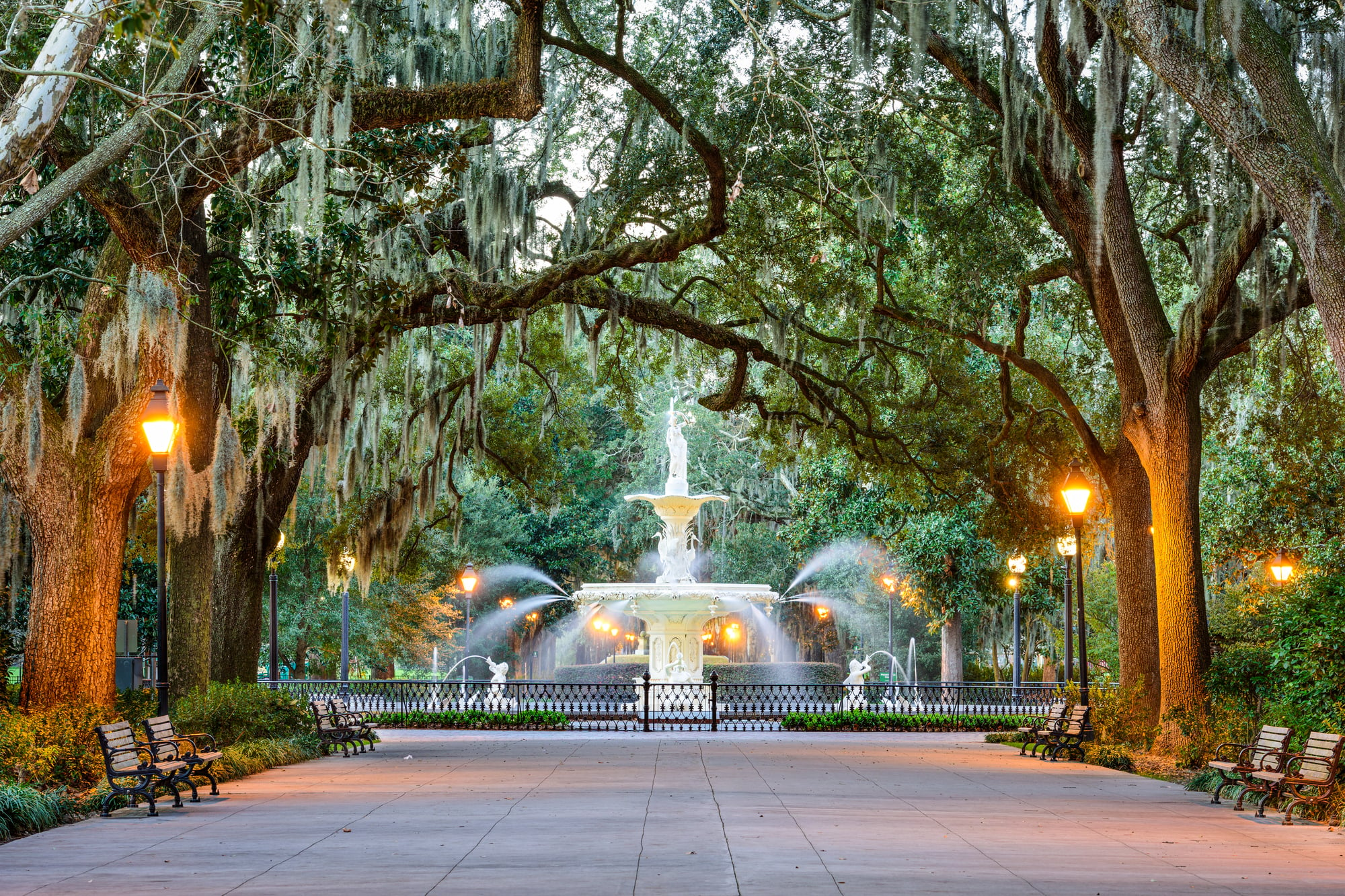
James Oglethorpe designed Savannah around a series of public squares that were meant to serve both aesthetic and defensive purposes — each square could function as a small fortress if the city came under attack, with residents gathering in the squares while militiamen took defensive positions.
Today, those same squares are mostly used for wedding photos and tourist rest stops, which is probably a better use of public space than preparing for siege warfare.
Boston, Massachusetts
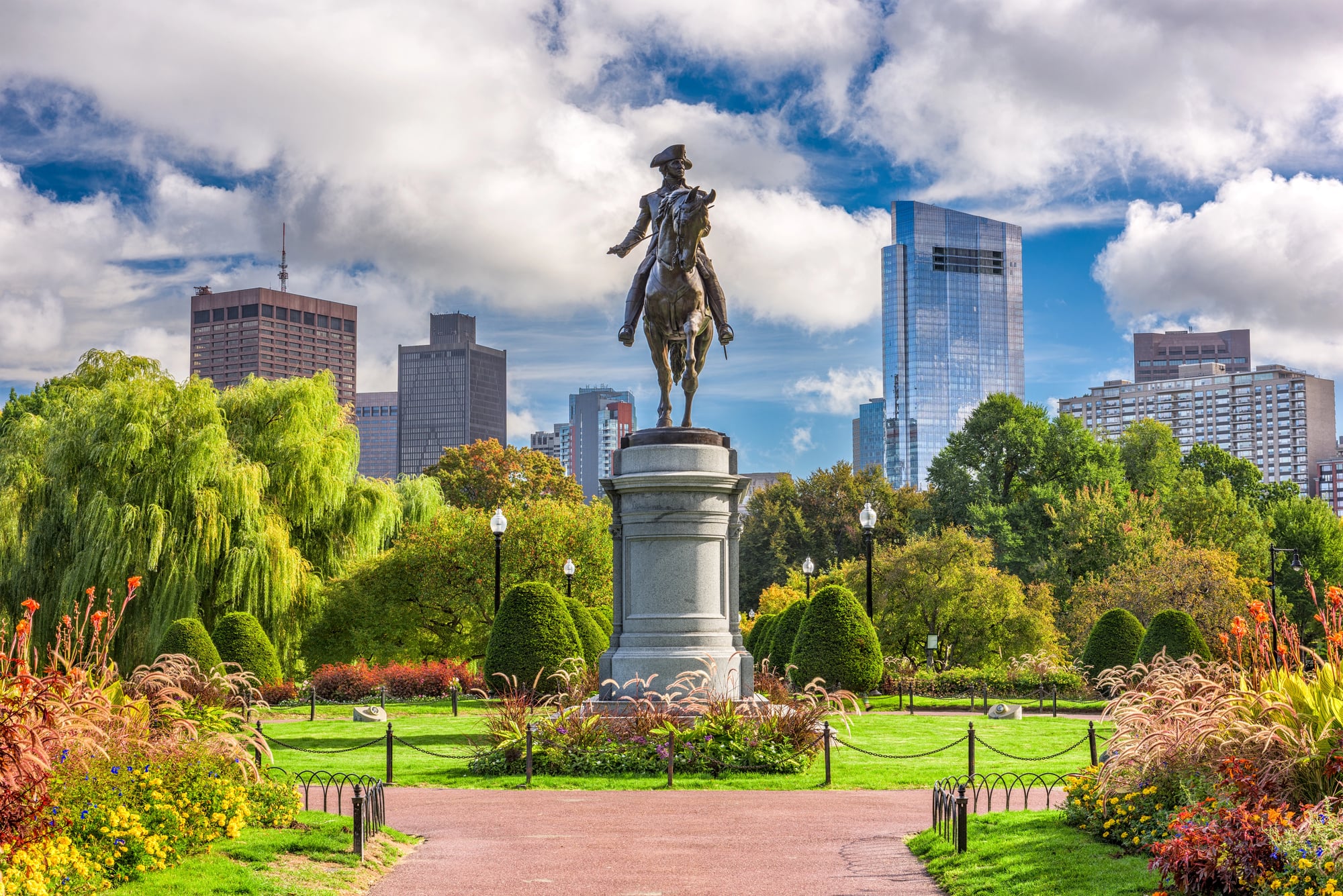
The Boston Common, established in 1634, is America’s oldest public park, but it wasn’t created for recreational purposes — it was a shared grazing area for cattle, and it also served as a military training ground and public execution site.
The Common has been a public space for nearly 400 years, which means it’s older than most countries and has outlasted countless political systems, economic upheavals, and urban planning theories.
Portsmouth, New Hampshire
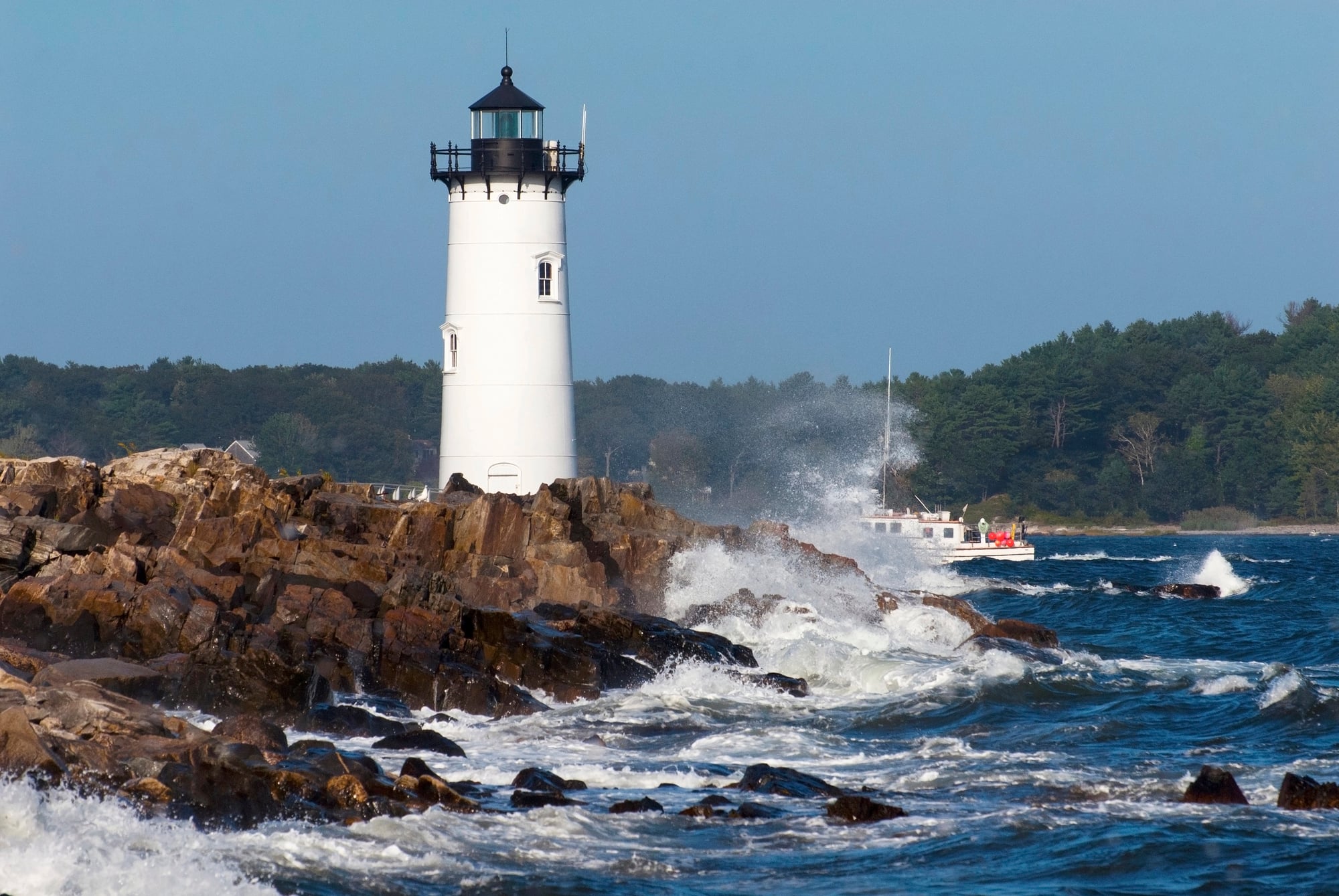
Portsmouth’s Strawbery Banke neighborhood (yes, that’s the historical spelling) contains houses spanning four centuries of American architecture, from 17th-century colonial structures to 1950s suburban homes, all within a few city blocks.
Walking through Strawbery Banke is like flipping through a architectural timeline where each house represents a different chapter in American domestic life, though the museum interpretation tends to focus on the colonial period because that’s what visitors expect to see.
Albany, New York
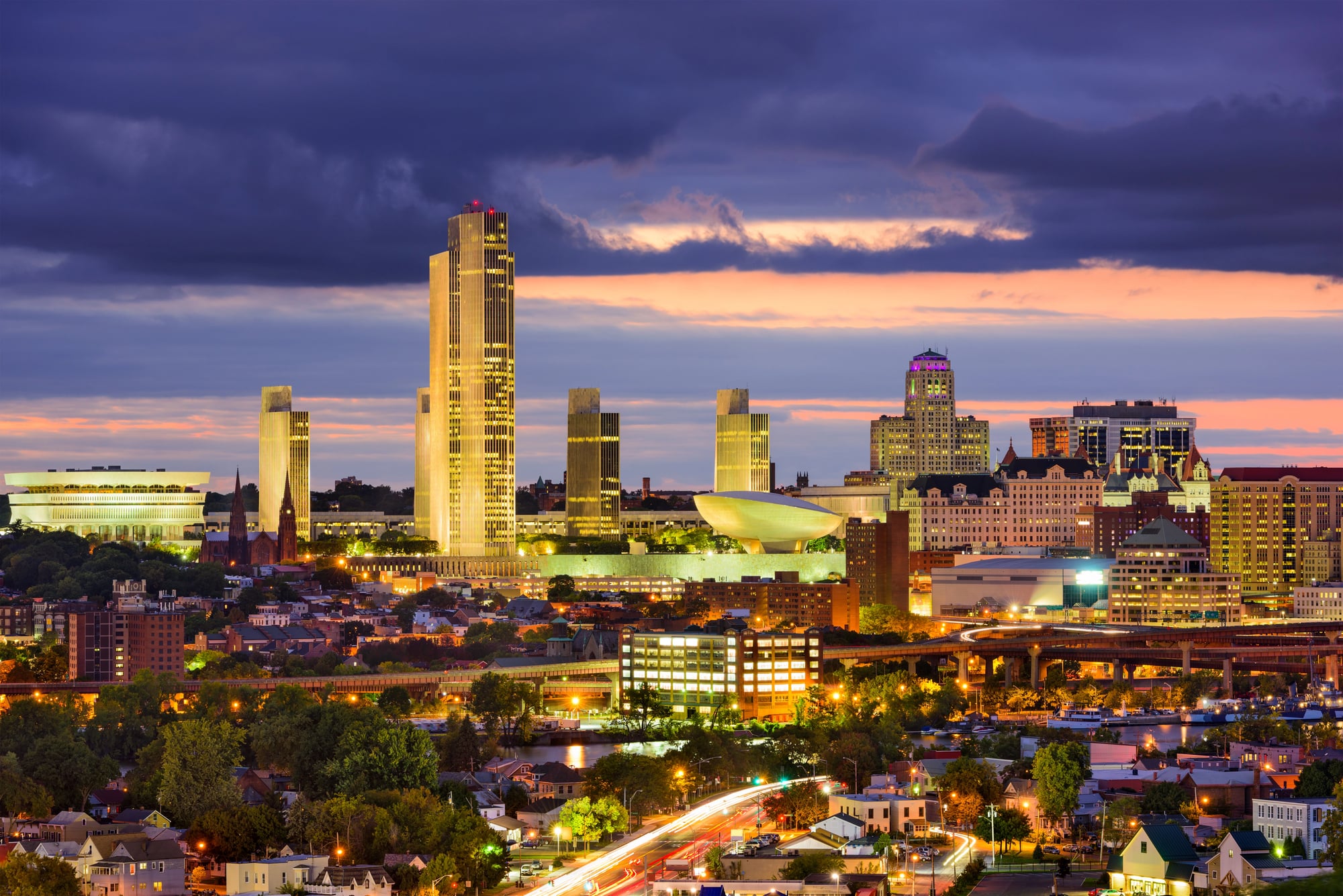
Albany has been continuously inhabited longer than any other original settlement in the United States that’s still a major city — the Dutch established Fort Nassau there in 1614, and unlike many early settlements, Albany never experienced the boom-bust cycles that wiped out other colonial towns.
It just kept growing steadily for four centuries, which is remarkably boring for a place that’s witnessed some of the most dramatic moments in American history, from Dutch colonial expansion to Revolutionary War strategy sessions to 19th-century political machine politics.
St. Mary’s City, Maryland
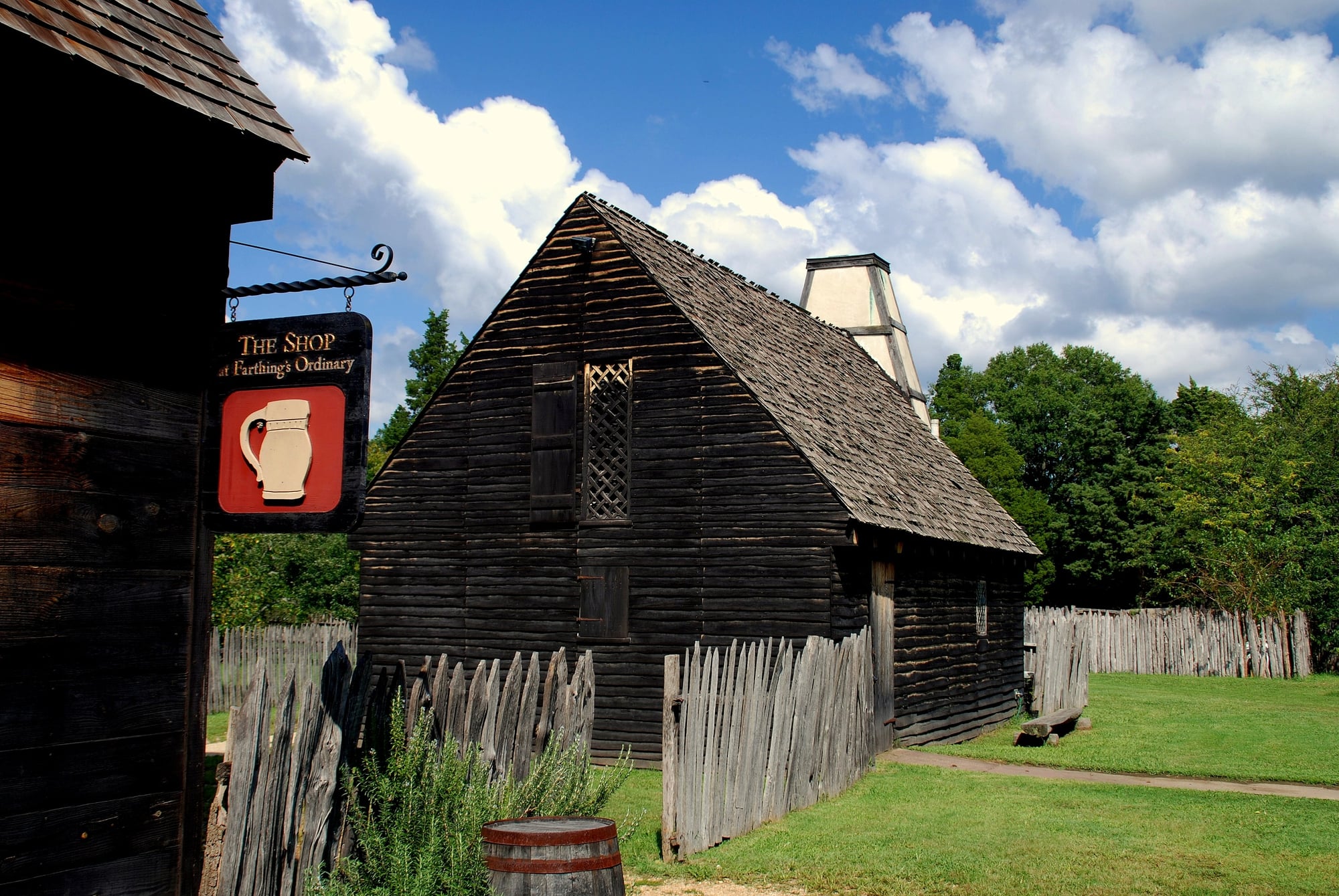
St. Mary’s City served as Maryland’s capital for 60 years before the government moved to Annapolis in 1695, after which the town essentially disappeared — buildings were abandoned, streets grew over with grass, and by the 19th century, the former capital had returned to farmland.
Today, St. Mary’s City exists primarily as an archaeological site and living history museum, making it one of the few colonial capitals that you can visit but not actually live in.
Bath, North Carolina
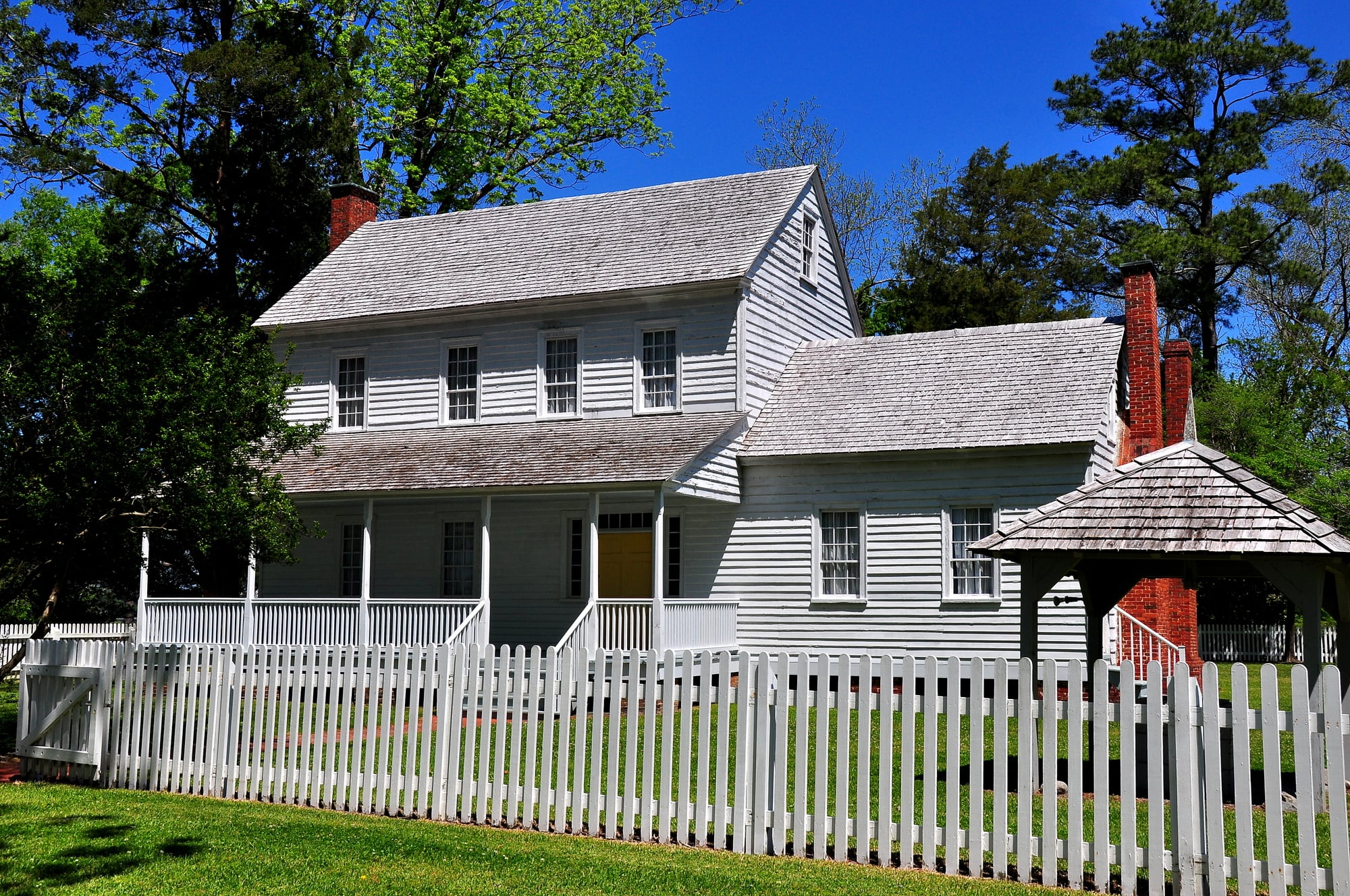
Bath holds the distinction of being North Carolina’s first incorporated town, established in 1705, but its most famous resident was the pirate Blackbeard, who actually owned a house there and attempted to live as a respectable citizen between pirating expeditions (this arrangement worked about as well as you’d expect, lasting roughly a year before Blackbeard returned to piracy and was subsequently killed by British naval forces in 1718).
The town of Bath survives, but with a current population of around 275 people, it’s more of a historical footnote than a thriving municipality.
Mobile, Alabama
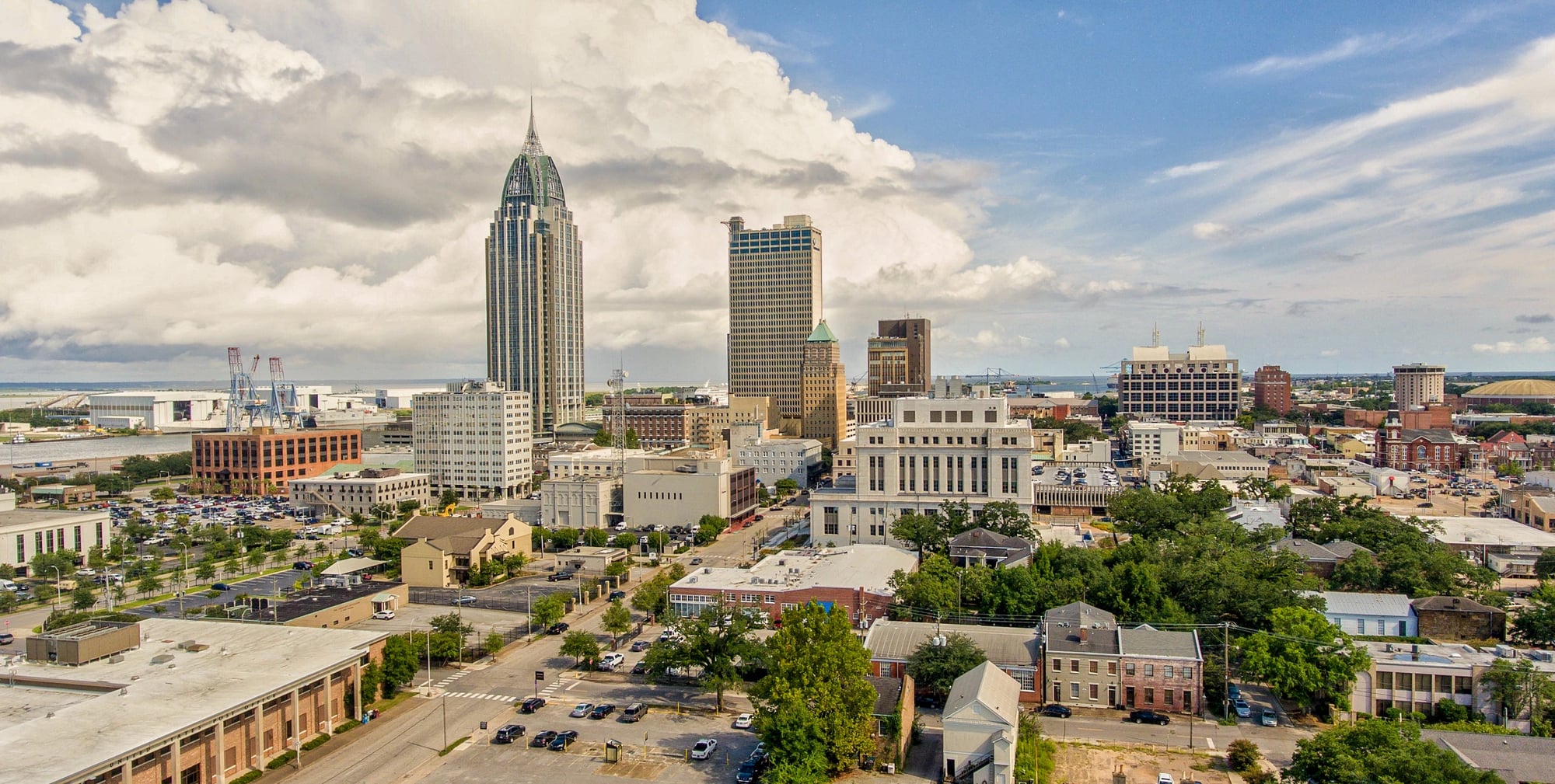
Mobile was founded by French colonists in 1702, making it older than New Orleans, though most people assume New Orleans came first because it’s larger and more famous — which demonstrates how historical significance and contemporary relevance don’t always align.
Mobile Bay was strategically important during the Civil War (Admiral David Farragut’s famous “Damn the torpedoes” command was issued during the Battle of Mobile Bay in 1864), but today Mobile is primarily known for having one of the oldest Mardi Gras celebrations in the United States, predating New Orleans’ version by several decades.
Where Time Moves Differently
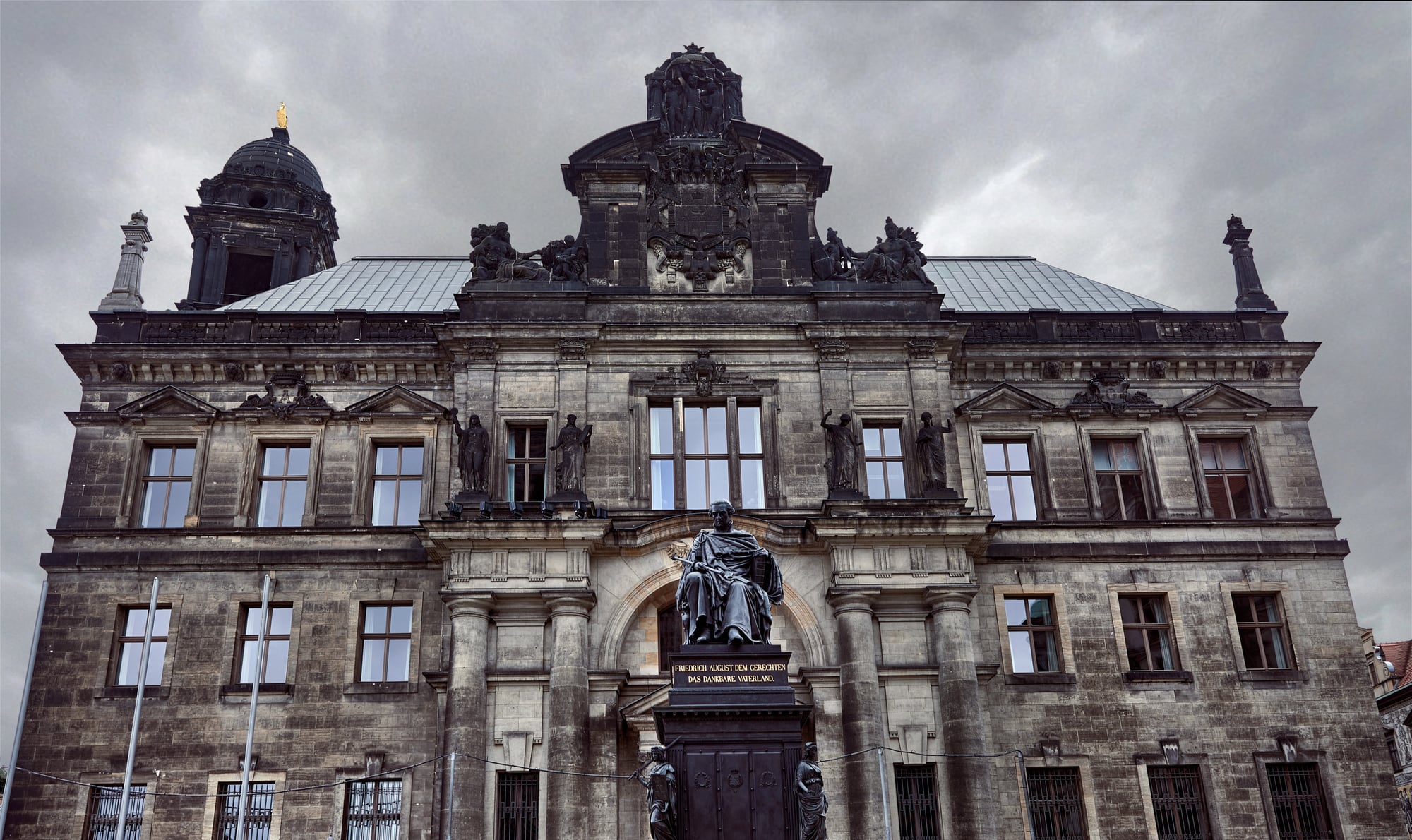
These cities exist in a strange temporal space where the past refuses to stay buried and the present can’t quite escape the weight of centuries.
Walking their streets means stepping over foundations laid by people who lived through wars we only read about, who solved problems we can barely imagine, and who built things meant to last longer than their own lives. The real trivia isn’t in the dates or the statistics — it’s in the realization that these places have been home to hundreds of generations of people who all thought they were living in modern times.
More from Go2Tutors!

- The Romanov Crown Jewels and Their Tragic Fate
- 13 Historical Mysteries That Science Still Can’t Solve
- Famous Hoaxes That Fooled the World for Years
- 15 Child Stars with Tragic Adult Lives
- 16 Famous Jewelry Pieces in History
Like Go2Tutors’s content? Follow us on MSN.