15 Foods With Wildly Long Shelf Lives
In our modern world of expiration dates and food waste concerns, certain foods stand out for their remarkable longevity. These culinary champions can survive conditions that would render most foods inedible within days. Their exceptional shelf lives have made them crucial throughout human history, serving as essential provisions during long voyages, harsh winters, and emergencies.
Here is a list of 15 foods with truly legendary shelf lives that defy normal food preservation expectations.
Honey
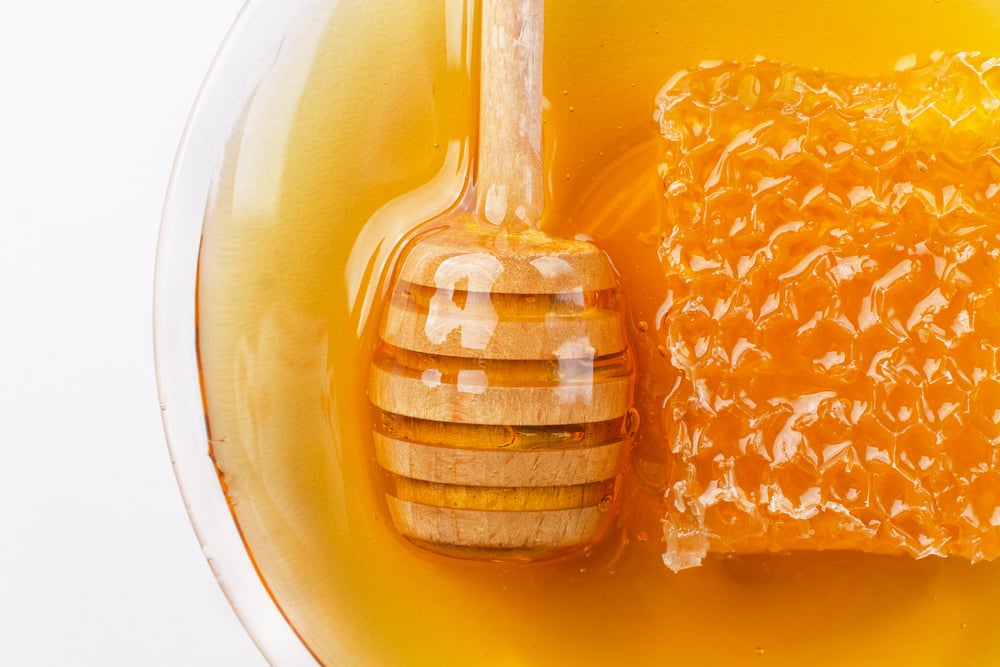
Ancient pots of honey discovered in Egyptian tombs over 3,000 years old were found to still be perfectly edible. The combination of low moisture content and high acidity creates an environment where bacteria simply cannot survive.
Honey’s natural preservatives include an enzyme that produces hydrogen peroxide, offering additional protection against spoilage.
White Rice
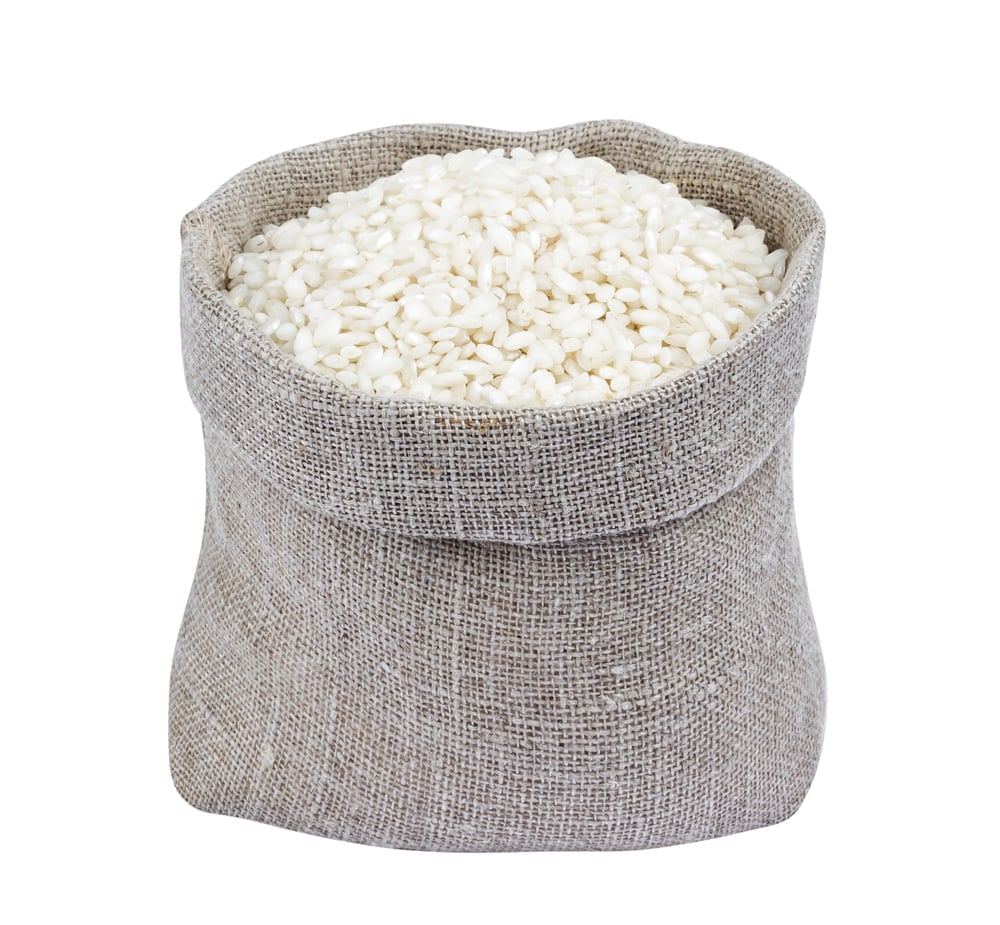
Properly stored white rice can remain edible for 25-30 years due to its extremely low moisture content. Unlike brown rice, white rice has had its oil-containing bran layer removed, eliminating the components most susceptible to rancidity.
Archaeological discoveries have found preserved rice grains in ancient storage vessels that maintained their basic structure for centuries.
Like Go2Tutors’s content? Follow us on MSN.
Salt
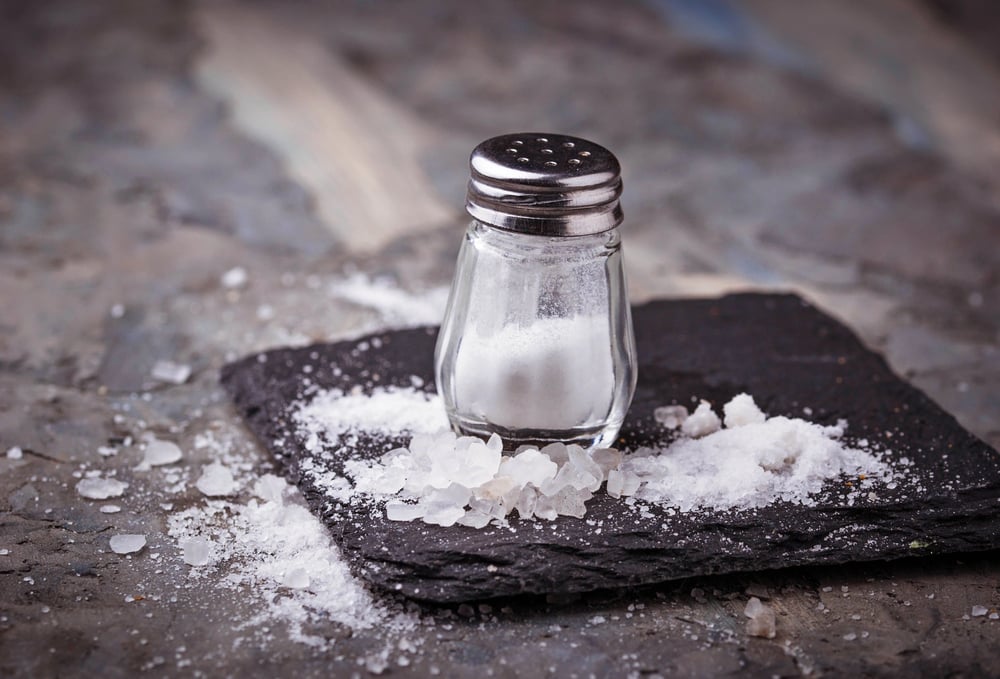
Pure salt is perhaps the only truly eternal food item, with absolutely no expiration date. This mineral has been used to preserve other foods for thousands of years across virtually every human culture.
Salt recovered from ancient shipwrecks shows essentially no degradation despite centuries underwater, testifying to its indestructible nature.
Sugar
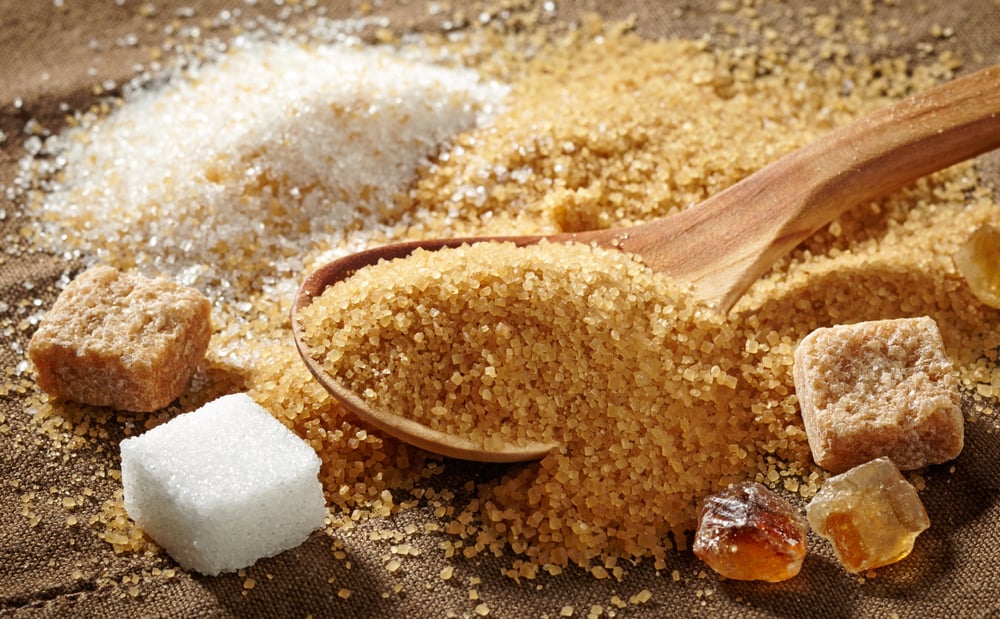
Crystallized sugar can last indefinitely when kept dry, making it one of the most stable food products available. The extreme osmotic pressure created by sugar’s molecular structure makes it impossible for microorganisms to survive, effectively making it self-preserving.
Ancient sugar cones discovered in shipwrecks maintain their sweetness despite centuries underwater in sealed containers.
Dried Beans
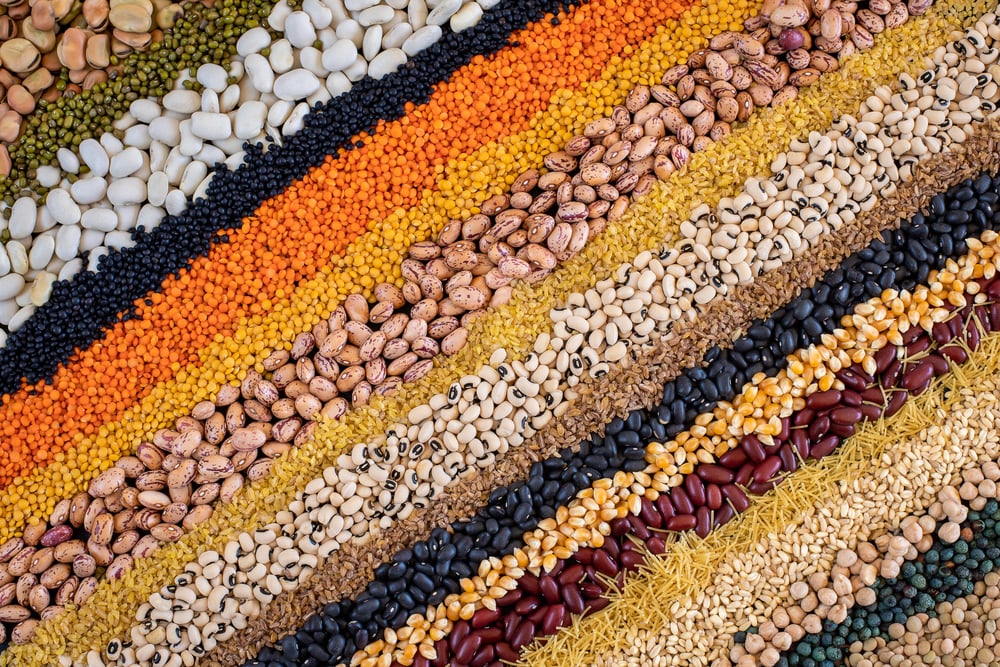
Archaeologists have discovered ancient beans in desert tombs that remained viable as seeds after thousands of years. While their nutritional value diminishes gradually, properly stored dried beans often remain edible for 30+ years.
The naturally low moisture content prevents bacterial growth, while their hard exterior protects the nutritious interior from environmental damage.
Like Go2Tutors’s content? Follow us on MSN.
Hard Liquor
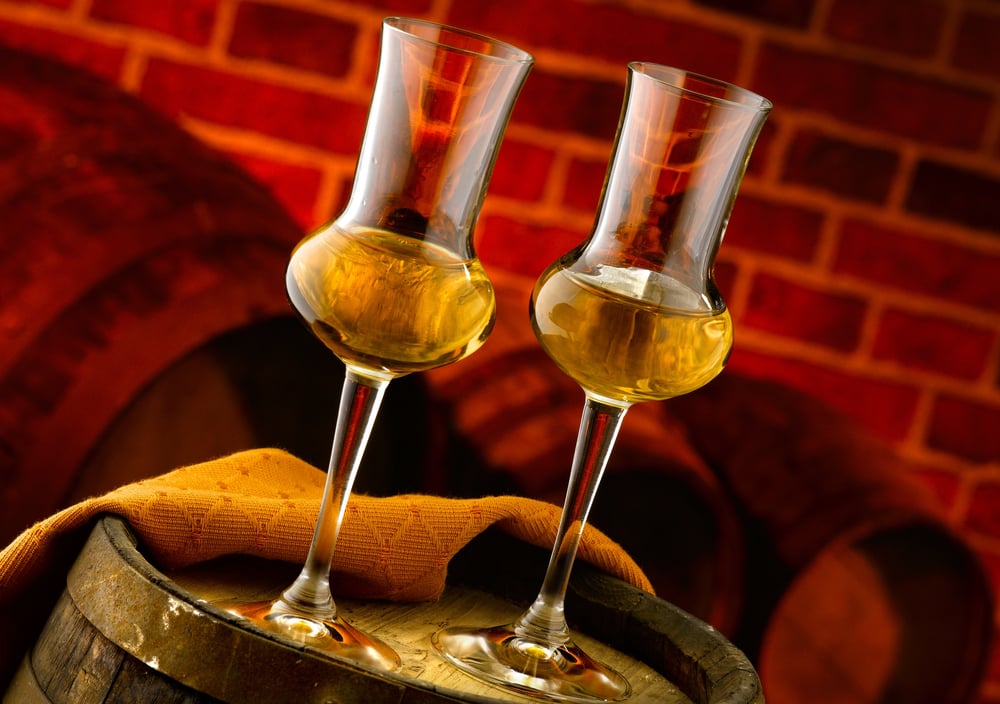
Distilled spirits like whiskey, rum, and vodka can maintain their quality for decades or even centuries when properly sealed. The high alcohol content creates an environment where bacteria and fungi cannot survive, acting as a natural preservative.
Bottles of cognac recovered from shipwrecks over 200 years old have been found completely drinkable, often developing unique flavors through extended aging.
Pure Maple Syrup

Real maple syrup, when stored in glass containers in cool conditions, can last indefinitely without spoiling. Its high sugar content creates an environment hostile to bacterial growth, much like honey.
Unopened bottles discovered in abandoned cabins from the early 1900s have been found still perfectly edible, developing more complex flavors through extended aging.
Dried Pasta
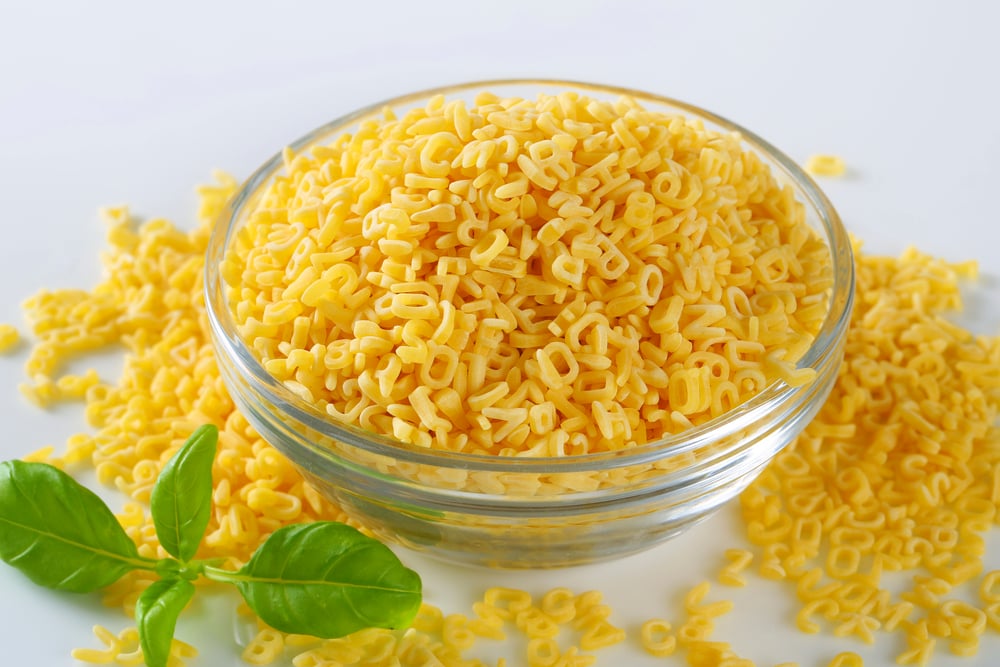
Properly stored dried pasta has been known to remain edible for 25-30 years past production. The extrusion and drying process removes nearly all moisture, creating a product highly resistant to spoilage.
Pasta recovered from early 20th century military rations has been rehydrated and found perfectly edible, maintaining both its texture and basic nutritional properties.
Like Go2Tutors’s content? Follow us on MSN.
Pemmican
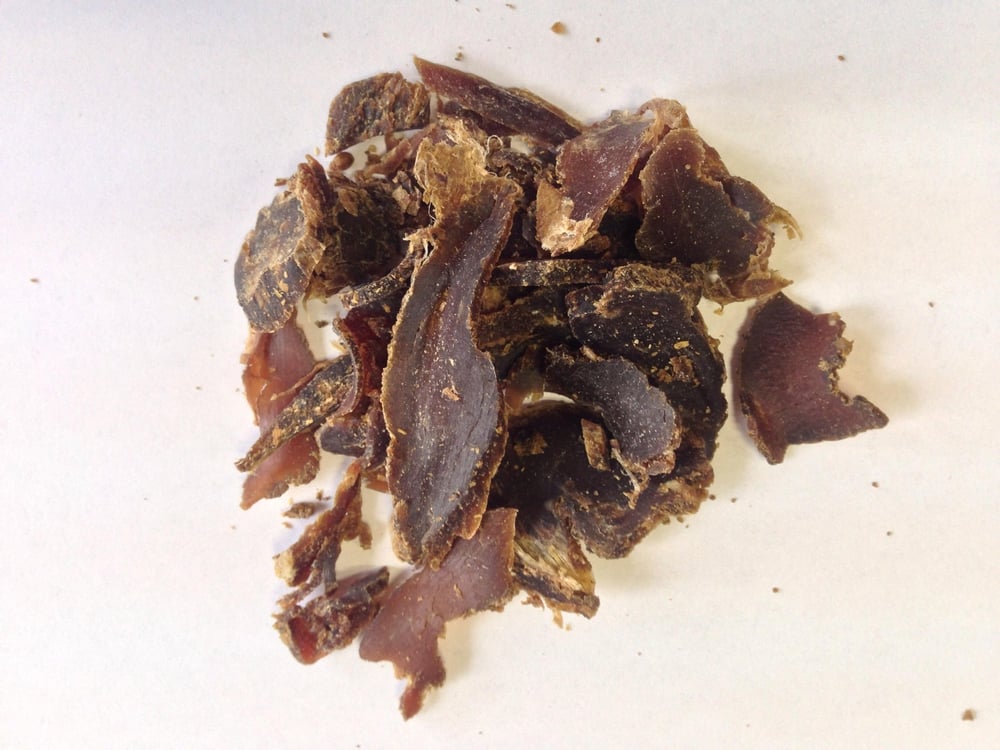
This Native American survival food consists of dried meat pounded with fat and berries, creating a complete nutrition package that can last for decades. The combination of dehydration and fat preservation creates a remarkably stable food source.
Historical accounts describe pemmican remaining edible after 50+ years of storage, making it an unparalleled survival food before modern preservation techniques.
Soy Sauce
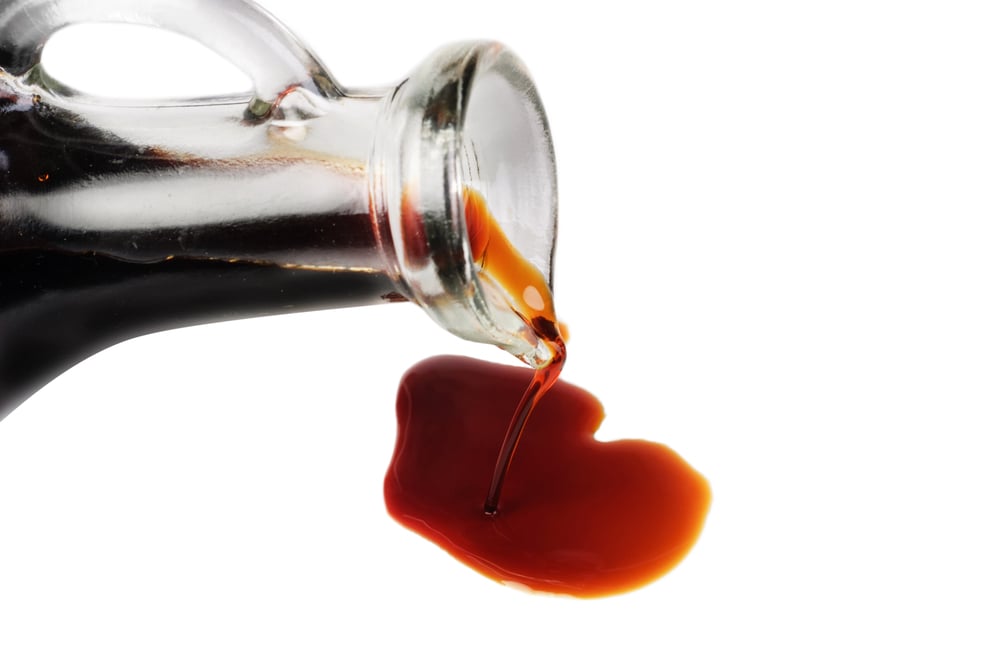
Traditionally brewed soy sauce contains natural preservatives that allow it to remain usable for years beyond any printed expiration date. The fermentation process creates an environment rich in salt and alcohol that naturally inhibits bacterial growth.
Bottles of soy sauce recovered from 19th-century shipwrecks have been found chemically similar to modern versions, though with more complex flavor development.
Canned Foods
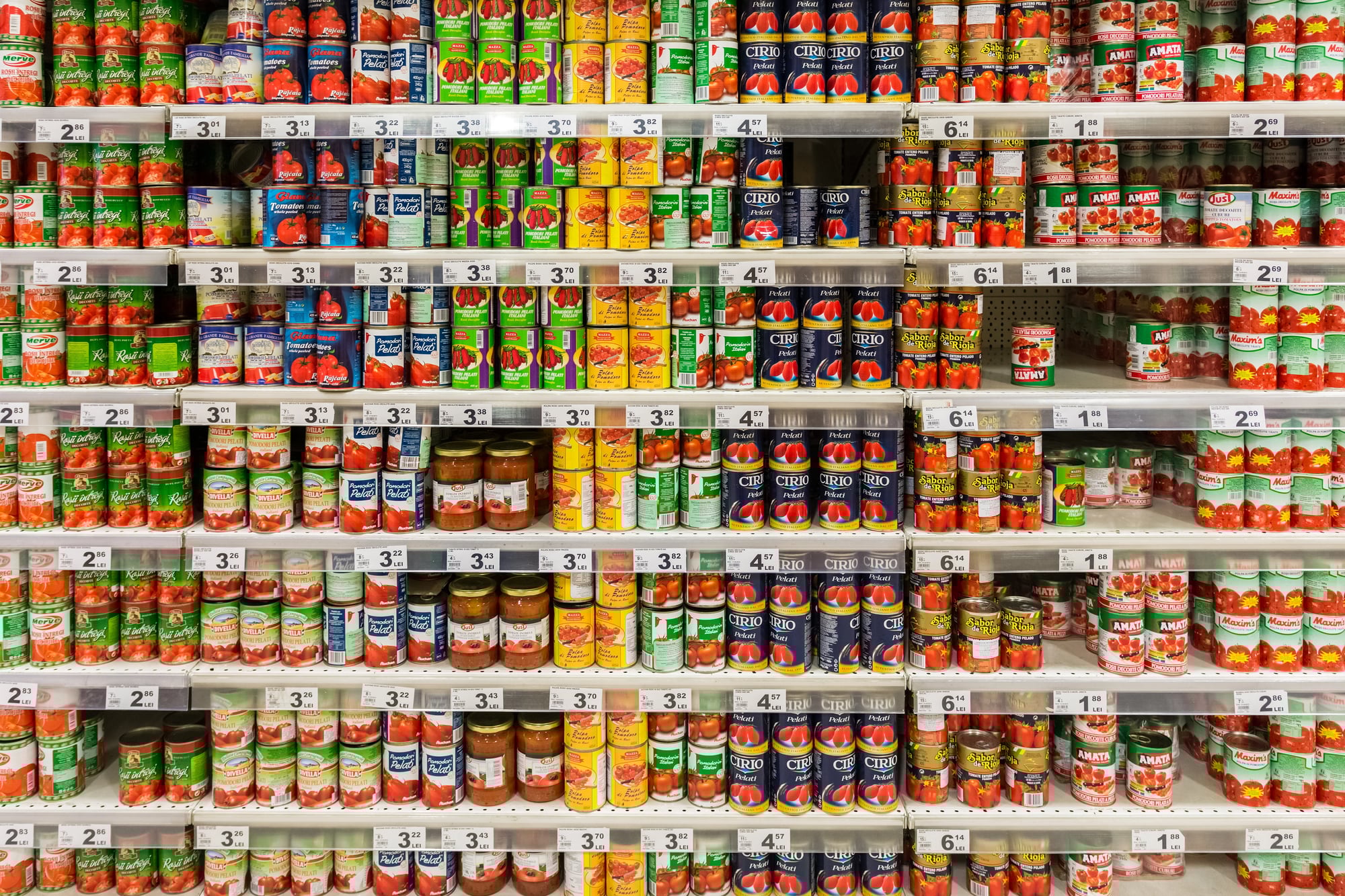
Properly canned foods from commercial factories can remain safe to eat for decades, far exceeding their printed expiration dates. The canning process creates a sterile, oxygen-free environment that prevents spoilage almost indefinitely.
A can of corn from a 1934 shipwreck was opened in 1974 and found to be not just safe but nearly identical in nutritional value to freshly canned products.
Like Go2Tutors’s content? Follow us on MSN.
Hardtack
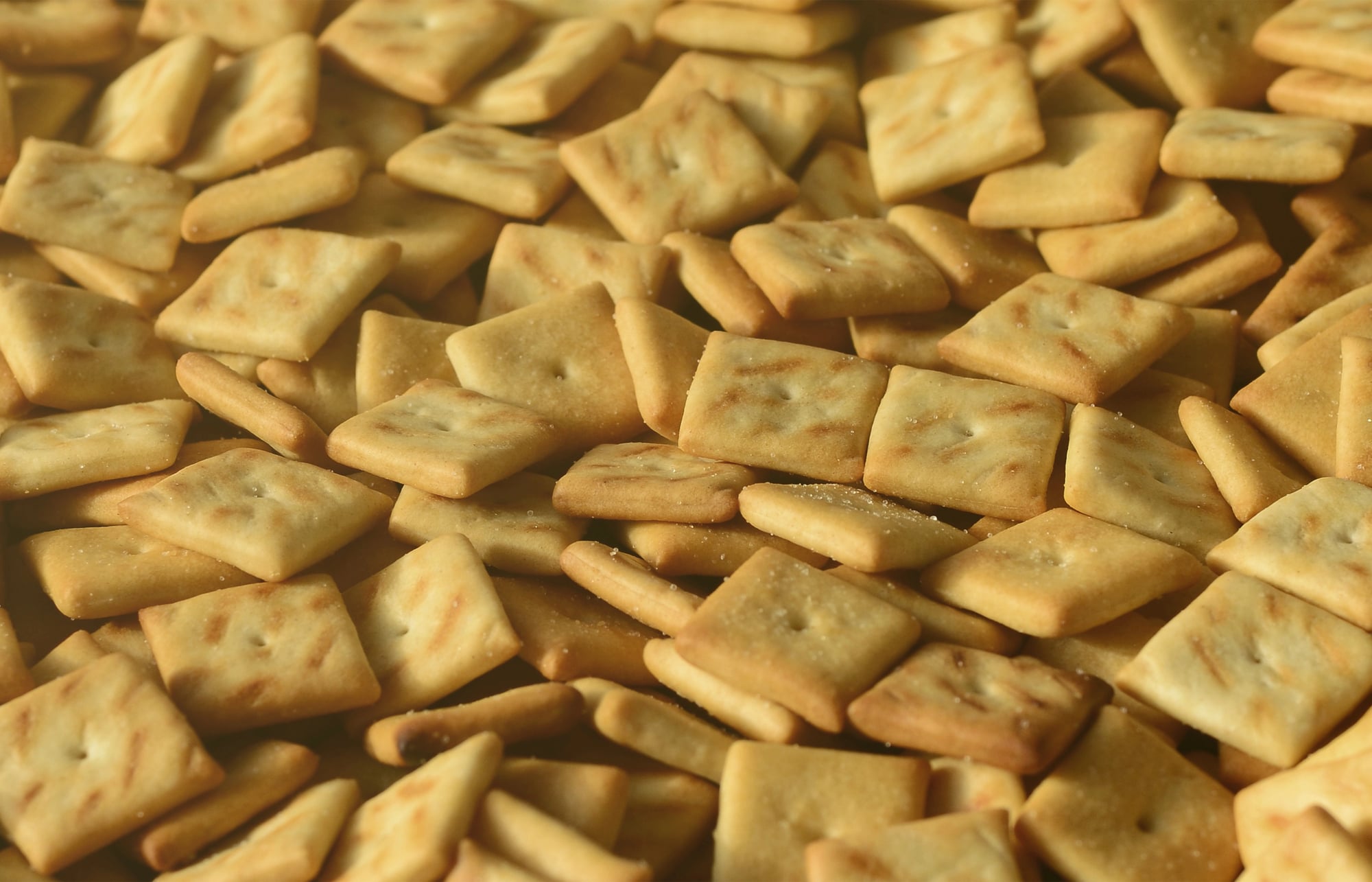
This simple cracker made from flour, water, and salt fueled navies and armies for centuries due to its incredible shelf life. The extremely low moisture content creates a food that resists mold growth almost indefinitely.
Specimens of hardtack from the American Civil War, over 150 years old, remain intact in museums today and technically remain edible, though eating such historical artifacts would be discouraged.
Powdered Milk

Modern spray-dried powdered milk, when stored in oxygen-free containers, maintains nutritional viability for 25+ years. The removal of water prevents any bacterial activity that would normally cause spoilage.
Emergency preparedness experts routinely rotate stocks of powdered milk that have exceeded 20 years of storage and remain completely usable.
Fruitcake
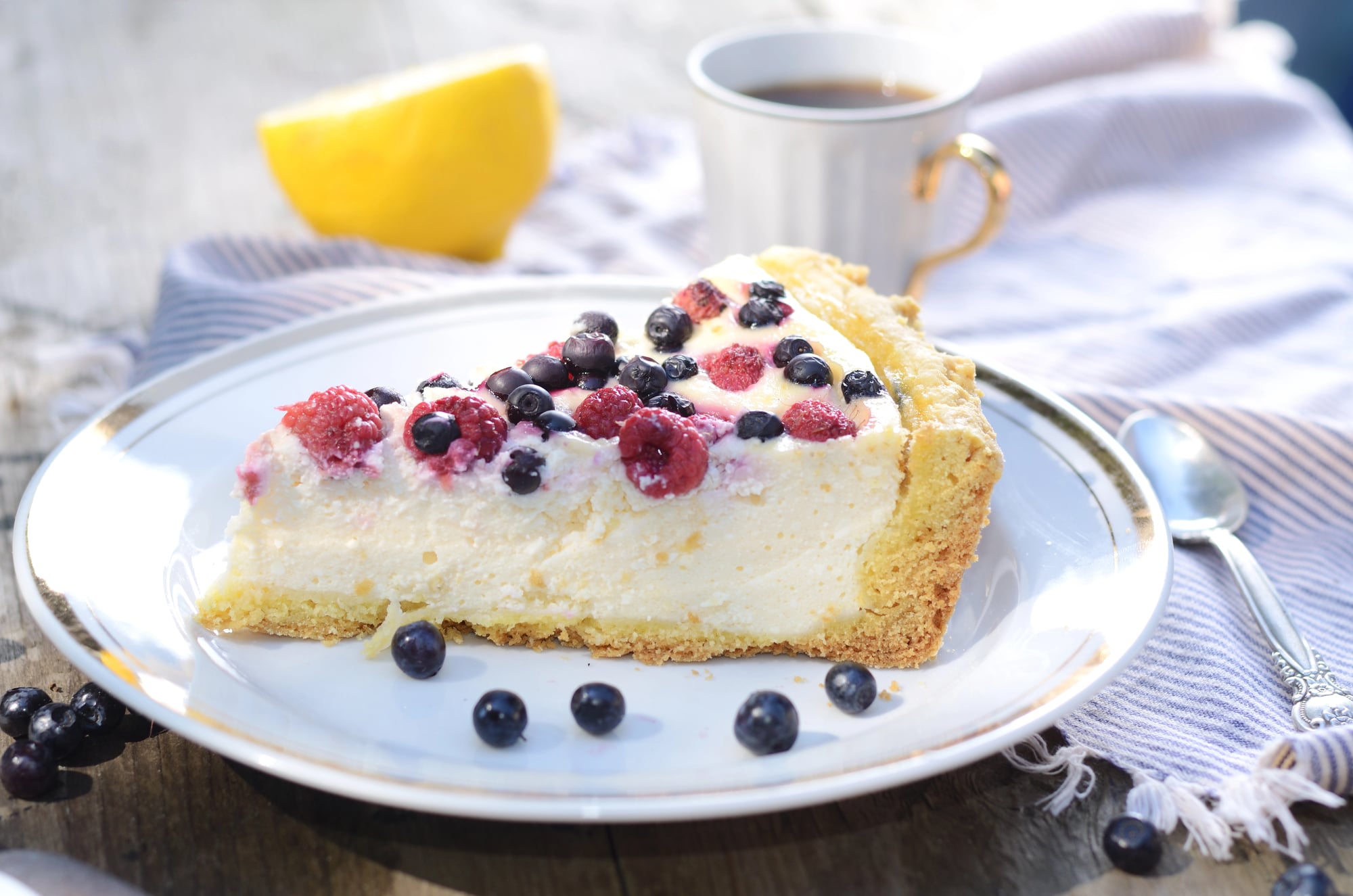
The much-maligned holiday treat has legendary keeping properties due to its unique combination of preserved fruits, alcohol, and sugar. The density and preservative ingredients create a food remarkably resistant to spoilage.
A fruitcake baked in 1878 in Michigan has been preserved as a family heirloom and remains technically edible nearly 150 years later, though its flavor profile has certainly evolved.
Like Go2Tutors’s content? Follow us on MSN.
Dark Chocolate
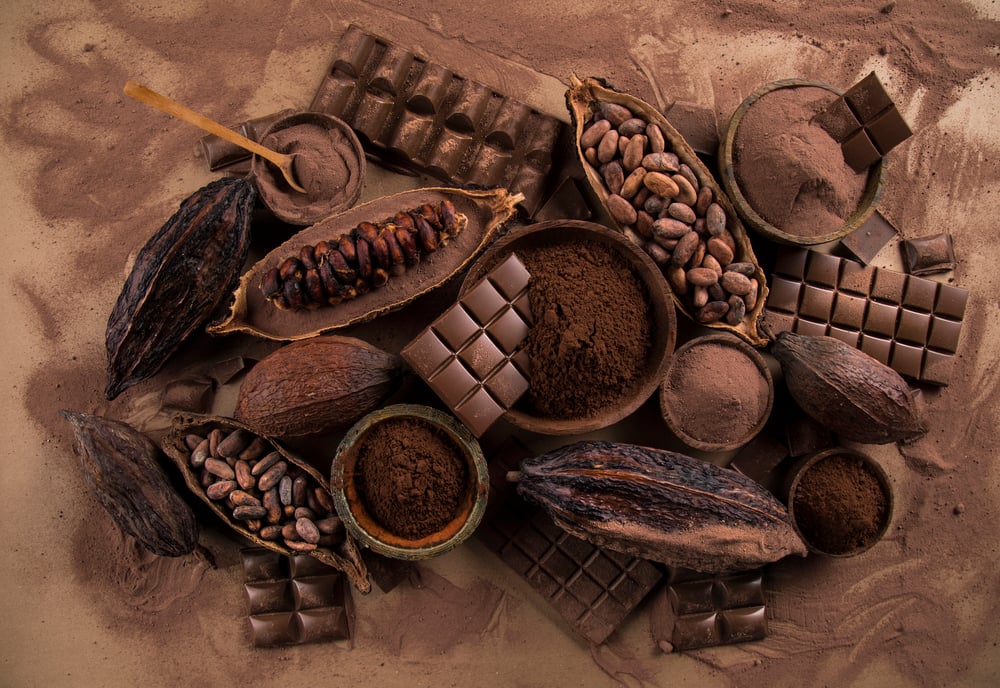
High-quality dark chocolate with minimal dairy content can remain edible for decades when stored properly. The natural antioxidants in cocoa beans help preserve the fats from rancidity far longer than most food products.
Chocolate bars from World War II emergency rations have been found still edible, though with significant changes in texture and flavor profiles.
Timeless Pantry Champions
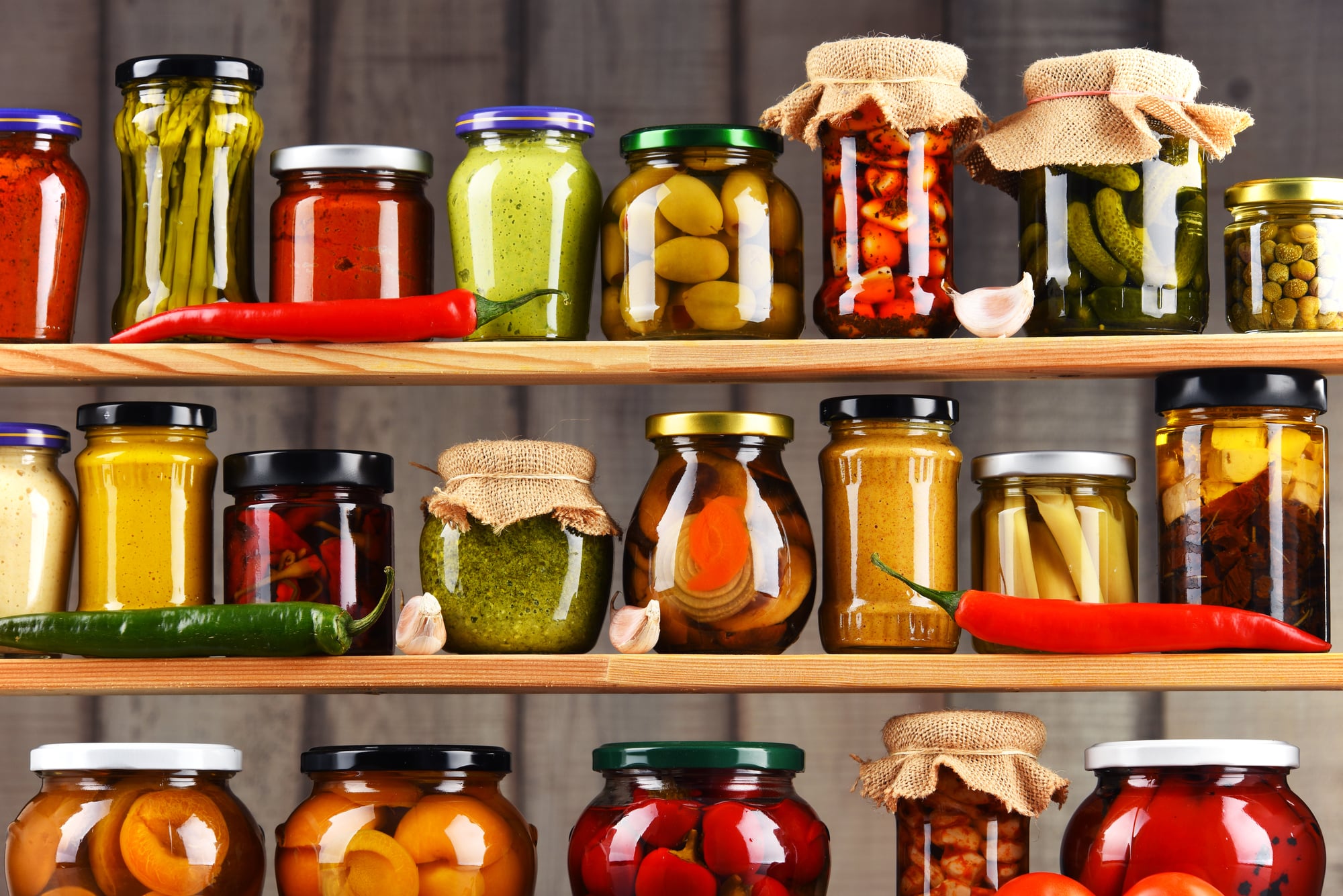
These remarkable foods have earned their legendary status by transcending normal food preservation limits. Their extraordinary longevity has made them crucial throughout history for survival, exploration, and food security.
While modern preservation techniques have expanded our options for long-term food storage, these natural champions remain unmatched in their combination of shelf stability and basic nutritional preservation. These foods remind us that sometimes the oldest preservation methods remain the most effective, outlasting even our most sophisticated modern approaches.
More from Go2Tutors!

- 18 Unexpectedly Valuable Collectibles You Might Have Lying Around
- 20 Little-Known Historical Battles That Had Huge Consequences
- 20 Historical Artifacts That Scientists Can’t Explain
- 15 Inventions That Were Immediately Banned After Being Created
- 20 Actors Who Were Almost Cast in Iconic Roles
Like Go2Tutors’s content? Follow us on MSN.



