16 Things You Didn’t Know About New York City
New York City feels like the most documented place on Earth. Every street corner has been photographed, every neighborhood dissected, every story told a thousand times over. But beneath all that familiar noise—the yellow cabs, the towering skyscrapers, the endless hustle—sits a city that still knows how to surprise you. Even longtime residents discover something new about their home, something that makes them pause mid-stride and wonder how they missed it all this time.
The Subway System Has An Abandoned Station You’ll Never See
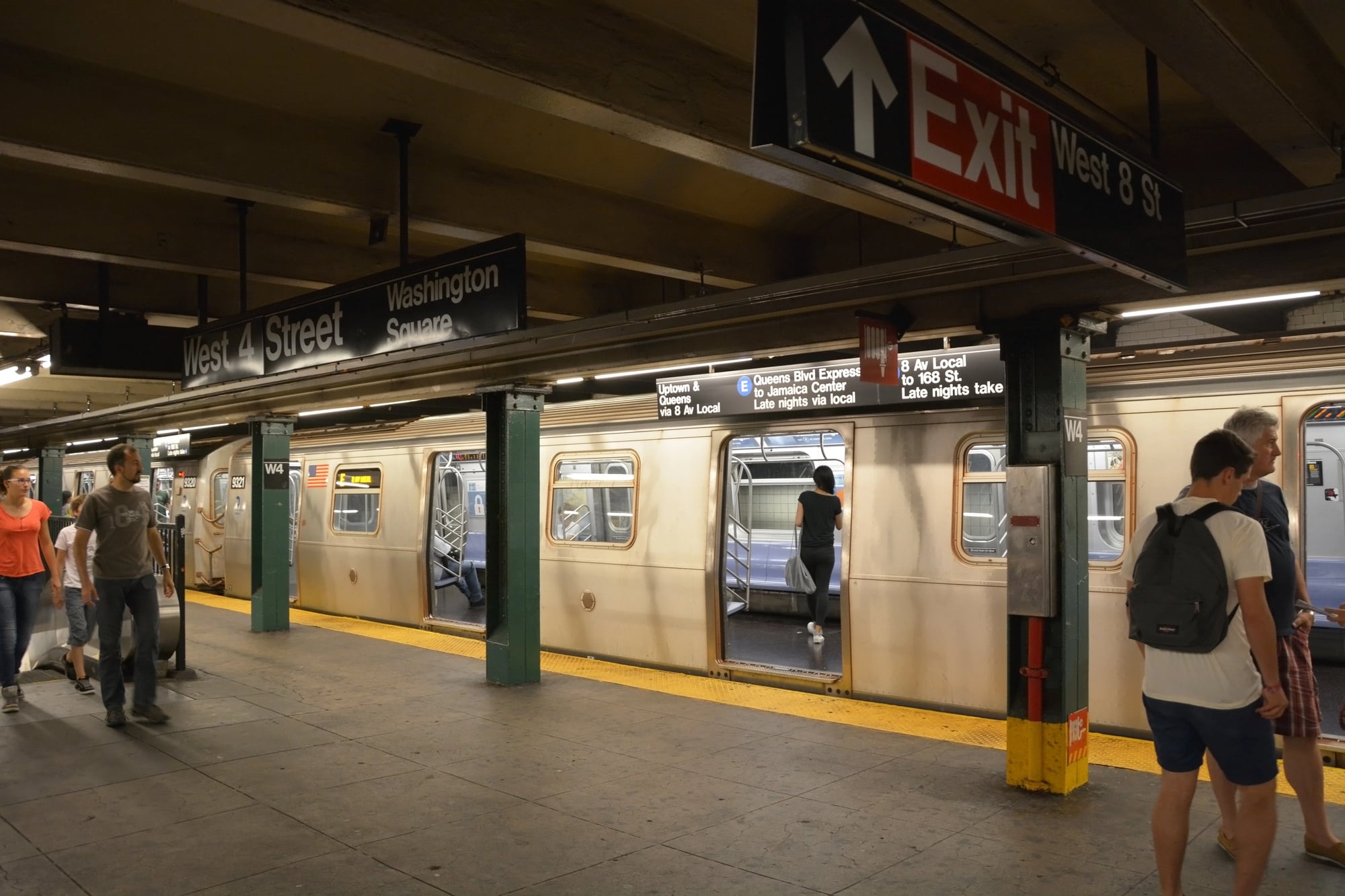
Grand Central has a hidden platform. Track 61 runs directly beneath the Waldorf Astoria hotel.
Franklin Roosevelt used it to travel undetected, his armored train car rolling straight into the basement of Manhattan. The track is still there, locked away and forgotten by most of the city above.
Central Park Isn’t Natural
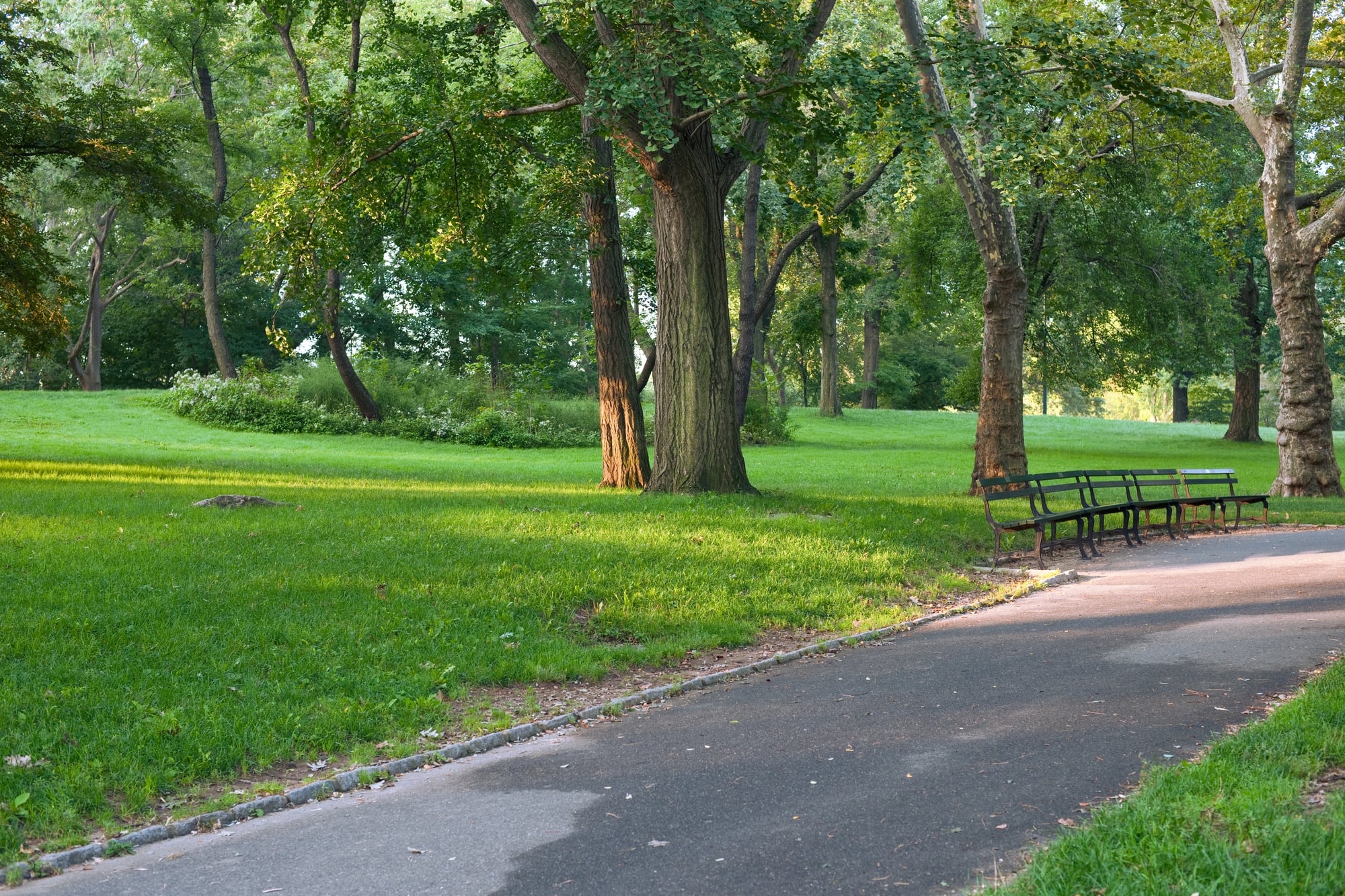
Every hill was sculpted. Every lake was dug by hand.
What looks like nature reclaiming the city is actually 843 acres of completely manufactured landscape, designed by Frederick Law Olmsted and Calvert Vaux in the 1850s. They moved 10 million cartloads of dirt and planted 270,000 trees and shrubs to create what would become the world’s most famous fake wilderness.
The City’s Grid System Has A Flaw Built Into It
Here’s something that planners discovered too late (and something that becomes obvious once you notice it, though most people walk past this reality every single day without registering what’s happening): the numbered streets don’t actually run perfectly east-west the way they appear to on maps, because Manhattan itself sits at a 29-degree angle to true geographic north.
So when you’re walking “east” on 42nd Street, you’re actually walking northeast—which explains why the sun behaves so strangely during Manhattan’s famous “Manhattanhenge” twice a year, when it aligns perfectly with the street grid at sunset.
But there’s more to this story, because the commissioners who laid out this grid in 1811 knew about the angle and decided to ignore it anyway, prioritizing neat rectangles over astronomical accuracy. Stubborn choice.
There’s A Whispering Gallery Hidden In Grand Central
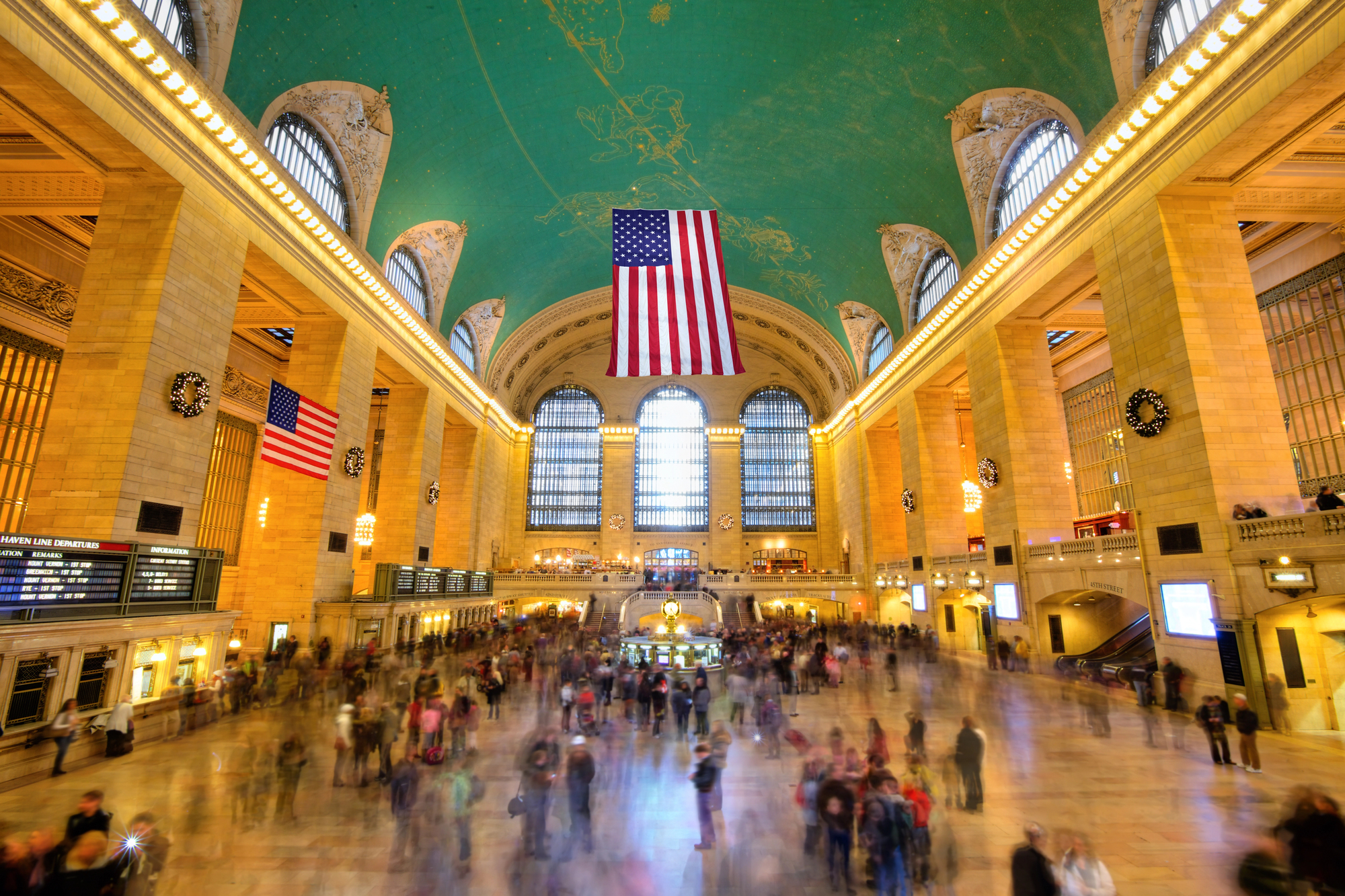
Stand at one corner of the arched ceiling near the Oyster Bar, whisper into the wall, and someone at the diagonal corner can hear every word. The architecture creates a perfect acoustic chamber—your voice travels along the curved tiles with startling clarity.
Most people rush past this spot daily, phones pressed to their ears, never realizing they’re walking through one of the city’s most elegant party tricks.
The Brooklyn Bridge Was Built By A Woman
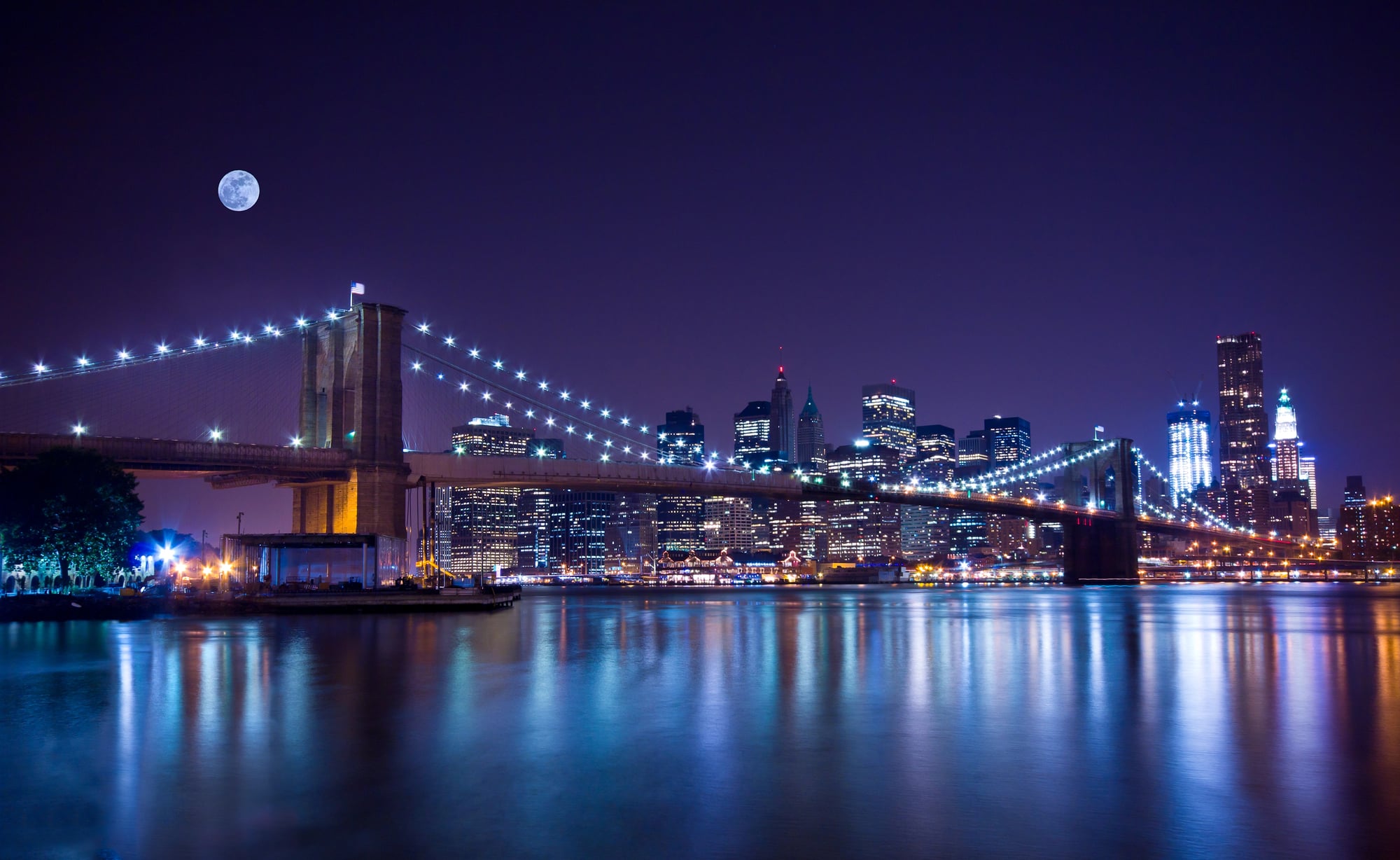
Emily Warren Roebling took over construction when her husband Washington fell ill from decompression sickness. She became the first woman field engineer, spending 11 years overseeing every detail of the bridge’s completion.
When it opened in 1883, she was the first person to cross it. Her husband designed it, but she built it.
Pizza Wasn’t Invented Here
Lombardi’s opened in 1905 and claims to be America’s first pizzeria. But the pizza they served looked nothing like what most people order today—no stretchy mozzarella, no wide slices you fold in half, no grease that drips onto the sidewalk while you eat it standing up (because back then, pizza was considered a breakfast food, something Italian immigrants ate on their way to work, topped with anchovies and eaten with a fork).
The “New York slice” as everyone knows it now didn’t really exist until the 1960s, when coal ovens gave way to gas and bakers started using different cheese blends that melted and stretched the way tourists expect. And yet the entire world thinks of New York pizza as some ancient, unchanging tradition—which is saying something about how quickly food myths take root in a city that’s always been more interested in reinventing itself than preserving its past.
The Statue Of Liberty Stands In New Jersey Waters
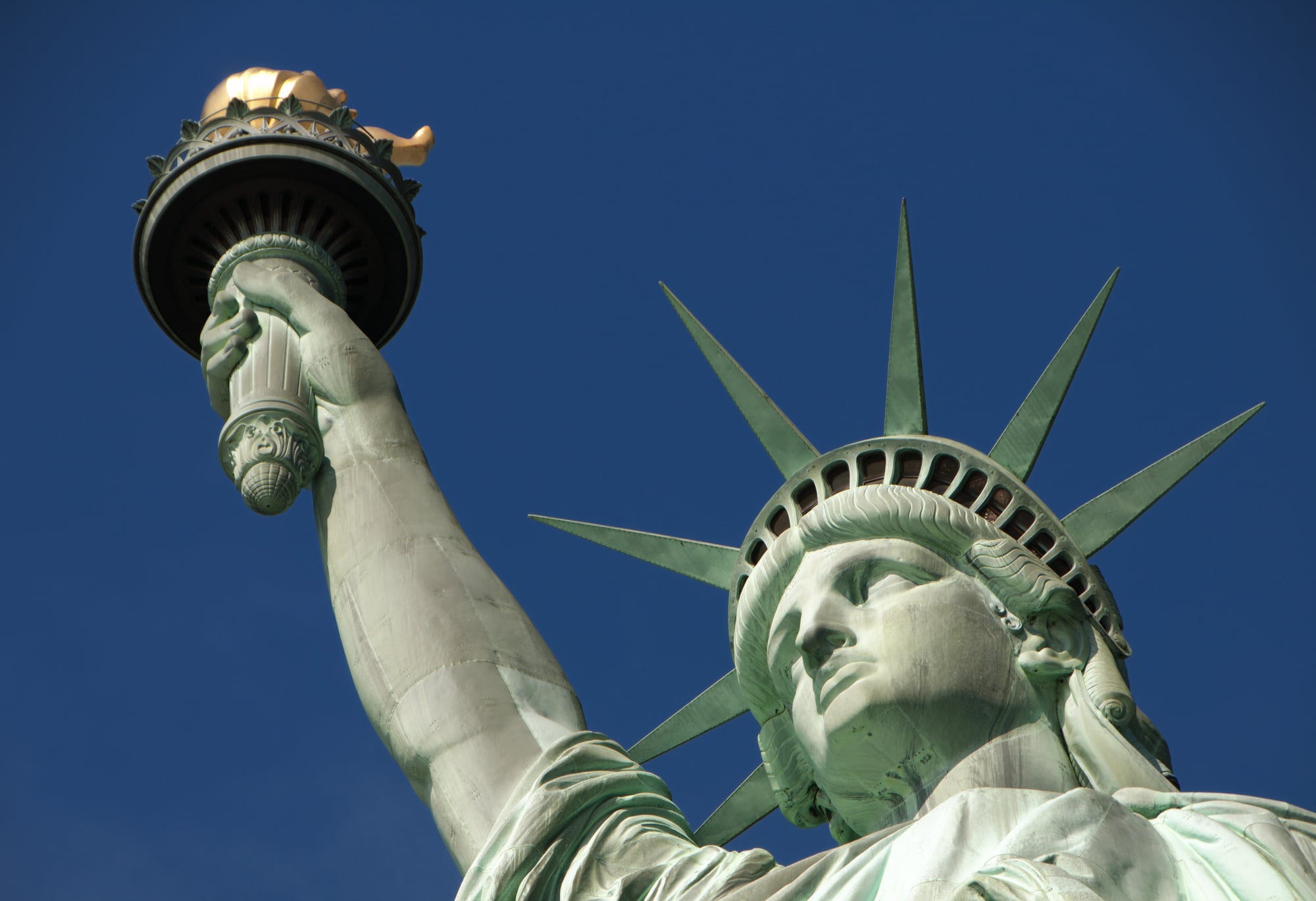
The Supreme Court settled this in 1998. Everything above the high tide line belongs to New York, but Lady Liberty’s feet are technically in New Jersey.
Both states claim her, but the garden she stands in isn’t New York soil.
There Are 13,000 Yellow Cabs, But That Number Is Shrinking
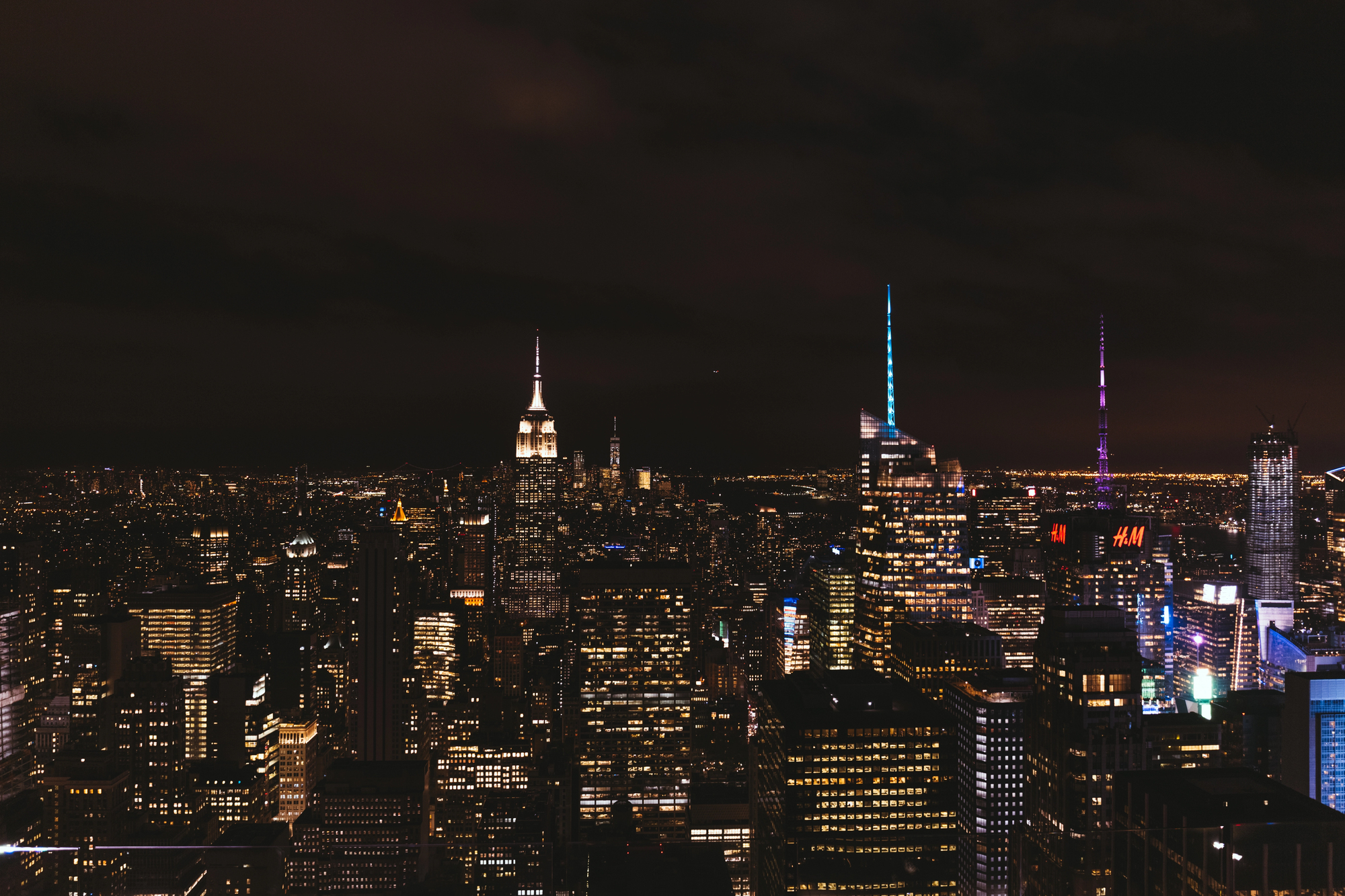
The taxi medallion system once made those permits worth over $1 million each. Uber and Lyft destroyed that market overnight.
Now medallions sell for around $100,000, and many drivers are still paying loans on permits that lost 90% of their value. The yellow cab is becoming a museum piece in its own city.
Wall Street Got Its Name From An Actual Wall
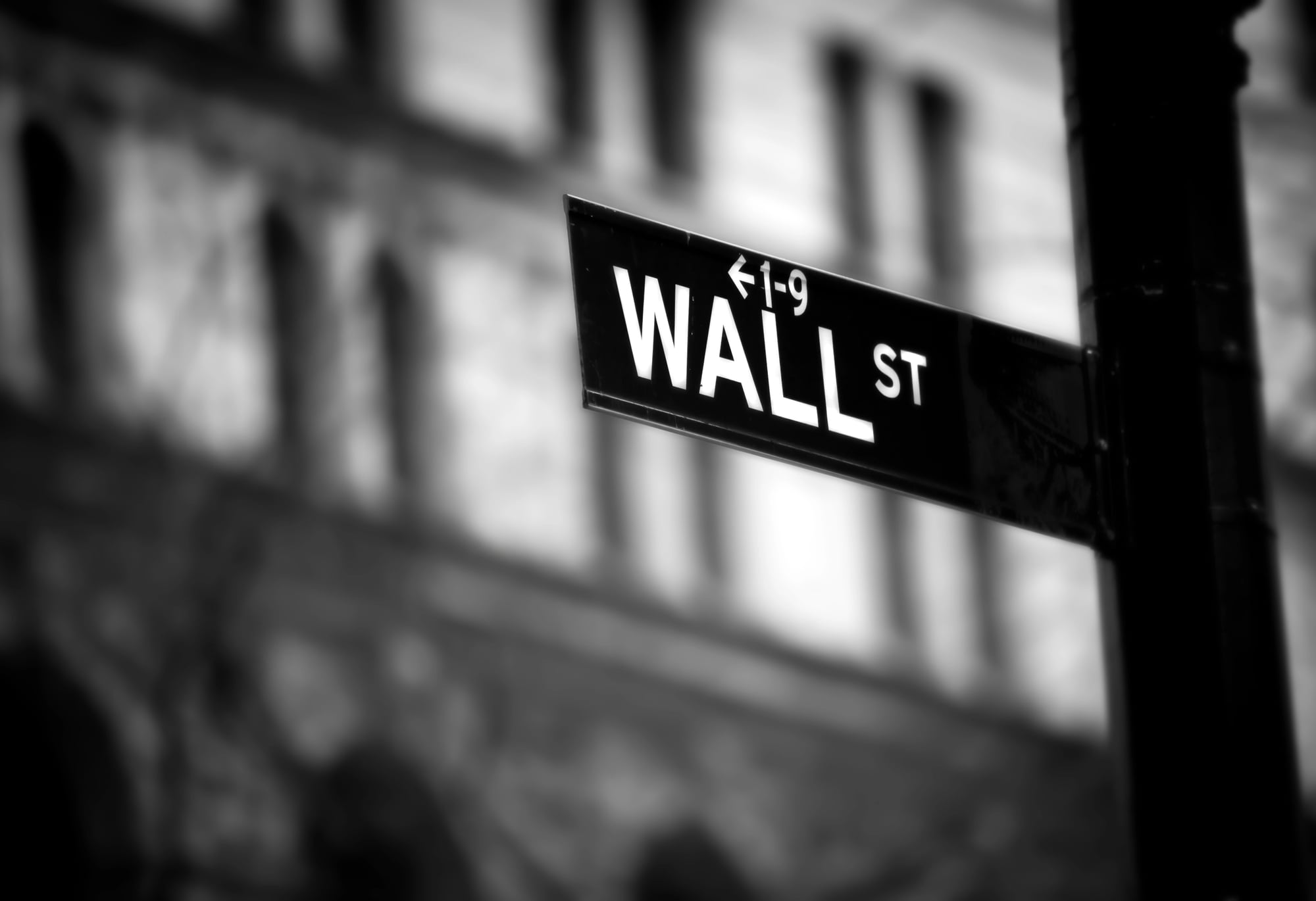
Dutch colonists built a wooden stockade across lower Manhattan in 1653 to keep the British out (and to keep their cattle in, because apparently livestock management and military defense shared the same infrastructure back then, which tells you something about how small and improvised New Amsterdam really was before it became the center of world finance).
The wall came down in 1699, but the name stuck to the narrow street that replaced it. Now that street controls more money than most countries produce, all because of a long-gone fence that was probably more effective at containing farm animals than enemy soldiers. Geography has a sense of irony.
The High Line Was Almost Demolished Twice
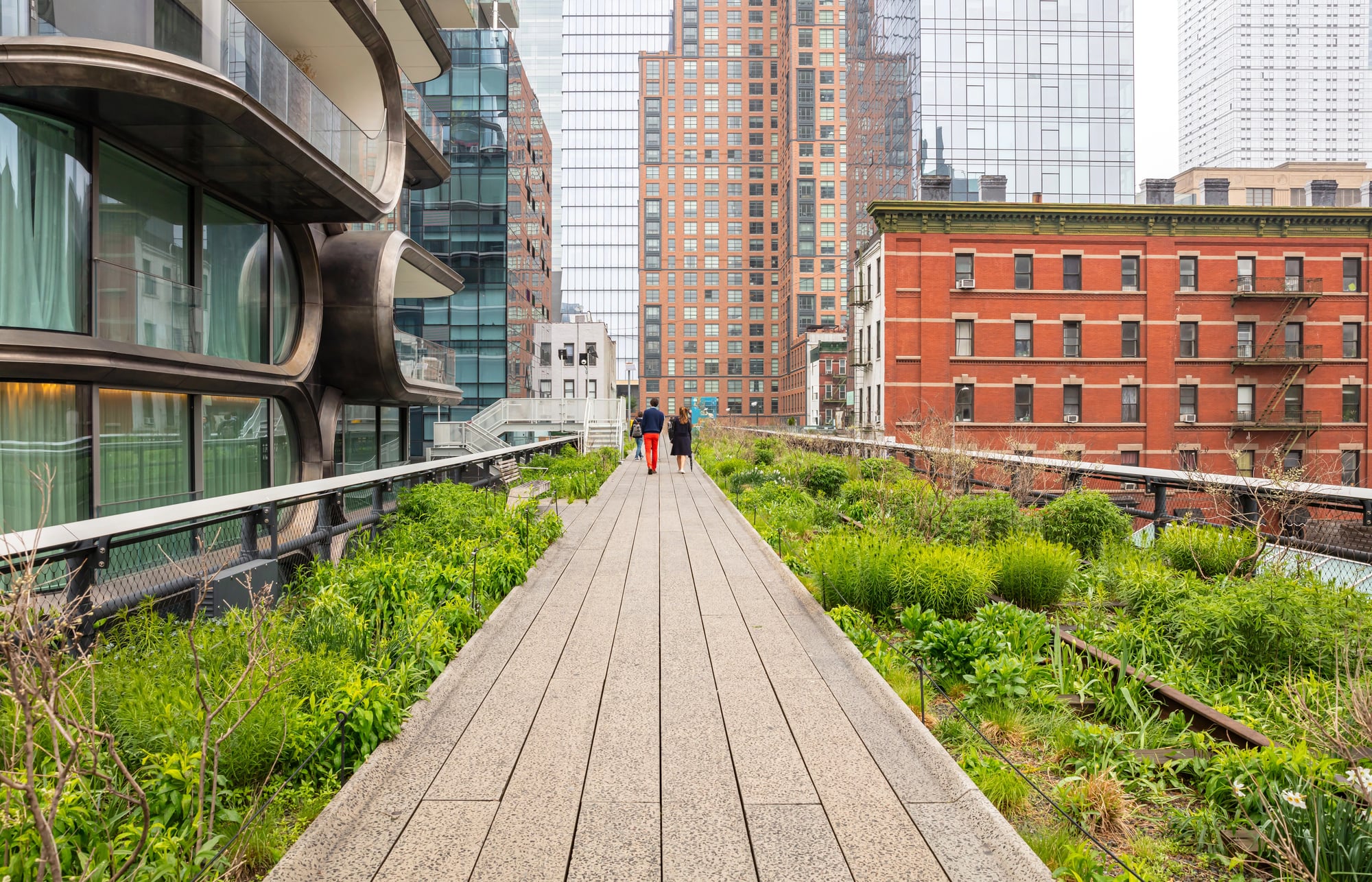
That elevated park everyone loves used to be a freight rail line carrying meat from the meatpacking district. The last train ran in 1980, and the city wanted to tear it down.
Two residents—Joshua David and Robert Hammond—spent 15 years fighting to save it. They had no experience with urban planning, no political connections, no money. Just stubbornness.
There’s A Pneumatic Postal System Under the Streets
From 1897 to 1953, mail traveled through 27 miles of underground tubes at 35 miles per hour. Compressed air shot brass canisters full of letters between post offices faster than trucks could move above ground.
The system still exists—abandoned tunnels that once carried love letters and business deals now sit empty beneath your feet.
The City Has 40 Languages With Over 1,000 Speakers Each
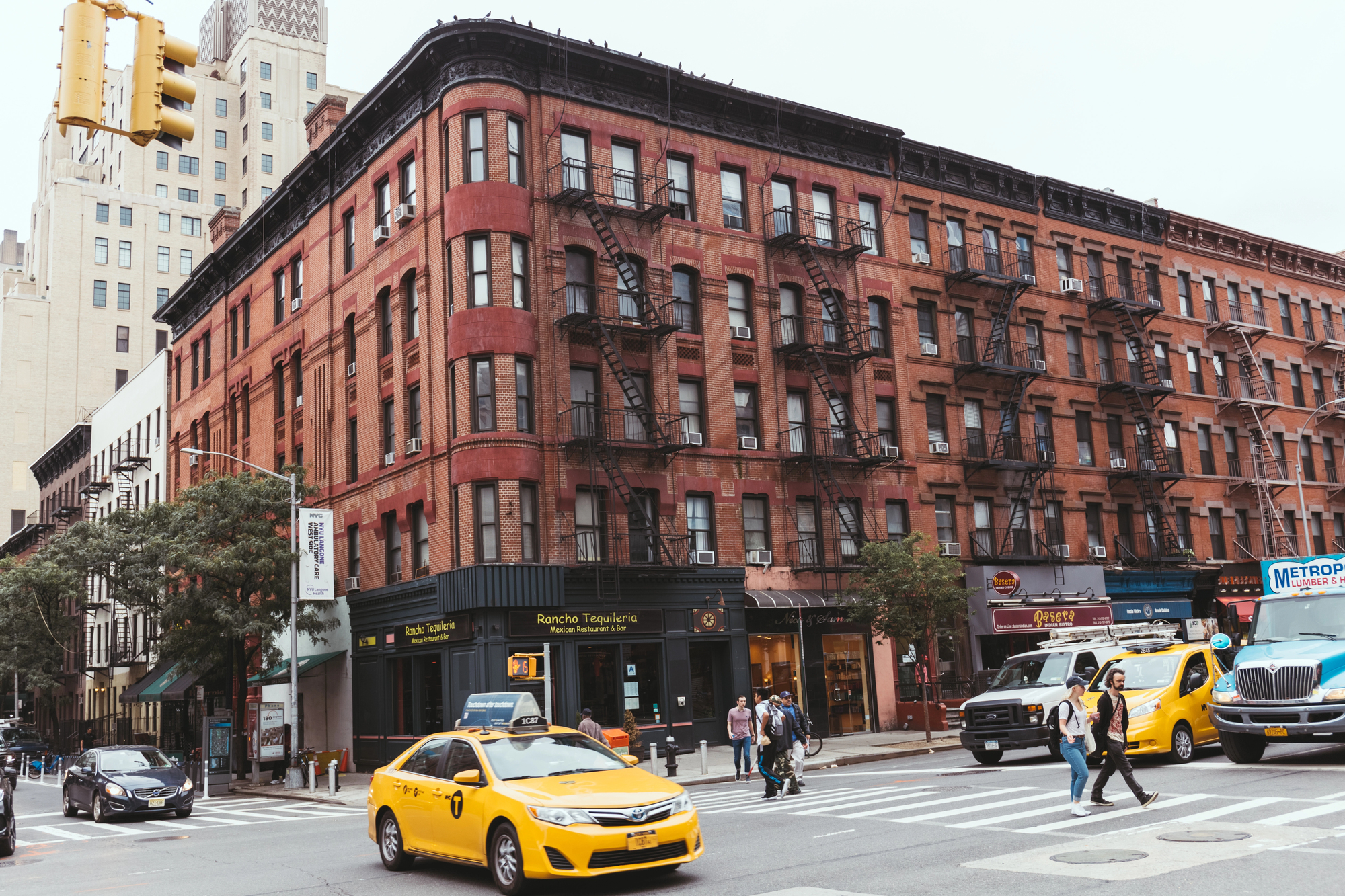
English isn’t even the majority language in Queens (where 138 languages are spoken regularly in schools, which means that on any given subway ride through Jackson Heights, you might hear conversations in Urdu, Mandarin, Spanish, Arabic, and Bengali all before reaching the next stop—and that’s just the languages you recognize).
Russian, Korean, and Haitian Creole all have thriving communities that run their own newspapers, radio stations, and grocery stores where English is the exception rather than the rule. But the most surprising thing about this linguistic diversity isn’t its scope: it’s how invisible it remains to most visitors, who experience New York as fundamentally English-speaking simply because tourism and business operate in English, while the actual texture of daily life in most neighborhoods flows in entirely different tongues.
Central Park Has Its Own Police Force
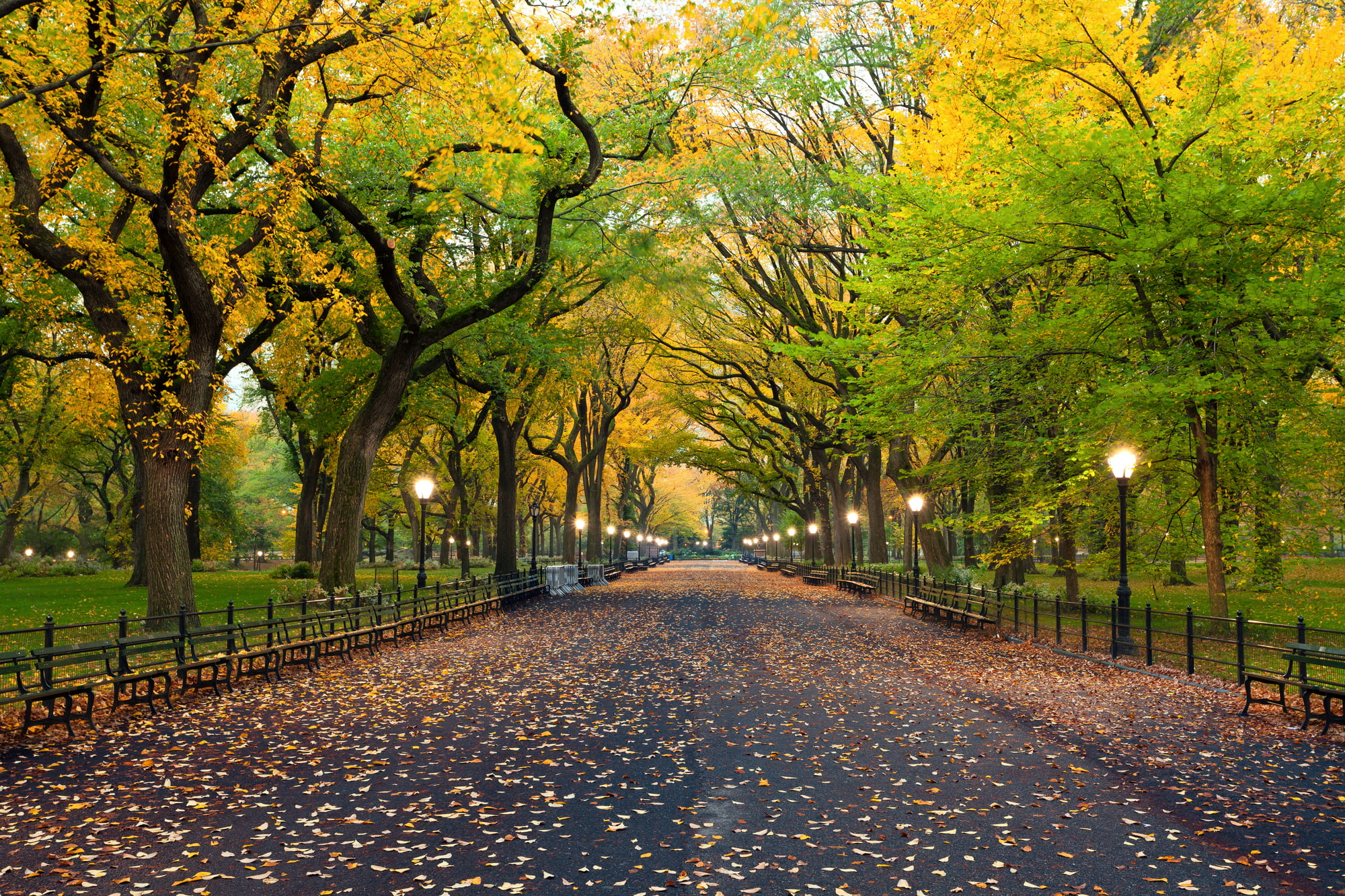
The Central Park Precinct operates independently from the NYPD. They patrol 843 acres on horseback, bicycle, and foot.
Crime in the park is actually lower than in most of the surrounding neighborhoods, but everyone still thinks of it as dangerous after dark because of movies from the 1970s.
The Empire State Building Has Its Own ZIP Code
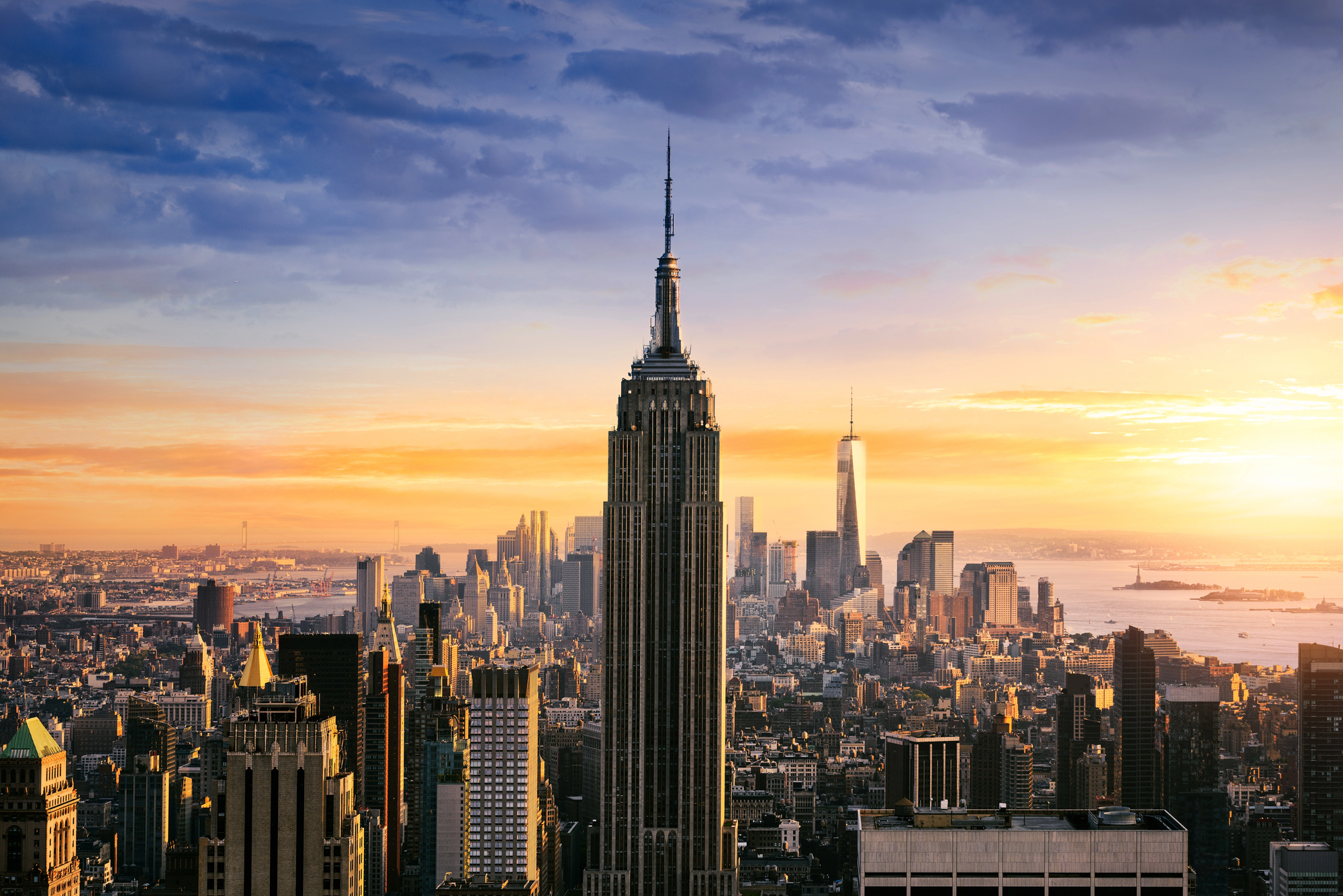
10118 serves just one building. With 1,000 businesses and 21,000 employees inside, the Empire State Building functions like its own small city.
It has 73 elevators, six entrances, and enough office space to house the entire population of some towns.
Times Square Was Nearly Demolished In The 1980s
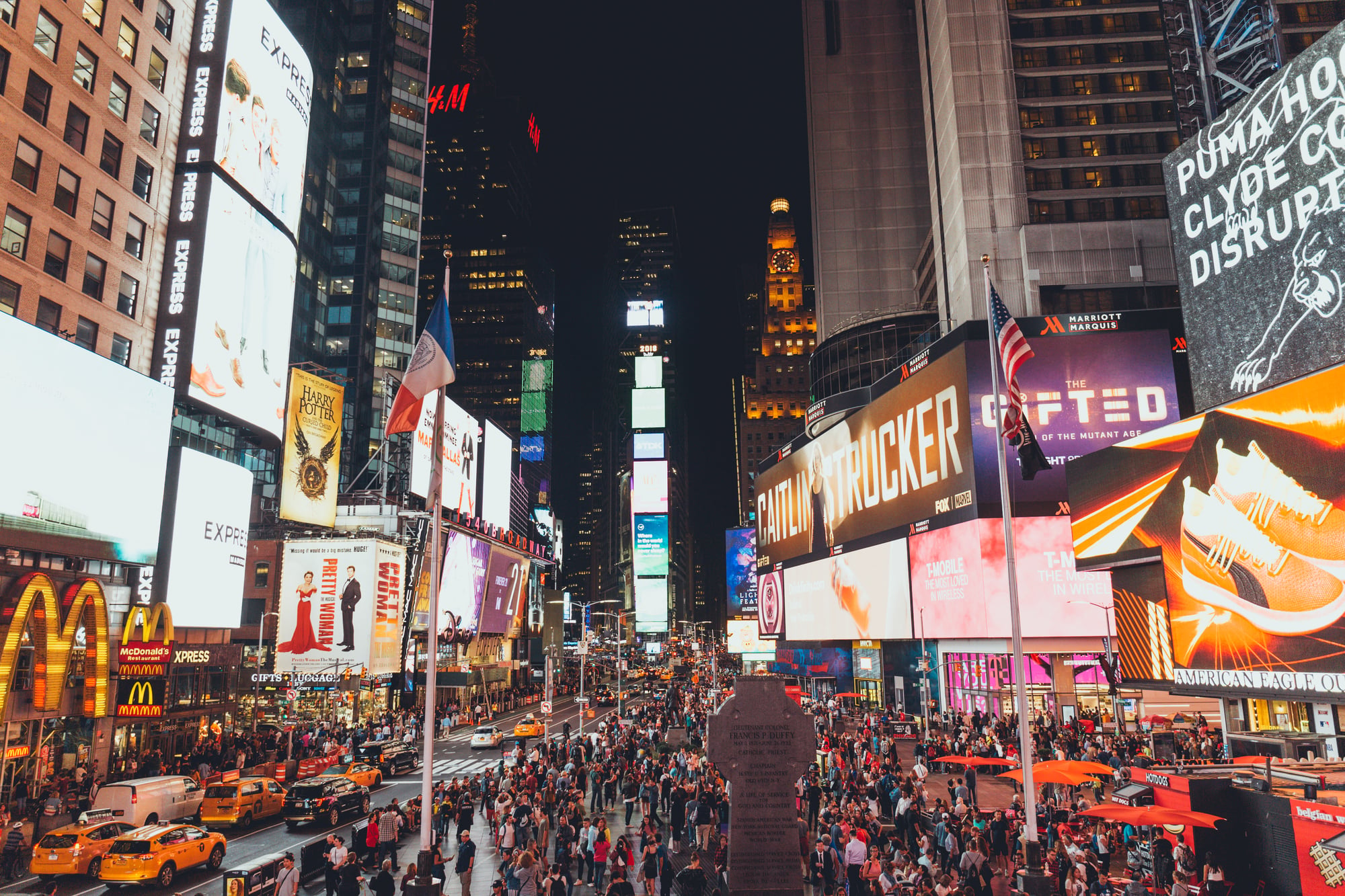
The city planned to tear down most of the theater district and replace it with office towers. Actors, preservationists, and business owners fought for decades to save it.
What everyone now considers the heart of New York tourism almost became another cluster of corporate headquarters.
Broadway Isn’t Straight Because It’s Older Than The Grid
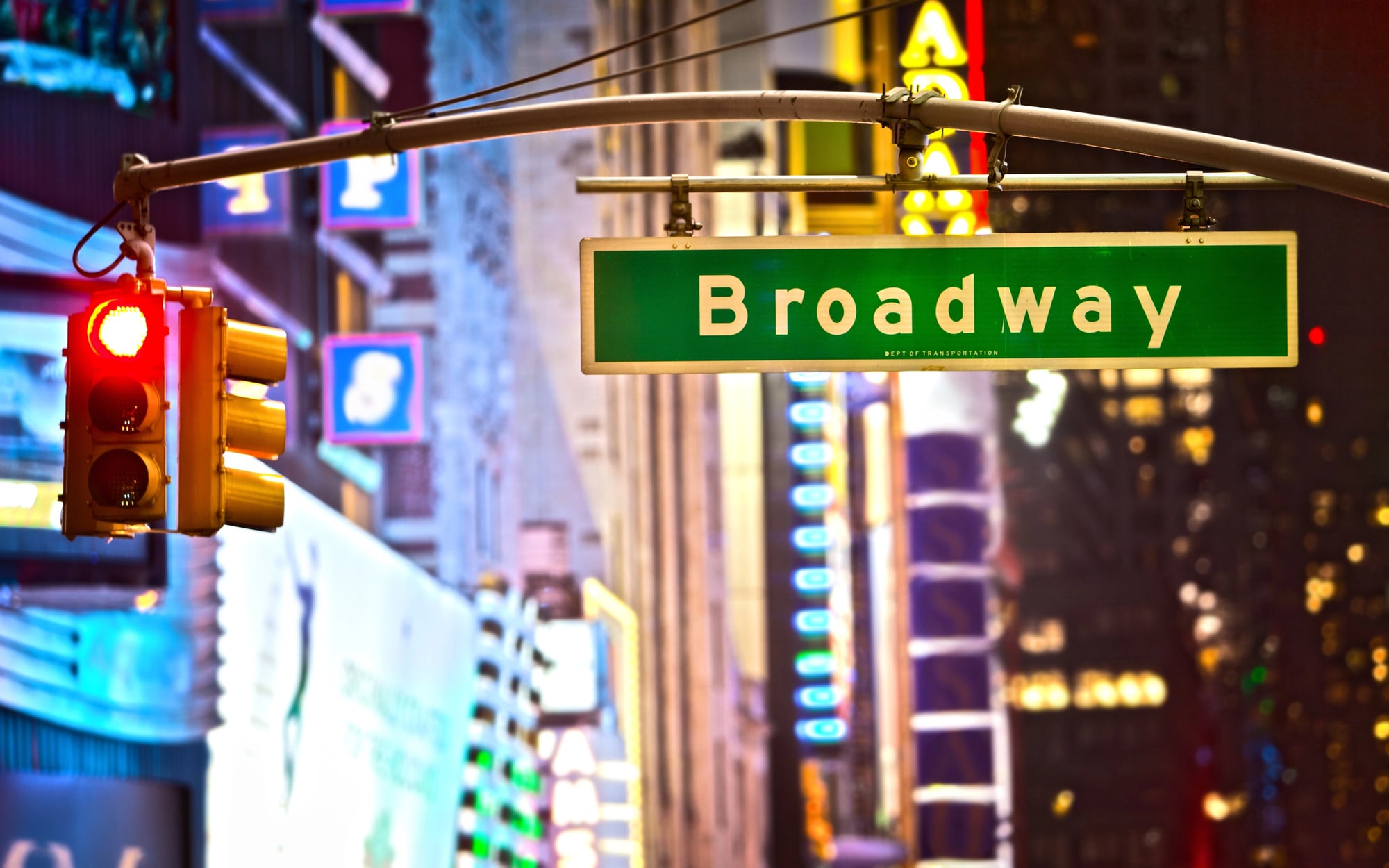
Broadway follows an old Native American trail that connected lower Manhattan to upper Manhattan along the island’s natural ridge. When city planners laid out the numbered street grid in 1811, they couldn’t eliminate Broadway because it was already lined with buildings and businesses.
So it cuts diagonally through the city, creating those weird triangular intersections like Times Square and Herald Square where the old path crosses the new order.
What The Guidebooks Don’t Tell You

New York keeps its best secrets in plain sight—hidden tracks beneath hotels, acoustic chambers in busy terminals, abandoned mail tubes under crowded sidewalks. The city reveals itself slowly, one strange fact at a time, to anyone curious enough to look past the obvious attractions.
Every street corner holds something unexpected, every building conceals some forgotten piece of history. That’s the real magic of a place this dense with stories: there’s always something you didn’t know, waiting to surprise you.
More from Go2Tutors!

- The Romanov Crown Jewels and Their Tragic Fate
- 13 Historical Mysteries That Science Still Can’t Solve
- Famous Hoaxes That Fooled the World for Years
- 15 Child Stars with Tragic Adult Lives
- 16 Famous Jewelry Pieces in History
Like Go2Tutors’s content? Follow us on MSN.