15 Unusual Discoveries Found in Ice
Throughout history, ice has served as nature’s exceptional preservative, trapping and maintaining objects from the distant past in remarkable condition. From ancient creatures to lost expedition equipment, frozen water provides a unique window into bygone eras that other preservation methods simply cannot match.
These frozen time capsules offer scientists unprecedented opportunities to study materials that would otherwise have decomposed centuries ago. Here is a list of 15 unusual discoveries that have emerged from ice around the world.
Each tells extraordinary stories about our planet’s history and human interactions with extreme environments.
Ötzi the Iceman
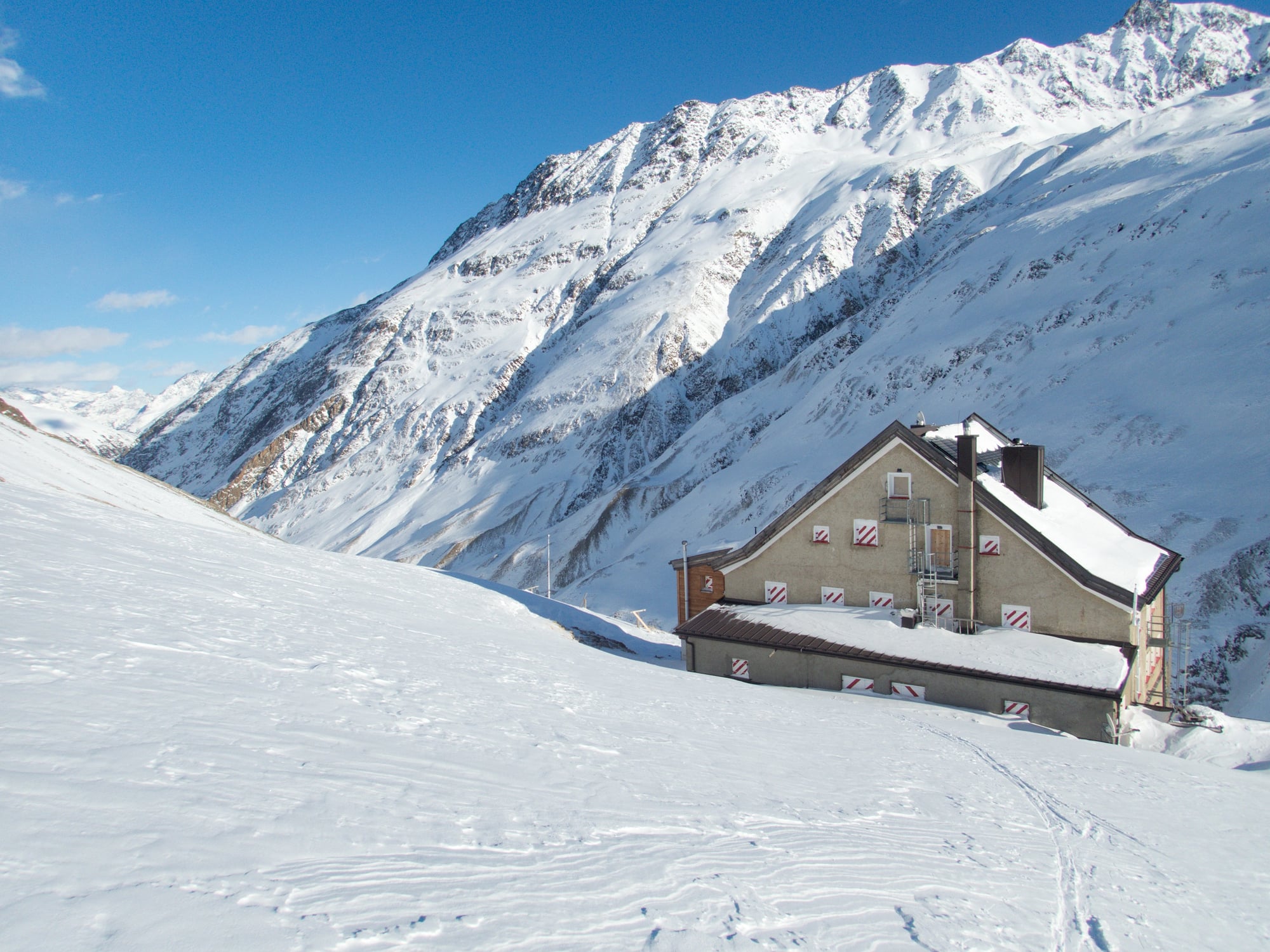
Found in 1991 in the Ötztal Alps – this exceptionally preserved 5,300-year-old mummy revealed extraordinary details about Copper Age life. Researchers discovered over 60 tattoos on his body alongside a sophisticated kit of tools including a copper axe, yew bow, and medicinal fungi.
His stomach contents even allowed scientists to determine his final meals, while advanced DNA analysis identified several health conditions and his likely cause of death from an arrow wound.
Woolly Mammoth
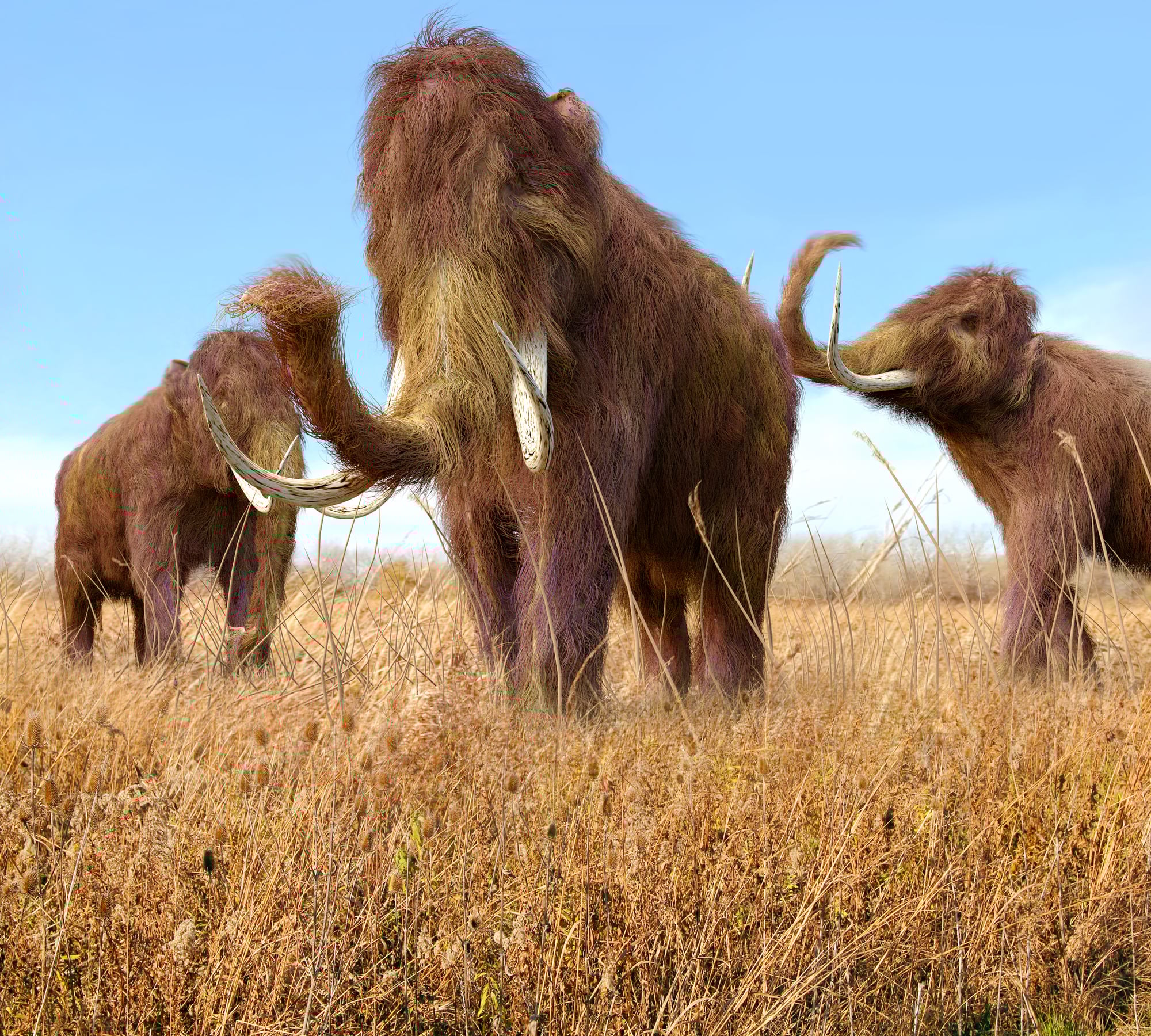
Woolly mammoths have been found in the Siberian permafrost in entire specimens, occasionally with their flesh, organs, and hair still intact after thousands of years. ‘Lyuba’, a young mammoth, was so well preserved that scientists were able to detect milk from its most recent meal in its stomach.
Scientists can better understand how mammoths adapted to frigid climates and ultimately went extinct some 4,000 years ago thanks to the useful DNA samples these frozen giants provide.
Like Go2Tutors’s content? Follow us on MSN.
Ancient Viruses

Scientists studying Tibetan glaciers have found 28 viral groupings, the majority of which are entirely unknown to contemporary science, that have been imprisoned in ice for up to 15,000 years. As global ice fields melt more quickly due to climate change, these frozen viruses provide a threat as well as an opportunity.
They provide remarkable insights into viral evolution and ancient microbiological ecosystems, but they also raise worries about the possibility of dormant diseases reawakening.
Lost Alpine Regiment
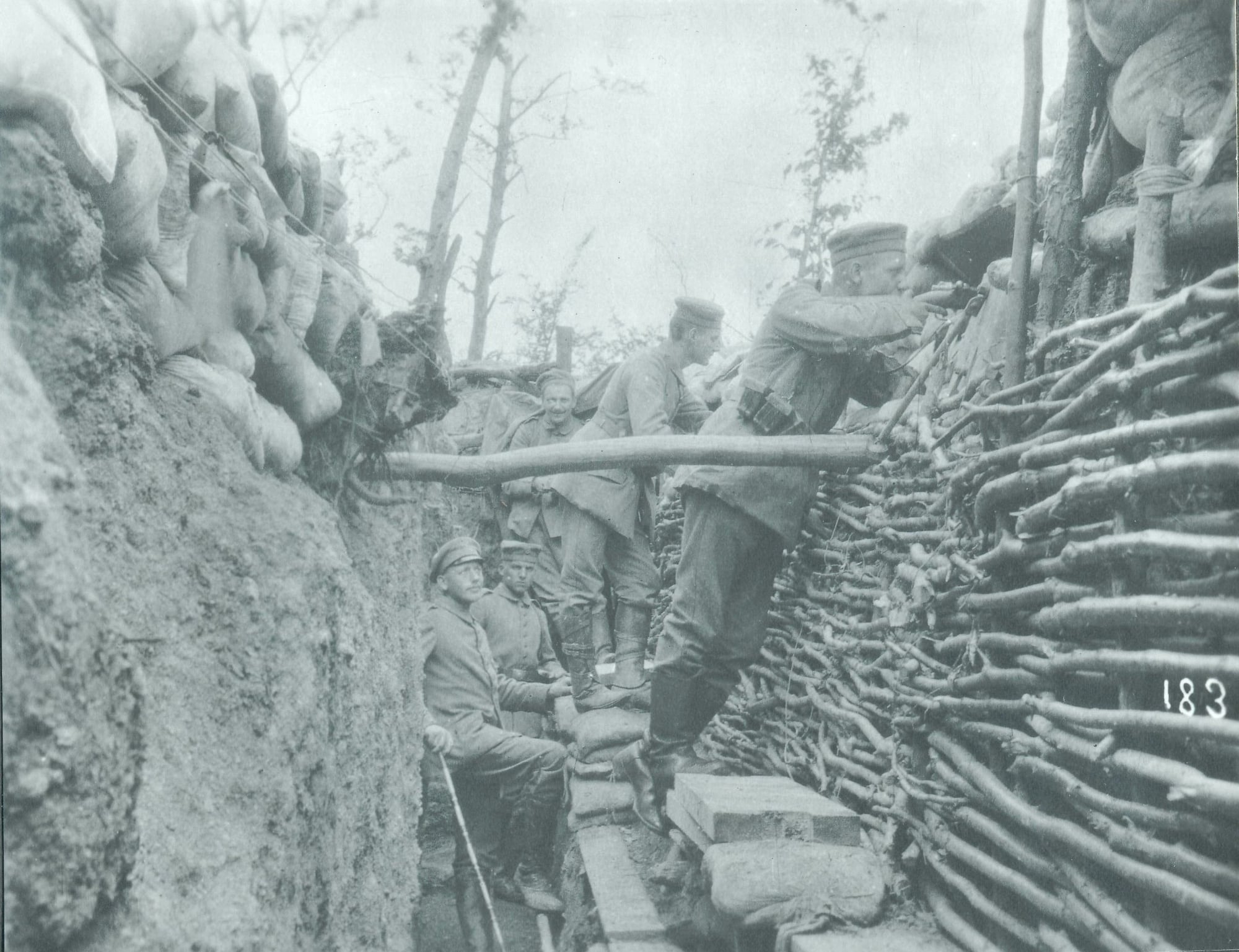
Many soldiers lost their lives in the perilous alpine conditions while fighting at high altitudes along the Italian-Austrian front during World War I. Remarkably preserved bodies, weapons, letters, and personal belongings from these lost battlegrounds have been discovered thanks to recent glacier melt.
Food tins with their contents still intact, newspapers that can still be read, and even handwritten notes detailing the conditions on the battlefield are examples of the exceptional preservation.
Ancient Arrows
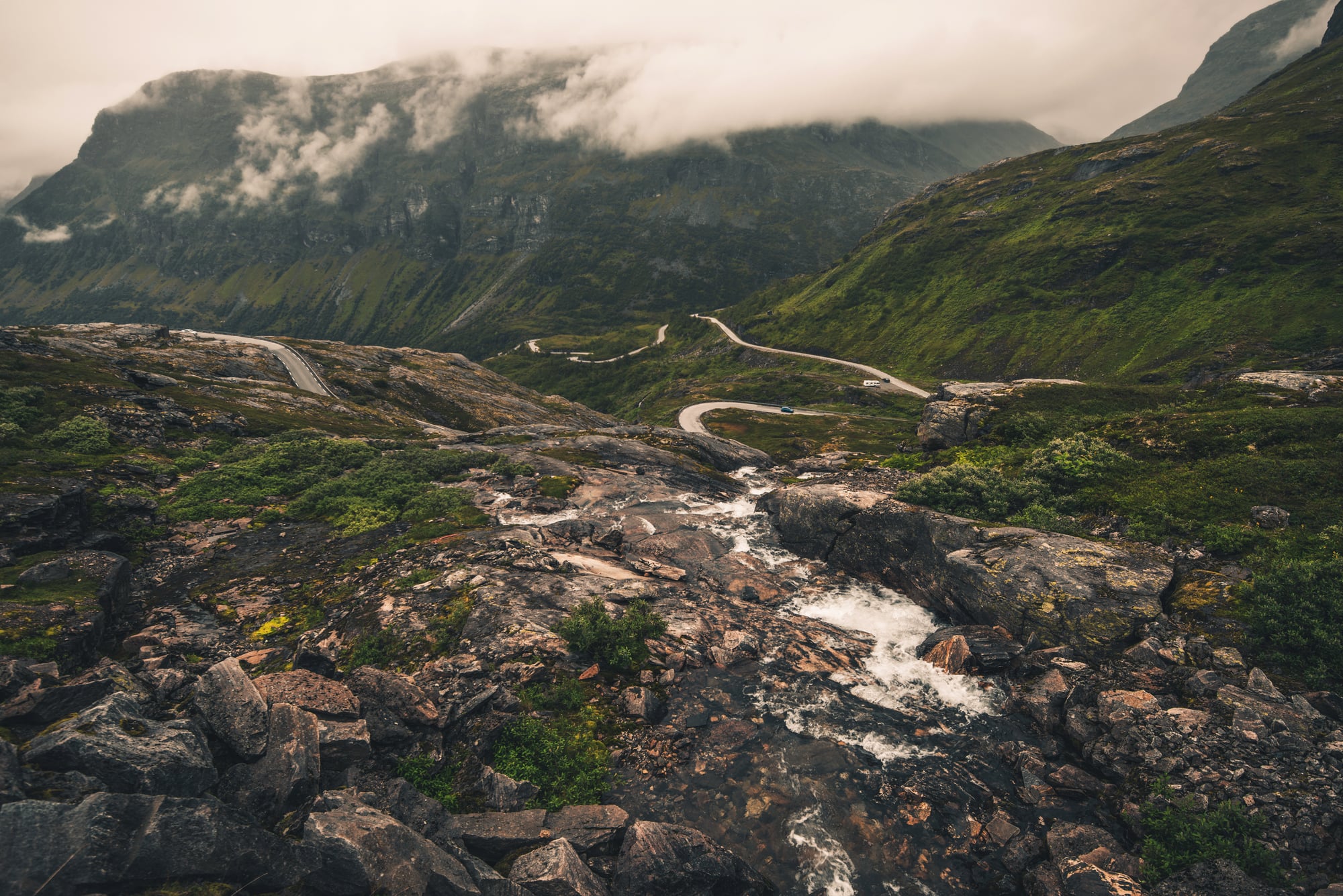
Wooden arrows from 6,000 years ago have been found in Norwegian mountain ice patches, replete with natural materials like feather fletching and birch tar glue. These fragile artifacts would not have survived in typical archeological settings, but ice kept them in almost perfect condition.
The findings force historians to reevaluate the possibilities of ancient technology by proving that advanced hunting technology existed thousands of years earlier than previously believed.
Like Go2Tutors’s content? Follow us on MSN.
Frozen Plants
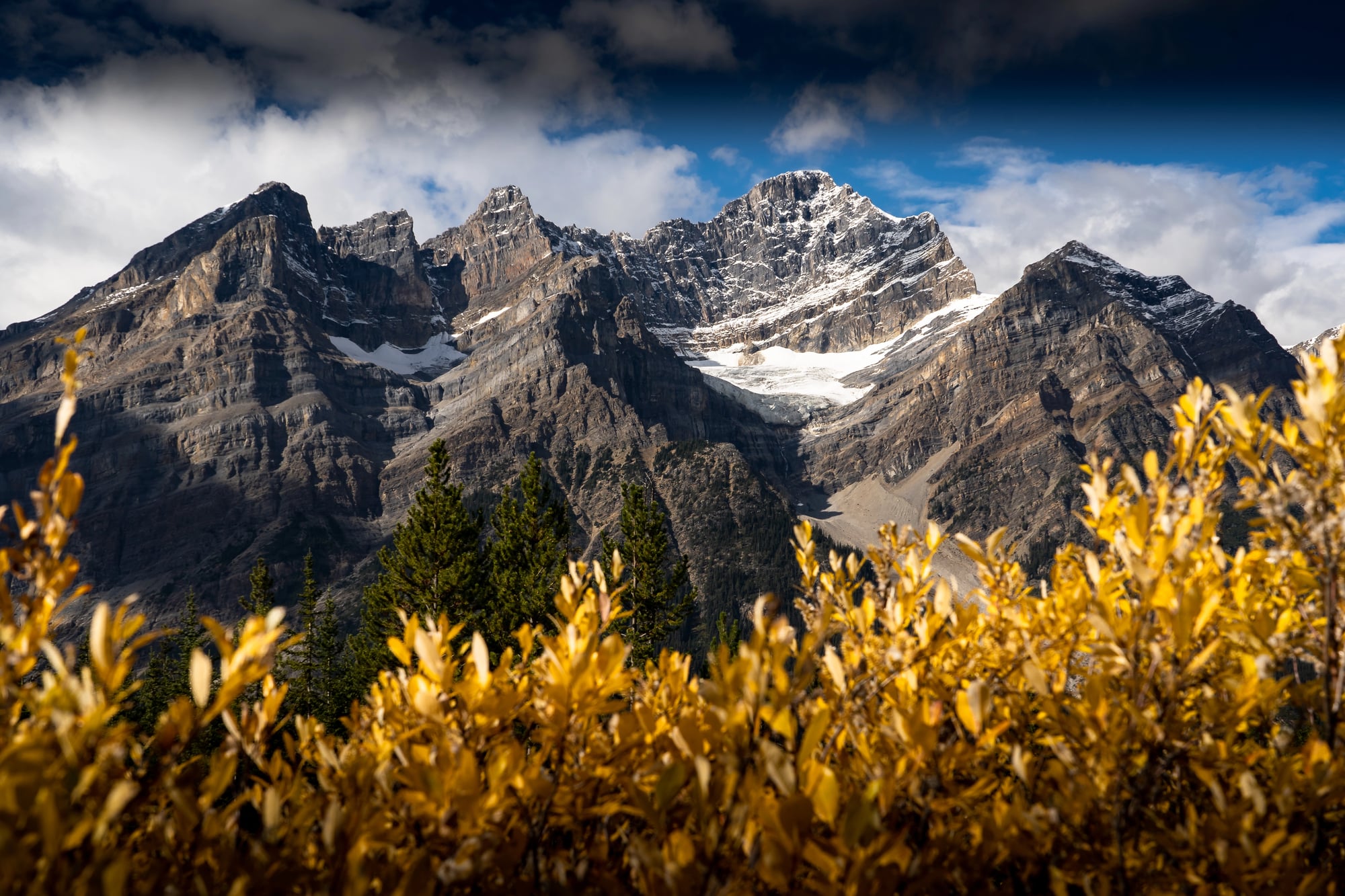
Researchers examining retreating Canadian ice fields discovered plants that had been continuously frozen for over 400 years – which began growing again in laboratory conditions upon thawing. These resilient moss specimens provide an unprecedented opportunity to study organisms that witnessed life during the Little Ice Age.
Their genetic material remains intact despite centuries of dormancy, offering unique research possibilities for understanding extreme survival mechanisms.
Ancient Horse

An astonishingly well-preserved 42,000-year-old foal emerged from Siberian permafrost in 2018 – with intact skin, hooves, and even liquid blood still in its veins. Scientists identified it as an extinct species called the Lena horse, related to modern Przewalski’s horses but genetically distinct.
The exceptional preservation quality prompted attempts to clone the ancient equine using recovered DNA, though significant technological hurdles remain before success might be possible.
Franklin Expedition Items
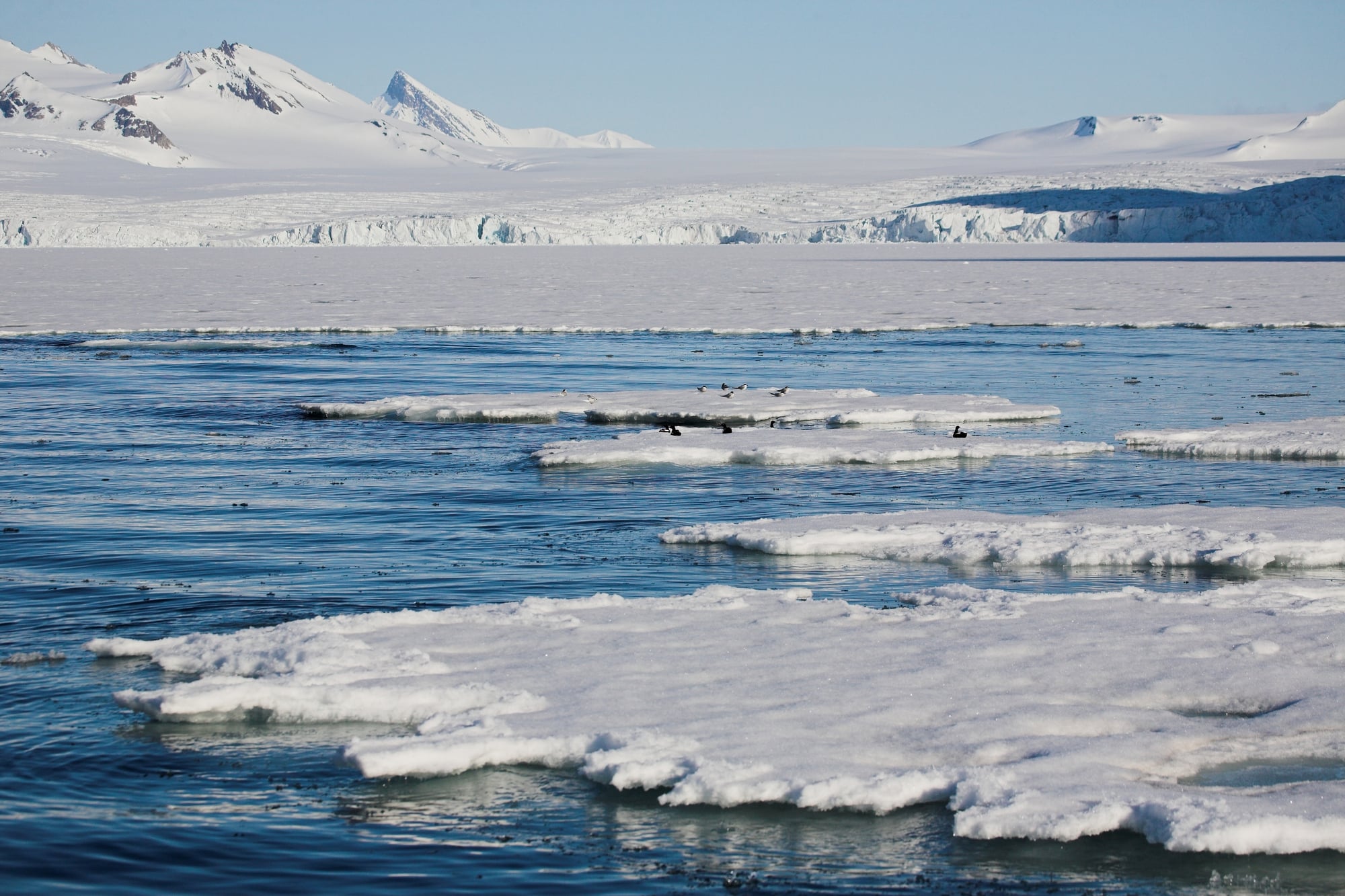
The ill-fated 1845 Franklin Expedition disappeared while searching for the Northwest Passage – leaving behind ships and materials that became encased in Arctic ice. Recent discoveries include perfectly preserved canned goods, handwritten notes, photography equipment, and personal belongings from crew members.
These items provide crucial clues about the expedition’s final months and the desperate survival attempts made by the doomed explorers.
Like Go2Tutors’s content? Follow us on MSN.
Incan Child Sacrifices
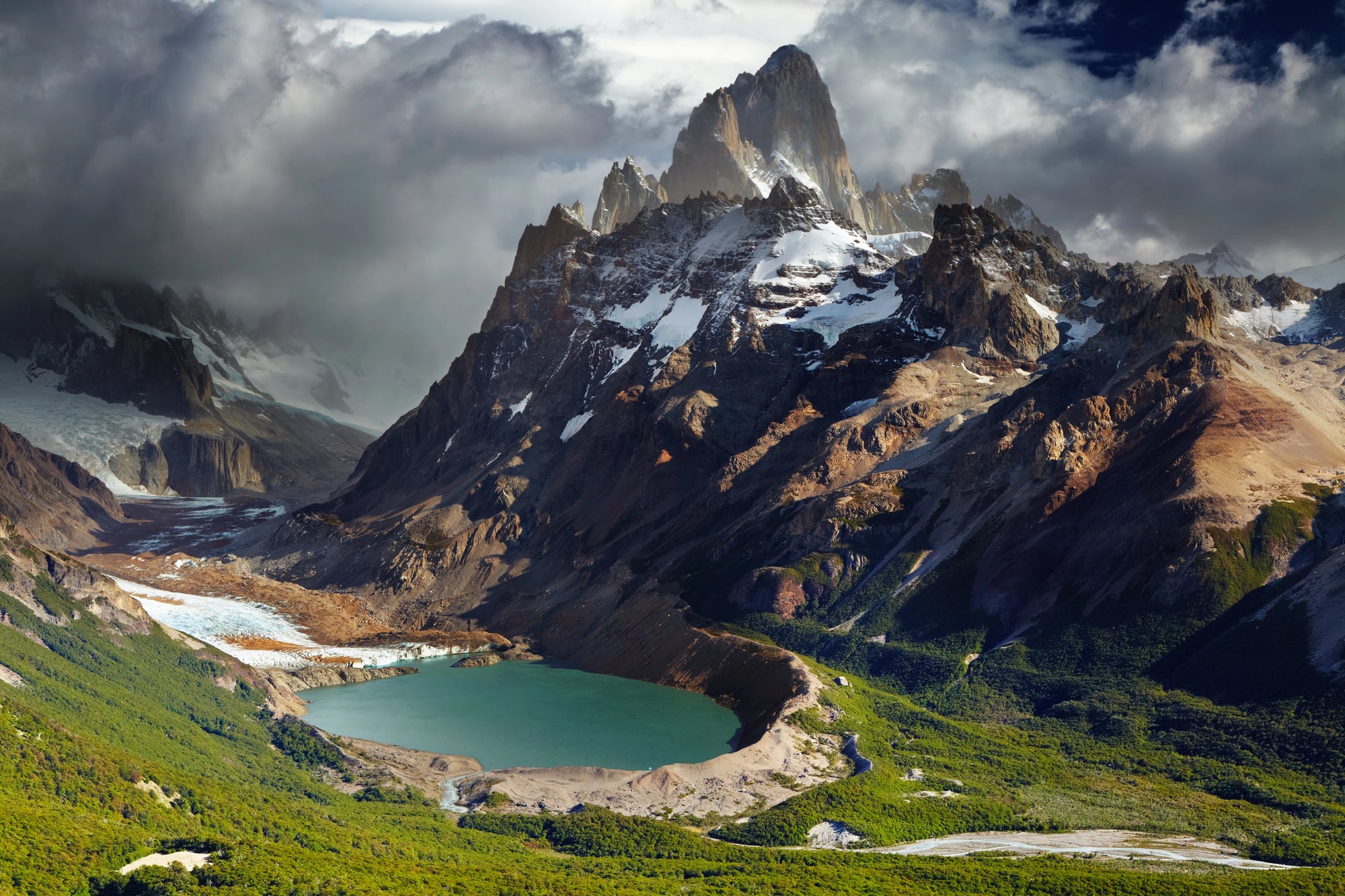
High in the Andes Mountains, researchers have discovered mummified children sacrificed over 500 years ago – preserved so perfectly that their internal organs remain intact. These ritual sacrifices, known as capacocha, involved children specially selected for their perceived purity.
The extreme cold and dry conditions at elevations above 20,000 feet created natural mummification, preserving clothing, offerings, and even facial expressions from the moment of death.
Antarctic Meteorites

The vast ice sheets of Antarctica have yielded the world’s richest collection of meteorites – with over 45,000 specimens recovered to date. Dark meteorites become naturally concentrated on ice fields through a unique process whereby they sink into ice during warmer periods then resurface as surrounding ice sublimes away.
Many rare specimens from Mars and the moon have been recovered that would remain undetected in other environments, providing invaluable information about our solar system’s formation.
Ice Age Cave Lion Cubs
In 2015, Siberian permafrost revealed two perfectly preserved cave lion cubs estimated to be 28,000 years old. The specimens retained facial features, whiskers, and soft tissue, unlike any previous discoveries of this extinct species.
Scientists determined the cubs were only a few weeks old when they perished, likely in a den collapse. Their exceptional condition has allowed detailed studies of this long-vanished predator that once ranged across the Northern Hemisphere continents.
Like Go2Tutors’s content? Follow us on MSN.
Ancient Microbes
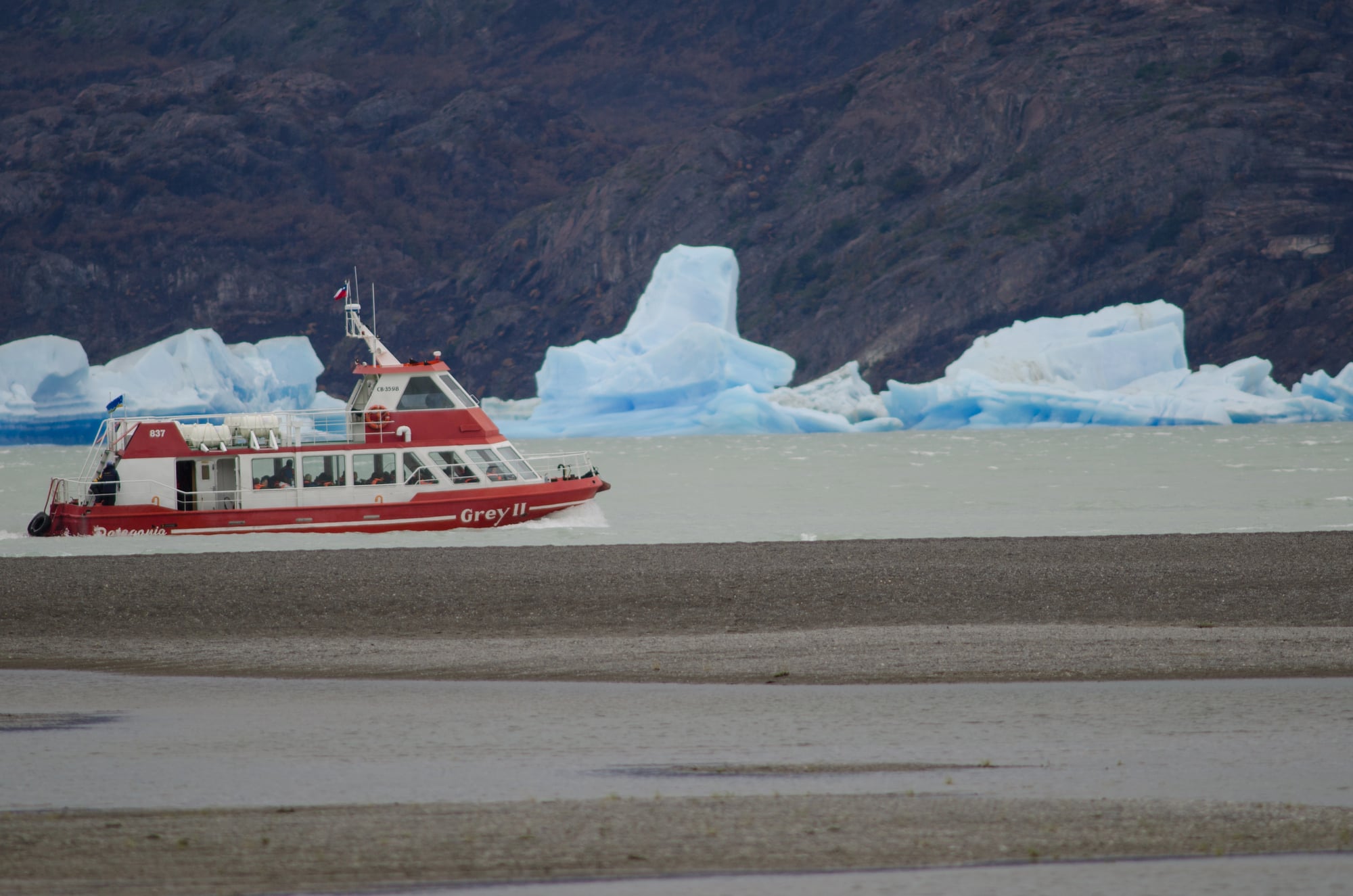
Deep within isolated Antarctic lakes, researchers have discovered microorganisms trapped under ice for potentially millions of years. These extremophiles evolved completely separate from other life forms, developing unique survival adaptations to near-freezing temperatures, high pressure, and minimal nutrients.
Their cellular mechanisms challenge conventional understanding of life’s requirements and suggest possibilities for organisms on icy moons like Europa or Enceladus.
Preserved Food Caches

Explorer’s food supplies from early 20th-century expeditions have emerged from Antarctic ice in remarkably edible condition. Tins of fruit, cookies, jam, and even butter from Ernest Shackleton’s 1907 expedition remained viable despite over a century in freezing conditions.
Chemical analysis revealed that many items retained significant nutritional value, demonstrating the extraordinary preservative capabilities of consistent sub-freezing environments.
Alpine Artifacts
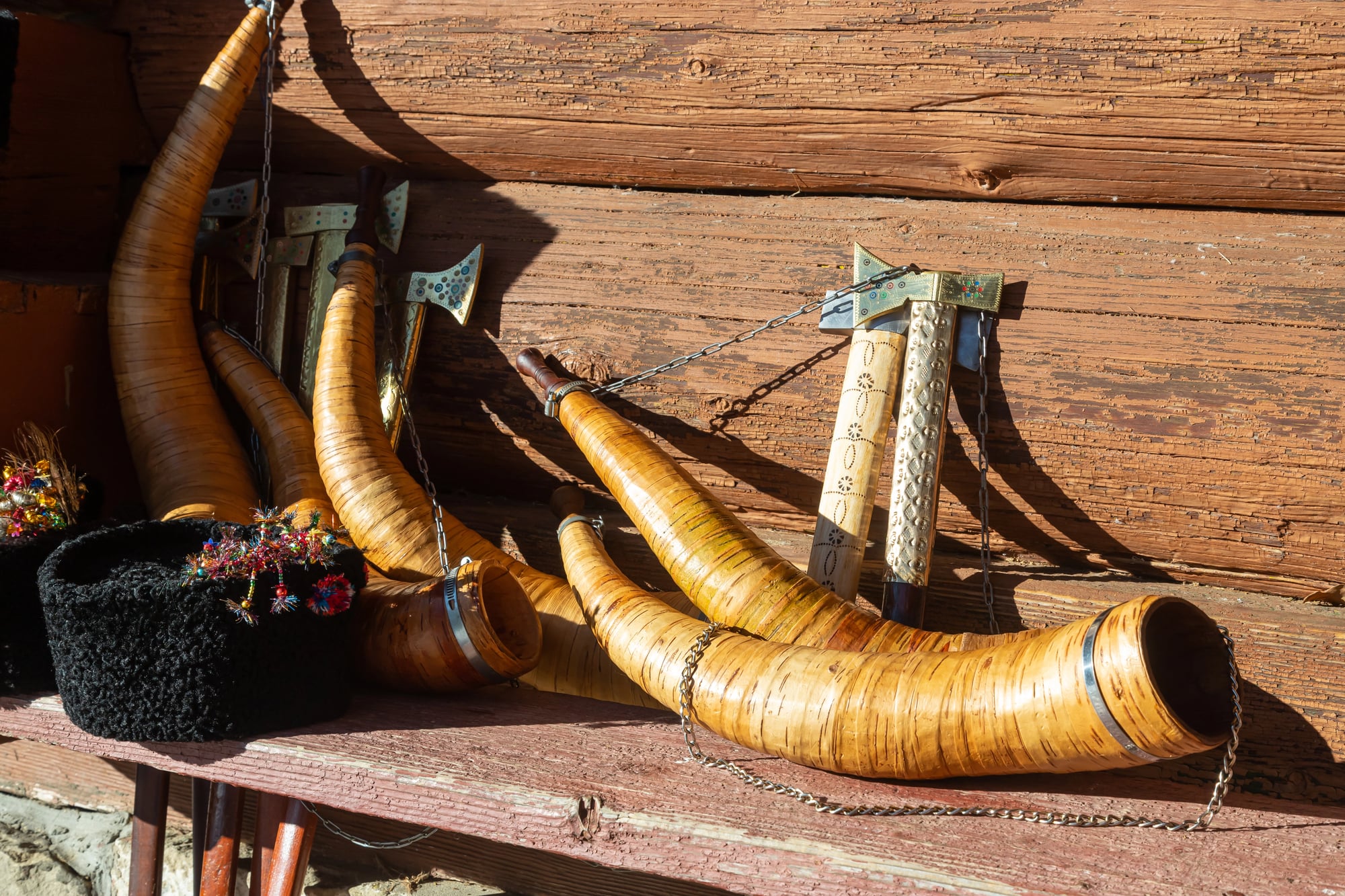
Climate change has accelerated melting across the European Alps, revealing thousands of artifacts spanning 4,000 years of human activity. Leather items, wooden tools, clothing fragments, and bronze implements have emerged in exceptional condition from high mountain passes.
These discoveries include items from Roman travelers, medieval traders, and prehistoric hunters who traversed these alpine routes throughout human history.
Like Go2Tutors’s content? Follow us on MSN.
Frozen Forest
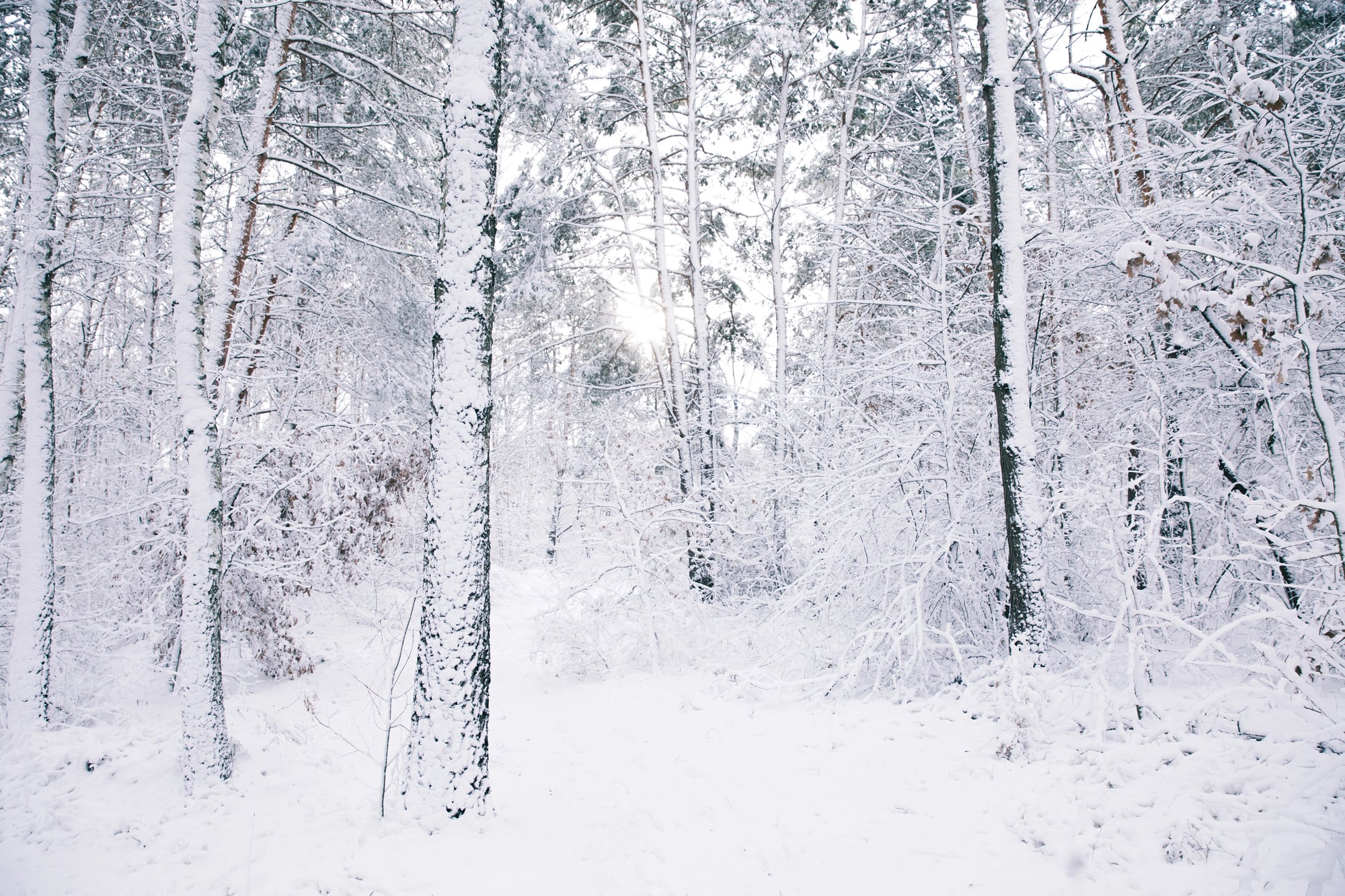
Canadian glacial retreat exposed an ancient forest that had remained frozen for over 1,000 years – complete with still-upright tree stumps with roots embedded in the original soil. Researchers discovered remarkably preserved pine needles, cones, and even insects caught in the sudden preservative freeze.
This forest provides crucial evidence about rapid climate shifts that transformed the landscape from thriving woodland to ice field within a single human lifetime.
Windows to the Past

The accelerating loss of global ice presents a scientific paradox – destruction of ancient frozen environments counterbalanced by remarkable discoveries that expand our understanding of Earth’s history. These ice-preserved time capsules offer unprecedented glimpses into past worlds that would otherwise remain forever lost.
Every melting glacier potentially reveals new treasures while simultaneously destroying the very conditions that preserved them for centuries or millennia. As climate change continues transforming polar and alpine environments, researchers work against time to document these frozen archives before they disappear forever.
The unusual discoveries from ice around the world remind us how much remains unknown beneath these ancient frozen landscapes. Each revelation adds another piece to our planet’s complex historical puzzle.
More from Go2Tutors!

- 16 Restaurant Chains That Went Too Fast
- 12 Things Sold in the 80s That Are Now Illegal
- 15 Strange Things People Have Tried to Ban (And Failed)
- 16 Collectibles People Tossed Out Too Soon
- 17 Myths from Your Childhood That Were Actually Based on Real Things
Like Go2Tutors’s content? Follow us on MSN.



