18 Things You Got for $1 in the ’60s
A single dollar doesn’t buy much these days. But back in the 1960s, one dollar had real purchasing power. The average hourly wage was about $2-3, making that dollar bill worth much more to the average American family than it is today.
Here is a list of 18 everyday items you could buy for just a dollar during the 1960s.
Movie Ticket

A ticket to the latest Hollywood film cost around 75-95 cents in most American theaters during the early 1960s. You could watch classics like Psycho, The Sound of Music, or early James Bond films without breaking the bank.
Your dollar covered the full admission price with no need for the costly add-ons that today’s moviegoers face. Compare that to today’s average ticket price of $10-15, not counting premium formats or snacks.
Five Gallons of Gas
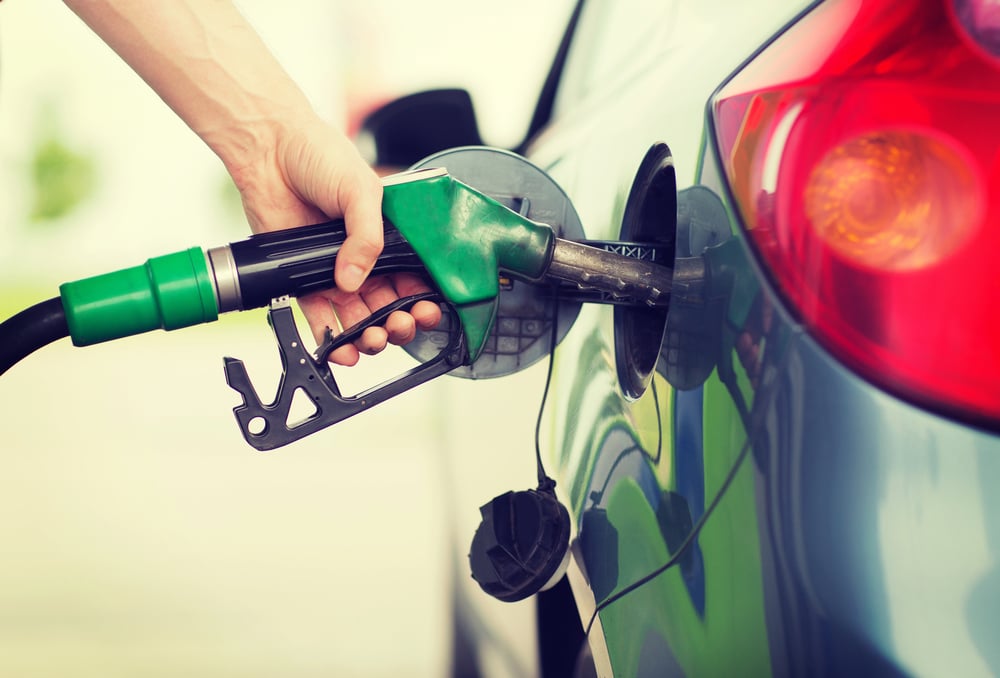
A gallon of gasoline cost just 20-25 cents through most of the 1960s. Your single dollar bill would get you about five gallons of gas—enough to drive a considerable distance in the efficient cars of that era.
This incredibly low price helped fuel America’s car culture and the expansion of suburbs as commuting remained affordable for average families. Today, that same dollar won’t even buy you a quarter-gallon at most pumps across the country.
Like Go2Tutors’s content? Follow us on MSN.
Three Loaves of Bread
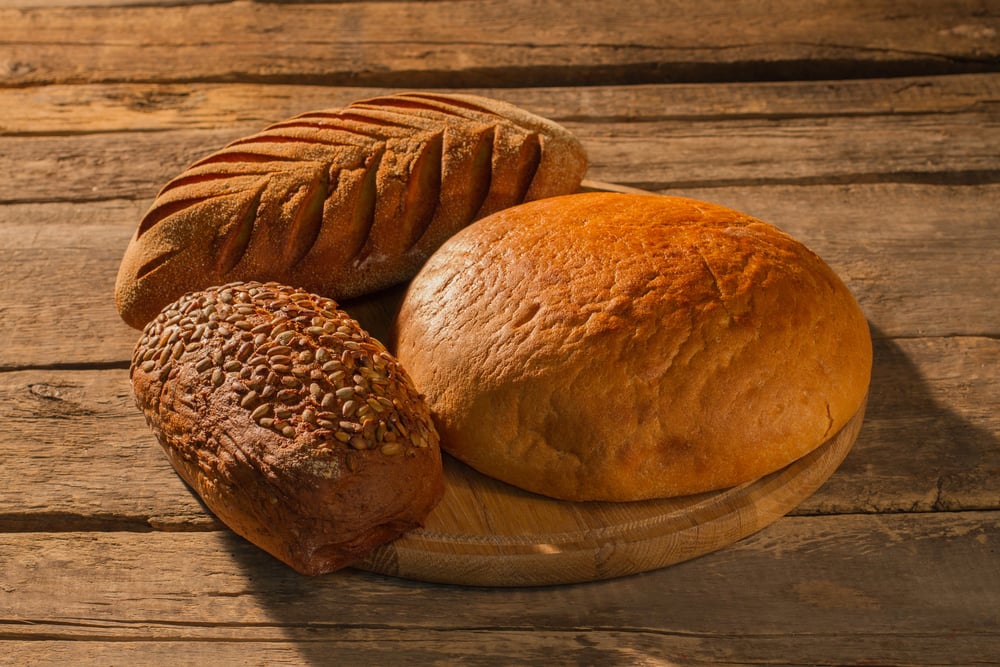
A fresh loaf of bread typically cost around 20-30 cents in the 1960s grocery store. Your dollar would buy three whole loaves, enough to feed a family for nearly a week.
Bread was a staple at every meal, from breakfast toast to lunchtime sandwiches to dinner rolls. The affordable price of this basic food item helped families stretch their grocery budgets much further than today.
Ten First-Class Postage Stamps
Mailing a letter cost just 4 cents until 1963, when the price rose to a still-modest 5 cents. Even after this increase, your dollar still bought you 20 stamps at the beginning of the decade and 16-20 stamps through the rest of the ’60s.
Personal correspondence through the mail was the main way people stayed in touch with distant family and friends before affordable long-distance calling. Today, a single first-class stamp costs over 60 cents.
Hardcover Book

Many hardcover books sold for under a dollar during the 1960s, particularly paperbacks and mass-market editions. Popular novels, reference books, and children’s titles were all affordable on a modest budget.
Reading was a common family activity, with books representing an affordable form of entertainment and education. Current hardcover books typically cost $25-35, putting them well beyond impulse-purchase territory for many shoppers.
Like Go2Tutors’s content? Follow us on MSN.
Four Gallons of Milk
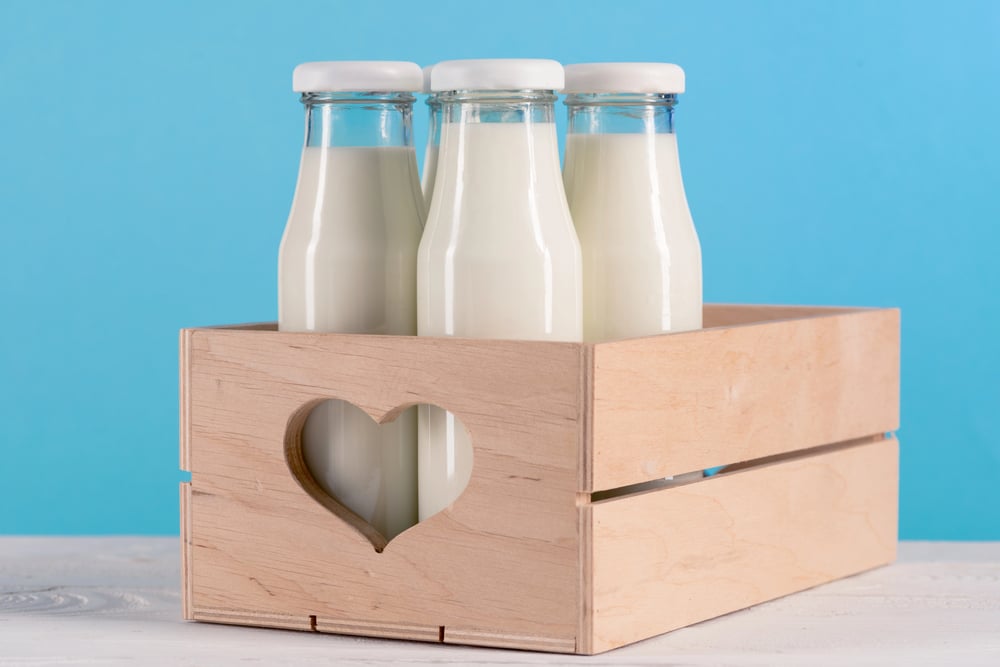
A gallon of milk cost around 25 cents in the early 1960s, rising to about 33 cents by decade’s end. Your single dollar bill would purchase approximately four gallons of fresh milk—enough to keep a family supplied for over a week.
Milk was delivered directly to many homes by milkmen in glass bottles, a service that has largely disappeared from American life. Today, a gallon of milk costs about $3-5, depending on location and type, making it roughly ten times more expensive than in the ’60s.
Fast Food Meal
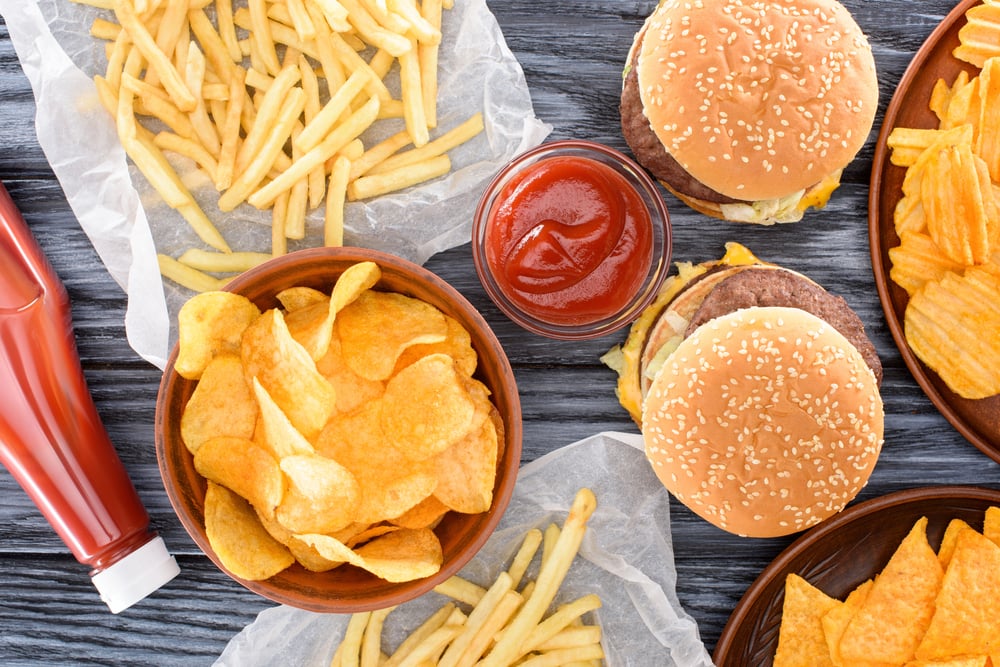
The original McDonald’s hamburger cost just 15 cents in the early 1960s. A dollar would buy a complete meal, including a burger, fries, and a drink—with change left over.
Fast food was truly fast and cheap, making it an affordable option for families and workers on the go. The modern value menu, despite its name, rarely offers any complete items for a single dollar.
Record Single
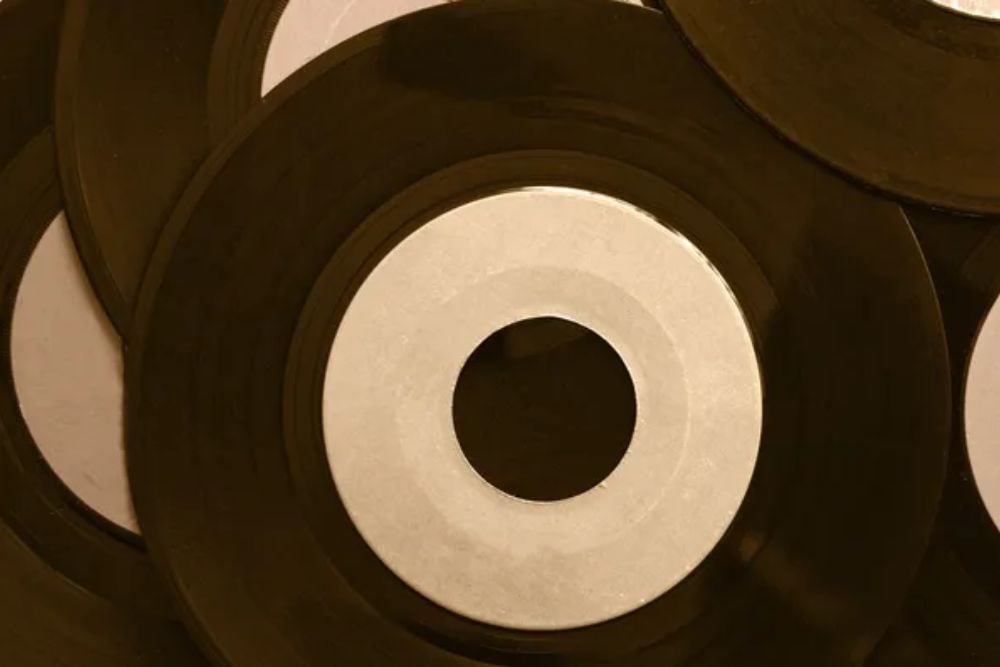
A 45 rpm record single typically cost about 75-99 cents during the 1960s. Your dollar could get you the latest hit from The Beatles, The Rolling Stones, or Motown artists.
These vinyl singles usually featured one hit song on the A-side and a lesser-known track on the B-side. Music lovers could afford to buy their favorite songs without purchasing entire albums.
Like Go2Tutors’s content? Follow us on MSN.
Four Comic Books
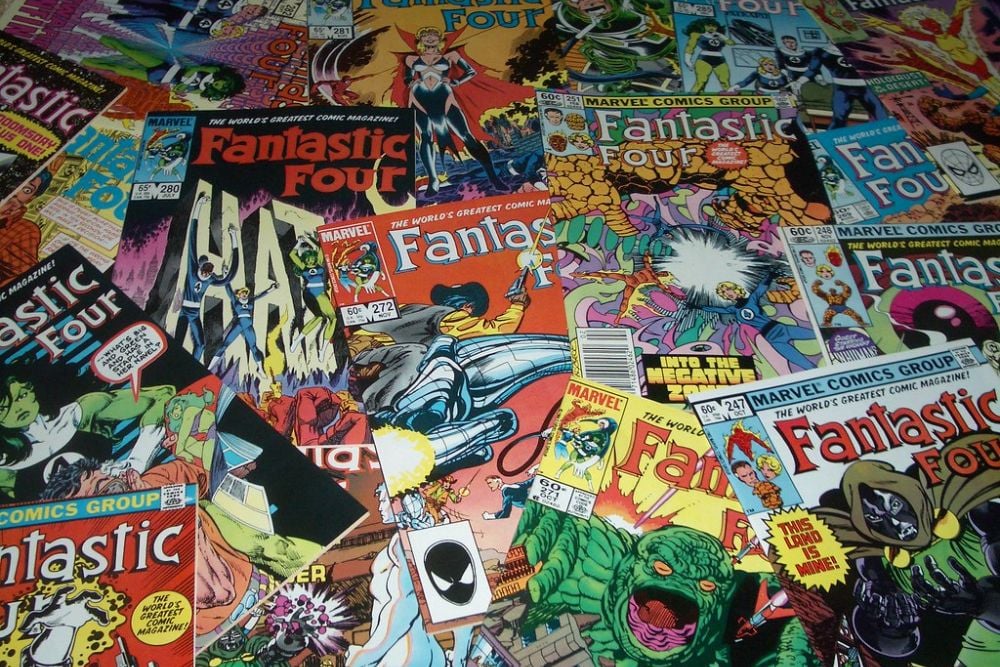
Comic books cost around 12-25 cents each throughout the decade, with prices rising gradually. Your dollar would get you about four to eight comic books, depending on the year and publisher.
Kids eagerly collected issues of Superman, Batman, Spider-Man, and other popular series for relatively little money. Today, a standard new comic book costs $3.99-$4.99, making collecting a much more expensive hobby.
Month of TV Guide Magazine
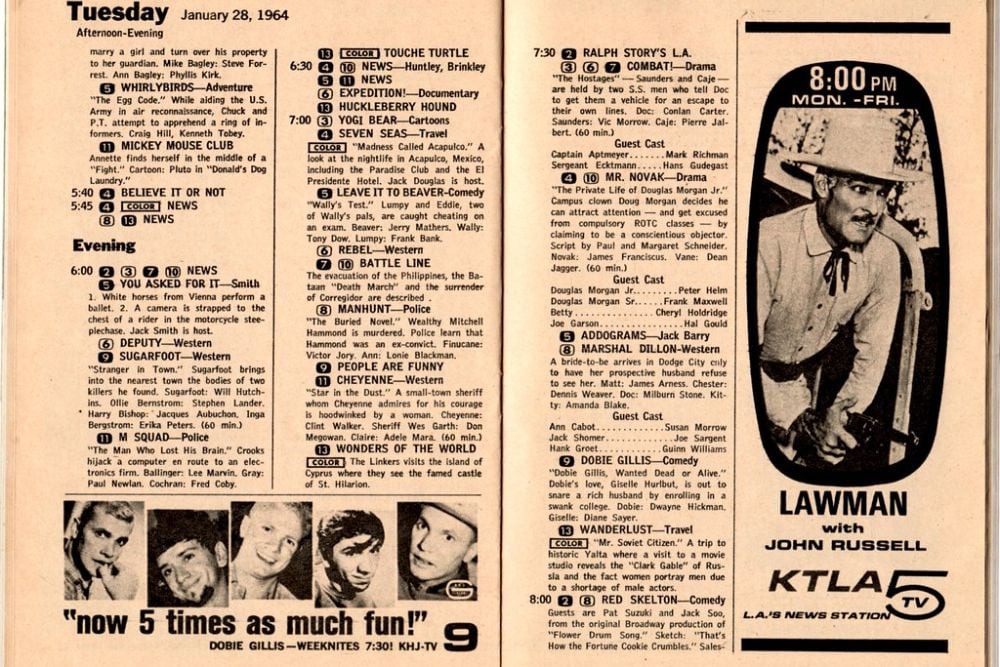
A single issue of TV Guide cost 15-20 cents in the 1960s. Your dollar would buy you a month’s worth of this essential television reference.
Families relied on TV Guide to plan their viewing schedules since there were no electronic program guides or internet listings. The magazine was a fixture in homes across America and helped people navigate the expanding world of television entertainment.
Small Toy or Model Kit
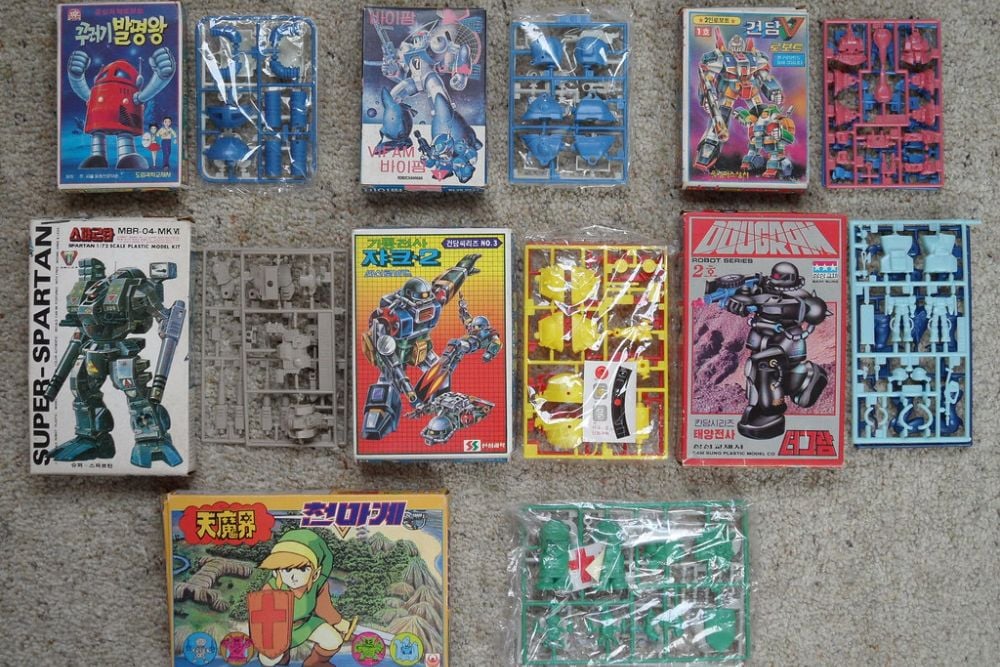
Basic toys and simple model kits are often sold for under a dollar. Items like small die-cast cars, plastic army men, or basic craft kits were affordable treats for children.
Parents could reward good behavior or provide birthday party favors without significant expense. Today, even the simplest branded toys typically cost $5-10, with inflation and increased production costs pushing prices up dramatically.
Like Go2Tutors’s content? Follow us on MSN.
Six Candy Bars
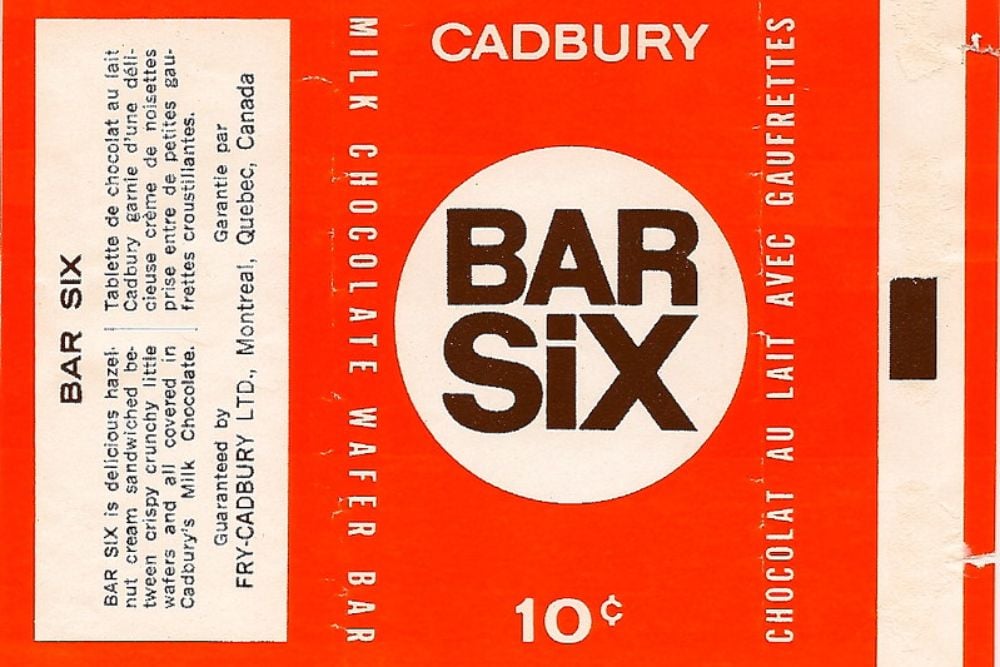
Candy bars cost about 5-10 cents each through most of the decade. A single dollar would buy six to ten candy bars, depending on the brand and size.
Popular choices included Hershey’s, Milky Way, Snickers, and Baby Ruth bars, which were significantly larger than today’s versions. Candy companies hadn’t yet adopted the strategy of shrinking product sizes while maintaining similar price points.
Four Pounds of Bananas
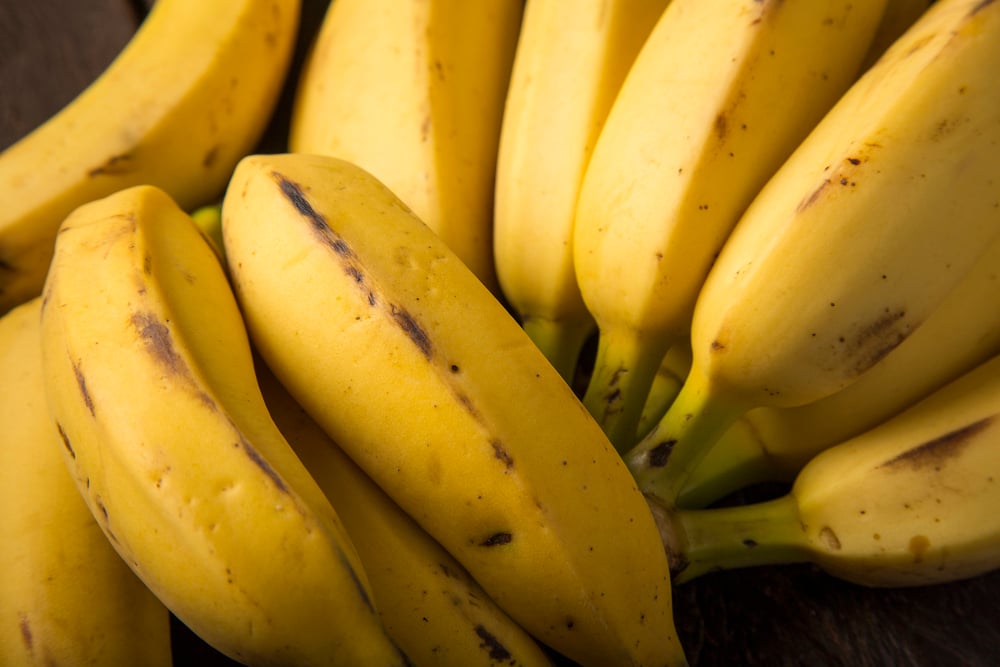
Bananas cost around 10-15 cents per pound during most of the 1960s. Your dollar would buy about four to six pounds of this popular fruit.
Fresh produce was generally much more affordable relative to income than it is today. Families could stock up on healthy foods without straining their grocery budgets as severely as modern shoppers often do.
Coffee and Donut
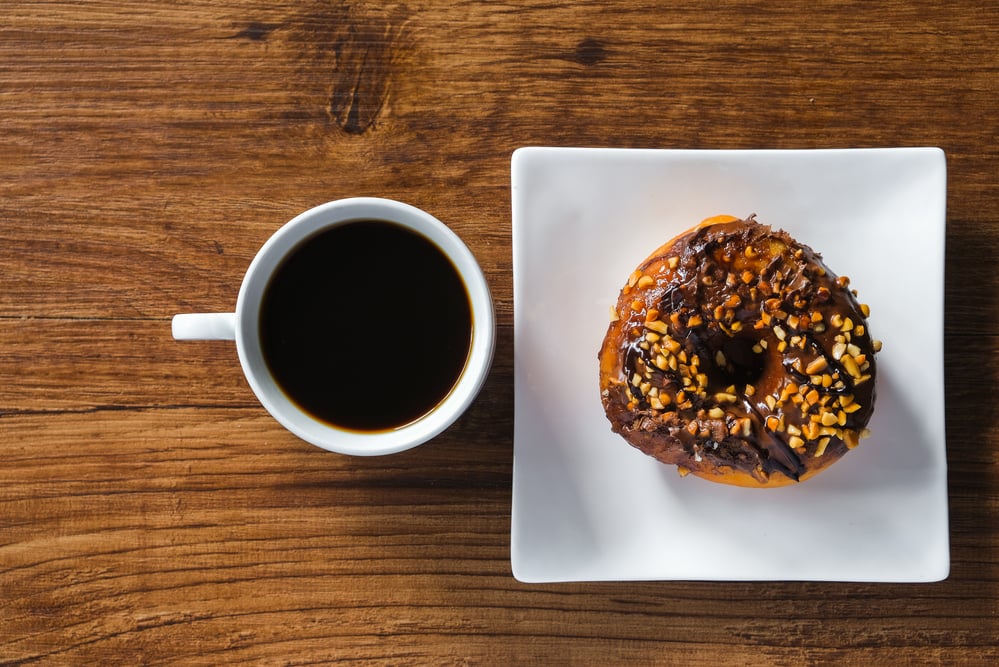
A cup of coffee typically costs about 10 cents, while a donut costs approximately 5-10 cents. Your dollar covered a coffee and donut breakfast for several days.
Local diners and coffee shops served as community gathering places where people could afford to socialize regularly. Today’s specialty coffee shops often charge $3-5 for a basic coffee and $2-3 for a single donut.
Like Go2Tutors’s content? Follow us on MSN.
20 Phone Calls from a Payphone

A local call from a payphone cost just 5 cents for most of the 1960s. Your dollar would give you change for 20 calls—enough to stay in touch with friends and family for weeks.
Public payphones were on nearly every corner in urban areas and inside most businesses. Today, payphones have nearly disappeared, replaced by mobile phones with monthly service plans.
Paperback Novel
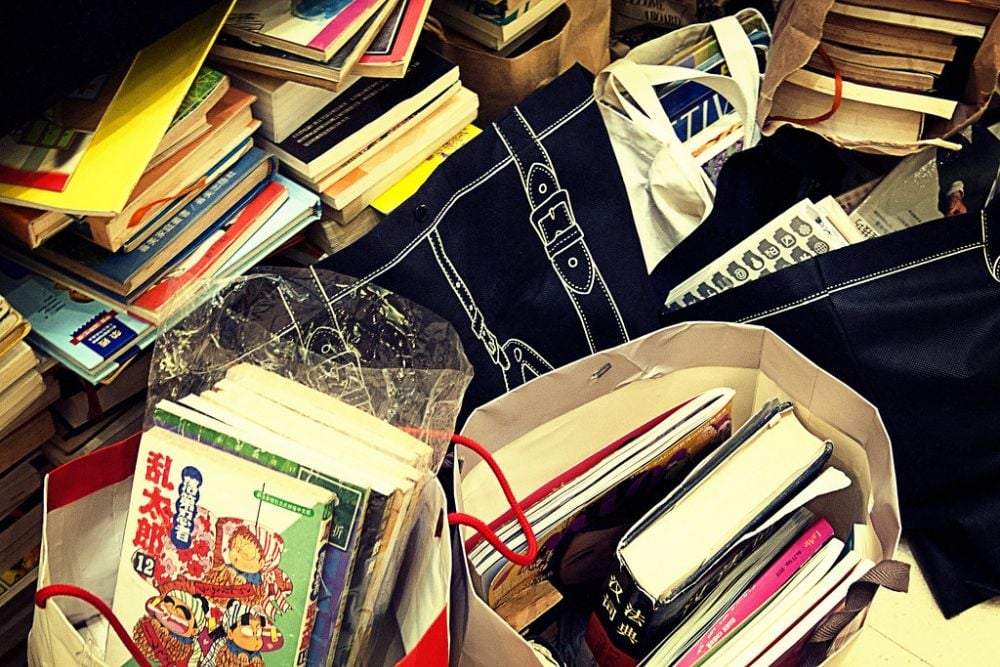
Paperback books typically cost between 35-75 cents during the 1960s. Your dollar would buy a new release fiction title from top authors of the day.
Reading was an affordable hobby, with books priced to encourage regular purchases. Despite modest incomes, many families maintained home libraries, building collections one affordable paperback at a time.
10 Pounds of Potatoes
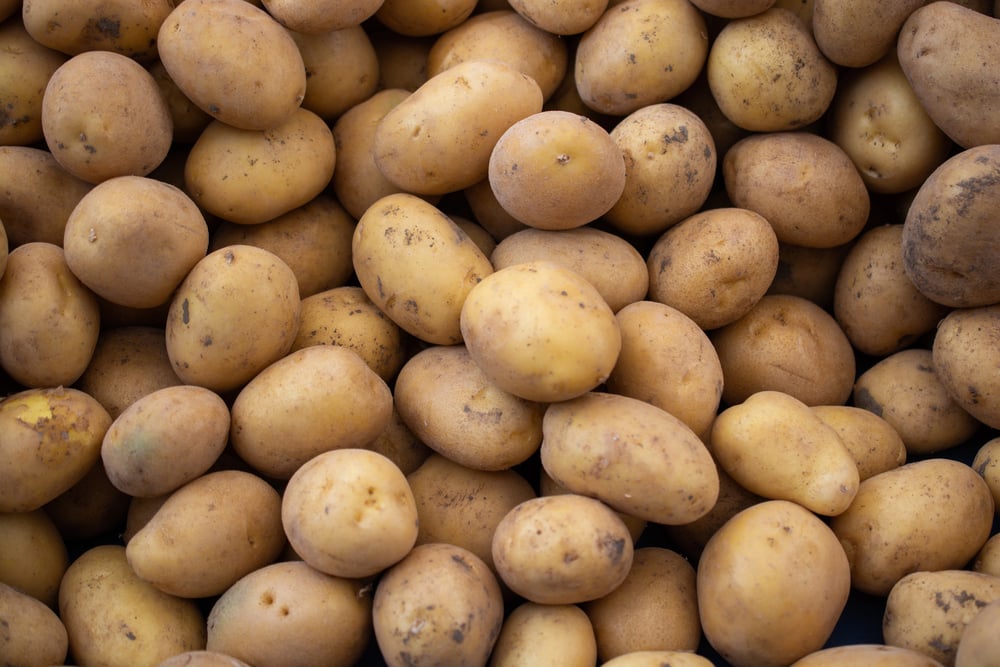
A 10-pound bag of potatoes cost about 80-90 cents during most of the 1960s. Your dollar would cover this staple food that could provide multiple meals for a family.
Potatoes formed the base of many economic dishes, from mashed potatoes to home fries to baked potatoes. Today, that same bag typically costs $4-7, depending on potato variety and location.
Like Go2Tutors’s content? Follow us on MSN.
Two Dozen Eggs

Eggs cost about 40-50 cents per dozen through most of the decade. Your dollar would buy approximately two dozen eggs—enough for multiple family breakfasts and baking projects.
This protein-packed food was cheap enough for everyday meals in the average household. In recent years, egg prices have fluctuated dramatically, with a dozen often priced between $3 and $6.
The Shrinking Dollar
The buying power of a dollar has shrunk dramatically since the 1960s due to inflation. What once bought a day’s worth of food and entertainment now barely covers the smallest purchases.
These 18 examples show just how much economic conditions have changed for American consumers. While wages have increased over the decades, the relative affordability of everyday items has declined significantly, changing how we think about even the smallest purchases in our daily lives.
More from Go2Tutors!

- 18 Unexpectedly Valuable Collectibles You Might Have Lying Around
- 15 Things Every Teenager in the ’70s Did That Teens Today Wouldn’t Understand
- 15 Strange Things People Have Tried to Ban (And Failed)
- 15 Inventions That Were Immediately Banned After Being Created
- 20 Actors Who Were Almost Cast in Iconic Roles
Like Go2Tutors’s content? Follow us on MSN.