16 Sci-Fi Watches That Now Exist
You know those old movies where someone's talking into their watch or buying stuff with a quick wrist tap? Turns out Hollywood wasn't just making things up. That tech is real now, sitting on people's wrists every day.
Smartwatches went from "cool gadget" to "how did we live without these?" pretty fast. They're doing stuff that would've sounded completely nuts ten years ago. Reading your heart rhythms, tracking blood sugar, even projecting holograms – it's all happening. Here is a list of 16 sci-fi watch features that now exist and are changing everything.
Heart Rhythm Analysis (ECG)
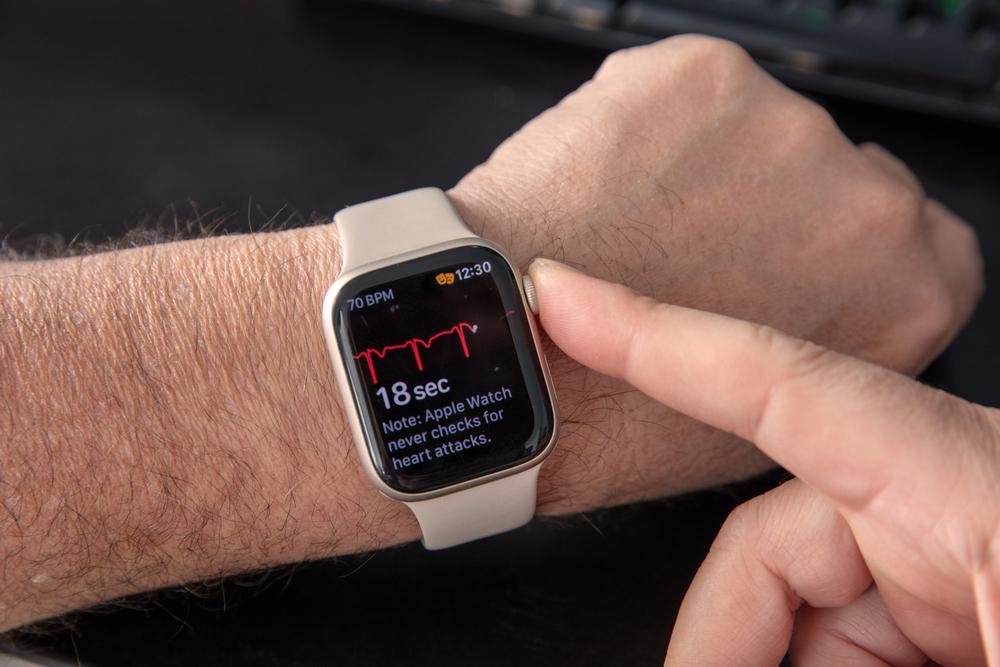
Getting an EKG used to mean a trip to the doctor with those sticky patches all over your chest. Now your Apple Watch does it in 30 seconds. Put your finger on the crown, wait a bit, done. Same electrical readings doctors use to check for heart problems. The FDA actually approved these things. They catch irregular heartbeats that could indicate serious issues. Not gonna replace your cardiologist, but having constant heart monitoring? That's some next-level health tracking right there. People have literally gotten early warnings about heart problems from their watches.
Non-Invasive Blood Sugar Monitoring
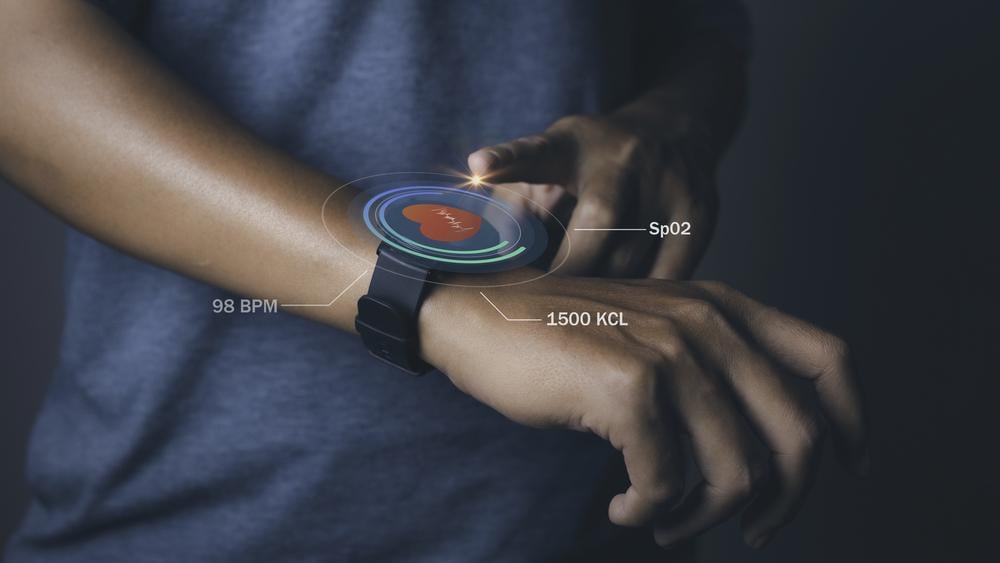
This one's still being worked out, but it's getting close. Samsung and others are building watches that check blood glucose by shining light through your skin. No more finger pricks for diabetics. Apple's been hammering away at this since like 2008. They got a working prototype going in 2023, though the FDA says don't trust the consumer stuff yet. When they crack this problem completely, millions of diabetics won't need to stab themselves multiple times a day anymore.
Holographic Display Technology
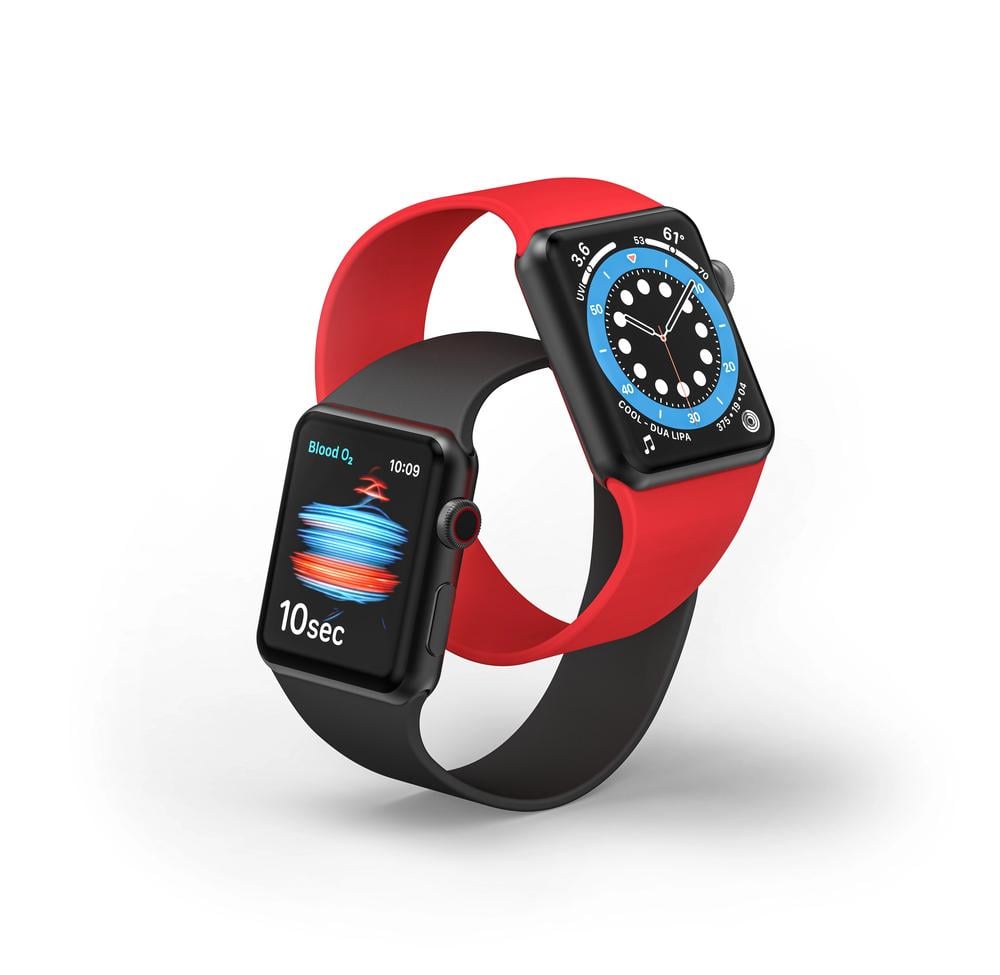
Sounds fake, right? But researchers actually built smartwatch displays that project 3D images above the screen. Missouri University made them using materials thinner than you can imagine – we're talking nanometer scale here. There's concept watches like the GPT Watch that combine voice control with floating holograms. Still experimental, but imagine asking your watch a question and seeing the answer floating in the air above your wrist. Pure sci-fi stuff becoming real.
Contactless Payment Systems

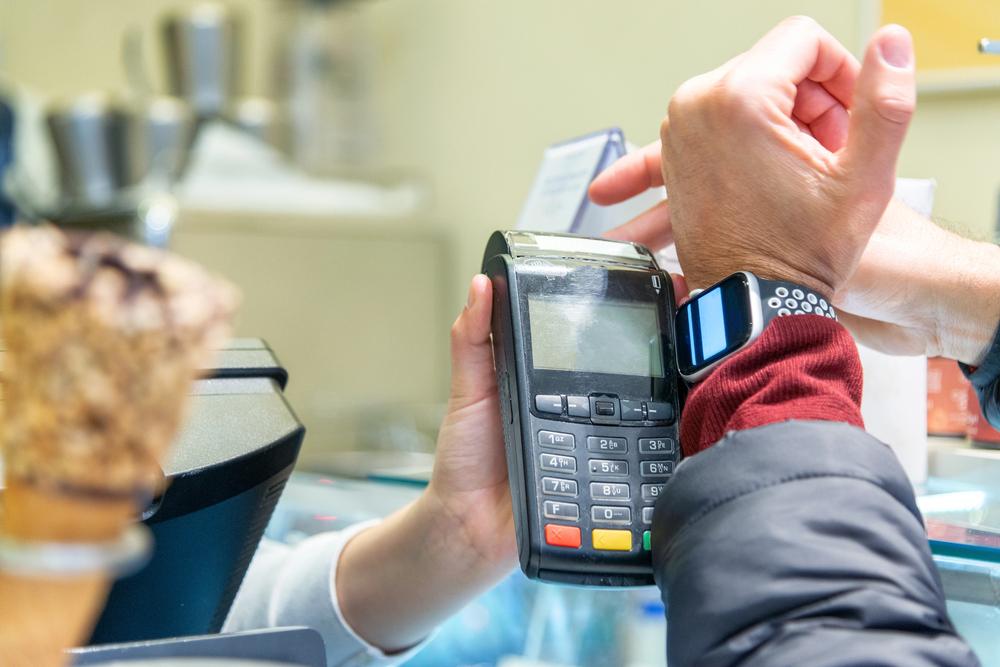
James Bond was doing this decades ago in movies. Now everyone's grandmother can tap her Apple Watch at Starbucks and pay for coffee. Every major smartwatch has NFC built in – Apple Pay, Google Pay, Samsung Pay, all of it. It takes maybe two minutes to set up. Add your cards to the watch app and you're living in the future. Half the time I forget my wallet because tapping my wrist is just easier. Plus you feel like a secret agent every time.
Cellular Independence

First smartwatches were basically notification screens for your phone. Now the good ones have their own cell service. Apple Watch Ultra, Galaxy Watch Ultra – they make calls, send texts, stream music, everything, without your phone anywhere nearby. Game changer for runners who don't want to carry phones. Or emergencies when your phone dies. Your watch can still call 911 or text your family. That independence opens up a lot of possibilities people didn't think about before.
Advanced Sleep Architecture Analysis

Your watch doesn't just count hours slept anymore. It breaks down sleep stages, analyzes how good your rest actually was, gives you scores like a report card for sleeping. Some track breathing patterns and heart changes to spot sleep apnea or stress. Stuff that used to require expensive overnight studies at sleep clinics. Now it happens automatically every night while you're unconscious. Wake up to detailed reports about what happened while you were out.
Real-Time Health Coaching
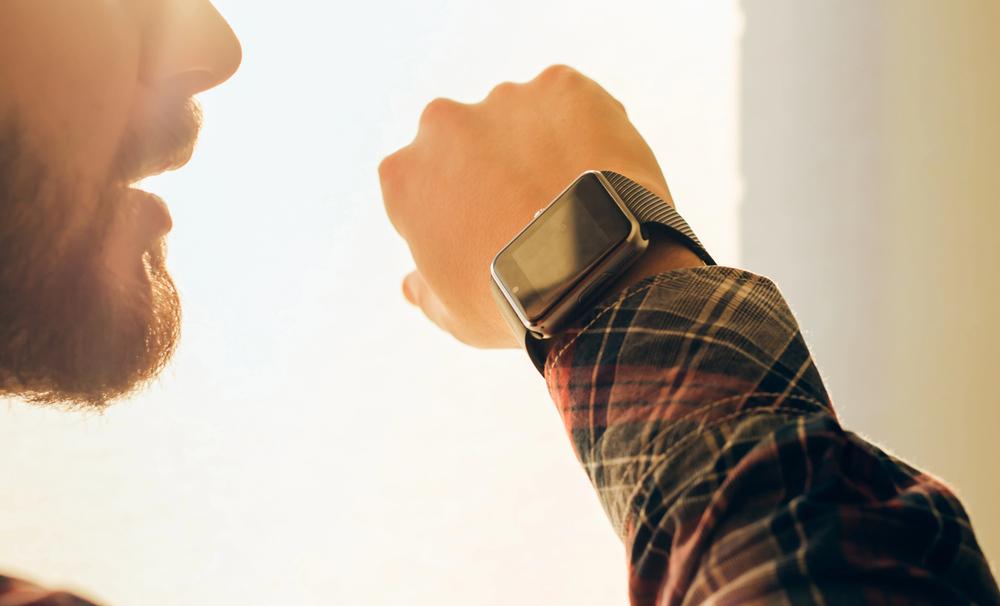
Watches are becoming tiny personal trainers that never take a break. They learn your habits and start nagging you – take a walk, you've been sitting too long, your stress levels are spiking, maybe chill out. Apple's working on AI coaching that gives personalized advice based on everything your watch knows about your body. Like having a health expert who's been watching you 24/7, which is helpful but also kind of weird when you think about it.
Voice-Controlled Computing
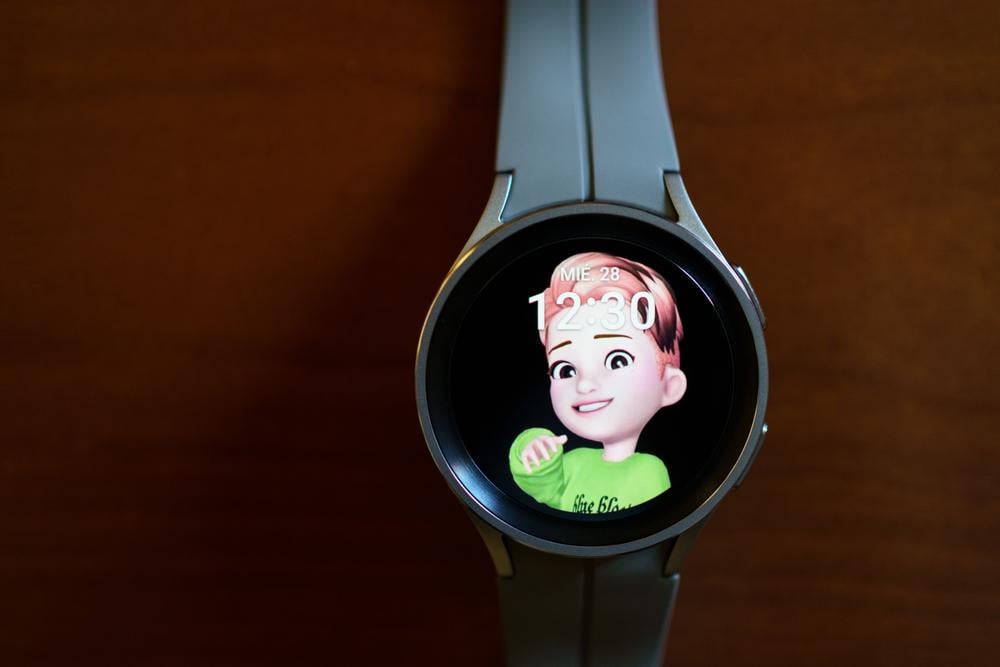
Talking to your wrist felt dumb when smartwatches started. Now it's normal. Tell Siri to turn off the lights, ask Google for directions, have Bixby set timers – all hands-free from your wrist. The voice recognition got really good too. These things understand context, follow-up questions, even different accents. Not quite sci-fi computer level yet, but getting closer every year.
Augmented Reality Integration
Smartwatches work as controllers for AR headsets now, but some researchers are putting AR directly into the watch. Point your watch at a building and see information floating over it, get directions overlaid on your view. Still early days, but your watch already has cameras and sensors. Adding AR is mostly software at this point. Won't be long before your watch shows you digital info about the real world around you.
Ultra-Long Battery Life
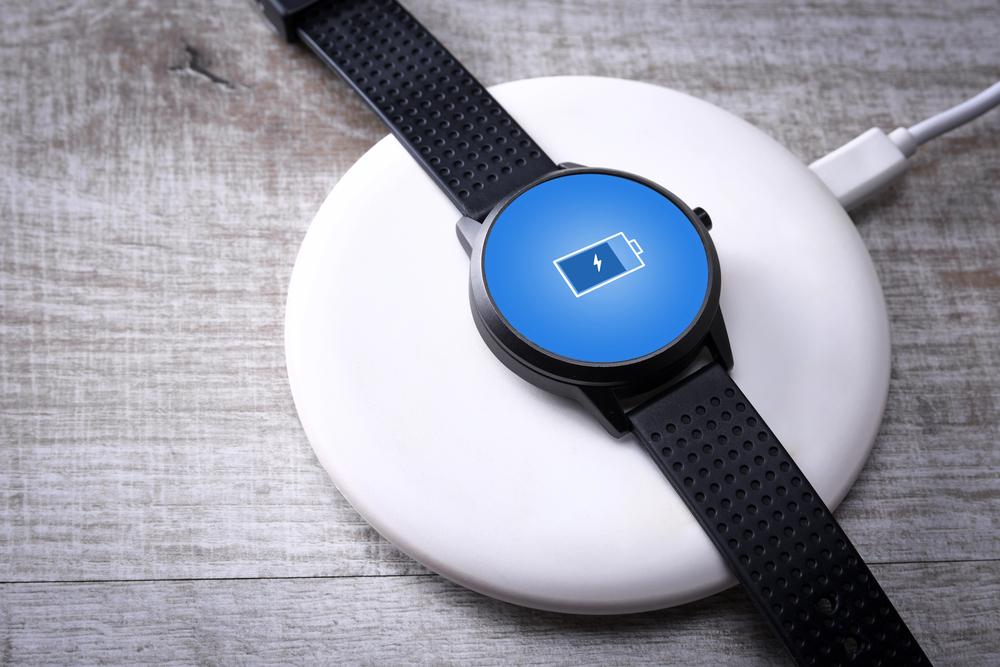
Some watches go 30 days on one charge now. Garmin leads this with watches that barely sip power. There's research into harvesting energy from body heat or movement – watches that charge themselves just by being worn. Getting close to the holy grail of never needing to charge your watch. Not there yet, but battery life has gotten good enough that most people stopped worrying about it daily.
Biometric Security Systems
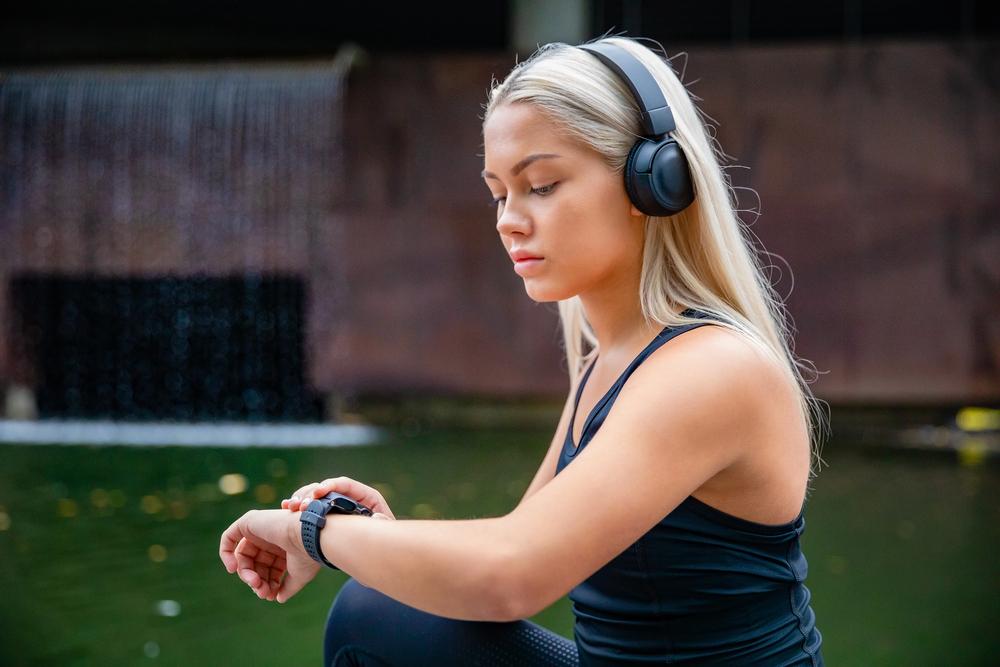
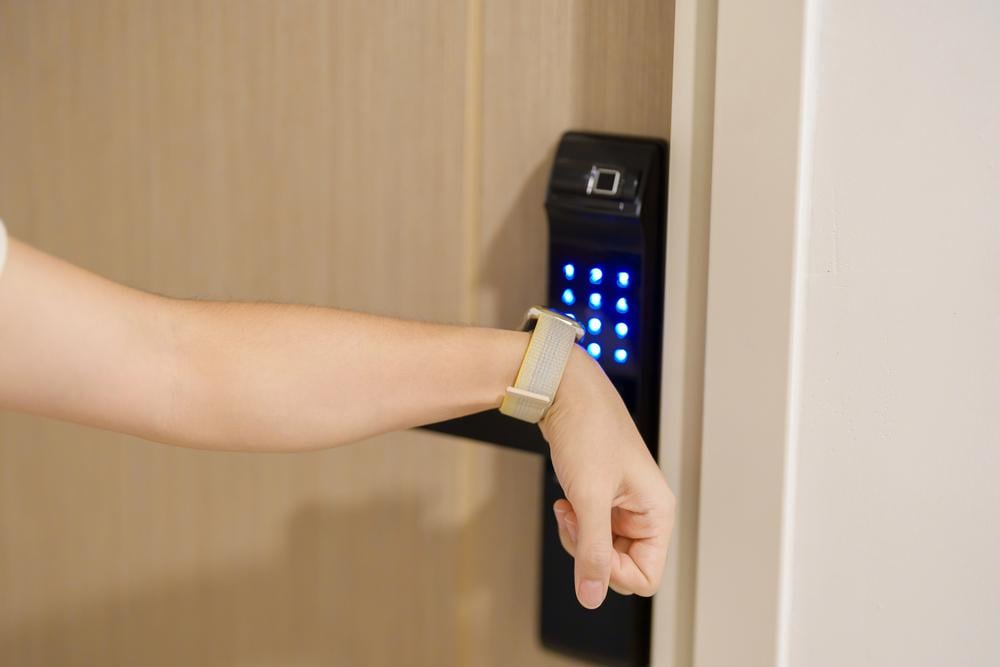
Your watch unlocks your phone automatically when you wear it. But researchers are working on using heart rhythms as identification – they're unique like fingerprints. Future systems might let you walk up to your car or house and have it unlocked because your watch verified your heartbeat. No keys, no codes, just your body's unique signature doing the authentication work.
Environmental Sensing
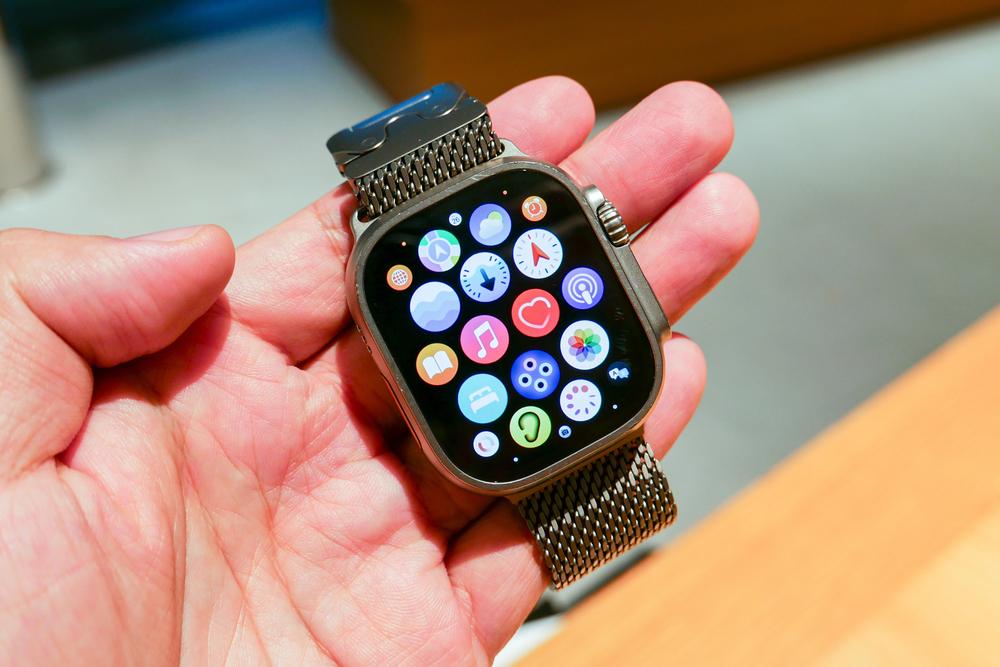
Modern watches analyze sweat to check stress hormones, monitor skin temperature, even detect certain chemicals. Like having a tiny lab on your wrist constantly testing your environment. Future versions might warn about air quality, UV exposure, specific allergens nearby. Your watch becomes an early warning system for environmental health risks you can't see or smell.
Flexible Display Technology
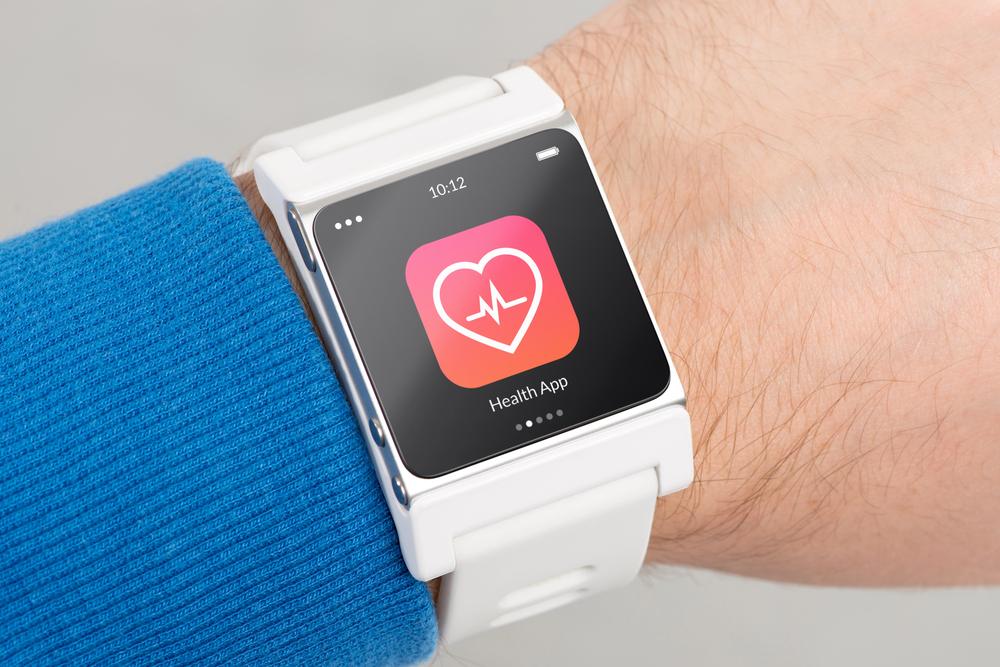
Those rigid rectangular screens are getting replaced with flexible displays that curve with your wrist or expand when needed. OLED tech makes them bright enough to read in direct sunlight too. Solves the biggest smartwatch problem – screens are always too small. Flexible displays give you more information without making the watch thick or uncomfortable to wear all day.
Predictive Health Monitoring
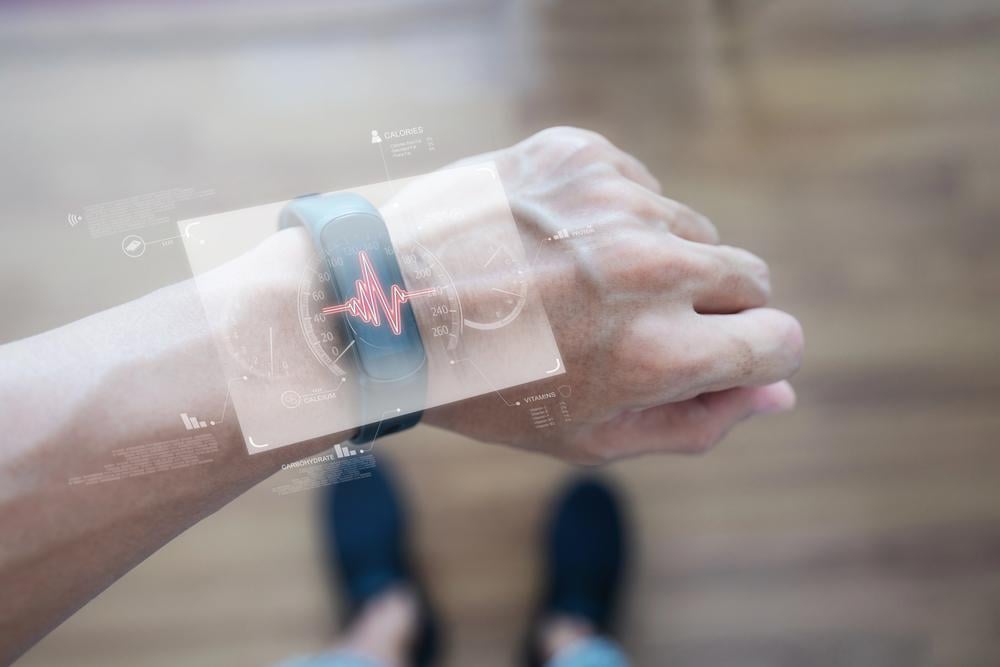
Machine learning analyzes patterns in your heart rate, sleep, activity, everything, looking for changes that might predict illness before symptoms show up. Some systems already predict panic attacks or migraines based on subtle biometric changes. Like having a crystal orb for your health, though that's also slightly creepy if you think about it too much.
Gesture Recognition Technology
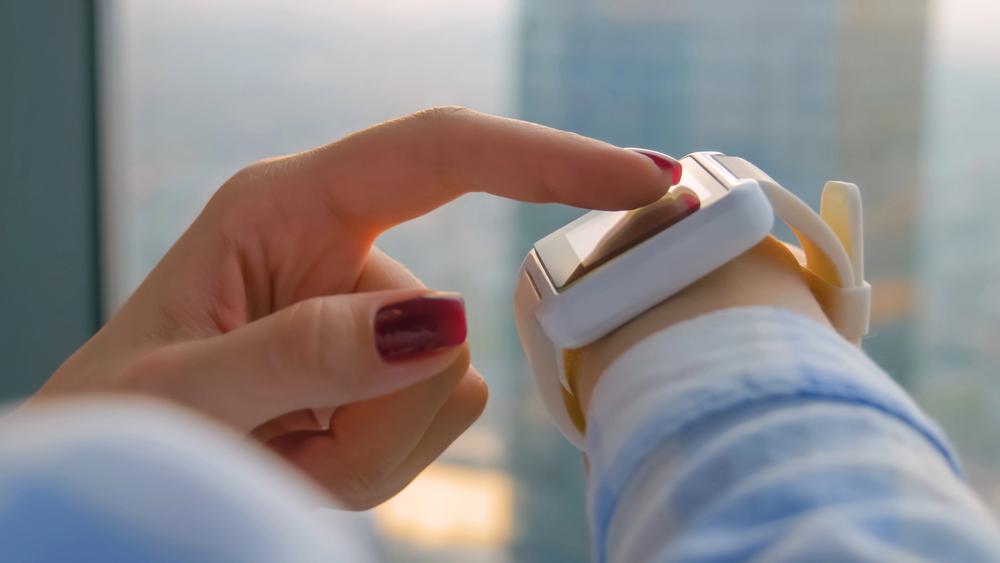
Apple's Double Tap lets you control your watch by tapping fingers together without touching the screen. Other companies are working on more advanced gesture controls using motion sensors. Eventually you might control your whole smart home by waving your hand in specific patterns. Minority Report stuff, but the basic tech already exists in simple forms.
Smart Material Integration
The stuff smartwatches are made from is getting weird. Stretchable electronics that bend with skin, materials that won't cause allergies, even fabrics with sensors woven right in. Future smartwatches might not look like traditional watches at all. Could be more like electronic temporary tattoos or smart fabric bands with all the tech built invisibly into the material.
More from Go2Tutors!

- 16 Historical Figures Who Were Nothing Like You Think
- 12 Things Sold in the 80s That Are Now Illegal
- 15 VHS Tapes That Could Be Worth Thousands
Like Go2Tutors’ content? Follow us on MSN.