Wholesome Secrets Hidden in Classic Video Games
Gaming culture often gets painted with a broad brush of violence and competition, but look closer at the classics and something different emerges. The developers who built the foundations of interactive entertainment weren’t just crafting challenges — they were embedding small acts of kindness, gentle humor, and quiet wisdom into their code.
These weren’t marketing gimmicks or calculated feature additions. They were personal touches, inside jokes between creators and players, moments of unexpected humanity tucked away where only the curious would find them.
The Konami Code’s True Purpose
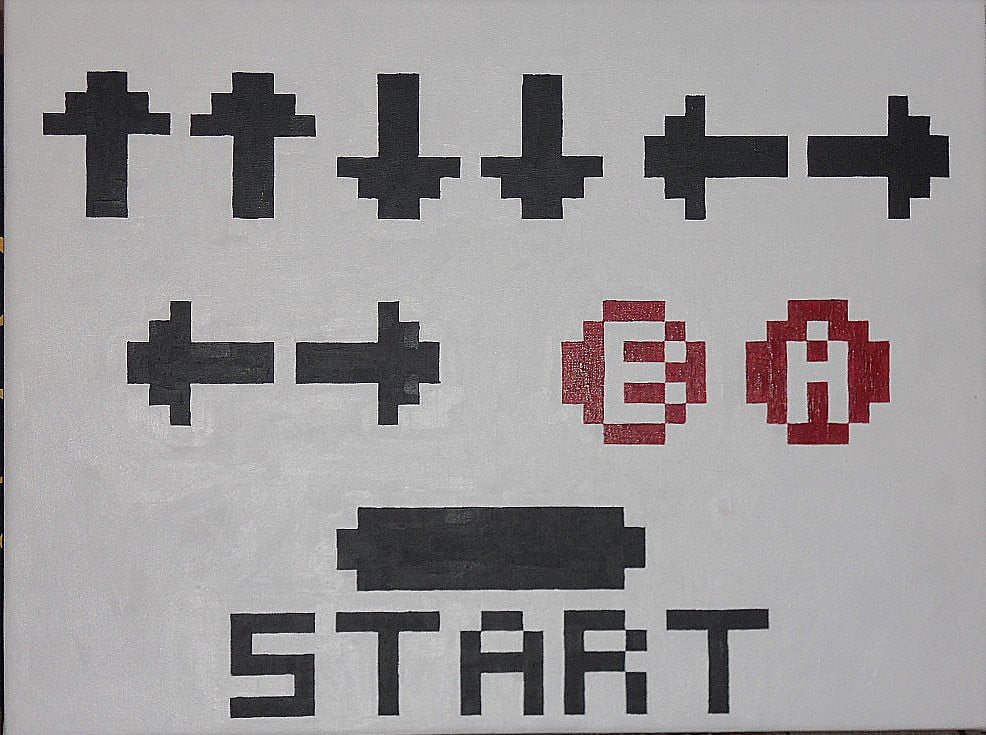
The famous Up-Up-Down-Down-Left-Right-Left-Right-B-A sequence wasn’t designed to help players cheat. Kazuhisa Hashimoto created it as a debugging tool while developing Gradius, because even the game’s own programmer couldn’t beat his creation during testing.
When players discovered it, Konami could have patched it out. They didn’t.
Nintendo’s Hidden Love Letters

Super Mario Bros. 3 contains one of gaming’s most touching secrets (and one that took decades for players to fully understand, thanks to the internet finally connecting all the dots). The entire game is a stage play — notice the bolted-down platforms, the backgrounds that cast shadows, the curtain that opens and closes.
Nintendo wasn’t just making a game about a plumber; they were making a game about the joy of performance, about putting on a show for people you care about, about the magic that happens when everyone agrees to believe in something impossible together, even when they can see the strings. But here’s the part that feels almost like a secret handshake between Nintendo and observant players: the backgrounds don’t just look like theater backdrops — they actually are theater backdrops, complete with visible stage lighting and scenic flats that would make sense to anyone who’d ever been behind the scenes of a school play.
So when Mario takes his final bow at the end, it’s not just a cute animation — it’s the logical conclusion of a metaphor that most players never consciously noticed but somehow felt the entire time they were playing.
Pac-Man’s Programmed Personality

The four ghosts aren’t randomly chasing you. Each has a distinct behavioral pattern that creates what feels like personality.
Blinky is aggressive and direct. Pinky tries to ambush you. Inky is unpredictable.
Clyde seems almost lazy, often wandering away when he gets close. Toru Iwatani programmed these traits deliberately.
He wanted players to feel like they were dealing with characters, not just obstacles. The ghosts even have names in Japanese that reflect their personalities.
The Secret Rooms of Adventure
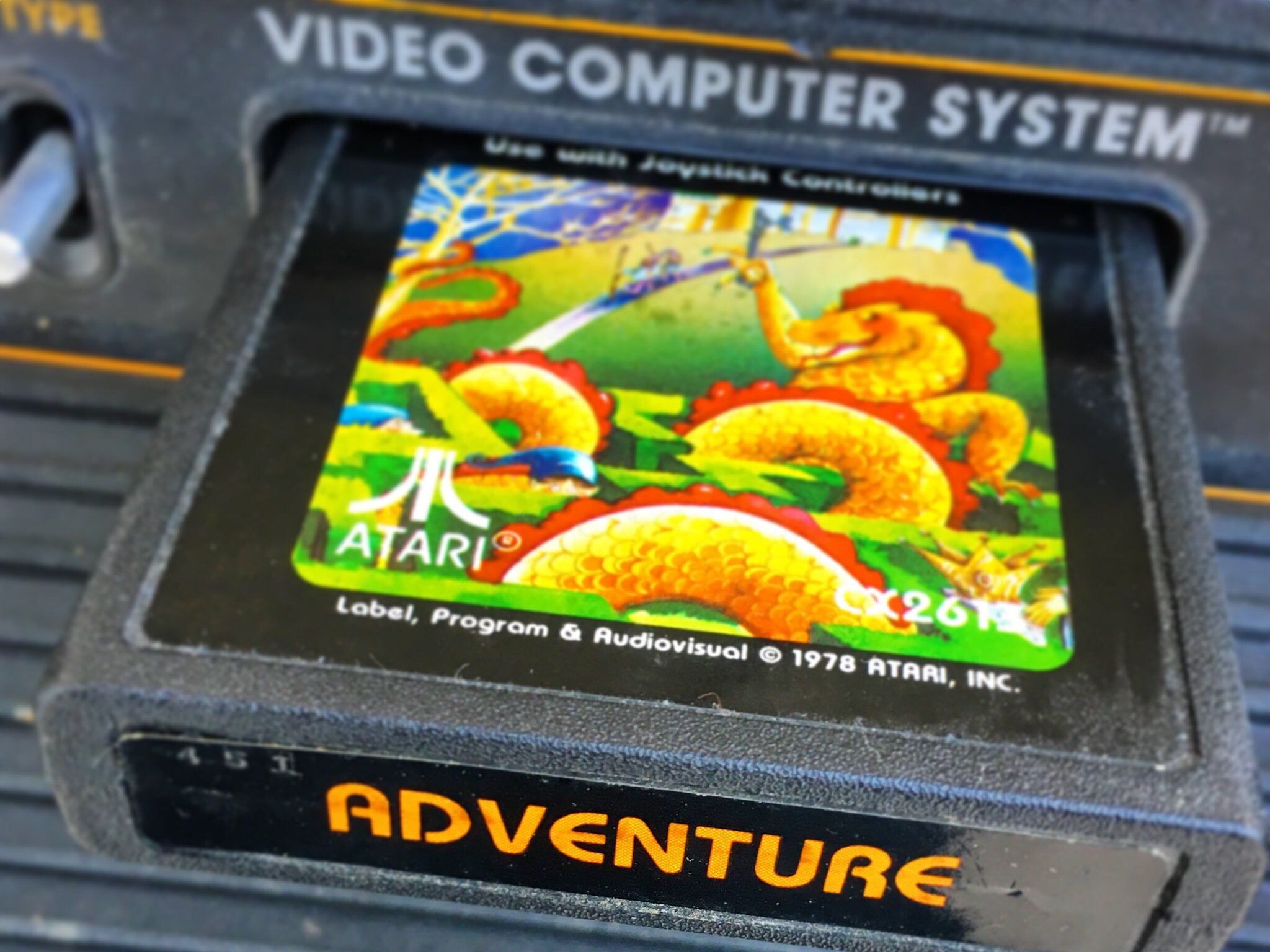
Atari’s Adventure for the 2600 contained gaming’s first Easter egg, but the story behind it reveals something profound about creative ownership. Warren Robinette hid his signature in the game because Atari didn’t credit individual programmers — they thought it would give developers too much leverage in salary negotiations.
His hidden room, accessible only through a specific sequence of actions, contained the simple text: “Created by Warren Robinette.” It wasn’t rebellion exactly, more like a quiet insistence on being seen as human rather than interchangeable.
That tiny act of defiance became a tradition that continues today, where developers leave little pieces of themselves scattered throughout their creations like breadcrumbs leading back to the people who cared enough to make something beautiful.
SimCity’s Impossible Generosity

Will Wright embedded a philosophy of urban planning into SimCity that borders on utopian idealism. The game rewards mixed-use development, public transportation, and green spaces while punishing urban sprawl and car-centric design.
Wright wasn’t just simulating city management — he was quietly advocating for the kind of communities where people might actually want to live, work, and raise families. The game’s disasters aren’t punishments but opportunities.
Fires spread slowly enough that you can usually contain them. Earthquakes create space for redesign.
Even Godzilla eventually leaves, giving you a chance to rebuild better than before.
The Legend of Zelda’s Philosophy of Exploration
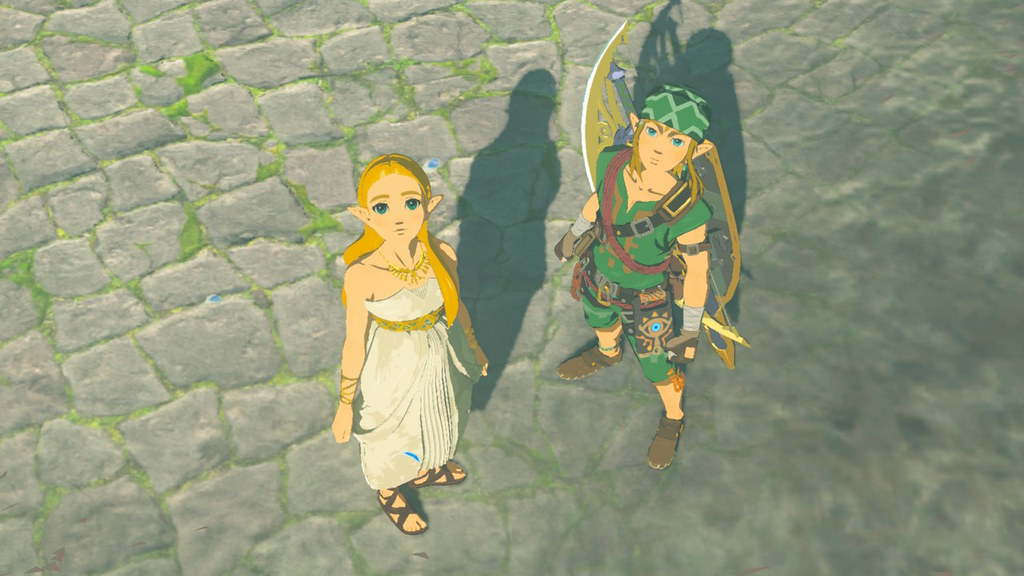
Shigeru Miyamoto designed the original Zelda based on his childhood memories of exploring caves and forests near his home in Japan. The game’s most profound secret isn’t any particular hidden room or item — it’s the underlying philosophy that exploration should feel like discovery rather than completion of a checklist.
The overworld contains no map markers, no quest indicators, no glowing trails leading you toward objectives. You find things by paying attention, by noticing that one tree looks slightly different from the others, by remembering which walls might be worth bombing.
The game trusts you to be curious.
Tetris and the Art of Letting Go
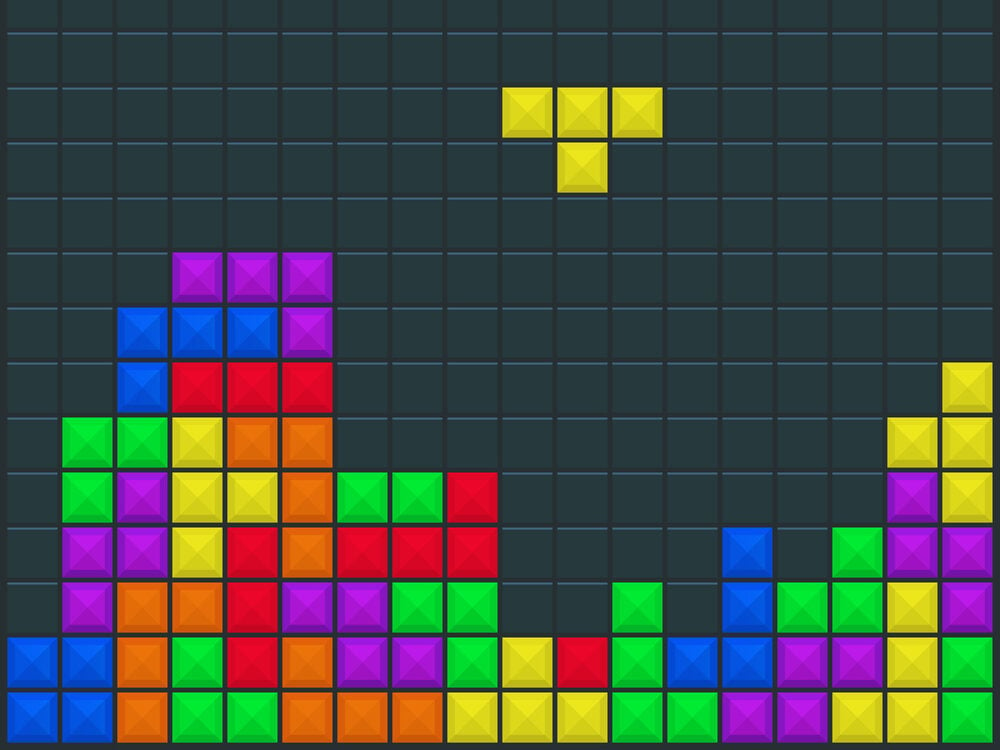
Alexey Pajitnov designed Tetris while working at a computer research center in Soviet Moscow, and the game’s core mechanic contains an accidental meditation on impermanence (though Pajitnov has said he wasn’t thinking philosophically at the time — sometimes wisdom emerges from practical constraints in ways that surprise even the creator). Every line you complete disappears, every perfect arrangement is temporary, and the only way to succeed is to keep letting go of what you’ve built to make room for what comes next.
But here’s what makes it profound rather than frustrating: the game never punishes you for losing something you’ve created. Clearing lines feels satisfying, not like sacrifice.
The game found a way to make letting go feel like accomplishment rather than loss, which might be one of the most psychologically healthy mechanics ever accidentally programmed into entertainment software.
Street Fighter II’s Respectful Competition

Capcom programmed subtle details into each character that show respect for the cultures they represent. Ryu and Ken’s fighting stances are based on actual karate forms.
Chun-Li’s moves reference traditional Chinese martial arts. E. Honda’s sumo techniques follow real ceremonial protocols.
The developers researched beyond surface stereotypes. They consulted with martial artists, studied cultural traditions, and created movesets that honored rather than mocked their inspirations.
The characters feel authentic because someone cared enough to get the details right.
The Sim Family Values

The original Sims contained what might be gaming’s most progressive social experiment, though it was so understated that many players never noticed the statement being made. Same-gender relationships worked exactly like opposite-gender ones — no special mechanics, no different outcomes, no commentary or fanfare.
Will Wright and his team simply programmed love as love, attraction as attraction, families as whatever configuration of people chose to care for each other. This was 2000, when such representation was still controversial in mainstream media.
The game didn’t announce its inclusivity or make it a selling point. It just treated all forms of human connection as equally valid and let players discover that acceptance naturally through gameplay.
Donkey Kong’s Gentle Giant
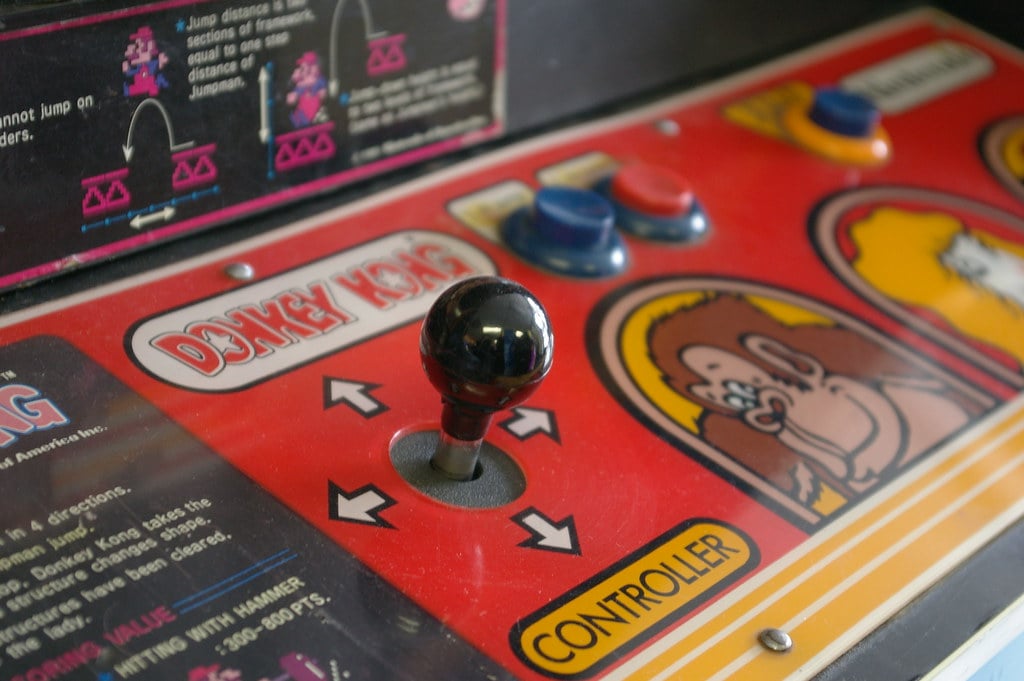
Shigeru Miyamoto based Donkey Kong on King Kong, but he softened the character considerably. Kong doesn’t hurt Mario directly — he throws barrels and fire, but the ape himself seems more mischievous than malicious.
His facial expressions show confusion and playfulness rather than rage. Miyamoto wanted players to see Kong as a character with motivations rather than just an enemy to defeat.
The ape is protecting something he values, which makes the conflict feel more like a misunderstanding than good versus evil.
Final Fantasy’s Quiet Wisdom About Friendship

The original Final Fantasy contained a mechanic that most players experienced without consciously recognizing its emotional intelligence. When party members fall in battle, they don’t disappear or become deadweight — they remain present but unconscious, and reviving them becomes a priority that feels personal rather than strategic.
Hironobu Sakaguchi programmed death as temporary separation rather than permanent loss. The message embedded in the mechanics is clear: no one gets left behind, healing is always possible, and the group moves forward together or not at all.
The Enduring Magic of Simple Kindness

These secrets share something that modern gaming sometimes loses in its pursuit of complexity and spectacle. The developers who created these classics understood that the most memorable moments often come from unexpected gentleness — a cheat code that helps struggling players, characters designed with respect and research, mechanics that assume the best about human nature rather than the worst.
These weren’t accidents or oversights. They were choices made by people who believed that entertainment could be both challenging and kind, competitive and inclusive, engaging and emotionally generous.
The games endure not just because they were innovative, but because they were made with love for the people who would play them.
More from Go2Tutors!

- The Romanov Crown Jewels and Their Tragic Fate
- 13 Historical Mysteries That Science Still Can’t Solve
- Famous Hoaxes That Fooled the World for Years
- 15 Child Stars with Tragic Adult Lives
- 16 Famous Jewelry Pieces in History
Like Go2Tutors’s content? Follow us on MSN.