Famous Car Crashes That Taught Safety Lessons
Car safety as we know it today didn’t come from good intentions alone. It came from disasters — real crashes, real consequences, and the hard questions that followed.
Many of the features now standard in every car on the road exist because something went badly wrong, someone paid attention, and the industry was eventually forced to change. These are some of the crashes and incidents that left a mark on how vehicles are designed, tested, and regulated.
The 1955 Le Mans Disaster Changed Motorsport Forever
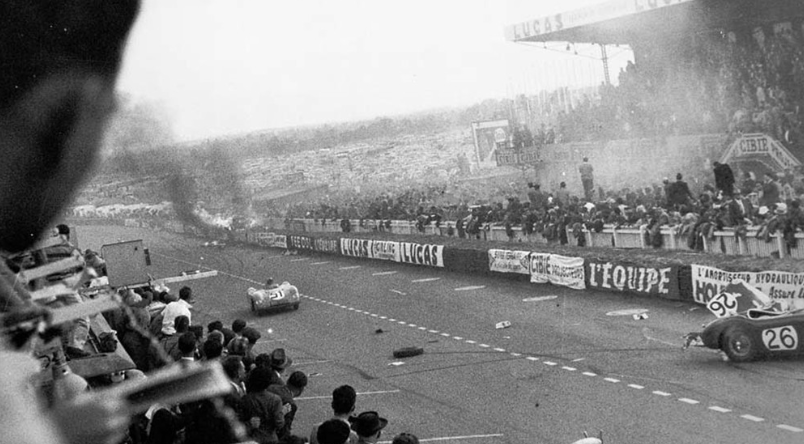
On June 11, 1955, a collision on the Le Mans circuit sent debris into a packed spectator area. More than 80 people died, making it the deadliest accident in motorsport history. The crash forced a serious conversation about how race tracks were designed and how close spectators were allowed to get to the action. Several countries pulled their teams from the race immediately.
The aftermath led to new safety barriers, stricter venue regulations, and a long rethink of how motorsport balanced spectacle with risk. The effects are still visible in how modern circuits are built.
Ralph Nader and the Corvair Pushed Consumer Safety Into Law

In 1965, Ralph Nader published a book focused largely on the Chevrolet Corvair, arguing that its rear-engine design made it prone to handling problems. General Motors’ response — which included hiring investigators to dig up personal information on Nader — backfired badly when it became public.
The resulting scandal gave Nader’s safety arguments more credibility, not less. The following year, the U.S. passed the National Traffic and Motor Vehicle Safety Act, which gave the federal government authority to set safety standards for cars.
It was the first major federal regulation of the auto industry, and it opened the door to every safety standard that followed.
Princess Diana’s Crash Raised Questions About High-Speed Pursuits

The 1997 crash in the Pont de l’Alma tunnel in Paris that killed Diana, Princess of Wales, drew global attention to several issues at once. The driver was found to have had alcohol in his system.
The car was traveling at high speed. Seat belts were not worn.
The crash became one of the most analyzed accidents in modern history, and it contributed to broader public conversations about paparazzi pursuit driving, the importance of seat belt use, and tunnel safety infrastructure. Several countries reviewed their pursuit-related traffic laws in the years that followed.
The Ford Pinto Fires Made Cost-Benefit Analysis a Dirty Word
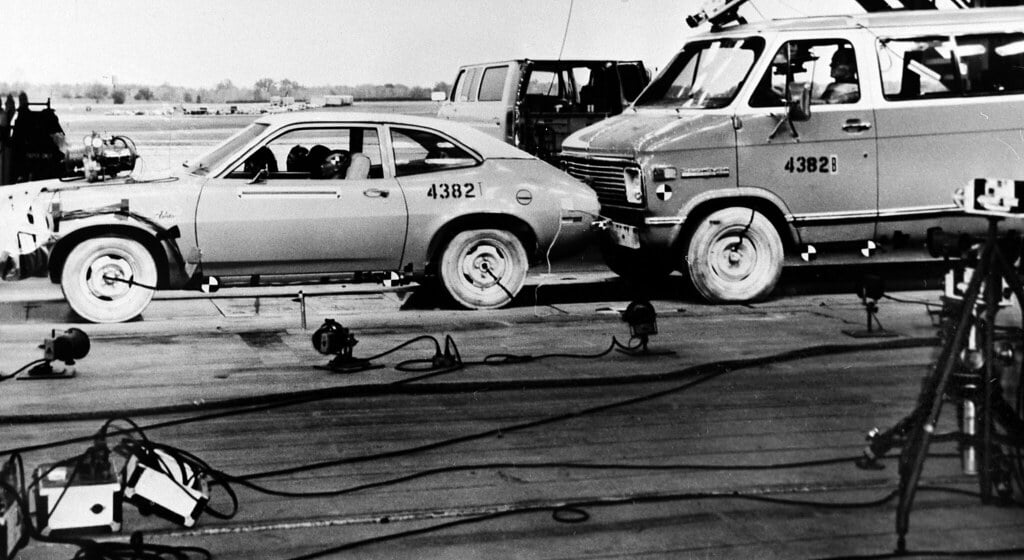
In the 1970s, Ford produced the Pinto with a fuel tank design that made it vulnerable to fire in rear-end collisions. What made the story worse was the internal memo that emerged suggesting Ford had calculated it was cheaper to pay out lawsuit settlements than to fix the design.
Whether that calculation was applied the way the memo implied remains debated, but the public reaction was swift and damaging. The Pinto case became a landmark in product liability law and pushed automakers to take a harder look at how design decisions were made and documented.
It also changed how juries approached corporate negligence.
The GM Ignition Switch Scandal Showed How Long Problems Can Stay Hidden

General Motors knew about a defective ignition switch for years before it issued a recall in 2014. The switch could inadvertently cut engine power, disabling airbags at the moment they were most needed.
At least 124 deaths were linked to the defect. The scandal exposed how internal safety concerns could get buried inside large organizations and how recall decisions were sometimes delayed far longer than they should have been.
The aftermath brought stricter oversight, heavy fines, and a much sharper focus on how automakers handle known defects internally. It also accelerated changes to how the National Highway Traffic Safety Administration handled manufacturer reporting.
The Firestone Tire Failures Put SUV Rollover Risk on the Map
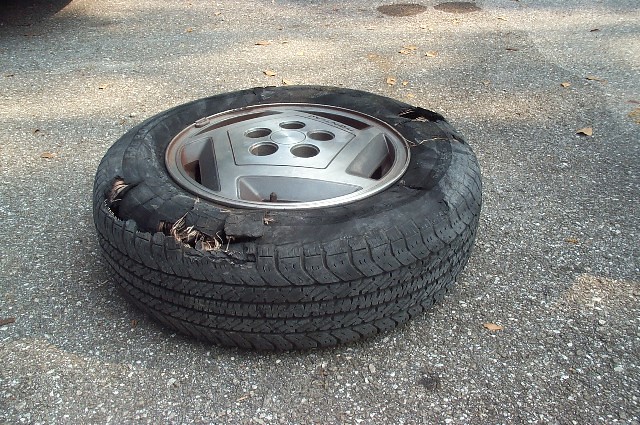
In the late 1990s and early 2000s, a pattern of tread separation on Firestone tires — many of them fitted to the Ford Explorer — led to hundreds of deaths. The Explorer’s high center of gravity made a tire blowout especially dangerous, as rollovers followed in many cases.
The resulting investigation exposed problems in how both the tire manufacturer and the automaker had handled safety data, and it led directly to the TREAD Act of 2000, which required manufacturers to report safety data to regulators. It also pushed the entire industry to address SUV rollover risk more seriously, eventually leading to electronic stability control becoming mandatory.
Ayrton Senna’s Death Transformed Formula 1 Safety
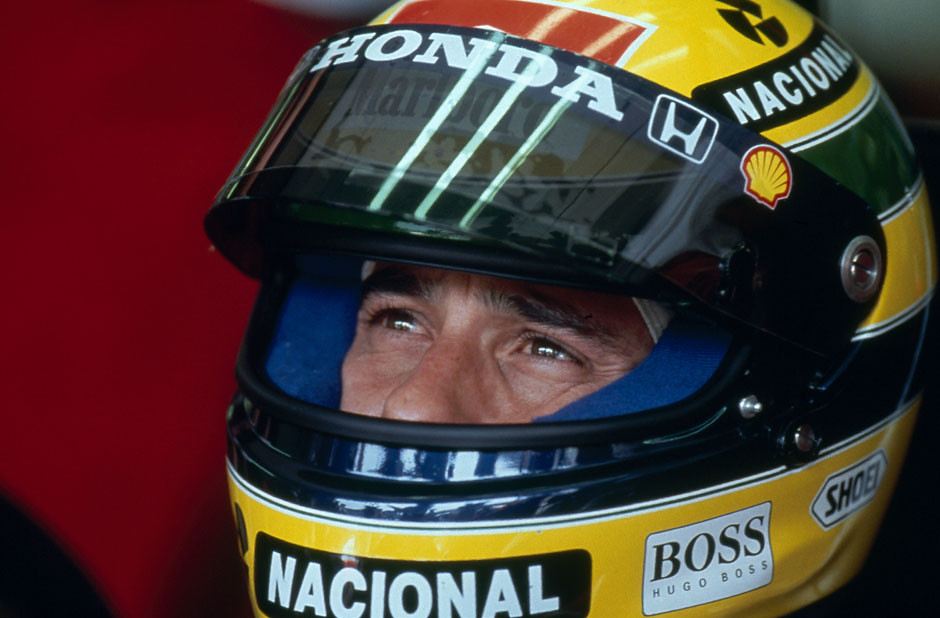
When Ayrton Senna died at the 1994 San Marino Grand Prix, it was the first driver fatality in Formula 1 in twelve years. The shock of losing one of the sport’s most celebrated drivers at Imola — following the death of Roland Ratzenberger just the day before — triggered a complete reassessment of safety in the sport.
The FIA introduced sweeping changes to car design, track layouts, and medical response protocols. Head and neck protection systems, safer cockpit designs, and dramatically improved run-off areas all trace back to that weekend.
Modern Formula 1 cars can now survive impacts that would have been fatal in 1994.
The Therac-25 Radiation Machine Was a Software Lesson Applied to Cars

This one sits at an angle from the others, but it matters. The Therac-25 was a radiation therapy machine that, due to software errors, delivered lethal doses to patients in the mid-1980s.
While not a car crash, the incident became a foundational case study in safety-critical software design — and as vehicles became more computerized, automotive engineers borrowed heavily from those lessons. Modern cars run millions of lines of code.
The frameworks used to verify and validate that software owe a great deal to the hard lessons learned from accidents like the Therac-25 cases.
Volvo’s Own Crash Data Shaped the Modern Safety Car
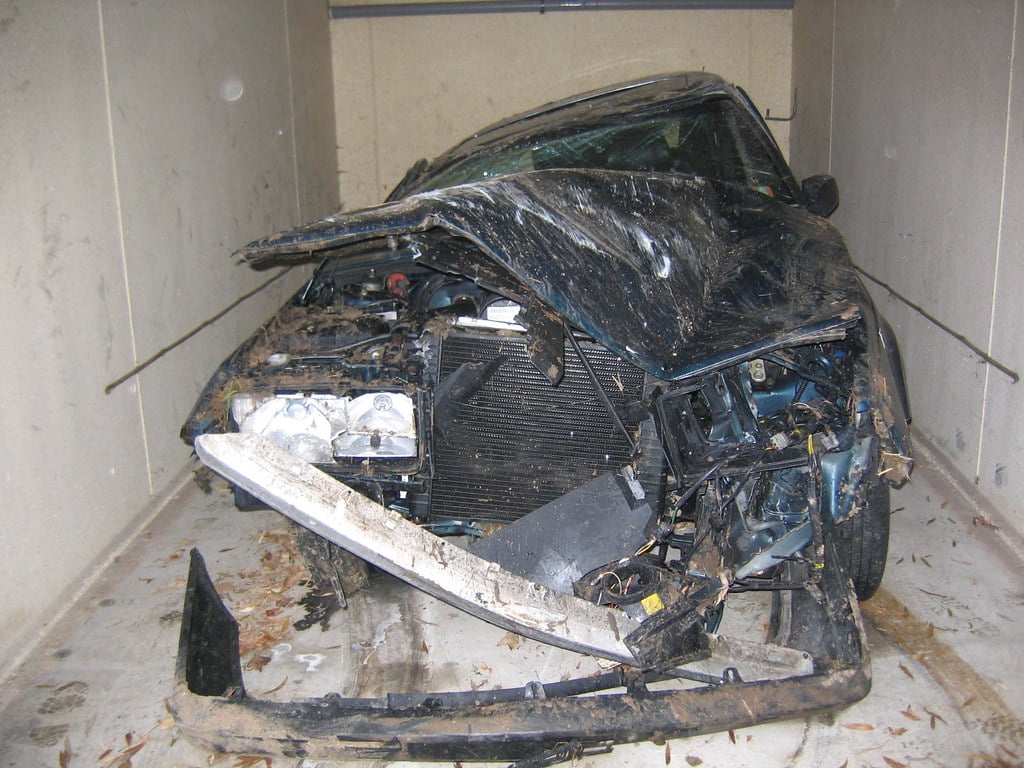
Volvo established an accident research team in 1970 that went out to real crash sites and documented what actually happened to people in cars. Over decades, that data shaped how Volvo designed its vehicles — and much of what they learned eventually spread through the industry.
The findings directly influenced the development of side-impact protection, whiplash-prevention seat systems, and how crumple zones were refined. The point here isn’t a single crash, but a systematic approach to learning from thousands of them.
It’s one of the more underappreciated stories in automotive safety history.
The Jeep Cherokee Rollover Tests Changed How Vehicles Are Rated
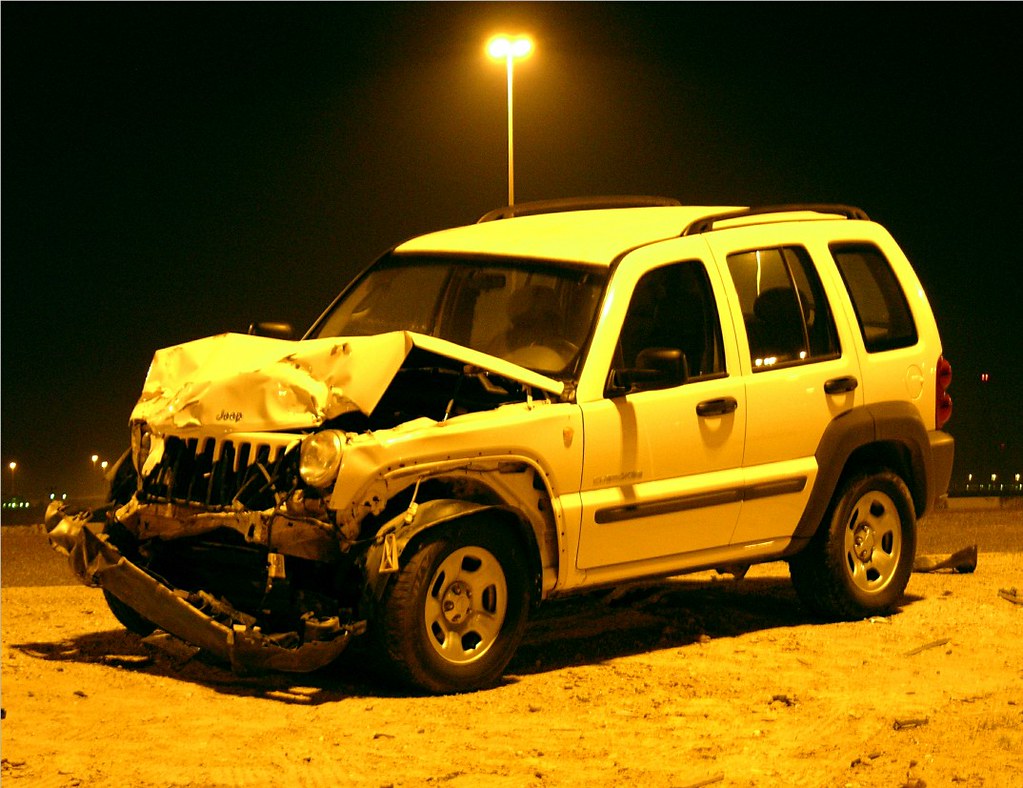
In 1988, a Consumer Reports test of the Suzuki Samurai flagged serious rollover concerns, and similar scrutiny soon landed on other high-riding vehicles including the Jeep Cherokee. These tests — and the media coverage around them — pushed regulators and manufacturers to address how rollover risk was communicated to buyers.
For years, official safety ratings didn’t include rollover metrics at all. By the early 2000s, the NHTSA had introduced rollover resistance ratings as part of its five-star safety system.
Electronic stability control, which dramatically reduces rollover risk, is now mandatory on all new vehicles sold in the U.S.
Dale Earnhardt’s Death Brought HANS Devices Into Mainstream Racing
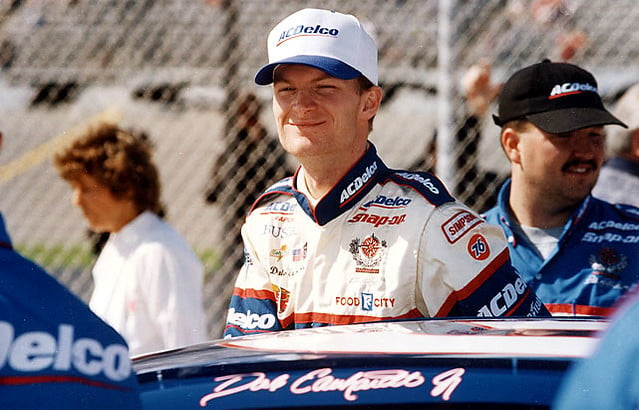
Dale Earnhardt died from a basilar skull fracture on the last lap of the 2001 Daytona 500. The injury — caused by the sudden deceleration of his head relative to his body — was survivable with a Head and Neck Support device.
The HANS device had existed for years but wasn’t widely adopted. After Earnhardt’s death, NASCAR made it mandatory almost immediately.
Other racing series followed. The device has since been credited with saving numerous lives in crashes that would previously have been fatal.
It’s a case where a piece of safety equipment was available well before it was required, and a tragedy accelerated its adoption.
Lane Departure and Drowsy Driving Research Came From Long-Haul Truck Accidents

A significant proportion of highway fatalities involve vehicles drifting out of lanes, often because a driver fell asleep. Research into drowsy driving and lane departure accidents — much of it driven by data from commercial truck crashes — led to the development of lane departure warning systems and attention monitoring technology. These features are now common in passenger cars.
The path from truck crash data to your car’s lane-keeping assist was long, but the connection is direct. Understanding where accidents actually happen, and why, turns out to be essential for building systems to prevent them.
The Pedestrian Safety Push Came From Urban Accident Data

For most of automotive history, pedestrian protection wasn’t a major engineering focus — crash tests put dummies inside the car, not in front of it. That changed as urban traffic fatality data made it impossible to ignore how often pedestrians were killed or seriously injured in vehicle impacts.
European safety ratings began including pedestrian impact tests in the early 2000s, and hood and bumper designs changed significantly as a result. Bonnets were raised to create clearance above hard engine components, front bumpers were redesigned to reduce leg injuries, and active hood systems that pop up on pedestrian impact were introduced.
None of that happened without the accident data pushing it.
Every Scar on the Road Has Something to Say

Cars are safer now than at any point in history. That is a truthful statement and it is very important.
However, the journey to this point was neither easy nor solely based on good intentions. It involved fatal accidents, data revealing a harsh reality, and even fights that led to changes in the industry which, most of the time, was slow to embrace new innovations.
Therefore, seatbelt clicking, stability control engaging quietly on a slippery road, and crumple zone in a crash test video rather than a rigid one aren’t the features of a recently made product but rather are a representation of a long history. Someone had to suffer so that these features could be made available: car safety history inconveniences good intentions; bad accident exposure struggle; fights implementation change; industry slow move seatbelt click; stability control; slipping road; car hood crumple test video rigid long history price feature; exist.
More from Go2Tutors!

- The Romanov Crown Jewels and Their Tragic Fate
- 13 Historical Mysteries That Science Still Can’t Solve
- Famous Hoaxes That Fooled the World for Years
- 15 Child Stars with Tragic Adult Lives
- 16 Famous Jewelry Pieces in History
Like Go2Tutors’s content? Follow us on MSN.



