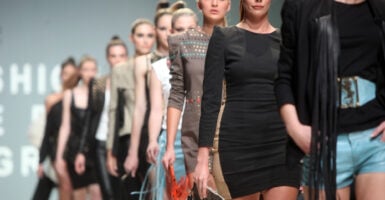
Magazine Covers That Sparked Massive Controversy
Magazine covers have always pushed boundaries. A single image can ignite debates, change laws, or even end careers.
Some covers became cultural turning points while others simply went too far for their time. The media world loves a good scandal, and magazine editors know it.
Time’s breastfeeding cover

Time Magazine put a mom breastfeeding her nearly four-year-old son on the cover in 2012. The headline asked ‘Are You Mom Enough?’ which made parents everywhere feel attacked.
The photo showed the child standing on a chair to reach his mother, and people couldn’t look away. Critics said it was exploitative and turned a natural act into something sensational.
Supporters argued it opened up important conversations about extended breastfeeding and parenting choices.
Rolling Stone’s Boston bomber issue
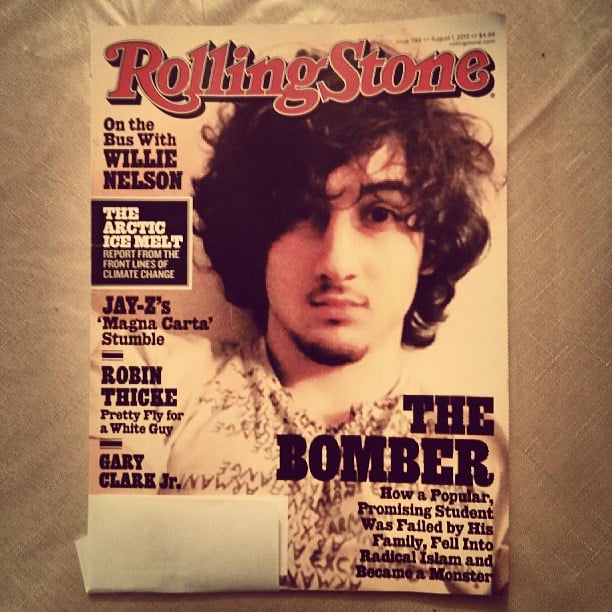
Rolling Stone featured Dzhokhar Tsarnaev on their August 2013 cover with a photo that looked like a rock star portrait. The image came from his own social media, but putting a terrorist on the cover in that style felt like glorification to many readers.
Stores across America refused to sell that issue. The magazine defended their choice by saying the cover story explored how a regular kid became a killer, but the damage was done.
Vanity Fair’s Caitlyn Jenner reveal

When Caitlyn Jenner appeared on Vanity Fair’s June 2015 cover, it became one of the most talked-about magazine moments ever. Annie Leibovitz photographed her in a white corset, and the headline simply said ‘Call Me Caitlyn.’
Some people celebrated it as a breakthrough for transgender visibility. Others felt uncomfortable with the attention and the way the media handled the transition.
The cover sold out quickly and sparked endless debates about gender identity in America.
Newsweek’s first in-vitro baby
Newsweek’s 1978 cover showed the world’s first test-tube baby, Louise Brown, shortly after her birth. The headline declared ‘The First Test-Tube Baby’ with an image that looked almost scientific and cold.
Religious groups protested loudly, calling it an affront to nature and God’s will. Many people worried about what this technology meant for humanity’s future.
Today, millions of people exist because of IVF, but that cover marked the beginning of heated ethical debates.
Cosmopolitan’s Burt Reynolds centerfold
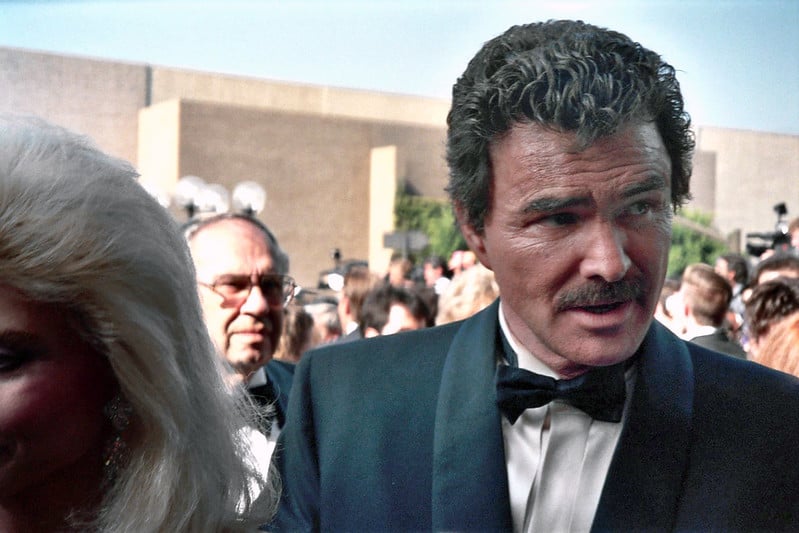
Cosmopolitan put Burt Reynolds on their April 1972 cover, and inside was an unclothed centerfold of the actor. It was the first time a major women’s magazine featured male nudity like this.
Reynolds later said it hurt his career and he regretted doing it. The issue flew off shelves, but it also brought accusations that Cosmo had gone too low.
Helen Gurley Brown, the editor, knew exactly what she was doing and didn’t apologize for challenging double standards.
National Geographic’s Afghan girl
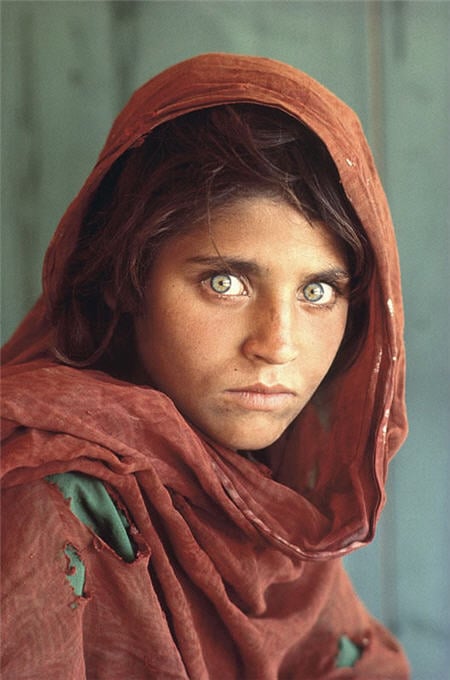
Steve McCurry’s photograph of Sharbat Gula appeared on National Geographic’s June 1985 cover. Her piercing green eyes and red headscarf became one of the most recognized images in the world.
Years later, people questioned whether the magazine exploited a refugee child for dramatic effect. The girl herself, found again in 2002, never received compensation for becoming the face of Afghan suffering.
The photo remains powerful, but the ethics behind it continue to trouble many journalists and readers.
Vogue’s LeBron James and Gisele Bundchen
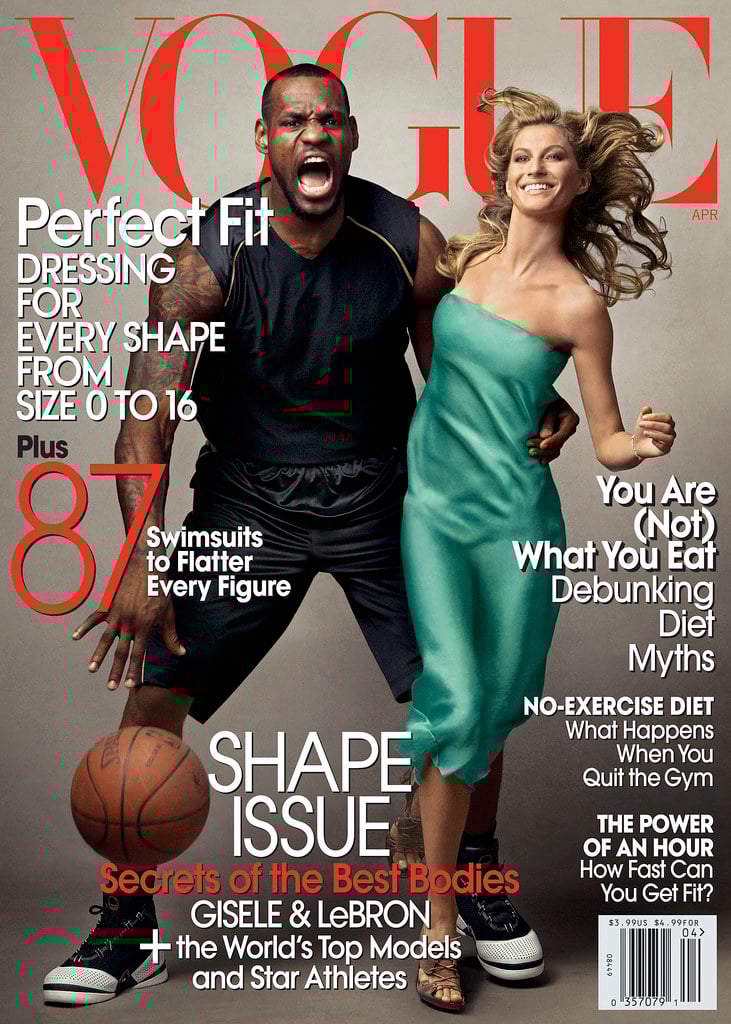
Vogue’s April 2008 cover showed LeBron James holding Gisele Bundchen in a pose that reminded many people of old racist imagery. James appeared powerful and almost aggressive while the supermodel looked delicate and afraid.
Critics immediately compared it to King Kong posters and other harmful stereotypes about Black men. Vogue’s editor Anna Wintour defended the artistic choice, but the backlash revealed how sensitive racial imagery remains in American media.
New York Magazine’s Bill Cosby accusers
New York Magazine’s July 2015 cover displayed 35 of Bill Cosby’s accusers in a powerful grid layout. One chair sat empty, representing the many women who never came forward.
The cover became a turning point in how the media covered allegations against powerful men. Some people praised it for giving victims a voice, while others worried about the presumption of guilt before a trial.
The image remains one of the most impactful covers in the #MeToo era.
Esquire’s electronic cover
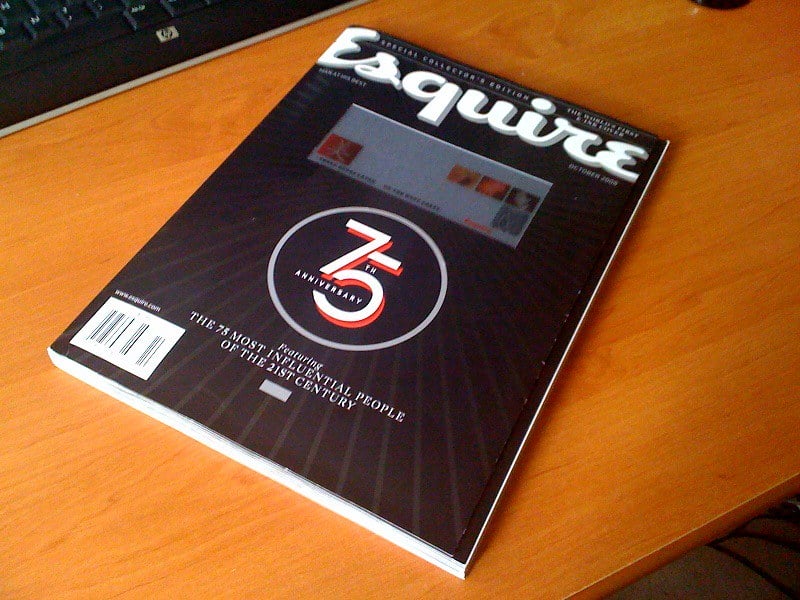
Esquire tried something different in October 2008 with the first electronic magazine cover in America. It featured Oprah Winfrey, but the flashing lights and digital display were what everyone noticed.
Some readers loved the innovation while others found it gimmicky and wasteful. The technology was expensive and didn’t work well, with many covers malfunctioning on shelves.
It showed that sometimes trying to be different backfires spectacularly.
Ms. Magazine’s abortion declaration

Ms. Magazine’s spring 1972 cover featured famous women who signed a petition saying ‘We Have Had Abortions.’ This was before Roe v. Wade, when abortion was illegal in most states.
Celebrities and regular women alike risked prosecution and public shame by signing. The cover helped change the national conversation, but it also brought death threats to the magazine’s offices.
Women who appeared on that list faced consequences for decades.

Bloomberg Businessweek’s Obama cover
Bloomberg Businessweek ran a cover in 2012 showing President Obama with a rainbow halo and the headline ‘Obama’s Gay Marriage Moment.’ The image looked almost religious, which bothered conservatives who already felt the media treated Obama too favorably.
Liberal readers appreciated the bold statement supporting marriage equality, but some felt it reduced a civil rights issue to a political calculation. The design choices turned a policy position into something that felt like worship to critics.
People’s Ellen and Portia wedding
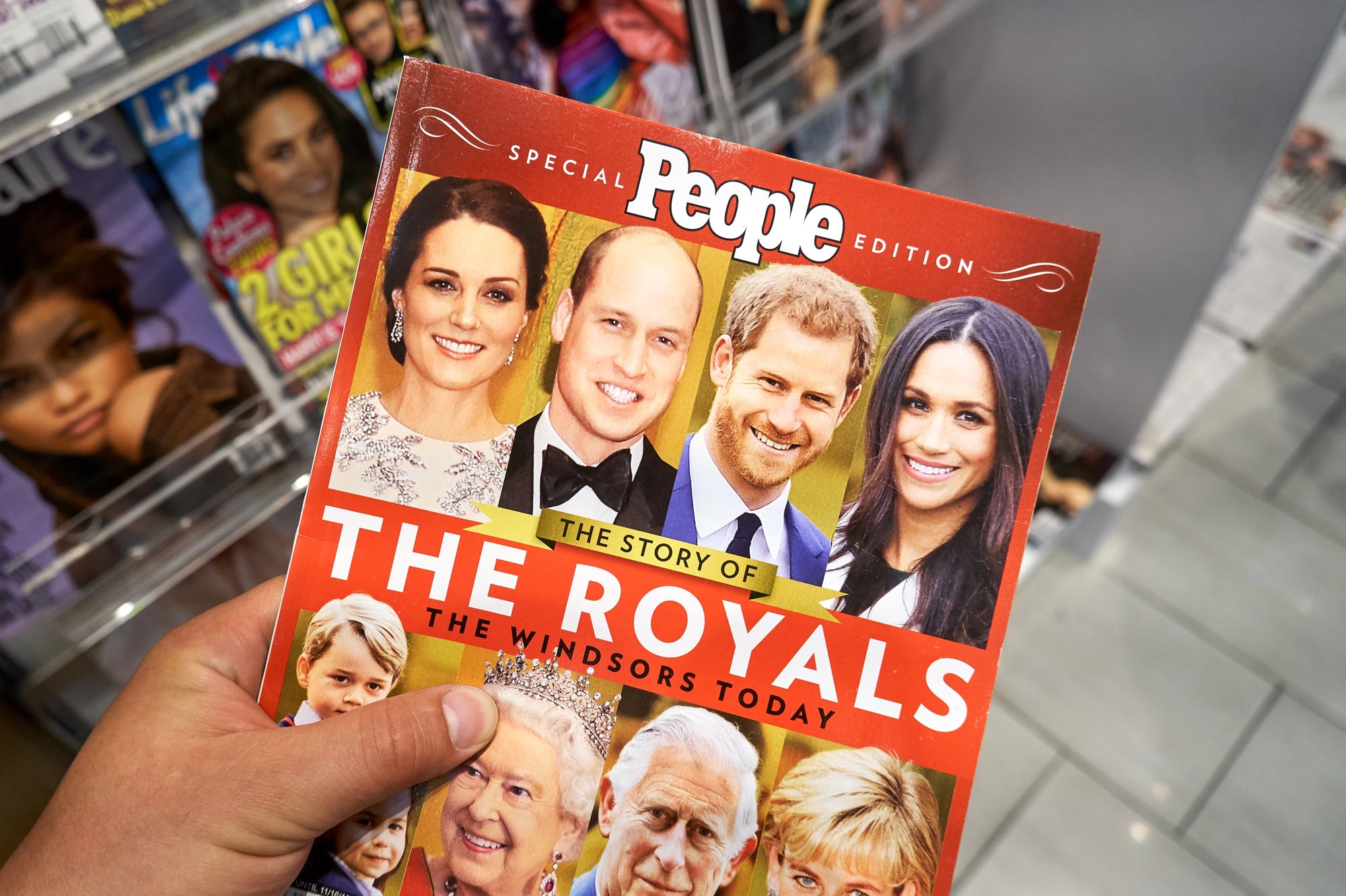
People Magazine’s August 2008 cover featured Ellen DeGeneres and Portia de Rossi’s wedding photos. It was the first time a major mainstream magazine gave a same-gender wedding the full celebrity treatment.
Many readers canceled their subscriptions in protest. Others bought multiple copies to show support.
The magazine took a financial risk that ultimately reflected changing American attitudes, but it also highlighted how divided the country remained.
Interview’s Kim Kardashian Paper cover
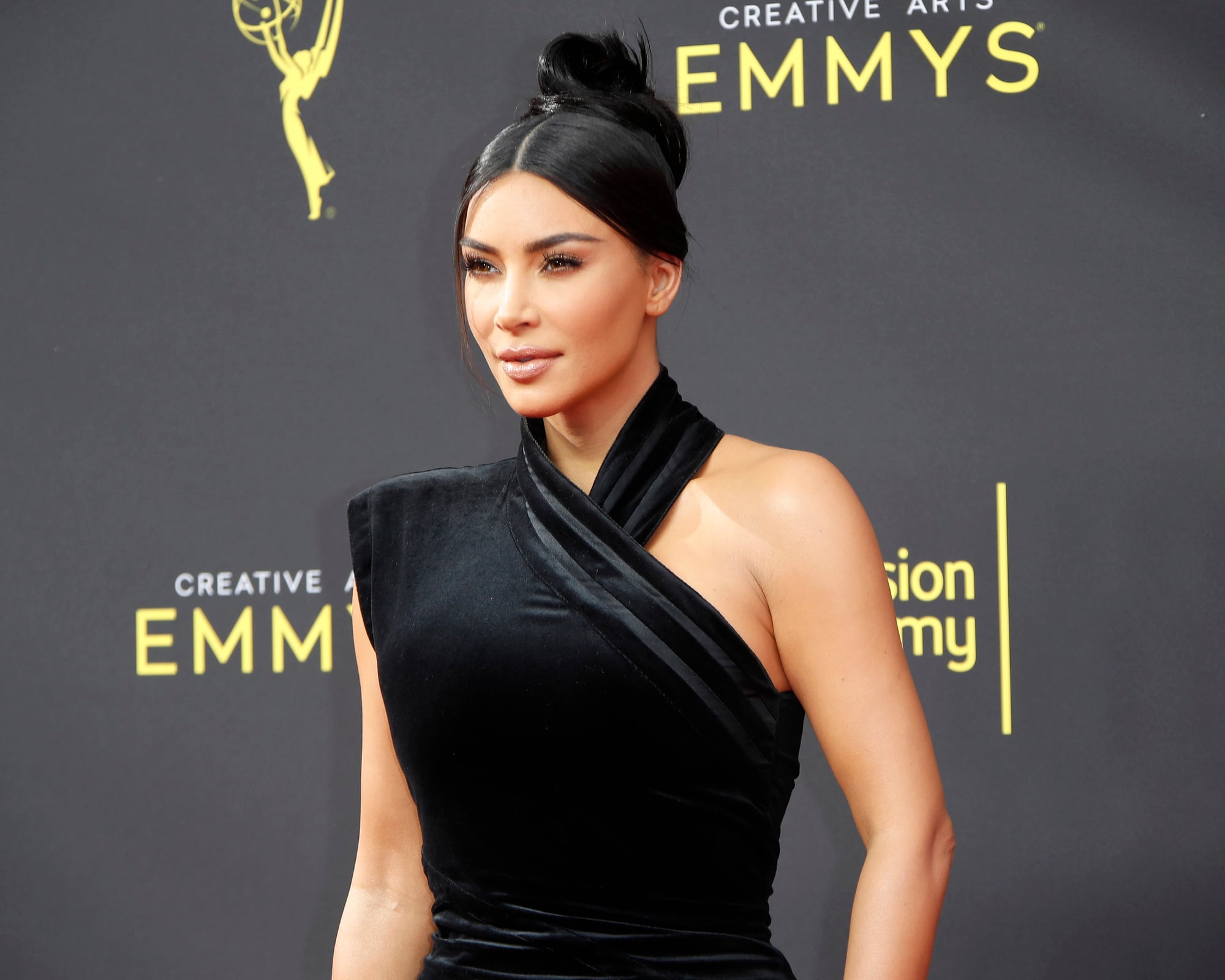
Interview Magazine published photos by Jean-Paul Goude in 2014 that were meant to ‘break the internet.’ The images recreated controversial photographs from Goude’s past work.
Critics called out the photographer’s history of objectifying Black women and exoticizing their bodies. The cover sparked debates about exploitation, body image, and whether Kardashian was empowered or being used.
The controversy gave Interview exactly the attention they wanted, even if much of it was negative.
Ebony’s Trayvon Martin hoodie
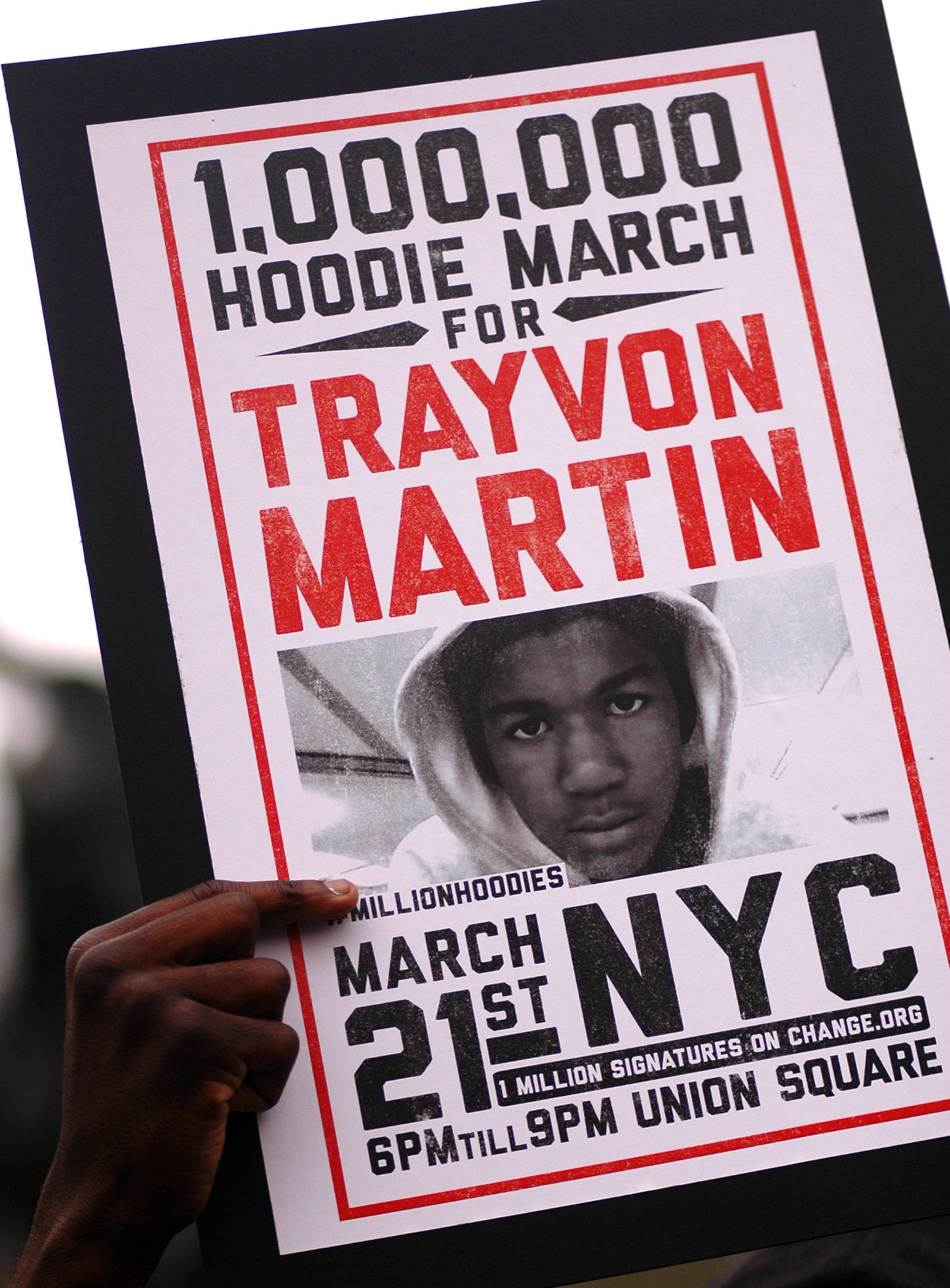
Ebony Magazine put well-known Black guys in hoodies on its Sept 2013 front page – meant as a tribute to Trayvon Martin. That quiet picture hit hard among Black folks nationwide.
Folks from other backgrounds scratched their heads, wondering why a sweatshirt sparked such strong feelings. This moment laid bare just how split Americans were when it came to seeing racism and fairness.
No drama needed; still stirred debate just by speaking up on skin color.
Newsweek’s gay actors coming out

Back in 2010, Newsweek put out a cover questioning whether gay actors could pull off straight characters. Instead of sparking debate, the image plus story upset LGBTQ+ supporters along with others who stood by them.
A lot figured it pushed outdated ideas – like being gay meant you couldn’t act well. Soon after, criticism poured in, making the magazine look stuck in the past.
They said sorry, yet trust didn’t come back fast.
GQ’s Rihanna domestic violence timing
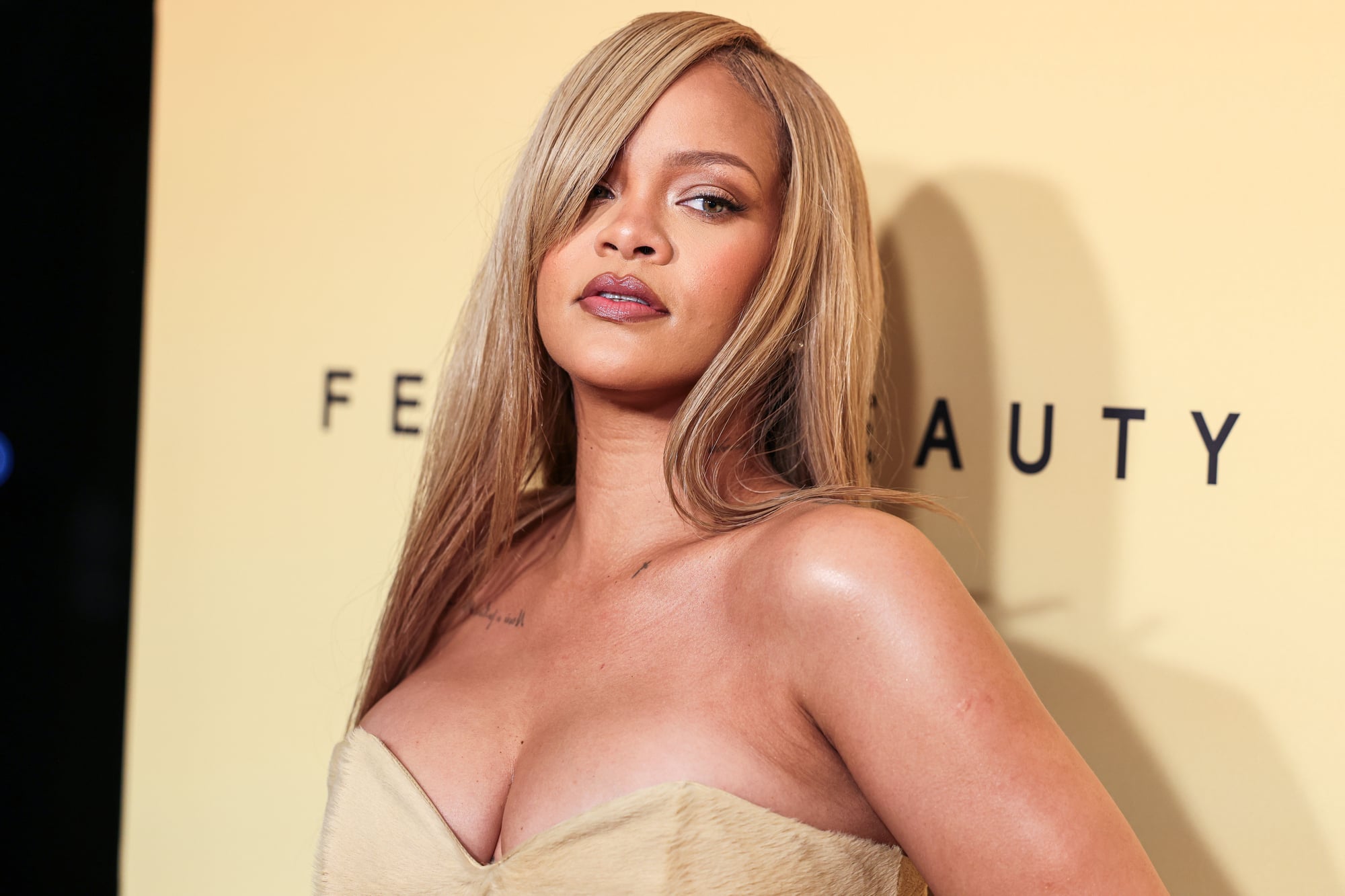
GQ put Rihanna on the December 2012 front page just weeks after that widely reported incident involving abuse. The pictures stirred attention, while she opened up about being with Chris Brown in the chat.
A lot of people thought they were using her pain to boost magazine numbers. Still, some believed she should decide how her story gets told.
It seemed like they picked that moment because folks were curious about her private struggles, not her songs.
Harper’s Bazaar’s Hilaria Baldwin controversy
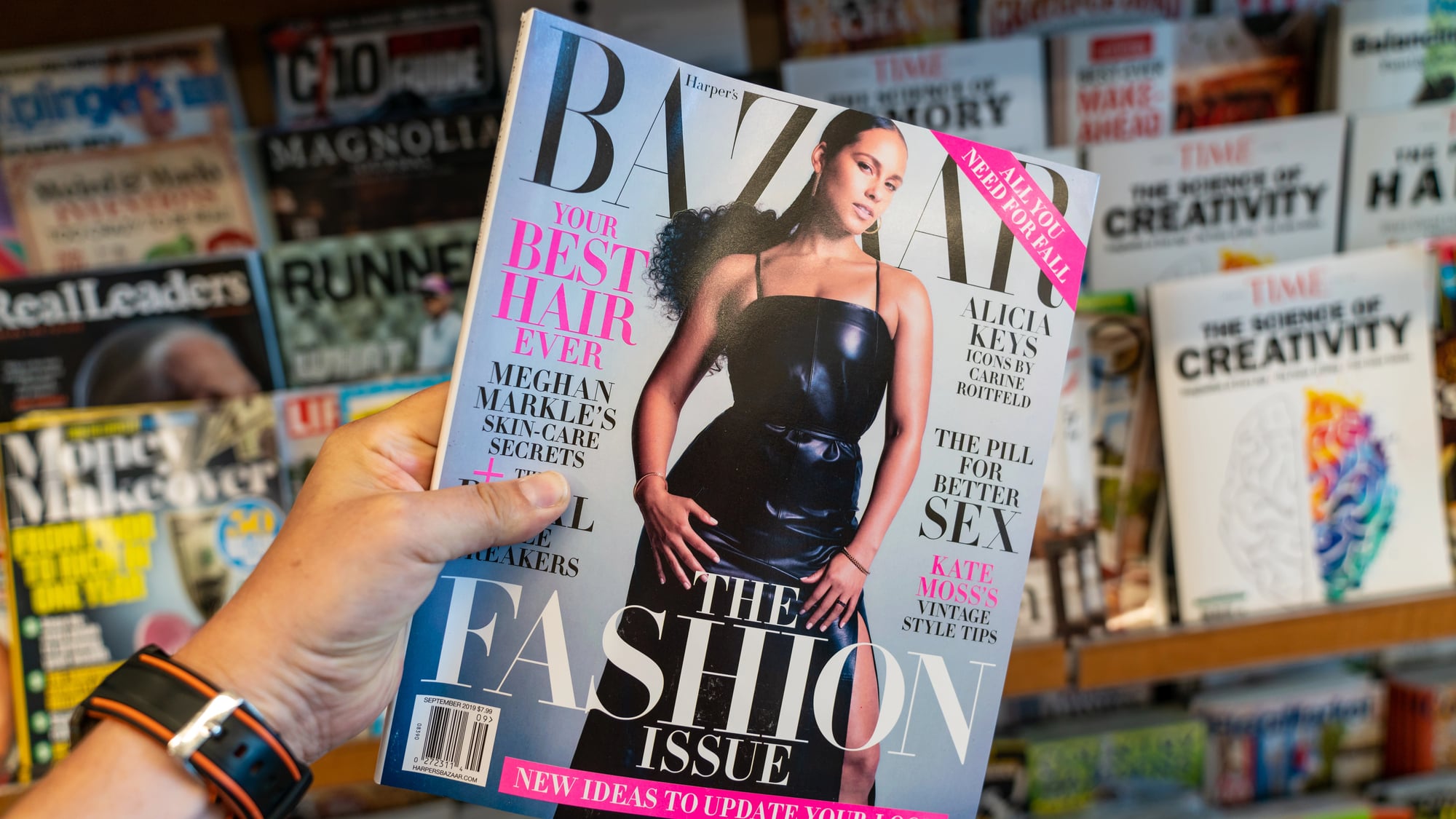
Hillary Baldwin landed a spot on Harper’s Bazaar’s cover in 2019, hailed as a Latina trailblazer. Yet once word spread she hadn’t come from Spain like she’d suggested all along, views shifted fast.
Folks started doubting the magazine’s checks – wondering if they’d helped sell a made-up story. Turns out, fresh facts can flip a moment’s meaning overnight.
So the outlet scrubbed the image from its web archive without much said.
Fortune’s Theranos fraud
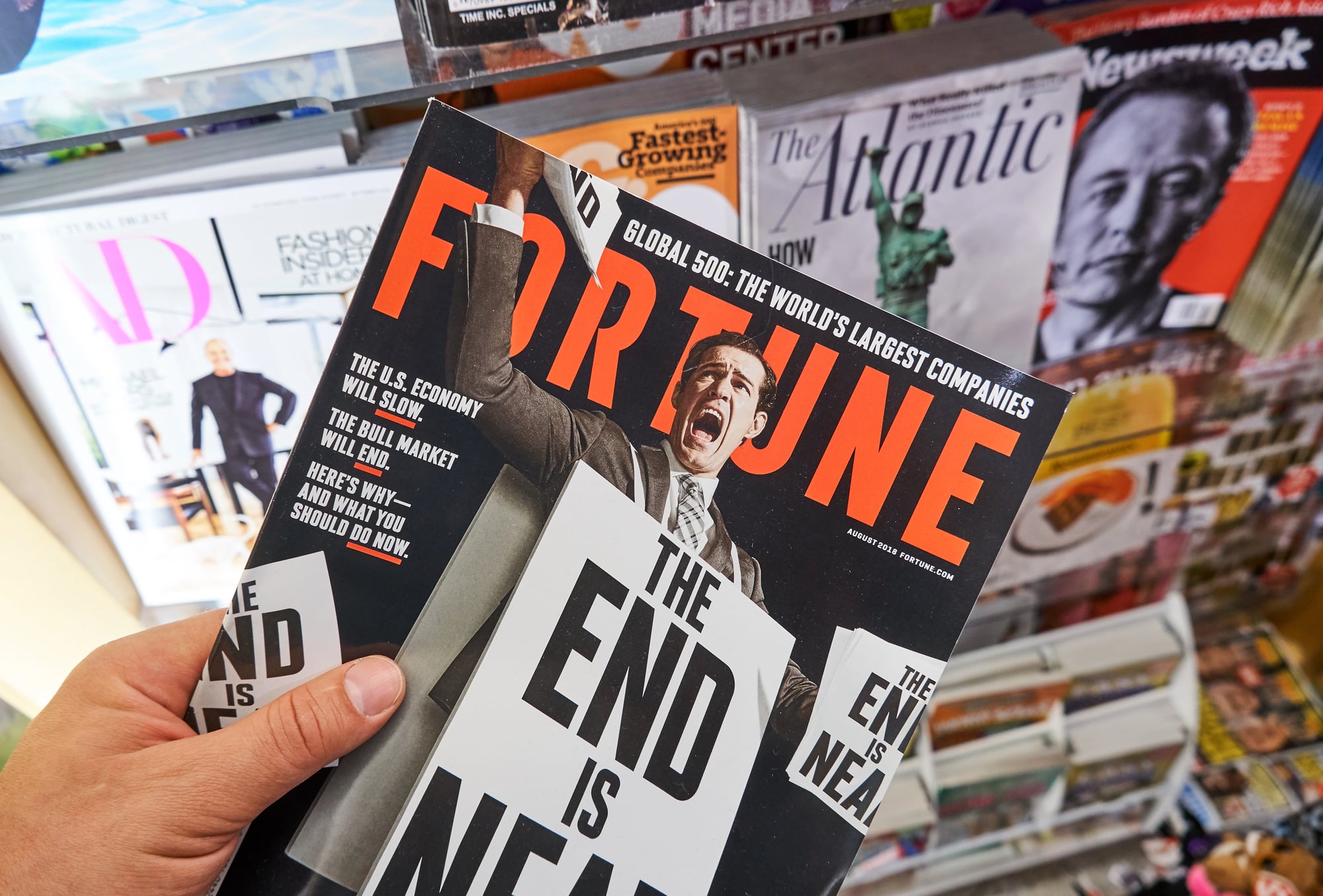
Fortune Magazine praised Elizabeth Holmes and Theranos over and again – until everything fell apart. Shiny front pages showing the young boss seemed dumb later, when lies came out.
It turned into an example of how charm and slick talk can trick reporters. People started doubting Fortune’s judgment for skipping tough checks before making her famous.
Now those moments warn journalists: check facts instead of chasing hype.
The lasting effect lingers through TV, shaping how stories spread across screens

Those debated covers shifted how periodicals handle bold moves and duty. Nowadays, editors get watched way closer online, since outrage spreads fast – like in minutes instead of weeks.
Stuff that felt fine when released might come off old-fashioned or tone-deaf today. Publishers figured out drama boosts sales, yet it’s risky – it could wreck image for good.
More from Go2Tutors!

- The Romanov Crown Jewels and Their Tragic Fate
- 13 Historical Mysteries That Science Still Can’t Solve
- Famous Hoaxes That Fooled the World for Years
- 15 Child Stars with Tragic Adult Lives
- 16 Famous Jewelry Pieces in History
Like Go2Tutors’s content? Follow us on MSN.