16 Beautiful Botanical Gardens to Visit in the Deep South
There’s something magical about the way plants grow in the Deep South. Maybe it’s the humidity that hangs in the air like a warm embrace, or the way afternoon thunderstorms roll through and leave everything glistening. Whatever it is, the region’s botanical gardens capture this energy and turn it into something extraordinary. From sprawling estates draped in Spanish moss to carefully curated collections of native plants, these gardens offer a glimpse into both the wild beauty and cultivated elegance that define Southern landscapes. Each one tells a different story, but they all share that unmistakable Southern charm that makes you want to slow down and notice the details.
Magnolia Plantation and Gardens
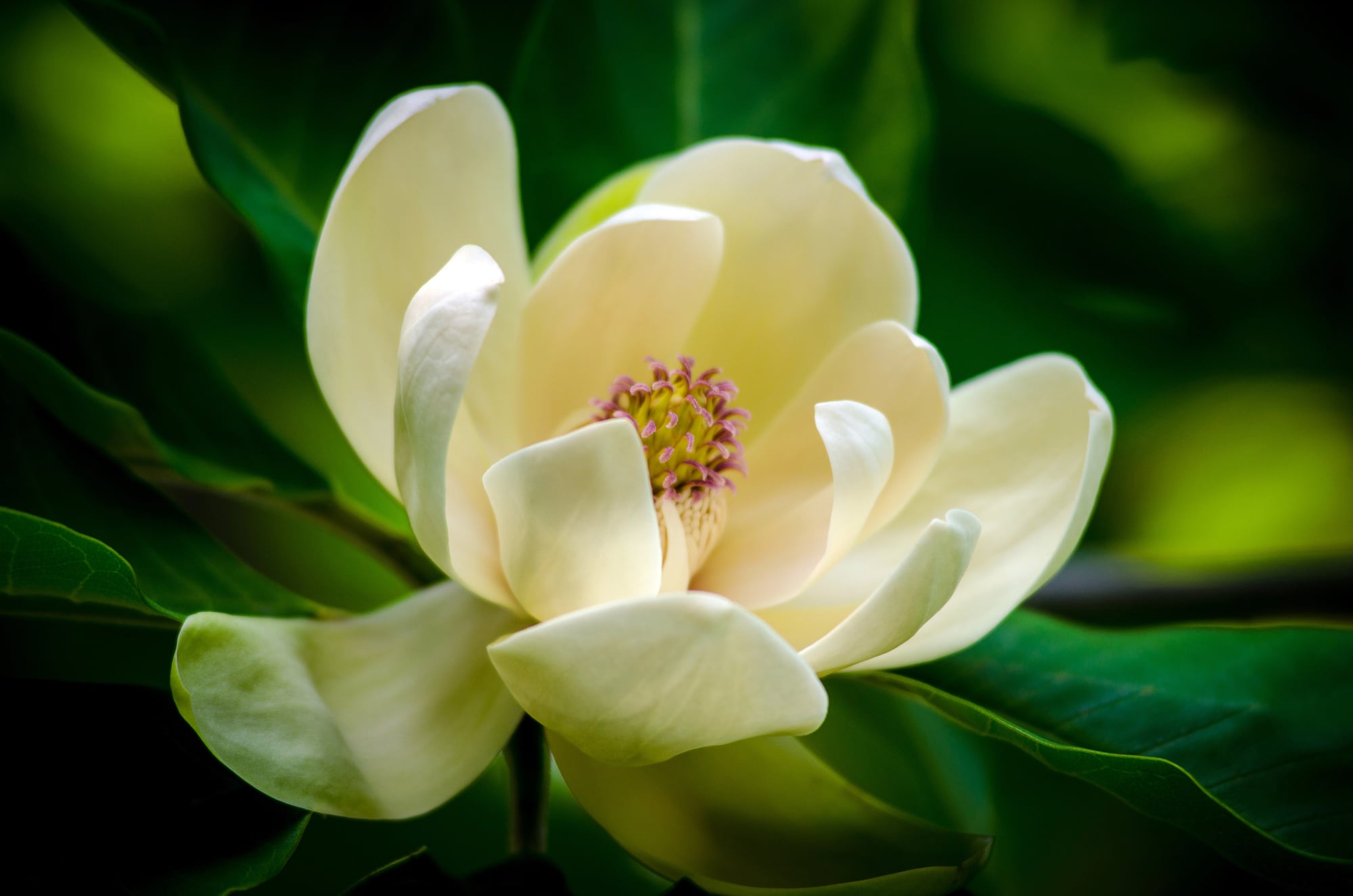
Charleston’s Magnolia Plantation doesn’t mess around. Three centuries of gardens. Azaleas that explode in color each spring like nature decided to show off. The swamp garden winds through ancient cypress trees where alligators sunbathe on logs.
The plantation’s garden history runs deeper than most cities have existed. Camellias bloom in winter when everything else has given up. This place earned its reputation the hard way.
Birmingham Botanical Gardens
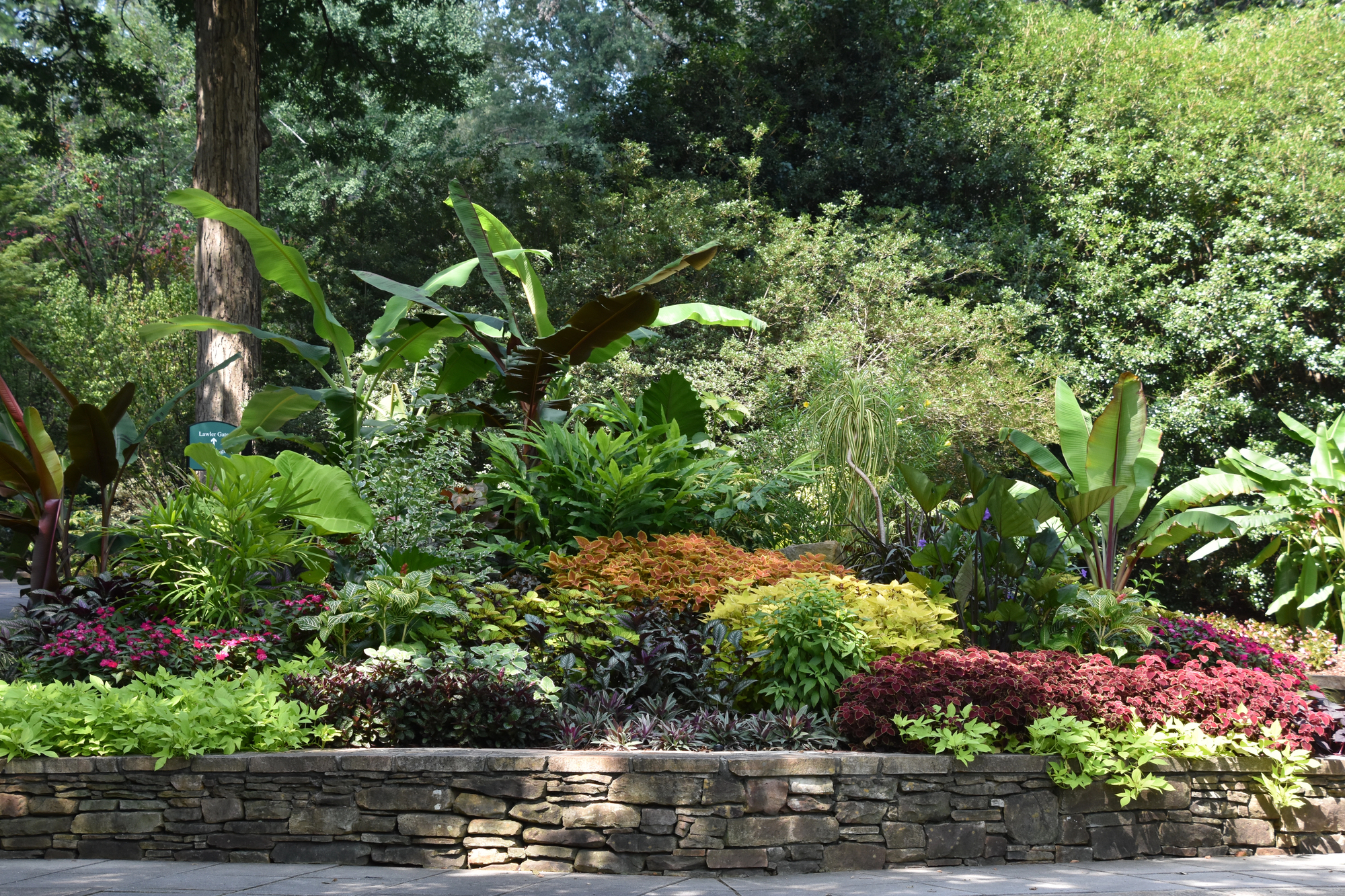
The thing about Birmingham Botanical Gardens is how it sneaks up on you — what starts as a simple walk through the rose garden (and there are over 1,200 varieties, which seems excessive until you see them all blooming at once) becomes this sprawling journey through 67.5 acres where every turn reveals something unexpected. The Japanese Garden sits quietly in one corner, complete with a traditional teahouse that makes you forget you’re in Alabama, while the Southern Living Garden demonstrates what your backyard could look like if you had unlimited time and a green thumb (most people have neither, but the dreaming is free).
But here’s the thing that gets overlooked: the conservatory houses one of the most impressive orchid collections in the Southeast. Delicate. The greenhouse humidity wraps around you the moment you step inside, and suddenly you’re surrounded by flowers that look too perfect to be real, blooming in colors that don’t seem to exist anywhere else in nature.
Mobile Museum of Art Sculpture Garden
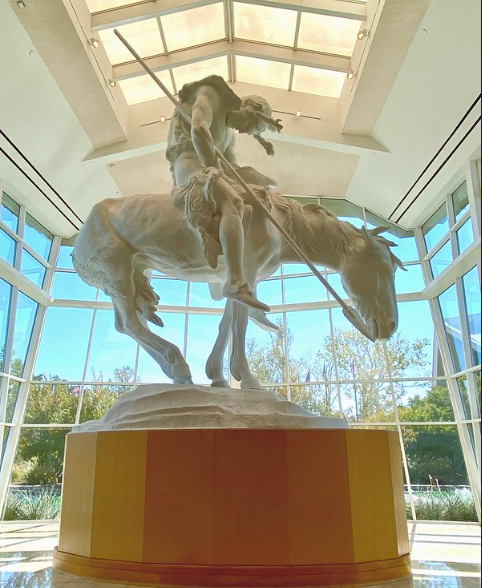
Gardens don’t always need to be about flowers. Sometimes they’re about the space between things, the way light falls across a carefully placed sculpture, the conversation that happens when art meets landscape. Mobile’s sculpture garden understands this completely.
The live oaks here have been growing longer than anyone can remember, their branches reaching across pathways like they’re trying to touch the bronze and steel sculptures scattered throughout the grounds. There’s something about the way morning light filters through Spanish moss and hits a piece of contemporary art that makes both the natural and the created seem more intentional, more alive. The garden changes with the seasons, but slowly, the way Southern landscapes do — a gradual shift in light and shadow rather than dramatic transformation.
Callaway Gardens
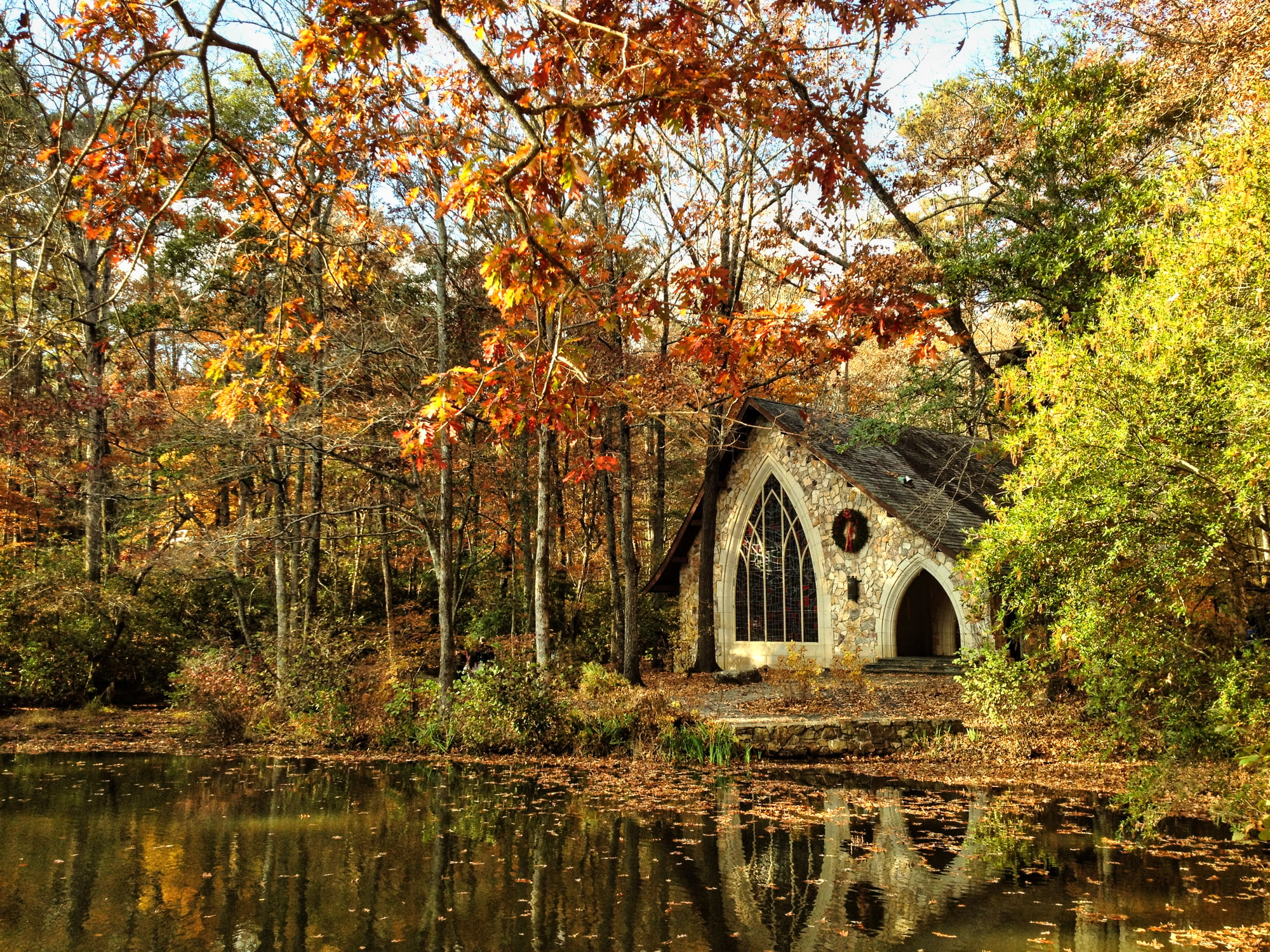
Callaway Gardens in Georgia represents everything a botanical destination should be. The azalea trail delivers exactly what it promises during peak season. The butterfly conservatory houses over 1,000 tropical butterflies in a controlled environment that feels surprisingly natural.
What sets Callaway apart is its approach to education without being heavy-handed about it. The Day Butterfly Center teaches visitors about pollinator relationships while they watch monarchs land on their shoulders. The vegetable garden demonstrates sustainable growing practices that actually work in Southern climates. No lectures, just results that speak for themselves.
Memphis Botanic Garden
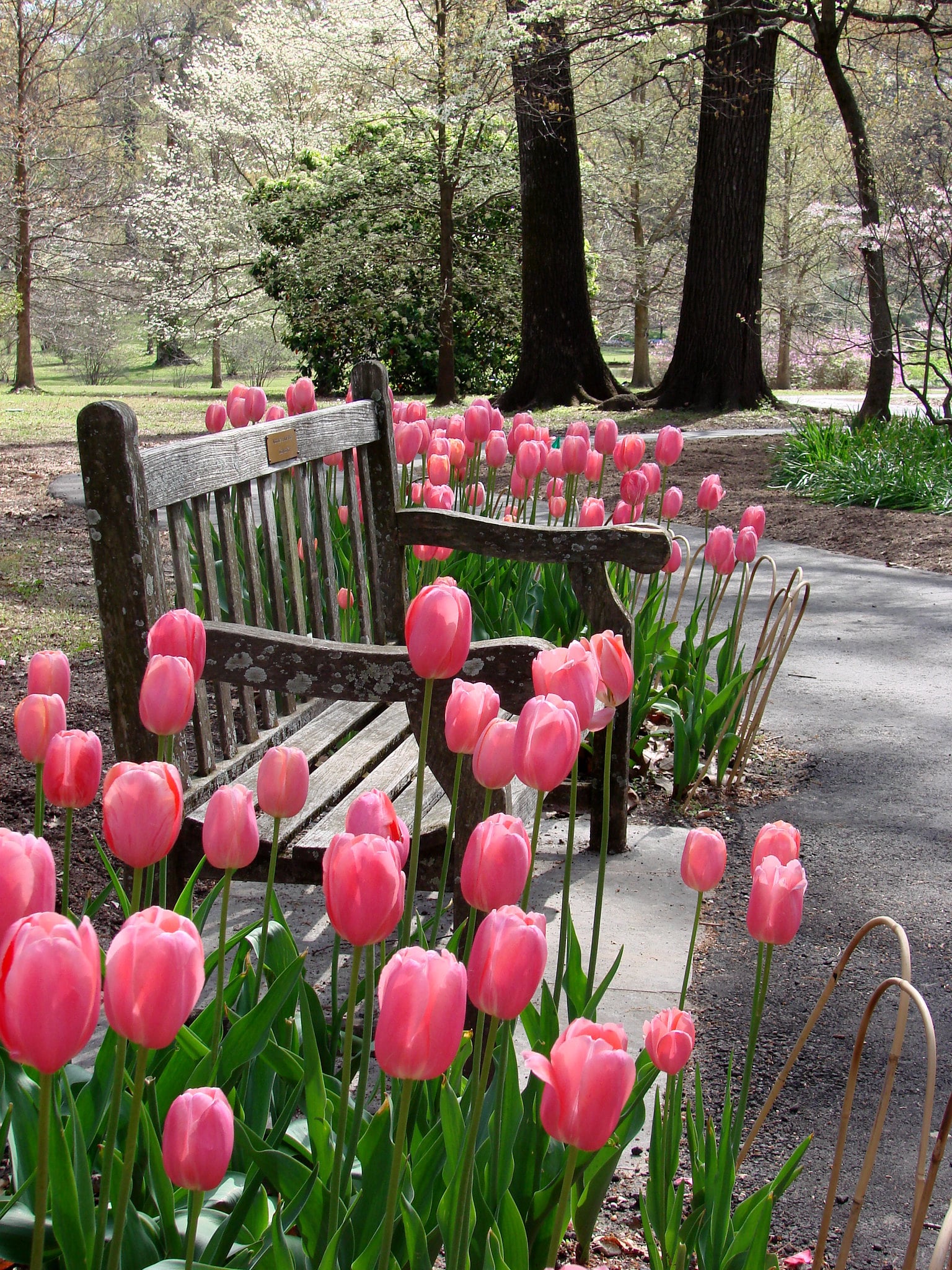
You’d think a botanic garden in Memphis would play it safe, stick to the classics, maybe throw in some Elvis references for the tourists — but Memphis Botanic Garden has other plans entirely, and those plans involve 96 acres of the most thoughtfully curated plant collections you’ll find anywhere in Tennessee (the Japanese Garden alone took twenty years to develop, which tells you something about their commitment to getting things right). The Wildflower Meadow blooms in waves throughout spring and summer, each month bringing different native species into focus, creating this rolling conversation between seasons that most gardens never quite manage to achieve.
And then there’s the sculpture garden, where contemporary art pieces emerge from the landscape like they grew there naturally. The iris garden peaks in late spring when hundreds of varieties bloom simultaneously, creating color combinations that seem almost impossible until you’re standing in the middle of them. So different from what you’d expect, but somehow exactly what Memphis needed.
Huntsville Botanical Garden
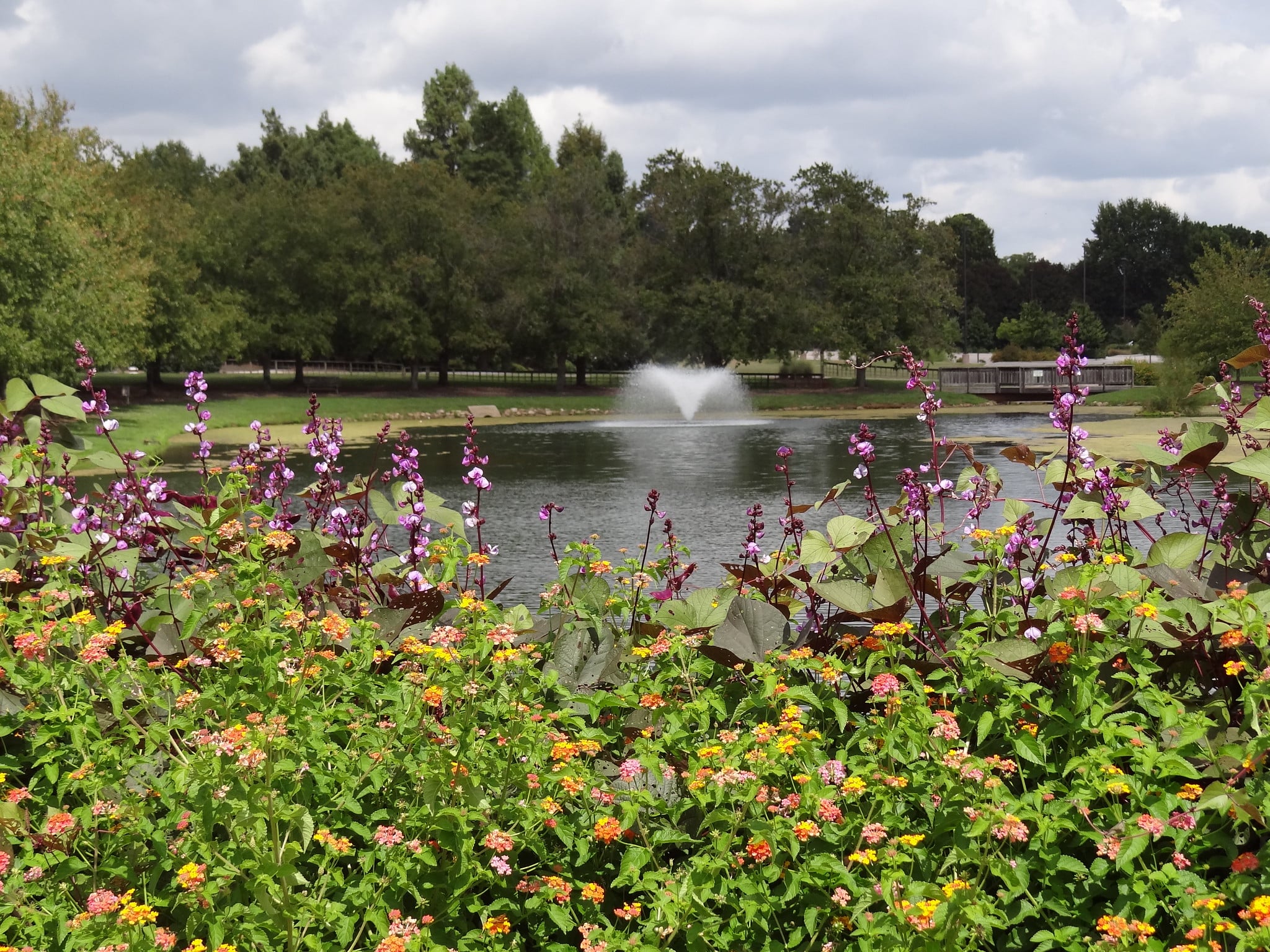
There’s something quietly stubborn about Huntsville Botanical Garden’s approach to horticulture. While other gardens chase trends or cater to crowds, this place focuses on what actually grows well in North Alabama. The butterfly house operates year-round, maintaining tropical conditions that support species you’d never see otherwise in this climate.
The aquatic garden centers around a collection of water lilies that bloom from late spring through early fall. Each variety opens at different times of day, creating this ongoing performance that most visitors miss entirely. The herb garden grows everything from common basil to exotic varieties used in traditional Southern cooking. Practical beauty that actually serves a purpose.
Atlanta Botanical Garden
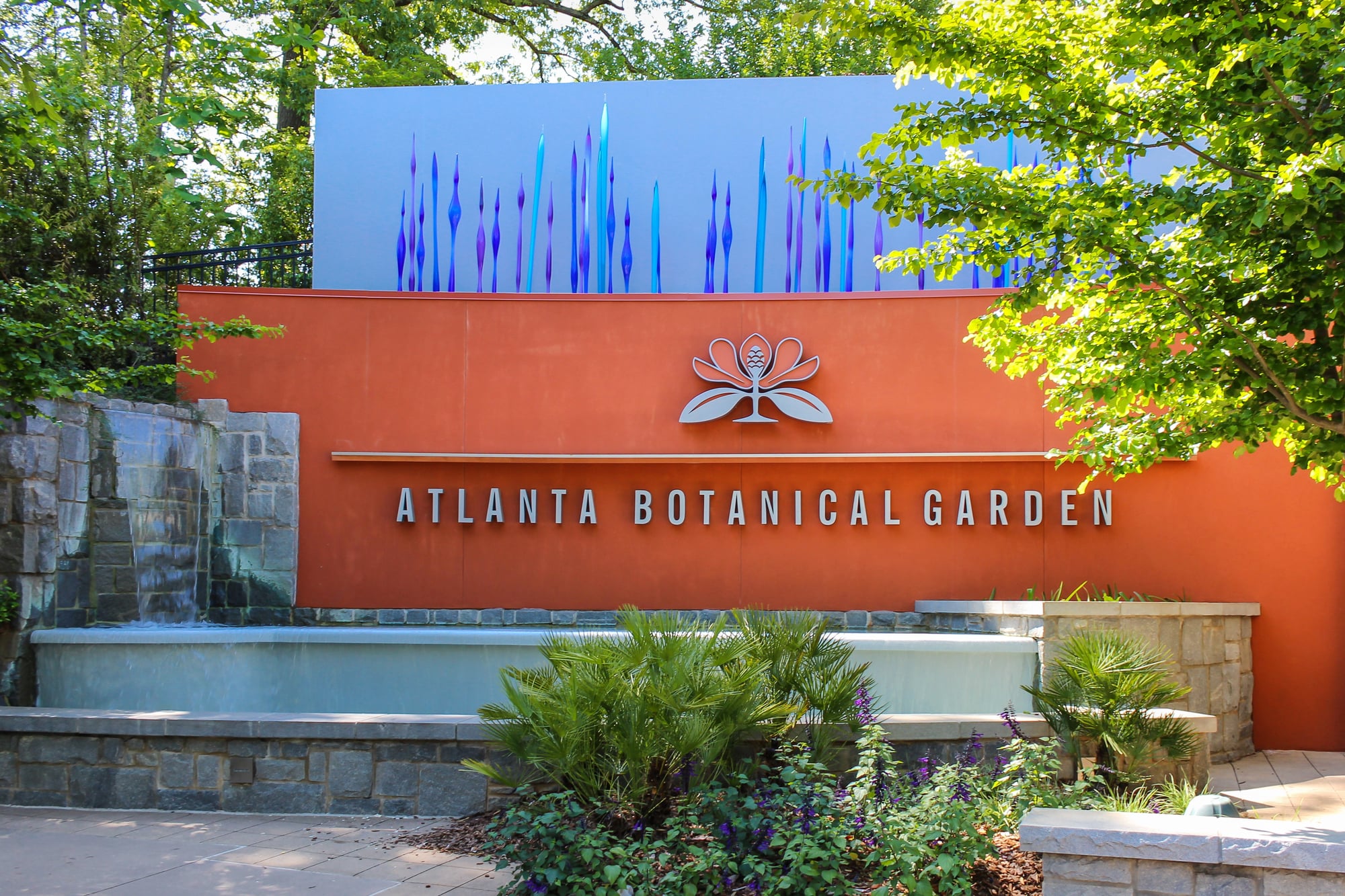
Atlanta’s botanical garden sits in the middle of Midtown like a secret that everyone knows but few people really understand. The Canopy Walk suspends visitors 40 feet above the ground, offering views of the city skyline framed by tree branches — it’s the kind of perspective that makes you realize how much green space exists in Atlanta despite all the concrete and steel. The Tropical Rotunda houses plants from around the world, but the real magic happens in the outdoor gardens where native Georgia plants prove they can hold their own against any exotic import.
The orchid collection blooms year-round in the conservatory, where humidity levels stay perfectly calibrated and the temperature never varies more than a few degrees. These flowers demand precision. The garden’s approach to seasonal displays changes completely four times a year, transforming familiar spaces into something entirely new depending on when you visit.
Norfolk Botanical Garden
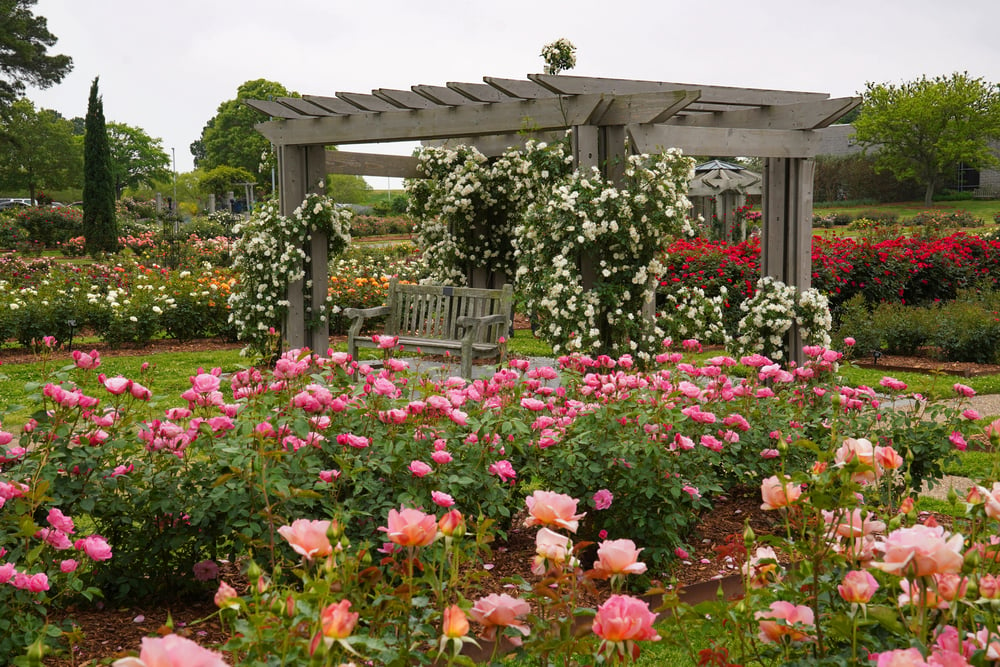
Norfolk Botanical Garden earned its reputation through sheer persistence. The 175-acre space includes specialized collections that most gardens wouldn’t attempt. The azalea trail peaks in April when over 200 varieties create a color display that photographs never quite capture accurately.
The garden’s approach to water features sets it apart from similar institutions. Three lakes connected by waterways support both ornamental and native aquatic plants. The rose garden maintains over 4,000 plants representing hundreds of varieties. Numbers that big usually mean something got compromised, but Norfolk makes it work. Quality and quantity can coexist when someone pays attention to the details.
Bellingrath Gardens and Home
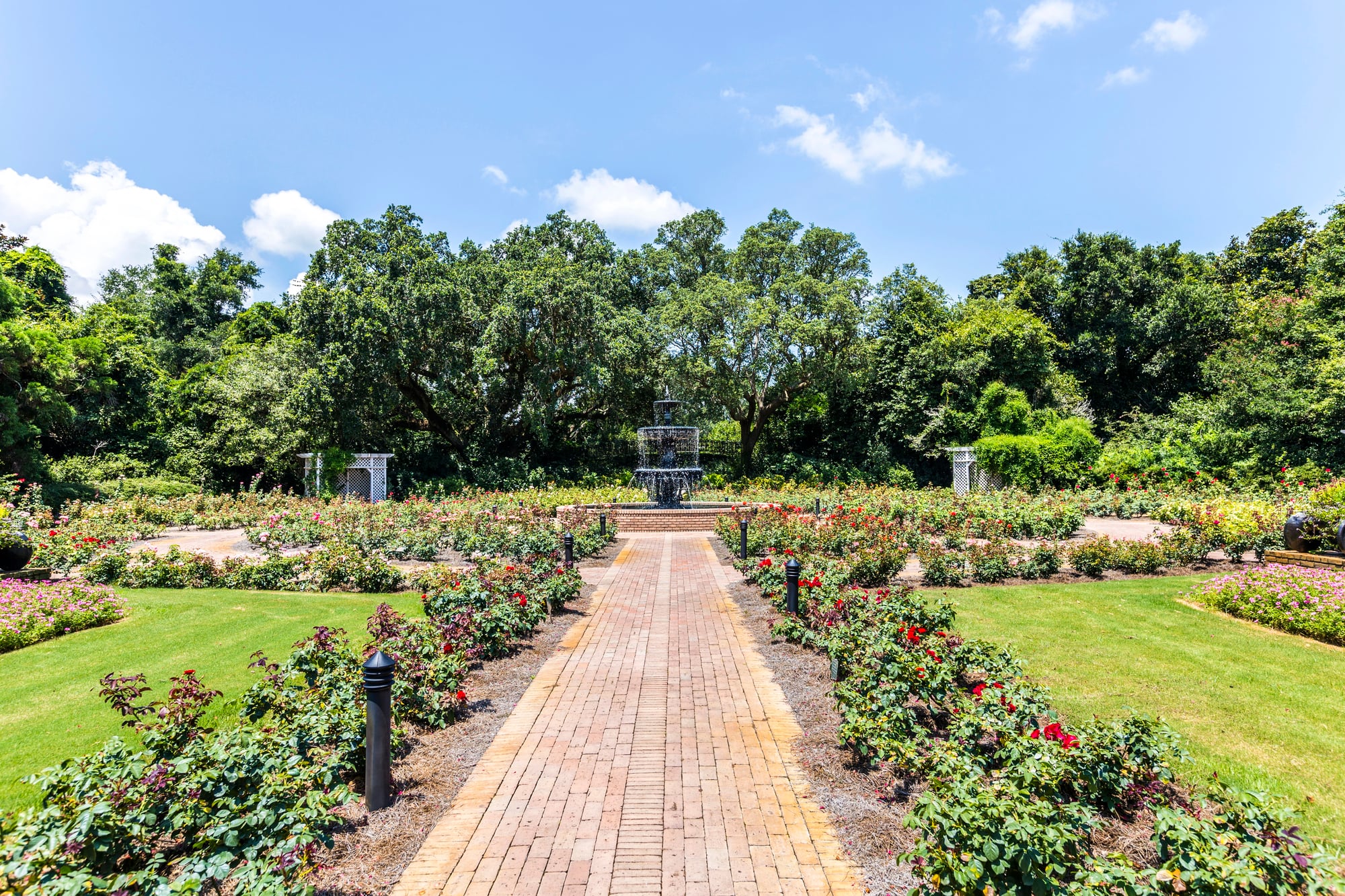
Bellingrath Gardens near Mobile operates on a different wavelength than most botanical destinations — the 65 acres follow the natural contours of the land along the Fowl River, creating this sense that the gardens grew organically rather than being imposed on the landscape (which isn’t entirely true, but the illusion works because someone understood how to work with what was already there). The azalea trail winds for miles through native forest, connecting cultivated beds with wild spaces in a way that makes both seem more authentic.
The conservatory changes its display six times a year, each installation featuring thousands of plants arranged around different themes. Spring brings tulips and daffodils trucked in from cooler climates. Summer focuses on tropical species that thrive in the greenhouse heat. And the Christmas display turns the entire conservatory into something that belongs in a fairy tale, complete with poinsettias trained to grow in tree forms that take months to develop.
Lewis Ginter Botanical Garden
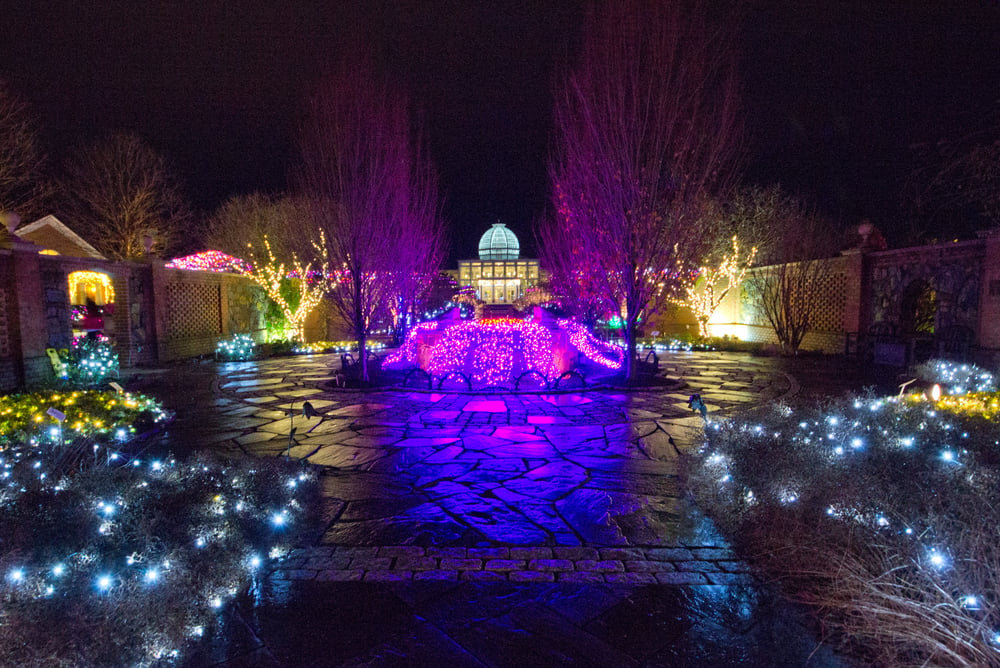
Richmond’s Lewis Ginter Botanical Garden doesn’t apologize for being ambitious. The conservatory dome rises 63 feet above a collection of tropical and subtropical plants that creates its own weather system inside the glass structure. Humidity hovers at tropical levels while outside temperatures swing through Virginia’s full seasonal range.
The children’s garden teaches botany through hands-on activities that actually work. Kids plant seeds, watch them grow, and learn about plant life cycles without feeling like they’re in school. The rose garden maintains varieties dating back centuries alongside modern hybrids that bloom continuously from spring through fall. Historical context that enhances rather than overshadows the current display.
Daniel Stowe Botanical Garden
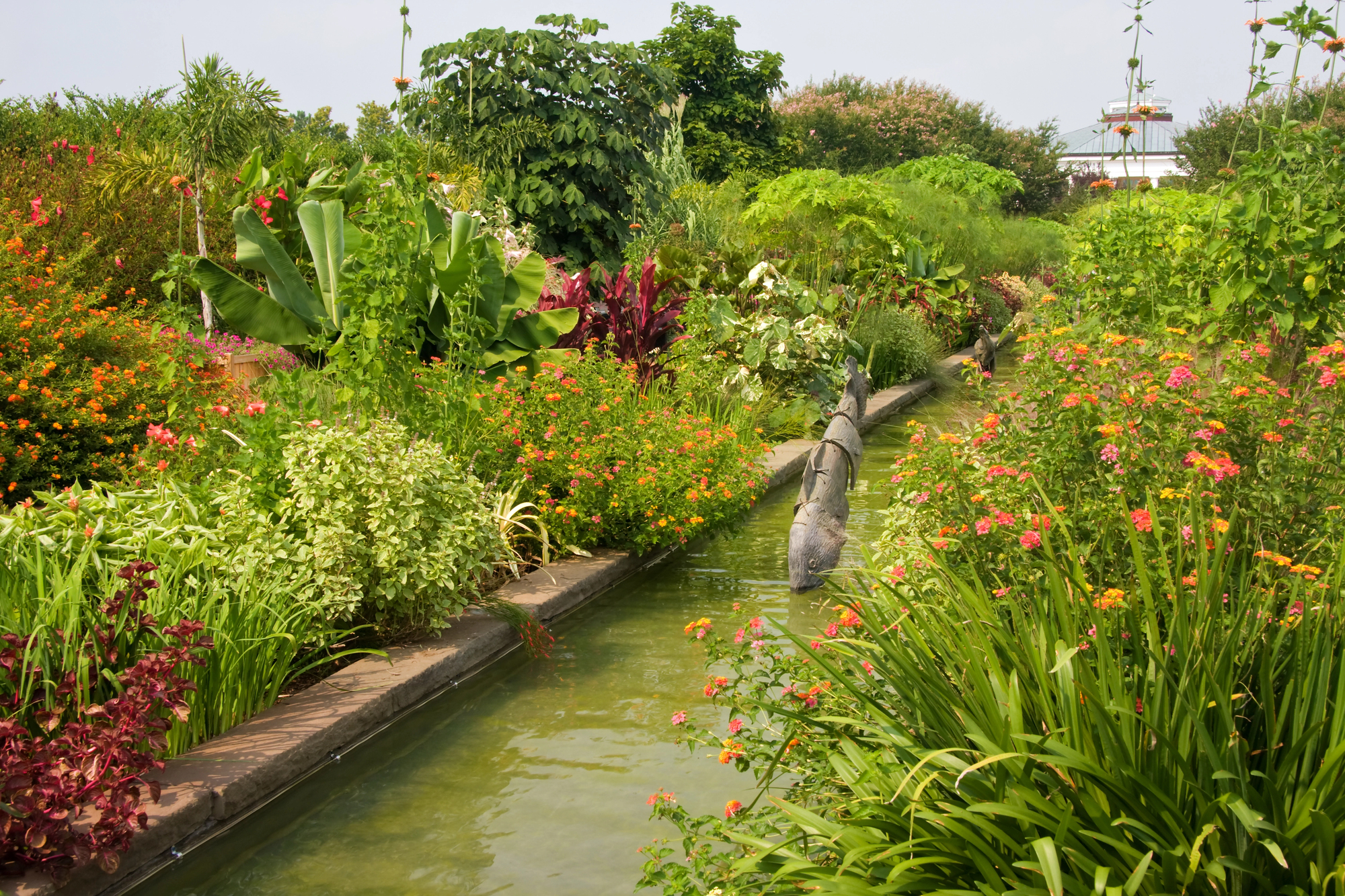
There’s something about the way Daniel Stowe Botanical Garden in Oklahoma handles space that feels different from other botanical destinations. The 380 acres include formal gardens, natural woodlands, and meadows that transition into each other so gradually you don’t notice where cultivation ends and wildness begins. The Orchid Conservatory maintains one of the most extensive collections in the Southeast, with species blooming year-round in carefully controlled microclimates that replicate their native habitats.
The fountain garden centers around a series of water features that create different sounds depending on where you stand — some areas feature the gentle trickle of small streams, while others showcase dramatic waterfalls that can be heard from several gardens away. The perennial garden peaks at different times throughout the growing season, ensuring something is always in bloom from early spring through late fall. Continuous color that requires serious planning to pull off successfully.
Riverbanks Zoo and Botanical Garden
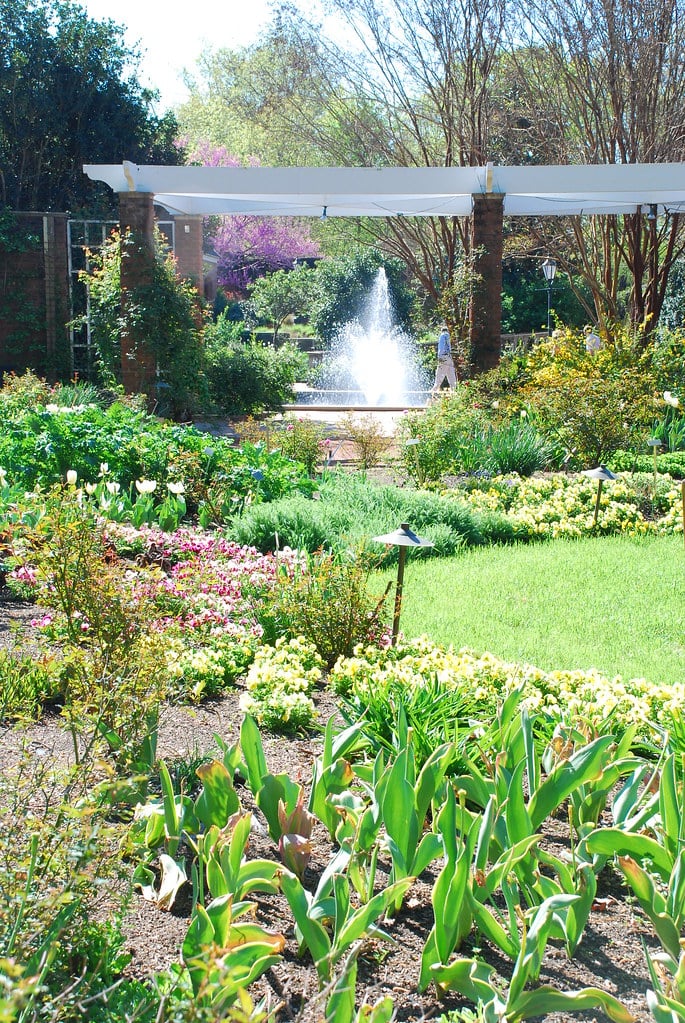
Columbia’s Riverbanks combines zoological and botanical collections in ways that make both more interesting. The botanical garden spans 70 acres of themed gardens connected by trails that follow the Saluda River. Water features throughout the space support aquatic plants while creating habitats for native wildlife that visit on their own.
The rose garden blooms from April through November in South Carolina’s extended growing season. Over 2,000 plants represent varieties from around the world, but the focus stays on cultivars that thrive in Southern heat and humidity. The walled garden creates a microclimate that supports plants typically found in cooler regions. Smart design that expands possibilities without fighting the local environment.
Cheekwood Estate & Gardens
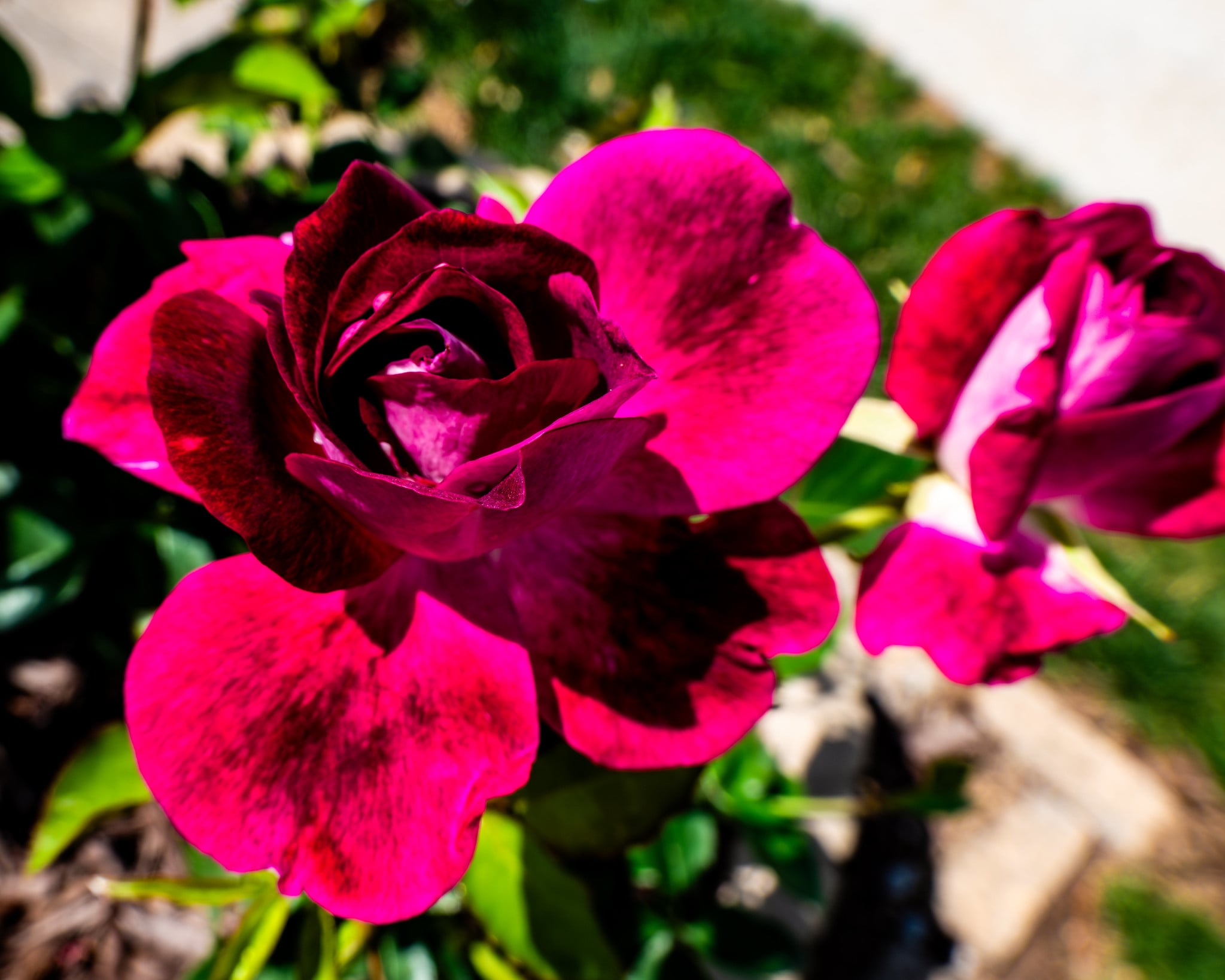
Nashville’s Cheekwood sits on 55 acres of former private estate grounds where the original landscape architecture still influences how the gardens develop today — the mansion anchors formal gardens that cascade down hillsides toward more natural areas, creating this progression from highly structured to increasingly wild that mirrors how many Southern properties evolved over time (though few had the resources to maintain this level of sophistication). The sculpture trail winds through the entire property, connecting contemporary art installations with historic garden spaces in ways that make both seem more intentional.
The seasonal color changes here happen in waves rather than all at once. Spring brings daffodils and tulips in the formal beds, followed by azaleas and dogwoods in the wooded areas, then summer perennials in the cutting garden. Fall color comes from both native trees and carefully selected ornamental species that extend the season well into November. And winter reveals the bones of the garden design, when the sculpture installations become focal points that carry visual interest through the dormant months.
State Botanical Garden of Georgia
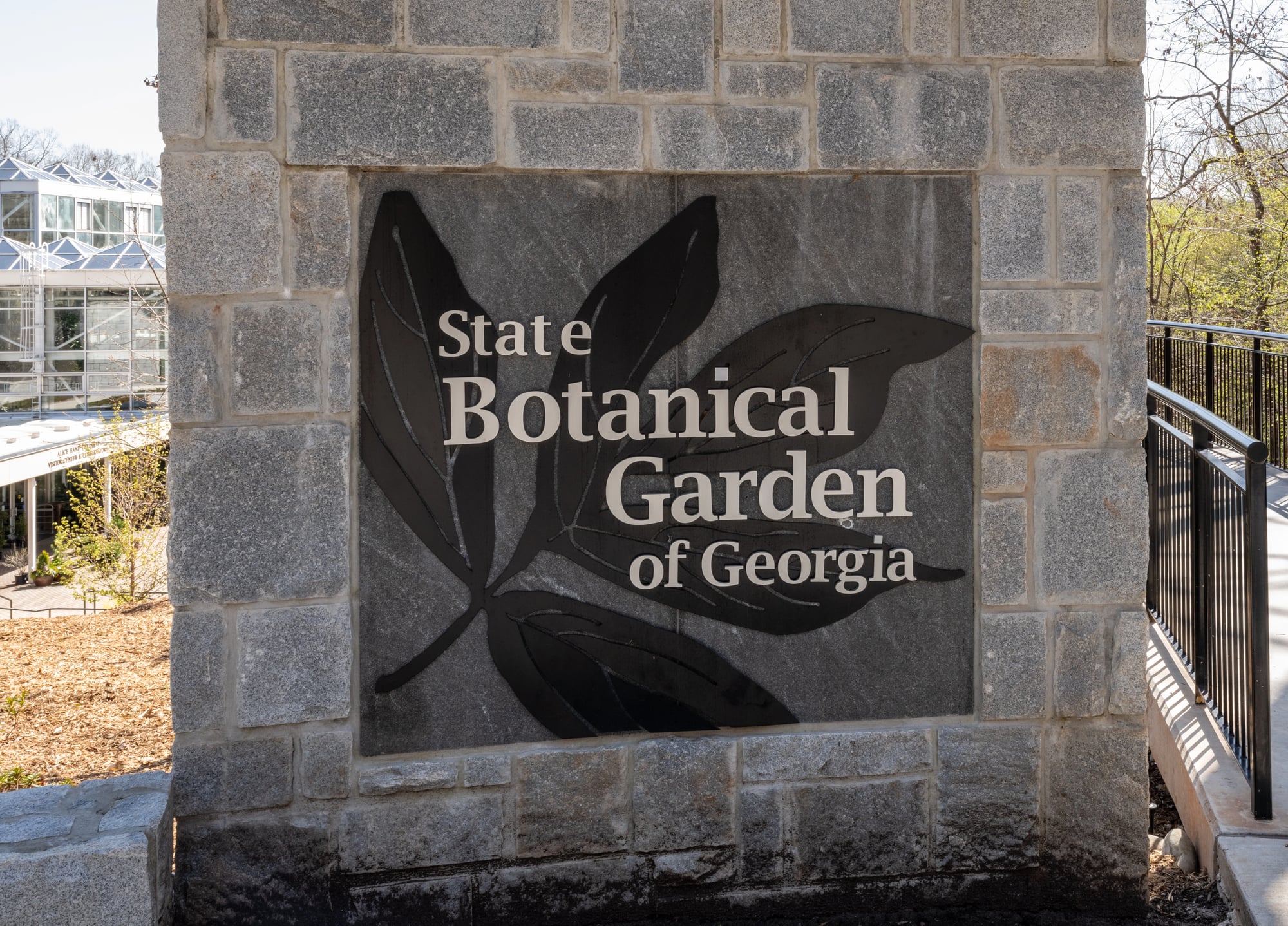
Athens houses one of the most comprehensive native plant collections in the Southeast. The State Botanical Garden of Georgia focuses on species indigenous to the region, creating displays that demonstrate what Southern landscapes looked like before extensive cultivation. The heritage garden preserves heirloom varieties of vegetables, herbs, and flowers that early settlers brought to Georgia.
The nature trail system covers 313 acres of protected habitat along the Middle Oconee River. Visitors can observe native plants in their natural settings while learning about ecological relationships that support local wildlife. The conservatory houses tropical species for research and education, but the emphasis remains on outdoor gardens that thrive without extensive intervention.
Garvan Woodland Gardens
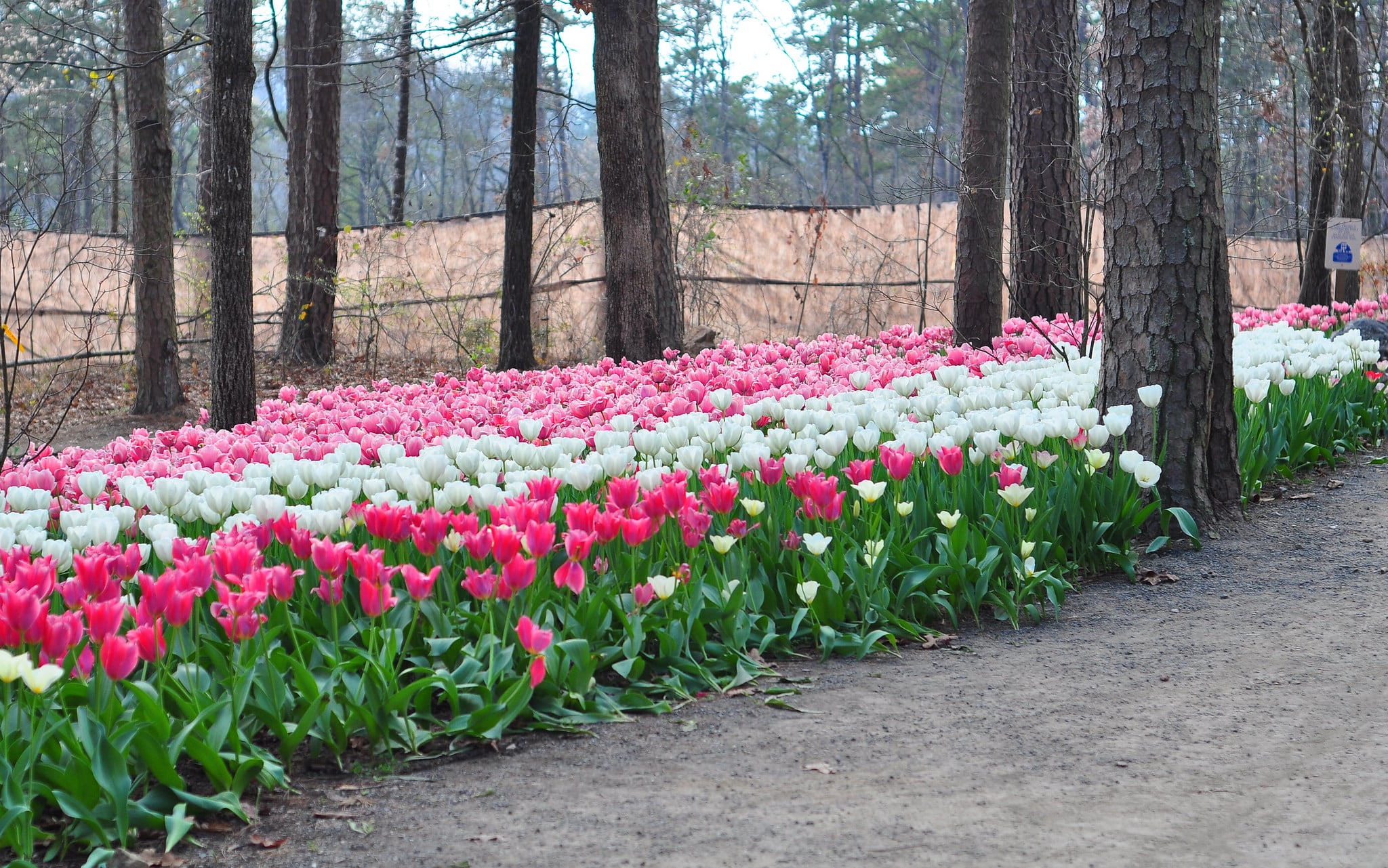
Hot Springs, Arkansas might seem like an unlikely location for one of the region’s most impressive botanical gardens, but Garvan Woodland Gardens proves that assumption wrong in spectacular fashion. The 210-acre site wraps around Lake Hamilton, using the natural topography to create garden rooms that flow into each other like chapters in a story. The Anthony Chapel, constructed entirely from native materials, sits among the trees like it grew there naturally rather than being built.
The daffodil display each March includes over 100,000 bulbs representing dozens of varieties, creating color combinations that stretch across entire hillsides. The summer garden focuses on plants that thrive in Arkansas heat, while fall brings native species into peak display. Water features throughout the property take advantage of natural springs and elevation changes to create streams and waterfalls that operate without pumps or artificial systems.
Overstreet-Kerr Historical Farm
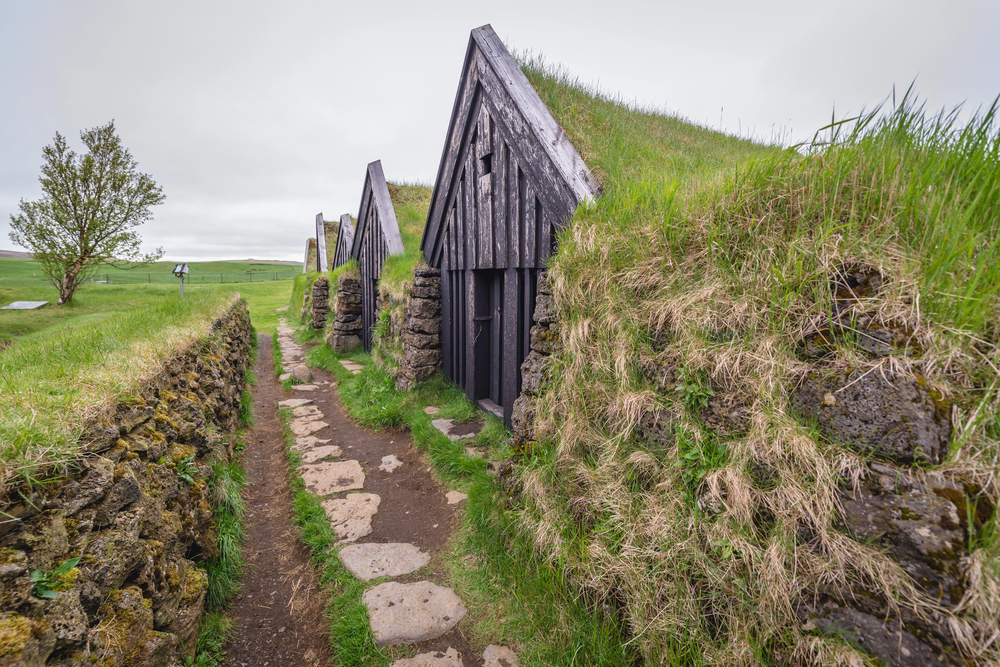
The way Overstreet-Kerr Historical Farm in North Carolina approaches botanical education feels refreshingly honest — instead of trying to dazzle visitors with exotic specimens or elaborate displays, this place focuses on the plants that actually sustained Southern communities for generations (which turns out to be far more interesting than it initially sounds). The heritage vegetable garden grows varieties that date back centuries, many of them adapted specifically to Southern growing conditions through generations of careful selection.
The herb garden includes medicinal plants that were essential to rural Southern communities before modern healthcare became widely available. The demonstration plots show traditional farming techniques that worked without chemical inputs or mechanized equipment. And the orchard preserves fruit tree varieties that were common in the region but have largely disappeared from commercial production. Practical knowledge preserved in living form.
The Gardens of Time
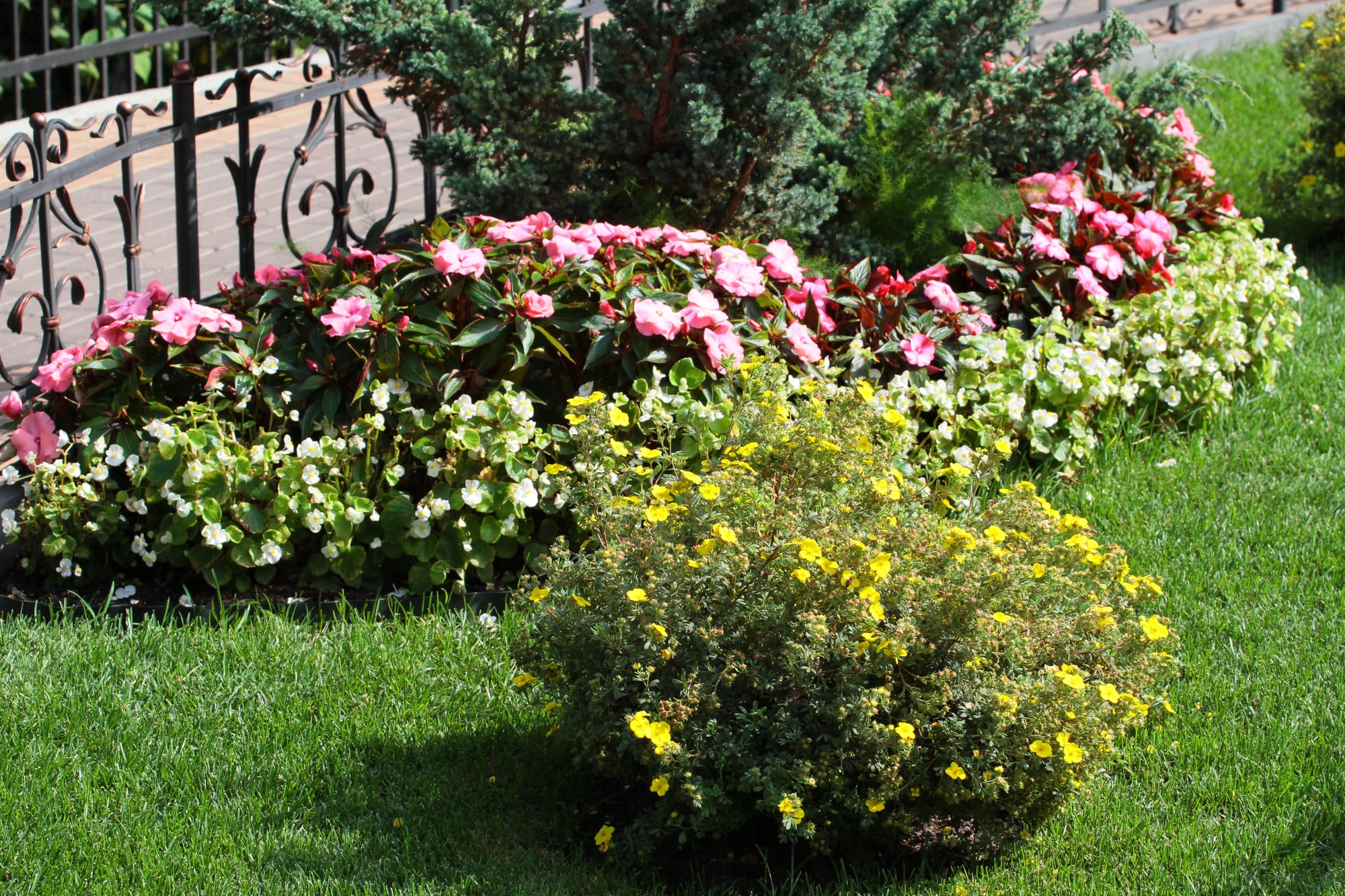
Some places teach you about plants. Others teach you about patience, about the way beauty develops when given enough time to unfold naturally. The Deep South’s botanical gardens do both, but more importantly, they remind you that gardens are never really finished — they’re always becoming something new while honoring what came before. Whether you’re walking through centuries-old live oaks or discovering a new variety of orchid in a climate-controlled conservatory, these gardens offer the same gift: permission to slow down and pay attention to the quiet miracles happening all around us. That might be the most Southern thing about them.
More from Go2Tutors!

- The Romanov Crown Jewels and Their Tragic Fate
- 13 Historical Mysteries That Science Still Can’t Solve
- Famous Hoaxes That Fooled the World for Years
- 15 Child Stars with Tragic Adult Lives
- 16 Famous Jewelry Pieces in History
Like Go2Tutors’s content? Follow us on MSN.