Strangest origins of common chess terms
Chess feels like a timeless game, but the words we use to play it have traveled through centuries and across continents. Every term carries a hidden story, often from languages and cultures far removed from the modern chessboard. Some origins make perfect sense, while others are downright bizarre. The journey these words took to reach your local chess club is anything but straightforward.
These terms didn’t just appear out of nowhere. They evolved through Persian courts, Italian wrestling matches, and German tournament halls before landing in English. Here is a list of 17 of the strangest origins of common chess terms.
Checkmate
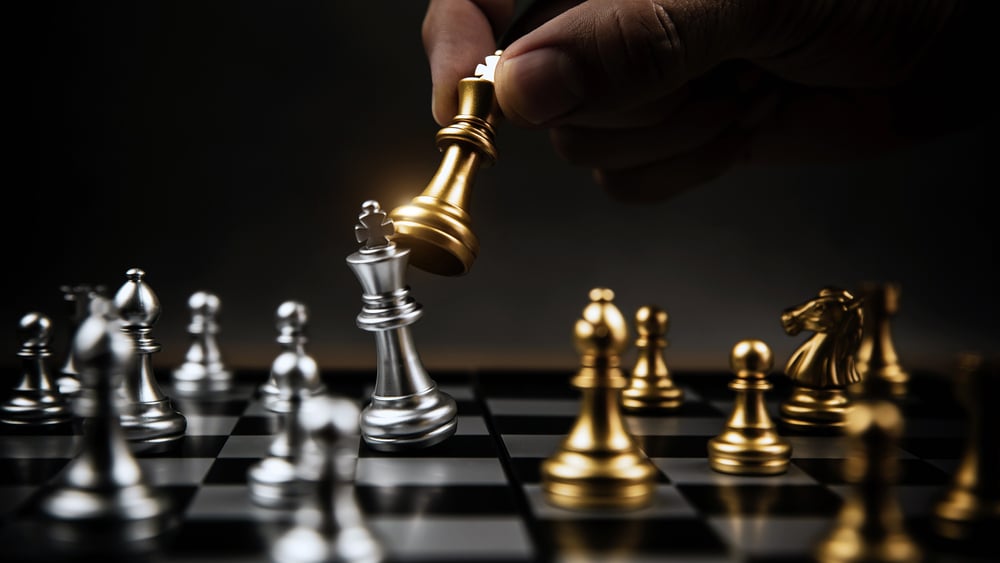
The word comes from the Persian phrase ‘shah mat’, which translates to ‘the king is helpless’ or ‘the king is frozen’. When chess spread through the Arabic-speaking world, the phrase became ‘shah mata’, which some interpreted as ‘the king is dead’, though this was likely a folk etymology. The term made its way through French before settling into English as ‘checkmate’. It’s strange how a phrase about a helpless ruler became the ultimate declaration of victory.
Rook
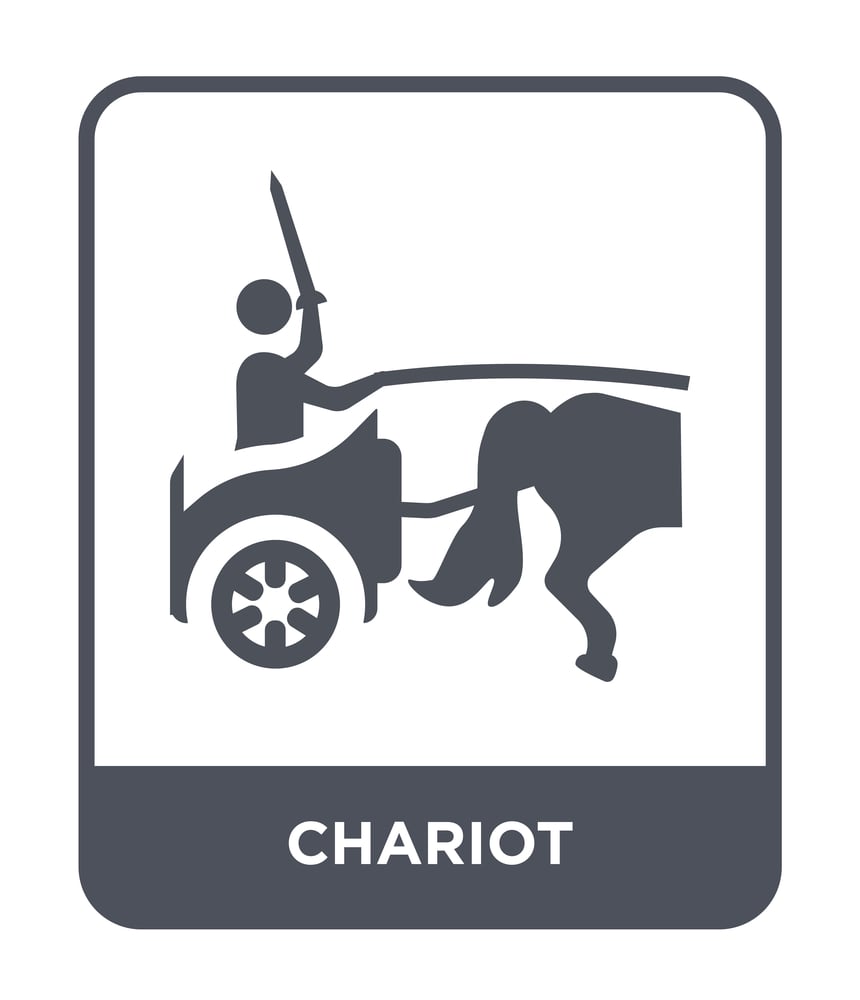
Most people see the rook and think ‘castle’, but that’s not where the name comes from at all. The word traces back to the Persian ‘rukh’, which means chariot. In ancient Indian chess, this piece represented heavily armored war chariots used in battle. Over time, as chess pieces became standardized in Europe, the chariot transformed into a tower or fortress in appearance. The name stuck even though the piece looks nothing like its original inspiration anymore.
Stalemate
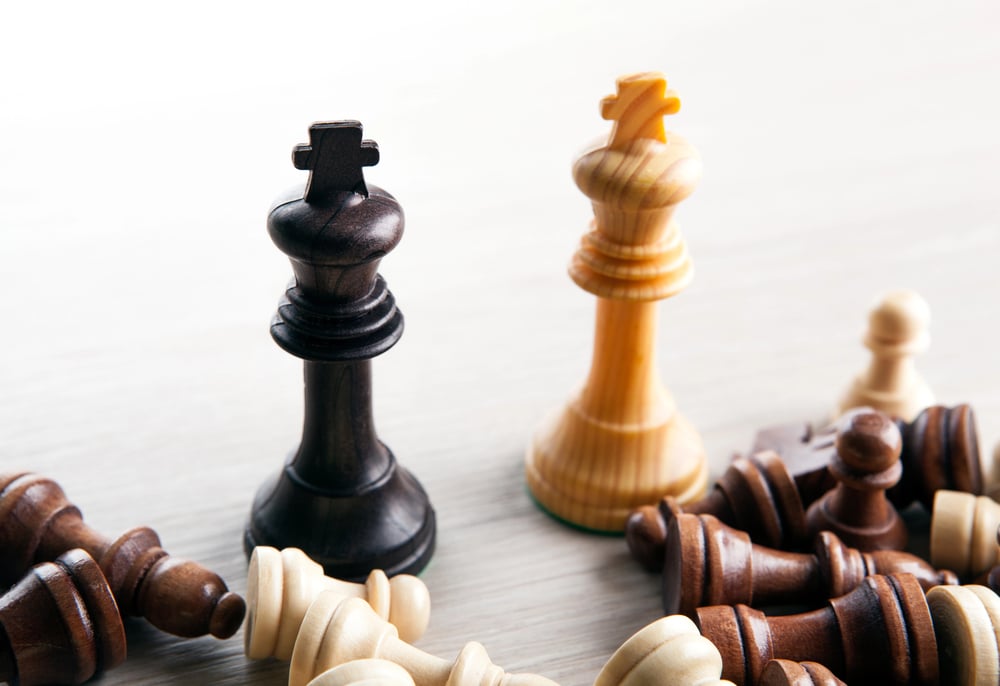
This term combines Middle English ‘stale’ with ‘mate’ (checkmate), where ‘stale’ probably derives from Anglo-French ‘estale’ meaning standstill. The word is related to ‘stand’ and ‘stall’, all coming from the same ancient root meaning to stop or remain fixed. The rule itself had a wild history—in England from the 17th to early 19th century, the player who delivered a stalemate actually won the game. Imagine studying chess today only to learn that stalemate used to count as a victory.
Gambit
The word gambit comes from Italian ‘gambetto’, which literally means the act of tripping someone with your leg to make them fall. It derives from ‘gamba’, the Italian word for leg. Spanish chess master Ruy López de Segura first applied the term to chess openings in 1561, using ‘gambito’ to describe sacrificing material for position. The connection makes sense when you think about it—you’re tripping up your opponent’s position by tossing away a pawn. Still, it’s amusing that a wrestling move became a chess strategy.
En Passant
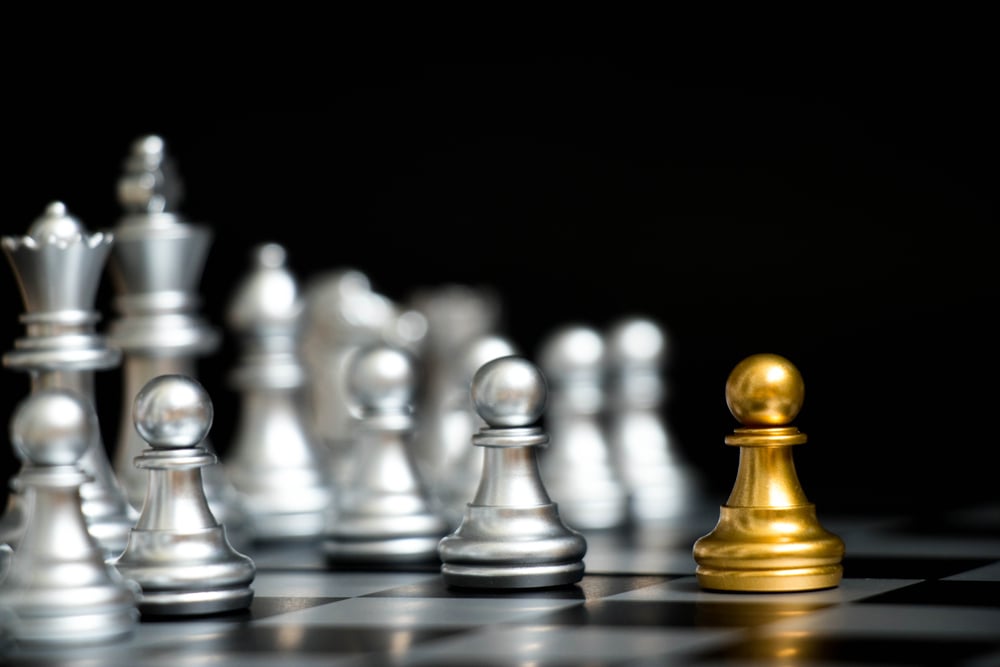
This French phrase translates to ‘in passing’, which perfectly describes how the capture works. The rule was introduced sometime between the 13th and 16th centuries when the two-square pawn advance was added to speed up games. References to en passant appear in books by 16th-century Spanish master Ruy López de Segura. Interestingly, Italy didn’t adopt the rule until 1880, preferring a system called ‘passar battaglia’. For centuries, Italian players could bypass enemy pawns freely while the rest of Europe played by different rules.
Fianchetto
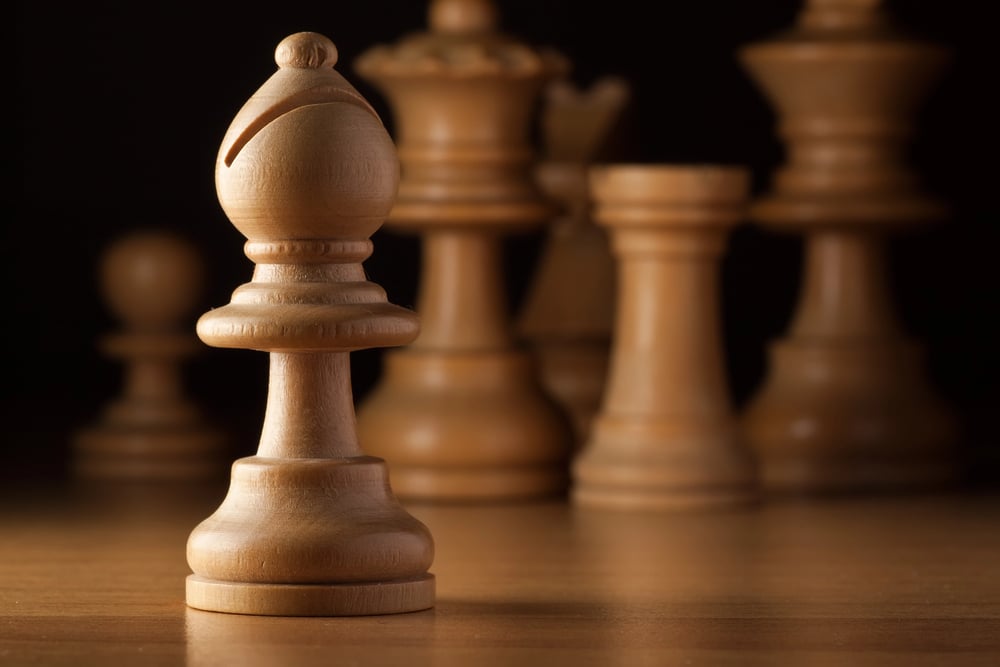
The term comes from Italian ‘fianchetto’, meaning ‘little flank’. In the mid-1800s, English chess writers initially used ‘fianchetto’ to refer specifically to the opening 1.e4 b6. Over time, the meaning expanded to describe any bishop development on the long diagonal after advancing the knight’s pawn. The pronunciation causes endless debates among players—some say it the Italian way, others anglicize it completely. Either way, calling a bishop placement a ‘little flank’ remains charmingly specific.
Zugzwang
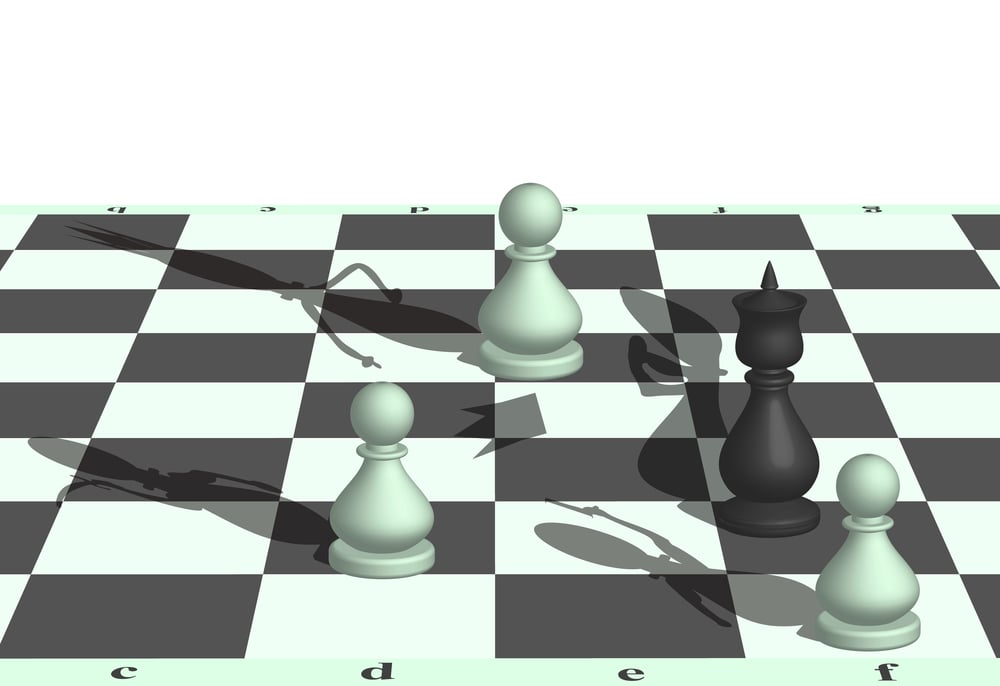
This German compound word combines ‘zug’ (move) with ‘zwang’ (compulsion), literally meaning ‘compulsion to move’. The term appeared in German chess literature by 1858 or earlier, though the concept existed for centuries before anyone named it. World Champion Emanuel Lasker first used the term in English in 1905. It didn’t become common in English until the 1930s after Nimzowitsch’s ‘My System’ was translated. Germans had a word for that awful feeling when any move worsens your position long before English speakers did.
Bishop
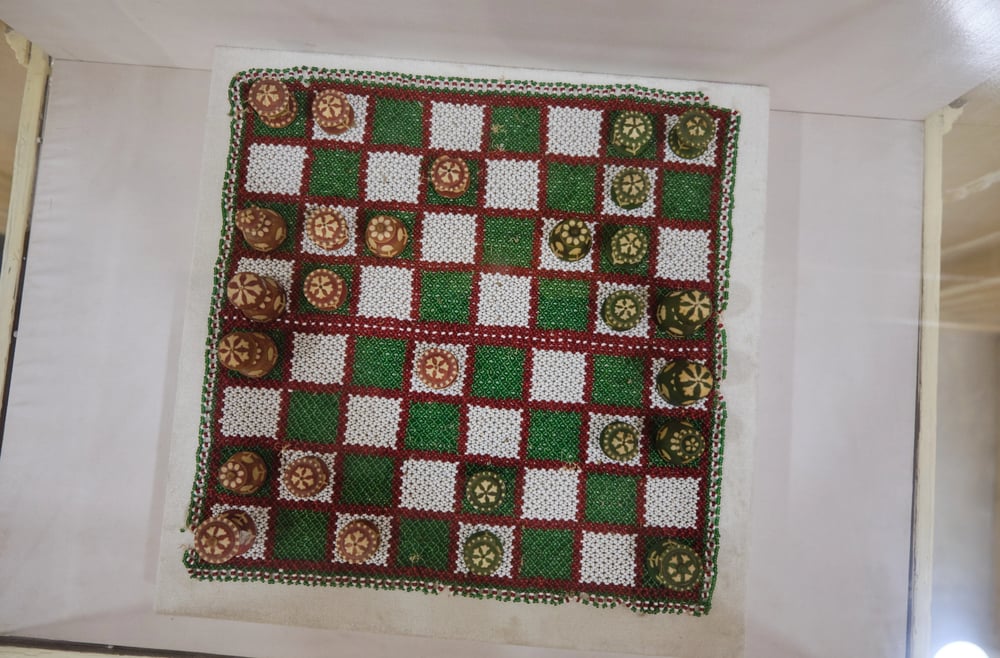
The bishop has one of the weirdest transformations in chess history. In the original Indian game, this piece represented an elephant. When chess reached medieval Europe, the elephant became a bishop, likely influenced by the Church’s power during that era. In Spanish and Arabic, the piece is still called ‘alfil’, which means elephant. Picture explaining to an ancient Indian chess player that their elephant piece now wears a miter and moves diagonally because of European religious influence.
Pawn
The word pawn was borrowed from older French forms ‘poun’, ‘peon’, and ‘pehon’, which simply meant soldiers on foot. Foot soldiers and pawns allegedly came from the poorest classes, which is why some languages use words for ‘peasant’ and ‘farmer’ for these pieces. In medieval chess, each pawn was sometimes given the name of a commoner’s occupation—gamblers, messengers, city guards, and other lowly professions. Your pawns aren’t just pieces—they’re representing the working class of medieval society.
Queen
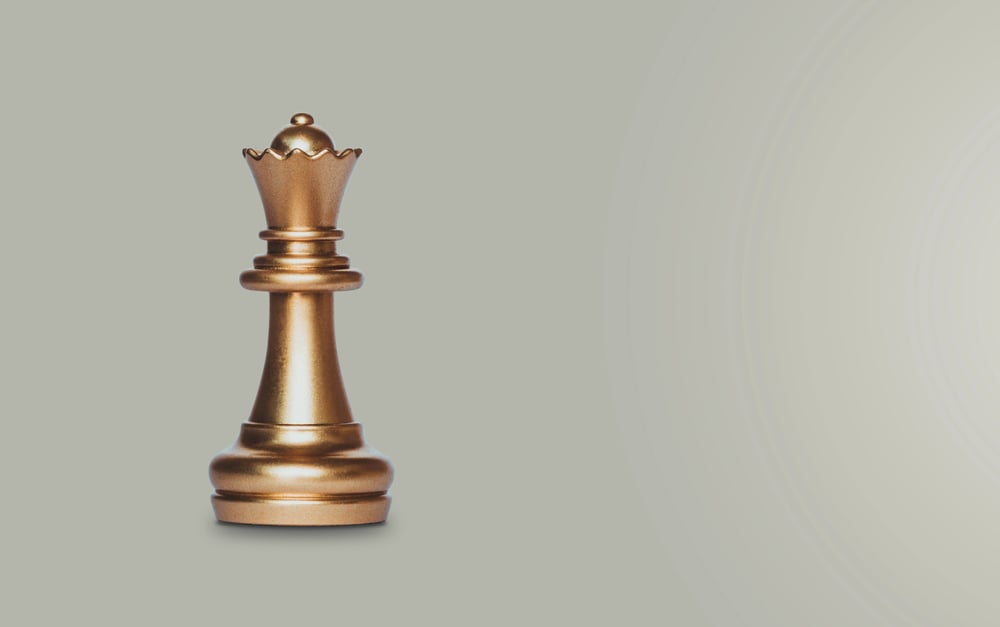
Originally, the piece we know as queen was called the ‘counselor’ in India, then became the ‘vizier’ in the Arab world. When the game reached Europe, a translation error turned ‘vizier’ into ‘virgin’, marking the first feminization of the piece. With the influence of powerful queens in medieval Europe, it evolved into the ‘queen’ and became the most powerful piece on the board. The queen was originally one of the weakest pieces until Europe decided to give her the combined powers of rook and bishop. Talk about a promotion.
Castling
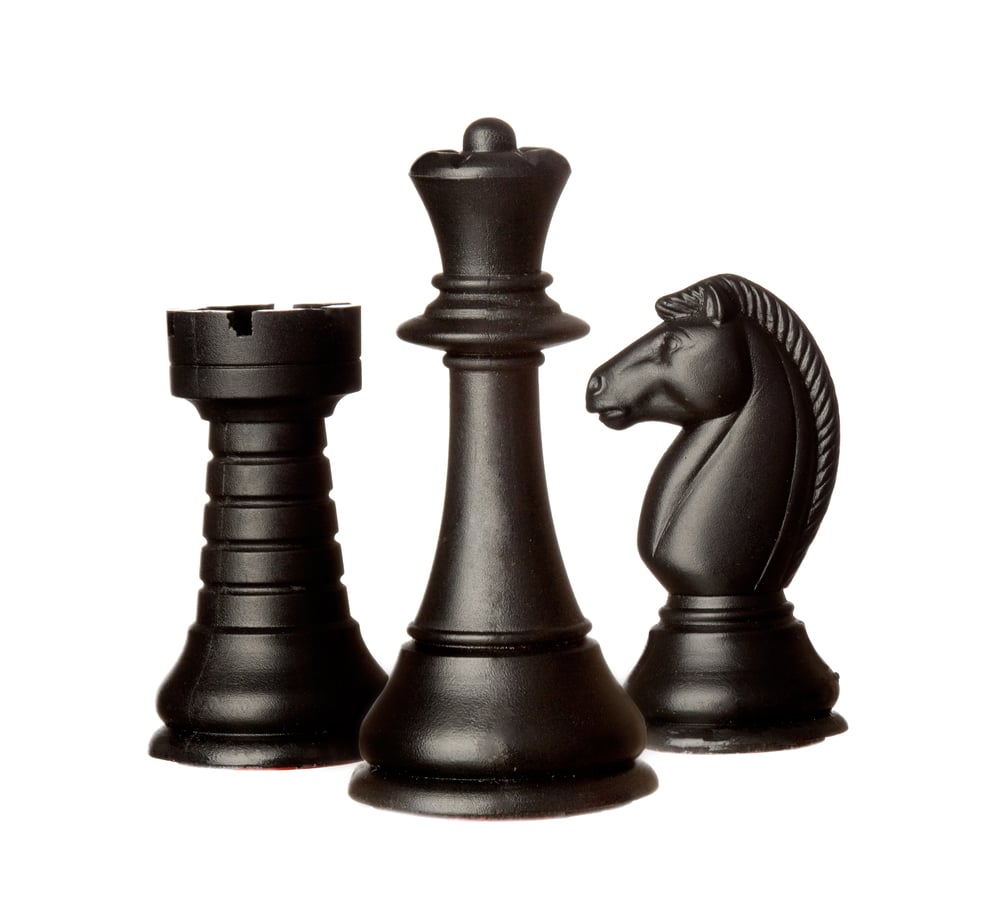
Castling is one of those moves that seems to break all the rules. The rule was added to European chess sometime between 1200 and 1600, along with the two-square pawn move, en passant, and unlimited range for queens and bishops. The English word comes from the piece involved—the rook, which was often called a castle informally. The move itself has no special etymology beyond describing what it does. But the fact that the king and rook perform this strange dance together makes it one of the game’s oddest additions.
J’adoube
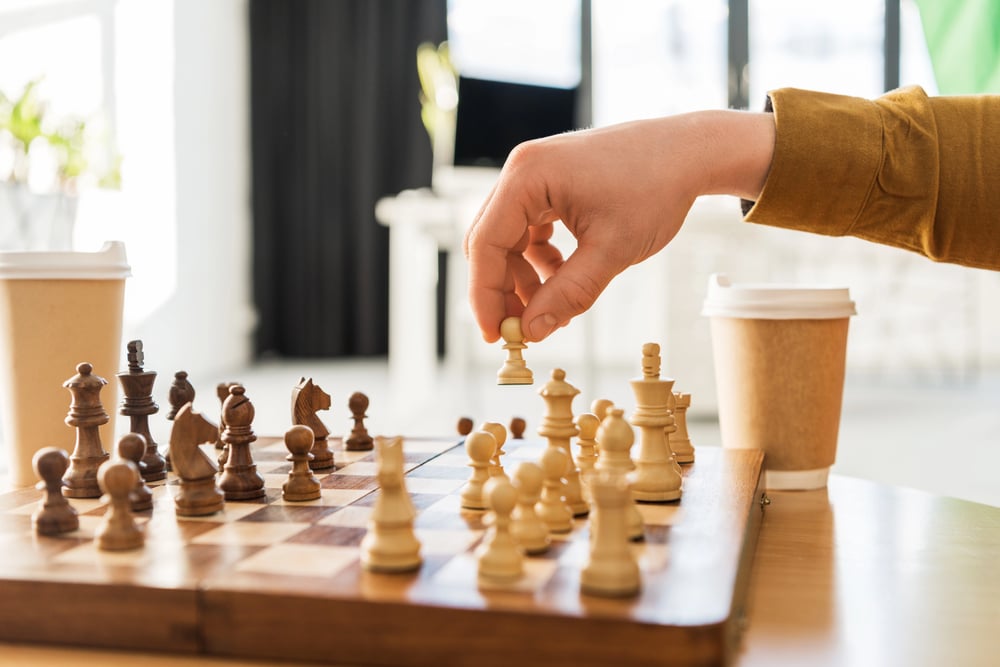
This French phrase translates to ‘I adjust’ and serves as the international signal that a player intends to straighten a piece without moving it. French became the diplomatic language of chess, which is why this particular phrase stuck. Players who don’t speak a word of French still mutter ‘j’adoube’ at tournaments worldwide. It’s basically the chess equivalent of saying ‘pardon me’ to the pieces themselves before touching them.
Luft
Luft is German for ‘air’, and in chess it refers to the breathing room created for a castled king by moving a pawn. This space gives the king a flight square to prevent back rank checkmates. German players apparently decided that kings need air just like people do. The term caught on because it perfectly captures the feeling of relief when your king has an escape route.
Zwischenzug
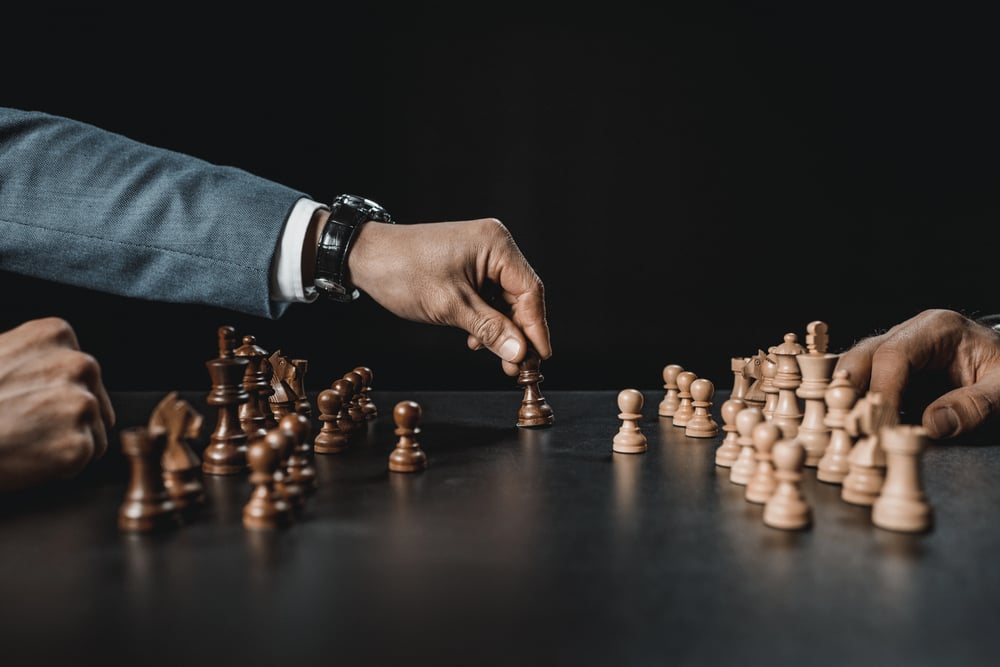
Here’s another German contribution to chess vocabulary. Zwischenzug means ‘in-between move’ and describes an unexpected intermediate move that disrupts the expected sequence. Instead of responding to a threat immediately, you throw in a surprise move first. German chess terminology tends to be brutally precise, and this one’s no exception. The word sounds intimidating, which is fitting since zwischenzugs often catch opponents completely off guard.
Zeitnot
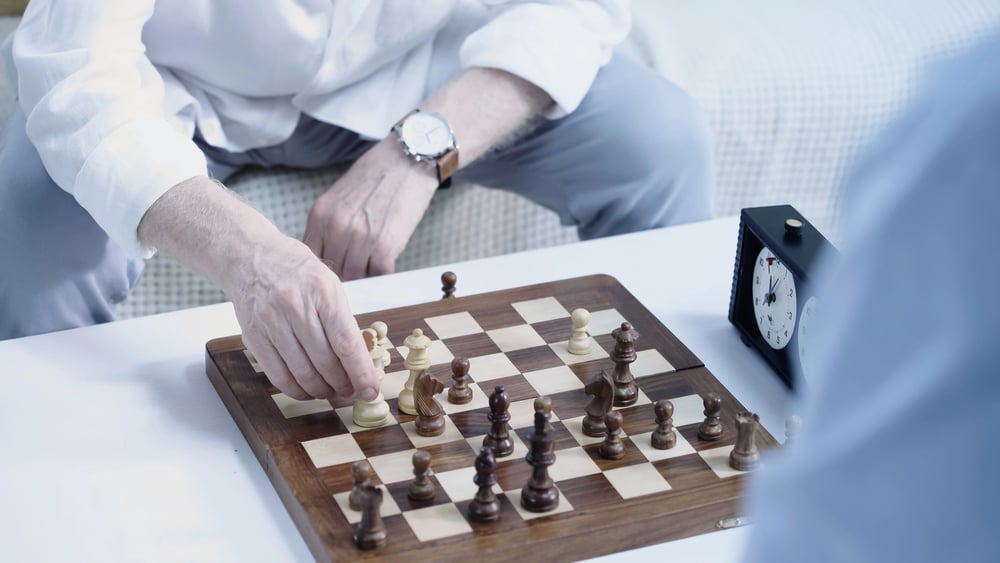
Yet another German term, zeitnot combines ‘zeit’ (time) with ‘not’ (distress or need), describing the panic of having very little time left on the clock. It’s also called time pressure or time trouble, especially when a player has less than five minutes to complete remaining moves. English borrowed this word wholesale because ‘time trouble’ just doesn’t convey the same existential dread as ‘zeitnot’. There’s something about German compound words that perfectly captures chess misery.
Kibitz
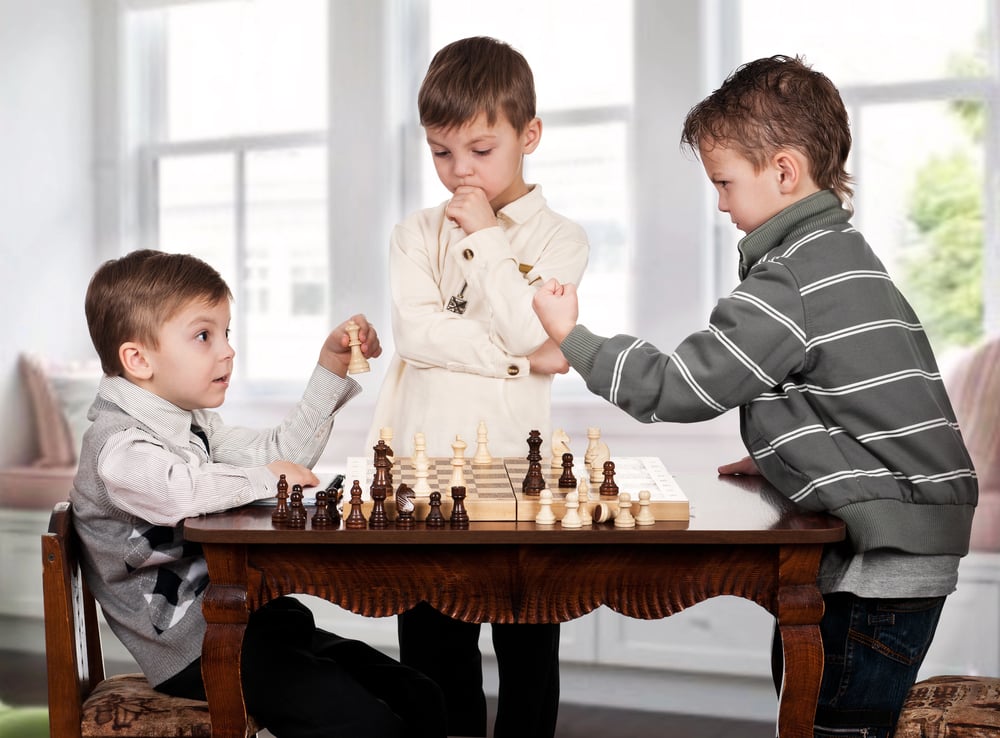
To kibitz means to comment on a game as a spectator, often in an annoying way. The word comes from Yiddish, where ‘kibbitz’ originally referred to a type of bird known for chattering. Chess adopted the term to describe those helpful souls who love to point out better moves while watching your game. It’s considered terrible etiquette during serious play but is perfectly acceptable during post-game analysis. The image of chattering birds watching chess matches somehow feels exactly right.
Patzer

This Yiddish-German hybrid describes a weak chess player or someone who makes obvious mistakes. It comes from the German ‘patzen’, meaning to bungle or botch something. Every chess player has been a patzer at some point, though nobody wants to admit it. The term has spread beyond chess into general usage for anyone who fumbles their way through a task. It’s both an insult and a term of endearment, depending on who’s saying it and how badly you just blundered your queen.
From Ancient Persia to Your Coffee Shop
These terms reveal chess as a truly global game, shaped by Persian kings, Italian wrestlers, French diplomats, and German tournament organizers. The vocabulary we use today is a linguistic museum, preserving fragments of languages and cultures from across a millennium. Every time you announce checkmate or castle kingside, you’re speaking words that traveled thousands of miles and hundreds of years to reach you. The next time someone offers you a gambit, remember they’re literally offering to trip you up with a leg sweep—just on a chessboard instead of a wrestling mat.
More from Go2Tutors!

- The Romanov Crown Jewels and Their Tragic Fate
- 13 Historical Mysteries That Science Still Can’t Solve
- Famous Hoaxes That Fooled the World for Years
- 15 Child Stars with Tragic Adult Lives
- 16 Famous Jewelry Pieces in History
Like Go2Tutors’s content? Follow us on MSN.