14 Facts About the Oldest Cities in Europe
Walking through the streets of Europe’s oldest cities feels like stepping through layers of time. Cobblestones worn smooth by countless footsteps tell stories that stretch back millennia, while ancient walls still stand guard over modern life.
These urban survivors have weathered empires, plagues, wars, and the endless march of progress — yet they remain stubborn and beautiful in their persistence.
Plovdiv
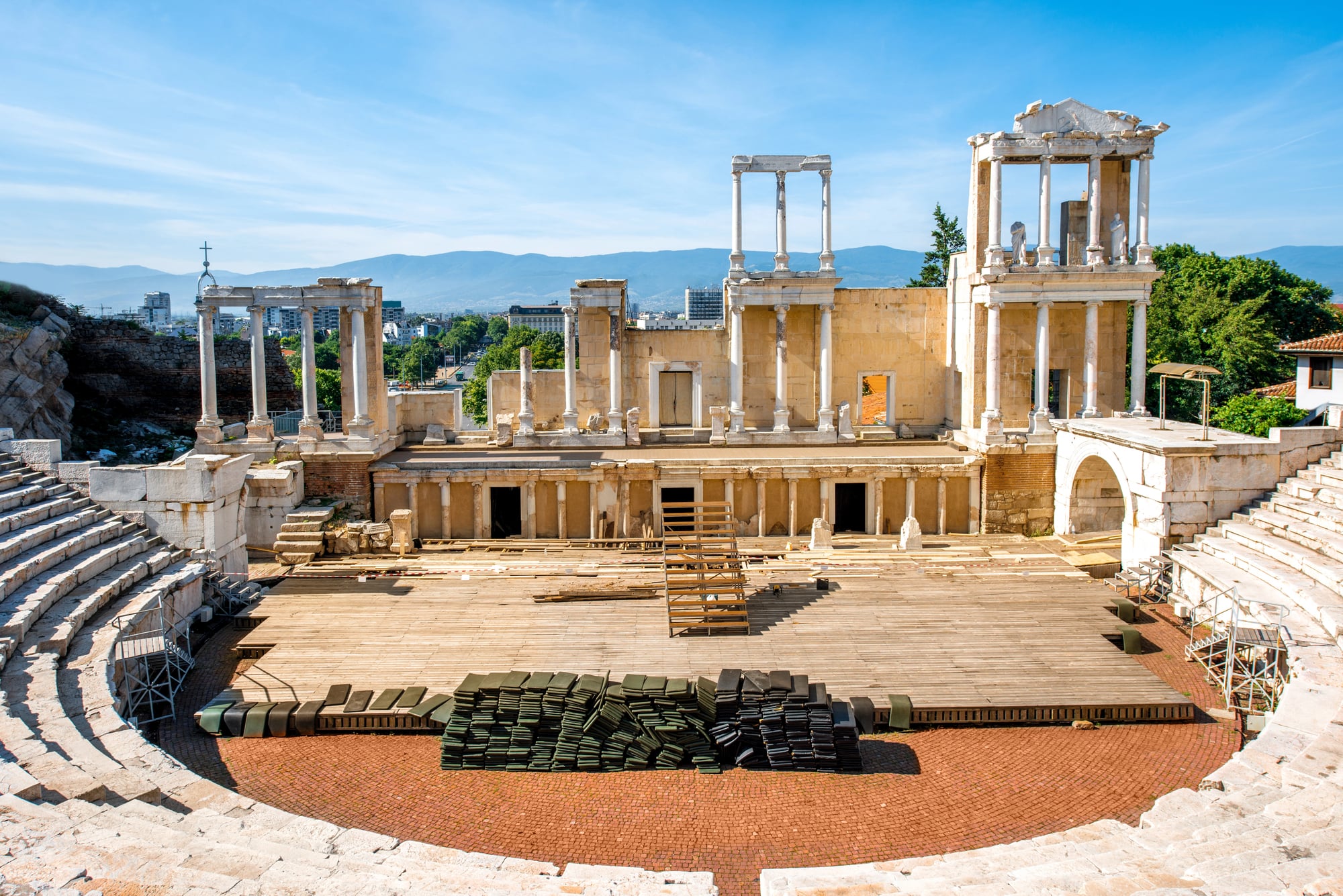
Plovdiv has been continuously inhabited for over 8,000 years. The Romans called it Philippopolis.
Today, people still live in houses built on top of ancient theaters.
Athens
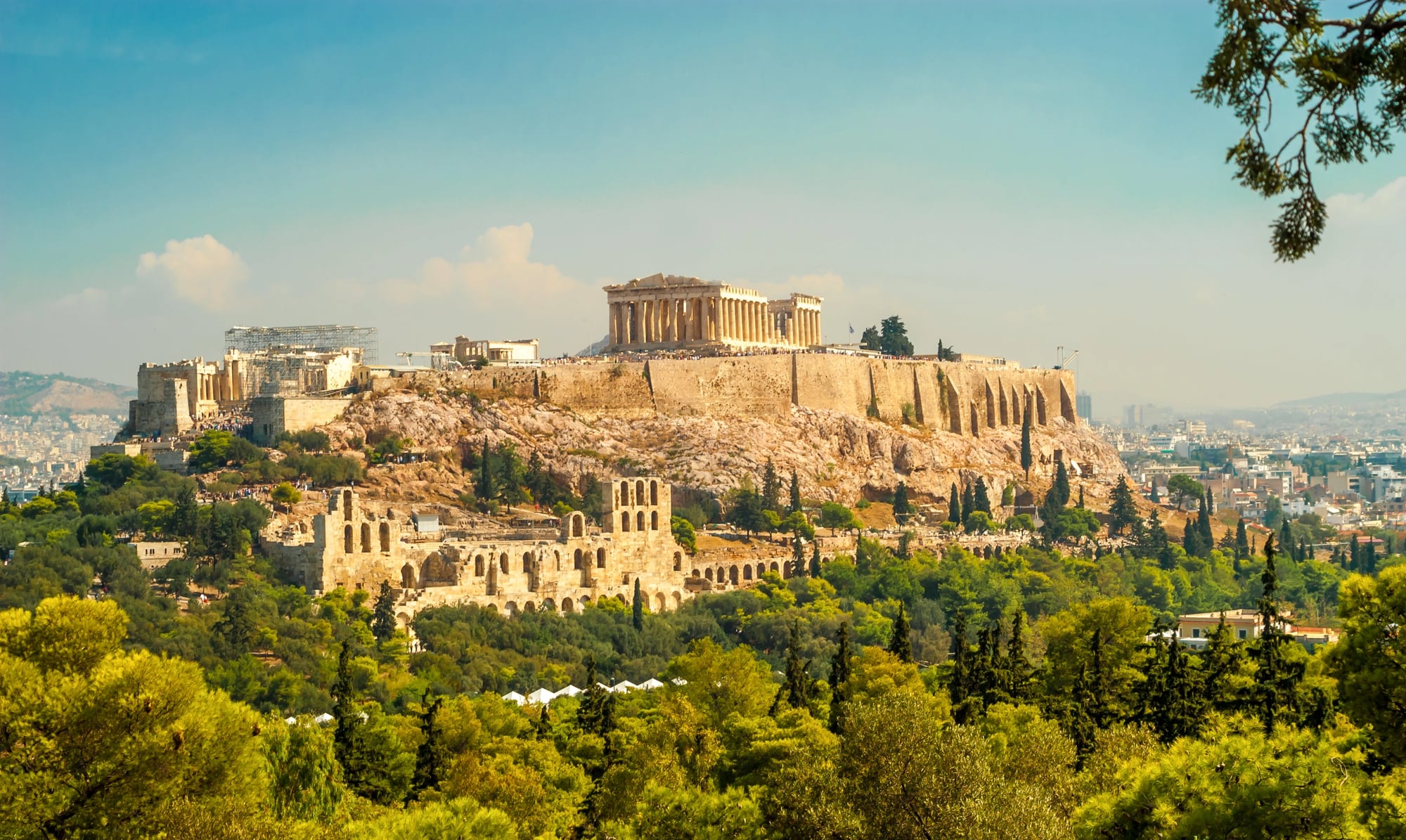
The relationship between Athens and civilization runs deeper than most people realize, threading through philosophy and democracy in ways that seem almost engineered for textbooks — except the reality feels more like watching someone invent the rules of a game while playing it. When Socrates wandered these streets asking uncomfortable questions (and making enemies in the process), he wasn’t preserving ancient wisdom but creating something entirely new, something that would outlast the marble and the monuments.
And yet the city itself predates even that golden age by millennia, so the Athens that produced Plato had already been reinventing itself for generations. The Acropolis wasn’t built in a day — it was built over centuries.
Argos
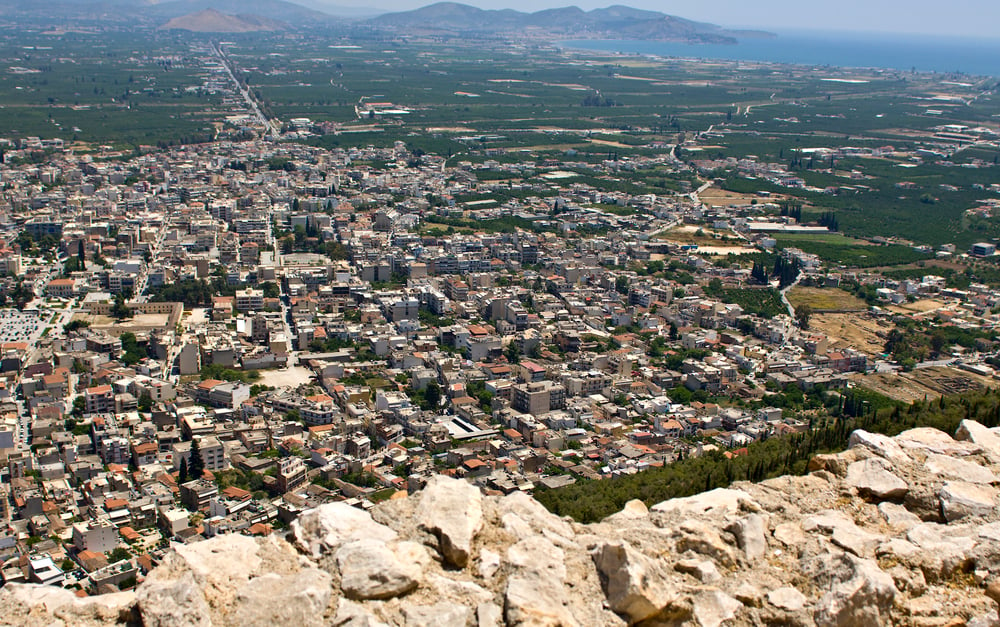
Argos never became famous the way Athens or Sparta did, which turns out to be exactly why it survived. While its neighbors were conquering the known world or philosophizing themselves into history books, Argos just kept existing, making pottery and olive oil, raising children, burying grandparents.
There’s something quietly magnificent about a place that chose persistence over glory.
Thebes
You’d expect a city that challenged Sparta and humbled Athens to leave bigger footprints in the modern world, but Thebes operates by different rules — it’s the kind of place that produces legends (Hercules, Oedipus, Dionysus) while remaining perpetually overlooked by tourists racing between more obvious destinations. The ancient Greeks knew better; they understood that some cities accumulate power the way others accumulate debt.
Even today, when archaeologists dig beneath Thebes, they find layers that shouldn’t exist, settlements that predate the myths that made the city famous. So the stories weren’t the beginning — they were just another chapter in something much older and more stubborn than literature.
Chania
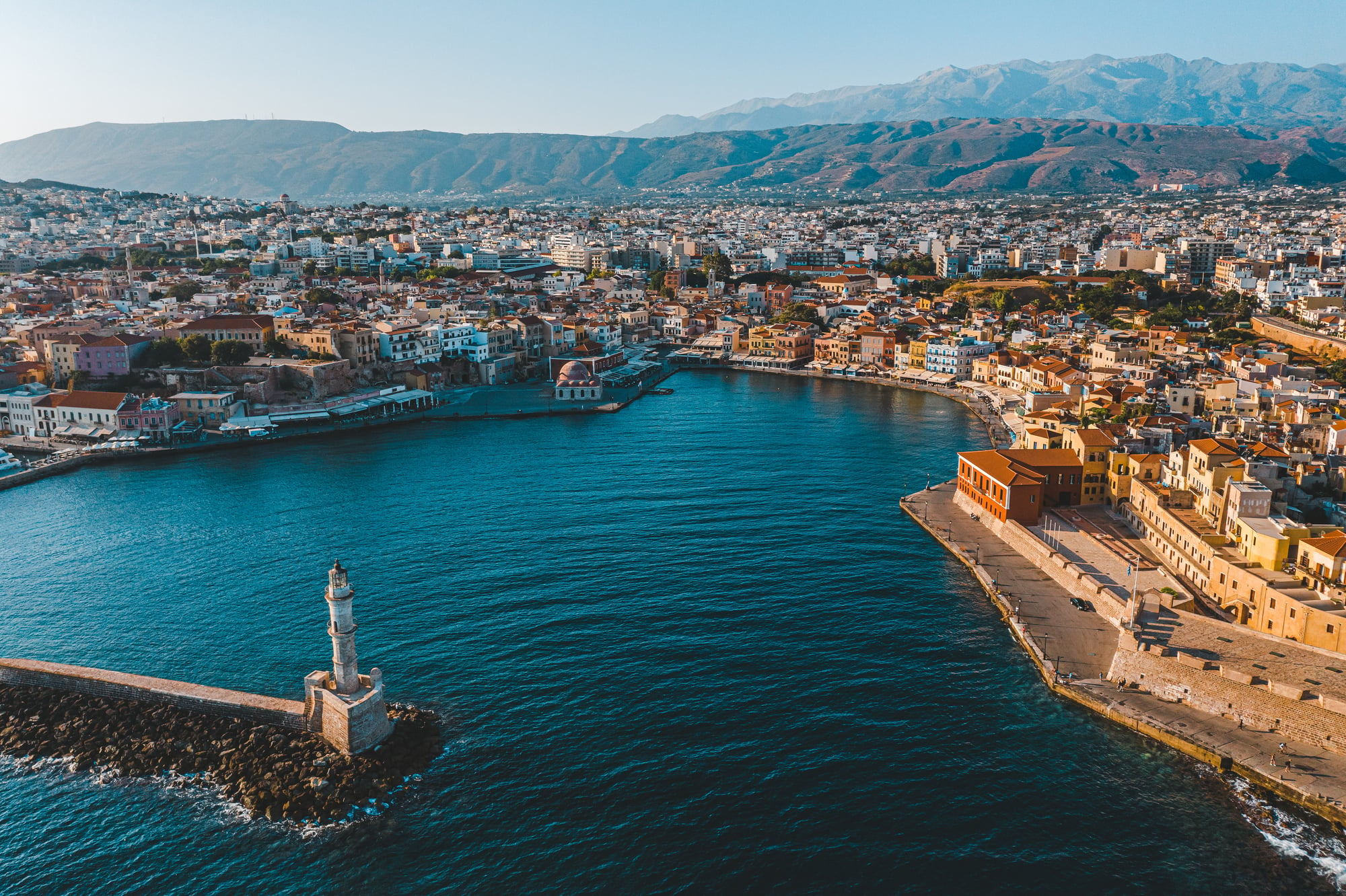
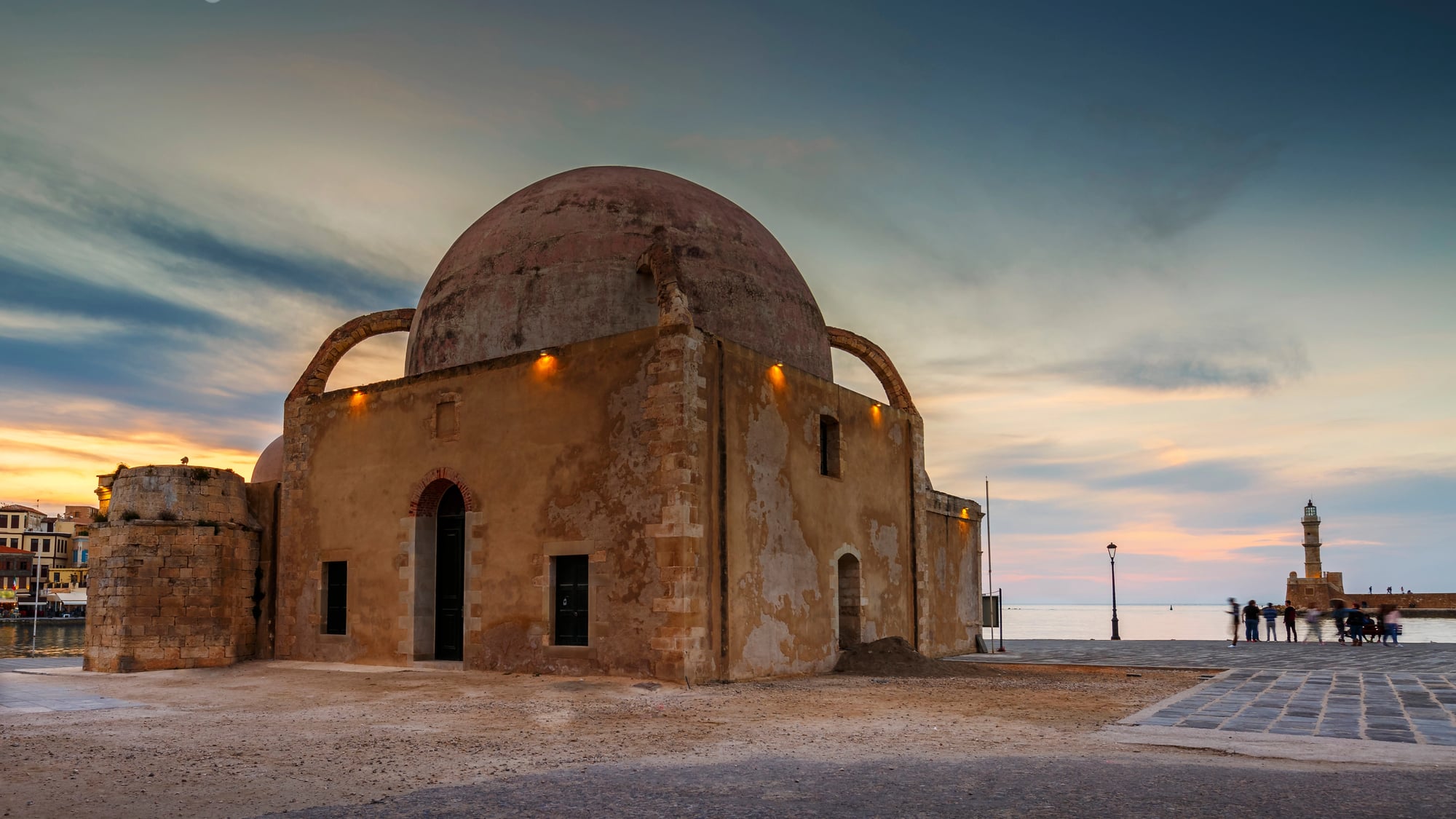
The Venetians built walls around Chania that still stand. The Ottomans added minarets.
Modern Greeks turned the whole thing into a postcard, and somehow none of it feels wrong.
Cadiz
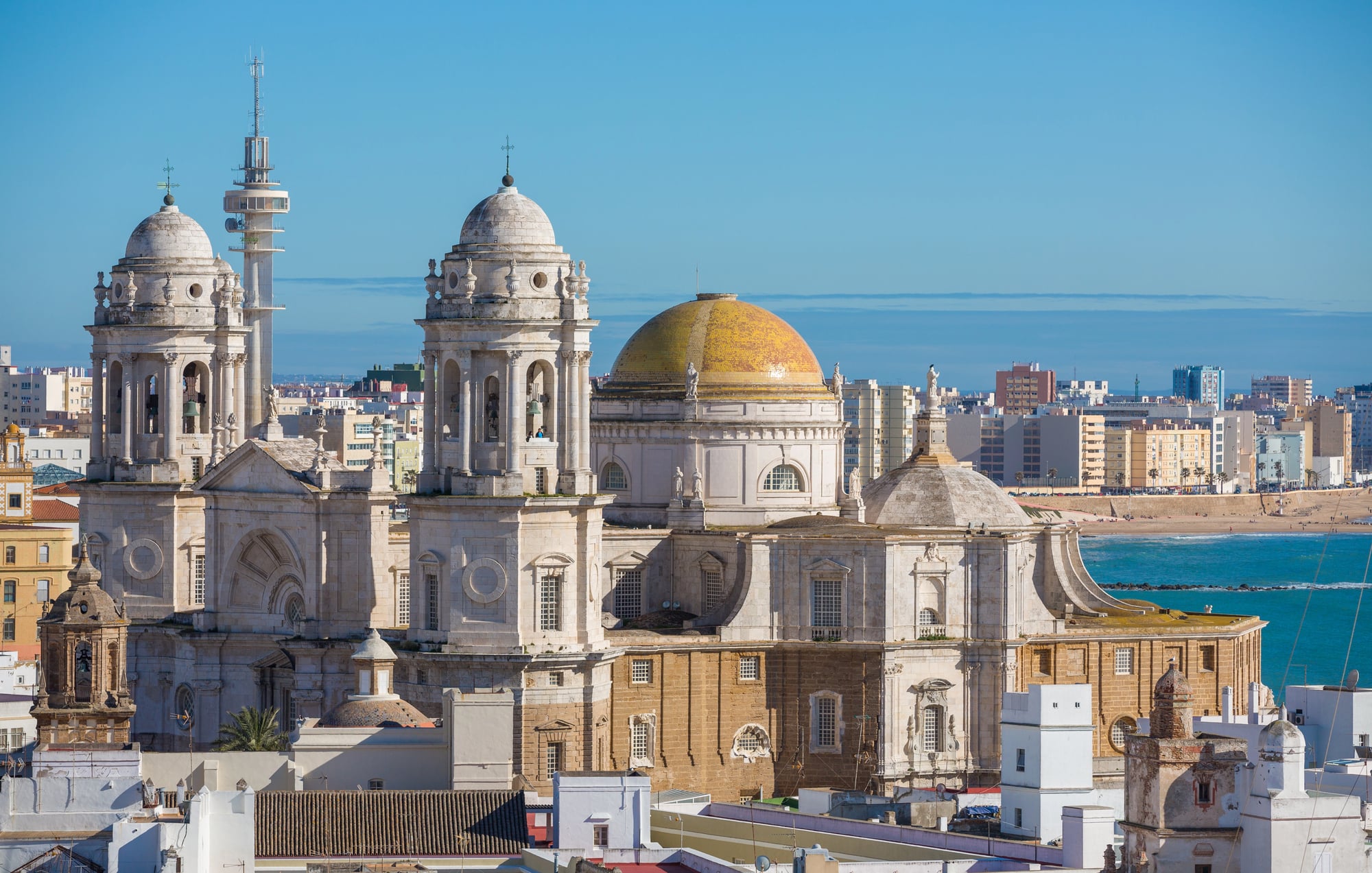
Founded by Phoenician traders around 1100 BCE, Cadiz claims to be the oldest continuously inhabited city in Western Europe (though several other cities would dispute this with considerable passion and detailed archaeological evidence). The city sits on a narrow peninsula jutting into the Atlantic, which made it perfect for ancient merchants who needed a secure harbor and a quick escape route — geography as business plan, you might say.
What’s remarkable isn’t just that people have lived here for three millennia, but that they’ve consistently chosen the same small patch of land, generation after generation, as if the place itself refuses to let go. Even now, when you stand on the old city walls looking out at the ocean, it’s impossible not to think about all those ships that arrived here carrying silver from the Americas, spices from the East, and news from worlds that seemed impossibly far away.
Lisbon
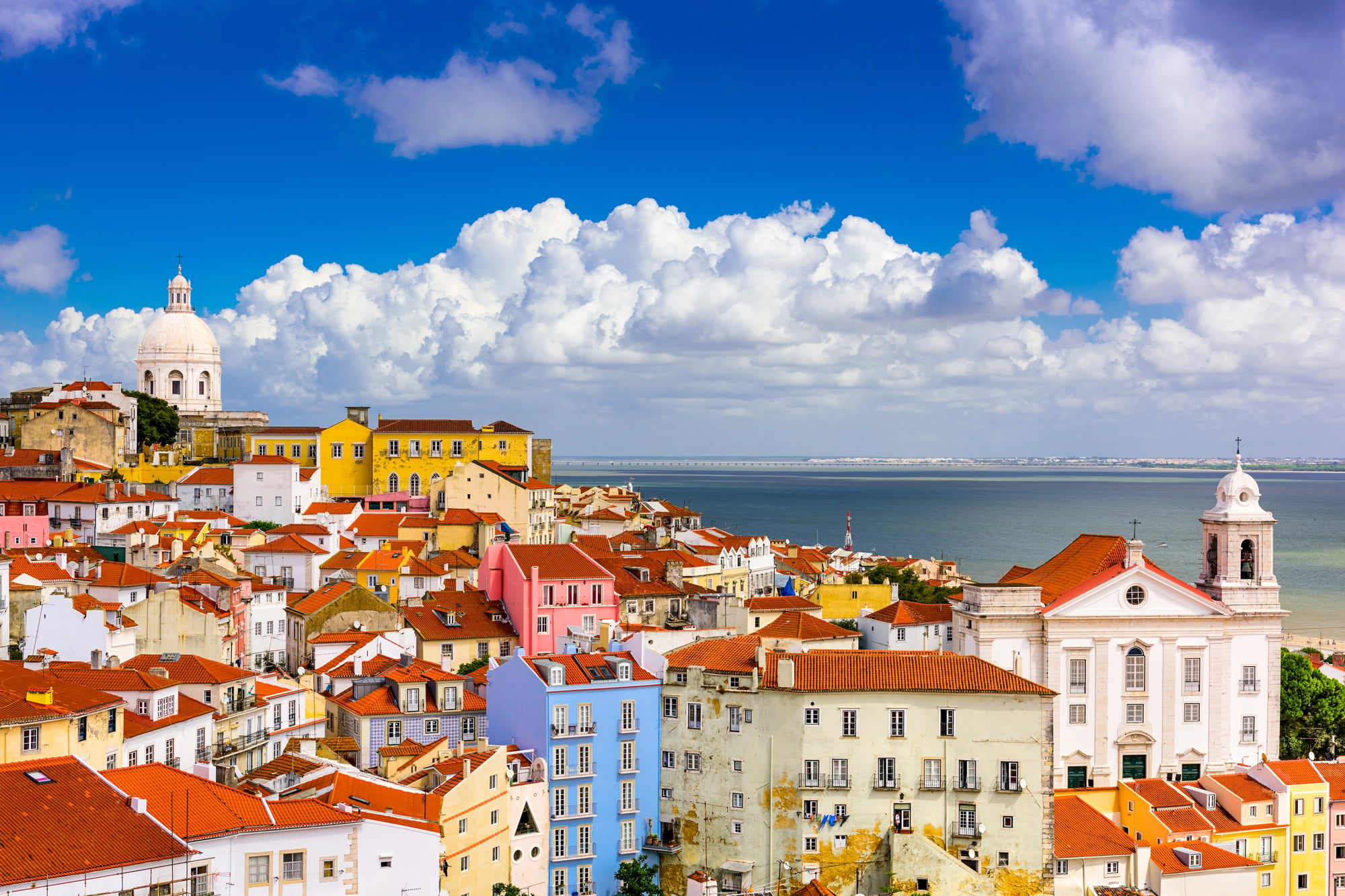
Lisbon burns and rebuilds with the regularity of seasons. The 1755 earthquake flattened most of the medieval city.
The Portuguese rebuilt it anyway, making the streets wider and the buildings stronger.
Rome
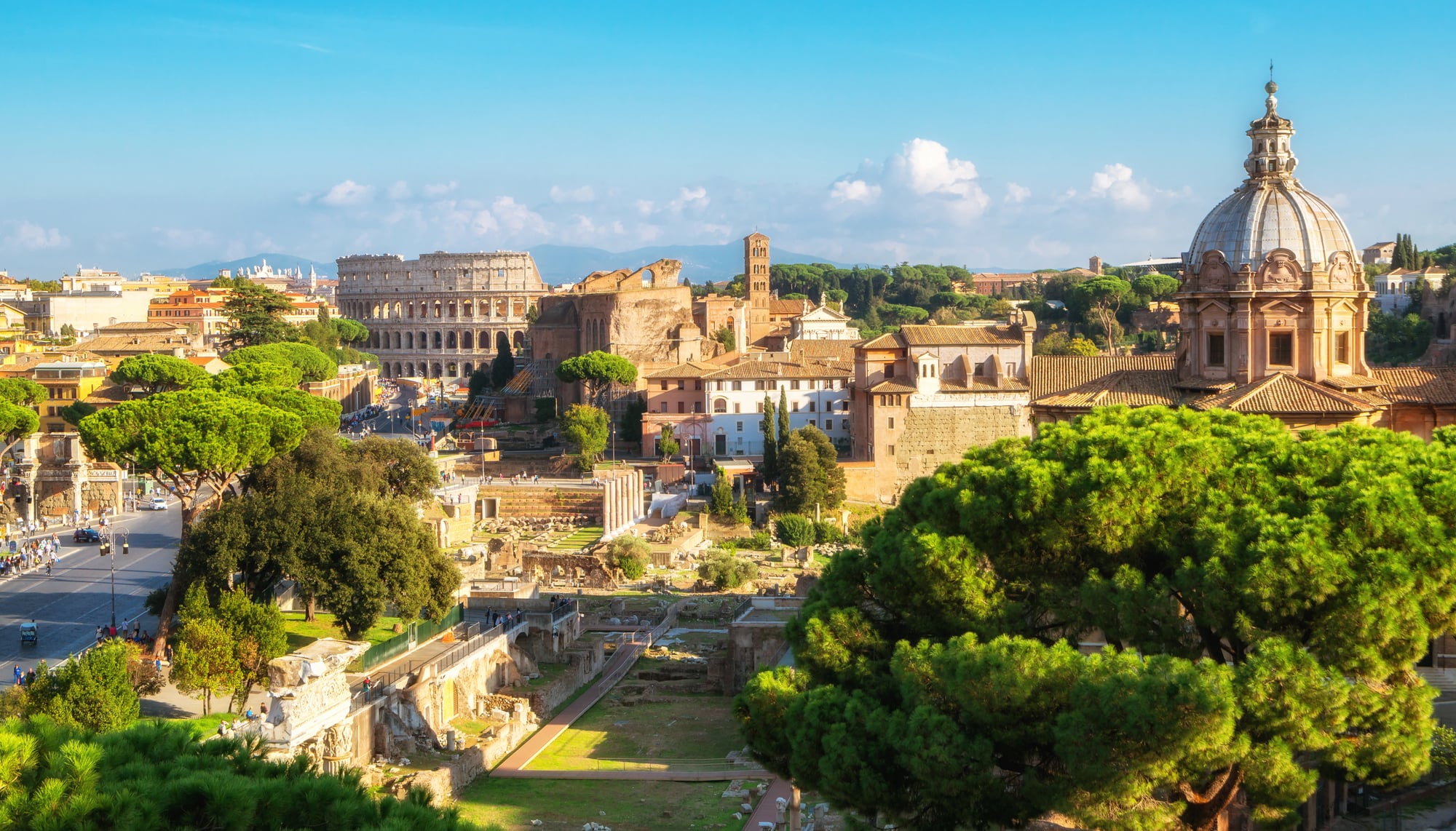
Walking through Rome requires a peculiar kind of mental gymnastics — you’re simultaneously in a modern European capital and a museum where people happen to live and work and argue about parking spaces. The Pantheon (which is nearly 2,000 years old) sits across from a coffee shop that’s been serving espresso since 1946, and both feel equally permanent, equally essential to the fabric of the city.
You can’t excavate anywhere in Rome without hitting something ancient, which makes construction projects exercises in archaeology and bureaucracy in equal measure — dig for a new subway line, find a villa; renovate a basement, uncover a temple. And yet Romans have learned to live with this gracefully, the way other people learn to live with difficult weather.
Matera
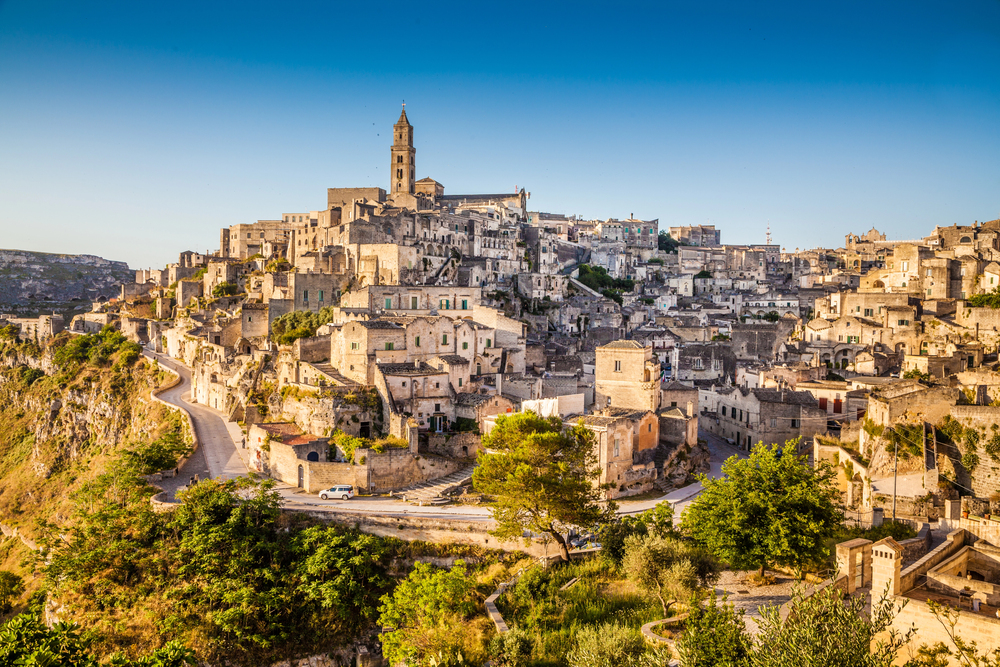
People have been living in caves in Matera for 9,000 years. UNESCO calls it a World Heritage Site.
Hollywood uses it as a film set for ancient Jerusalem, which says something about how little the place has changed.
Siracusa
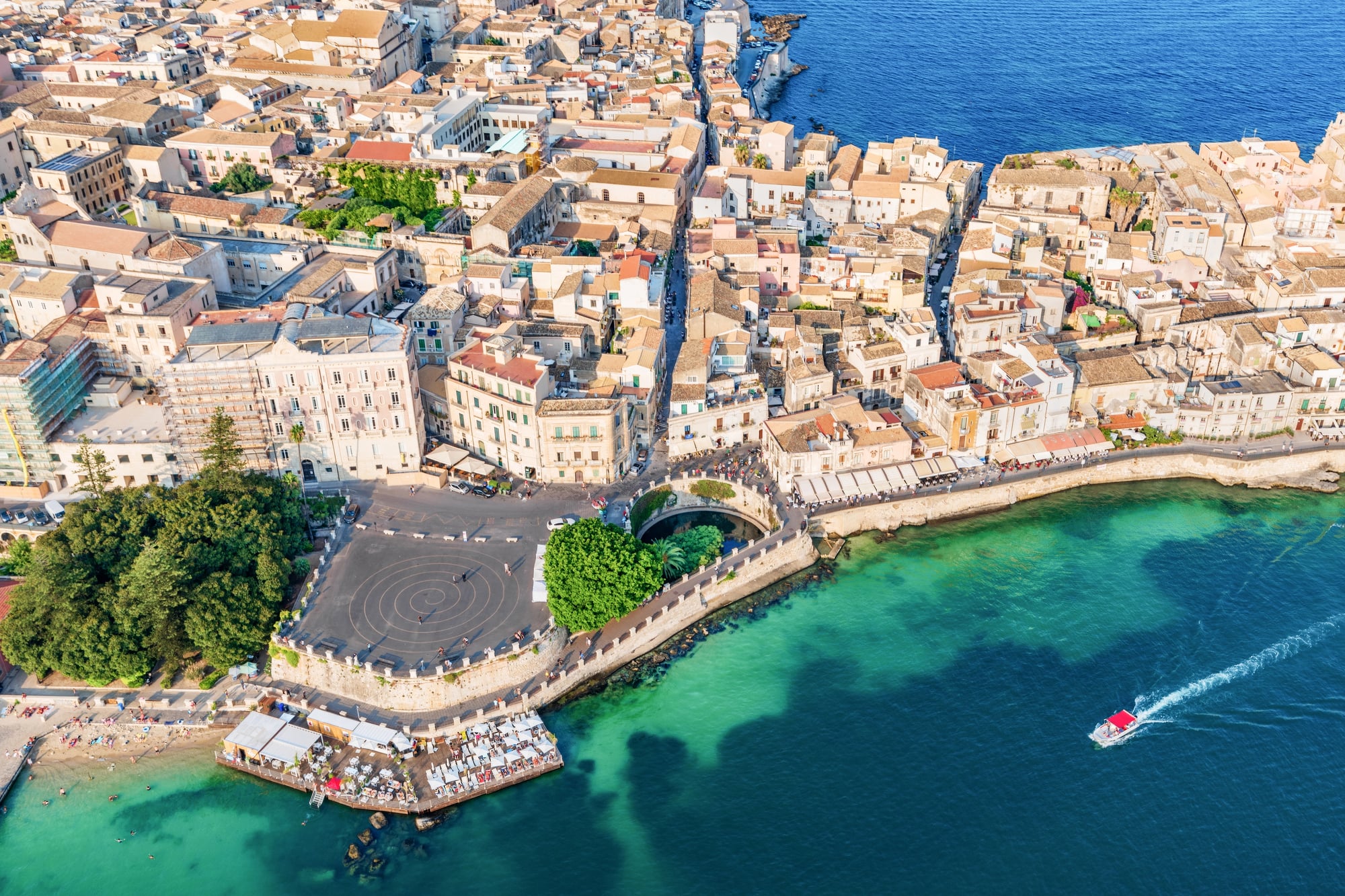
The Greeks who founded Siracusa in 734 BCE picked their spot with the precision of people who understood that location matters more than almost anything else — a natural harbor, defensible high ground, fresh water springs, and soil that could feed a growing population. What they probably didn’t anticipate was that they were creating a city that would outlast their entire civilization, that would survive Romans and Byzantines and Arabs and Normans and eventually become a place where Italian families vacation in the summer.
The ancient theater is still there, carved into the hillside, still hosting performances after 2,400 years. Same plays, different language, different audience, same view of the sea.
Patra
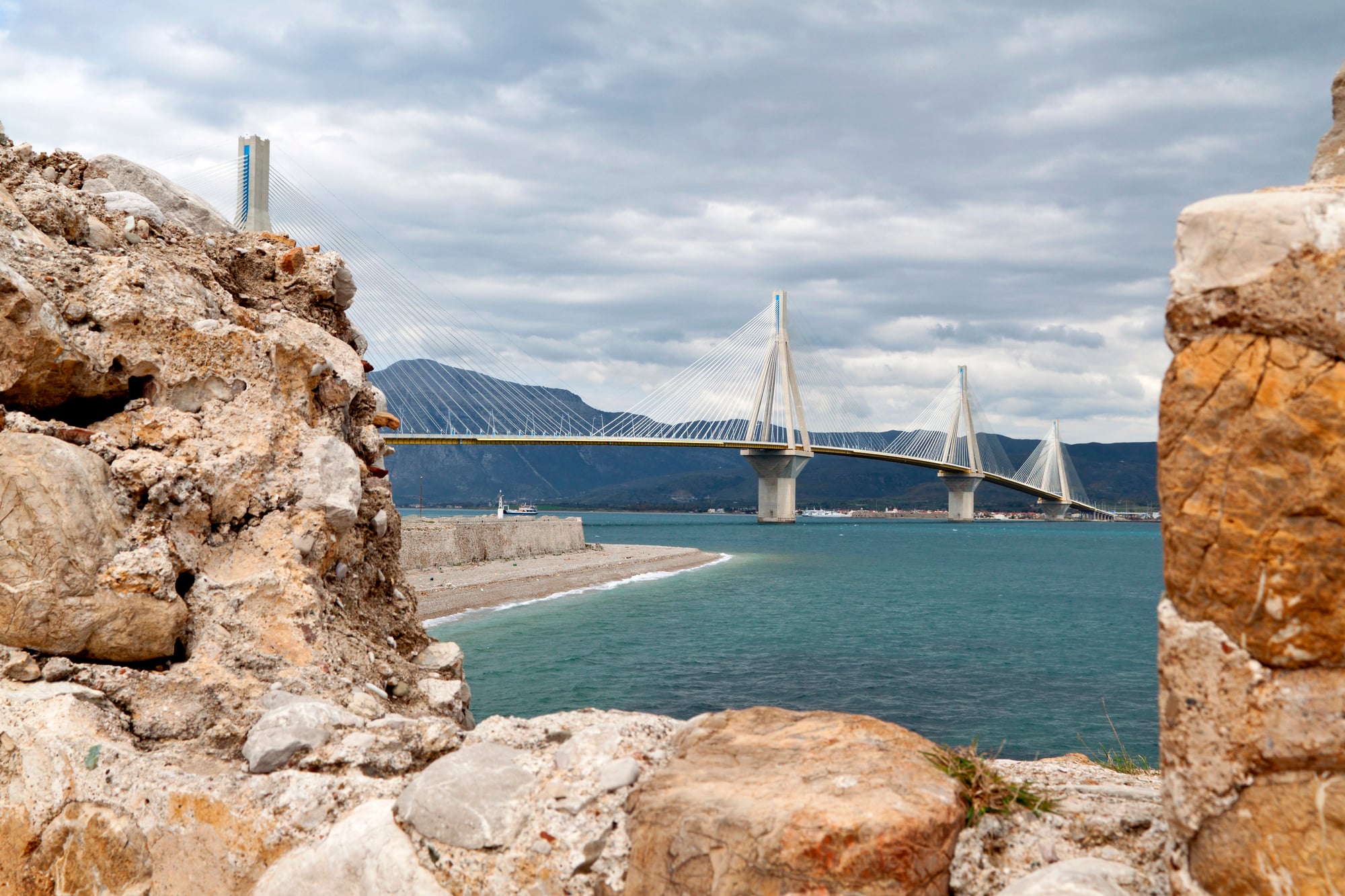
Patra gets overshadowed by Athens and overlooked by tourists heading to the islands. This turns out to be a blessing disguised as neglect — the city has managed to preserve its character without turning itself into a theme park.
Corfu
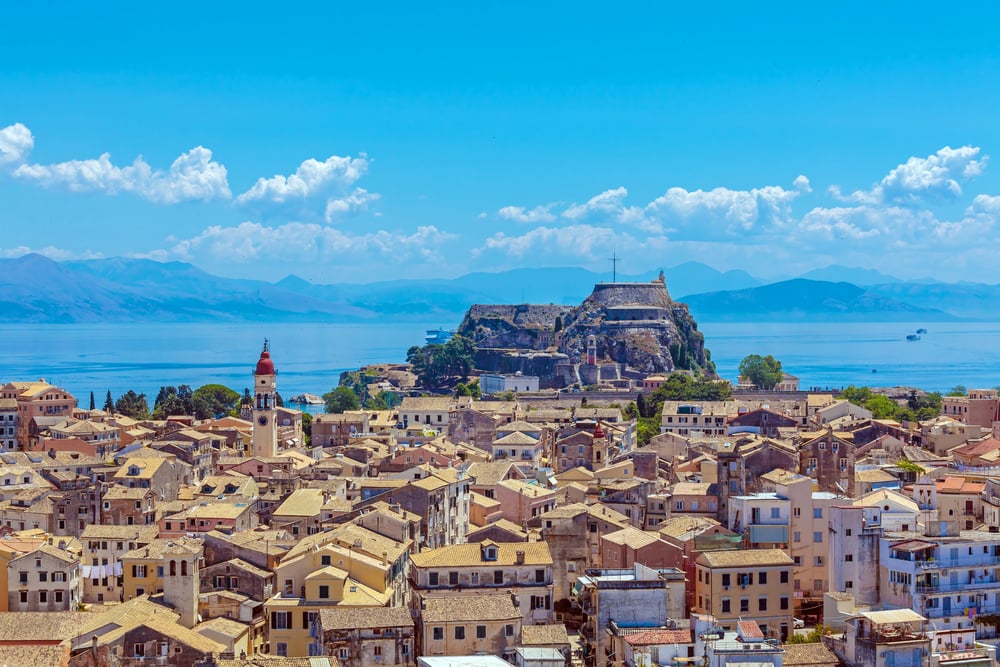
The Venetians fortified Corfu so thoroughly that the Ottomans never managed to conquer it, which makes it one of the few Greek islands that never experienced Ottoman rule — and walking through Corfu Town, you can feel the difference in the architecture, the street layout, even the way the light hits the buildings. The Old Fortress and the New Fortress (built in 1546 and 1645 respectively, which tells you something about Venetian definitions of “new”) still dominate the skyline, still look like they could repel an invasion if necessary.
But what’s remarkable isn’t the military engineering — it’s how seamlessly the defensive walls have been absorbed into daily life, how cafes and shops and apartments have grown up around structures designed for war. Children play football in courtyards that once stored cannons.
Couples get married in churches built inside fortifications.
Kyrenia
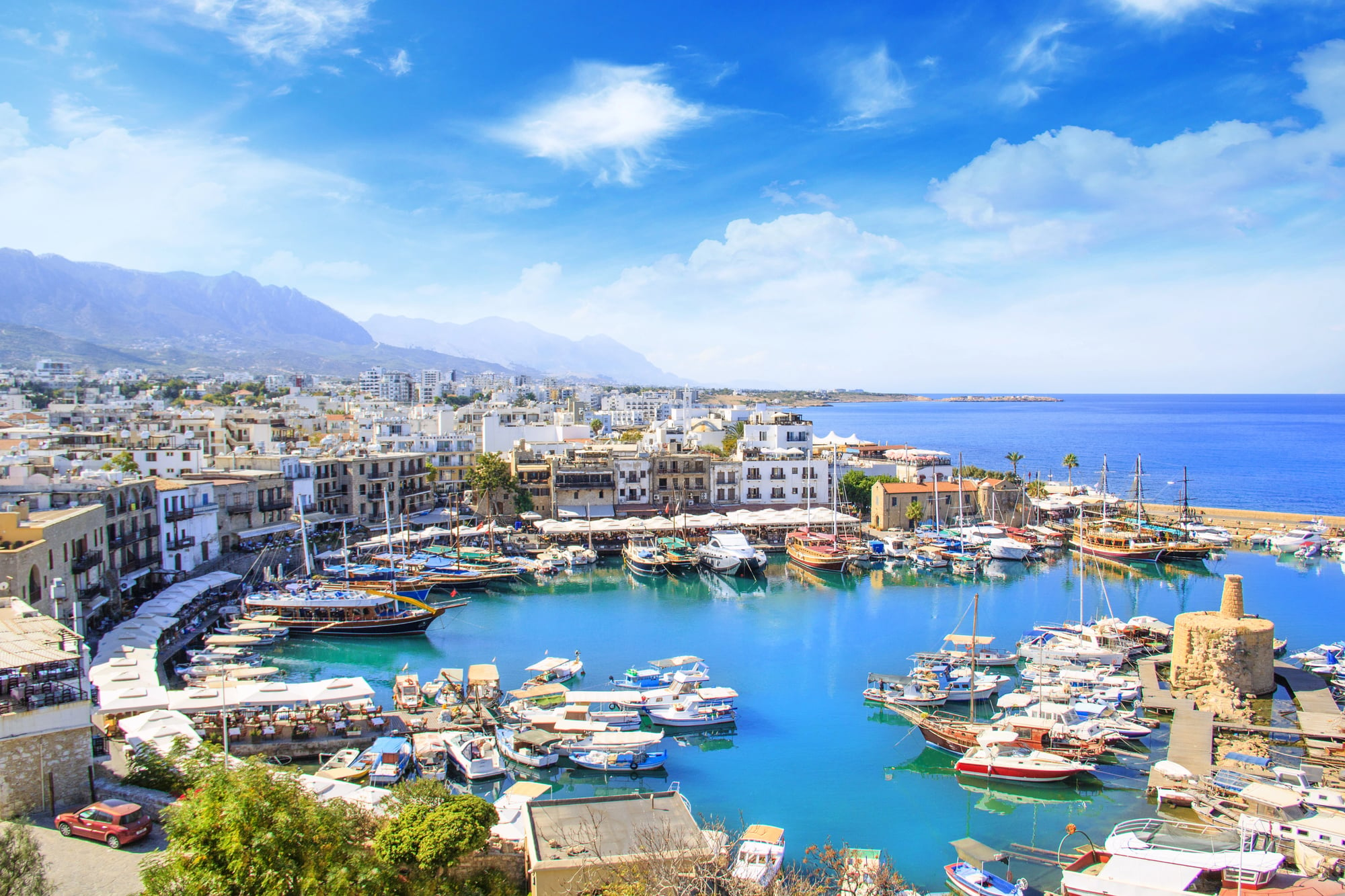
Kyrenia’s harbor hasn’t changed much in 2,000 years. The same horseshoe bay.
The same mountains rising behind the town. Different boats, same view, same feeling that this is exactly where a harbor should be.
Famagusta
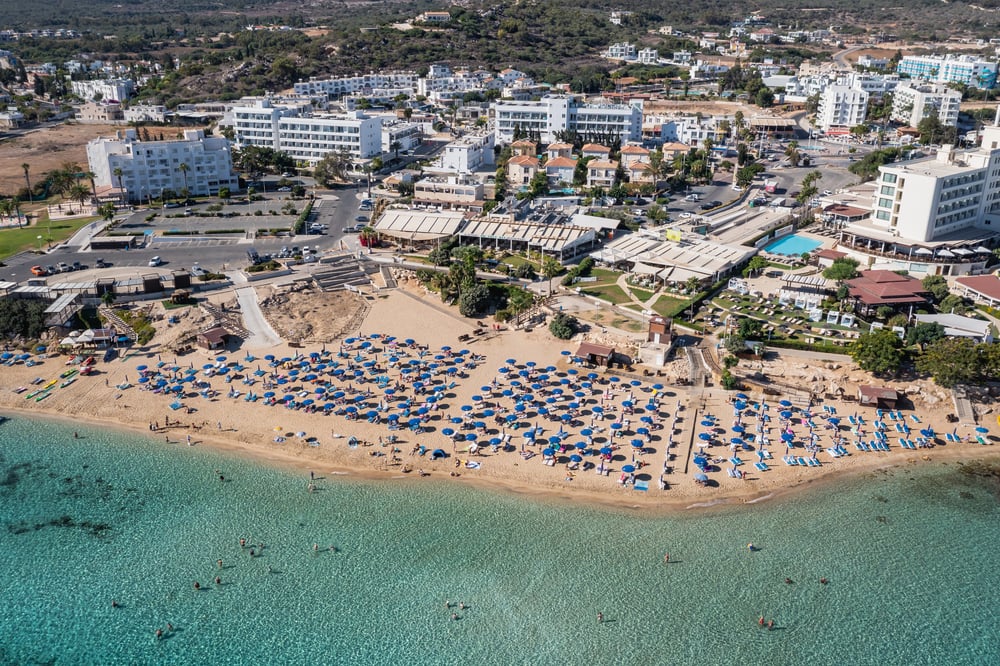
Famagusta’s medieval walls enclose a city that feels suspended in time — not preserved like a museum, but paused, as if everyone stepped out for coffee and forgot to come back. The Gothic cathedral of St. Nicholas, built by the Lusignans in the 14th century, was converted to a mosque when the Ottomans arrived in 1571, and both architectural traditions have settled into an accommodation that feels more like conversation than conflict.
Walking through the narrow streets inside the walls, you pass buildings that have been houses for six centuries, that have sheltered families through empires and occupations and the slow, steady work of daily life that outlasts all the dramatic stuff that makes it into history books.
Echoes In Stone
Standing in any of these ancient cities, you realize that urban planning is really a form of optimism. Someone decided that this place — this particular arrangement of streets and squares and defensive walls — was worth defending, worth maintaining, worth passing down to children who would pass it down to their children.
The oldest cities in Europe aren’t just collections of old buildings; they’re arguments for continuity, evidence that some things are worth preserving not because they’re perfect, but because they’re ours.
More from Go2Tutors!

- The Romanov Crown Jewels and Their Tragic Fate
- 13 Historical Mysteries That Science Still Can’t Solve
- Famous Hoaxes That Fooled the World for Years
- 15 Child Stars with Tragic Adult Lives
- 16 Famous Jewelry Pieces in History
Like Go2Tutors’s content? Follow us on MSN.