Wealthiest Figures From Ancient History
Measuring wealth across thousands of years is nearly impossible. Currency changed, empires rose and fell, and what counted as valuable shifted dramatically.
But some ancient figures accumulated so much gold, land, and resources that their wealth became legendary. These weren’t just rich people.
They controlled economies, owned entire regions, and lived at levels of luxury that would impress even modern billionaires.
Mansa Musa’s Gold-Fueled Pilgrimage
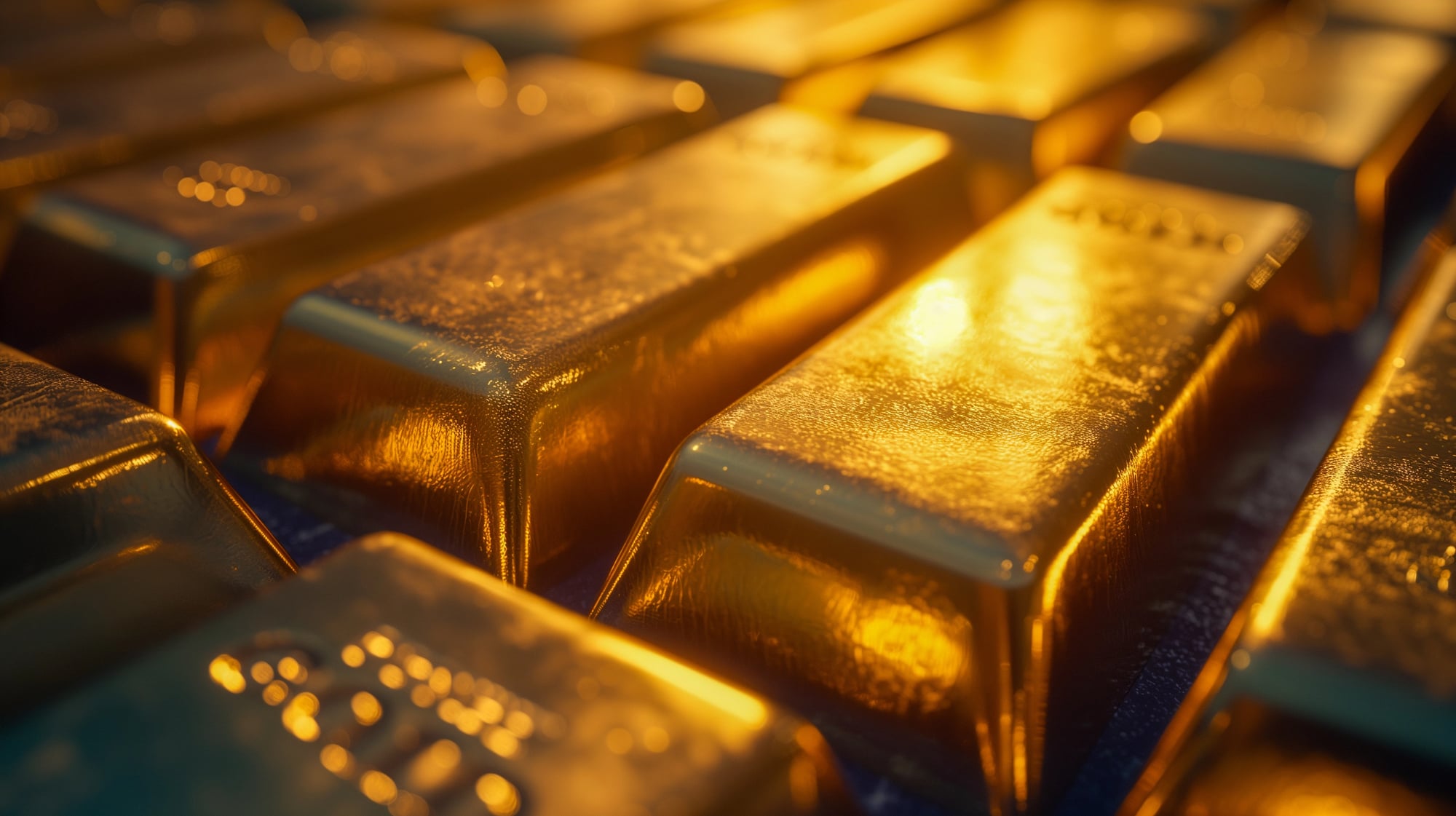
Mansa Musa ruled the Mali Empire in the 14th century and controlled roughly half of the world’s gold supply. When he made his pilgrimage to Mecca in 1324, he brought so much gold that he crashed the Egyptian economy.
He gave away so much in Cairo that gold prices dropped and took years to recover. His empire stretched across West Africa, controlling trade routes and gold mines.
The wealth wasn’t just theoretical. Musa built mosques, libraries, and universities.
He turned Timbuktu into a center of learning and culture. Historians estimate his wealth at around $400 billion in modern money, though the number is probably meaningless.
He had more gold than anyone else on earth. That’s what mattered.
Augustus Caesar’s Empire of Riches
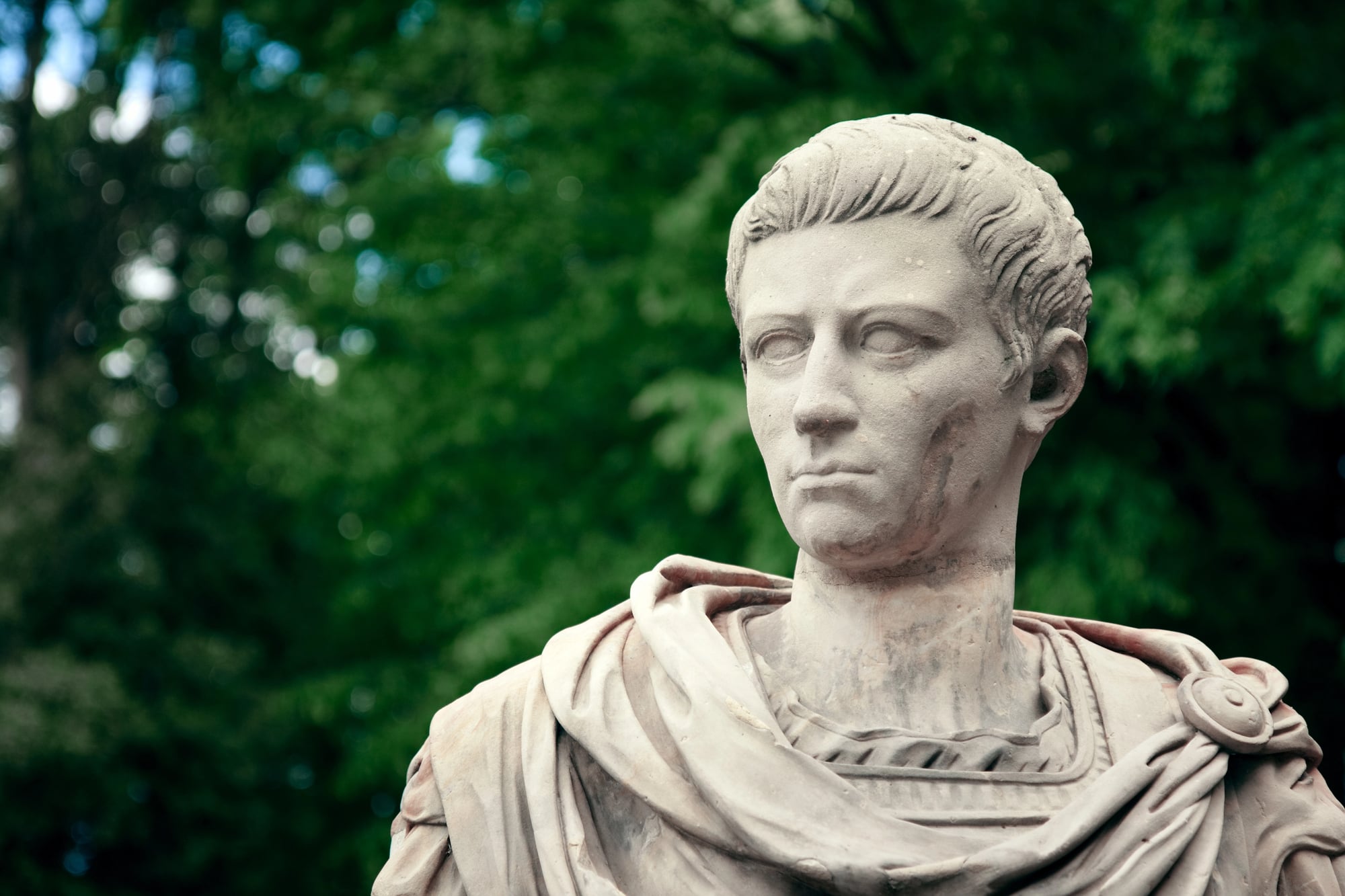
Augustus became Rome’s first emperor and ended up controlling an estimated 25 percent of the world’s economic output. His personal wealth came from owning Egypt after defeating Mark Antony and Cleopatra.
Egypt’s grain production alone made him unfathomably rich, and that was before counting the rest of the empire. He owned provinces like personal property.
Tax revenue from across the Mediterranean flowed to him. He funded massive building projects, maintained multiple armies, and still died with enough wealth to leave generous gifts to thousands of Roman citizens.
Modern estimates put his fortune at around $4.6 trillion, though converting ancient wealth to modern currency is more art than science.
Croesus and the Original Gold Standard

Croesus ruled Lydia in the 6th century BCE and became so famous for his wealth that his name became synonymous with being rich. He controlled gold mines and invented standardized coinage, which made him even richer by controlling the money supply itself.
The phrase “rich as Croesus” survived thousands of years because his wealth impressed even the ancient Greeks, who weren’t easily impressed. He collected tribute from Greek cities, traded with everyone, and filled his palace with gold.
When he consulted the Oracle at Delphi, he brought gifts so extravagant that they became legendary.
Akbar the Great’s Indian Treasury

Akbar ruled the Mughal Empire in the 16th century and controlled most of the Indian subcontinent. His treasury held wealth that European visitors couldn’t comprehend.
India produced roughly 25 percent of global GDP during his reign, and he controlled most of it. He owned jewels, gold, and productive land across a massive empire.
The Mughals collected taxes efficiently and spent lavishly on architecture, arts, and military campaigns. Akbar’s court was famous for its opulence, with daily displays of wealth that reinforced his power.
Estimates of his worth reach $21 trillion in modern terms.
Solomon’s Temple Wealth

King Solomon of Israel ruled in the 10th century BCE and accumulated wealth through trade, tribute, and strategic marriages. According to historical accounts, he received 25 tons of gold annually just from regular tribute payments.
His kingdom sat at the crossroads of trade routes connecting Africa, Asia, and Europe. The Temple he built in Jerusalem reportedly used massive amounts of gold for decoration.
His palace took 13 years to construct and was filled with imported luxuries. He controlled copper mines, maintained a large chariot force, and traded with kingdoms as far away as modern-day Yemen.
Whether the biblical accounts are exaggerated doesn’t change the fact that Solomon controlled significant resources during a prosperous period.
Genghis Khan’s Continental Holdings

Genghis Khan conquered territory from China to Eastern Europe, creating the largest contiguous land empire in history. He personally owned vast portions of this territory.
Land, livestock, trade routes, and tribute from conquered peoples made him incredibly wealthy. The Mongols didn’t hoard gold the way some rulers did.
They took wealth in horses, silk, craftsmen, and strategic resources. Genghis controlled the Silk Road, which meant taxing trade between East and West.
His wealth was measured in how much territory he owned and how many people paid him tribute. By those measures, he was probably the richest person who ever lived.
Emperor Shenzong’s Chinese Economy

Emperor Shenzong of the Song Dynasty ruled China in the 11th century when it was the world’s most advanced economy. China produced iron, silk, tea, and porcelain that everyone wanted.
Shenzong controlled all of it through taxation and state monopolies. The Song Dynasty pioneered paper money, which Shenzong’s government issued and controlled.
His treasury collected revenue from the most populous and productive nation on earth. He funded wars, infrastructure projects, and a massive bureaucracy while still maintaining enormous personal wealth.
Modern estimates of his worth reach into the trillions.
Cleopatra’s Egyptian Grain Empire

Cleopatra controlled Egypt when it was Rome’s primary grain supplier. That gave her massive wealth and political leverage.
Egypt’s agricultural system was ancient and incredibly efficient. The Nile’s floods guaranteed harvests, and Cleopatra owned it all.
She used her wealth strategically, funding military campaigns and buying political alliances. She lived in luxury but also understood that wealth was power.
Her relationship with Julius Caesar and later Mark Antony was partly about using her resources to protect Egypt’s independence. She failed ultimately, but her wealth kept Egypt independent longer than it should have remained.
Crassus and the Roman Real Estate Empire

Marcus Licinius Crassus became Rome’s richest citizen through real estate and silver mines. He bought properties cheap during fires and political upheavals, then sold them expensive when things stabilized.
He owned silver mines in Spain that produced massive amounts of wealth. Crassus was so rich that he could fund entire armies with his personal fortune.
He did exactly that when fighting Spartacus and later when invading Parthia. His wealth estimates reach $2 trillion in modern money.
He proved that you didn’t need to be emperor to accumulate enormous wealth in Rome. You just needed to be ruthless and smart about property.
King Midas and the Golden Touch Legend

The real King Midas ruled Phrygia in the 8th century BCE. The legend about everything he touched turning to gold came from somewhere.
He controlled gold deposits and trade routes through Anatolia. His kingdom was wealthy enough that Greeks remembered him centuries later.
The myth exaggerated his wealth, but the reality was impressive enough. Phrygia sat between Greek cities and eastern kingdoms, profiting from trade in both directions.
Midas made diplomatic marriages, paid tribute strategically, and accumulated enough gold to enter mythology. Sometimes the legend matters more than precise numbers.
Atahualpa’s Incan Gold Rooms
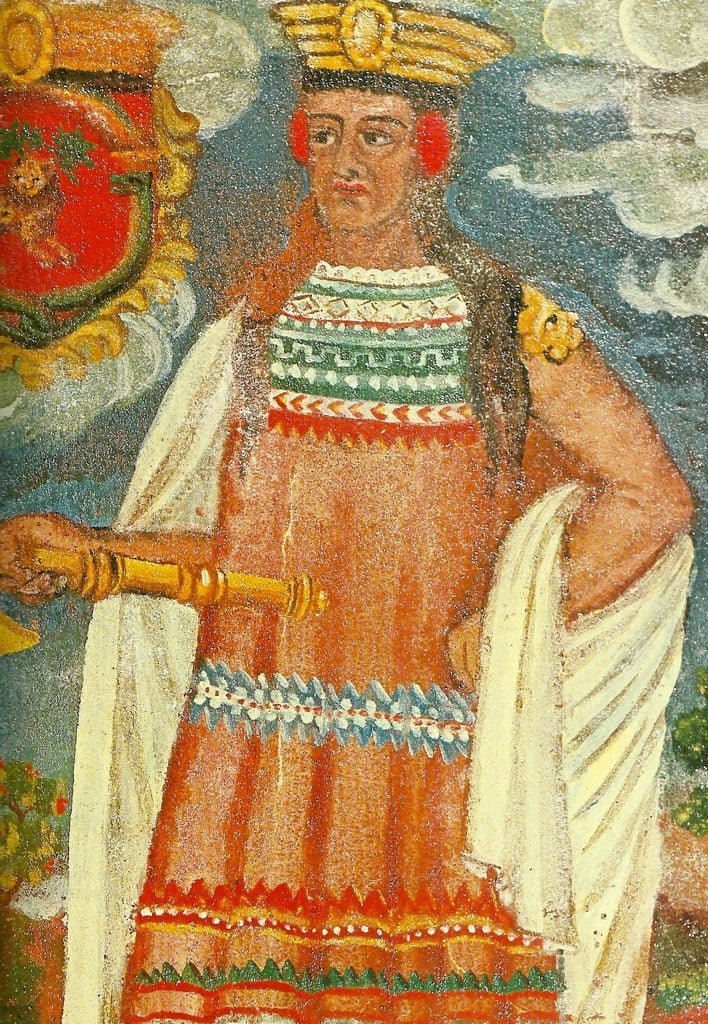
Atahualpa ruled the Incan Empire when Spanish conquistadors arrived. He offered to fill a room with gold and two rooms with silver in exchange for his freedom.
The rooms were large. He nearly filled them before the Spanish killed him anyway.
The Incas controlled gold and silver mines across the Andes. They used precious metals for religious and decorative purposes rather than currency.
Atahualpa’s ransom represented just a fraction of Incan wealth, but it was enough to fund Spanish colonial expansion for years. The empire’s total wealth was never properly measured before being looted.
Cyrus the Great’s Persian Treasury

Cyrus the Great founded the Persian Empire in the 6th century BCE and accumulated wealth from conquering Babylon, Lydia, and numerous other kingdoms. Each conquest added treasuries to his own.
He controlled territory from India to Greece. Persian kings maintained massive treasuries as symbols of power.
Cyrus collected tribute from across the empire and controlled important trade routes. He spent lavishly on infrastructure and military campaigns but always had more coming in.
His empire’s efficiency at collecting taxes and managing resources set standards that later empires copied.
Amenhotep III’s Egyptian Peak

Amenhotep III ruled Egypt during its peak prosperity in the 14th century BCE. Egypt controlled gold mines in Nubia, trade routes through the Mediterranean, and agricultural production along the Nile.
His reign saw massive building projects and diplomatic gift exchanges with other kingdoms. Surviving records show he sent gifts of gold weighing tons to foreign rulers.
That was just diplomatic spending. His personal wealth included palaces, temples, and treasuries filled with precious metals and goods.
Egypt during his reign was probably the richest kingdom in the world, and he owned most of it.
When Numbers Stop Making Sense

That number for Augustus? It seems big only because back then everyone had almost nothing. When people say Mansa Musa controlled a fortune worth hundreds of billions, they forget there were barely any goods to purchase.
Talking about ancient riches in today’s dollars turns history into nonsense. What good is cash when markets don’t exist?
Out of sheer luck, some struck riches through gold mines. Not far behind, others built fortunes on vast farms feeding whole regions.
Here and there, a handful grew rich by taxing busy trade paths. Then came those who seized treasure by taking over prosperous lands.
With that money, they raised soldiers, carved massive structures into stone, and shaped laws to their liking. Back then, tech gadgets and fancy comforts weren’t even a thing.
Worth wasn’t counted in cash – it showed in how people acted toward you. Their wealth was clear to anyone who met them; status spoke louder than coins.
Exact figures? Nobody really knows – estimates float around without proof. Still, one truth stood firm: their influence carried weight.
More from Go2Tutors!

- The Romanov Crown Jewels and Their Tragic Fate
- 13 Historical Mysteries That Science Still Can’t Solve
- Famous Hoaxes That Fooled the World for Years
- 15 Child Stars with Tragic Adult Lives
- 16 Famous Jewelry Pieces in History
Like Go2Tutors’s content? Follow us on MSN.



