Everyday Items That Are Secretly Spying On You
Your morning routine feels private. Coffee brewing, phone charging on the nightstand, smart speaker playing your favorite playlist.
The illusion of solitude is comforting, but it’s exactly that — an illusion. The devices that make life convenient are also quietly collecting data about your habits, preferences, and daily patterns.
Some do it openly through terms of service agreements you probably skipped reading. Others are more subtle about it.
Smart TVs

Smart TVs watch back. They track what shows you binge, how long you watch, when you pause, and even what you skip.
Samsung’s privacy policy mentions collecting voice data when you speak near the TV, whether it’s directed at the device or just casual conversation with family.
The real concern isn’t what Netflix learns about your taste for true crime documentaries. It’s the microphones that never fully turn off.
Background conversations, arguments, private moments — all potentially captured and processed. The TV manufacturers sell this data to advertisers who build detailed profiles of your household.
Voice Assistants

Alexa, Google Home, and Siri are always listening (despite what the companies claim about “wake word” activation). Amazon employees have admitted to reviewing thousands of voice recordings daily, including private conversations that accidentally triggered the devices.
These recordings are stored indefinitely unless you manually delete them, and even then, transcripts often remain.
But here’s what’s particularly unsettling: these devices don’t just hear your voice commands — they pick up ambient noise, conversations between family members, TV shows playing in the background, and phone calls. That data helps build an incredibly detailed picture of your daily life, relationships, and habits that goes far beyond what you intentionally shared.
And the location tracking never stops, even when you think you’ve disabled it. Your phone logs every place you visit through cell tower triangulation, Wi-Fi network detection, and Bluetooth beacons in stores.
Google and Apple store this location history indefinitely by default — creating a detailed map of everywhere you’ve been, how long you stayed, and how often you return to specific places.
So your phone knows you stopped at that particular coffee shop every Tuesday morning for six months, that you visited a medical clinic last Thursday, and that you spent an unusual amount of time at your ex’s apartment two weeks ago.
This location data is incredibly valuable to advertisers and data brokers, who use it to infer everything from your income level to your relationship status to your health concerns.
Fitness Trackers
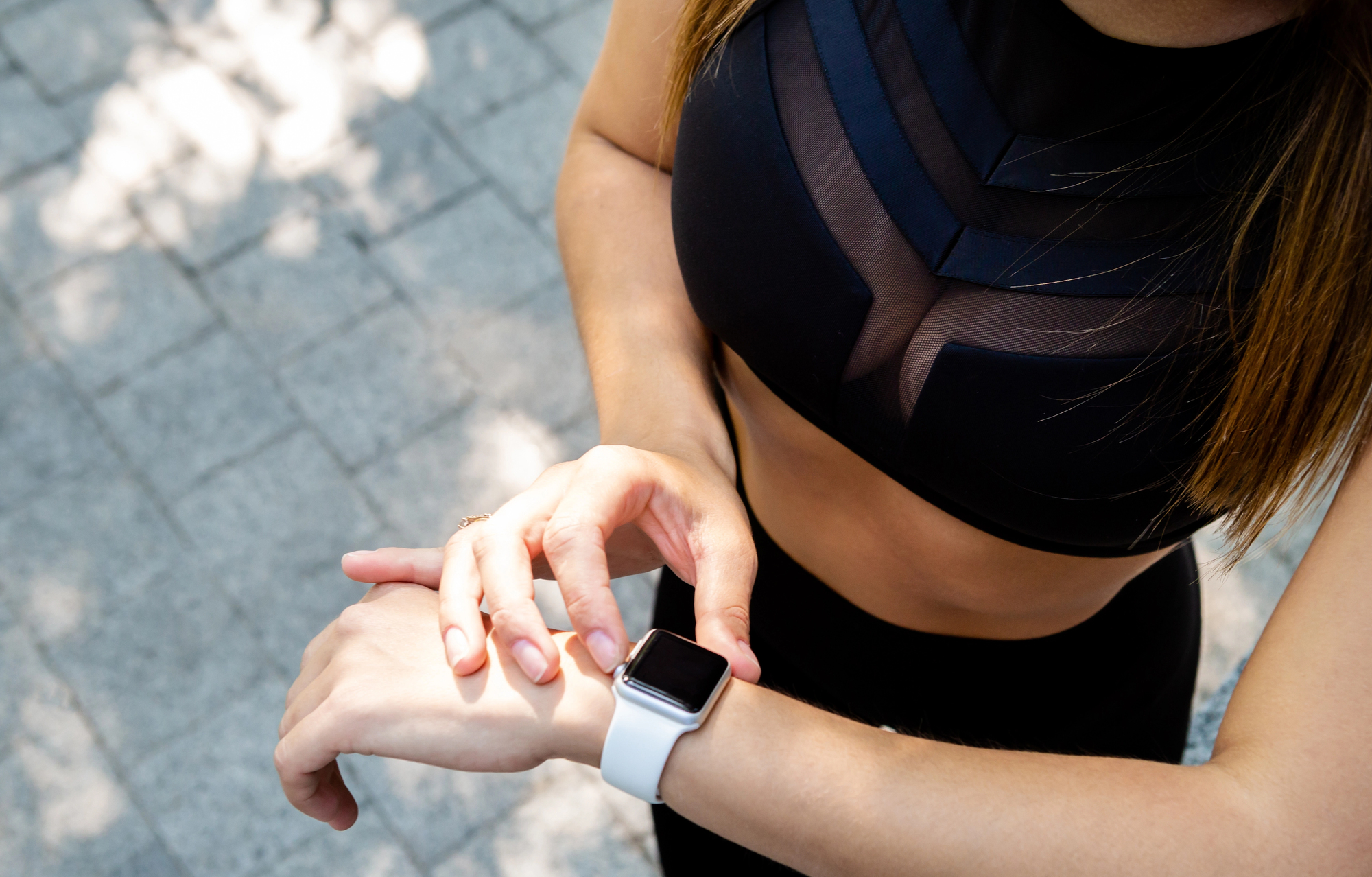
There’s something almost maternal about the way a fitness tracker nudges you toward better habits — counting steps, monitoring heart rate, gently buzzing when you’ve been sitting too long. It feels like having a personal health coach strapped to your wrist, quietly rooting for your success.
But that intimate health data doesn’t stay between you and your device.
The information these trackers collect is staggeringly personal: sleep patterns, stress levels, menstrual cycles, heart rate variability, and even the intensity of your physical activities.
Insurance companies are particularly interested in this data, and some already offer discounts for sharing fitness tracker information.
The concern isn’t just current policies — it’s how this health data might be used against you in the future.
Smart Home Security Cameras
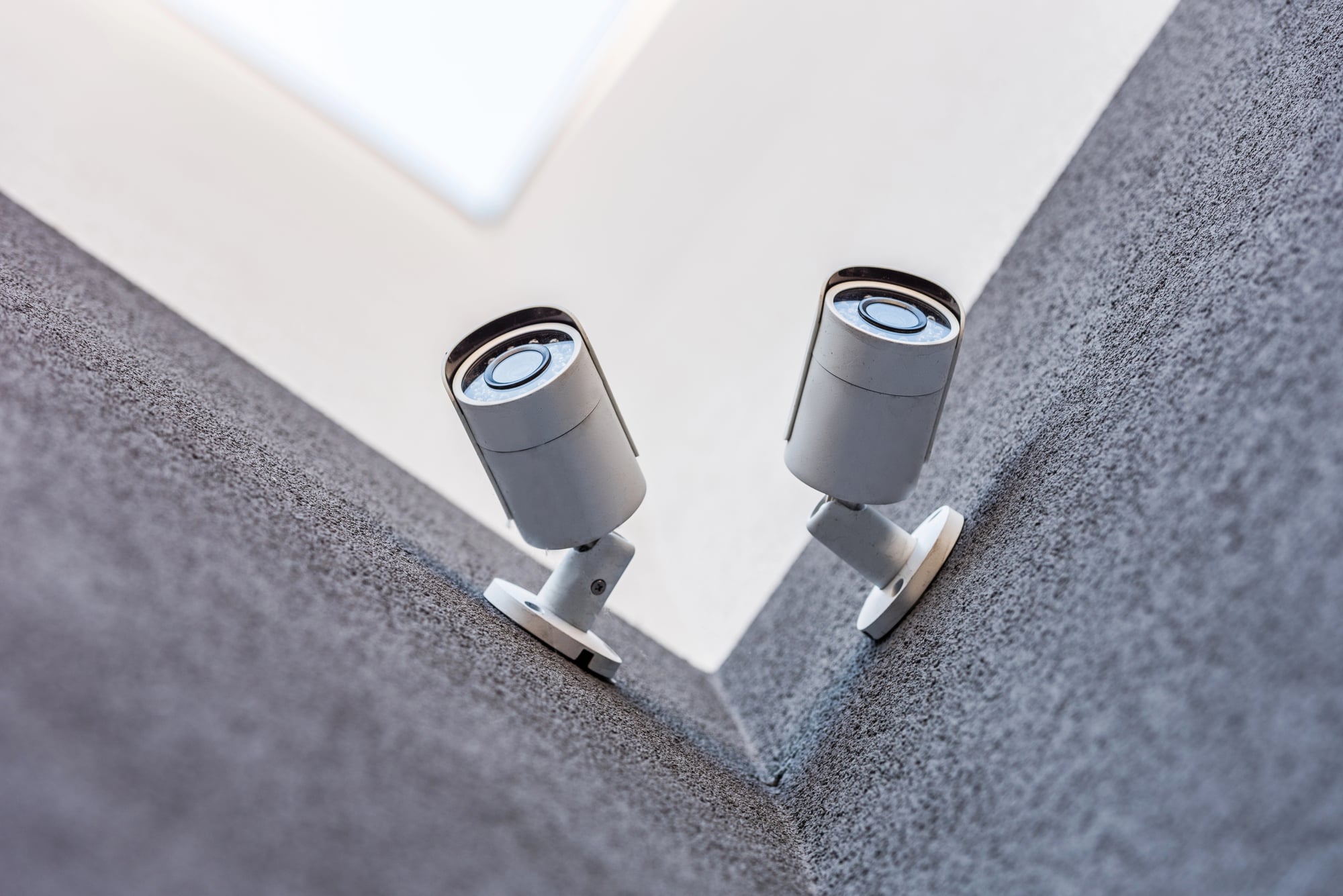
Ring doorbells and similar devices are supposed to make homes safer. They’re marketed as protection against package thieves and unwanted visitors.
The reality is more complicated.
These cameras don’t just record when motion is detected — they’re constantly analyzing and cataloging who comes and goes from your home.
Facial recognition software identifies regular visitors, delivery drivers, and strangers.
Amazon has acknowledged sharing Ring footage with law enforcement without warrants or user consent in “emergency” situations that the company defines broadly.
Gaming Consoles

PlayStation, Xbox, and Nintendo Switch consoles collect far more data than most people realize. They track which games you play, how long you play them, your skill progression, in-game purchases, and even voice chat conversations.
Microsoft’s Xbox privacy policy mentions recording voice data to “improve services” — meaning your gaming sessions aren’t as private as they feel.
The consoles also monitor your friends list, messages, and social interactions within games.
This behavioral data helps companies target advertisements and design games to maximize engagement and spending.
Some gaming companies have admitted to adjusting game difficulty and reward systems based on spending patterns to encourage more purchases.
Smart Refrigerators And Appliances

Smart refrigerators know more about your eating habits than your doctor does (and they’re more honest about your midnight snack runs). These connected appliances track when you open the door, what items you store inside through internal cameras, and how quickly you consume different foods.
Some models even monitor the nutritional content of your groceries and suggest recipes based on what’s available.
But here’s where it gets invasive: these appliances often connect to other smart home devices, sharing data about your daily routines — when you wake up, when you cook, when you’re away from home.
Samsung’s smart refrigerators have been caught sending data to servers in South Korea, regardless of where the appliance is actually located.
The information helps build detailed consumer profiles that extend far beyond kitchen habits.
Streaming Devices

Roku, Chromecast, Apple TV, and Fire Sticks are data collection machines disguised as entertainment devices. They track everything you watch, how long you watch it, what you skip, pause, or rewind.
But the surveillance goes deeper than viewing habits.
These devices monitor which apps you download, how often you use them, and even track your behavior within apps.
Amazon’s Fire Stick has been particularly aggressive about data collection, monitoring voice searches, browsing patterns, and cross-referencing viewing habits with purchase history from Amazon accounts.
The company uses this data to suggest products and build advertising profiles that extend across all Amazon services.
Smartwatches
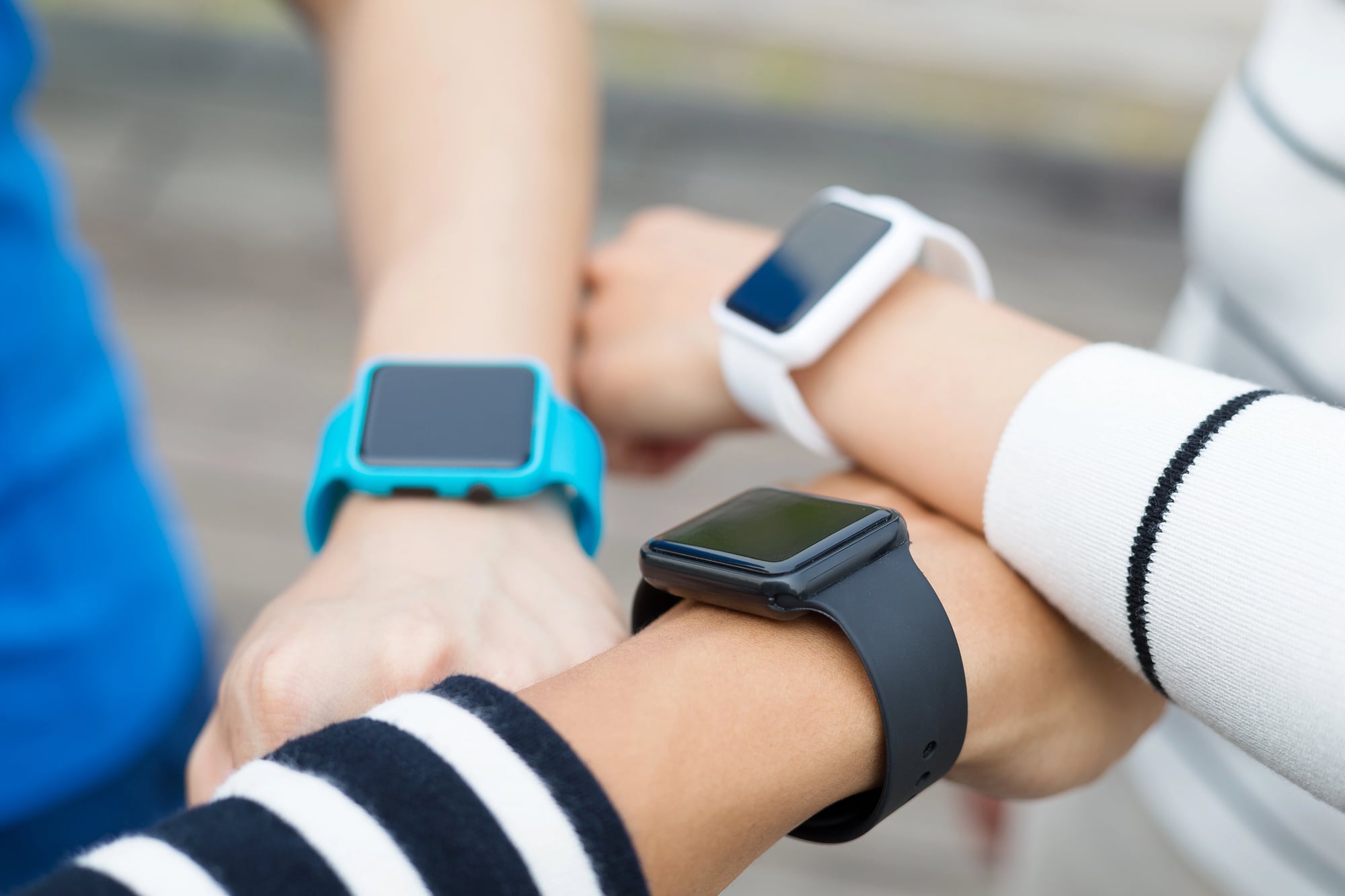
The watch on your wrist knows when you’re anxious before you do. Heart rate spikes, changes in movement patterns, even subtle shifts in skin temperature — smartwatches collect incredibly intimate physiological data that reveals emotional states, health conditions, and stress levels.
Apple Watch and similar devices track sleep quality, exercise intensity, and even intimate activity through motion sensors.
This health data is valuable to insurance companies, employers, and advertisers who want to understand your lifestyle and risk factors.
Some employers already offer discounts for sharing fitness data, and there’s growing concern about how this information might be used to discriminate against people with health conditions or lifestyle factors deemed “risky” by algorithms.
Internet Routers
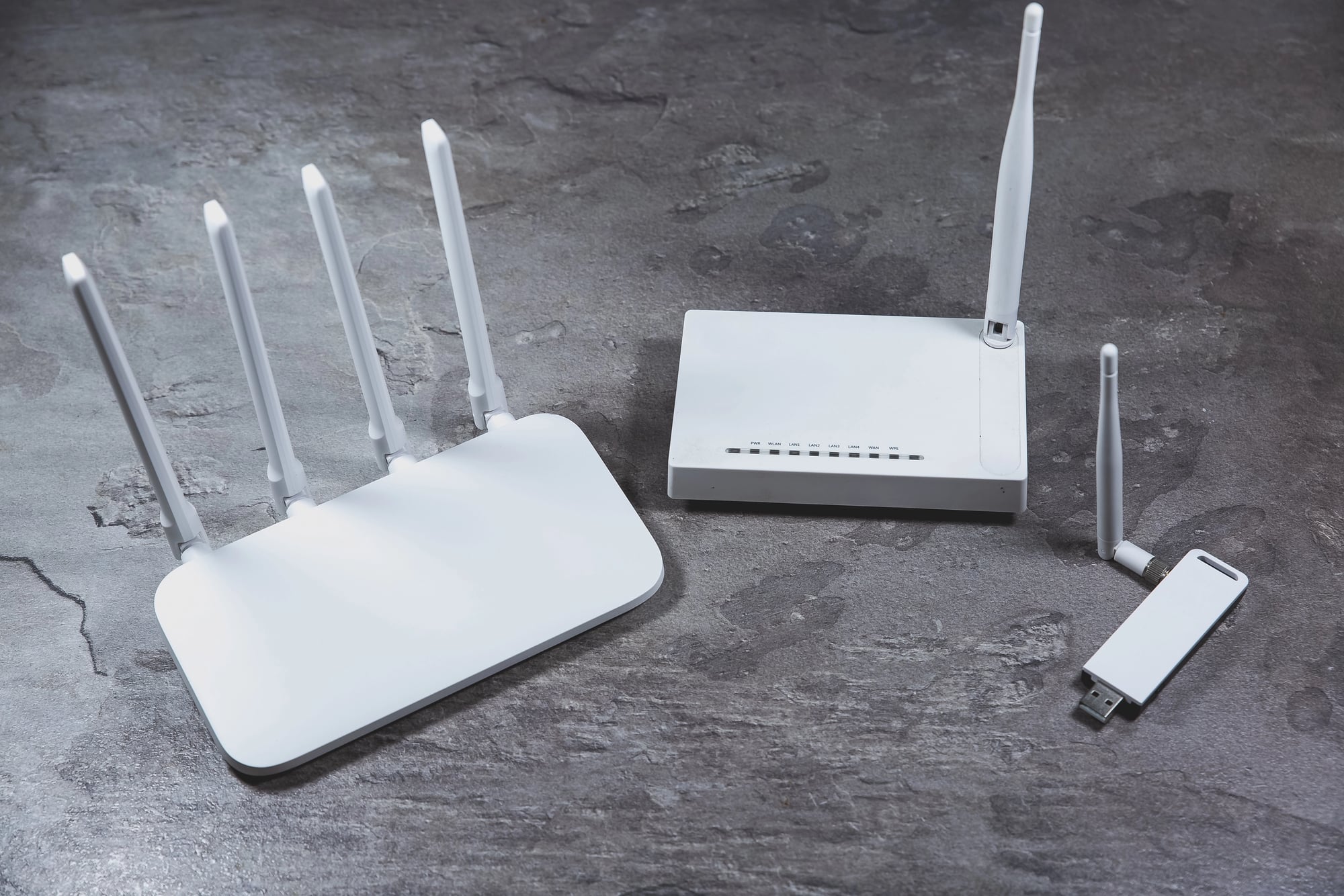
Your home router sees everything. Every website visited, every app used, every connected device in your home — it all flows through that little box most people forget exists after the initial setup.
Router manufacturers often collect this browsing data and sell it to advertising companies and data brokers.
Even when you use private browsing or VPN services, your router still logs connection times, data usage patterns, and device information.
Some router companies have been caught injecting tracking code into web pages or redirecting DNS requests to their own servers for monitoring purposes.
The data reveals detailed patterns about your household’s internet usage, which devices are active when, and even which family members use which services.
Smart Doorbells
Beyond the obvious privacy concerns about recording visitors, smart doorbells create detailed logs of your coming and going patterns.
They know when you leave for work, how long you’re away, who visits while you’re gone, and when you return.
This data is incredibly valuable for building profiles about your daily routines and lifestyle.
Amazon’s Ring has partnerships with police departments that allow law enforcement to request footage from private doorbells without warrants.
The company has created a surveillance network that extends far beyond individual property lines, effectively turning neighborhoods into monitored zones where privacy is increasingly difficult to maintain.
E-Readers And Tablets

Kindle and other e-readers track reading habits with disturbing precision.
They know which books you read, how fast you read them, where you stop reading, which passages you highlight, and which books you abandon halfway through.
Amazon uses this data to recommend new books and to understand reading patterns across their entire user base.
But the surveillance goes beyond consumption habits.
E-readers track the time of day you read, how long your reading sessions last, and even correlate reading material with purchase patterns from other Amazon services.
This creates detailed psychological profiles based on literary preferences, reading speed, and the types of content that hold your attention.
The Watching Never Stops

The devices we invite into our homes have fundamentally changed the nature of privacy. What used to be private spaces — bedrooms, kitchens, living rooms — are now monitored environments where our most intimate habits are recorded, analyzed, and monetized.
The convenience these devices provide comes with a hidden cost that most people don’t fully understand until it’s too late to opt out.
The data these devices collect doesn’t disappear when you upgrade to newer models or switch brands.
It lives in corporate databases, gets sold to third parties, and becomes part of permanent digital profiles that follow you for life.
The smart home revolution has been remarkably successful at making surveillance feel like convenience
More from Go2Tutors!

- The Romanov Crown Jewels and Their Tragic Fate
- 13 Historical Mysteries That Science Still Can’t Solve
- Famous Hoaxes That Fooled the World for Years
- 15 Child Stars with Tragic Adult Lives
- 16 Famous Jewelry Pieces in History
Like Go2Tutors’s content? Follow us on MSN.