Facts About Medieval Times That Defy Expectations
The medieval period often gets painted as a thousand years of darkness, filth, and ignorance.
Popular culture loves to show us dirty peasants wallowing in mud, superstitious fools who thought the Earth was flat, and people who never bathed.
The reality was far more complex and, frankly, a lot more interesting than Hollywood would have us believe.
Medieval people were clever, innovative, and surprisingly hygienic—though their approach to life certainly had its quirks.
Here is a list of 16 facts about medieval times that challenge everything you thought you knew about the era.
They Actually Bathed Regularly
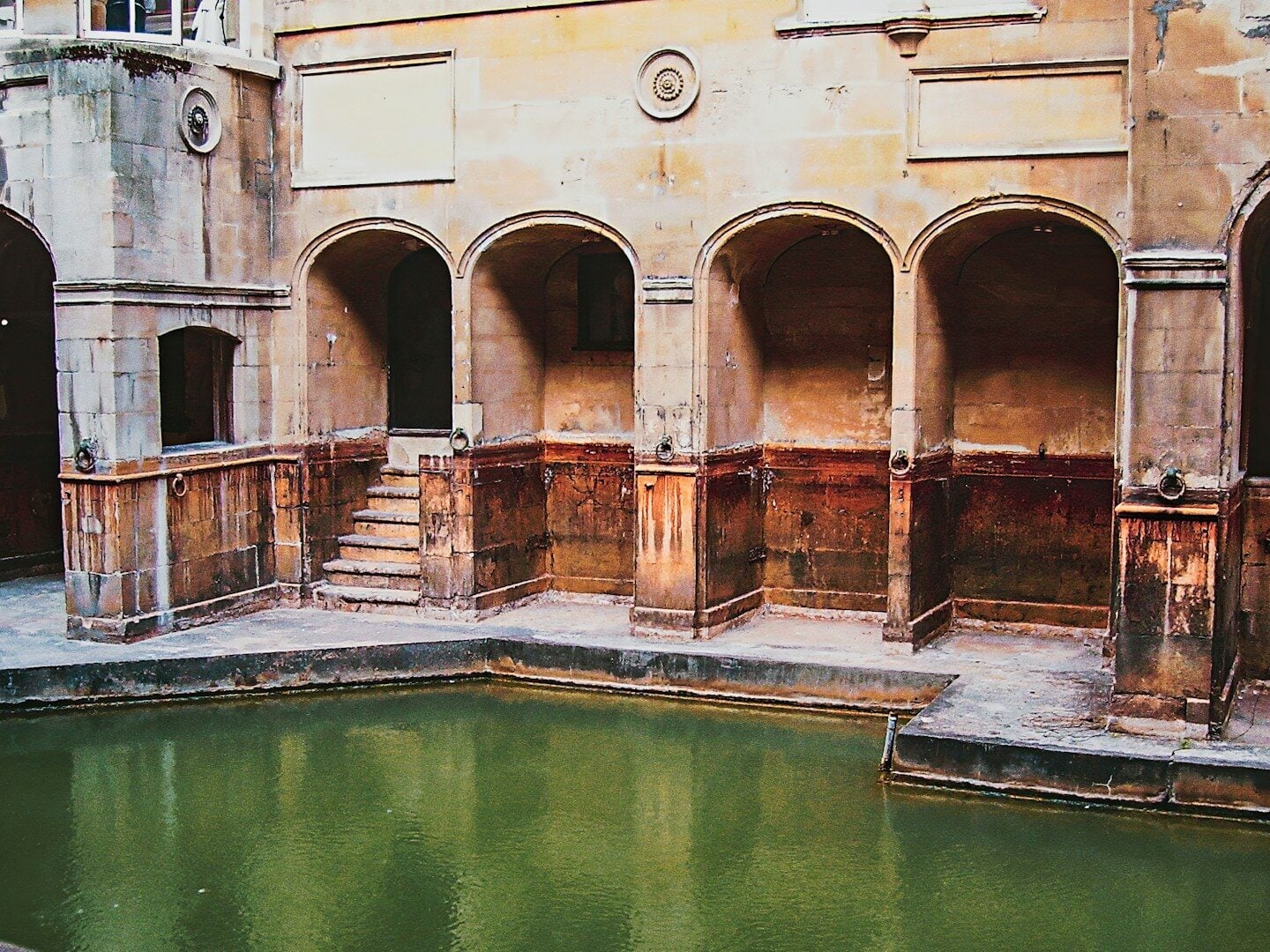
Medieval people bathed frequently and valued cleanliness highly, making them something of a bathing culture similar to modern Japan.
By the fifteenth century, visiting town bathhouses was as common as going out to a restaurant would become four centuries later.
Poor folks might wash daily in a basin at home or take a dip in the local river, while wealthier individuals had their own tubs and used fancy olive oil soap.
Towns like Nuremberg had 14 public bathhouses, and thirteenth-century Paris boasted 32 of them.
The stereotype of the unwashed medieval person actually came from Victorian writers who wanted to feel superior to their ancestors.
They Invented Soap
Soap is actually a medieval invention, introduced from the East and quickly adopted throughout Europe.
The Romans, whom nobody accuses of being filthy, actually didn’t have soap at all—they used oil instead.
Medieval people made soap at home, and recipe books from the period included various formulations that could still be made today.
Even peasants who couldn’t afford the fancy stuff would scent their bath water with herbs like thyme or sage.
They also created deodorants using bay leaves, hyssop, or sage, because apparently nobody wanted to smell bad even back then.
Like Go2Tutors’s content? Follow us on MSN.
They Knew the Earth Was Round

Virtually every medieval scholar believed the Earth was round, and they assumed it was perfectly spherical.
One scholar named Abu Rayhan Biruni calculated the radius of the Earth using mathematics and was only off by about 19 miles.
The whole ‘flat Earth’ myth was invented in the nineteenth century by writers like Washington Irving who wanted to make medieval people look backward.
Medieval Europeans were so aware of the Earth’s shape that they even understood time zones—Dante discussed how the planet’s spherical form caused different times in different locations in his Divine Comedy, completed in 1320.
Vikings Never Wore Horned Helmets

Vikings and other medieval warriors never wore horned helmets, as such headgear would have been easily knocked off in battle.
This silly idea didn’t pop up until the nineteenth century when costume designers started including them in famous operas.
Carl Emil Doepler, a costume designer working around 1880, was key in spreading this misconception.
It would have been spectacularly dumb for a Viking to wear something that gave opponents an easy handle to grab during combat, yet the image stuck in popular imagination because it looked dramatic.
Men’s Fashion Got Ridiculously Revealing
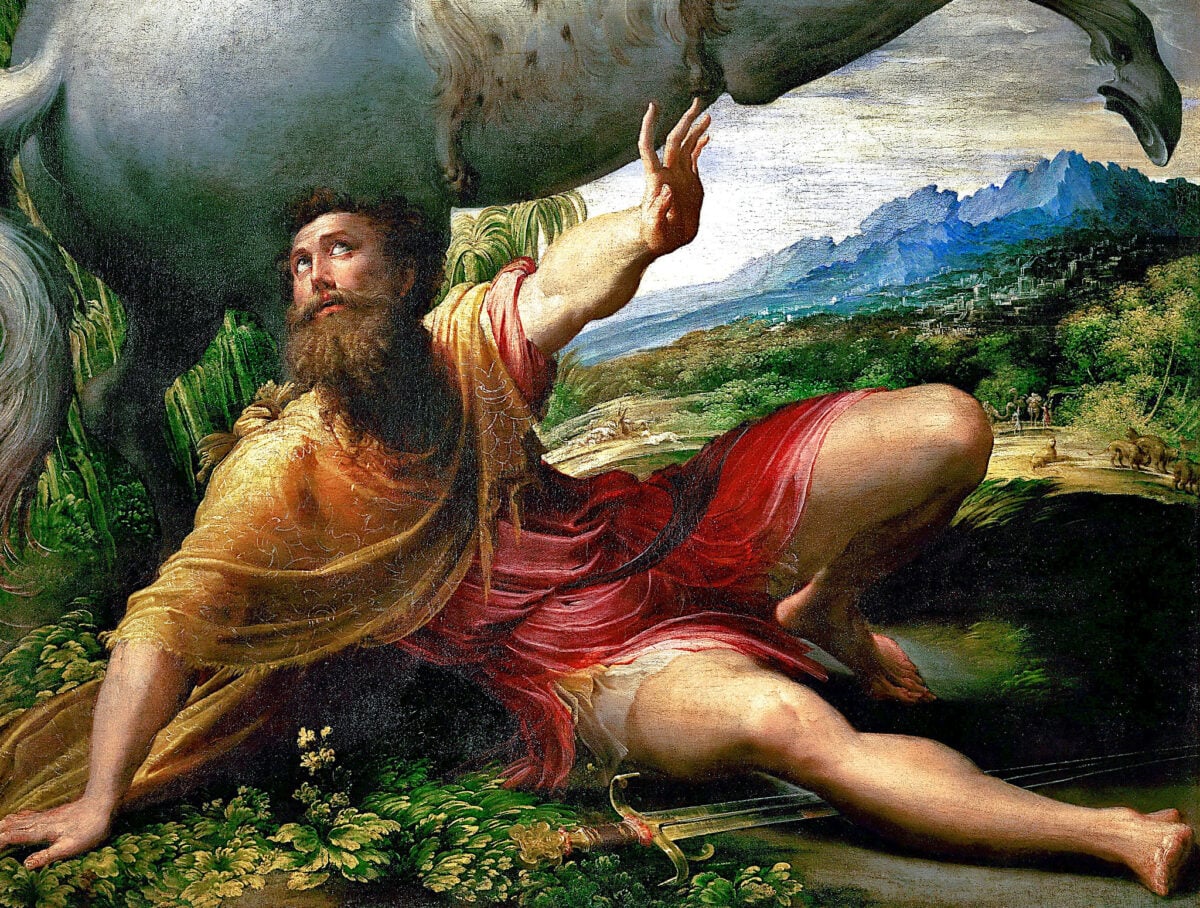
Late fourteenth-century men wore dangerously short tunics with tights, followed by the codpiece—a pouch attached to the front of men’s trousers that was shaped and padded to emphasize their masculinity.
By the 1390s, fashionable young noblemen paraded around in tights and extremely short tunics that showed off the wearer’s front and rear.
England briefly turned into a nation of medieval David Bowies.
There was even a law about who could wear these revealing short tunics, and surprisingly, only the rich were allowed to show off their backsides.
Like Go2Tutors’s content? Follow us on MSN.
Shoe Length Indicated Social Status
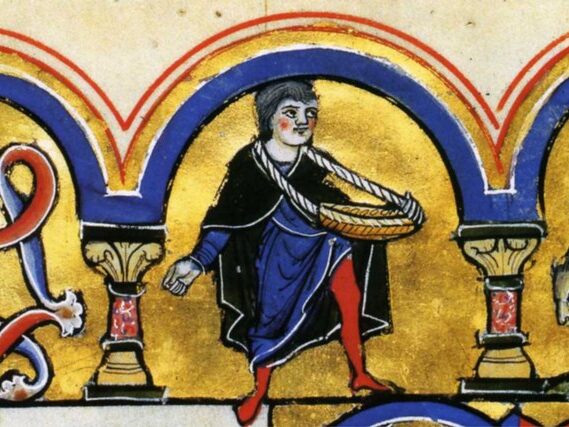
Long, pointed shoes for men became a fashion trend where the longer the shoes were, the greater the wealth and social rank of the wearer.
Some shoes became so absurdly long they had to be reinforced with whalebone just to maintain their shape.
Picture trying to walk around in footwear that extends several inches beyond your toes, stiffened with bits of whale skeleton.
The impracticality was precisely the point—if you could afford to wear shoes that made normal activities difficult, you were advertising that you didn’t need to do manual labor.
Women Plucked Their Hairlines for Beauty
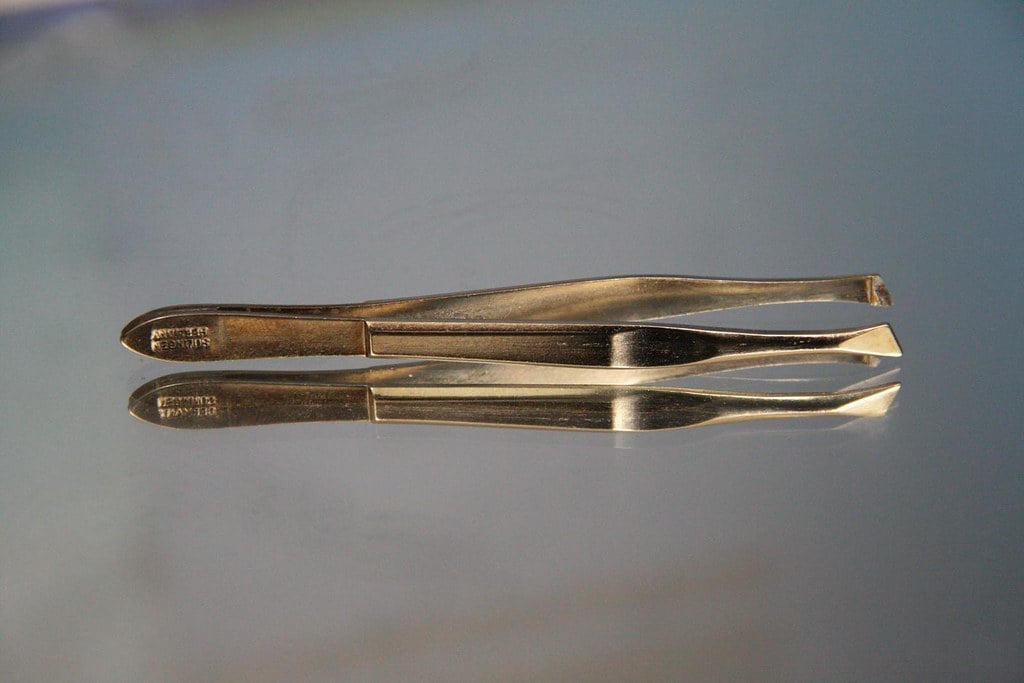
In the thirteenth century, European women plucked their hairlines to make their foreheads bigger because large foreheads were considered incredibly attractive.
The bigger and rounder your forehead, the sexier you were considered.
Women would also pluck their eyebrows and eyelashes to achieve a smooth, round facial appearance.
This wasn’t just a minor beauty tweak—it was a deliberate reshaping of the face that must have been time-consuming and probably painful.
Fashion has always demanded sacrifice, apparently.
Medieval Farm Animals Were Tiny

A full-grown medieval bull was only slightly larger than a modern calf, and sheep were about a third the size they are today.
Depending on the breed, fleece yield was sometimes less than one pound per sheep, compared to modern sheep that yield around 7.3 pounds of wool.
This was before scientific breeding programs and modern agricultural techniques improved livestock.
Imagine looking at what you thought was a calf only to discover it was actually a fully mature bull.
The medieval barnyard would look like a petting zoo to modern eyes.
Like Go2Tutors’s content? Follow us on MSN.
They Put Animals on Trial

There are records of animals being taken to court for killing people or occasionally for smaller crimes, supervised by local clergy.
Pigs, in particular, were frequently hauled before judges for various offenses.
The animals would be assigned legal representation and the whole judicial process would play out as though the defendant could understand the charges.
This wasn’t considered absurd at the time—there was genuine legal theory behind it.
Whether the pig found the proceedings fair remains undocumented.
German Couples Could Divorce by Combat
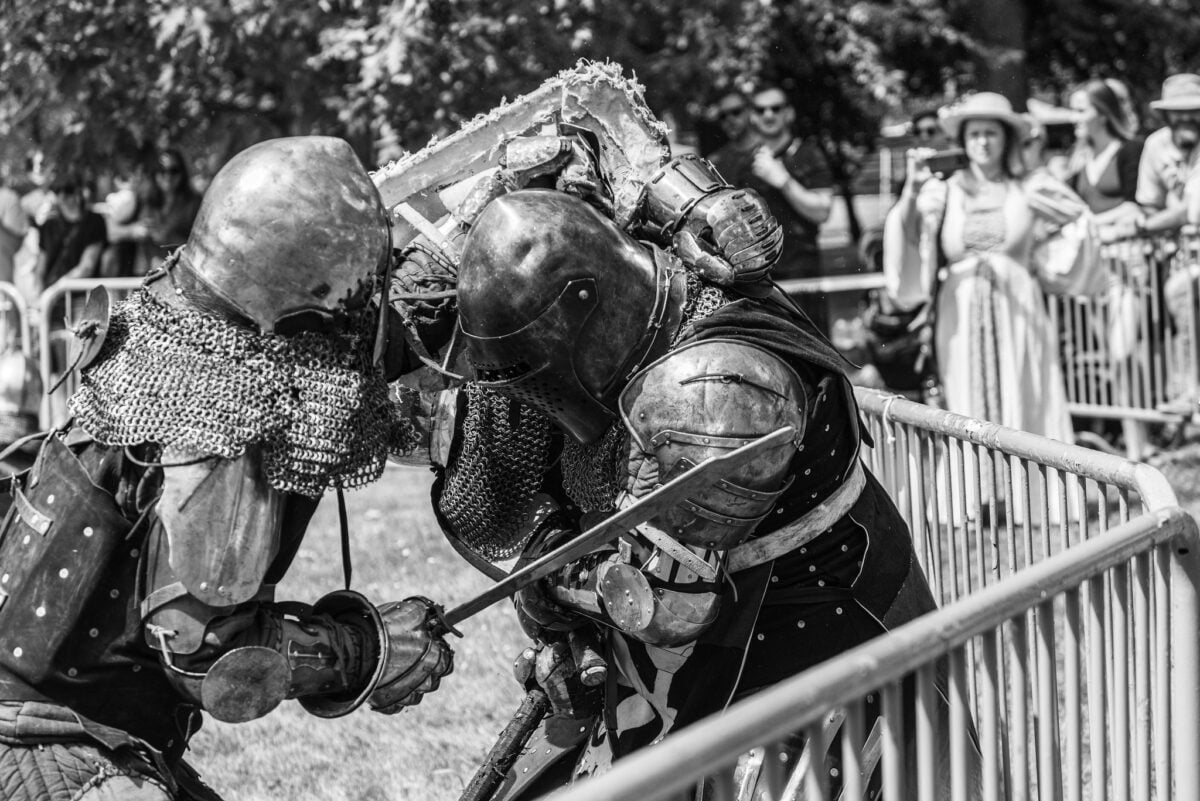
In medieval Germany, married couples could settle disputes through trial by single combat, with bizarre restrictions to make it fair—the husband had to stand in a pit with one hand behind his back while his wife ran around with a sack filled with rocks.
This wasn’t just for divorce proceedings but for any serious marital disagreement.
The image of a man standing waist-deep in a pit while dodging rock-filled sacks hurled by his spouse is both comical and slightly horrifying.
One wonders how many marriages were saved simply because neither party wanted to deal with this process.
Football Was Banned for Being Too Destructive

Mob football involved an unlimited number of players, a pig’s bladder, and very few rules, causing such destruction that King Edward II banned it in 1314.
His proclamation noted there was ‘great noise in the city caused by hustling over large orbs’ and forbade the game ‘on pain of imprisonment.’
King Edward III went further with his Archery Law of 1363, commanding all male subjects to practice archery for two hours every Sunday and banning all other sports on pain of death.
Medieval rulers really wanted their subjects ready for war, not wasting time on recreation.
Like Go2Tutors’s content? Follow us on MSN.
Salt Was Worth Its Weight in Gold

Salt was extremely expensive in medieval times, and both pepper and sugar were more expensive by weight than gold.
Roman soldiers received at least part of their wages in salt, the Latin word for which was ‘sal’—the origin of our word salary.
Today you can buy a 50-pound bag of salt for pocket change, but back then it was a precious commodity used for preserving food in a world without refrigeration.
The value of salt shaped trade routes, influenced politics, and even determined where people settled.
They Drank Alcohol All Day

In medieval England, people rarely drank water because of disease risks, so most people turned to wine, beer, or cider instead, meaning it was perfectly common to be at least slightly drunk most of the time.
Fresh spring water was acceptable if you could find it, but for the average person, alcohol was the safe bet.
It was perfectly common to drink large amounts throughout the day, so cracking open a cold one at 10:30 in the morning was completely normal.
This wasn’t considered a social problem—it was basic survival in an era when the water supply could literally kill you.
Stored Rye Caused Hallucinations

Summer was difficult for villagers because they’d often have to use old rye to make bread while waiting for the new crop, and stored rye was frequently infected with ergot, a fungus with LSD-like qualities that caused hallucinations, gangrene, and sometimes death.
People would be going about their daily business while tripping on their breakfast bread.
Some historians believe ergot poisoning might explain certain accounts of visions and strange behavior in medieval records.
The line between religious ecstasy and accidental poisoning was sometimes thinner than anyone realized.
Like Go2Tutors’s content? Follow us on MSN.
Metal Needles Were Worth More Than Diamonds
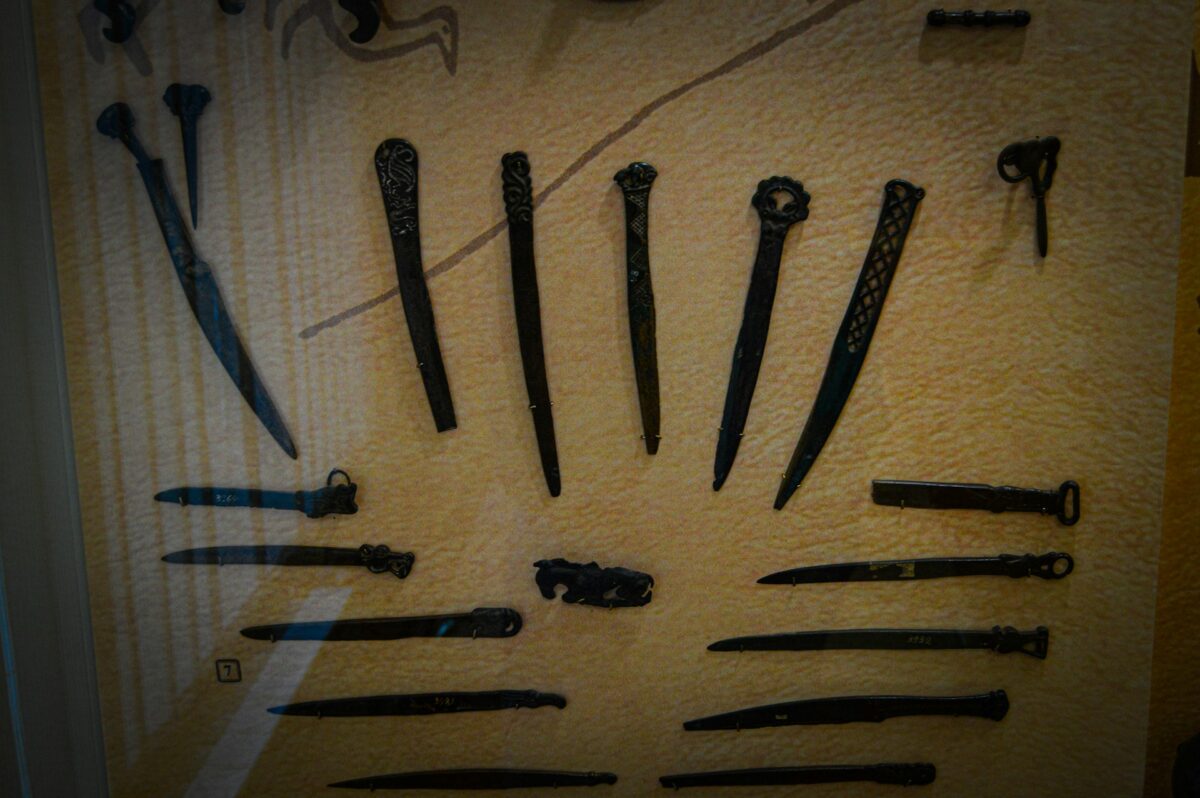
A very wealthy medieval lady might own as many as six metal needles, and in the fourteenth century, metal needles were more expensive than diamonds.
The manufacturing process was difficult and time-consuming, making these simple tools incredibly valuable.
Today we buy packets of needles without a second thought, but in medieval times, a metal needle was a precious heirloom passed down through generations.
The wealthy guarded them carefully, and losing one was a genuine tragedy.
Monks Made Hilarious Copy Errors

Books had to be copied by hand, often by monks working by candlelight in tedious conditions, and sometimes they made mistakes—one of the most famous being in the ‘Infernal Bible’ where a commandment was copied as ‘Thou Shalt Kill’ instead of ‘Thou Shalt Not Kill’.
Imagine being the monk who realized his drowsy error had created a biblical endorsement of murder.
These copying mistakes ranged from minor spelling errors to spectacular theological mishaps.
Some monks left frustrated notes in the margins complaining about the cold, the darkness, or how much their hands hurt, giving us a very human glimpse into their working conditions.
Looking Back at the Looking Glass
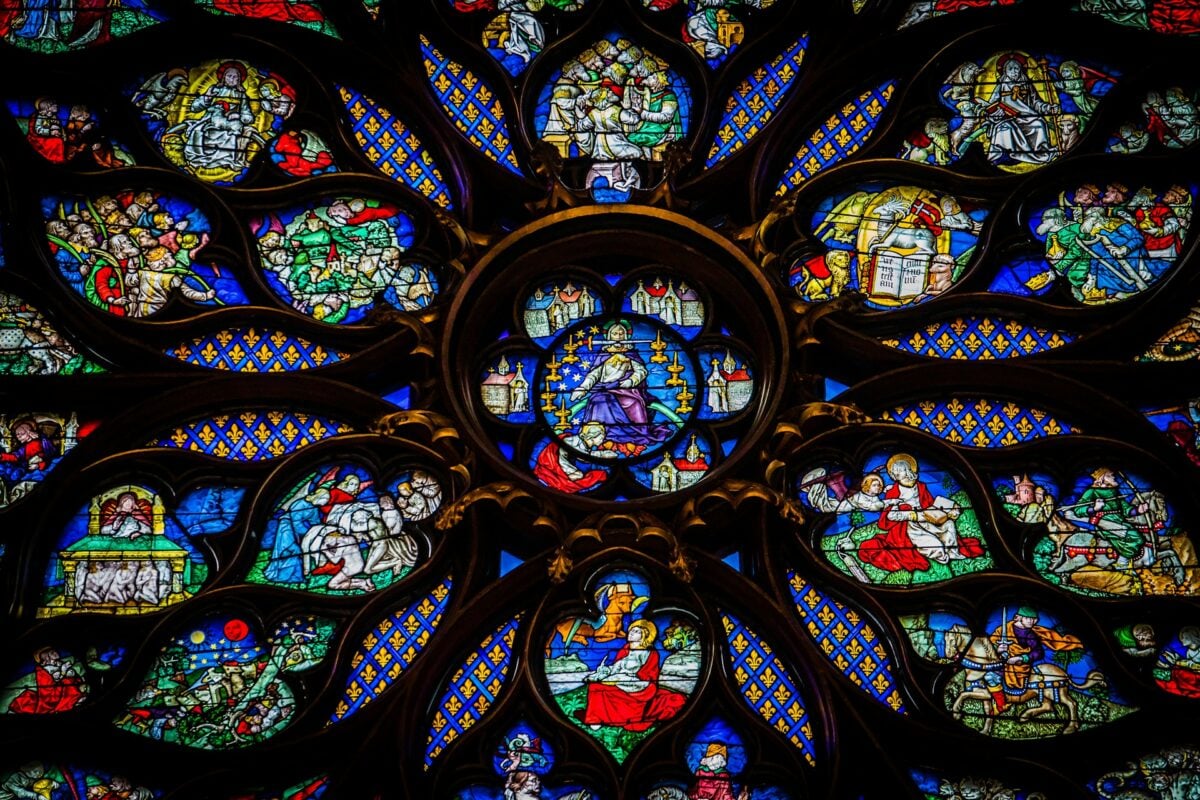
The medieval period wasn’t the barbaric, filthy dark age we’ve been taught to imagine.
People cared about hygiene, made scientific advances, created sophisticated legal systems, and followed fashion trends just as avidly as we do today.
Sure, some of their customs seem bizarre—trial by marital combat, anyone?—but they were navigating life with the knowledge and technology available to them.
The real surprise isn’t how different medieval people were from us, but how similar their concerns and vanities turned out to be, even when expressed through plucked hairlines and comically long shoes.
More from Go2Tutors!

- 16 Historical Figures Who Were Nothing Like You Think
- 12 Things Sold in the 80s That Are Now Illegal
- 15 VHS Tapes That Could Be Worth Thousands
- 17 Historical “What Ifs” That Would Have Changed Everything
- 18 TV Shows That Vanished Without a Finale
Like Go2Tutors’s content? Follow us on MSN.



