16 Countries With The Most World Heritage Sites
Walking through an ancient city center or standing before a natural wonder that has existed for millennia creates a feeling that’s hard to describe. These places connect us to something larger than our everyday lives — stories written in stone, landscapes that have witnessed the rise and fall of civilizations, traditions that have survived against all odds.
The World Heritage List recognizes these irreplaceable treasures, marking sites that belong not just to one nation, but to all of humanity. Some countries have accumulated remarkable collections of these designated sites over the decades.
Their lists read like travel bucket lists, packed with names that spark immediate recognition alongside hidden gems that deserve equal attention.
Italy
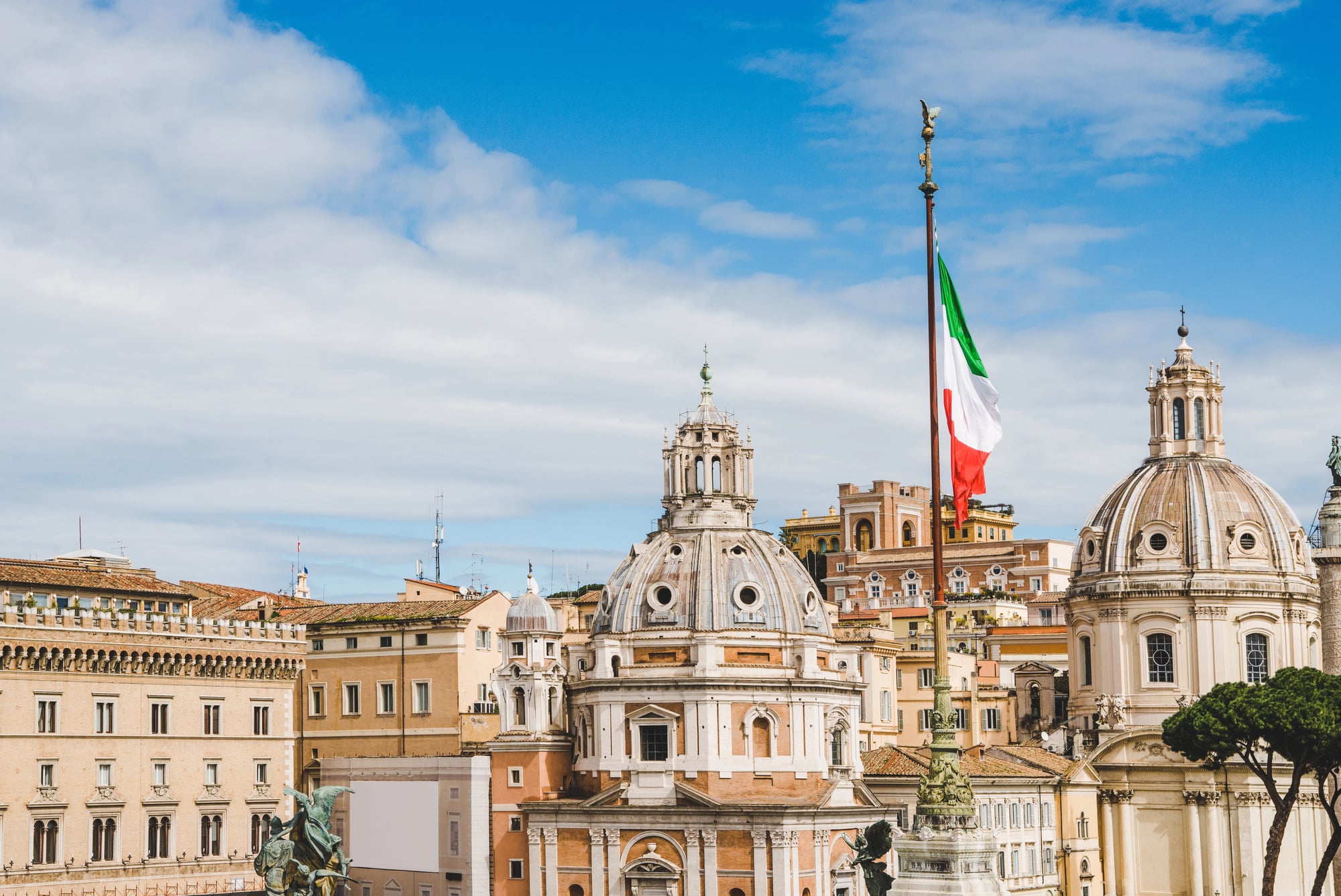
Italy dominates the World Heritage scene with 58 sites. No surprise there.
The country practically invented the concept of cultural preservation — every cobblestone seems to have a story, every hillside villa looks like it stepped out of a Renaissance painting.
From the Colosseum to the canals of Venice, Italy’s sites span thousands of years of human achievement. The Vatican alone houses enough artistic treasures to occupy weeks of exploration.
And that’s before considering the natural sites like Mount Etna or the dramatic coastline of the Amalfi Coast.
China

China’s 56 World Heritage Sites tell the story of one of the world’s oldest continuous civilizations, though the country’s relationship with these designations reveals something more complex than simple preservation (because when you’re managing a population of 1.4 billion people, conservation takes on entirely different challenges than it does elsewhere). The Great Wall stretches across northern China like a stone dragon — which sounds poetic until you realize it represents centuries of forced labor and military necessity.
But then there are sites like the classical gardens of Suzhou, spaces designed for contemplation that still manage to provide moments of genuine peace despite the crowds. So you find yourself torn between admiration for the craftsmanship and awareness of the human cost, which is perhaps the most honest way to experience history anyway.
The natural sites prove equally impressive. Jiuzhaigou Valley creates landscapes so vivid they seem artificially enhanced, while the South China Karst formations demonstrate geological processes that dwarf human timelines entirely.
Germany
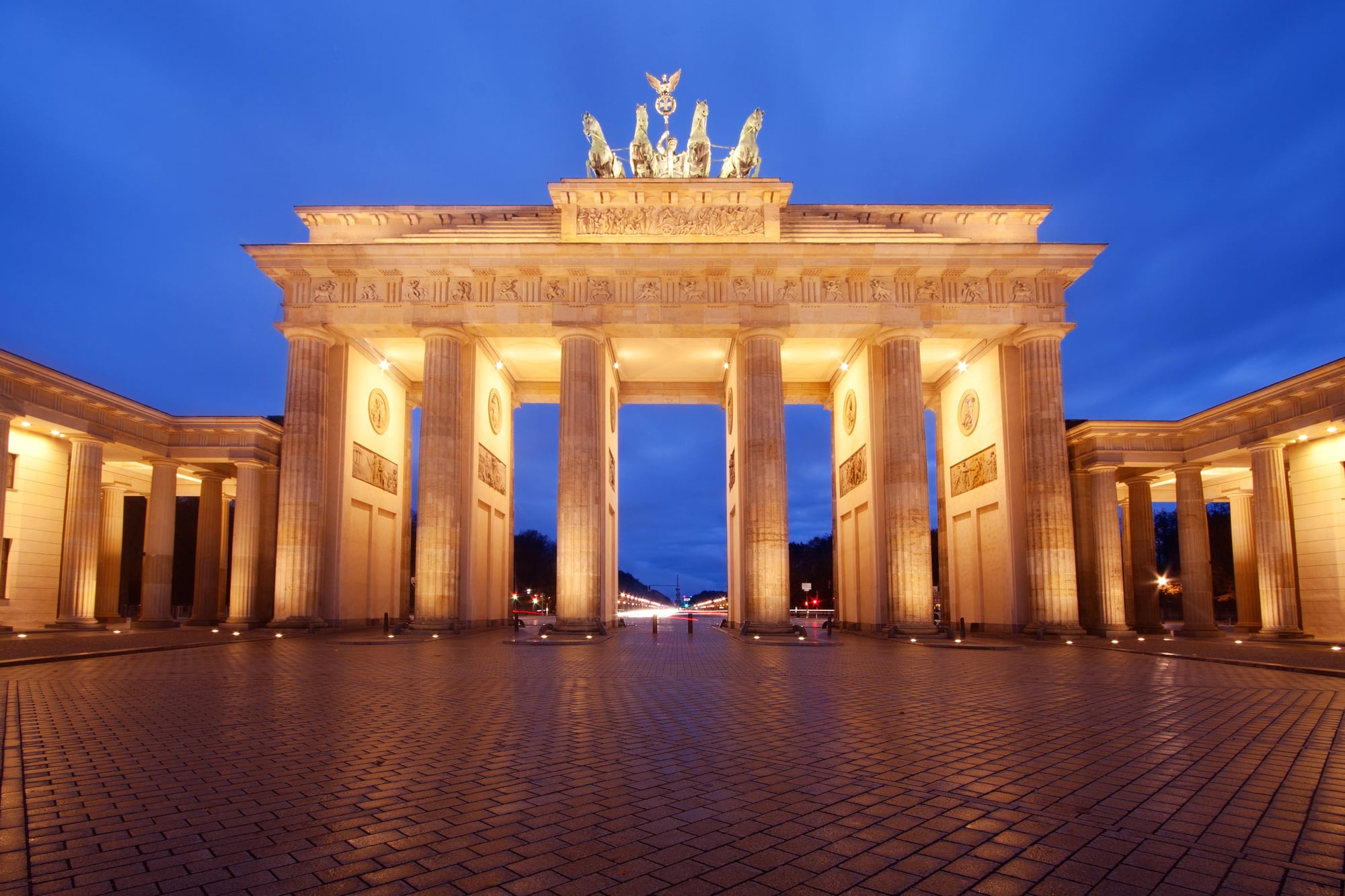
German efficiency extends to heritage preservation, it seems. With 51 World Heritage Sites, the country has managed to protect everything from medieval town centers that survived two world wars to industrial complexes that helped shape the modern world.
Cologne Cathedral took over 600 years to complete, which says something about German persistence. The Bauhaus sites in Weimar and Dessau represent a design philosophy that still influences architecture today.
These aren’t just tourist attractions — they’re living examples of how societies choose to remember themselves.
France
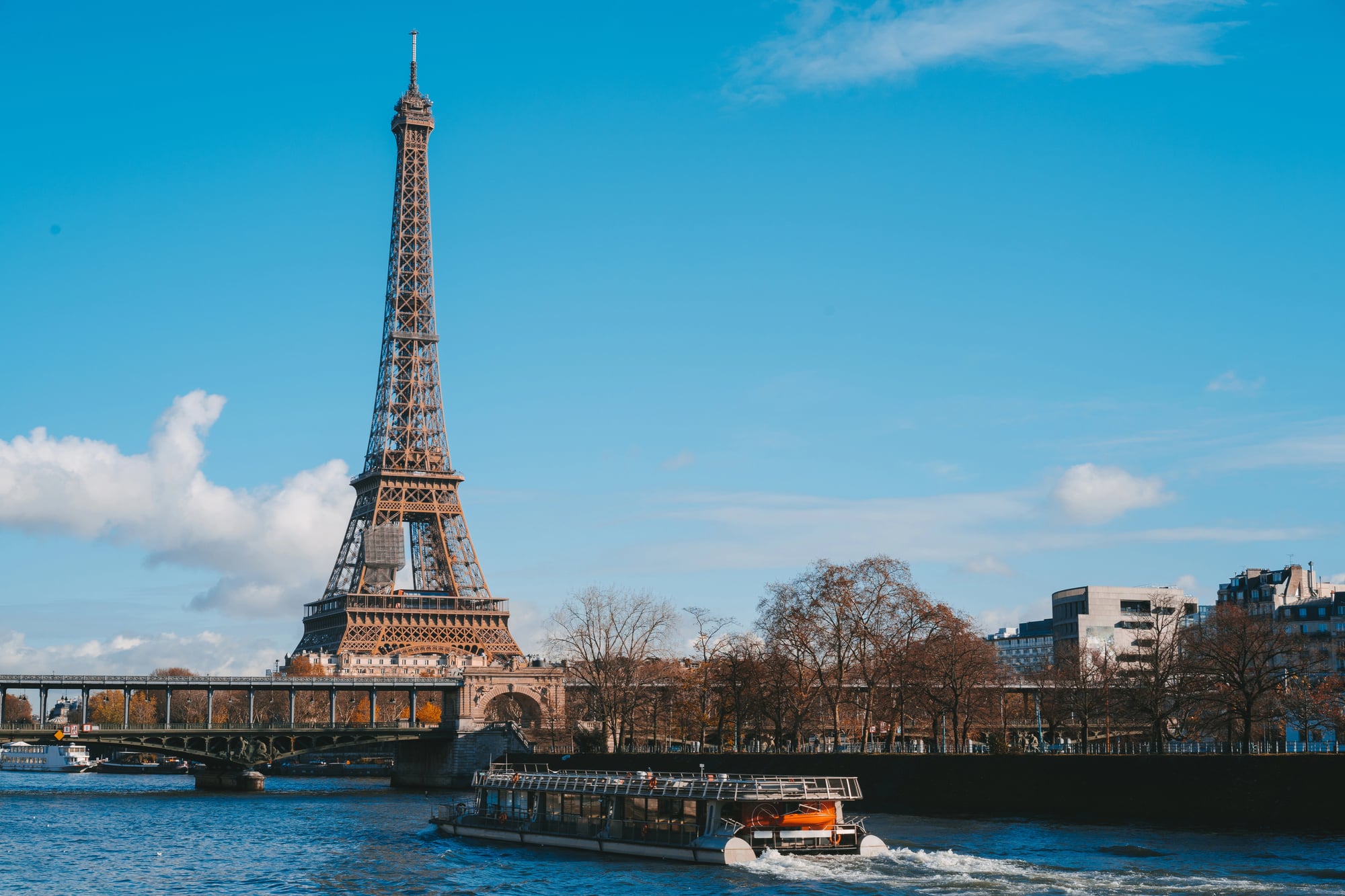
France approaches its 49 World Heritage Sites with the same attention to detail it applies to wine and cheese. The Palace of Versailles represents royal excess frozen in time, every room a testament to what happens when money becomes no object.
The prehistoric cave paintings of Lascaux reveal artistic impulses that predate written history by thousands of years. Mont-Saint-Michel rises from tidal flats like something from a fairy tale.
Though the medieval pilgrims who walked there probably found the journey less romantic than modern visitors do.
Spain
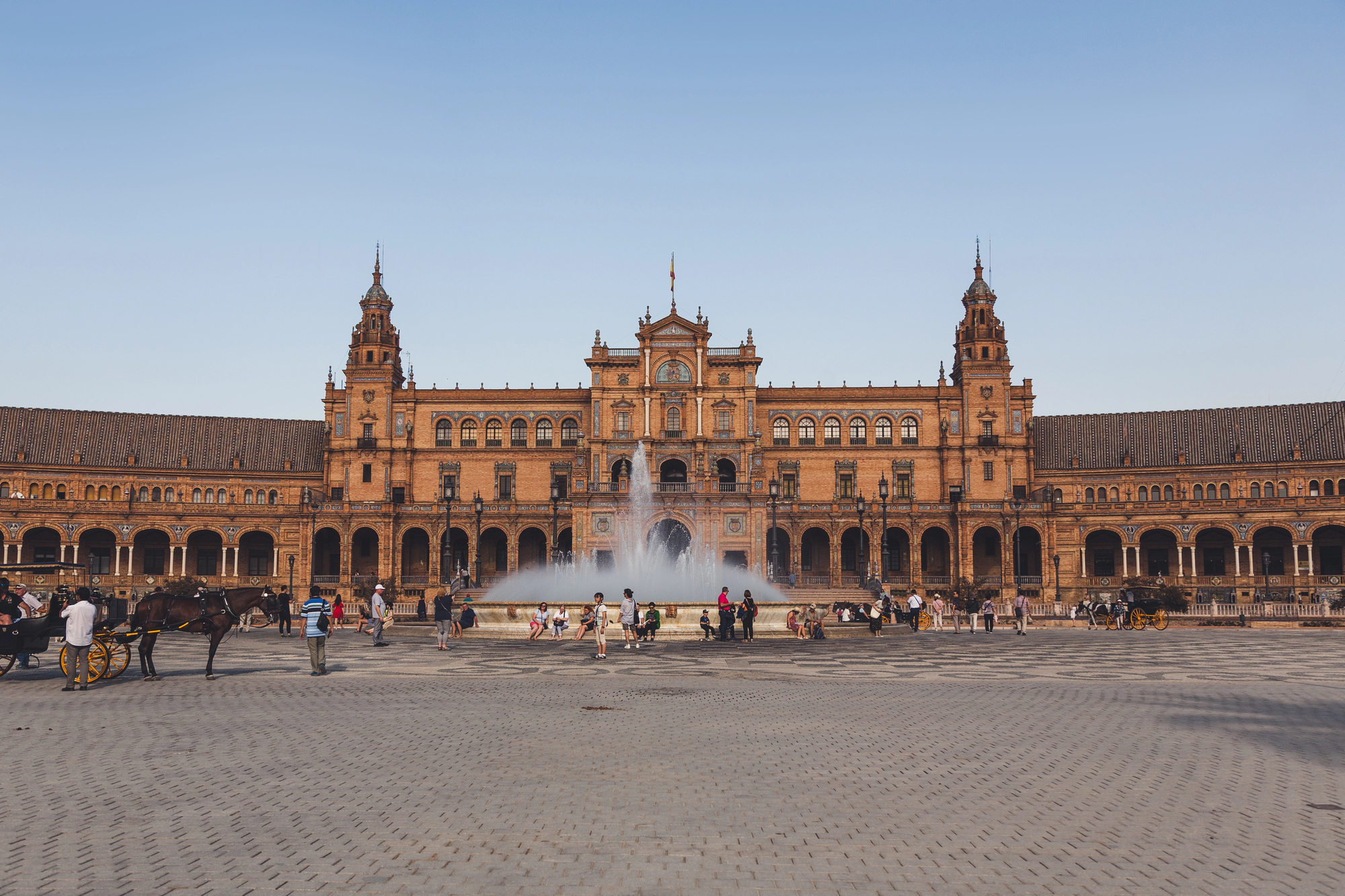
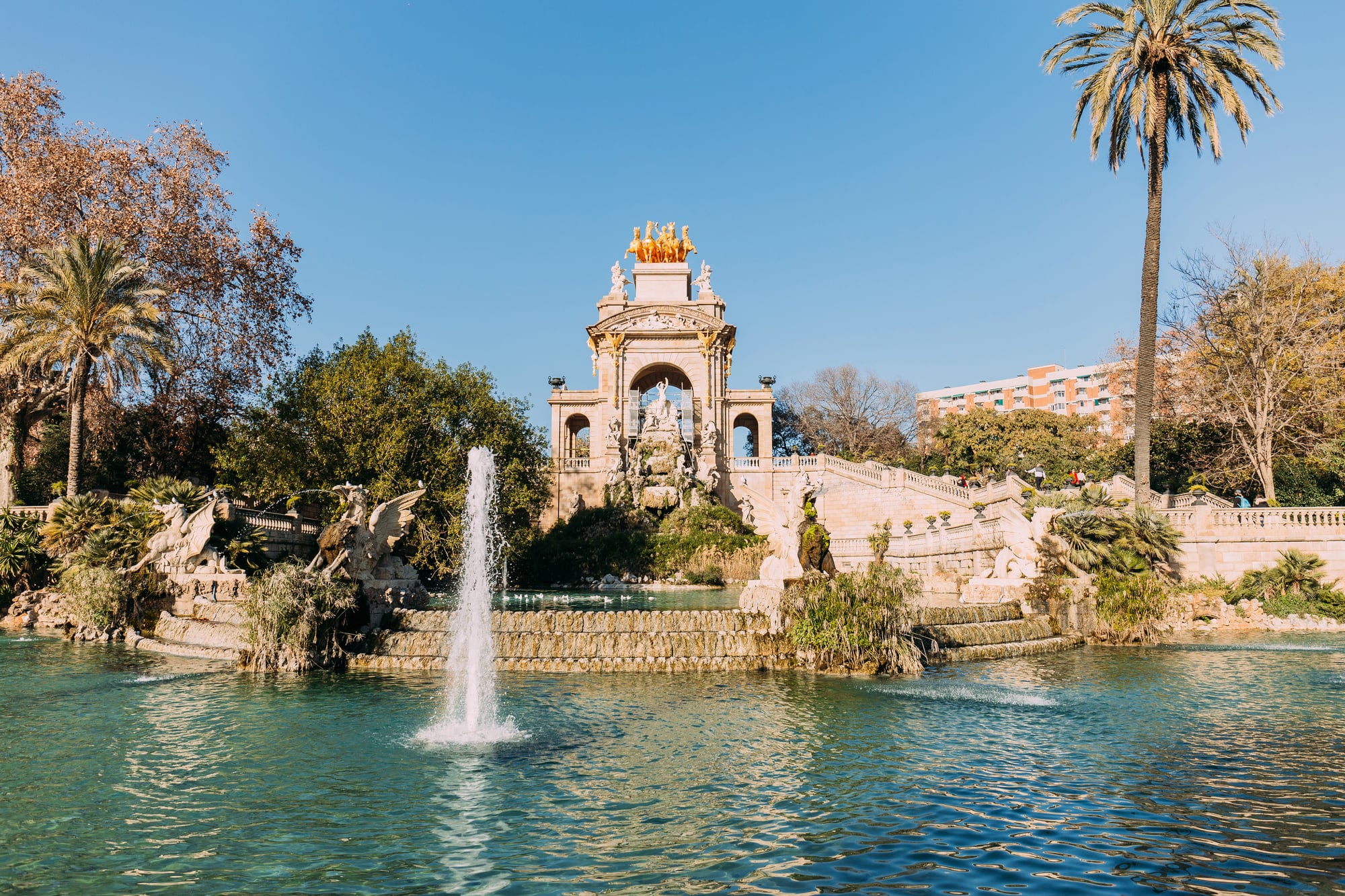
Spain’s 48 sites reflect the country’s position as a crossroads of cultures. The Alhambra in Granada showcases Islamic architecture at its most refined, while Santiago de Compostela marks the end point of medieval Europe’s most important pilgrimage route.
Antoni Gaudí’s works in Barcelona push architectural boundaries in ways that still look futuristic today. The artist treated buildings like living organisms, creating structures that seem to grow rather than be built.
His unfinished Sagrada Família continues to evolve, making it perhaps the only World Heritage Site that’s still actively under construction.
Spain
The relationship between India’s 40 World Heritage Sites and their present-day context creates a tension that defines much of the country’s cultural landscape, where ancient temples function as active places of worship rather than museum pieces (and where the line between preservation and living tradition becomes beautifully blurred, sometimes productively, sometimes not). The Taj Mahal represents the pinnacle of Mughal architecture — but it’s also a tomb, a monument to grief that happens to be one of the most beautiful buildings ever constructed.
And then there are sites like Hampi, where the ruins of a once-great empire sprawl across a landscape of granite boulders that seem placed by some cosmic artist with a sense of drama. The natural sites demonstrate India’s incredible biodiversity.
The Western Ghats support species found nowhere else on Earth, while Kaziranga National Park protects the world’s largest population of one-horned rhinoceros.
Mexico
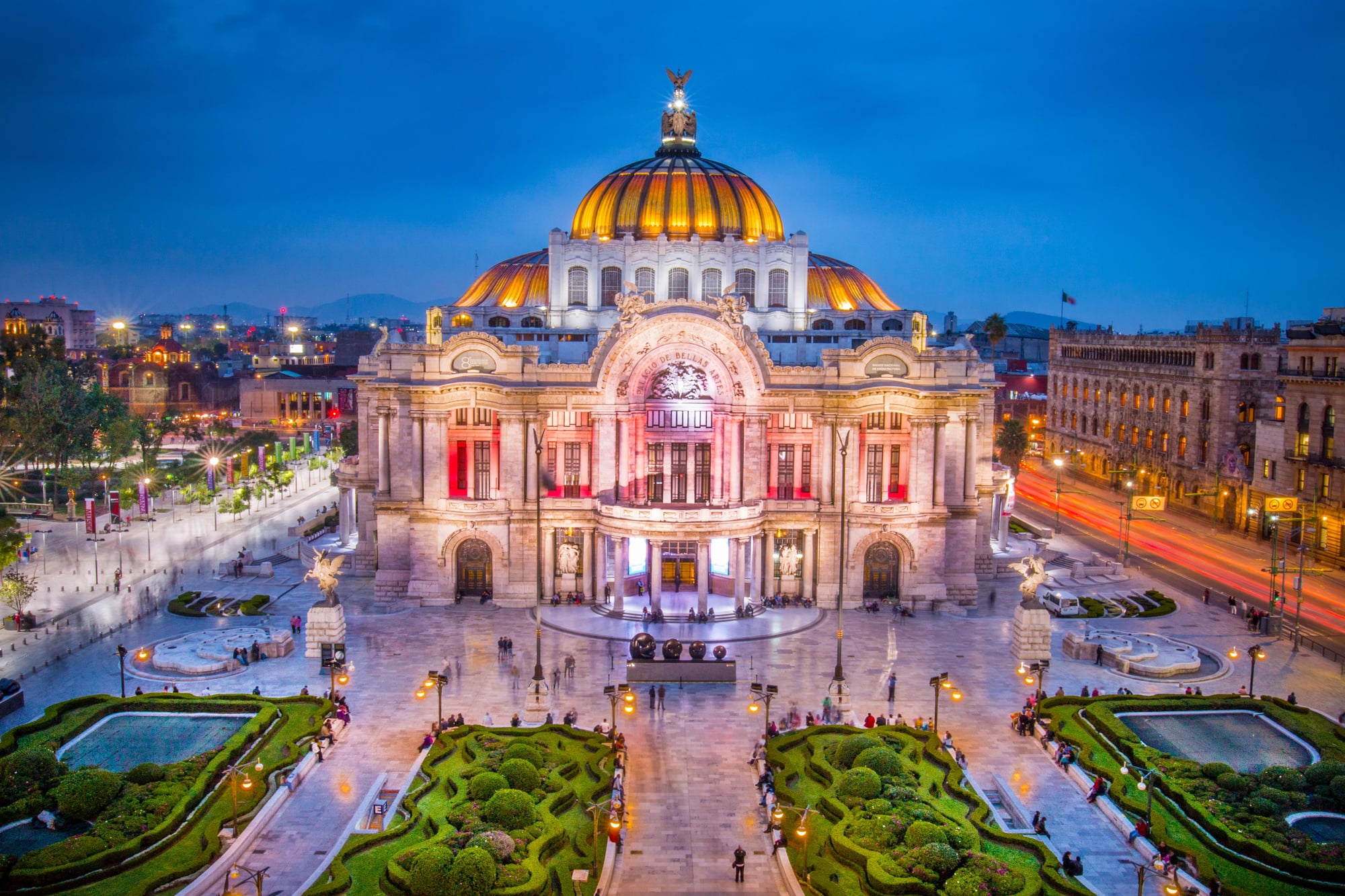
Mexico holds 35 World Heritage Sites that span from pre-Columbian civilizations to colonial Spanish architecture. Chichen Itza demonstrates mathematical and astronomical knowledge that rivals anything produced in medieval Europe, while the historic center of Mexico City layers Aztec foundations beneath Spanish colonial buildings.
The monarch butterfly reserves protect one of nature’s most remarkable migration patterns. Every year, millions of butterflies travel thousands of miles to reach these specific forests — a navigation feat that scientists still don’t fully understand.
United Kingdom
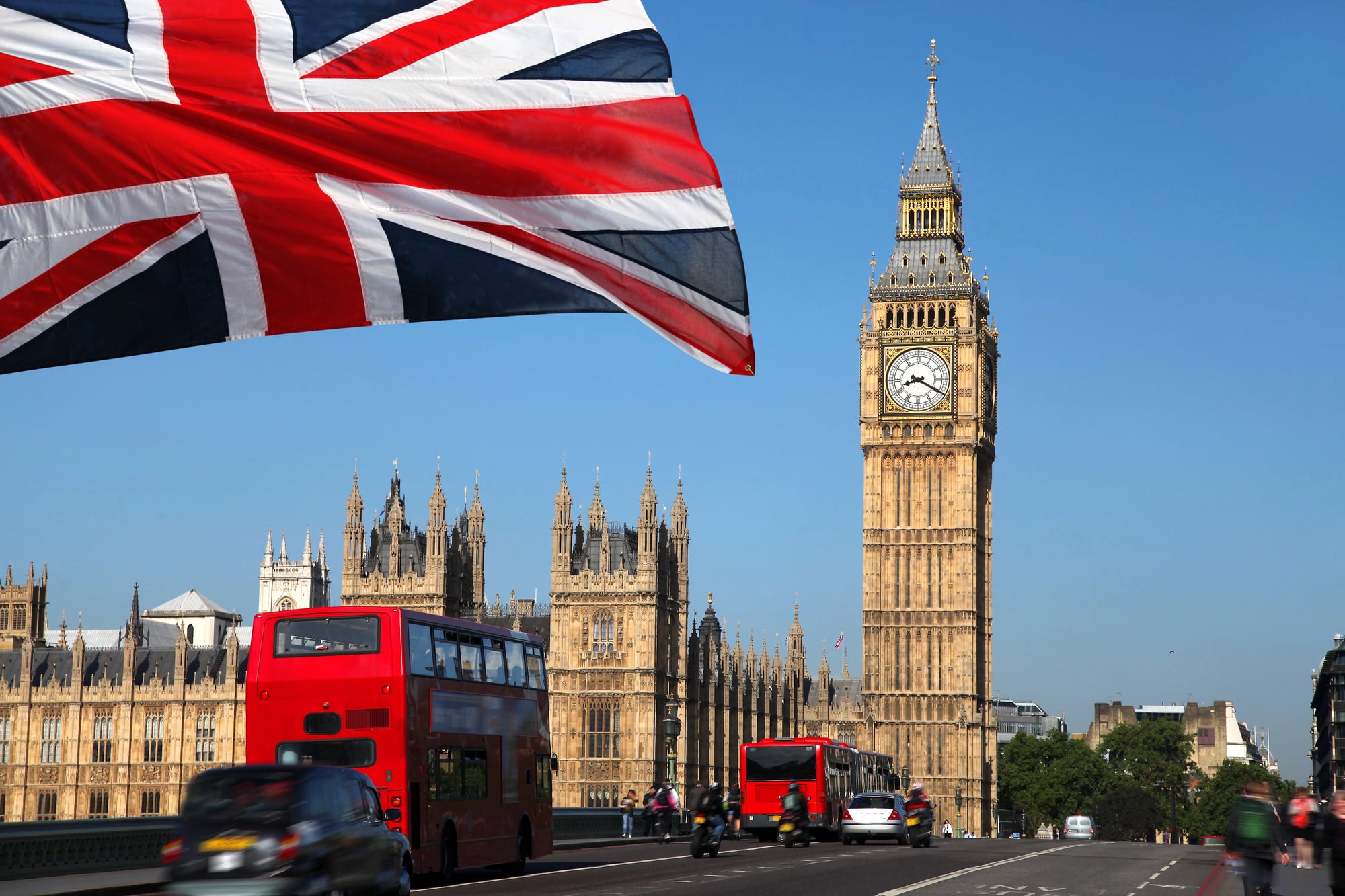
The UK’s 33 sites showcase both natural wonders and human ingenuity. Stonehenge continues to puzzle archaeologists thousands of years after its construction, while the Tower of London has served as royal palace, prison, and execution site throughout its long history.
Hadrian’s Wall marks the northernmost boundary of the Roman Empire, a line drawn across northern England that defined civilization’s edge for nearly three centuries. Walking along its length today, the wall feels less like ancient history and more like a reminder of how arbitrary borders can be.
Iran
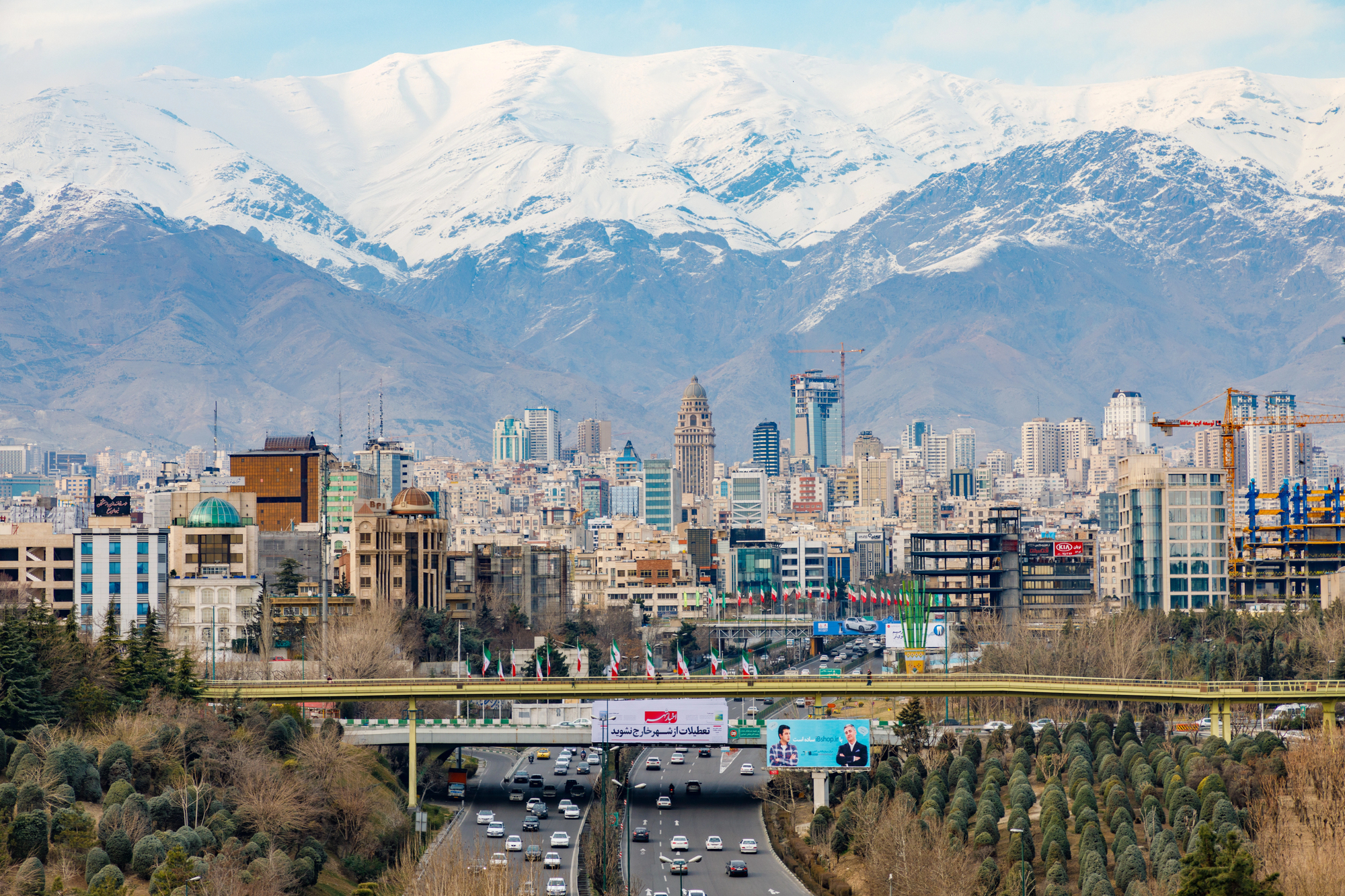
Iran preserves 26 World Heritage Sites that reveal the country’s central role in ancient trade routes and empire building, though political tensions mean many travelers never experience these treasures firsthand (which represents a genuine loss for both visitors and the local communities that depend on tourism revenue, creating one of those situations where politics and preservation work against each other). Persepolis stands as perhaps the most impressive ruins of the ancient world — the ceremonial capital of the Persian Empire, built to intimidate visiting dignitaries and demonstrate imperial power.
But there’s something almost melancholy about wandering through these massive stone reliefs, knowing that Alexander the Great burned much of the complex in what may have been a drunken celebration. Isfahan showcases Islamic architecture at its most refined, with geometric patterns and calligraphy that transform mathematical precision into spiritual experience.
Japan
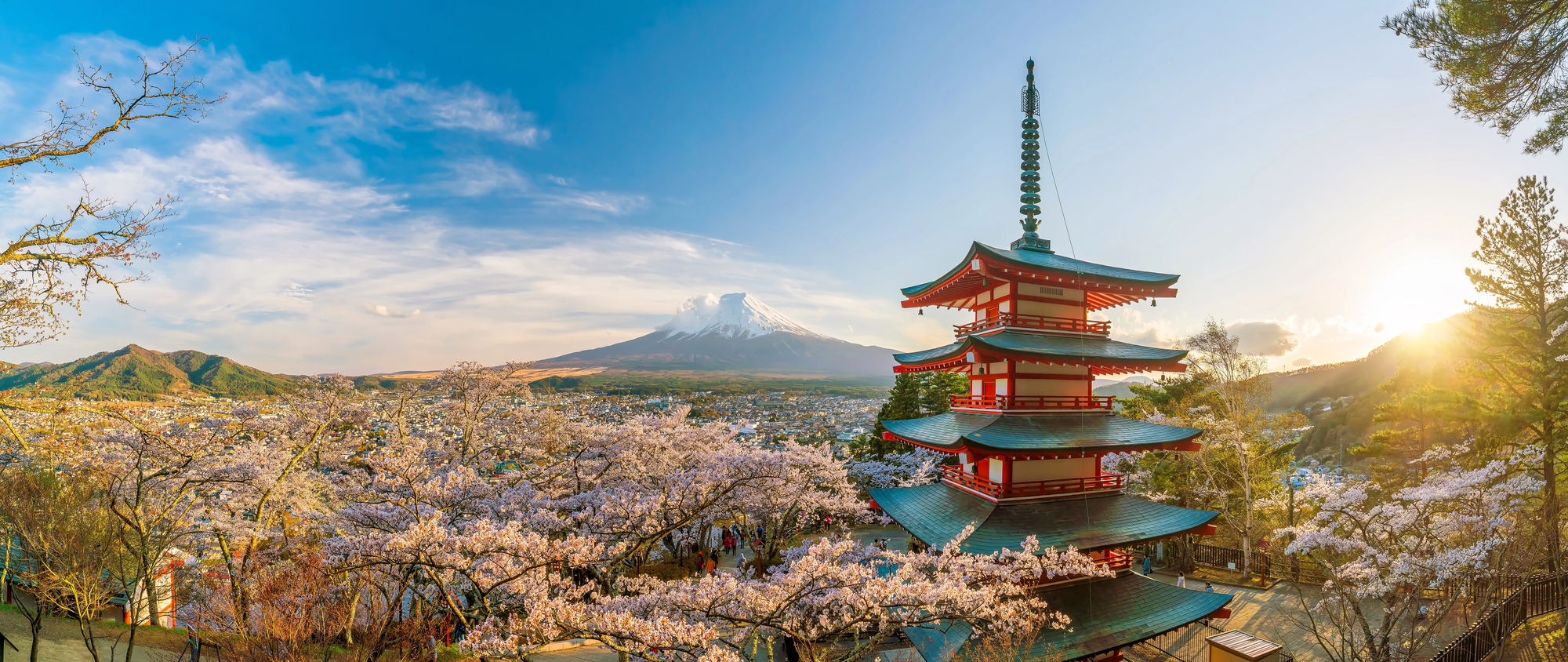
Japan’s 25 World Heritage Sites balance natural preservation with cultural continuity in ways that reflect the country’s broader approach to tradition. Kyoto’s temples and gardens maintain aesthetic principles developed over centuries, while Mount Fuji serves as both natural landmark and spiritual symbol.
The peace memorial at Hiroshima represents a different kind of heritage — one that confronts humanity’s capacity for destruction while advocating for peace. It’s the only World Heritage Site that exists primarily as a warning rather than a celebration.
Brazil
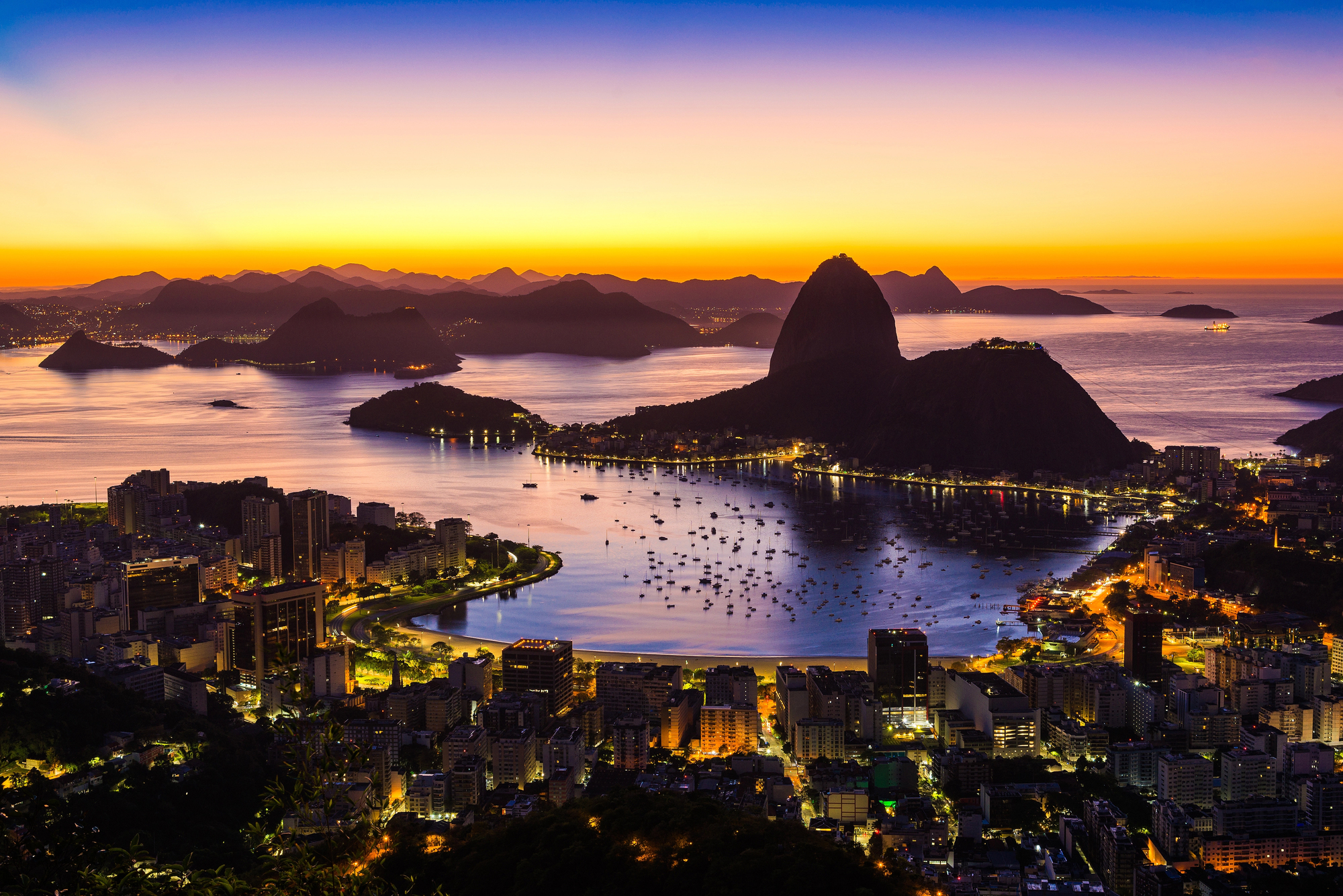
Brazil’s 23 sites demonstrate both natural diversity and colonial history. The Amazon rainforest contains more species than scientists have been able to catalog, while cities like Salvador preserve African cultural traditions brought by enslaved people centuries ago.
Iguazu Falls creates a spectacle that overwhelms the senses — hundreds of waterfalls cascading into a river valley shared with Argentina. The sound alone can be heard for miles, and the mist creates rainbows that appear and disappear throughout the day.
Greece
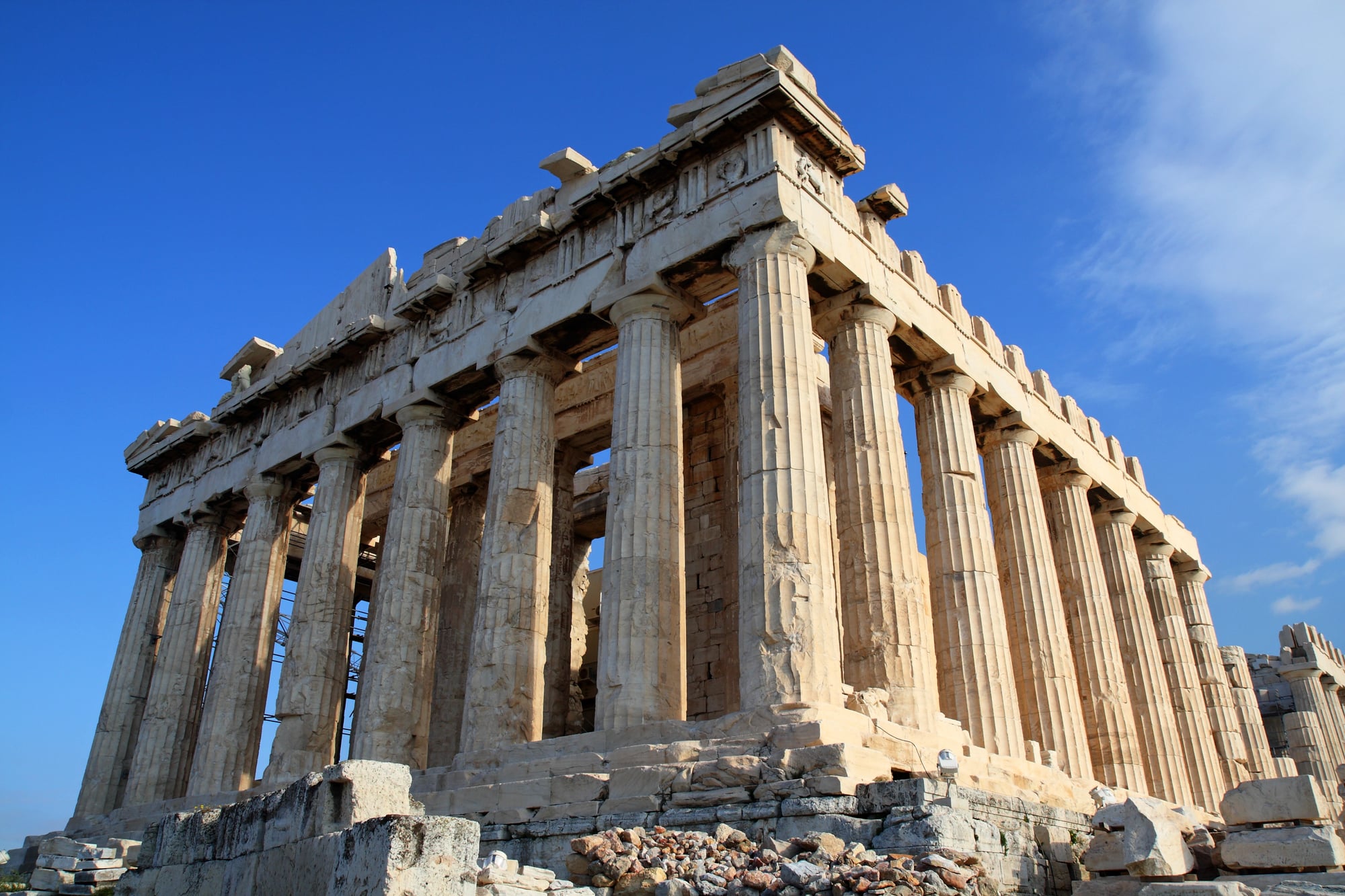
Greece claims 18 World Heritage Sites that form the foundation of Western civilization. The Acropolis of Athens houses the Parthenon, a building so perfectly proportioned that architects still study its mathematical relationships.
The archaeological site of Olympia marks the birthplace of the Olympic Games, though the ancient competitions bore little resemblance to modern sporting events. Winners received olive wreaths rather than medals, and the games served religious as well as athletic purposes.
Australia
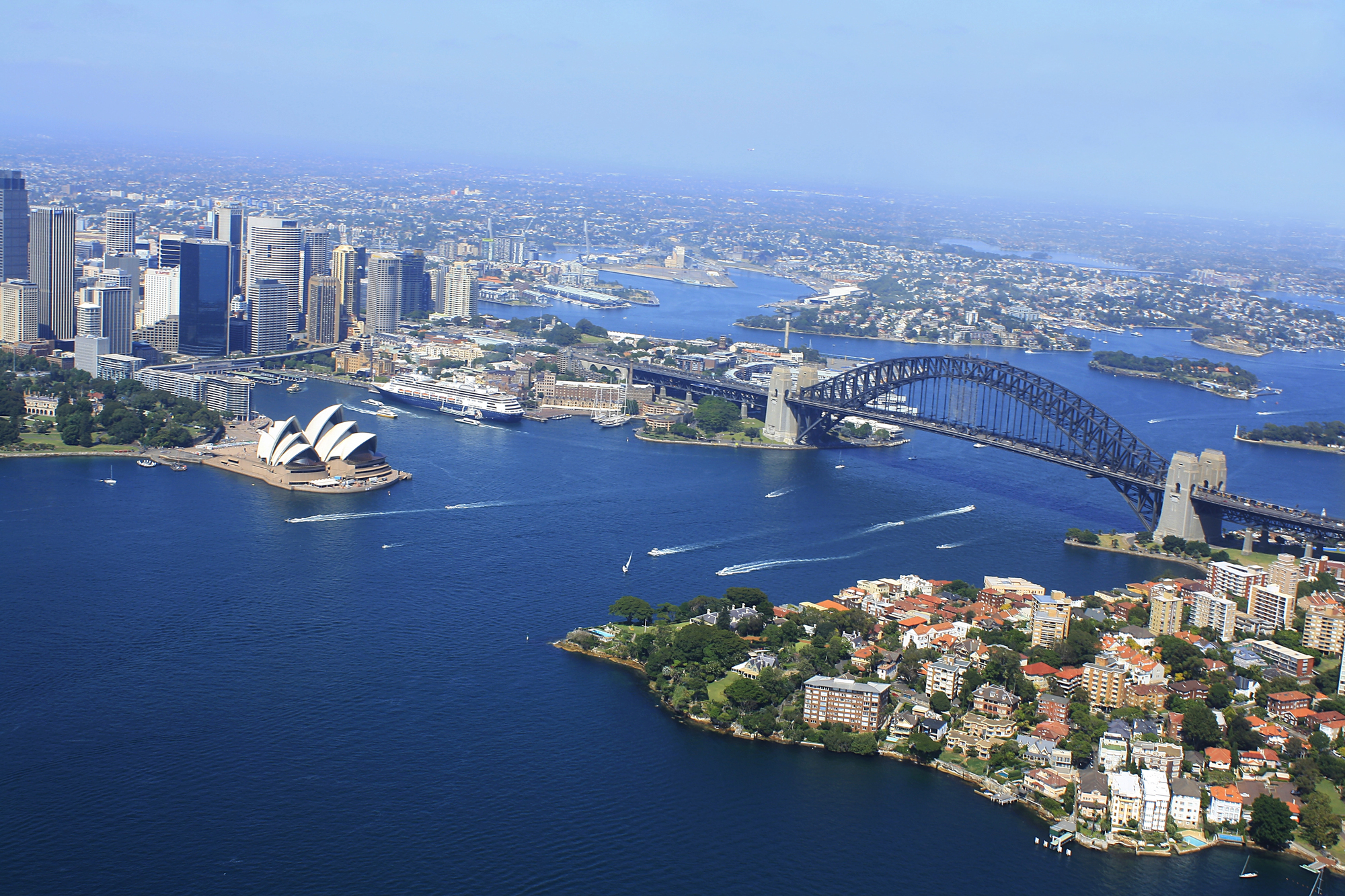
Australia’s 20 sites include natural wonders that exist nowhere else on Earth. The Great Barrier Reef supports marine ecosystems of staggering complexity, though climate change threatens its long-term survival.
Uluru holds deep spiritual significance for Aboriginal peoples, making it one of the few World Heritage Sites where cultural and natural designations overlap. The massive rock formation changes color throughout the day, creating different moods and atmospheres as the sun moves across the sky.
Canada

Canada protects 20 World Heritage Sites that showcase the country’s natural grandeur and Indigenous heritage. The Canadian Rocky Mountain Parks preserve wilderness landscapes that remain largely unchanged since the last ice age.
Head-Smashed-In Buffalo Jump documents thousands of years of Indigenous hunting practices, revealing sophisticated understanding of animal behavior and landscape management that sustained communities for millennia.
Turkey
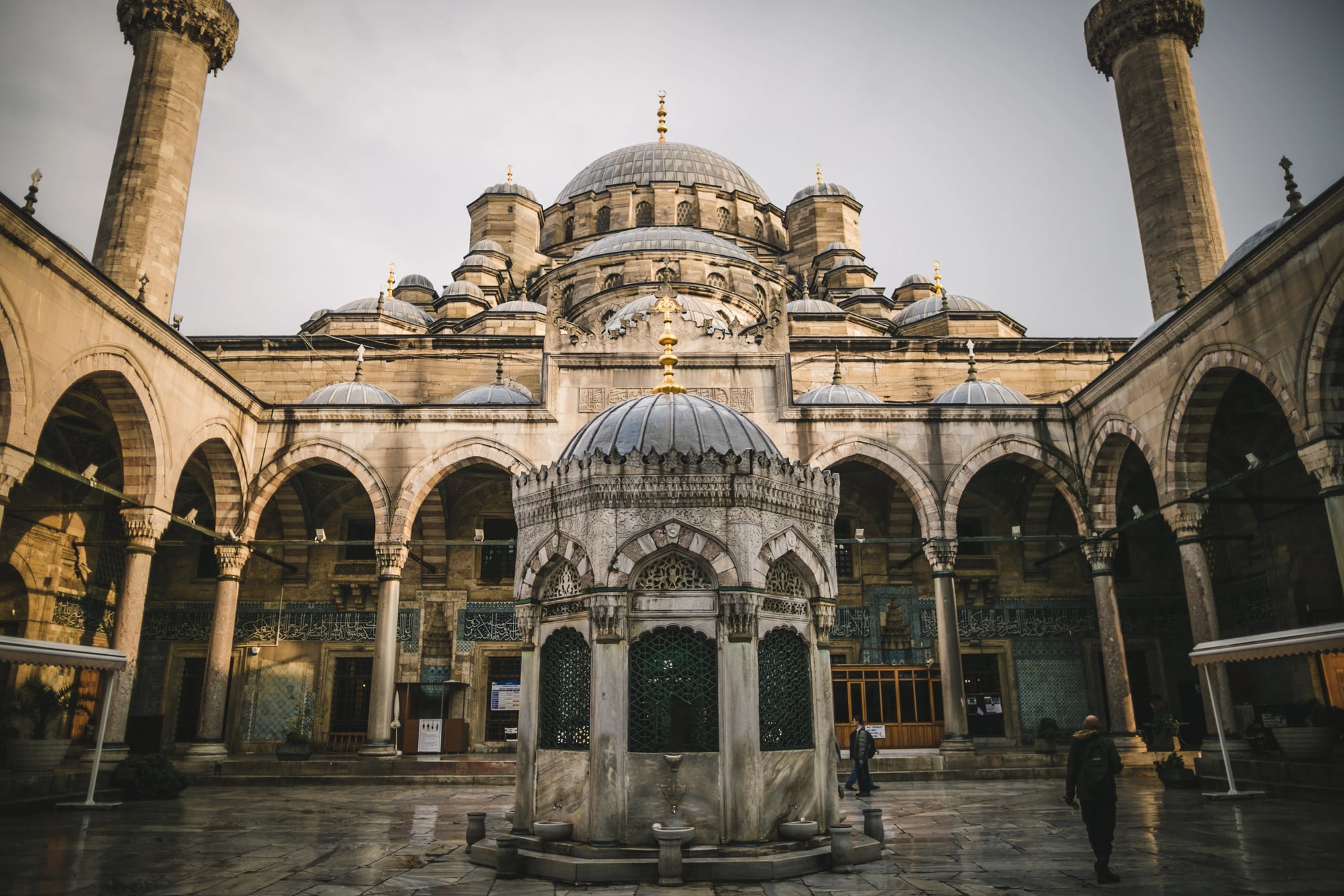
Turkey’s 19 sites reflect the country’s position as a bridge between Europe and Asia. Hagia Sophia in Istanbul has served as Christian cathedral, Ottoman mosque, museum, and mosque again — its changing role reflecting the broader sweep of regional history.
Cappadocia’s fairy chimneys and underground cities create landscapes that seem almost alien. Early Christians carved churches and homes directly into the rock formations, creating communities that could disappear entirely when threatened by invading armies.
United States
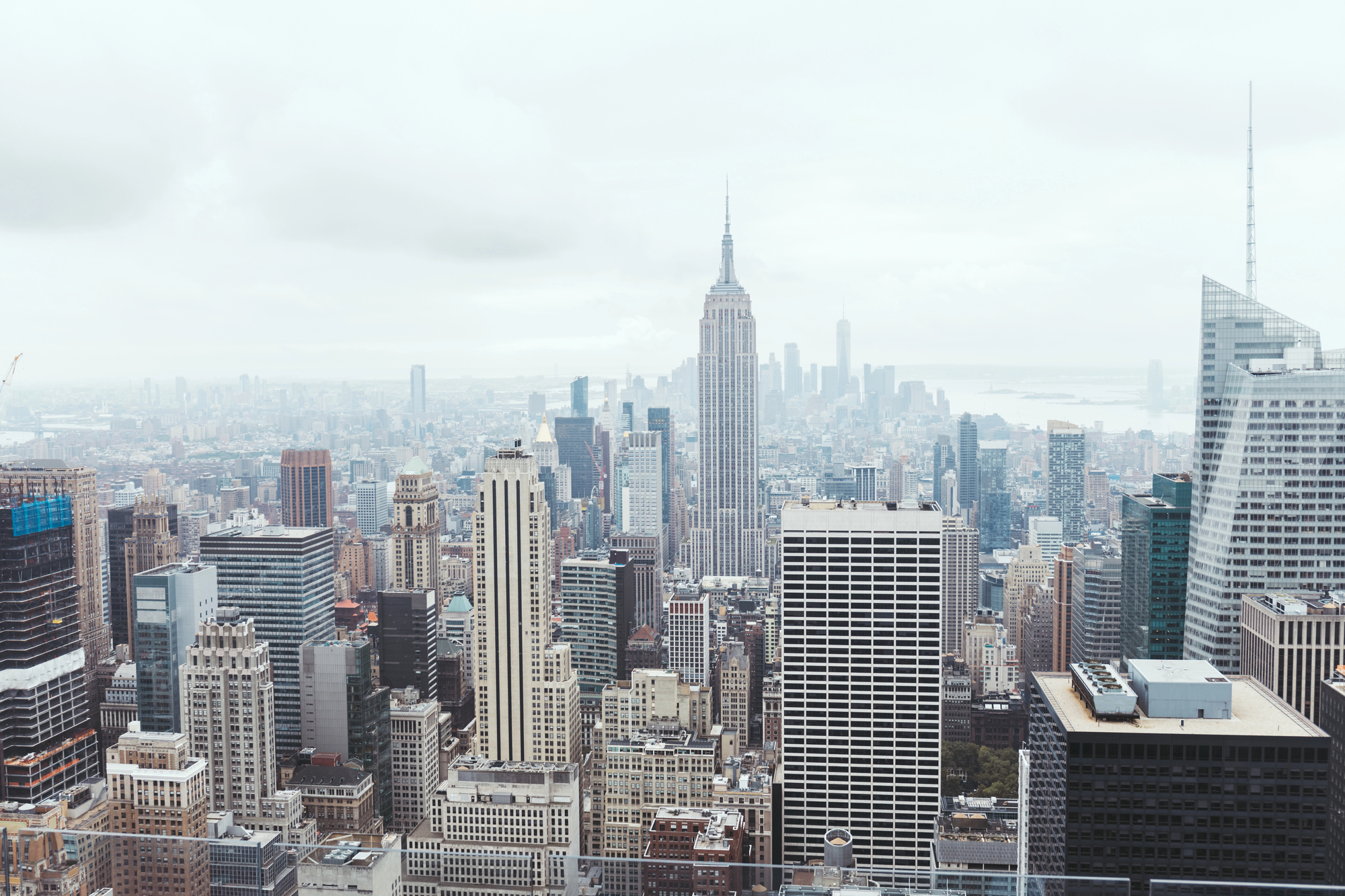
The US manages 12 World Heritage Sites that emphasize natural preservation over cultural heritage. Yellowstone became the world’s first national park, establishing a model for wilderness protection that other countries have adopted.
The Statue of Liberty represents ideals of freedom and democracy, though its meaning has evolved as the country has grappled with its own contradictions around liberty and equality. Standing in New York Harbor, it continues to serve as both welcome and challenge to visitors approaching by sea.
Beyond the Numbers

These rankings tell only part of the story. World Heritage designation brings both benefits and challenges — increased tourism can provide economic opportunities while threatening the very qualities that made sites special in the first place.
Some countries have more sites simply because they applied earlier or more frequently, while others contain equally remarkable places that lack international recognition. The real value of these sites lies not in their numbers but in their ability to connect us across time and culture.
They remind us that humans have always created beauty, sought meaning, and left marks on the landscape that outlast individual lives. Whether natural or cultural, ancient or relatively recent, these places serve as anchors in a rapidly changing world.
More from Go2Tutors!

- The Romanov Crown Jewels and Their Tragic Fate
- 13 Historical Mysteries That Science Still Can’t Solve
- Famous Hoaxes That Fooled the World for Years
- 15 Child Stars with Tragic Adult Lives
- 16 Famous Jewelry Pieces in History
Like Go2Tutors’s content? Follow us on MSN.