Man-Made Islands and Coastlines Built on Landfill and Waste
Waves keep lapping like nothing ever changes. Yet some shorelines people think are natural were built by hand.
Where cities ran out of room, they stretched into the water – over decades, then generations. Old garbage often became part of the ground beneath new districts.
Ash, broken bricks, even waste filled gaps between ocean and street. Few saw these projects as trials.
Built instead to handle packed cities, commerce, factories, gaps opened by expansion. Years passed before effects took shape.
Problems like shifting ground, saltwater creeping in, repair bills piling up – now they keep reshaping how people live beside rising tides. Water used to cover these areas.
Now they are solid ground because of trash buildup over time. Dumps changed the edge of the land bit by bit.
What was once waves is now earth made by what people threw away. Shape shifted slowly under heaps piling up near the sea.
Early Landfill as Urban Survival

Before modern engineering, landfill was often crude but effective. Growing port cities had limited options.
Expansion inland meant displacing existing neighborhoods, while expansion outward offered space without political resistance. Debris from fires, demolished buildings, and street waste became convenient fill.
In medieval and early modern Europe, cities routinely dumped refuse into shallow waters to extend quays and markets. The goal was not elegance but function.
These early projects laid the groundwork for later, larger efforts by proving that land could be manufactured if patience and material were available. That said, little thought was given to settlement, drainage, or long-term resilience.
Those concerns would surface centuries later, often at great cost.
Battery Park City

Battery Park City is one of the most famous examples of modern landfill used deliberately to create valuable urban space. Built along the southwestern edge of Manhattan, the neighborhood rests largely on material excavated during the construction of the World Trade Center in the late twentieth century.
The logic was efficient. Instead of hauling debris away, it was used to extend the shoreline.
Over time, the landfill was stabilised, landscaped, and transformed into a high-value residential and commercial district. Still, the ground beneath it tells a different story.
Engineers had to account for settlement, groundwater movement, and the reality that this land was never meant to exist. Battery Park City works because it is constantly managed, not because it is naturally stable.
Treasure Island

Treasure Island sits in the middle of San Francisco Bay, a flat expanse created for the 1939 World’s Fair. The island was built largely from dredged bay material mixed with debris and fill from nearby projects.
At the time, permanence was not the priority. The island was meant to impress, not endure.
After the fair, Treasure Island became a naval base, then a residential area. Only later did the consequences of its construction become clear.
Settlement issues, environmental contamination, and vulnerability to seismic activity turned redevelopment into a complex challenge. The island still exists, but every new building must account for the unstable history beneath its foundations.
Japan’s Use of Incineration Ash

Japan offers a distinctive approach to landfill-based expansion. With limited land and dense populations, coastal reclamation became a necessity rather than a luxury.
In several regions, including parts of Tokyo Bay, reclaimed land incorporates ash from waste incineration alongside dredged material. This method reduced the volume of waste needing storage while creating new industrial and port zones.
Strict regulation and layering techniques were introduced to manage risk. Even so, these areas require ongoing monitoring.
Settlement, water interaction, and environmental containment remain central concerns. Japan’s approach illustrates how landfill can be refined into an engineered system, though it never becomes a set-and-forget solution.
Kansai International Airport

Kansai International Airport stands on an artificial island built in Osaka Bay, constructed to relieve congestion at existing airports. The island rests on massive amounts of fill placed over soft seabed sediments.
While not built primarily from municipal waste, the project reflects the same logic as landfill coastlines: create land where none exists. From the beginning, engineers anticipated settlement.
What surprised many was the scale. The island sank faster than expected, requiring constant adjustments and reinforcement.
The airport remains operational, but its story is a reminder that artificial land behaves differently from natural terrain. Gravity never forgets what lies beneath.
West Bay

West Bay’s gleaming skyline masks a more complicated origin. Much of the area sits on reclaimed land built using dredged material and construction debris during Qatar’s rapid development phase.
The expansion allowed Doha to project a modern image while accommodating growth along the coast. The transformation was swift, but not without trade-offs.
Altered currents and marine habitats changed the coastal environment. Long-term maintenance became part of the deal.
West Bay shows how landfill-based coastlines often prioritise immediacy, with sustainability addressed later through mitigation rather than prevention.
Europe’s Industrial Coastlines

Across Europe, industrialisation left a legacy of landfill coastlines built from slag, rubble, and ash. Ports expanded to handle coal, steel, and manufactured goods, and waste byproducts often became convenient fill.
These areas were rarely intended for housing, which reduced scrutiny at the time. Decades later, many of these zones are being redeveloped into residential or mixed-use districts.
The process is slow and expensive. Ground treatment, environmental cleanup, and structural reinforcement are required before people can safely live atop former industrial refuse.
The land exists, but it must be negotiated carefully.
Environmental Costs That Arrived Late
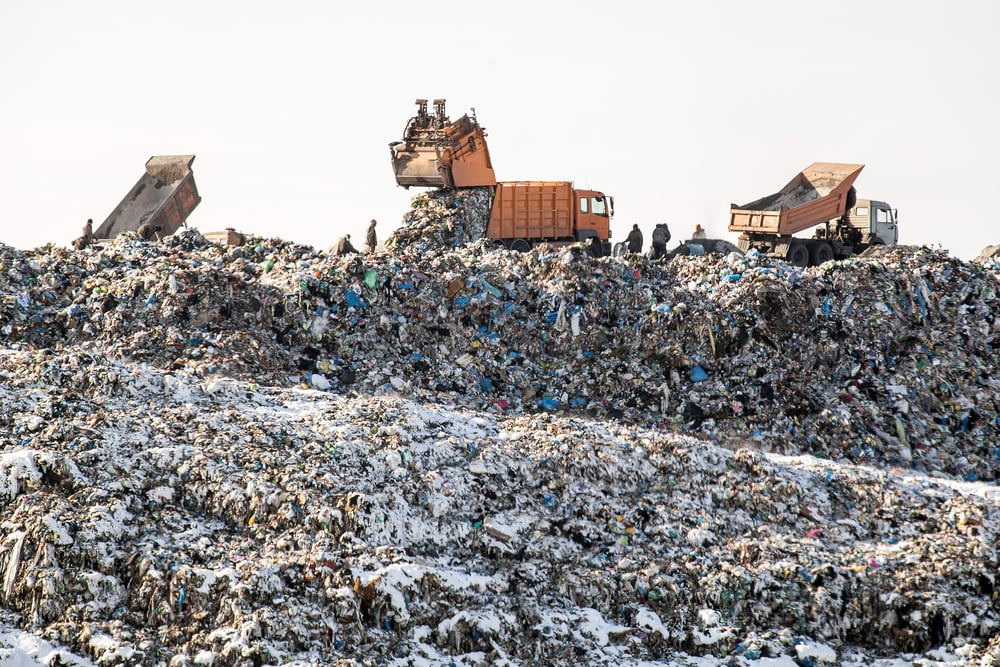
One of the defining traits of landfill-based land is delayed consequence. Problems rarely appear immediately.
Settlement occurs gradually. Contamination migrates slowly.
Coastal erosion responds to subtle changes in shape and depth. For many projects, these issues emerged long after the original builders were gone.
Cities inherited land that required perpetual management. Pumps, barriers, and monitoring systems became part of the urban fabric.
The cost of maintaining artificial coastlines often rivals the cost of building them in the first place.
Waste as an Unavoidable Material

It is tempting to frame landfill coastlines as mistakes, but that oversimplifies history. Many cities simply ran out of options.
Waste existed, space did not. Turning refuse into land solved two problems at once, at least on paper.
Modern projects tend to be more cautious, separating hazardous material from structural fill and incorporating extensive engineering safeguards. Even so, the underlying principle remains unchanged.
Land created from waste is never passive. It requires attention, resources, and humility about what can go wrong.
How Modern Reclamation Differs

Today’s reclamation projects are shaped by lessons learned the hard way. Environmental impact studies, settlement modelling, and long-term planning are now standard.
Where older landfill coastlines relied on trial and error, modern designs attempt to predict behavior decades in advance. That said, uncertainty remains.
Oceans shift, climate patterns evolve, and materials age. Artificial land is always provisional, no matter how advanced the tools used to create it.
Engineers plan for change because stability is never guaranteed.
Why Cities Keep Doing It
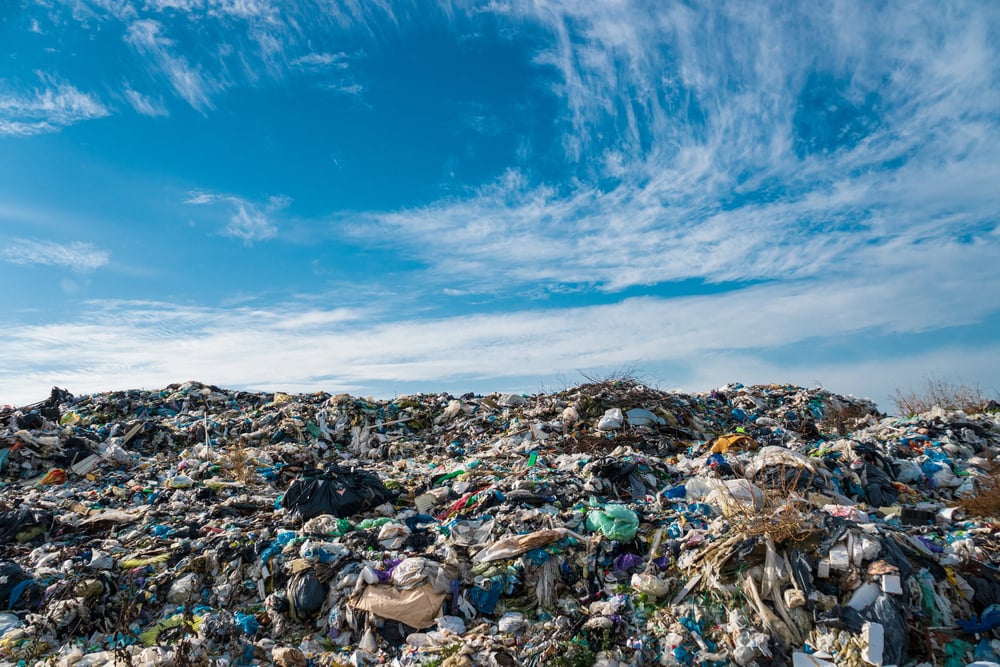
Despite the risks, cities continue to build outward. Coastal access drives trade, tourism, and identity.
For land-scarce regions, reclamation can feel like the only viable path forward. The economic rewards are immediate and visible, while the costs are spread across generations.
This imbalance explains why landfill-based expansion persists. It offers space today in exchange for responsibility tomorrow.
Whether that trade is worth it depends on how honestly the future is accounted for in the present.
Living on Borrowed Ground

Out past the old shoreline, ground built by machines now stands where water once moved freely. These spaces do not rest – they shift under ongoing care instead of settling into quiet like natural coasts.
Not just plots for construction, they rely on unending human attention to remain above sea level. Stability here comes from routine work, never from untouched earth.
Nowhere else do you see such clever fixes mixed with hidden costs like along these shores. Solving today’s crises often means planting tomorrow’s troubles just out of sight.
When every inch counts and trash never disappears, built-up waterfronts whisper a quiet truth – gaining ground usually means picking up extra baggage too.
More from Go2Tutors!

- The Romanov Crown Jewels and Their Tragic Fate
- 13 Historical Mysteries That Science Still Can’t Solve
- Famous Hoaxes That Fooled the World for Years
- 15 Child Stars with Tragic Adult Lives
- 16 Famous Jewelry Pieces in History
Like Go2Tutors’s content? Follow us on MSN.