15 Most Powerful Civilizations In History And Why They Fell
History doesn’t hand out participation trophies. Some civilizations built empires that stretched across continents and lasted centuries. Others crumbled within a generation. The difference often comes down to the same handful of factors that repeat across cultures and time periods — overextension, internal corruption, economic collapse, or simply meeting something stronger.
What makes a civilization truly powerful isn’t just military might or territorial control. It’s the ability to organize massive populations, project influence across vast distances, and create systems that outlast individual rulers. The civilizations that achieved this left marks on the world that we still see today. But power, as these empires learned, doesn’t guarantee permanence.
Roman Empire
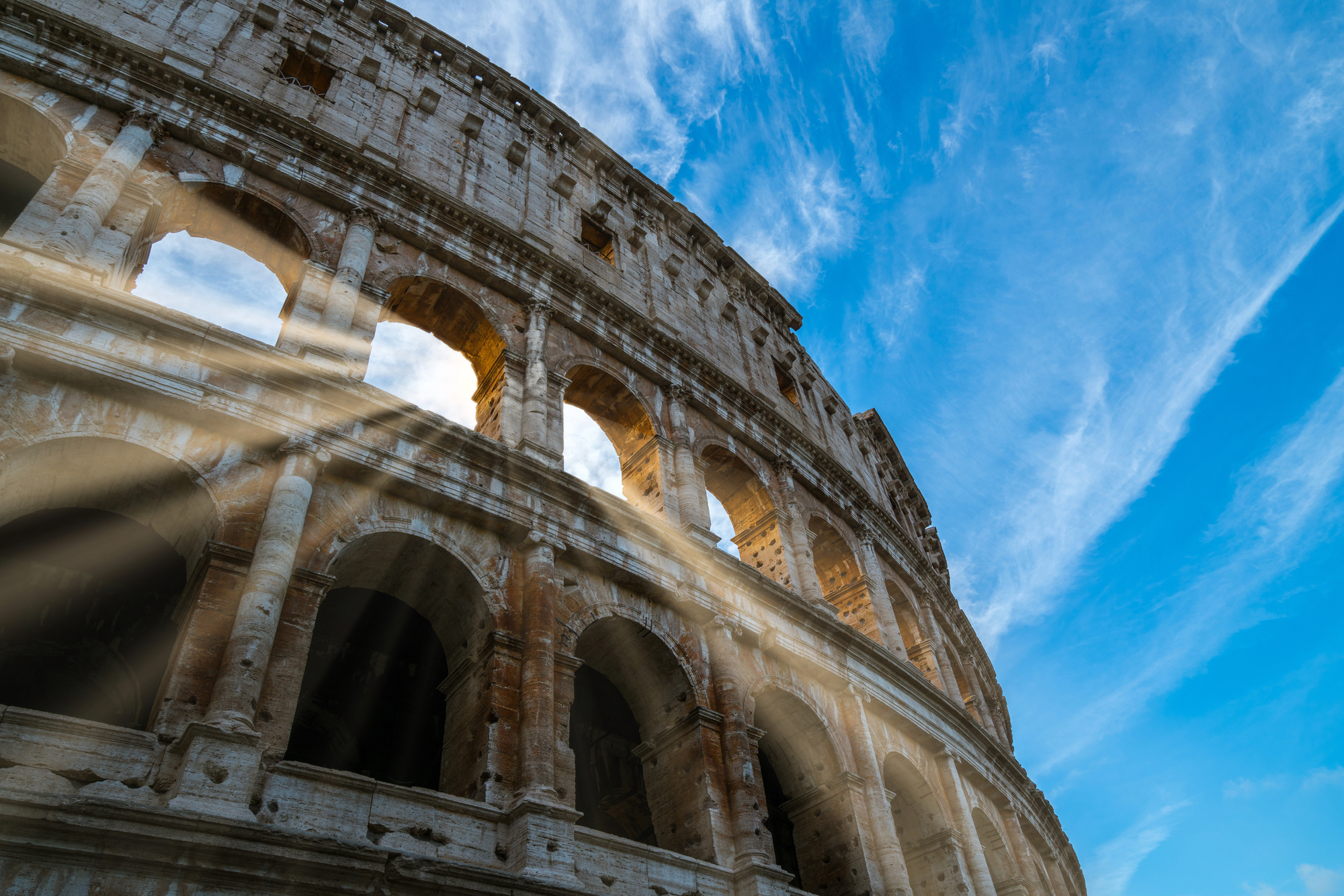
Rome didn’t fall in a day, but it didn’t rise in one either. For over a thousand years, Roman legions marched across three continents. Their roads connected Britain to Egypt. Their laws shaped legal systems that still exist today.
The empire split first — too big for one person to manage effectively. The Western half crumbled under barbarian invasions while the Eastern half (Byzantine Empire) limped along for another thousand years. Economic inflation, military costs, and political instability created a death spiral. When the Visigoths sacked Rome in 410 CE, they weren’t conquering a thriving empire. They were picking the bones of something already dying.
Mongol Empire
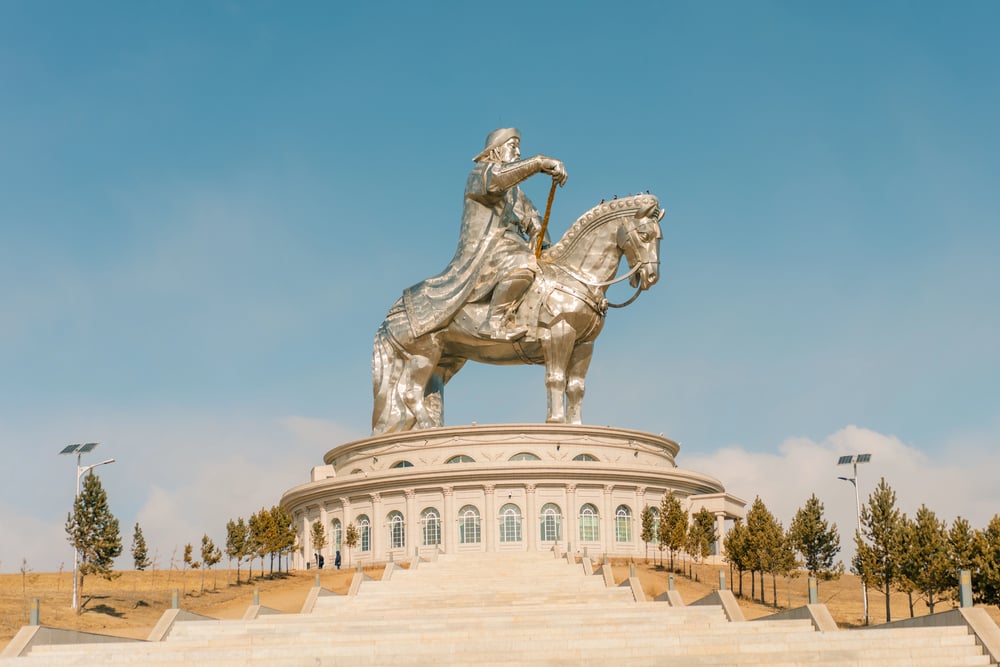
The Mongols conquered more territory in 25 years than Rome managed in 400, and they did it mostly on horseback (which, when you think about it, makes Roman road-building seem almost quaint by comparison — why pave roads when you can just ride over everything that’s in your way). Under Genghis Khan and his successors, they controlled an empire stretching from Eastern Europe to the Pacific Ocean, connecting trade routes and facilitating cultural exchange on a scale that wouldn’t be seen again until the age of global shipping. But empires built on conquest face a fundamental problem: what happens when there’s nothing left to conquer.
The Mongol Empire fractured into separate khanates almost immediately after reaching its peak, with different regions developing their own priorities and leadership structures — some focused on trade, others on agriculture, still others on maintaining their nomadic traditions. And the empire that had been held together by the personal charisma and military genius of a few exceptional leaders discovered that bureaucratic administration requires different skills than cavalry charges. So the largest contiguous land empire in history dissolved not through external conquest but through the simple reality that ruling an empire and building one require entirely different skill sets.
Ottoman Empire
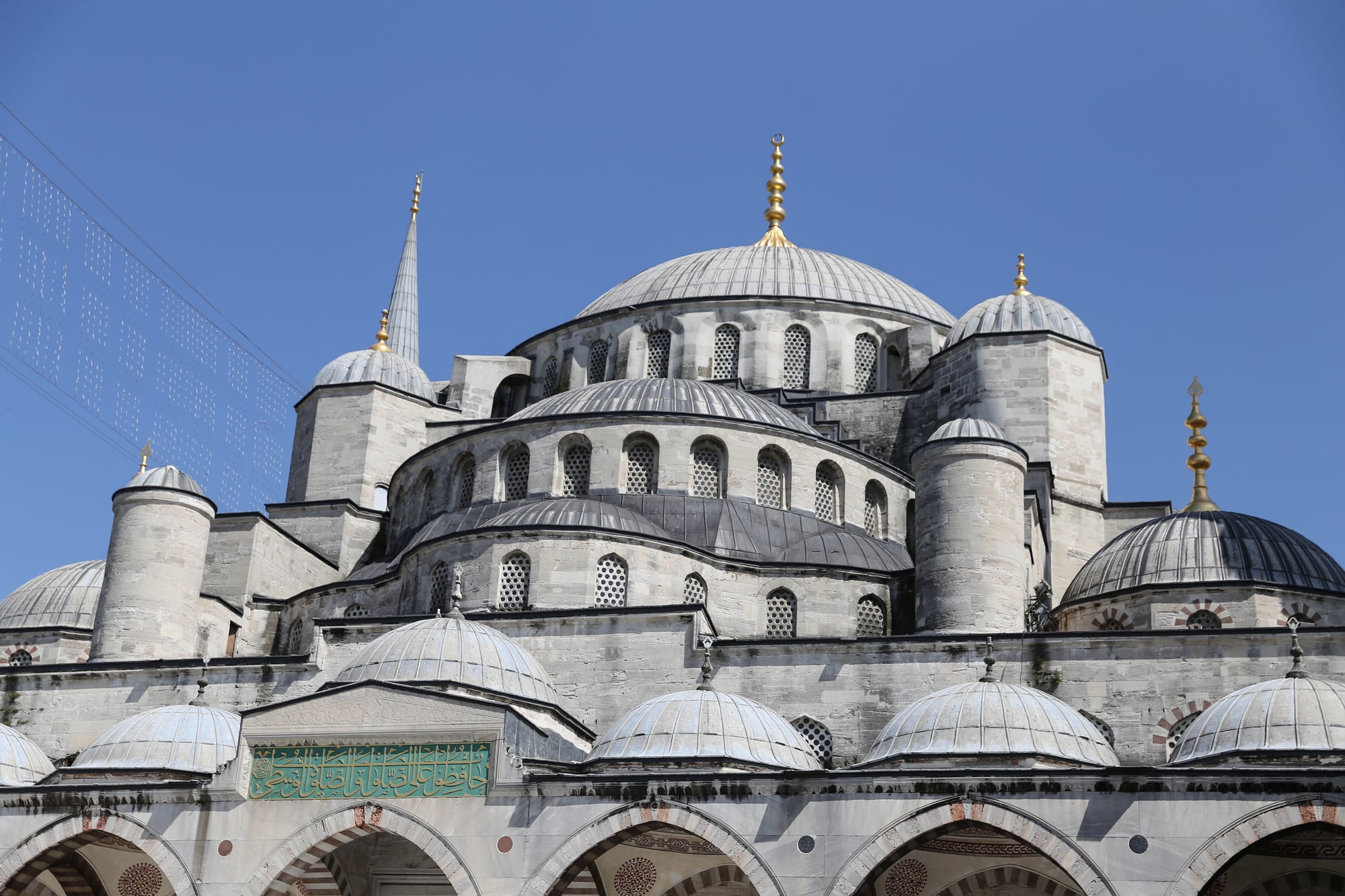
Empires are like old houses — impressive from the outside, but the problems start small and spread through everything. The Ottomans controlled the crossroads between Europe, Asia, and Africa for over 600 years. Constantinople was their crown jewel, the former Byzantine capital that they transformed into the heart of Islamic power.
But by the 19th century, European powers had found sea routes around Ottoman territory. The empire became “the sick man of Europe” — still technically alive but clearly failing. Nationalist movements carved away territories while internal corruption weakened central authority. World War I finished what decline had started. When Atatürk founded modern Turkey from the empire’s ruins, he was performing surgery, not restoration.
British Empire

The sun never set on the British Empire because the British were smart enough to realize that controlling trade routes mattered more than controlling territory. At its height, they governed a quarter of the world’s population and landmass. India was the crown jewel, but colonies stretched from Canada to Australia.
Two world wars bankrupted Britain while strengthening independence movements across the empire. The Suez Crisis of 1956 marked the moment when Britain discovered it was no longer a superpower — America and the Soviet Union told them to back down, and they did. Decolonization followed rapidly. To be fair, most of the territories wanted independence anyway, but Britain’s inability to hold onto them revealed how much their power had depended on other nations not challenging them directly.
Egyptian Empire
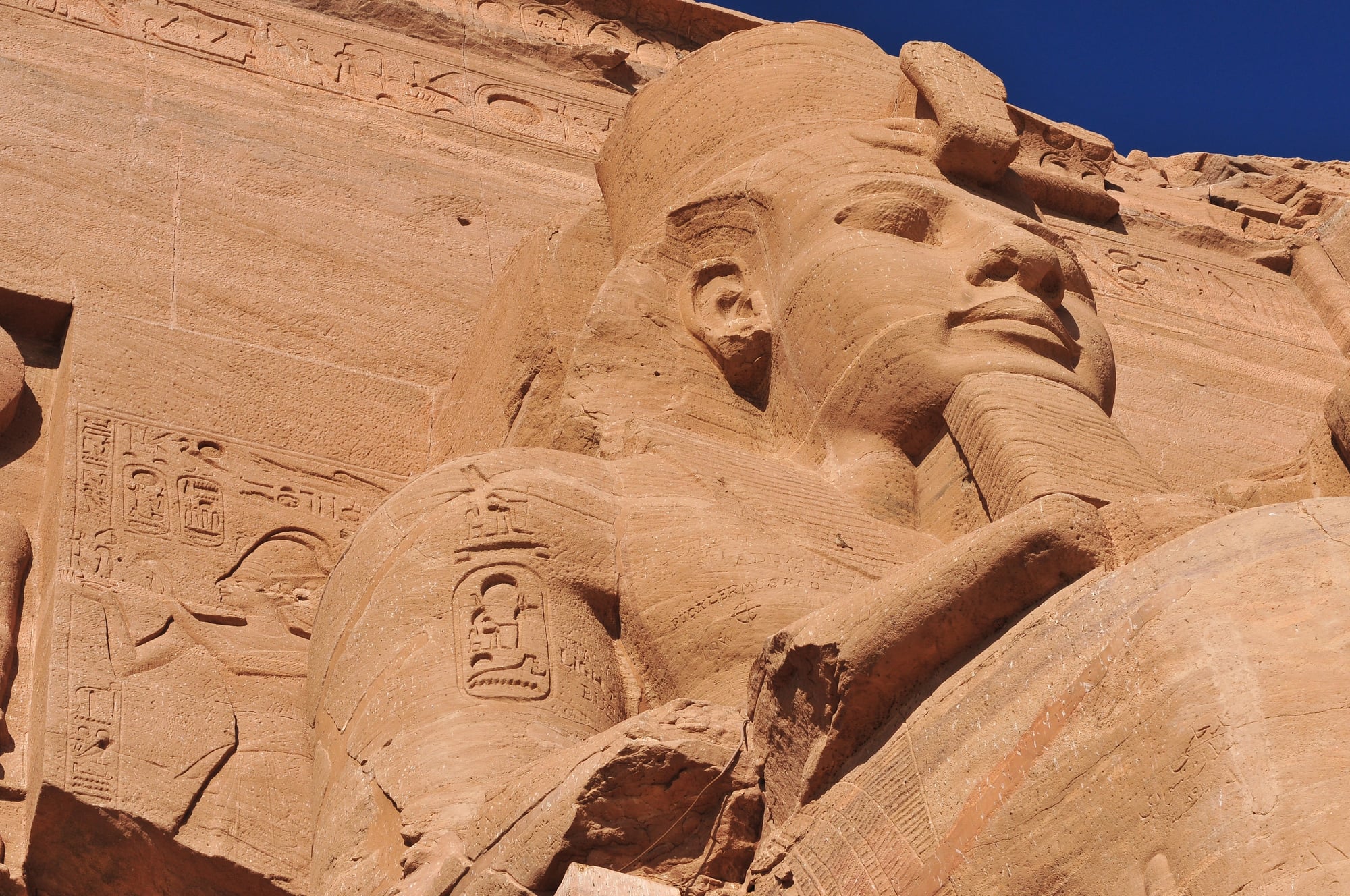
Ancient Egypt lasted longer than any civilization has a right to — over 3,000 years of continuous culture along the Nile. The pyramids were already ancient when Cleopatra ruled. Egyptian medicine, mathematics, and engineering influenced civilizations across the Mediterranean.
Egypt’s geography was both its strength and its limitation. The Nile provided everything needed for a stable civilization, but that same stability made Egypt conservative and resistant to change. When more dynamic powers emerged — first the Greeks, then the Romans — Egypt couldn’t adapt quickly enough. Alexander the Great conquered it in 332 BCE, and it never regained true independence. Sometimes being too successful at one thing makes you vulnerable to everything else.
Spanish Empire
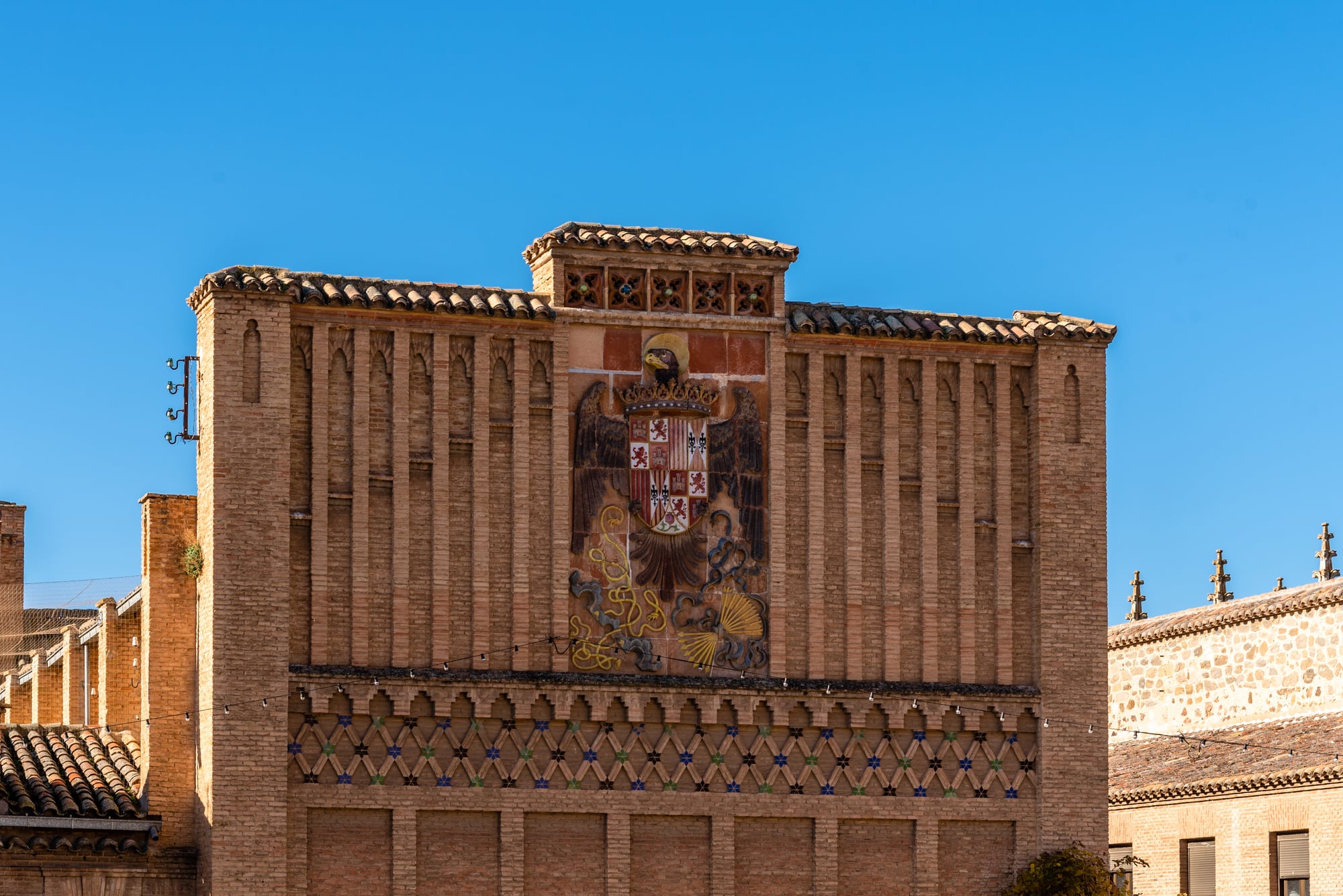
The Spanish stumbled onto the New World looking for a route to Asia and ended up with something better — entire continents full of silver and gold (or at least that’s how it seemed at the time, though the indigenous populations who were enslaved to extract that wealth might have had different perspectives on the arrangement). For three centuries, Spanish galleons carried American treasure across the Pacific and Atlantic, funding European wars and making Spain the dominant global power. But wealth extracted from colonies creates a particular kind of economic dependency that looks sustainable until it suddenly isn’t.
Spain never developed the domestic industries that other European powers built because importing everything with colonial silver seemed easier — why manufacture goods when you can buy them from other countries with the gold you’re mining from your territories. And when independence movements swept through Latin America in the early 1800s, Spain lost not just territory but the economic foundation of its entire imperial system. So the empire that had been built on extraction collapsed when the extraction stopped, which probably shouldn’t have surprised anyone but apparently did.
Aztec Empire
The Aztecs built Tenochtitlan on an island in Lake Texcoco, connected to the mainland by causeways that could be destroyed in case of attack. The city held perhaps 200,000 people — larger than any European city of its time. Their agricultural techniques, including floating gardens, supported a population density that impressed even the Spanish conquistadors.
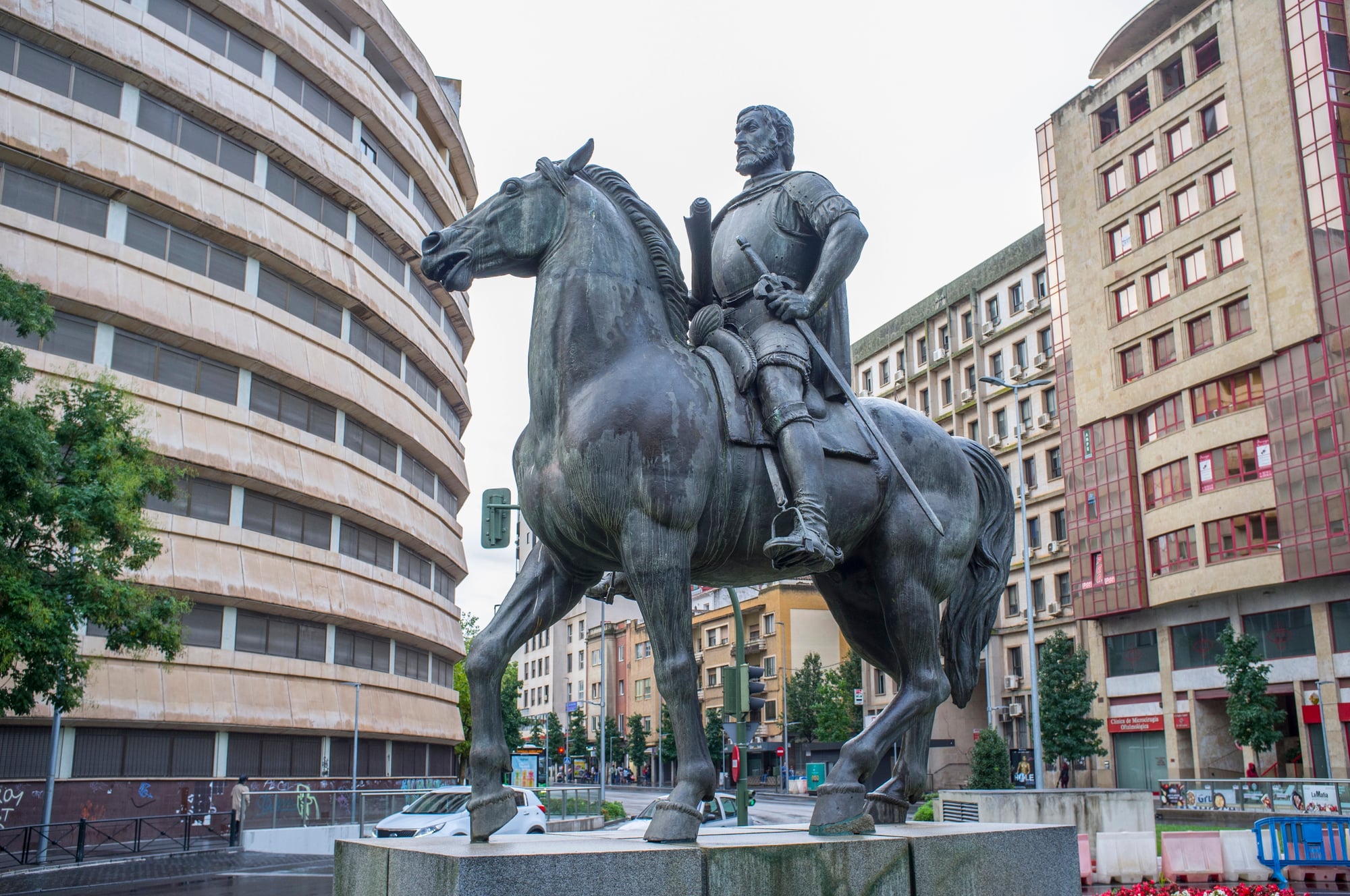
Hernán Cortés arrived in 1519 with fewer than 600 men and conquered an empire of millions within two years. The Aztecs weren’t defeated by superior Spanish technology — they were defeated by smallpox, political alliances between Spanish forces and rival indigenous groups, and their own rigid political system that couldn’t adapt quickly to unprecedented threats. When your entire governmental structure depends on the divine authority of one ruler, losing that ruler tends to create problems that cascade rapidly through every level of society.
Persian Empire

Cyrus the Great founded the first Persian Empire in the 6th century BCE, creating administrative systems that other empires would copy for the next thousand years. The Persians were surprisingly tolerant rulers — they allowed conquered peoples to keep their religions, languages, and customs as long as they paid taxes and provided soldiers.
The empire fell to Alexander the Great in 334 BCE, but not because the Persians were weak. Alexander won because he combined Greek military tactics with Macedonian cavalry and exceptional personal leadership. Even then, conquering Persia took him four years of constant campaigning. The Persian Empire’s real weakness was its size — communication across such vast distances made coordinated responses to threats nearly impossible. By the time news of Alexander’s victories reached the capital, he had already moved on to the next battle.
Chinese Dynasties
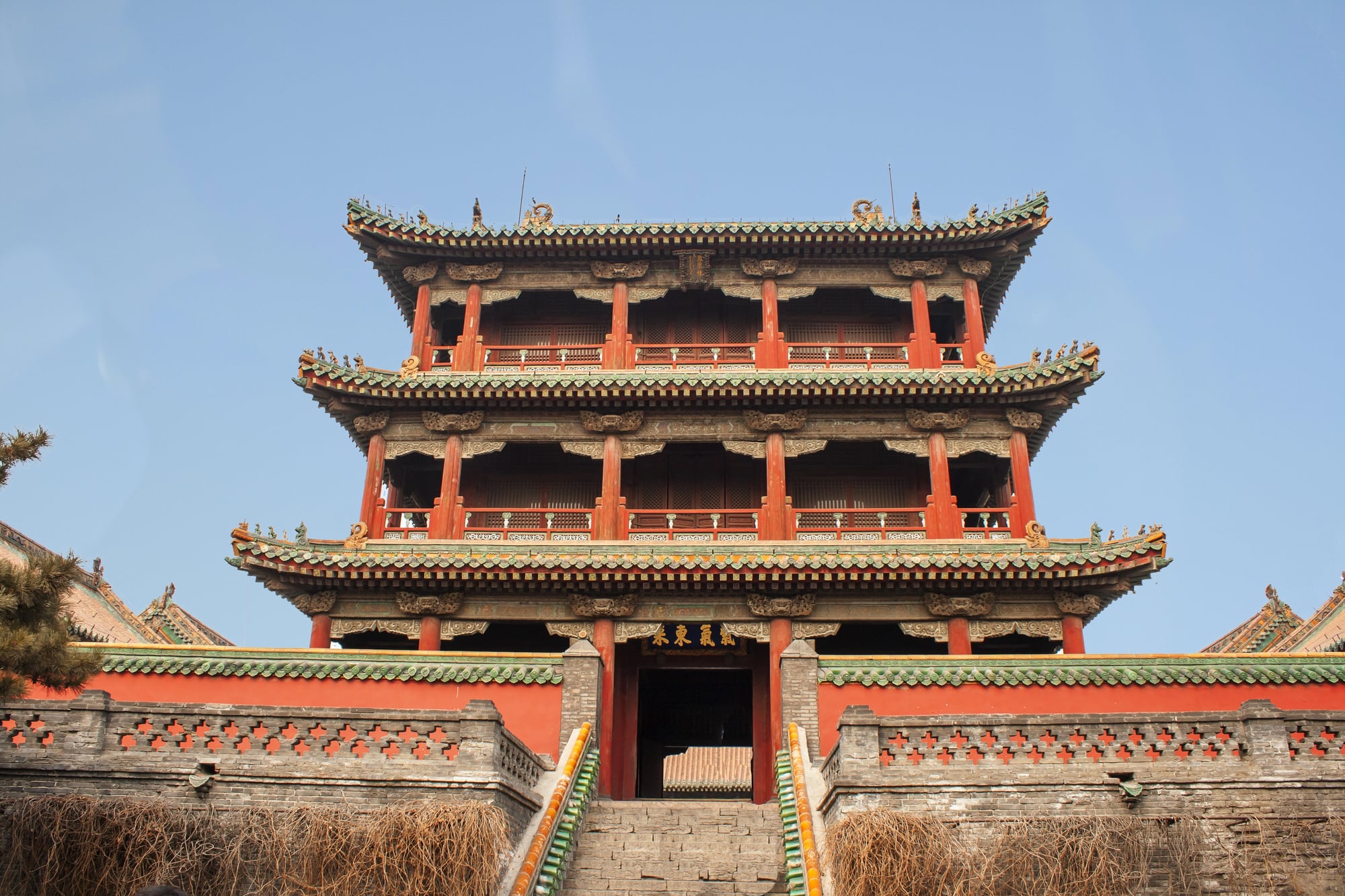
China perfected the art of cyclical collapse and renewal long before other civilizations figured out basic record-keeping. The Mandate of Heaven provided a convenient explanation for dynastic changes: rulers governed with divine approval until they didn’t, at which point rebellion became not just acceptable but necessary.
Each dynasty followed a predictable pattern — military conquest, territorial expansion, cultural flowering, bureaucratic corruption, economic decline, and collapse. The Han, Tang, Song, Ming, and Qing dynasties all reached remarkable heights before falling to internal decay or external invasion. What kept Chinese civilization continuous wasn’t any particular dynasty’s strength but the underlying cultural and administrative systems that survived political upheavals. Dynasties were replaceable; Chinese civilization apparently wasn’t.
Inca Empire
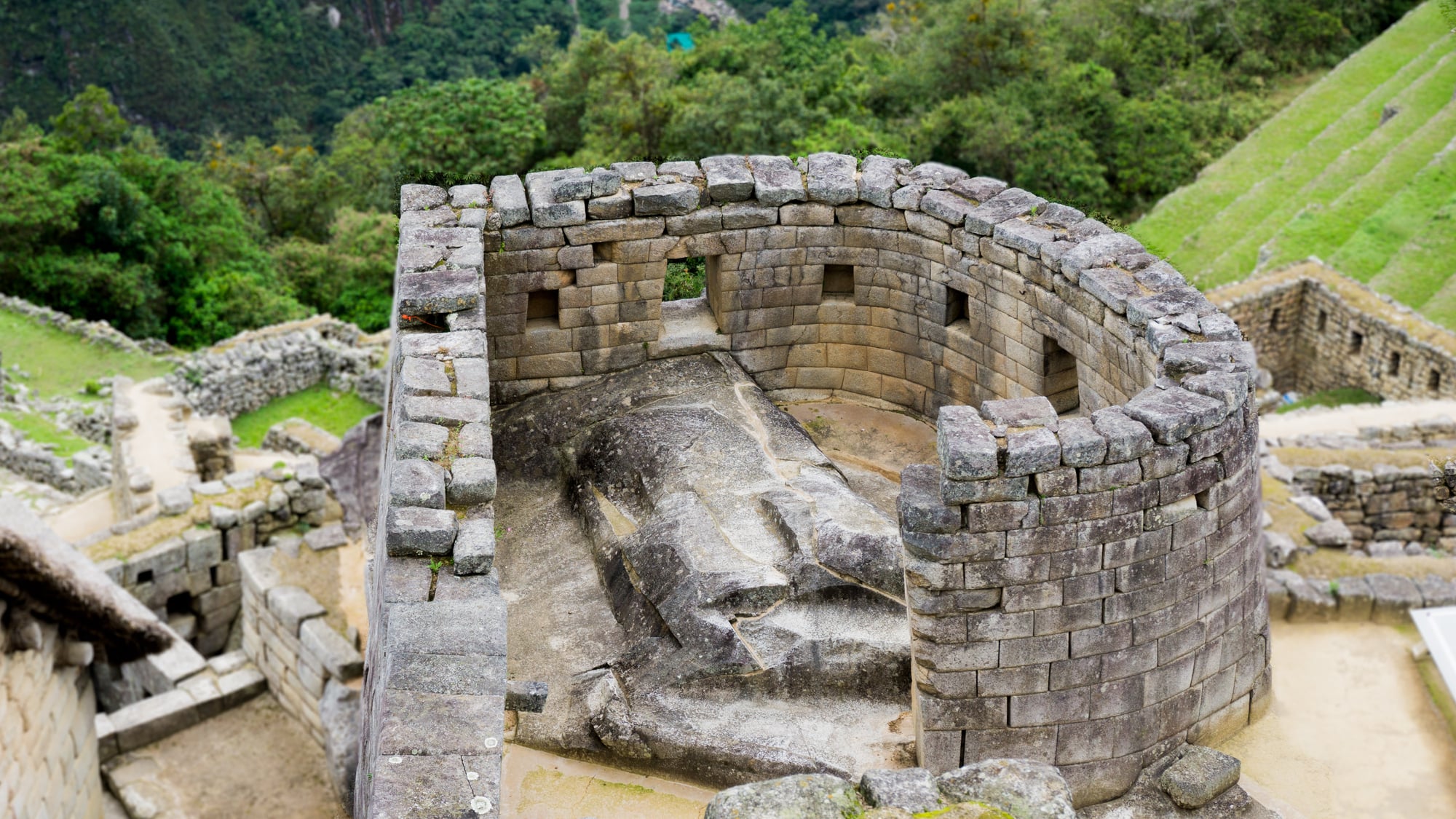
The Inca built an empire without wheels, written language, or iron tools, which says something remarkable about their organizational abilities (and makes you wonder what they might have accomplished with a few technological advantages that other civilizations took for granted). They constructed roads through the Andes that modern engineers still admire, developed agricultural techniques that maximized productivity in mountain terrain, and created administrative systems that effectively governed millions of people across thousands of miles of difficult geography. But the empire that had thrived on careful planning and gradual expansion couldn’t handle the kind of rapid, unpredictable disruption that European contact represented.
Francisco Pizarro captured the Inca emperor Atahualpa in 1532 with fewer than 200 men, and the entire empire effectively collapsed within a year — not because the Spanish were particularly numerous or well-equipped, but because the Inca political system concentrated so much authority in a single ruler that removing him left everyone else paralyzed and uncertain about their legitimacy to act. And like the Aztecs, the Inca discovered that having no previous exposure to Old World diseases meant that smallpox and typhus could accomplish what Spanish weapons alone never could have managed.
Greek City-States
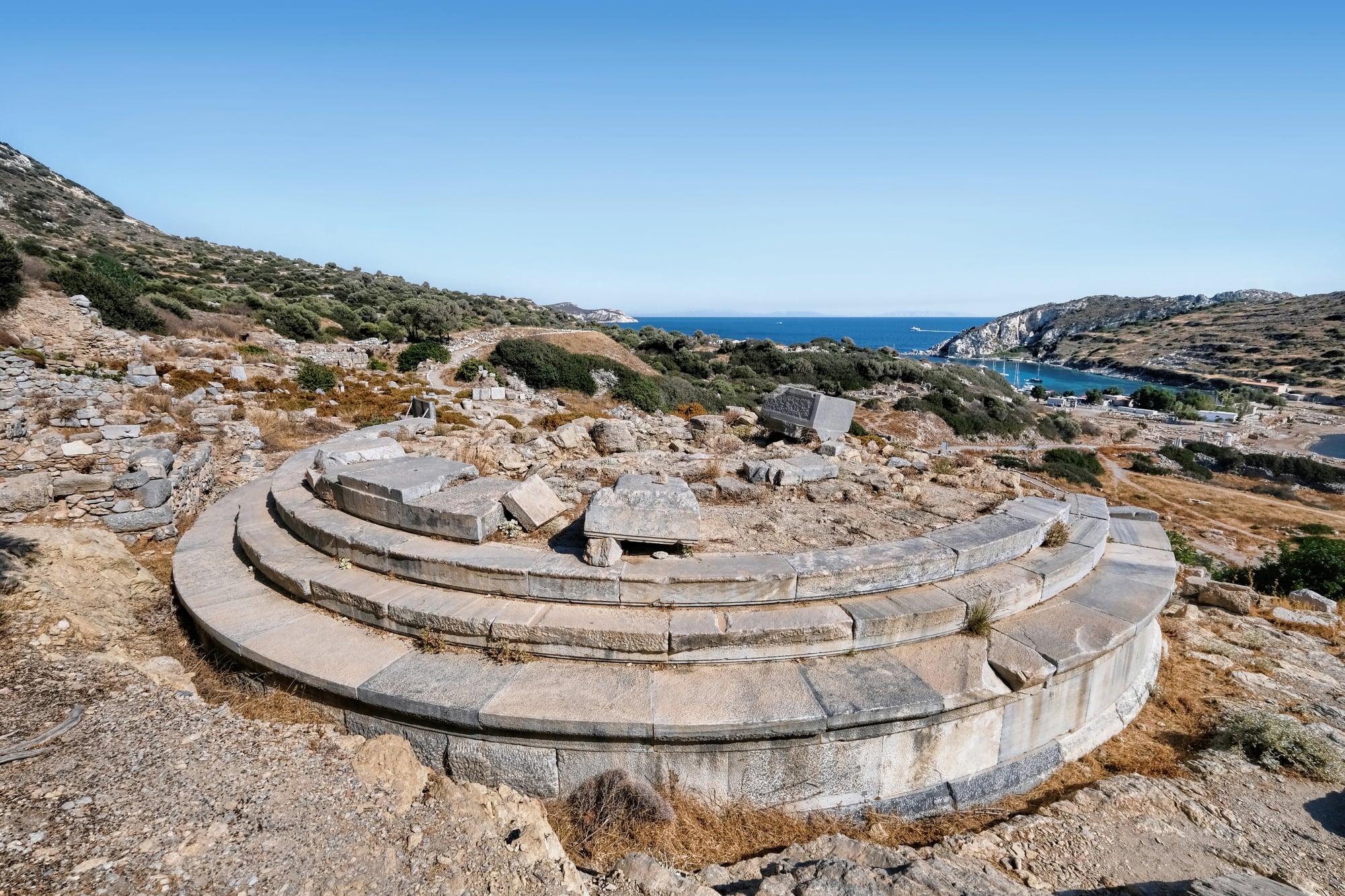
Ancient Greece wasn’t an empire in the traditional sense — it was a collection of independent city-states that shared language, religion, and culture while fighting each other almost constantly. Athens perfected democracy (for male citizens, anyway). Sparta created the most effective military culture in the ancient world. Together, they defeated the massive Persian invasion forces at Marathon, Thermopylae, and Salamis.
Greek civilization fell because Greeks couldn’t stop fighting each other long enough to build lasting political unity. The Peloponnesian War between Athens and Sparta exhausted both cities and left them vulnerable to outside conquest. When Philip II of Macedon and later his son Alexander conquered the Greek city-states, they weren’t overcoming Greek strength — they were taking advantage of Greek division. Greek culture survived and spread across the Mediterranean, but Greek political independence died from self-inflicted wounds.
Mayan Civilization
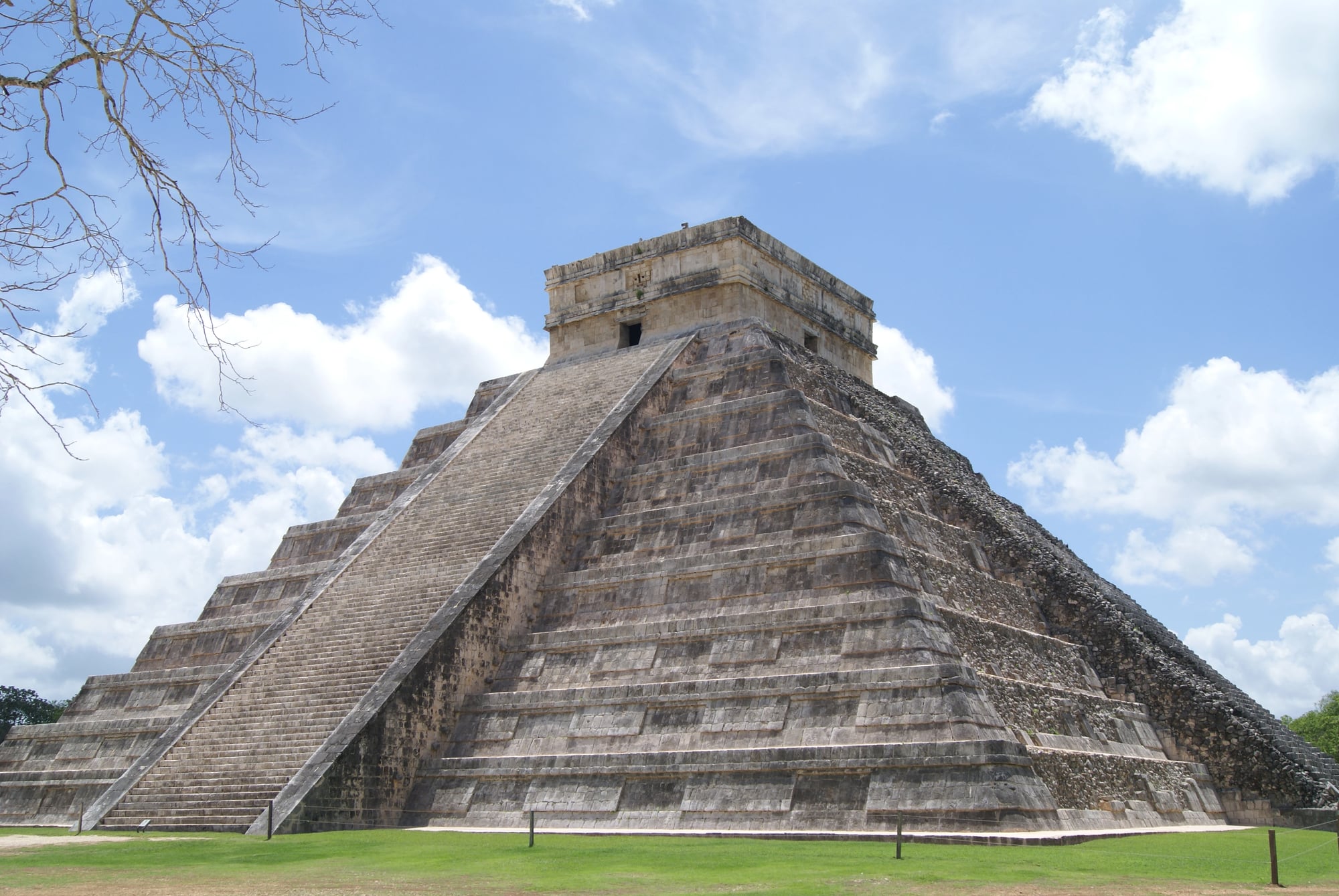
The Maya created the most accurate calendar in the ancient world, developed the concept of zero independently, and built cities in jungle environments that most civilizations would have considered uninhabitable. Their mathematical and astronomical knowledge surpassed anything available in Europe for centuries.
Classic Maya civilization collapsed between 800-900 CE, and nobody knows exactly why. Climate change, warfare, overpopulation, and environmental degradation all likely played roles. What’s clear is that the Maya didn’t disappear — they adapted, moved, and continued their culture in different forms. Spanish conquistadors encountered thriving Maya communities centuries later. The civilization didn’t fall so much as transform in response to challenges that made their previous urban centers unsustainable.
Babylonian Empire
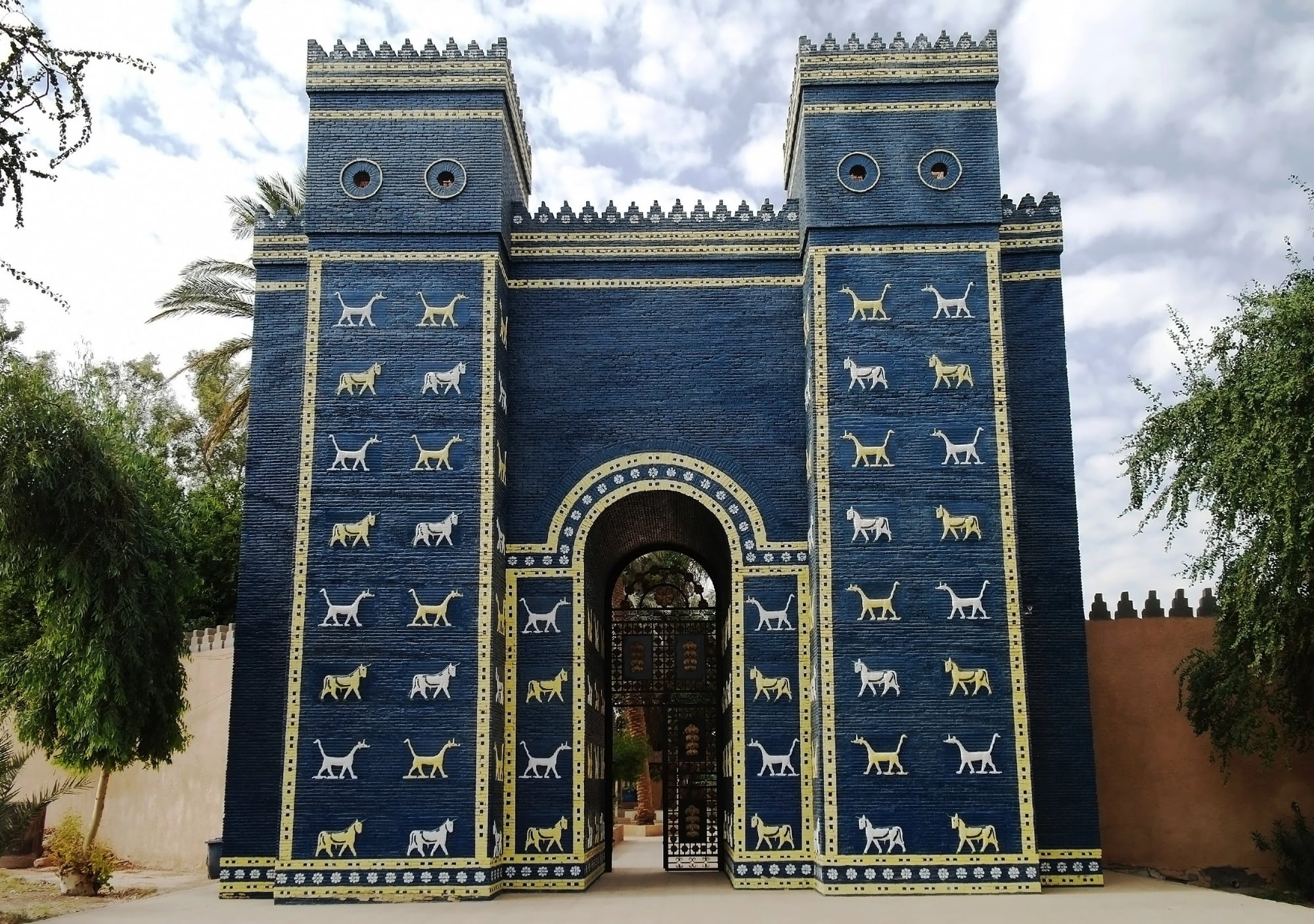
Babylon controlled Mesopotamia — the fertile land between the Tigris and Euphrates rivers where agriculture and writing were invented. Under Hammurabi, they created one of the first written legal codes. Under Nebuchadnezzar II, they built the Hanging Gardens and conquered Jerusalem.
The Babylonians fell to the same geographic advantage that had made them powerful. Mesopotamia was fertile and prosperous, but it was also flat and difficult to defend. Every ambitious conqueror eventually pointed armies toward Babylon because taking it meant controlling the region’s agricultural wealth and trade routes. The Persians conquered Babylon in 539 BCE, and it never regained independence. Sometimes being the prize makes you the target.
Byzantine Empire
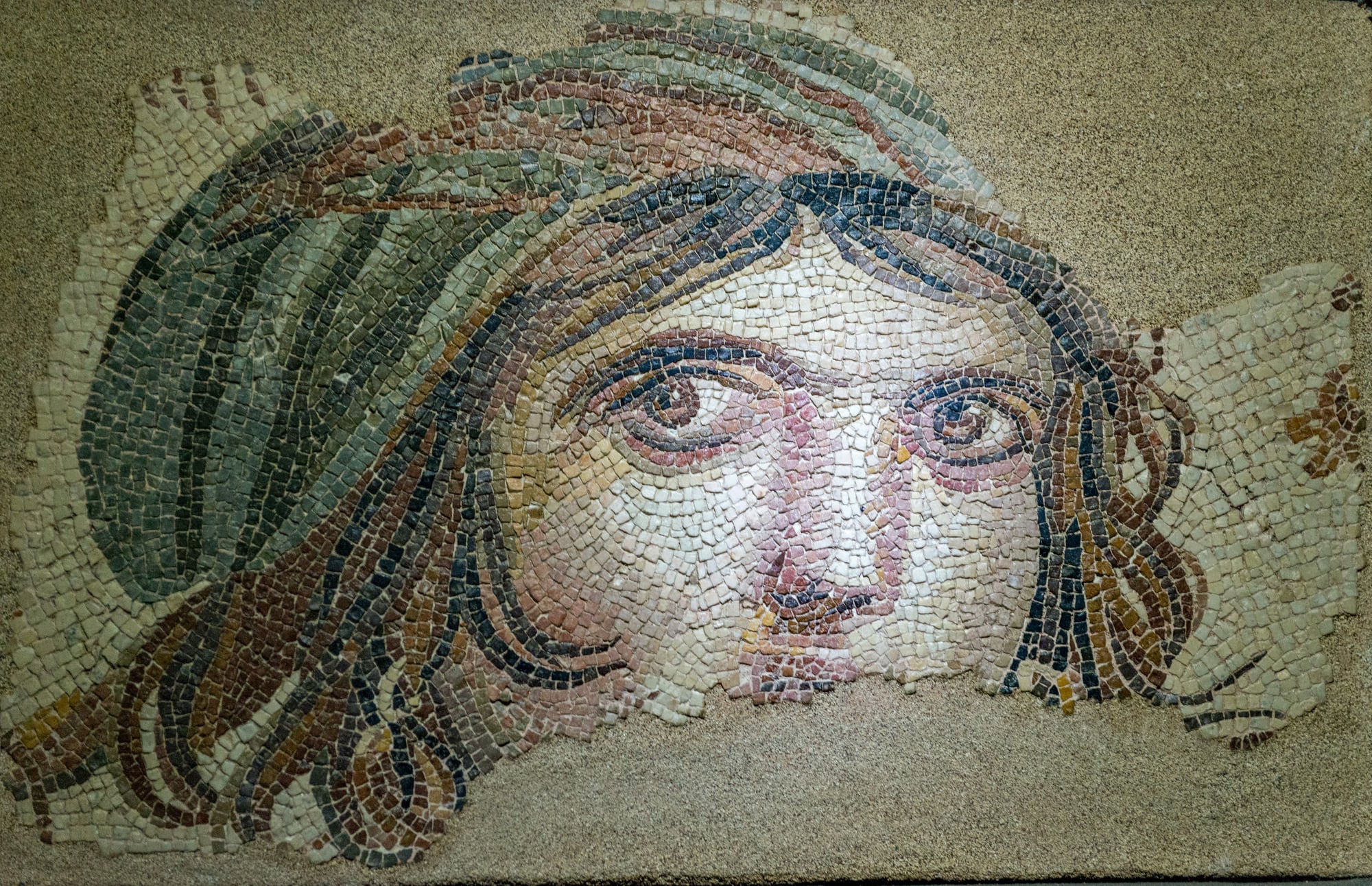
The Byzantine Empire was Rome’s stubborn eastern half — the part that refused to die when everyone expected it to. For a thousand years after the Western Roman Empire collapsed, Constantinople remained the center of a Christian empire that controlled trade between Europe and Asia.
The Byzantines survived by adapting. They developed Greek fire, an incendiary weapon that destroyed Arab fleets. They created a diplomatic system that played enemies against each other. They preserved classical learning through the Dark Ages. But by 1453, the empire had shrunk to just the city of Constantinople itself. When Ottoman cannons breached the city’s walls, they were ending an empire that had already become a historical curiosity. The Byzantines lasted longer than they had any right to, which is probably the best epitaph any civilization can hope for.
Khmer Empire
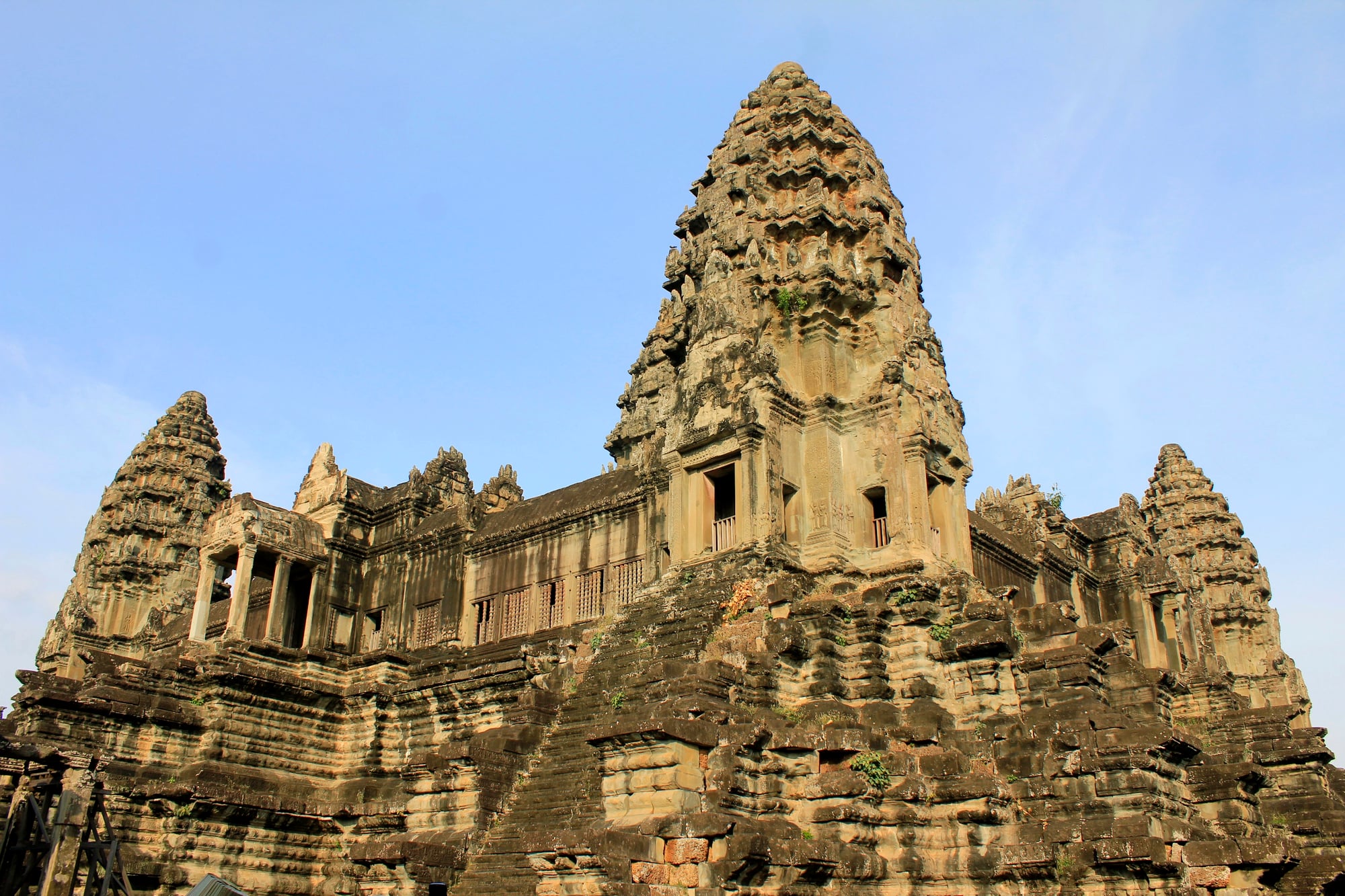
Angkor Wat stands in the Cambodian jungle as proof that the Khmer Empire achieved something extraordinary — they built the largest religious complex in the world using techniques that archaeologists are still trying to understand. At its height, the Khmer controlled much of Southeast Asia and supported cities larger than anything in medieval Europe.
The empire fell gradually, weakened by climate change that disrupted their sophisticated water management systems and constant warfare with neighboring Thai and Vietnamese kingdoms. By the 15th century, the jungle was reclaiming Angkor. European explorers in the 19th century found the temples covered by vegetation, as if the forest had decided to take back what belonged to it. The Khmer Empire demonstrates that even the most impressive engineering can’t overcome environmental challenges and military pressure simultaneously.
The Patterns That Persist

Looking at these civilizations, the same themes surface repeatedly like geological strata. Overextension killed more empires than enemy armies ever did. Internal corruption weakened foundations that external threats merely pushed over. Economic systems that worked for centuries suddenly stopped working when circumstances changed.
But perhaps the most striking pattern is how rarely these civilizations saw their own collapse coming. Each generation assumed their systems were permanent, their advantages unassailable. The Romans thought barbarians were a manageable problem. The British thought their naval supremacy would last forever. The Maya thought their cities would always thrive. History suggests that confidence in permanence might be the most dangerous luxury any civilization can afford.
More from Go2Tutors!

- The Romanov Crown Jewels and Their Tragic Fate
- 13 Historical Mysteries That Science Still Can’t Solve
- Famous Hoaxes That Fooled the World for Years
- 15 Child Stars with Tragic Adult Lives
- 16 Famous Jewelry Pieces in History
Like Go2Tutors’s content? Follow us on MSN.