Iconic Sports Uniforms and Their Stories
Sports jerseys aren’t just about showing what team you’re on. Yet they grow into icons, holding years of stories, standing for whole towns, even shaping how people see an era.
One shirt might bring back a single play, or remind you of sitting beside your dad at the stadium. These designs last since they reflect what truly matters to the squad that wears it.
The Yankees Pinstripes

The New York Yankees began using pinstripes in 1912, stopped for a short time, yet returned to them by 1915 – this time permanently. Rumor says the thin stripes were meant to make Babe Ruth appear thinner, though that’s false; the design was already around.
Still, people keep repeating it since it feels believable. These jerseys hit the mark because they’re low-key.
No labels down the back. Not a bright shade in sight.
Instead, dark blue stripes over white – and that classic NY symbol linked together. They shout team first, star second – just how this club likes it seen.
After 27 titles? Tweaking them feels kinda wrong.
The Green Bay Packers in Green and Gold

The Packers started with blue and gold uniforms in 1921, inspired by coach Curly Lambeau’s colors from Notre Dame. The switch to green came later, becoming permanent in the late 1930s.
For a town of just over 100,000 people to have an NFL franchise feels improbable. The uniform connects to that small-town identity.
The “G” logo didn’t appear until 1961. Before that, players wore plain helmets.
The color combination stands out on the field—not many teams use gold as a primary color. When you see those colors, you think of frozen tundra and fans who own shares in the team.
The uniform reflects the unique relationship between the city and its franchise.
Montreal Canadiens Red, White, and Blue
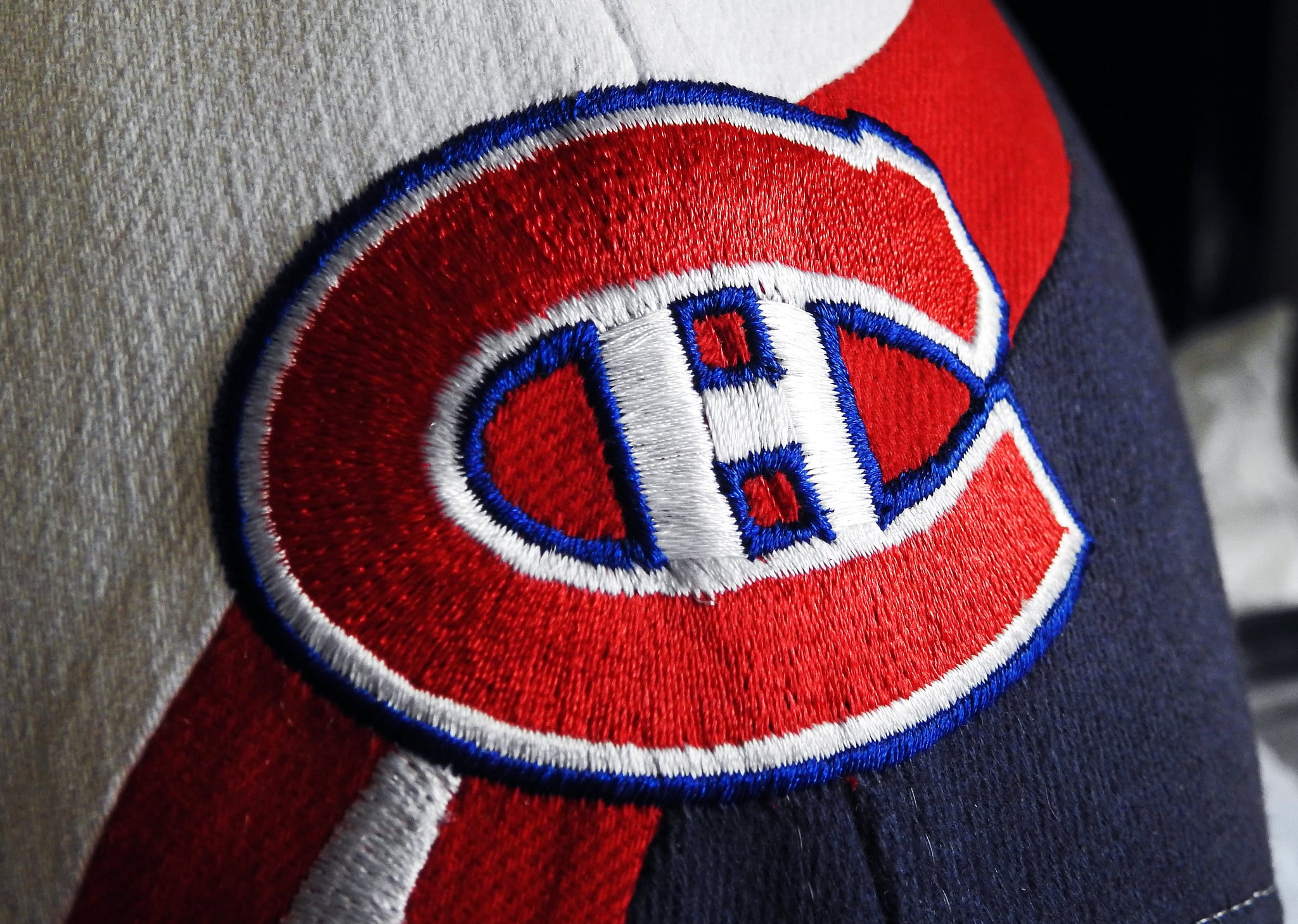
The “CH” on the Canadiens jersey stands for “Club de Hockey Canadien.” The team introduced this logo in the 1917-18 season when they changed their name from Club Athletique Canadien.
The “H” stands for “Hockey,” not “Habitants” as many people assume, though that misconception helped create the team’s popular “Habs” nickname. Twenty-four Stanley Cup victories have been won while wearing these colors.
The jersey represents French-Canadian pride and the province of Quebec’s complex relationship with the rest of Canada. Players describe feeling the weight of history when they first pull on that sweater.
The simple design—red with a blue and white striped band around the middle—has influenced countless other hockey jerseys. But the original still hits differently.
The Oakland Raiders Silver and Black

Al Davis wanted his team to look intimidating. Mission accomplished.
The Raiders adopted silver and black in 1963, creating one of the most recognizable color schemes in sports. The uniforms match the team’s reputation.
They look tough without trying too hard. The pirate logo reinforces the outlaw image that the franchise cultivated over decades.
Players and fans embrace this identity—wearing silver and black means something beyond just supporting a team. It represents a rebellious attitude and a refusal to conform.
Even after the moves to Los Angeles and then Las Vegas, those colors remain the core of the franchise’s identity.
UCLA Basketball’s Powder Blue and Gold

John Wooden’s teams won ten national championships in twelve years wearing powder blue and gold. The colors date back to 1919, chosen to represent “blue skies of the West” and California’s “Golden State” nickname.
The powder blue shade distinguishes UCLA from every other blue-wearing program. It reads as both retro and modern somehow.
The uniforms became synonymous with Wooden’s dynasty and the players who wore them—Kareem Abdul-Jabbar, Bill Walton, and countless others. When you see powder blue and gold on a basketball court, you think about perfection and dynasty.
The uniform carries expectations.
Brazil’s Yellow Jersey
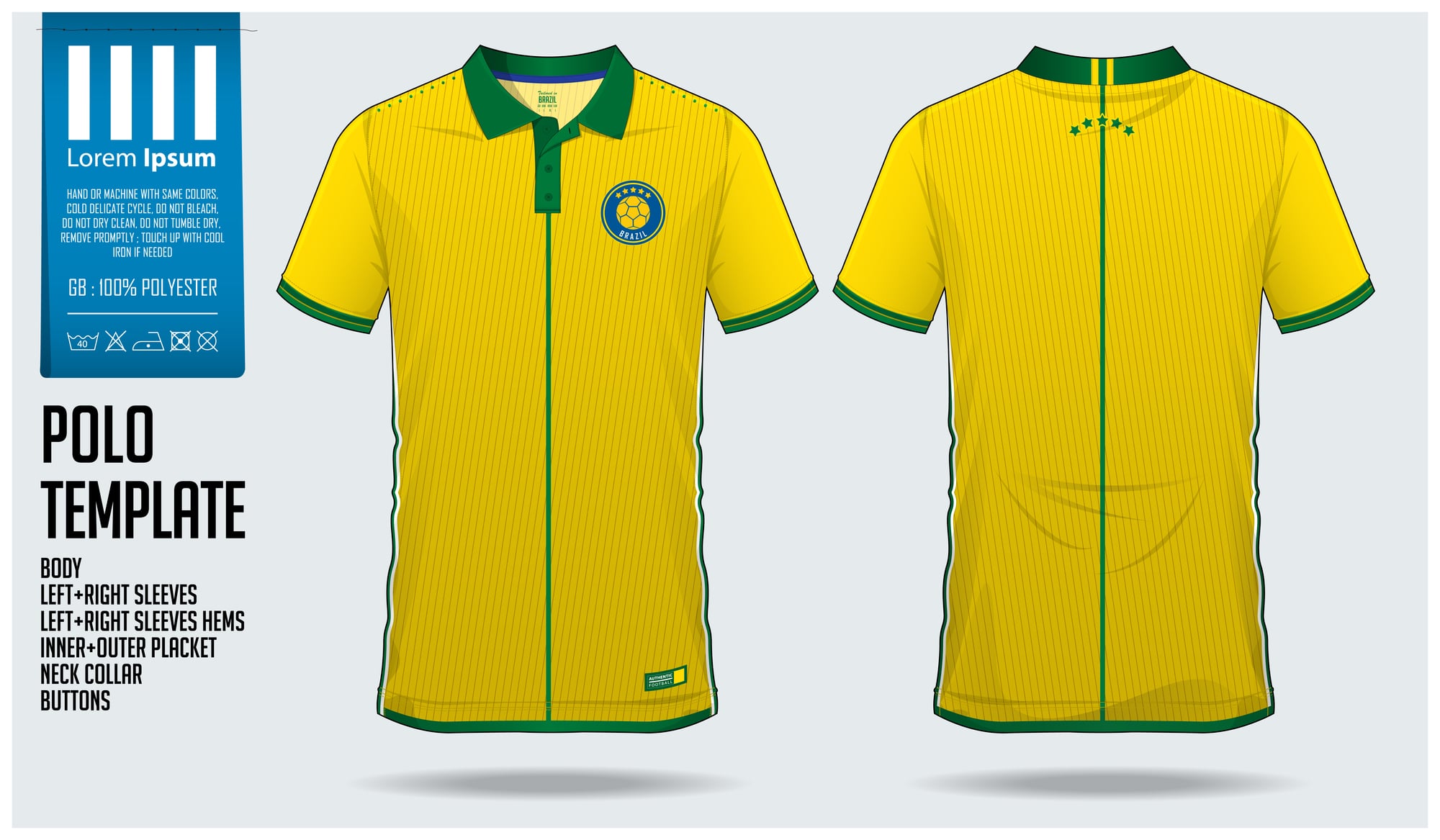
Brazil’s national team originally wore white with blue trim. After losing the 1950 World Cup final at home to Uruguay—a defeat that traumatized the nation—the white uniform became associated with failure.
In 1953, the Brazilian sports newspaper Correio da Manhã held a competition to design a new kit. The requirement? Use the four colors of the Brazilian flag.
Nineteen-year-old Aldyr Garcia Schlee won with his design featuring bright yellow with green trim. The new uniform debuted in March 1954 in a match against Chile.
Five World Cup victories later, the yellow jersey represents not just Brazilian soccer but Brazilian culture itself. The uniform is called “canarinho” (little canary) and has become one of the most recognized symbols in world sports.
Wearing that yellow comes with the expectation to play beautiful, attacking soccer—joga bonito.
Michigan Football Winged Helmet
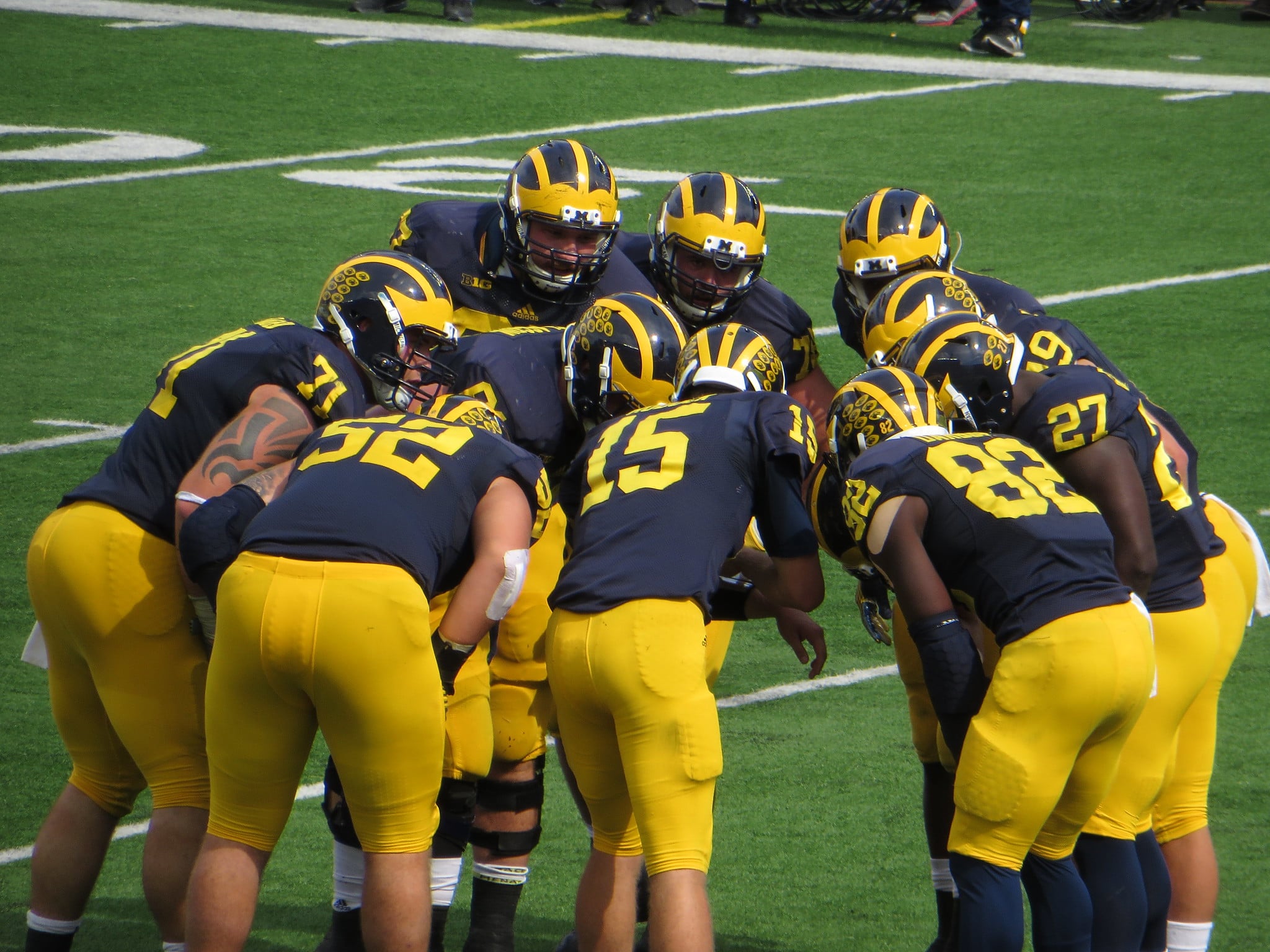
Fritz Crisler introduced the winged helmet design in 1938 when he arrived as head coach. He had used a similar design at Princeton
The practical reason? The wing pattern helps quarterbacks spot receivers downfield more easily.
But the design became so much more than functional. The maize and blue winged helmet is now iconic.
Over 900 wins have happened while players wore that design. The helmet represents tradition in a sport obsessed with tradition.
Michigan never wears alternate helmets or uniform combinations—the winged helmet stays consistent year after year. That stubbornness to change has made the design even more special.
The Boston Celtics Parquet Floor and Green
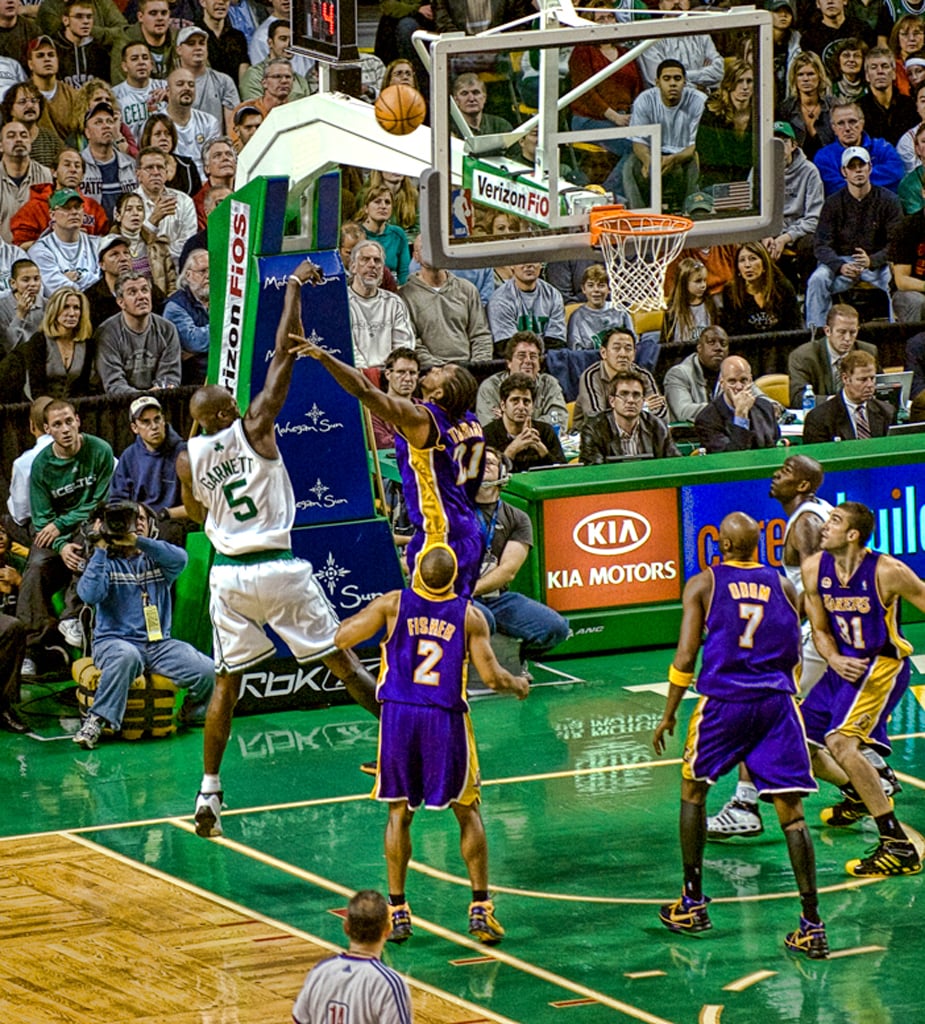
The Celtics uniform itself is fairly standard—green with white trim. But the uniform becomes iconic in combination with the parquet floor of Boston Garden.
Seventeen championships in the original Garden created the mystique. Red Auerbach added the green jersey numbers with white trim in the 1950s.
The shamrock on the shorts appeared in the 1970s. But the core design has stayed remarkably consistent.
Players like Bill Russell, Larry Bird, and Paul Pierce all wore essentially the same uniform across different eras. That consistency matters—when you put on the Celtics green, you’re connecting to every player who came before.
The All Blacks Rugby Jersey

New Zealand’s national rugby team has worn all black since 1893. The uniform is simple—black jersey, black shorts, black socks with a white stripe.
The silver fern on the chest is the only decoration needed. The All Blacks have the best winning percentage of any national team in major sports.
The uniform is part of their intimidation factor. Before each match, they perform the haka in those black uniforms, which has become one of sports’ most powerful traditions.
Players describe the honor of wearing the jersey as almost spiritual. Messing up while wearing the all black is considered unacceptable—the uniform demands excellence.
Penn State Plain White Helmets
Joe Paterno insisted on keeping Penn State’s helmets plain white with no logo. The reasoning? No individual is more important than the team.
The blue and white uniforms with those plain helmets created a distinctive look that stood out precisely because of what it lacked. The simplicity feels almost defiant in modern sports where every surface gets covered with logos and branding.
Penn State’s uniform philosophy reflected Paterno’s coaching philosophy—fundamental, no-nonsense football. The program has since added small details to the uniform, but the core design remains rooted in that original idea of selfless team play.
Ferrari Red in Formula 1

Rosso corsa—racing red—has been Ferrari’s color since the 1920s. When Enzo Ferrari started Scuderia Ferrari in 1929, he chose red because that was the color assigned to Italian race cars in international competition.
The uniform of Ferrari mechanics and drivers in that distinctive red represents speed, tradition, and Italian passion. The color became so associated with Ferrari that other Italian racing teams avoided using it.
The red overalls and red car create one unified visual identity. When you see that shade of red on a racing circuit, you know exactly what it means—history, prestige, and the weight of decades of expectation.
North Carolina Basketball Argyle
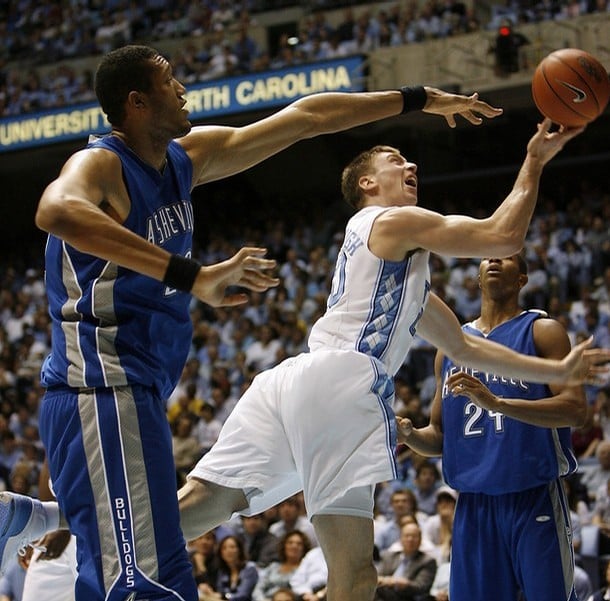
The argyle pattern on North Carolina’s uniforms appeared in various forms over the years, but the modern version became iconic during the Michael Jordan era. The pattern uses Carolina blue and white in a diagonal design on the shorts.
The argyle connects to the preppy, East Coast identity of the university while still looking distinctly athletic. Players who wore those uniforms—Jordan, James Worthy, Vince Carter—helped create the mystique.
The pattern has gone through updates and revisions, but it remains central to UNC’s visual identity. When you see argyle on a basketball uniform, you think of North Carolina.
The Chicago Bears Wishbone “C”
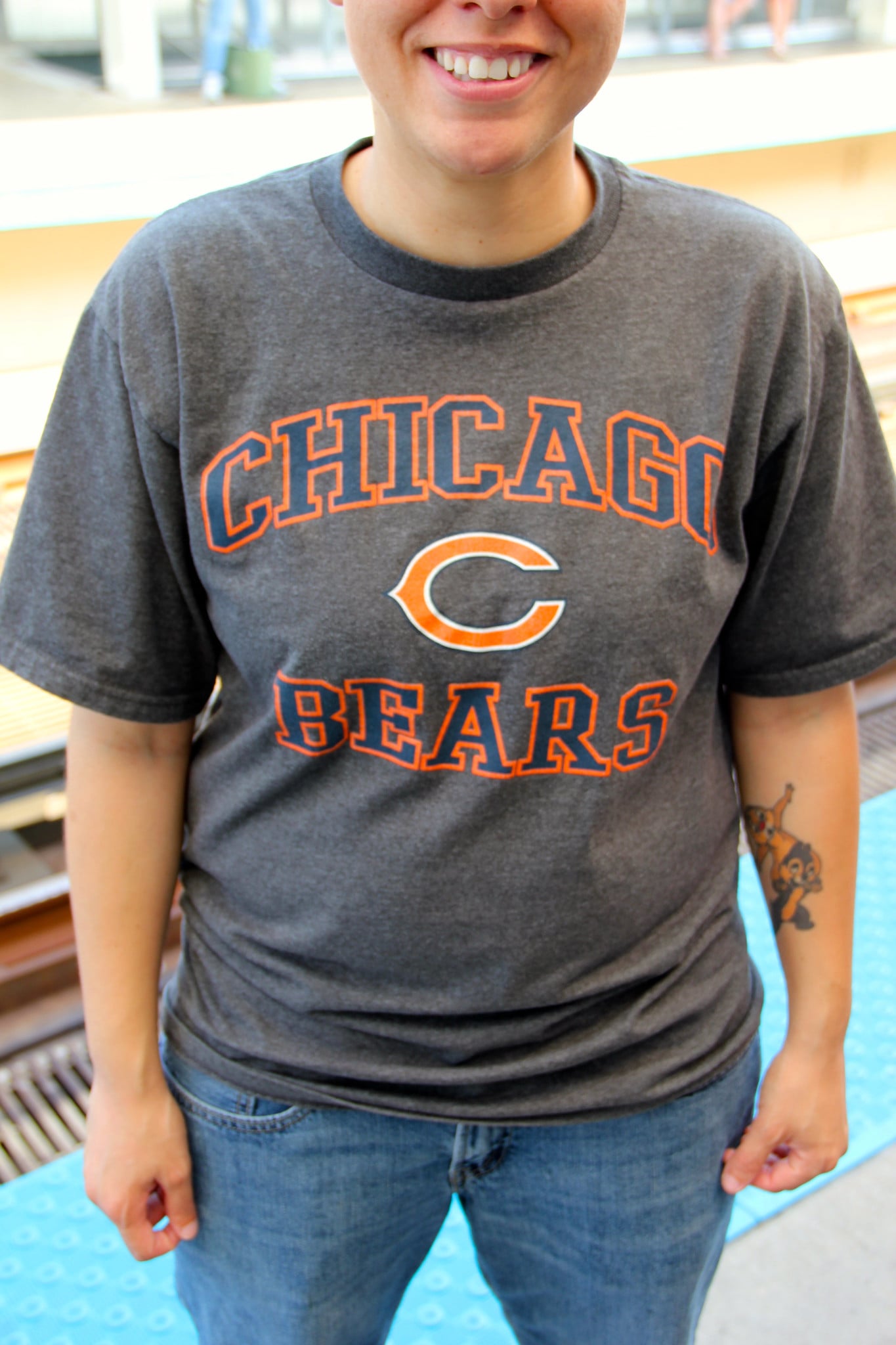
The Bears introduced their iconic “C” logo in 1962. Before that, they wore plain helmets or a bear logo.
The simple “C” captured something essential about the franchise—tough, straightforward, old-school football. Orange and navy blue might seem like an unusual combination, but it works.
The Bears uniform looks like it belongs in 1940 and 2024 at the same time. That timeless quality comes from refusing to over-design.
The wishbone “C” on an orange helmet against a navy jersey creates a clean, recognizable silhouette. Butkus, Walter Payton, and countless other legends wore that uniform while embodying a particular style of physical, grinding football.
The Weight of History
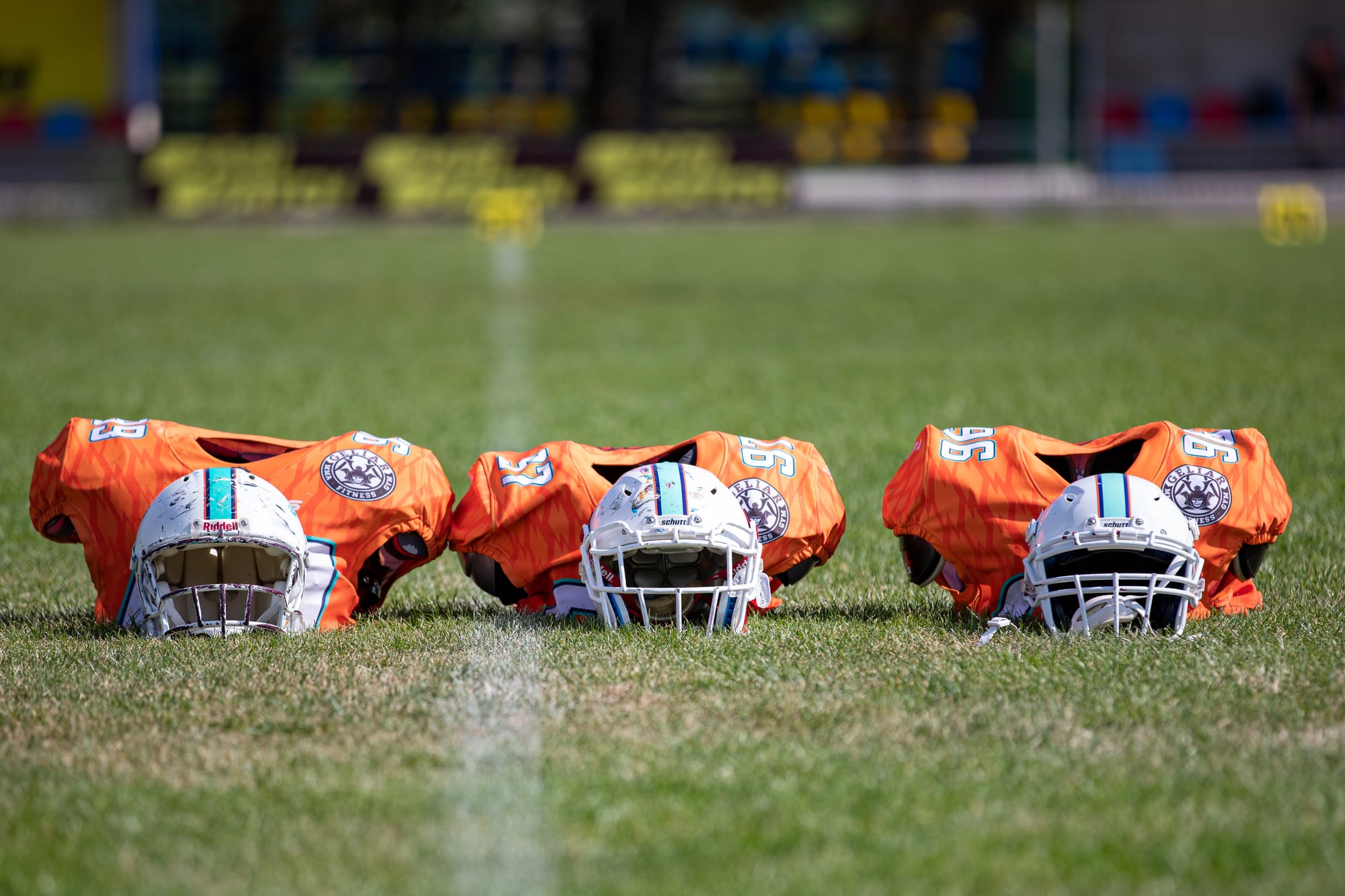
Uniforms aren’t only about fabric or colors. But they connect fans to moments, while binding players to legacies handed on.
Even so, standout designs serve as emblems for entire squads – alongside the values those crews uphold. Putting on a Yankees jersey or an All Blacks uniform at the start, rookies feel like old-timers are watching close behind.
That pressure might crush someone – or push them harder, really depends on the person. Thing is, these clothes stopped being just team gear a while back.
Slowly, they became symbols meaning way more than victories or records – they show what kind of player you’ve become.
More from Go2Tutors!

- The Romanov Crown Jewels and Their Tragic Fate
- 13 Historical Mysteries That Science Still Can’t Solve
- Famous Hoaxes That Fooled the World for Years
- 15 Child Stars with Tragic Adult Lives
- 16 Famous Jewelry Pieces in History
Like Go2Tutors’s content? Follow us on MSN.