Historic Objects That Altered Daily Life
Think about your morning routine. You flip on the lights, check your phone, maybe make coffee with water from the tap.
These simple actions rely on innovations that were once considered miraculous. Throughout history, certain objects have emerged that fundamentally reshaped how humans live, work, and connect with each other.
Some took centuries to develop while others appeared almost overnight, but each one left an indelible mark on civilization. Here is a list of historic objects that transformed ordinary existence and paved the way for the modern world.
The Electric Light Bulb

Humans had relied on fire, candles, and oil lamps for millennia before the electric light bulb arrived in the late 1870s. While multiple inventors contributed to its development, Thomas Edison and Joseph Wilson Swan created the first commercially viable versions using improved vacuum technology and metal filaments.
The light bulb didn’t just extend productive hours into the night—it fundamentally altered human sleep patterns and transformed cities into glowing beacons that never truly slept.
The Compass

Magnetic compasses originated in ancient China but became the primary navigation tool for mariners by the 14th century, replacing astronomical methods that were useless on cloudy nights. This simple device pointing north gave explorers the confidence to venture across vast oceans, which ignited the Age of Discovery and connected previously isolated cultures.
Without the compass, Europe might never have gained the wealth and power that fueled the Industrial Revolution.
The Automobile
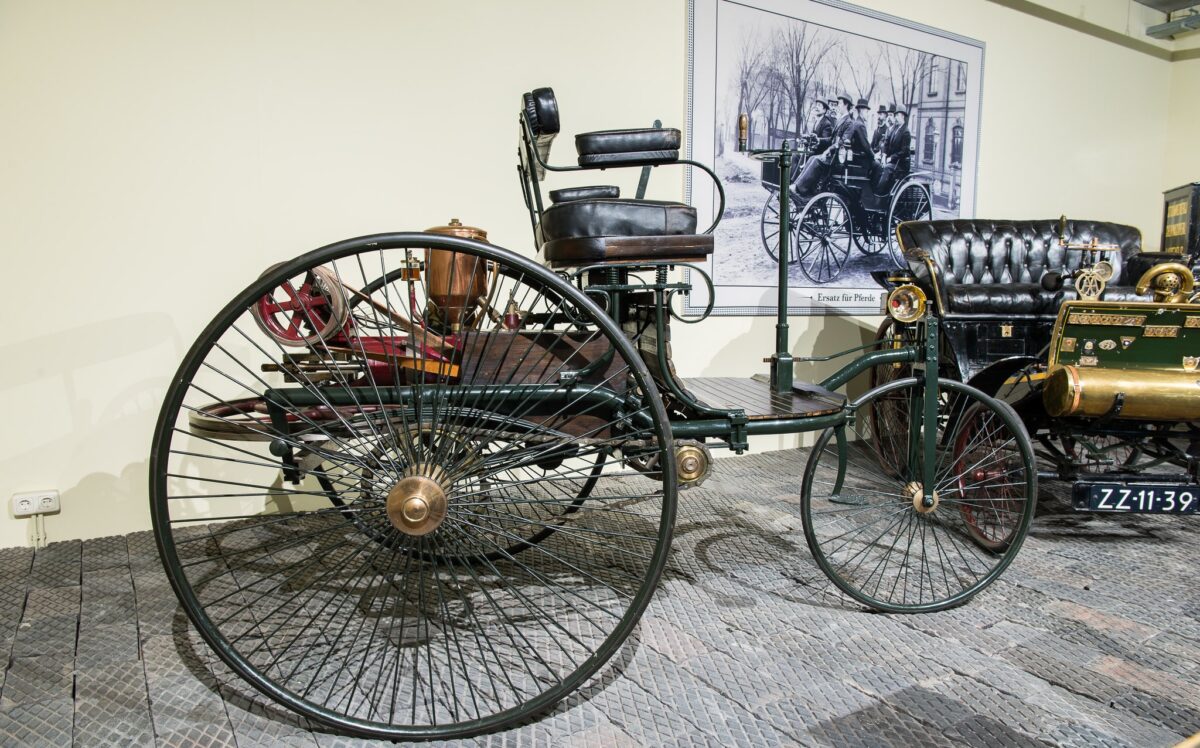
Karl Benz patented his Patent Motor Car in 1886, though the automobile had been evolving since Nicolas-Joseph Cugnot’s steam-powered vehicle in 1769. The early models were slow, unreliable contraptions that maxed out below 10 miles per hour, but they represented freedom from the limitations of horse travel.
Henry Ford’s mass-production techniques in the early 20th century made cars affordable for ordinary families, reshaping cities, suburbs, and the entire landscape of transportation.
The Telephone
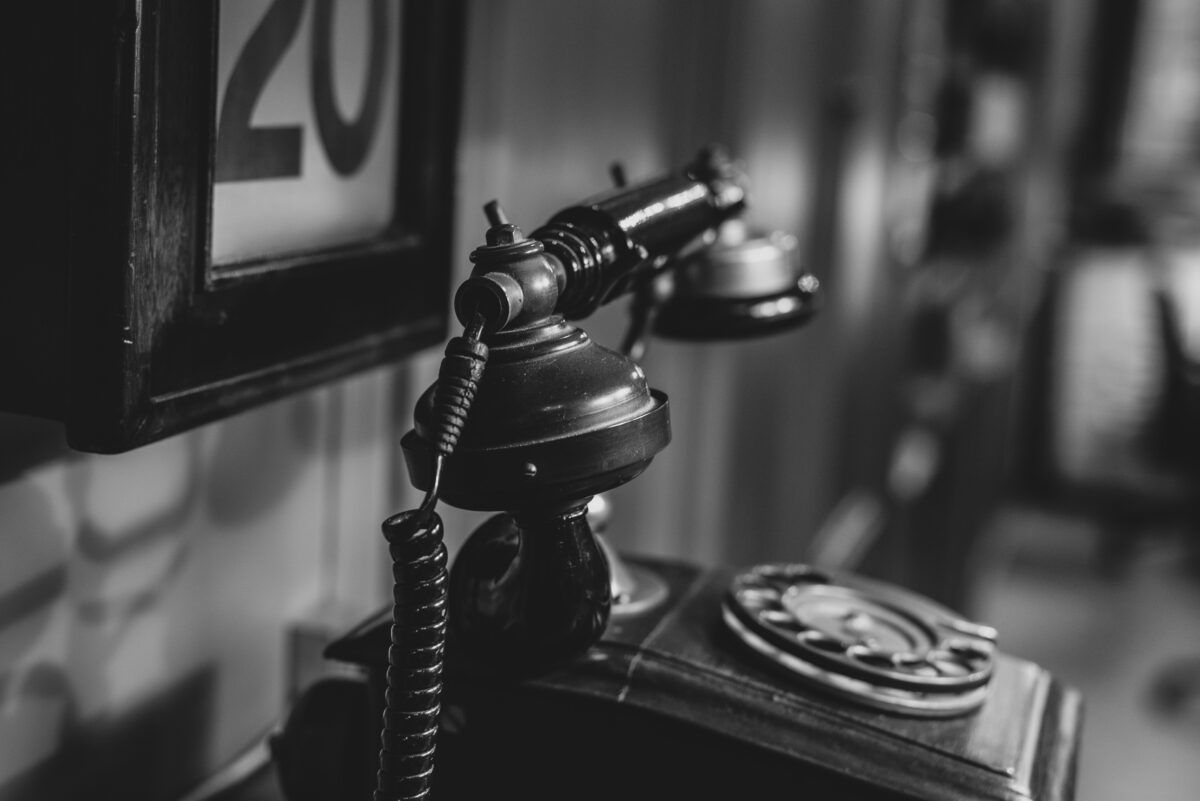
Alexander Graham Bell’s telephone arrived in 1876 and created humanity’s first experience of live, two-way communication across distances. Before this, sending a message meant writing a letter and waiting days or weeks for a response, which made business transactions sluggish and personal connections difficult.
The telephone shrank the world in ways that telegraph systems never could because it carried the human voice itself, complete with emotion and nuance.
Paper Money

China developed the first paper currency during the Tang and Song dynasties, starting in the 7th century, when merchants wanted to avoid hauling heavy copper coins for large transactions. The concept spread globally over centuries, eventually replacing precious metals as the primary medium of exchange.
Paper notes freed governments from dependency on limited metal supplies during crises and created the foundation for modern monetary systems built on trust rather than intrinsic value.
The Camera

Louis-Jacques-Mandé Daguerre and Nicéphore Niépce created the first successful photograph in the 1830s, though Niépce’s early attempts required eight hours of exposure time. The daguerreotype eventually reduced this to 20 or 30 minutes, which was still an eternity compared to modern instant photography.
George Eastman’s Kodak Camera in the late 1800s transformed photography from a formal, technical pursuit into casual snapshots of daily life that ordinary people could afford and enjoy.
The Steam Engine
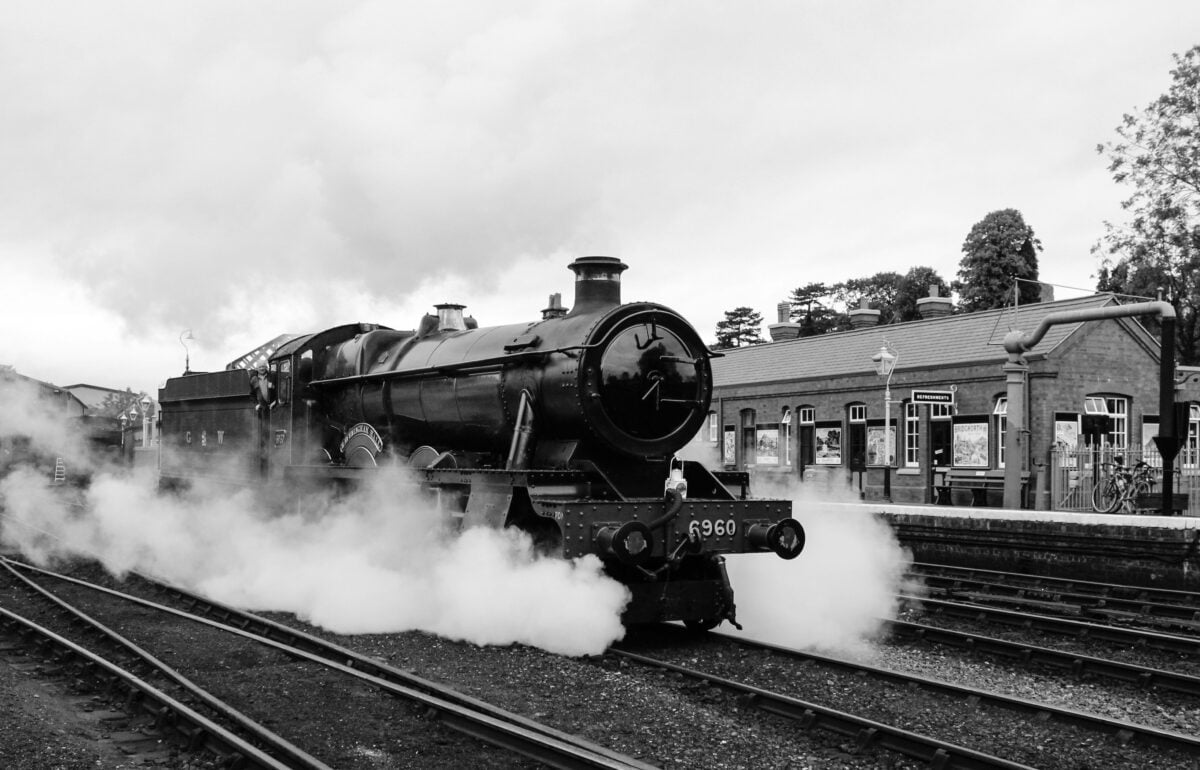
Thomas Savery developed the first practical steam-powered water pump in 1698, and James Watt perfected the technology in the late 1700s. The steam engine became the beating heart of the Industrial Revolution, powering factories, trains, ships, and machinery that completely transformed agriculture and manufacturing.
This breakthrough in converting energy into motion laid the groundwork for internal combustion engines and jet turbines that followed.
Steel Manufacturing
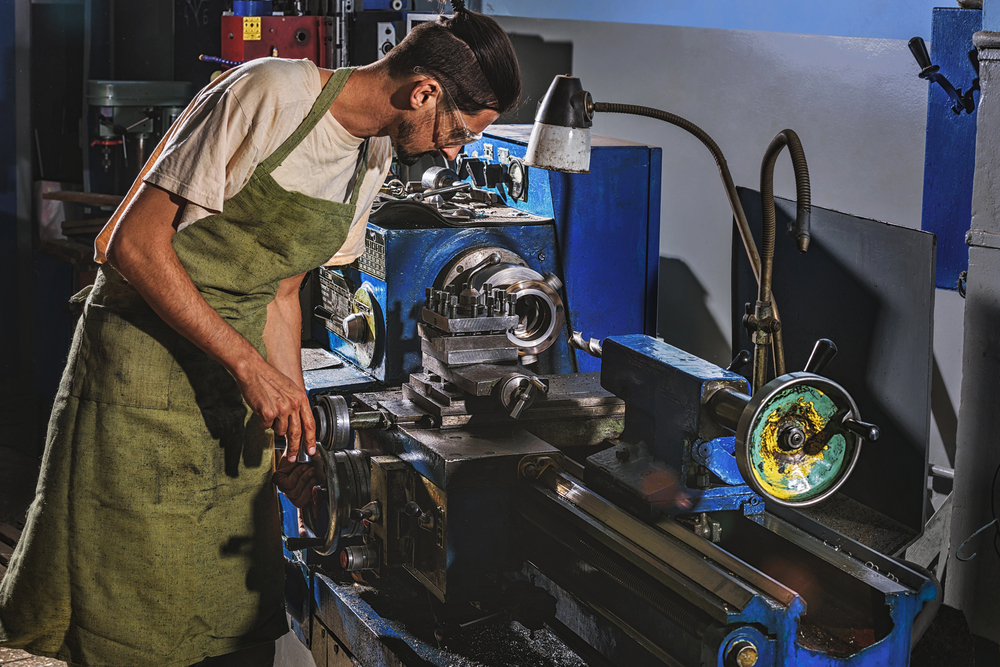
Humans had worked with steel for thousands of years, but the Bessemer Process invented in the 1850s allowed mass production for the first time. Sir Henry Bessemer in England and William Kelly in the United States independently developed methods for creating steel using molten pig iron, which made the material affordable and abundant.
Steel became the skeleton of modern civilization, supporting bridges, railroads, skyscrapers, and engines that defined industrial cities.
The Radio
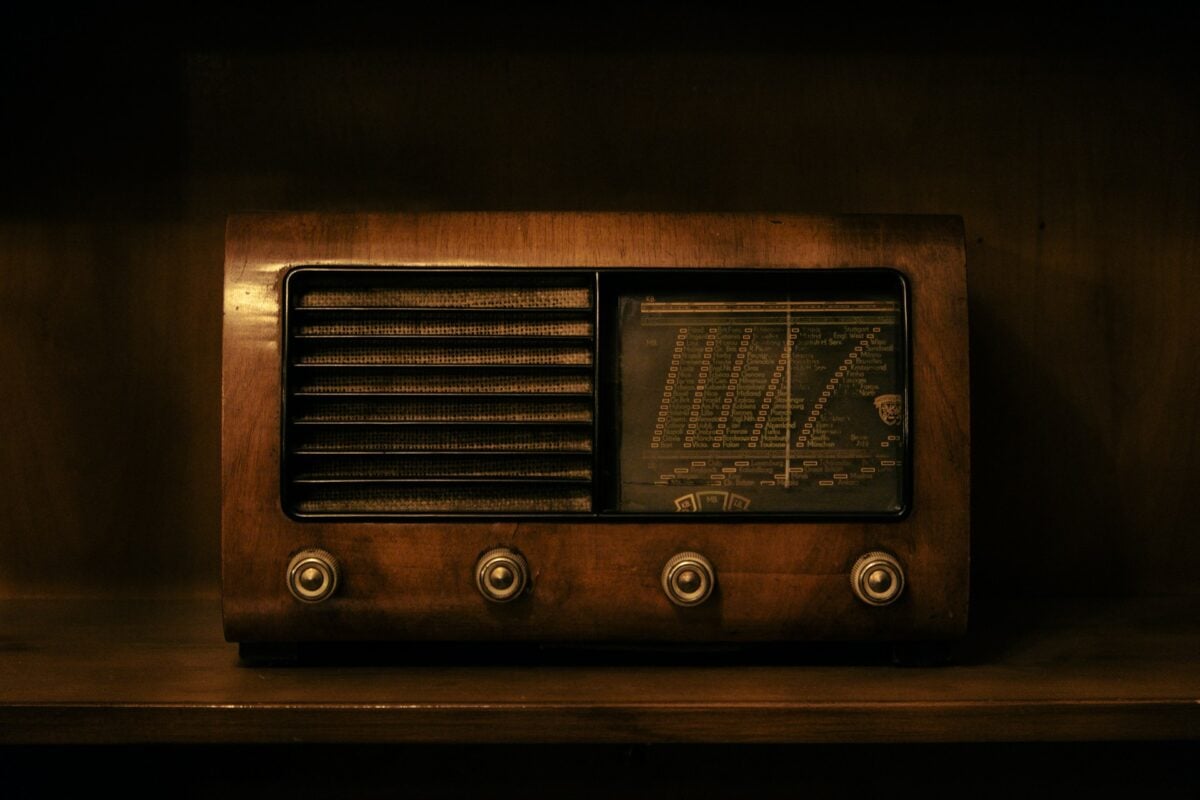
Guglielmo Marconi invented the radio in 1895, creating a system that could transmit information wirelessly using radio waves. For the first time, news and entertainment could be broadcast simultaneously to millions of people, creating shared cultural experiences across vast distances.
The radio brought the world into people’s living rooms, whether that meant music, news bulletins, or FDR’s fireside chats during the Great Depression.
The Airplane

The Wright brothers demonstrated controlled, sustained flight in 1903 at Kitty Hawk, accomplishing what had been considered impossible throughout human history. Their first flights covered distances shorter than a football field, but they proved that humans could master the skies with engineering rather than wishful thinking.
Aviation revolutionized travel, shipping, warfare, and commerce, turning weeks-long ocean voyages into hours-long flights.
Indoor Plumbing

Urban sanitation systems and indoor plumbing represented one of the most significant improvements to human health and comfort in history. Ancient civilizations had primitive plumbing, but modern systems became widespread in cities during the late 19th and early 20th centuries.
Clean water piped directly into homes and proper waste removal eliminated countless waterborne diseases, dramatically increasing life expectancy and improving quality of life.
Plastic

John Wesley Hyatt developed celluloid, the first synthetic plastic, in the 1860s and 1870s as a substitute for expensive natural materials. Before plastic, the world relied on ivory, wood, and metal for countless everyday items, which made many goods prohibitively expensive.
Plastic revolutionized manufacturing by offering a cheap, versatile, moldable material that could be used for everything from packaging to medical devices, though its environmental consequences weren’t understood for generations.
The Phonograph
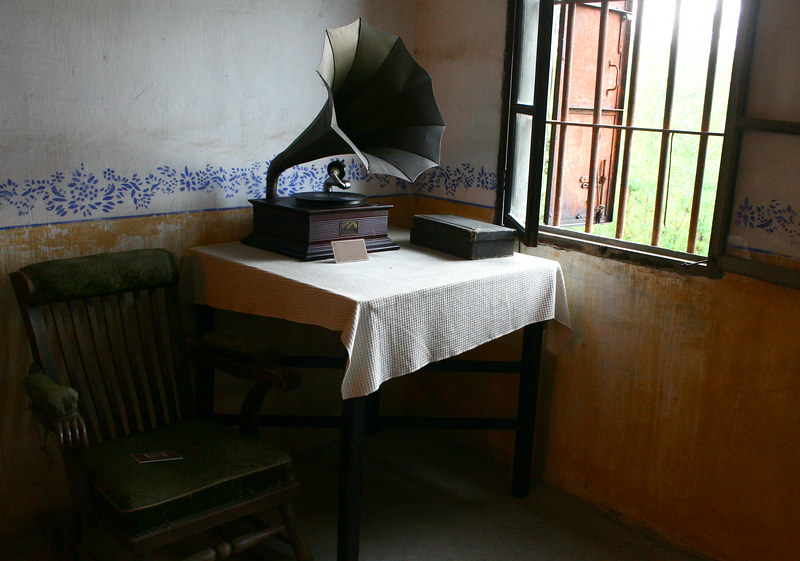
Thomas Edison invented the phonograph in the 1870s after figuring out how to capture sound vibrations using a flexible diaphragm and etch them into wax with a needle. This was the first device that could both record and play back sound, which meant music and voices could be preserved and shared beyond the moment they were created.
The phonograph launched the entire recorded music industry and changed how people experienced entertainment in their homes.
The Refrigerator
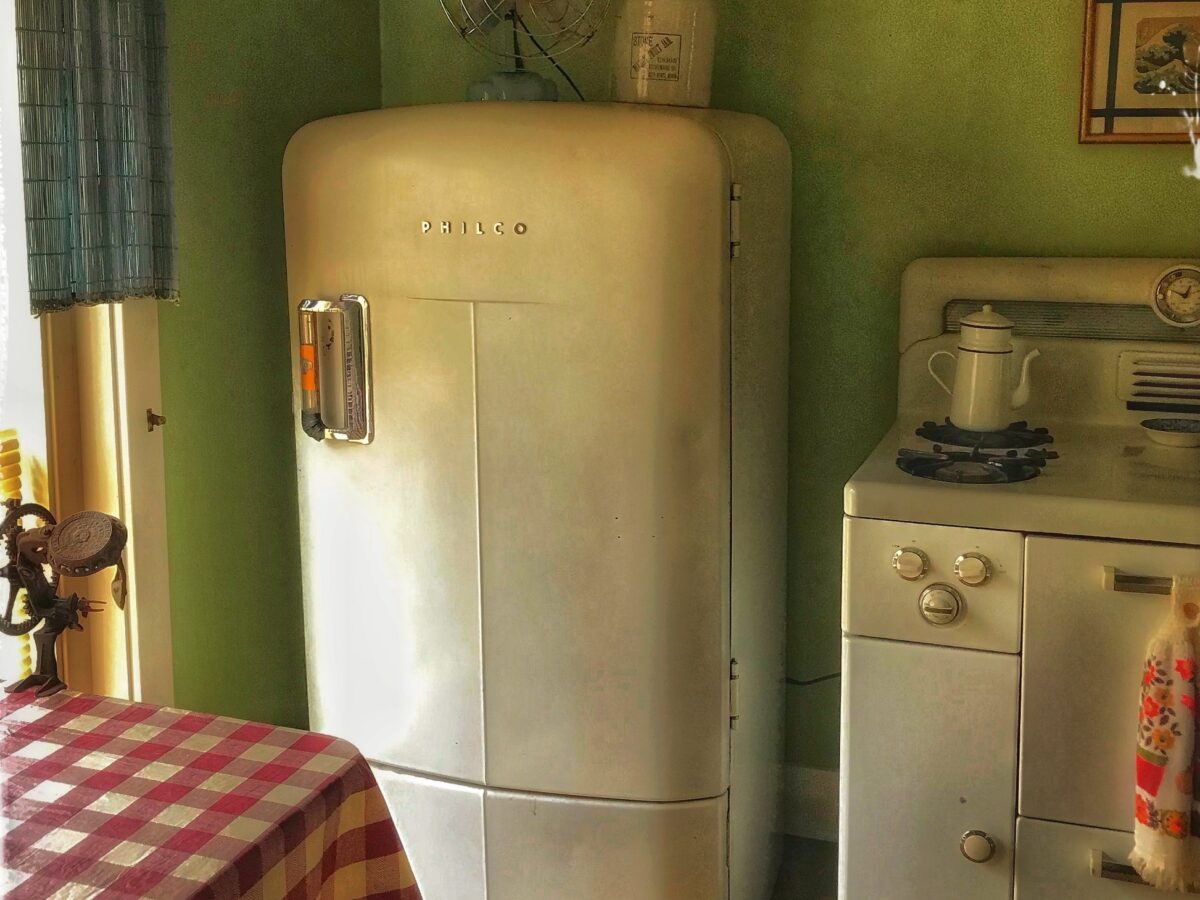
Refrigeration technology evolved throughout the 19th century, with practical home refrigerators becoming common in the early 20th century. Before refrigeration, people relied on icehouses, cellars, and seasonal availability, which meant fresh food was a luxury and spoilage was a constant threat.
The refrigerator transformed diets by making fresh produce, meat, and dairy available year-round, reducing food waste and allowing people to shop less frequently.
The Plow
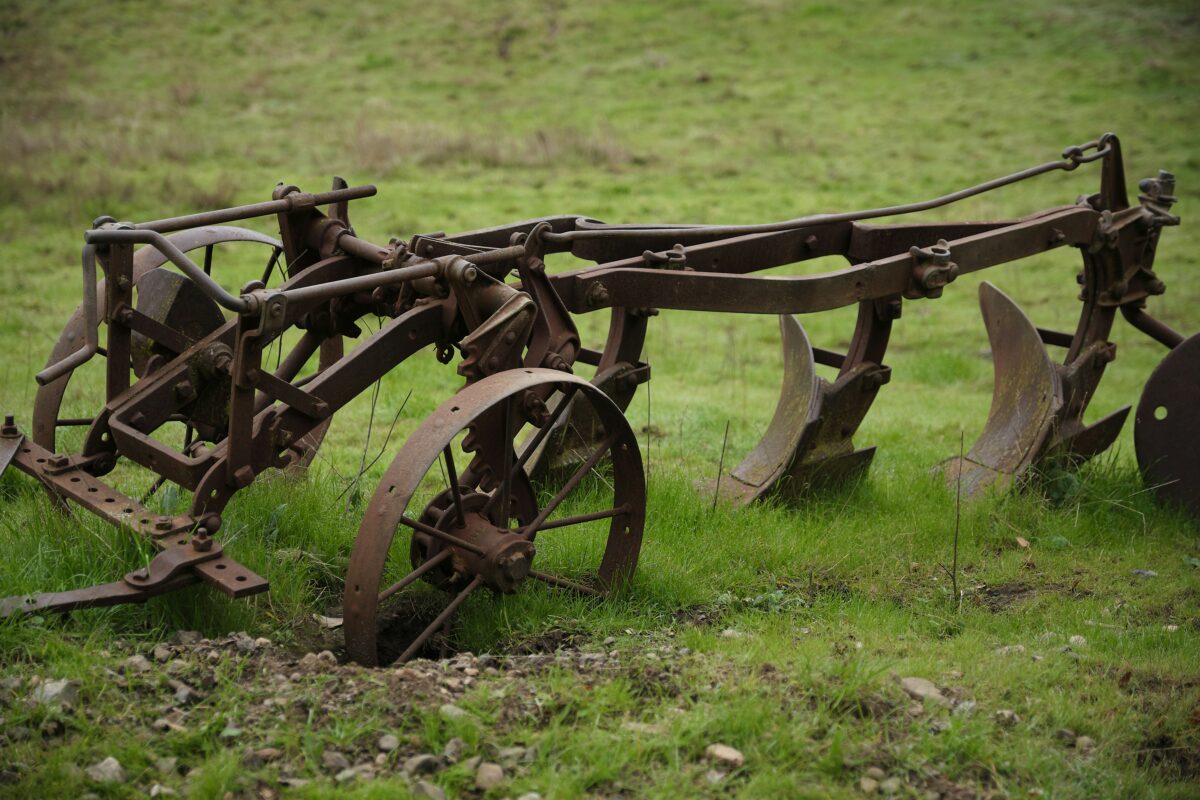
Early plowing equipment emerged thousands of years ago, and while it’s impossible to credit a single inventor, the plow fundamentally changed human civilization. Before efficient plowing, humans lived as nomadic hunter-gatherers constantly searching for food sources.
The plow allowed our ancestors to settle in one place, cultivate land effectively, harvest surplus crops, and develop permanent communities that eventually grew into cities and nations.
From Then to Now

These objects didn’t just make life more convenient—they fundamentally rewired how humans interact with the world and each other. The printing press spread ideas that toppled monarchies, while the automobile reshaped entire landscapes around personal mobility.
Many of these innovations arrived within a remarkably short period during the Industrial Revolution, compressing centuries of gradual change into a few explosive decades. Today’s digital revolution continues this tradition, with smartphones and the internet transforming daily life just as profoundly as the electric light once did.
More from Go2Tutors!

- The Romanov Crown Jewels and Their Tragic Fate
- 13 Historical Mysteries That Science Still Can’t Solve
- Famous Hoaxes That Fooled the World for Years
- 15 Child Stars with Tragic Adult Lives
- 16 Famous Jewelry Pieces in History
Like Go2Tutors’s content? Follow us on MSN.