Greatest Plays In NFL Playoff History
The NFL playoffs have given us moments that transcend the sport itself. These are the plays that fathers describe to their sons decades later, the ones that get replayed endlessly every January, the moments when everything—the season, the legacy, the pure possibility of what comes next—hangs on a single snap.
Some lasted mere seconds but changed the trajectory of entire franchises.
The Catch

Joe Montana rolled right, defensive linemen breathing down his neck, and found Dwight Clark stretching impossibly high in the back corner of the end zone. The 49ers beat Dallas 28-27 in the 1981 NFC Championship, launching a dynasty that would define the decade.
Clark’s fingertips changed everything—not just for San Francisco, but for how we think about clutch performances under pressure.
The Ice Bowl
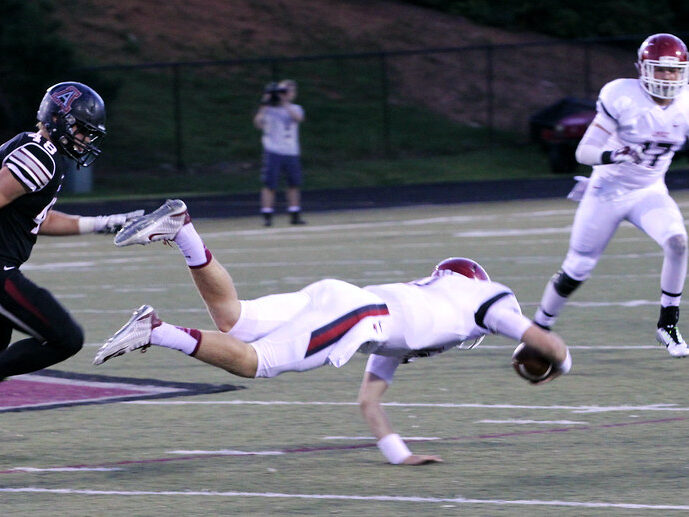
December 31, 1967, and it was minus-13 degrees in Green Bay (which is absolutely insane for playing football, but here we were). Bart Starr’s quarterback sneak with 13 seconds left—following a timeout that nearly expired because the referee couldn’t hear Vince Lombardi’s call in the frozen chaos—punched the Packers into Super Bowl II.
The play itself was simple: a wedge formation, J. Kramer’s block, and Starr diving forward into history. And yet that one yard, gained on a day so cold that the field was essentially concrete, somehow captures everything stubborn and beautiful about championship football—the way persistence can matter more than perfection, how sometimes the most obvious play becomes legendary precisely because executing the obvious thing under impossible conditions turns out to be the hardest thing of all.
Scott Norwood Wide Right
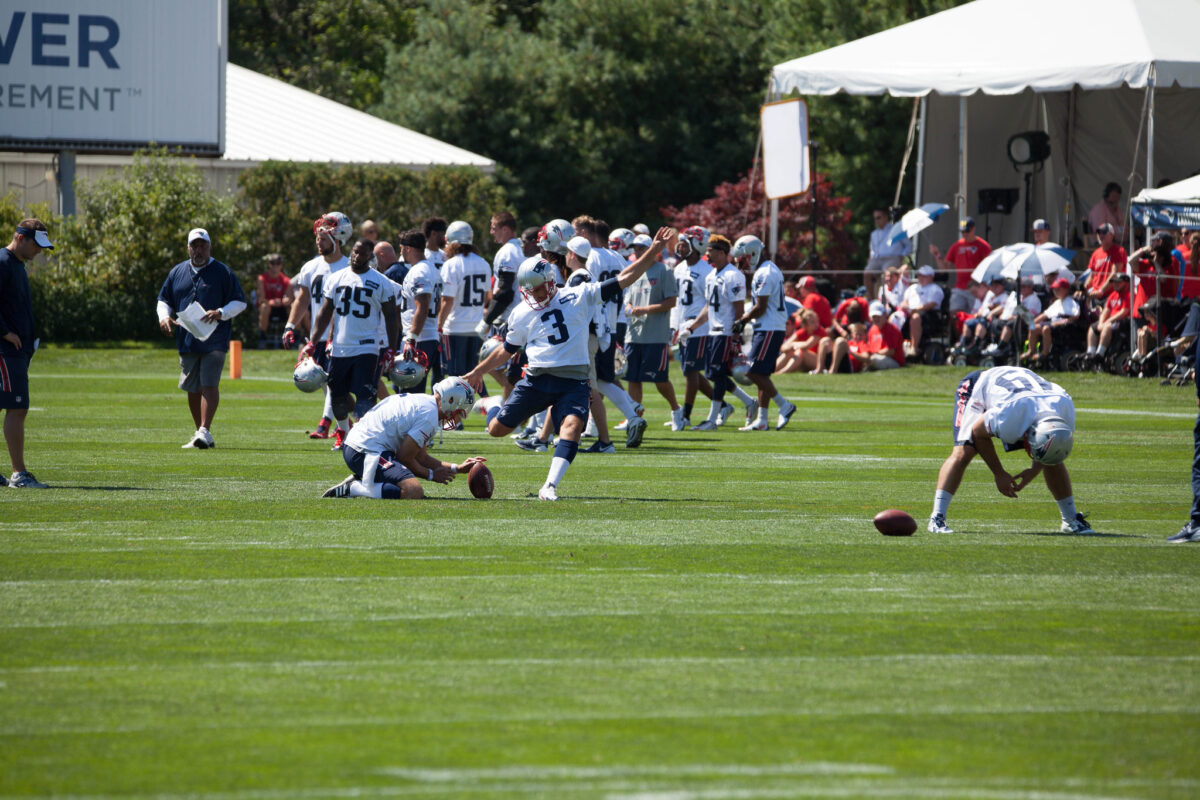
There’s something almost cruel about the way a football spirals when it’s missing its target—no wobble, no hesitation, just a perfect rotation carrying 25 years of Buffalo heartbreak slightly to the right of the uprights. Norwood’s 47-yard attempt in Super Bowl XXV wasn’t a bad kick.
It was close enough that Bills fans probably held their breath until it crossed the goal line. Sometimes the most memorable plays are the ones that don’t quite happen.
The Helmet Catch
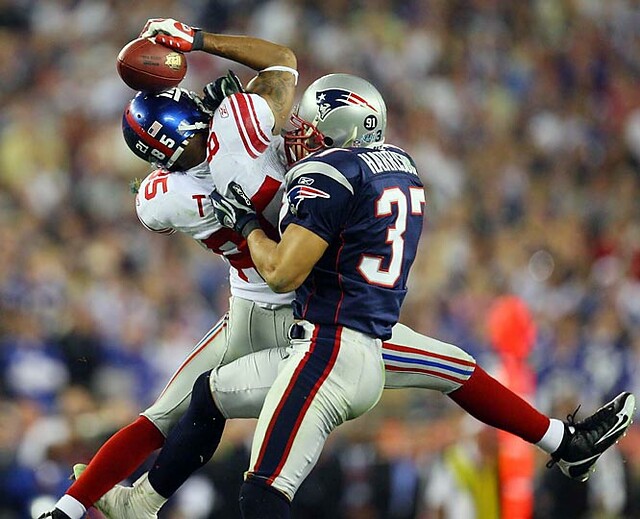
David Tyree had 4 catches all season. Four.
Then he goes and makes the most improbable grab in Super Bowl history—trapping the pass against his helmet while Rodney Harrison tried to separate him from consciousness. The Giants were supposed to lose by double digits to the undefeated Patriots.
Instead, Eli Manning escaped what looked like certain doom and found Tyree in traffic. Sometimes the universe just decides to mess with probability.
Lynn Swann’s Super Bowl Performance
Swann turned Super Bowl X into his personal ballet recital. The 64-yard touchdown catch over Mark Washington was athletic poetry—a receiver going up and over a defender who was playing perfect coverage, making a catch that physics suggests shouldn’t work.
Pittsburgh beat Dallas 21-17, but Swann’s four catches for 161 yards turned him into the first wide receiver to win Super Bowl MVP. The man was basically floating.
John Elway’s Helicopter
Third and six, five minutes left in Super Bowl XXXII, and Elway—who was 37 years old and had lost three previous Super Bowls—scrambled right and dove headfirst into three Green Bay defenders. He got spun around like a washing machine, landed on his back, and somehow picked up eight yards.
The Broncos scored two plays later and eventually won 31-24. Elway’s willingness to sacrifice his body (and his dignity) for eight yards in the biggest game of his career says everything about what separates good quarterbacks from legendary ones.
Here’s the thing about desperation: it has this way of stripping away everything complicated and leaving just the essential thing, which in Elway’s case was an almost reckless determination to finally win the championship that had been eluding him for his entire career. And so he dove—not gracefully, not strategically, but completely—into a collision that could have ended his season but instead became the moment that defined it.
The helicopter spin was accidental. The courage wasn’t.
Santonio Holmes’ Corner Catch
Super Bowl XLIII, 35 seconds left, corner of the end zone. Ben Roethlisberger threw a perfect pass, and Holmes made a perfect catch—toes dragging inside the boundary, fingertips controlling the pass despite tight coverage.
The Steelers beat Arizona 27-23 on a throw and catch that required absolutely no margin for error. Holmes got both feet down with maybe two inches to spare.
Championship football at its most precise.
Joe Montana to John Taylor
Super Bowl XXIII, 92 yards to go, 3:20 on the clock. Montana calmly drove the 49ers down the field and found John Taylor in the corner with 34 seconds left to beat Cincinnati 20-16.
The throw was vintage Montana—accurate, timely, delivered without any visible stress despite the magnitude of the moment. Taylor’s catch gets forgotten sometimes because Montana’s poise was so overwhelming, but both were required.
Marcus Allen’s Left Turn
Super Bowl XVIII, and Allen took what looked like a routine handoff, found no opening up the middle, reversed field completely, and somehow turned broken play into a 74-yard touchdown that broke Washington’s back. The Raiders won 38-9, but Allen’s run—the way he stopped, waited, and then exploded in the opposite direction—was the single play that announced this game was over.
Pure instinct turning into pure artistry. The thing about great running backs is they see gaps that don’t exist yet—spaces that will open in two steps, angles that defenders haven’t committed to closing.
Allen’s reverse wasn’t planned. It was improvised in real time, the way jazz musicians find melodies nobody wrote down.
Adam Vinatieri’s Snow Kick
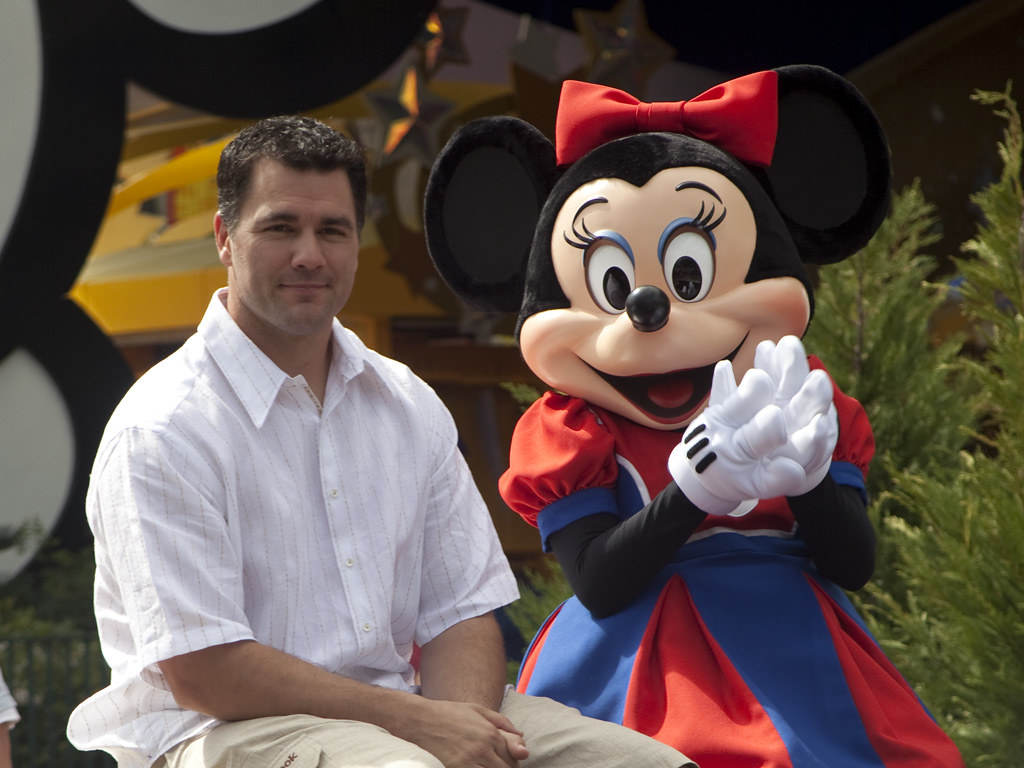
January 19, 2002, divisional playoff against Oakland. Snow was falling sideways, the field was a mess, and Vinatieri lined up for a 45-yard field goal to send the game to overtime.
The kick was perfect despite conditions that should have made accuracy impossible. The Patriots eventually won and went on to capture their first Super Bowl.
Vinatieri made clutch kicks a trademark, but this one—in a blizzard, with everything on the line—was when he first announced himself as automatic under pressure.
The Catch II
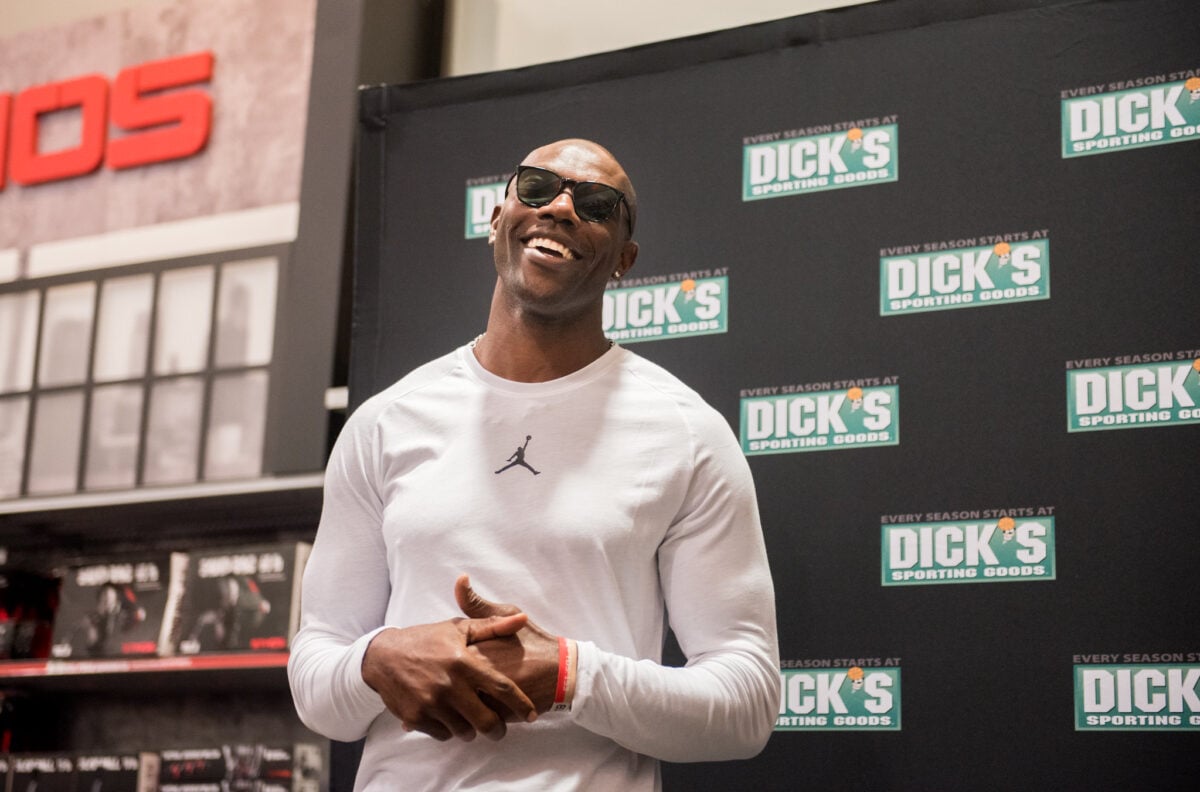
Steve Young to Terrell Owens, 1998 wild card game against Green Bay. Eight seconds left, 49ers trailing by a point, and Young threw a perfect slant that Owens caught in traffic for the game-winning touchdown.
The pass had to be perfect—any wobble or hesitation and the Packers would have knocked it away. Young’s delivery was clinical.
Owens’ catch was confident. San Francisco won 30-27 and Young finally stepped out from Montana’s shadow.
Whitney Mercilus Strip Sack
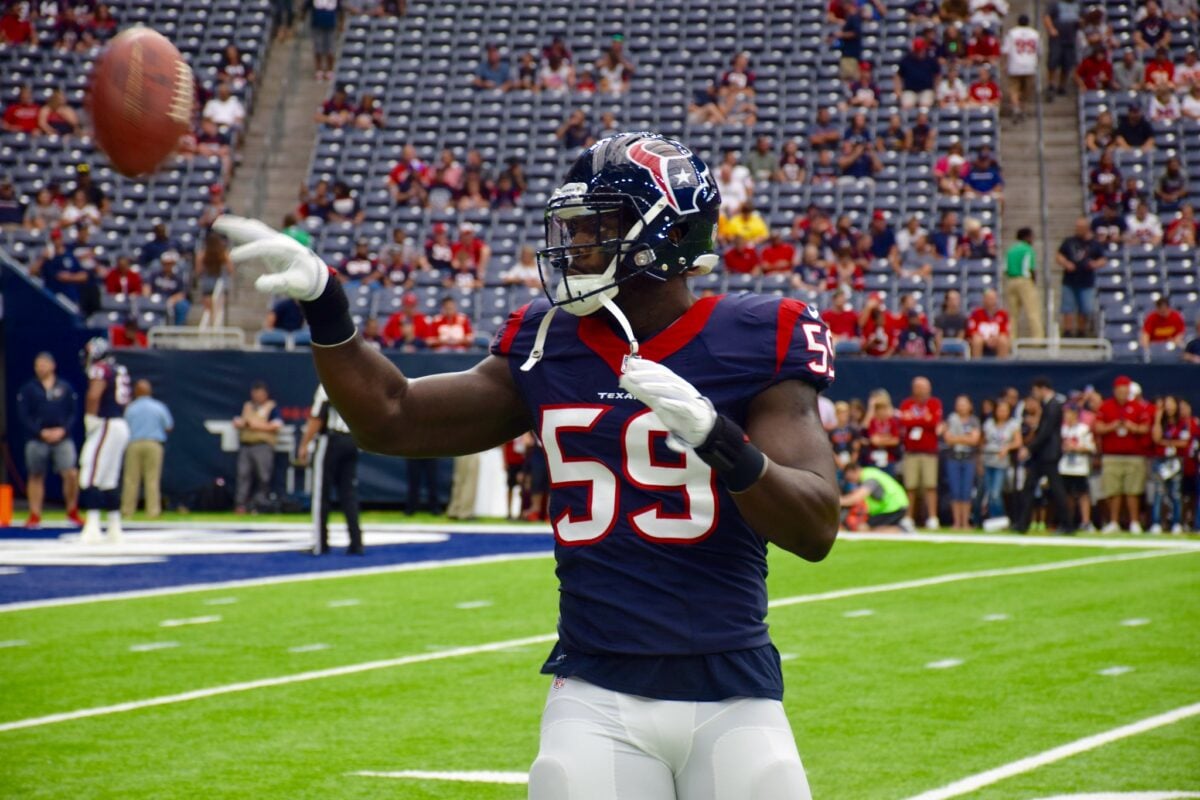
Actually, let’s talk about Malcolm Butler’s goal line interception instead. Super Bowl XLIX, one yard line, 20 seconds left.
Seattle had the most powerful running attack in football and decided to throw. Russell Wilson’s pass was on target, but Butler jumped the route perfectly and intercepted at the goal line.
The Patriots won 28-24 on a play that nobody—including most of New England—saw coming. Butler was an undrafted rookie making the biggest defensive play in Super Bowl history.
The decision to throw still gets debated, but Butler’s recognition was instant and decisive. He didn’t hesitate, didn’t second-guess the route he was seeing.
Sometimes championship moments require that kind of certainty.
Desmond Howard’s Return

Super Bowl XXXI, third quarter kickoff return for 99 yards. Howard took the kick at the one-yard line, found a seam up the middle, and outran the entire New England coverage team.
The Packers won 35-21, but Howard’s return was the play that turned a close game into a celebration. He became the first special teams player to win Super Bowl MVP, which tells you how dominant that single run was.
Ray Lewis’ Goal Line Stand
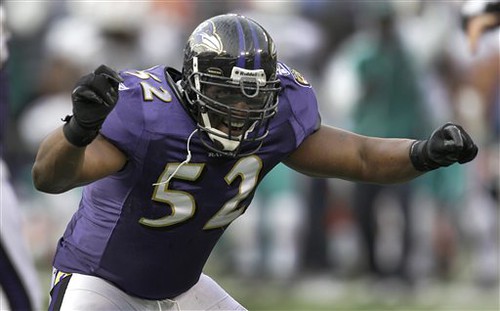
2000 divisional playoff against Tennessee, goal line stand in the fourth quarter. The Titans had four chances from inside the five-yard line, and Lewis led a Baltimore defense that stopped them on every attempt.
The Ravens won 24-10 and went on to win the Super Bowl behind what might have been the greatest single-season defensive performance in NFL history. Lewis was everywhere on that goal line—calling plays, making tackles, creating chaos in Tennessee’s backfield.
When the Dust Settles

These plays live on because they captured something essential about competition itself—the way pressure can either crush or clarify, how the biggest moments often come down to the smallest margins. They remind us why we watch, why we care, and why January football feels different from any other month.
The athletes are the same, the field dimensions haven’t changed, but somehow the stakes transform ordinary athletic ability into something approaching magic.
More from Go2Tutors!

- The Romanov Crown Jewels and Their Tragic Fate
- 13 Historical Mysteries That Science Still Can’t Solve
- Famous Hoaxes That Fooled the World for Years
- 15 Child Stars with Tragic Adult Lives
- 16 Famous Jewelry Pieces in History
Like Go2Tutors’s content? Follow us on MSN.