14 Saturday Morning Cartoons From The 80s Every Kid Watched
Saturday mornings in the 1980s held a sacred quality that’s hard to explain to anyone who didn’t live through them. The ritual was simple but precise: wake up before anyone else, claim the living room television, and settle in for hours of animated bliss.
No cable boxes with endless options, no streaming services with algorithm-driven recommendations — just three or four networks serving up cartoon gold until noon, when the spell would break and parents would emerge demanding outdoor activities.
These weren’t just shows; they were appointment television for an entire generation. Missing an episode meant waiting weeks for a rerun, so kids developed an almost religious devotion to their Saturday lineup.
The cartoons themselves reflected the decade’s spirit — bold, colorful, and utterly unafraid of being ridiculous.
The Smurfs
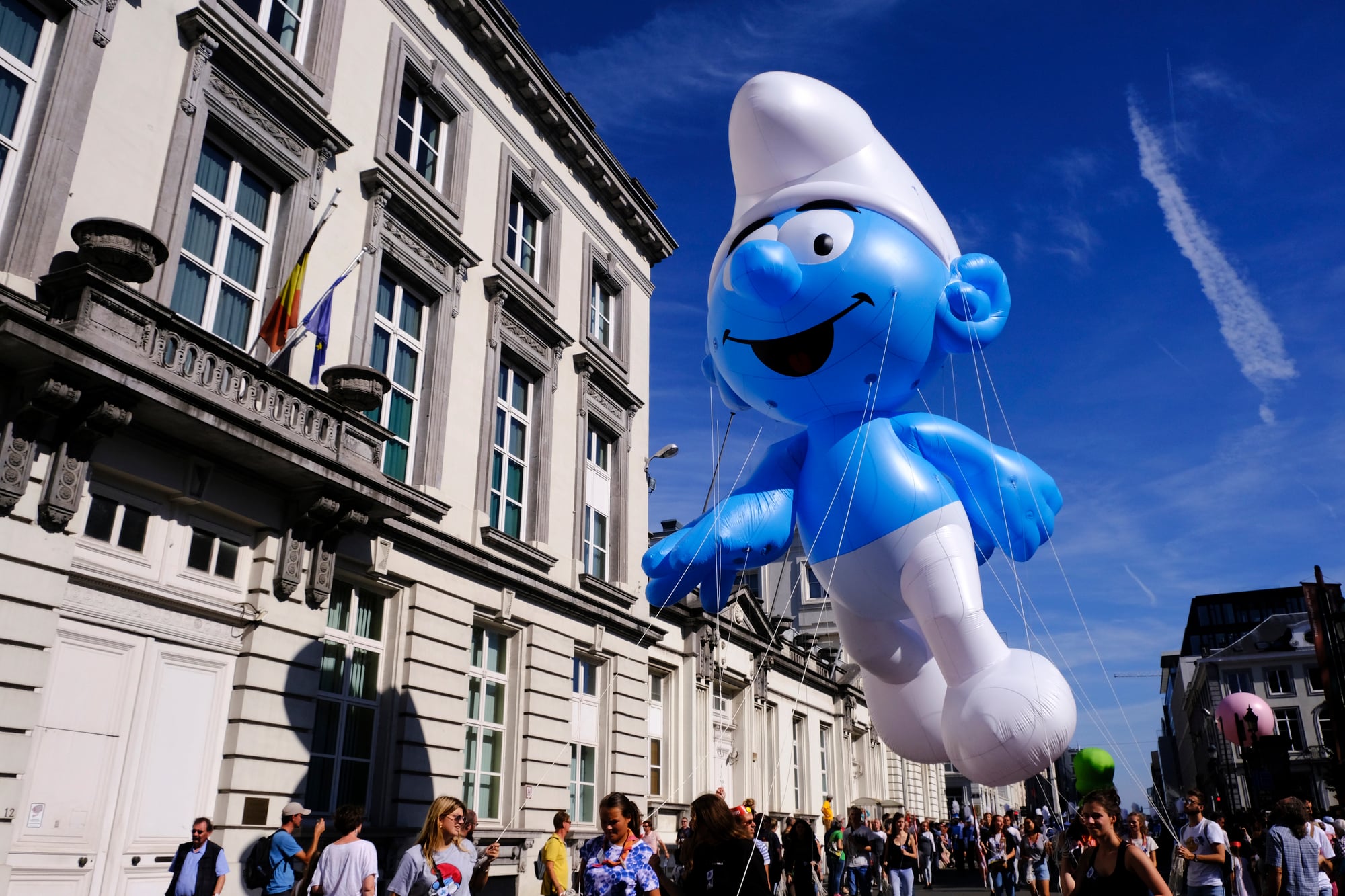
Blue creatures living in mushroom houses shouldn’t have made sense to anyone. But there was something deeply satisfying about their simple world where the biggest problem was usually Gargamel’s latest scheme to capture them for his potions.
Each Smurf had exactly one personality trait, which somehow made them more memorable rather than less. Papa Smurf’s wisdom, Smurfette’s vanity, Clumsy’s accidents — the formula was transparent and it worked perfectly.
Scooby-Doo

The great mystery of Scooby-Doo wasn’t who was behind the monster mask (it was always the cranky caretaker). The mystery was why Fred kept splitting up the gang when it never, ever worked out well.
But that predictability was part of the charm — like a comfortable ritual where you knew Shaggy and Scooby would stumble onto the clue that solved everything, usually while running away and accidentally catching the villain. The show understood that sometimes the best stories are the ones where you know exactly what’s coming and you’re glad when it arrives.
The Flintstones
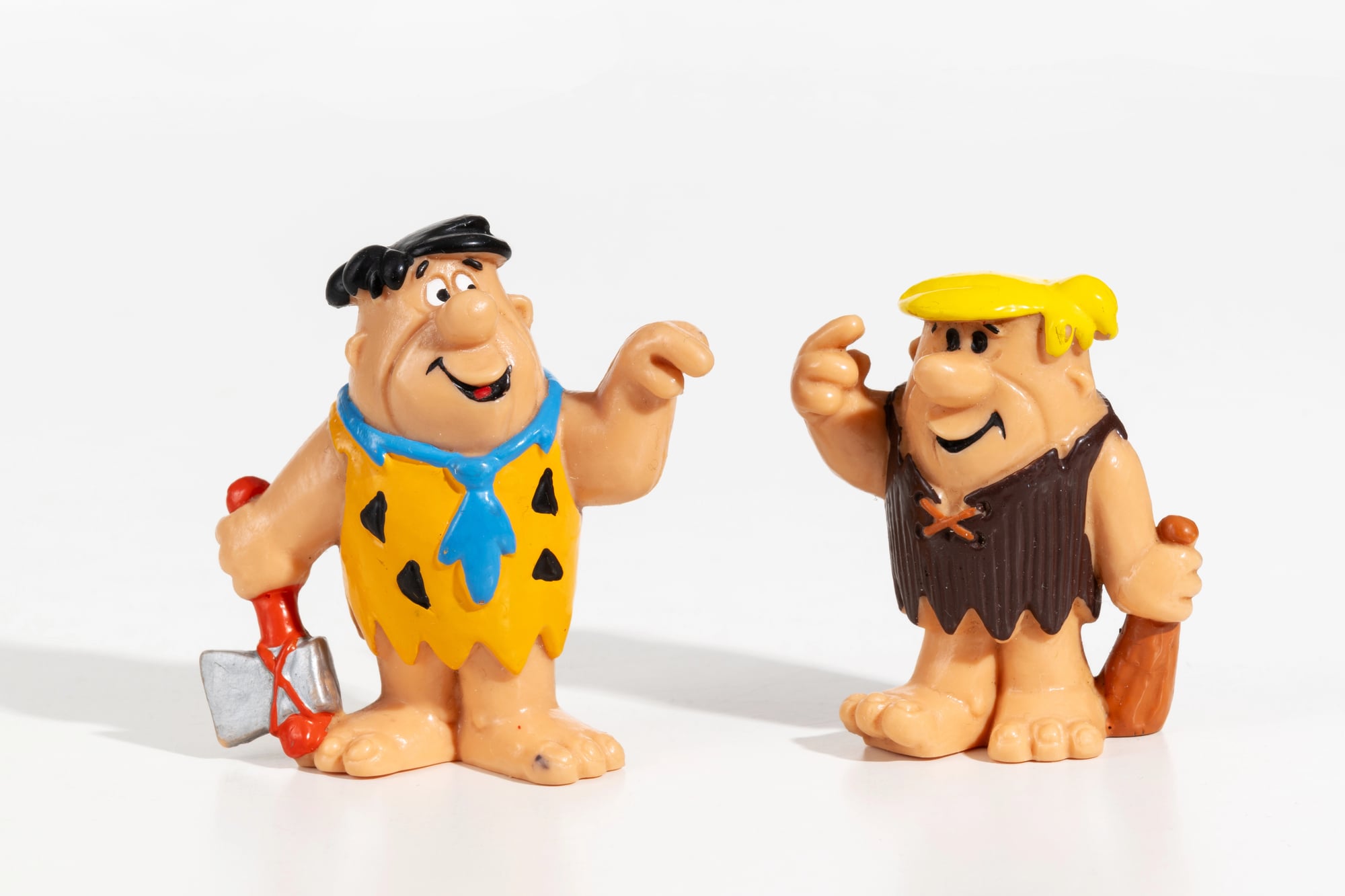
Bedrock operated on cartoon logic so pure it felt almost mathematical: take modern suburban life, replace everything with stone and dinosaur equivalents, and somehow make it more believable than actual modern life. Fred’s bowling nights and Barney’s enthusiasm were problems any dad could recognize, just scaled to prehistoric proportions.
The show worked because it never bothered explaining why dinosaurs and cavemen coexisted, or how stone-age technology could produce cars and televisions. Some things don’t need explanations. They just need to feel right, and The Flintstones felt completely right.
Inspector Gadget
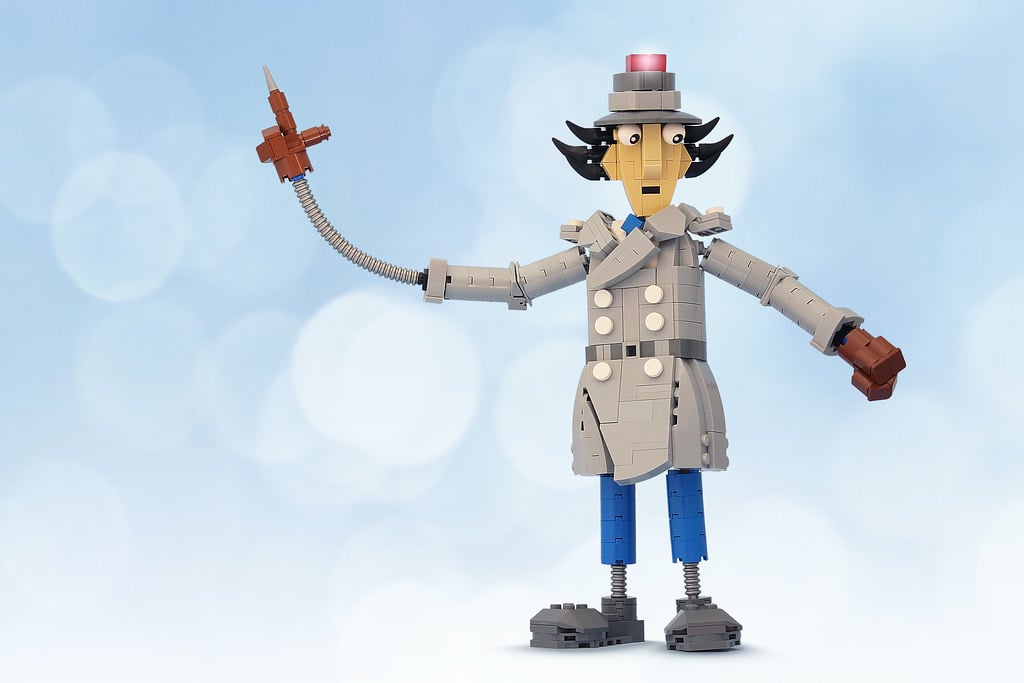
Inspector Gadget was fundamentally a show about incompetence rewarded, and children found this deeply satisfying (parents watching over their shoulders found it mildly concerning, which made it even better). Here was a detective who solved every case by accident while his young niece did the actual work — and he never figured this out.
The real appeal wasn’t Gadget’s bumbling heroics or even his impressive array of malfunctioning tools. It was watching Penny quietly outmaneuver adults who had no idea what was actually happening around them. Every kid understood that feeling perfectly.
The Jetsons
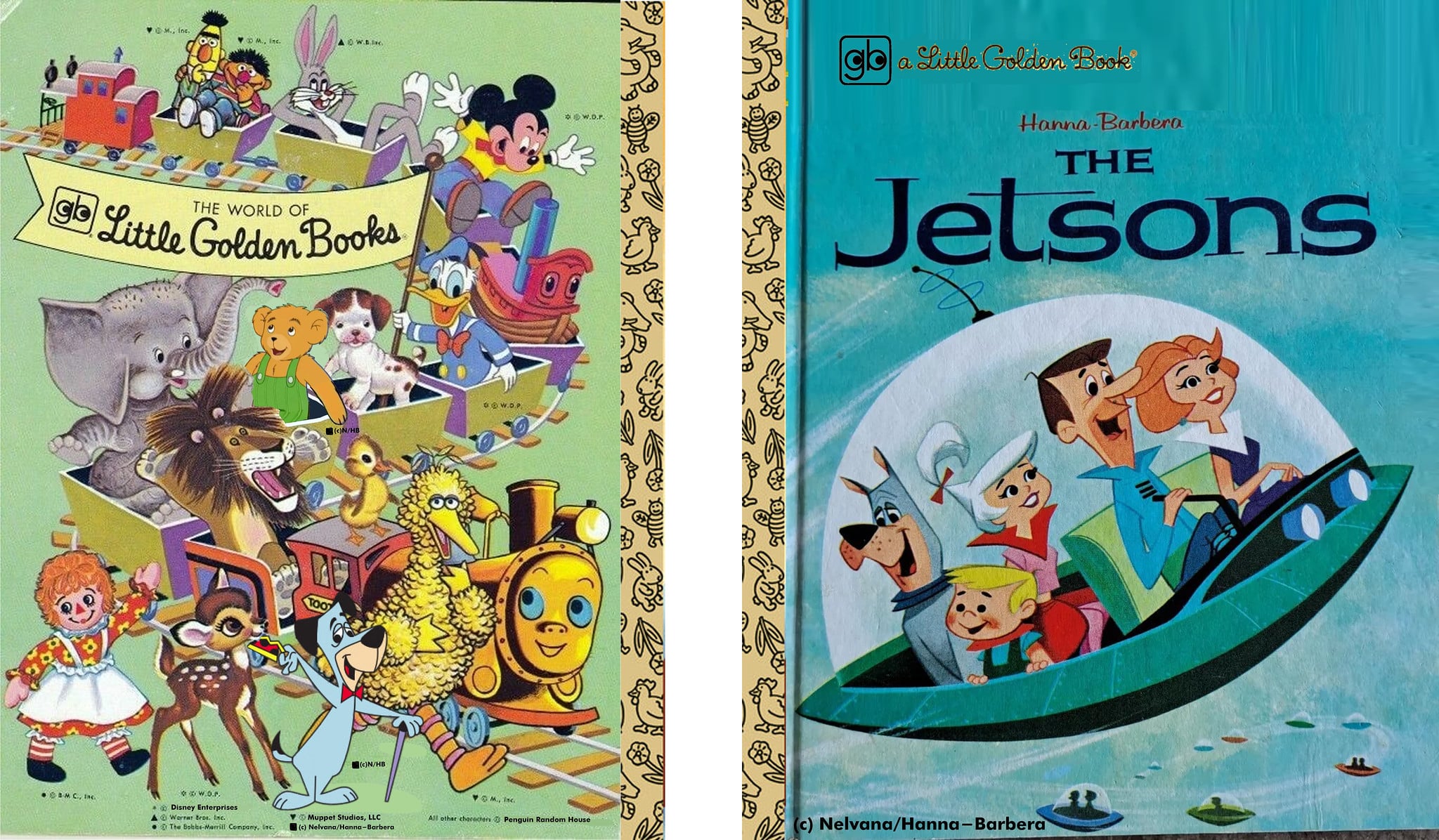
The Jetsons promised a future that looked like a 1960s space-age fever dream, but by the 1980s, watching it felt like examining a time capsule of what people used to think tomorrow would look like. Flying cars and robot maids seemed less futuristic and more charmingly naive — though to be fair, most kids would still have traded places with Elroy in a heartbeat.
George Jetson’s job pushing a single button for three hours a day seemed absurd until you realized it was probably the most honest depiction of office work ever animated. The future might look different than predicted, but workplace frustration apparently transcends time periods.
He-Man And The Masters Of The Universe
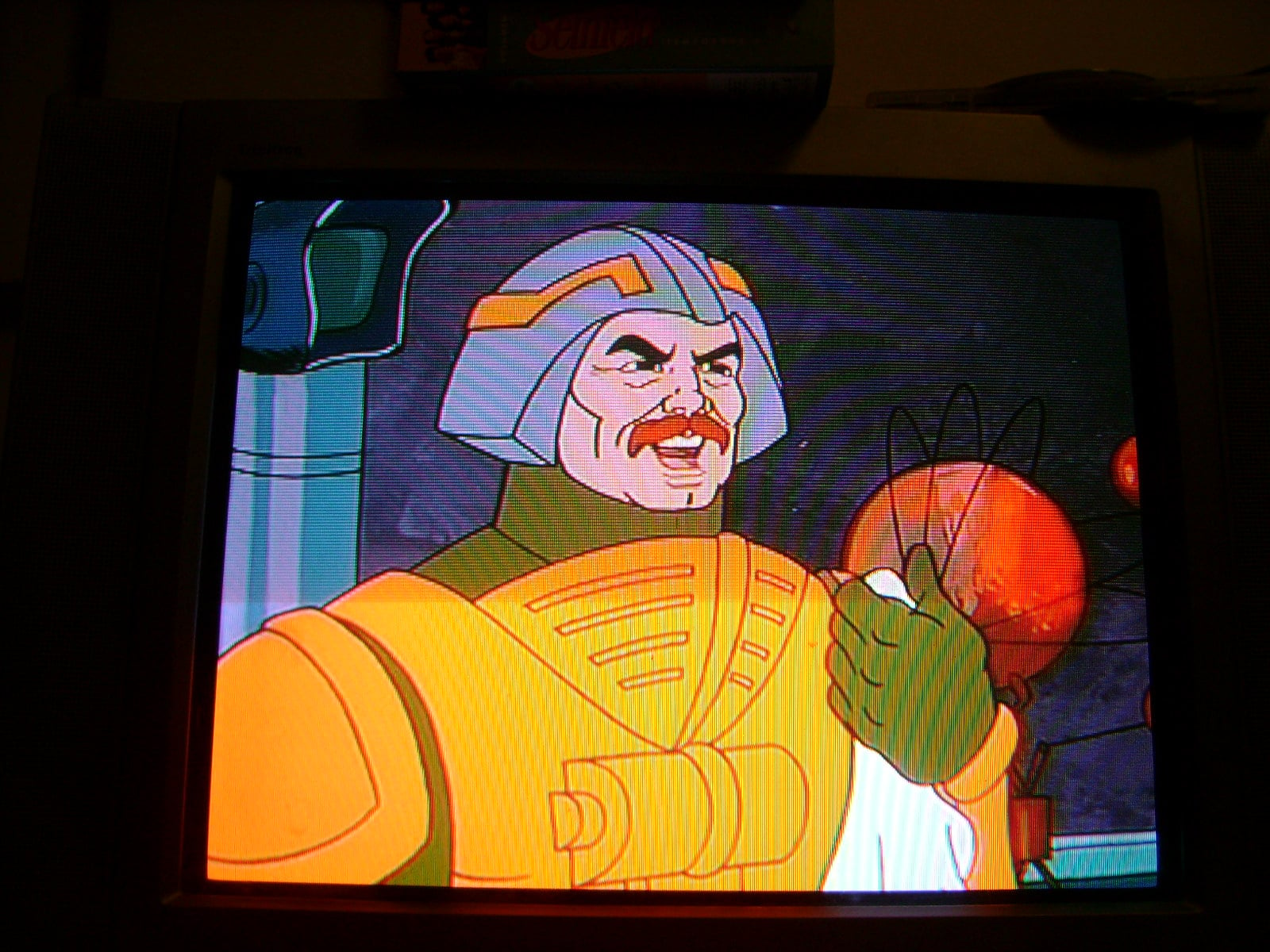
He-Man took the concept of a superhero and stripped it down to its most basic elements: a muscled hero, a magic sword, and villains with skulls for faces. The moral lessons tacked onto each episode felt mandatory rather than organic, but kids endured them because they came after 22 minutes of sword-swinging action.
Prince Adam’s secret identity fooled no one except apparently everyone in the show. The transformation from blonde prince to blonde warrior involved adding a tan and removing a shirt, yet this somehow rendered him completely unrecognizable to his closest friends and family. It was the kind of logic that only worked in cartoons, and cartoons were better for it.
The Super Friends

The Super Friends gathered the most powerful beings in the universe to fight threats that often seemed solvable through basic communication or minor policy changes. Batman and Superman would team up to stop a villain whose evil plan was usually just elaborate vandalism with a thin profit motive.
Yet there was something appealingly straightforward about heroes who never questioned whether they were doing the right thing. Problems were clear, solutions were obvious, and justice always prevailed by the half-hour mark. The real world offered plenty of moral complexity; Saturday mornings were for watching good guys win without breaking a sweat.
Popeye
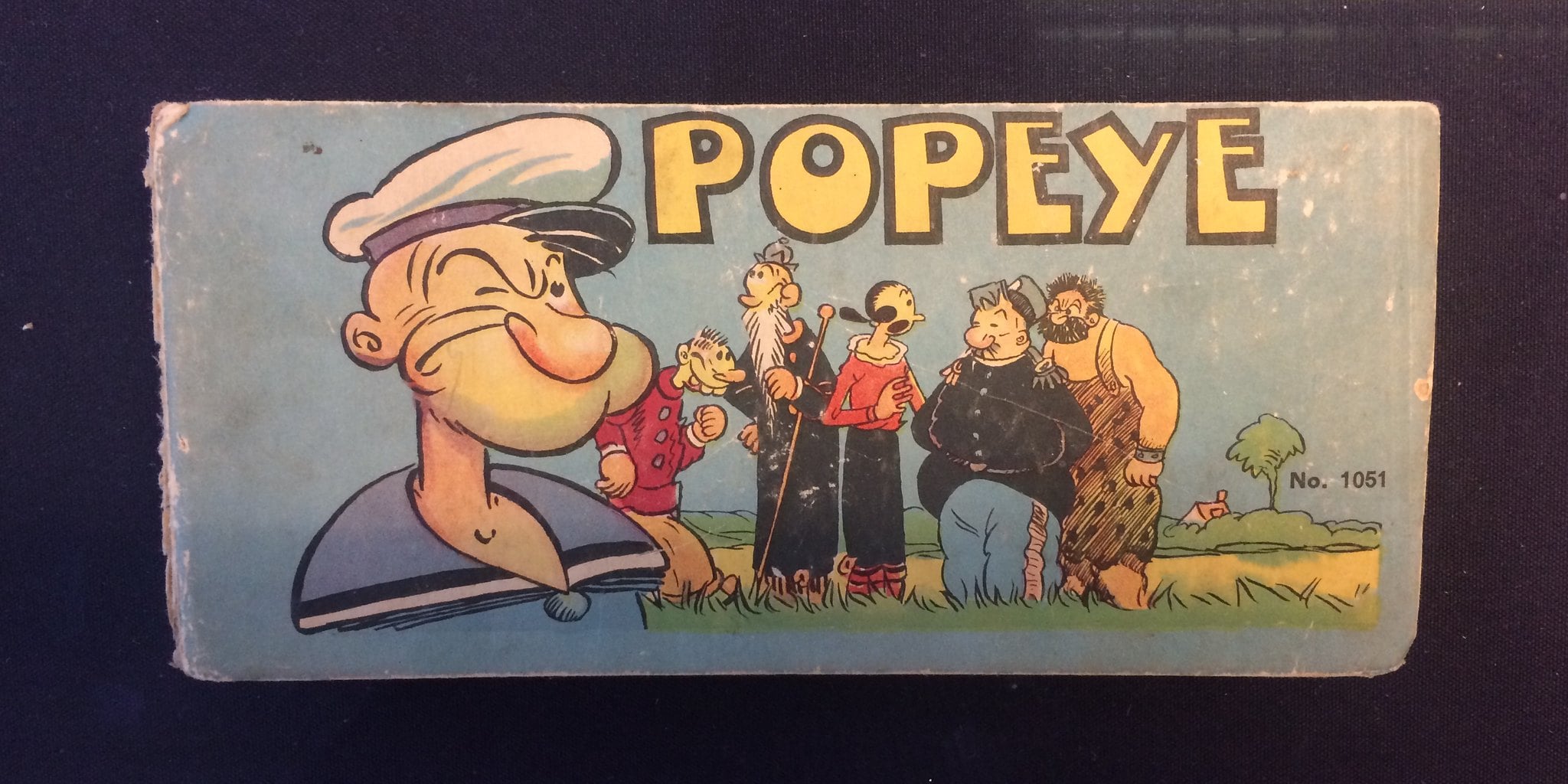
Popeye cartoons followed a structure so rigid it became hypnotic: Bluto would threaten Olive Oyl, Popeye would try to intervene, Bluto would beat up Popeye, Popeye would eat spinach, Popeye would destroy Bluto. Variations on this theme were rare and unwelcome.
But that predictability carried its own satisfaction, like watching a familiar magic trick performed perfectly. The spinach transformation never got old because it represented something kids understood instinctively: the moment when you stop taking abuse and decide to fight back. That it required supernatural intervention made it even more satisfying.
Bugs Bunny And Tweety Show
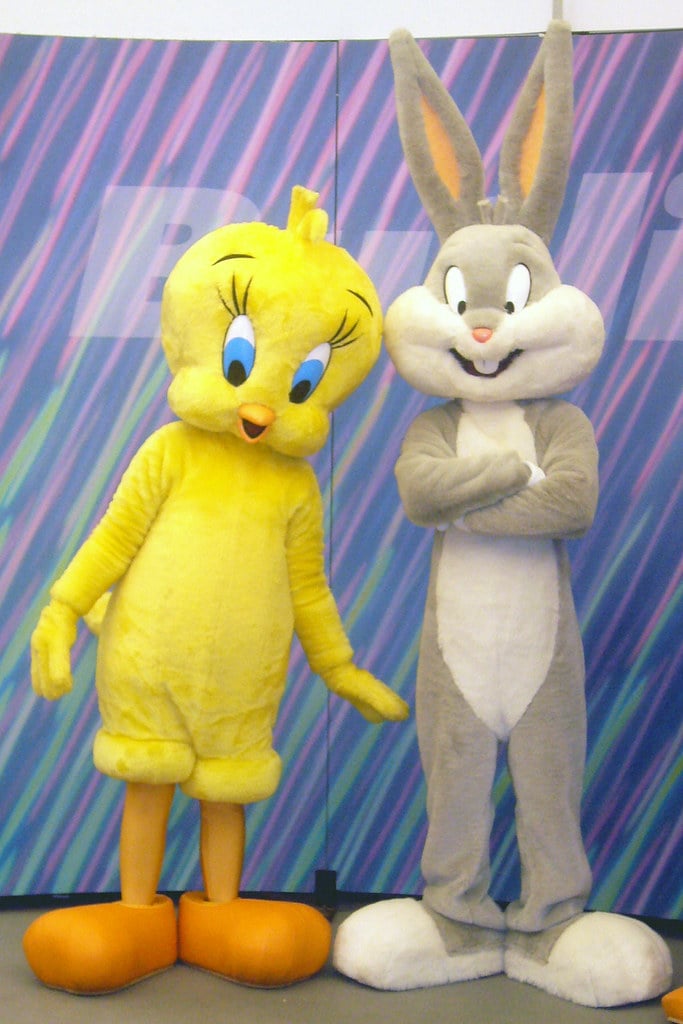
Warner Bros. cartoons from decades earlier were repackaged for 1980s kids, and the translation was seamless (the fact that Bugs Bunny cartoons from the 1940s could still make 1980s children laugh suggests something timeless about well-crafted chaos and perfectly timed sarcasm). These weren’t educational or uplifting; they were just funny, which was somehow revolutionary in the world of children’s television.
Bugs Bunny’s casual destruction of Elmer Fudd’s dignity never felt mean-spirited because Fudd had started it by trying to shoot a rabbit. Tweety’s torture of Sylvester followed similar rules: the cat had earned whatever happened next. It was justice, but justice delivered with style and a smirk.
Garfield And Friends

Garfield’s television incarnation captured the comic strip’s best quality: the cat’s magnificent indifference to everything except food and sleep (priorities that seemed increasingly reasonable the older you got). Jim Davis had created a character whose main personality trait was not caring, and somehow this made him more relatable rather than less.
The show worked because Garfield never learned lessons or grew as a character. He remained gloriously static in his selfishness, which was refreshing in a medium determined to teach kids something new every episode. Sometimes the best moral lesson is that it’s okay to just be yourself, even if yourself is lazy and sarcastic.
The Pink Panther Show
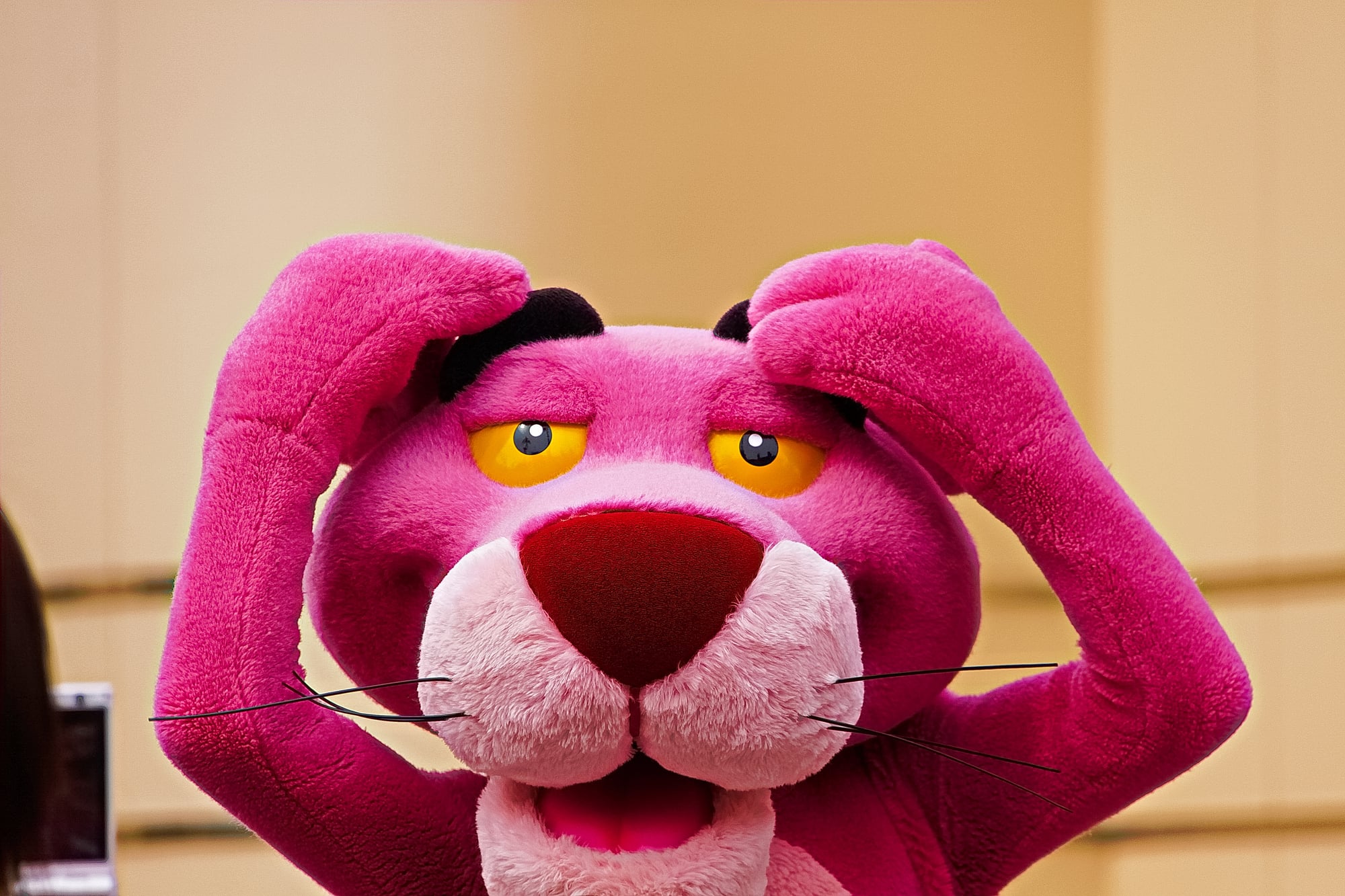
The Pink Panther moved through his animated world with the confidence of someone who knew he was cooler than everyone else around him, and the evidence consistently supported this belief. His adventures were often wordless, relying on visual gags and that iconic Henry Mancini theme that could make walking to the mailbox feel like a sophisticated caper.
There was something sophisticated about the Pink Panther that separated it from other cartoons — maybe it was the jazz soundtrack, or the way problems got solved through style rather than violence. It felt like watching cartoons for adults who happened to be eight years old.
Fat Albert And The Cosby Kids
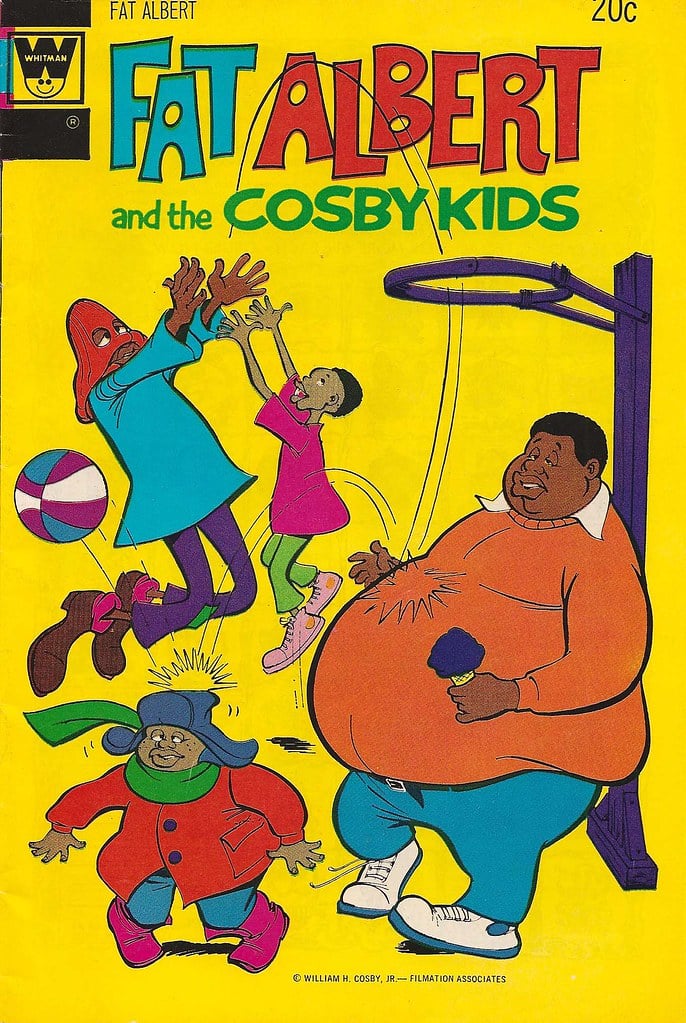
Fat Albert delivered life lessons through characters who felt like actual kids rather than adult ideas of what kids should be like. The Junkyard Gang dealt with real problems — peer pressure, family troubles, self-esteem issues — but they solved them through friendship and common sense rather than magic or adult intervention.
The show’s educational content never felt forced because it grew naturally from situations kids recognized. When Fat Albert said “If you’re not careful, you might learn something before it’s done,” it was both a joke and a promise the show consistently kept.
Schoolhouse Rock
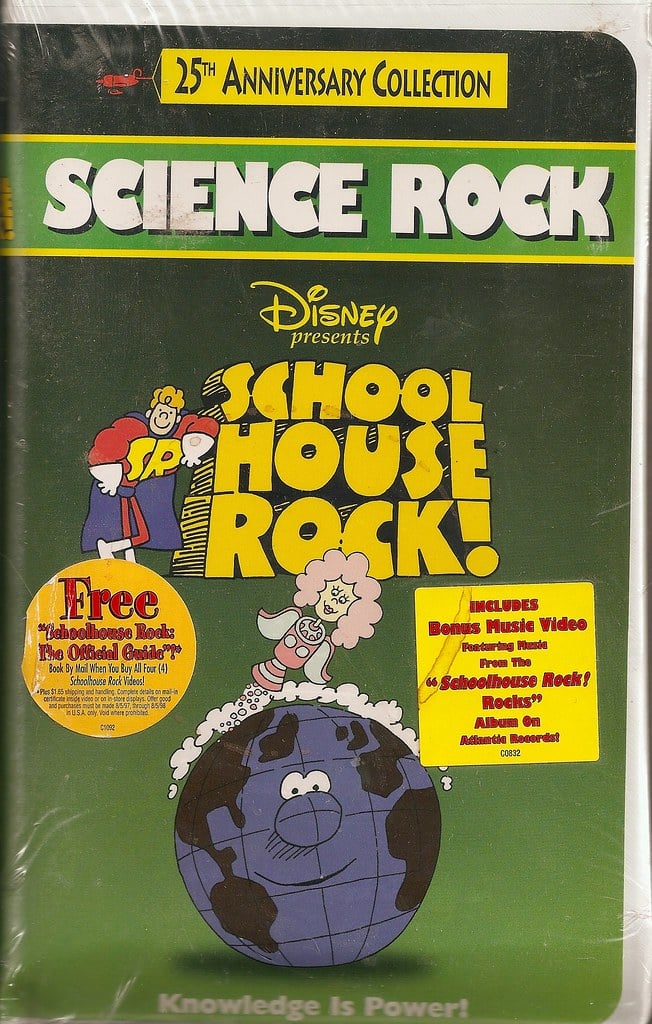
Schoolhouse Rock proved that the fastest way to learn anything was to set it to music and animate it with characters who seemed genuinely excited about grammar and math. “Conjunction Junction” and “I’m Just a Bill” taught civics and language arts more effectively than most actual classes, probably because they never felt like lessons.
These weren’t full cartoons but three-minute musical interludes that appeared between other shows, yet they’re often the most memorable part of Saturday morning television. Good teaching disguised as entertainment has a way of sticking around long after everything else fades.
Looney Tunes
The classic Warner Bros. characters got repackaged and updated for 1980s audiences, but their appeal remained unchanged: these were cartoons that respected their audience’s intelligence while never forgetting to be funny. Daffy Duck’s ego, Porky Pig’s stutter, Pepe Le Pew’s oblivious pursuit — each character was a perfectly calibrated comedy machine.
What made Looney Tunes special was the sense that anything could happen and probably would. Characters broke the fourth wall, referenced other cartoons, and generally behaved like they knew they were in a cartoon and were determined to make the most of it. It was comedy that winked at its audience without ever talking down to them.
The Timeless Pull Of Saturday Morning Magic

Those Saturday morning hours created a shared cultural experience that streaming services, for all their convenience, can’t quite replicate. There was something about gathering around the television at the same time as millions of other kids across the country, all watching the same shows and laughing at the same jokes.
It was appointment television in the purest sense — not because adults scheduled it that way, but because children demanded it.
The cartoons themselves were often ridiculous, sometimes educational, and occasionally profound in ways their creators probably never intended. But they all understood something important about childhood: kids don’t need everything explained or justified.
Sometimes they just need colorful characters doing interesting things while they eat cereal and forget, for a few hours, that Monday morning always comes too soon.
More from Go2Tutors!

- The Romanov Crown Jewels and Their Tragic Fate
- 13 Historical Mysteries That Science Still Can’t Solve
- Famous Hoaxes That Fooled the World for Years
- 15 Child Stars with Tragic Adult Lives
- 16 Famous Jewelry Pieces in History
Like Go2Tutors’s content? Follow us on MSN.