Famous Novels Nearly Not Published – and Why
Many of the world’s most famous novels almost never made it to readers. Behind every book, there’s often a story of rejection, doubt, or struggle.
Sometimes editors said no. Other times, the authors themselves gave up or faced huge challenges.
Without these stories, readers might have missed out on books that changed literature forever. It’s amazing how close some novels came to never being published.
Let’s take a look at these near misses and the reasons why they almost didn’t see the light of day.
Harry Potter and the Philosopher’s Stone
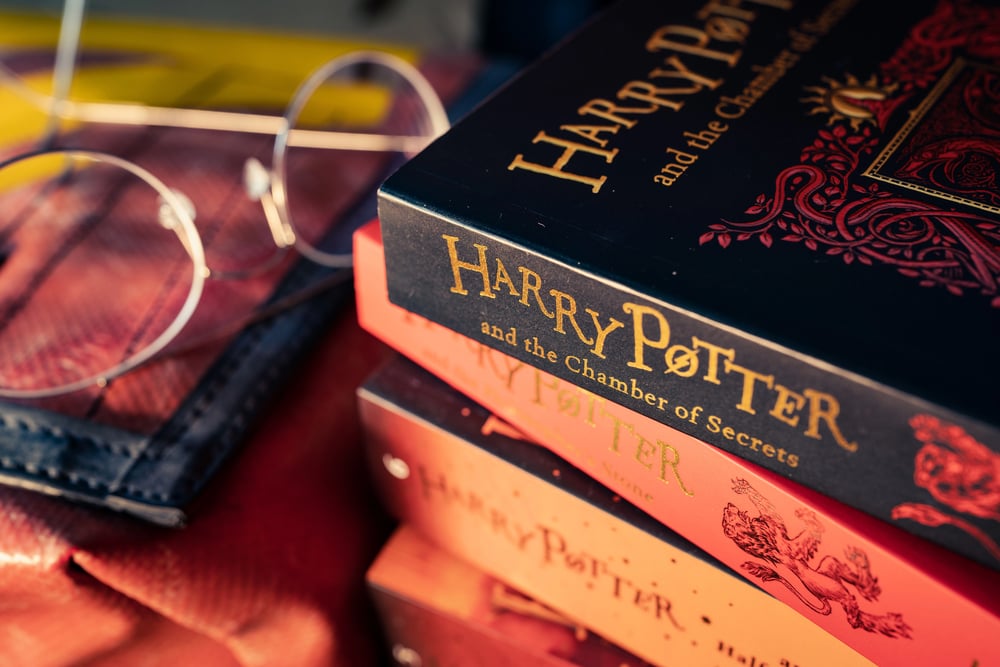
J.K. Rowling’s first book about the boy wizard was turned down by 12 different publishers. Many felt children wouldn’t sit through a story that long.
Others just didn’t think it would sell. Rowling was writing in cafés and struggling with money when one small publisher finally said yes.
Even then, they advised her to get a day job, thinking it wouldn’t go far. The rest is publishing history.
The Catcher in the Rye

J.D. Salinger spent years shaping this book, but publishers were unsure about the voice of Holden Caulfield. Some thought he was too rude.
Others felt the story lacked a clear plot. Even after it was accepted, the book sparked debates in schools and libraries.
Despite that, it found a deep connection with young readers and became a classic of modern fiction.
Like Go2Tutors’s content? Follow us on MSN.
To Kill a Mockingbird
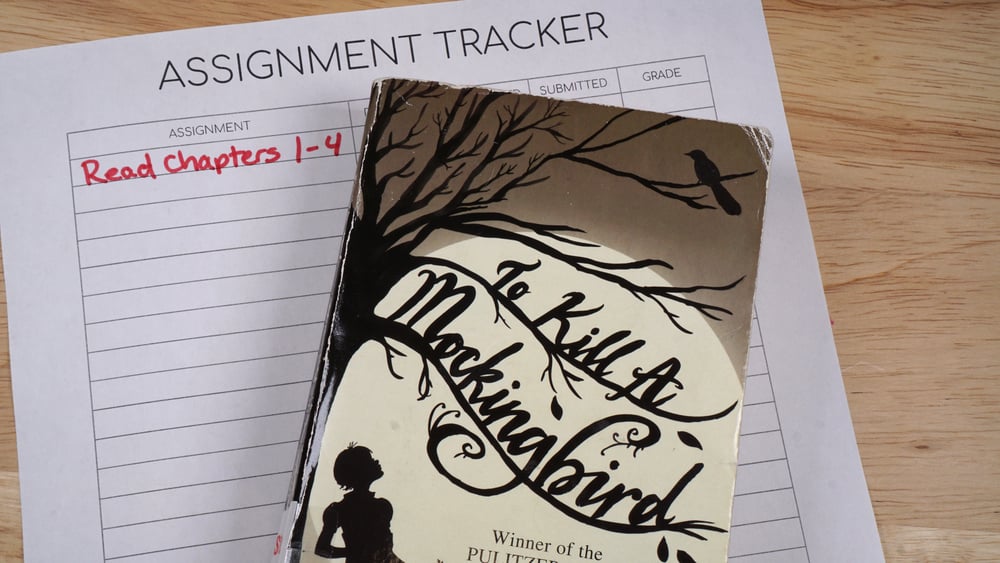
Harper Lee faced early rejection because the story seemed too slow and lacked action. One editor told her to rewrite it completely.
She nearly gave up halfway through editing. But she took the feedback, made changes, and stuck with it.
What came out was a powerful story about justice, kindness, and courage that touched millions.
The Great Gatsby

When it came out in 1925, most readers just didn’t get it. Sales were weak, and critics weren’t kind.
F. Scott Fitzgerald hoped it would be his big moment, but instead, it nearly ended his career. He died thinking the book was a failure.
It wasn’t until after his death that people saw it as a sharp, honest look at the American dream.
The Lord of the Rings
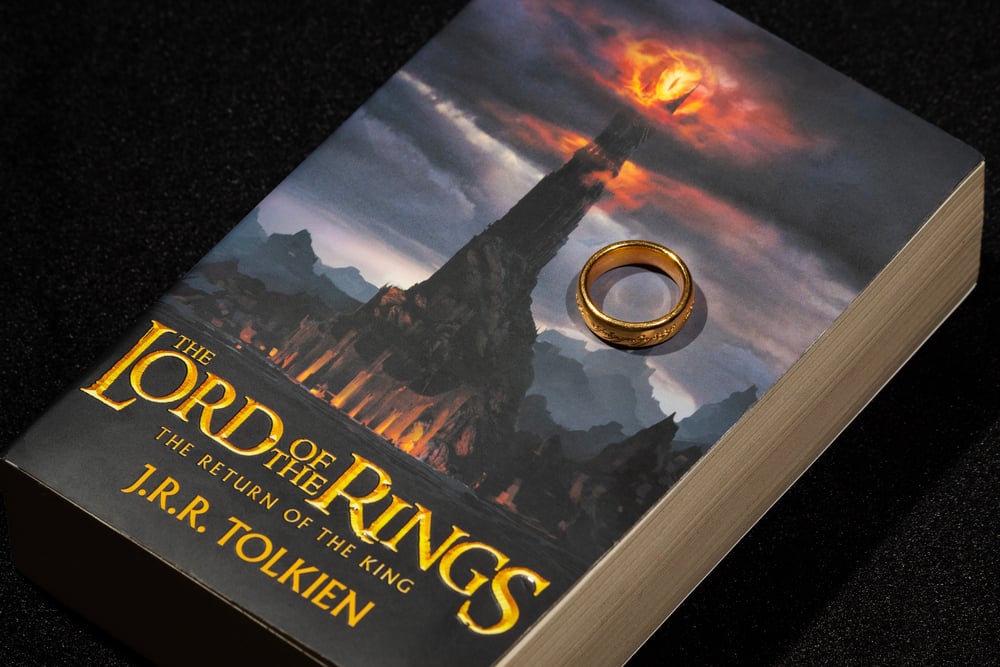
J.R.R. Tolkien’s epic tale was seen as too long, too strange, and too risky. One publisher turned it down outright, saying it wouldn’t appeal to enough readers.
It was only published because of the unexpected success of The Hobbit. Even then, Tolkien had to break the story into three parts because of printing costs.
Today, it’s one of the most loved and studied series in the world.
Like Go2Tutors’s content? Follow us on MSN.
Jane Eyre
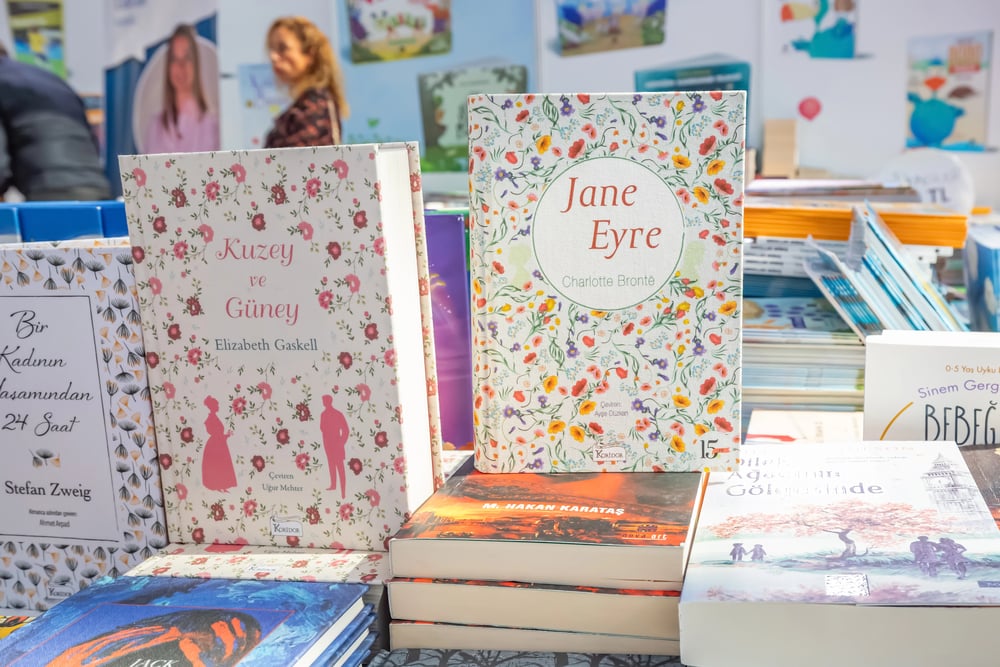
Charlotte Brontë used the pen name Currer Bell to hide her identity. Women writers were often ignored or dismissed at the time.
Her story, full of emotion and independence, didn’t fit what publishers expected from female authors. A few turned it down without even reading it fully.
But once it hit shelves, it grabbed attention and never let go.
1984
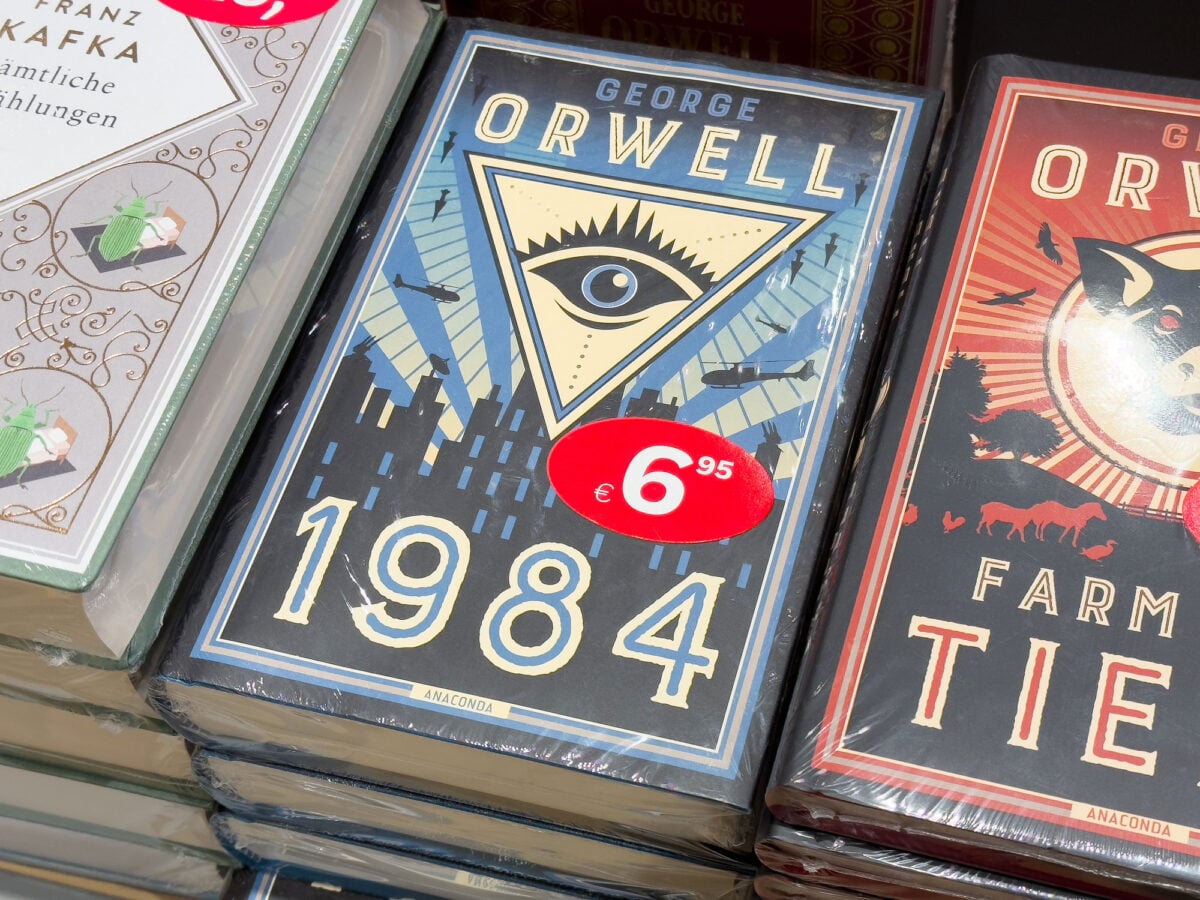
George Orwell’s publisher hesitated due to the book’s harsh tone and grim view of the future. Some feared backlash because of its political message.
Orwell was very sick while writing it and barely lived to see it printed. The book didn’t become widely discussed until years later.
Now it’s seen as a warning that still feels fresh.
The Diary of Anne Frank
After the war, Anne’s father Otto tried to get her diary published. Many publishers said no, thinking it was too sad or too personal.
But he believed in her voice and kept pushing. A small house finally printed it, and slowly, the world began to listen.
Now, it’s read by millions and taught in schools everywhere.
Like Go2Tutors’s content? Follow us on MSN.
The Hobbit
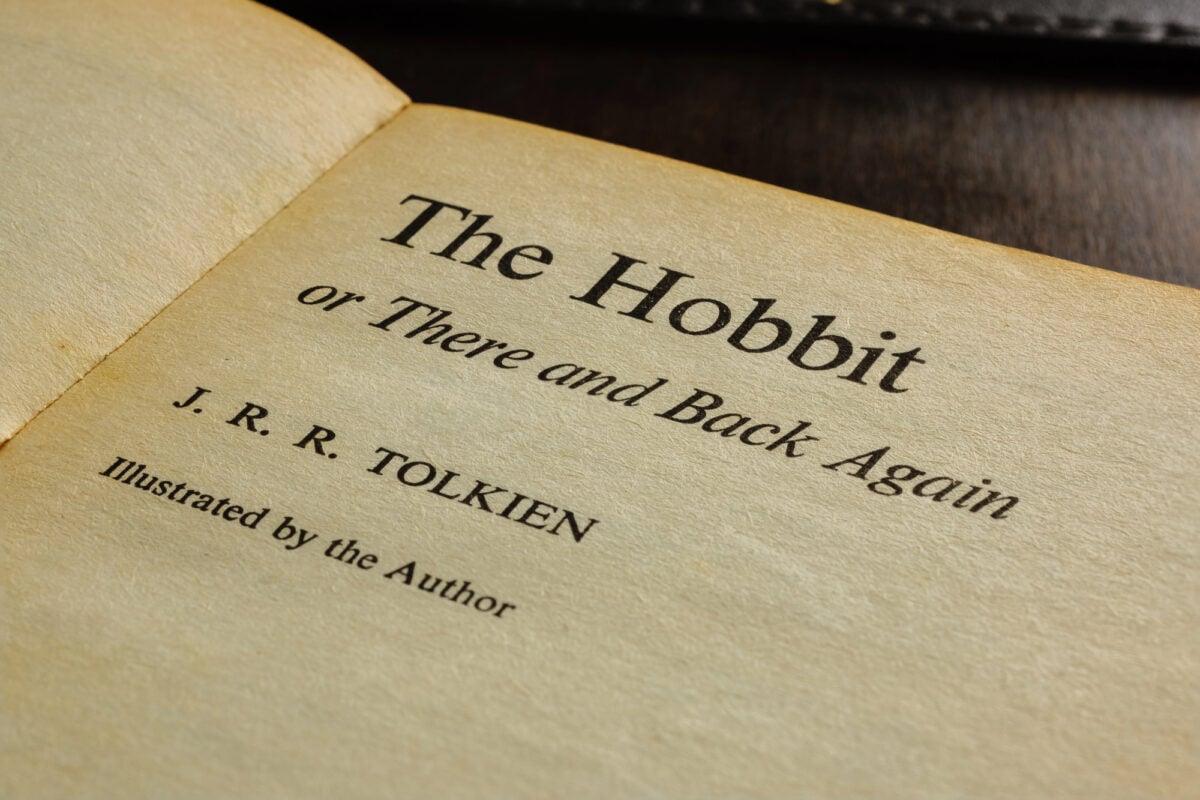
Before it became a hit, The Hobbit faced its share of doubts. Tolkien wasn’t even a full-time writer—he was a professor.
The story began as something he wrote for his children. The publisher’s young son read the manuscript and said it was good.
That lucky read helped bring Middle-earth to life.
Little Women

Publishers didn’t think a book about sisters growing up would sell. Adventure stories written by men were the trend.
Louisa May Alcott only wrote it because her editor asked for a “girl’s book.” Even she didn’t expect much.
But readers loved the March sisters, and the book became a lasting part of family reading.
Frankenstein

Mary Shelley wrote this gothic story at 18 years old. It came from a writing challenge with friends, including her husband, the poet Percy Shelley.
Publishers thought it was too dark and scary for readers. Some even doubted she wrote it herself.
But the story took off and sparked a whole genre of horror.
Like Go2Tutors’s content? Follow us on MSN.
Pride and Prejudice

Jane Austen had trouble getting any of her books published during her lifetime. Pride and Prejudice was turned down more than once.
She had to publish it anonymously. Only after her death did people realize how sharp and clever her writing was.
Today, her stories are still reimagined for every generation.
The Color Purple

Alice Walker’s book was powerful and raw, but many thought it wouldn’t get past the editors. It spoke about topics many people avoided.
Several publishers said it was too hard to market. But Walker didn’t back down.
Her voice pushed through, and the novel went on to win major awards and inspire a popular film and musical.
Gone with the Wind

Margaret Mitchell didn’t plan to publish her book at all. She kept it hidden for years.
It only got discovered when a visitor from a publishing house asked what she was working on. Even then, the editors were unsure because it was so long.
But once released, it became a massive bestseller and cultural phenomenon.
Like Go2Tutors’s content? Follow us on MSN.
The Grapes of Wrath

John Steinbeck’s book hit a nerve. Some saw it as un-American because it talked openly about poverty, labor struggles, and injustice.
Bookstores banned it. Libraries refused to carry it. But readers kept buying it, and its message grew louder. It earned Steinbeck a Pulitzer Prize and respect around the world.
Slaughterhouse-Five

Kurt Vonnegut wrote a strange, jumpy book about war, time, and trauma. Publishers didn’t know what to make of it.
They didn’t think it would connect with anyone. Vonnegut stuck with his odd style.
The book became a cult favorite and one of the most unique war novels ever written.
Why these stories matter today

These novels almost didn’t reach readers, yet they now stand as pillars of literature. They show that even great ideas can face rejection, fear, or doubt at first.
Many authors had to wait, fight, or believe in themselves when others didn’t. Their success reminds people not to give up too early on their own ideas.
What seems like a failure today could be a classic tomorrow.
More from Go2Tutors!

- 16 Historical Figures Who Were Nothing Like You Think
- 12 Things Sold in the 80s That Are Now Illegal
- 15 VHS Tapes That Could Be Worth Thousands
- 17 Historical “What Ifs” That Would Have Changed Everything
- 18 TV Shows That Vanished Without a Finale
Like Go2Tutors’s content? Follow us on MSN.



