The Most Bizarre Deaths in History Nobody Talks About
Death is the ultimate equalizer, but some departures from this world are so strange they sound like dark comedy sketches rather than historical fact. While everyone knows about famous last moments—Caesar’s assassination, Marie Antoinette’s beheading—history is packed with deaths so peculiar they’ve been quietly shuffled into footnotes.
These aren’t your typical battlefield casualties or plague victims. These are the deaths that make you wonder if the universe has a twisted sense of humor, the kind that leave historians scratching their heads and wondering how to explain them with a straight face.
Aeschylus and the Eagle’s Mistake
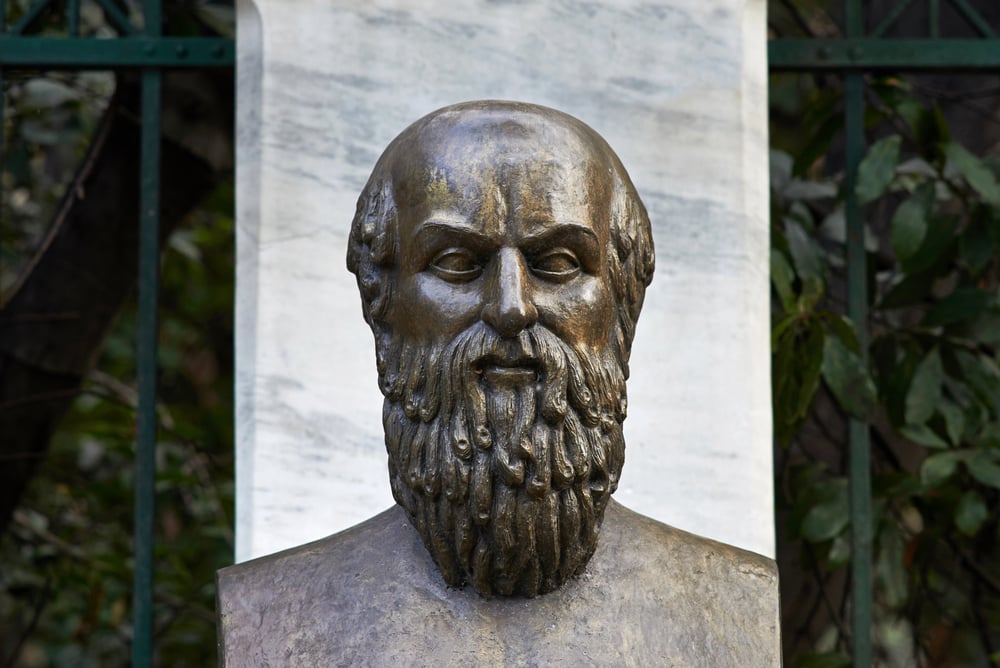
Aeschylus died because a bird couldn’t tell his bald head from a rock. The Greek playwright, considered the father of tragedy, met his end when an eagle dropped a tortoise on his skull, mistaking his shiny dome for a stone suitable for cracking shells open.
The irony cuts deeper than the initial impact. Here was a man who spent his career exploring fate and divine intervention, only to become the punchline of the most absurd case of mistaken identity in ancient history.
An eagle, tortoise, and bald head—the components of a death so ridiculous it feels like the gods were workshopping material for a comedy routine.
Chrysippus and Fatal Laughter
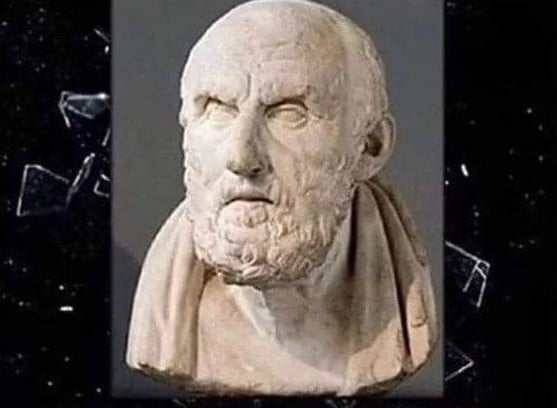
Chrysippus, the Stoic philosopher, died laughing at his own joke. He got his donkey drunk, watched it try to eat figs, and found the spectacle so hilarious that he couldn’t stop laughing until his heart gave out.
This wasn’t polite chuckling or even hearty guffaws. This was full-body, can’t-catch-your-breath, tears-streaming-down-your-face laughter that went on so long it became lethal.
A philosopher who preached emotional control died because he couldn’t control his amusement at a drunk donkey’s dining habits. The universe has a sense of irony that would make O. Henry jealous.
Attila the Hun’s Wedding Night
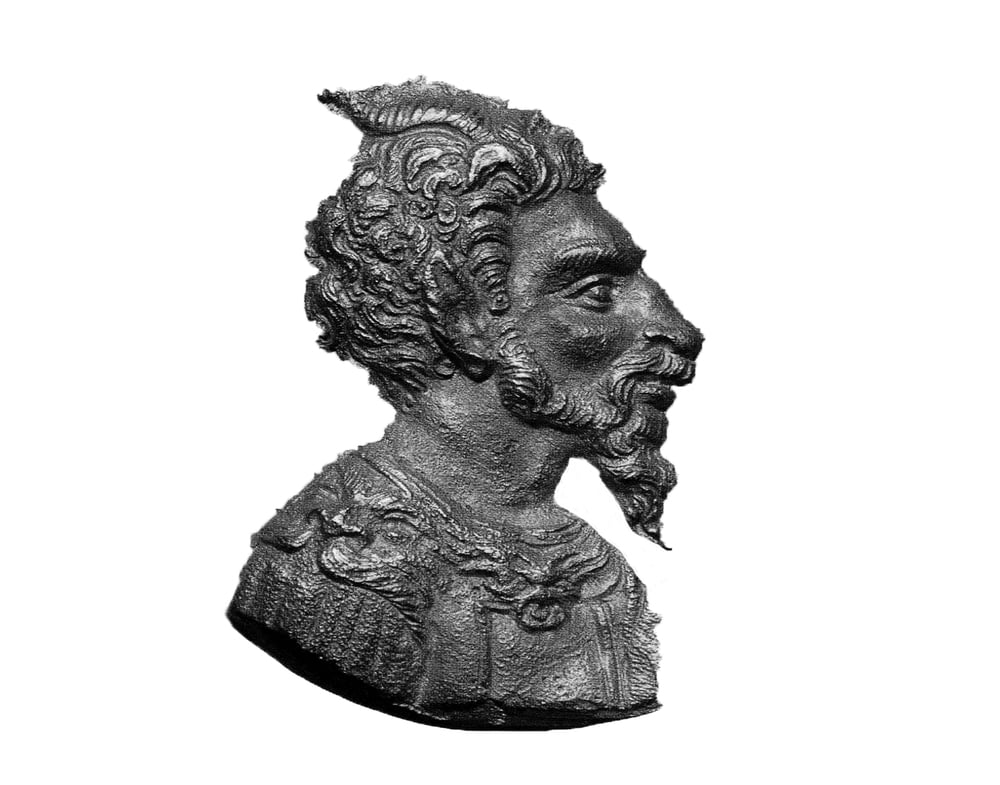
The scourge of God, the man who struck terror into the hearts of emperors, died on his wedding night—not from poison, not from an assassin’s blade, but from a nosebleed. Attila the Hun, who had conquered half of Europe and negotiated with Rome as an equal, was felled by blood vessels that couldn’t handle his wedding celebration.
Picture this: the most feared warrior of his age, lying in his marriage bed, defeated by his own circulatory system. And because he was found dead next to his new bride, who happened to be barbarian royalty, the whole thing looked incredibly suspicious (though historians believe it was just spectacularly bad timing).
So Attila the Hun, who had survived countless battles and political machinations, was done in by what amounts to the world’s most inconveniently timed bloody nose. The bride’s explanation—that he just started wounding and couldn’t stop—probably didn’t help her case with the grieving Hun leadership, but it appears to have been exactly what happened.
Even more bizarre: his men were so convinced someone had murdered their invincible leader that they tortured and killed the bride anyway, because the idea that Attila could die from something as mundane as a nosebleed was apparently too absurd to accept. But that’s exactly what happened—the man who made emperors tremble died the way a suburban dad might after a particularly enthusiastic New Year’s Eve party.
King Adolf Frederick’s Final Feast
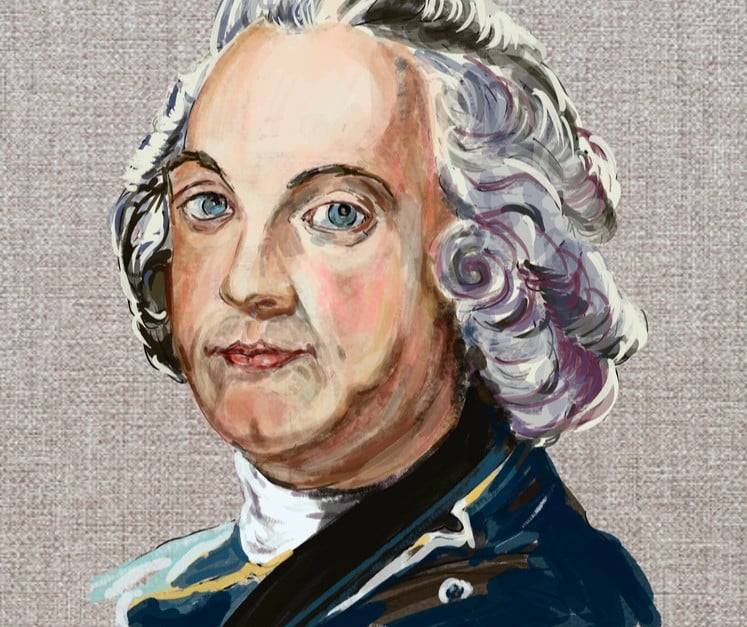
Sweden’s King Adolf Frederick died from eating too much dessert. Not poisoned dessert, not cursed dessert—just regular dessert consumed in quantities that would make a competitive eater nervous.
The royal autopsy revealed a stomach packed with lobster, caviar, sauerkraut, kippers, champagne, and fourteen servings of his favorite dessert: semla, a cream-filled pastry. Fourteen servings.
The man literally ate himself to death at what was supposed to be a celebratory dinner, turning a feast into a funeral in the span of a single evening.
Clement Vallandigham’s Courtroom Demonstration
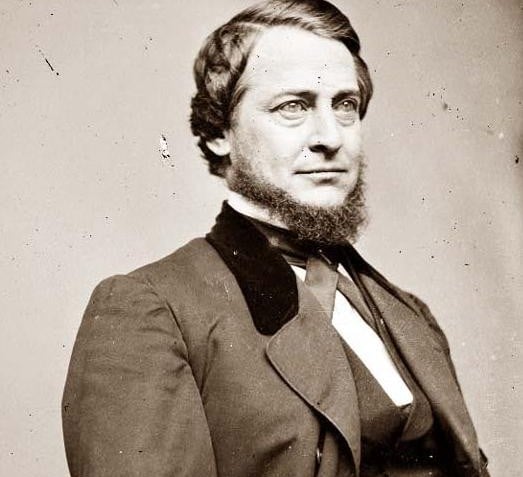
Lawyer Clement Vallandigham shot himself while trying to prove his client’s innocence. He was demonstrating how the victim could have accidentally shot himself, using what he thought was an unloaded gun.
The demonstration was flawless. Vallandigham showed the jury exactly how the victim could have died—by doing it himself.
His client was acquitted, which probably felt like a hollow victory considering the circumstances. Defense attorneys have gone to great lengths for their clients, but Vallandigham literally died proving his point.
Franz Reichelt’s Fashion Statement
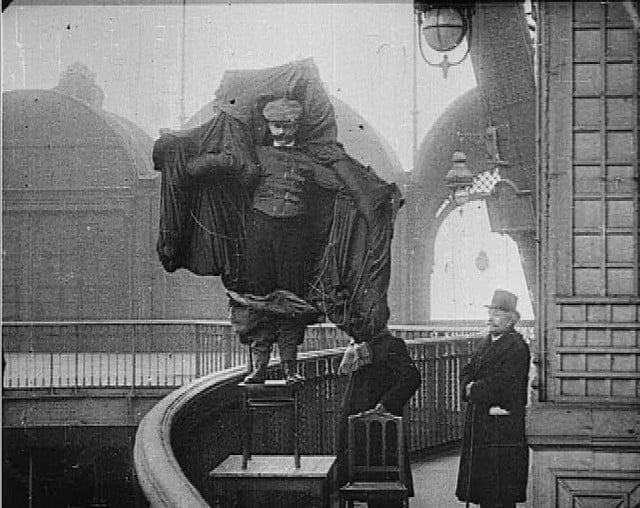
The Austrian tailor decided to test his parachute coat by jumping off the Eiffel Tower. Franz Reichelt was so confident in his invention that he dismissed safety nets and backup plans, convinced his wearable parachute would make him famous.
It did make him famous, just not the way he intended. The coat-parachute failed spectacularly, and Reichelt plummeted 187 feet to his death in front of a crowd of spectators and news cameras.
The footage still exists, capturing the moment when fashion design met physics and physics won decisively. His last words were reportedly about the coat’s potential, right up until he discovered its limitations the hard way.
Isadora Duncan’s Flowing Scarf
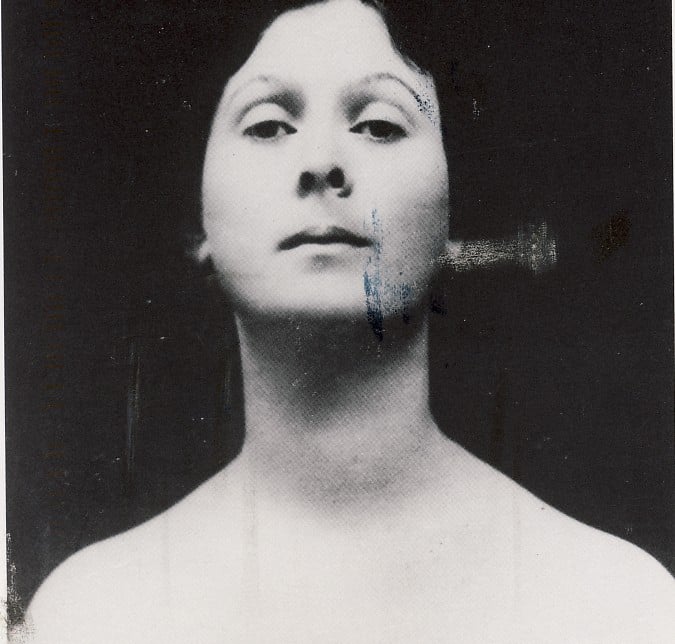
The famous dancer’s signature flowing scarves became her death sentence. Isadora Duncan was riding in an open car when her long silk scarf caught in the wheel spokes, snapping her neck instantly.
Duncan had made those scarves part of her artistic identity, the flowing fabric that made her performances feel like poetry in motion. But scarves that look graceful on stage become death traps around moving machinery.
Her final ride was supposed to be a joyful spin through Nice in a fancy convertible—instead, it became a lesson in why fashion and mechanics don’t always mix.
Basil Brown’s Carrot Obsession
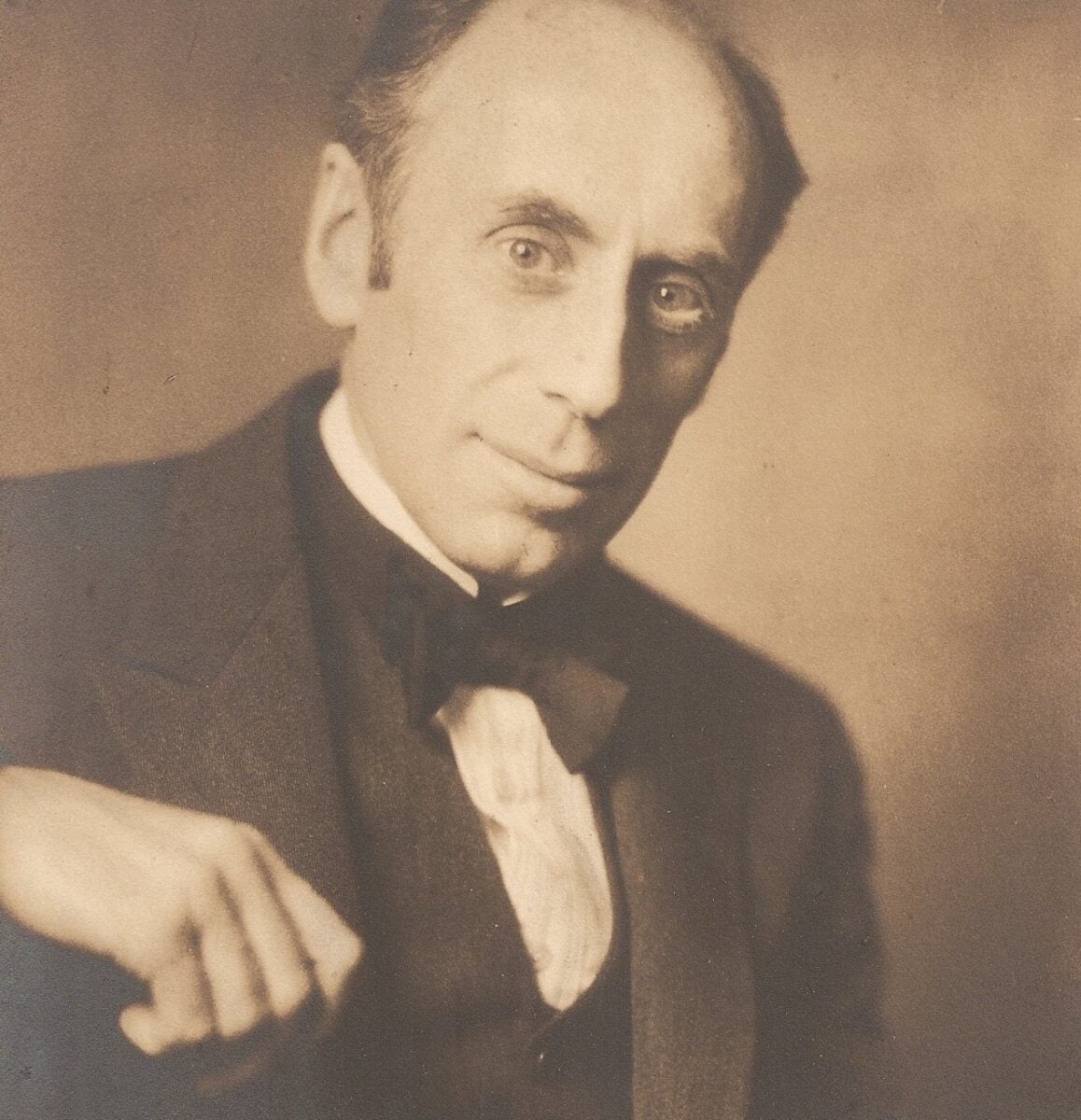
The health enthusiast died from drinking too much carrot juice. Basil Brown consumed a gallon of carrot juice daily for ten days, convinced it would improve his health.
Instead, it turned his skin bright orange and killed him. Brown died from vitamin A poisoning, his liver overwhelmed by nutrients that are supposed to be good for you.
He looked like a traffic cone by the time he reached the hospital, his skin so saturated with beta-carotene that he glowed orange. The man who thought vegetables were the key to long life was killed by vegetables, which has to be the cruelest irony in the history of health food.
Tennessee Williams’ Bottle Cap
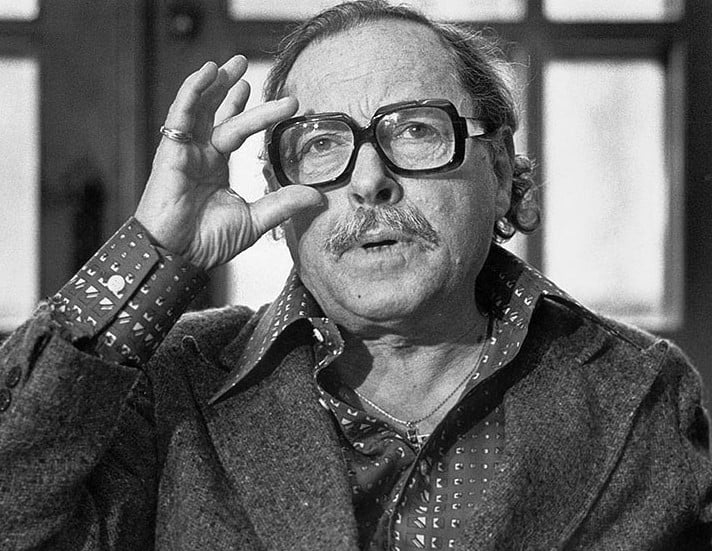
The acclaimed playwright choked to death on a bottle cap. Tennessee Williams, who gave the world “A Streetcar Named Desire” and “Cat on a Hot Tin Roof,” died alone in a New York hotel room with a small plastic cap lodged in his throat.
The official cause was that Williams had been using the cap to take his medication and accidentally inhaled it. Here was a man who understood human tragedy better than almost anyone, who wrote about desire and death with unmatched eloquence, undone by a piece of plastic smaller than a quarter.
The universe apparently decided that the author of some of America’s most poetic death scenes deserved an ending that was purely absurd.
Jerome Irving Rodale’s Live Television Irony
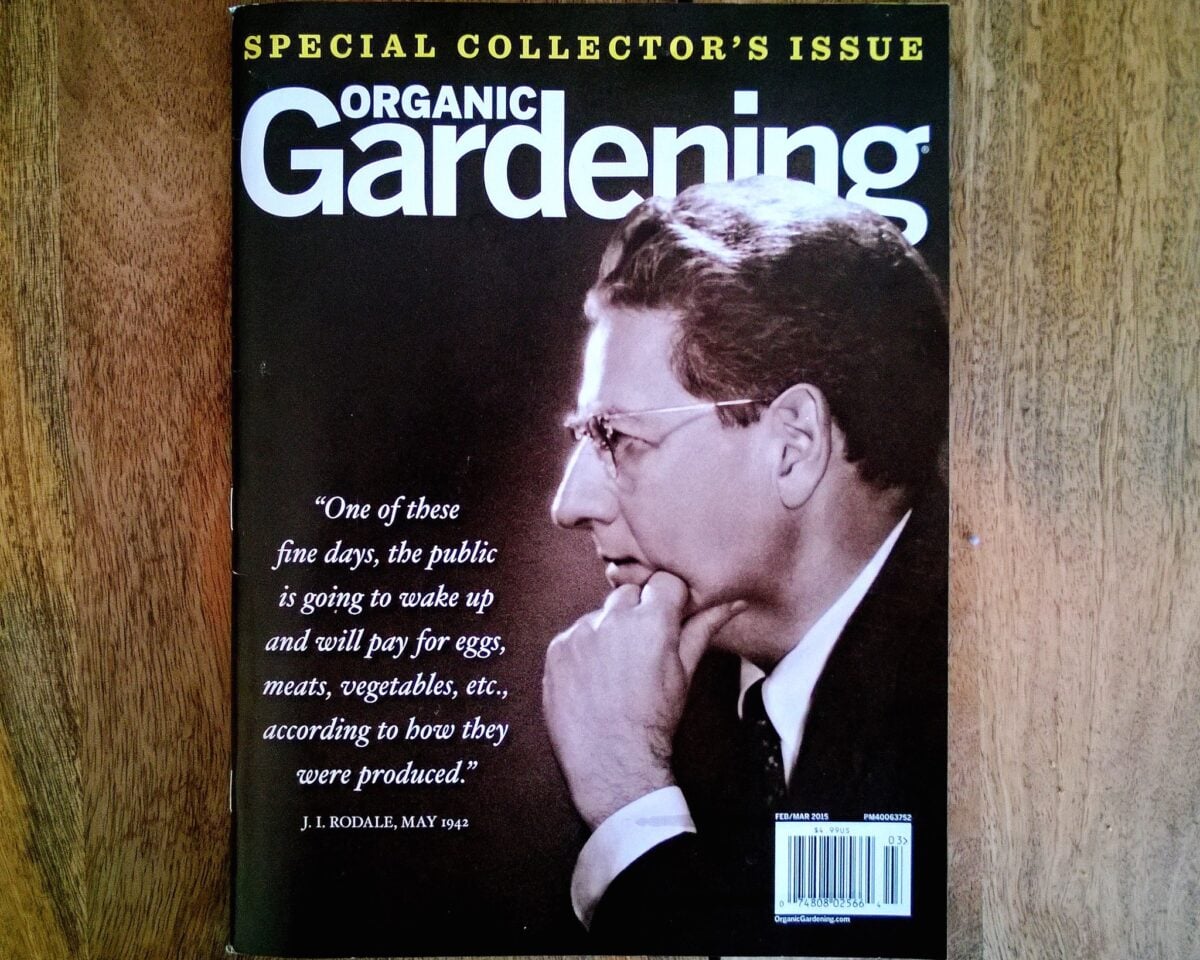
The organic food pioneer died of a heart attack while appearing on a talk show to discuss the benefits of healthy living. Jerome Rodale had just finished telling the host that he was so healthy he expected to live to 100, then slumped over and died on camera.
The show was “The Cavett Show,” and Rodale had spent the interview promoting organic farming and natural health. His last words were essentially a health brag.
Then he proved himself spectacularly wrong in front of a live studio audience, creating one of television’s most uncomfortable moments. The episode never aired, which was probably for the best—watching someone die right after predicting their own longevity would have been too much even for 1970s television.
Li Po’s Moonlight Drowning
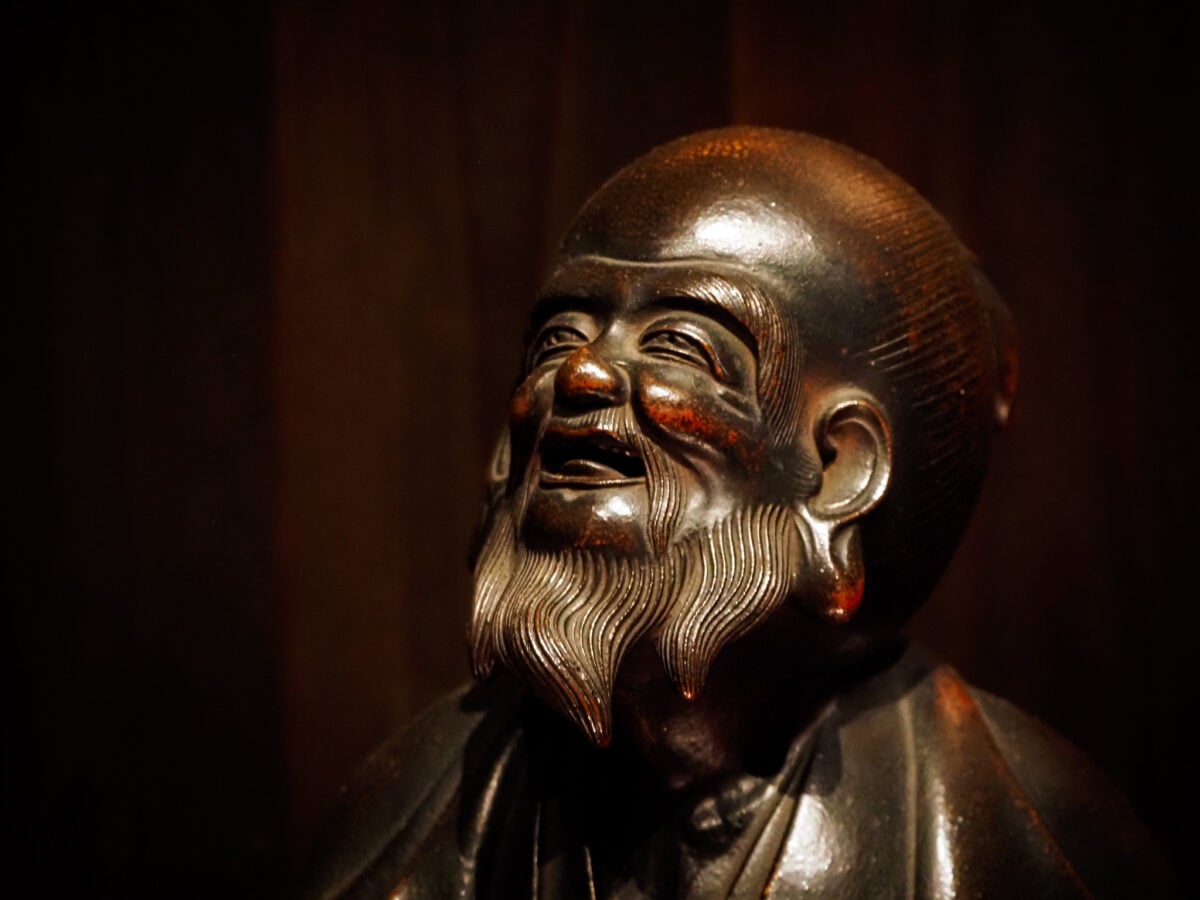
The Chinese poet died trying to embrace the moon’s reflection in a river. Li Po, already drunk on wine and poetry, leaned out of a boat to hug what he thought was the moon floating on the water’s surface.
This death captures something beautifully tragic about the artistic temperament—the willingness to reach for beauty even when it’s obviously an illusion (though being monumentally drunk probably didn’t help his judgment). Li Po spent his career writing about the moon, wine, and the fleeting nature of life. So when he died trying to embrace a lunar reflection while intoxicated, it felt less like an accident and more like the most perfectly Li Po way to exit the world. His poetry lived on; his understanding of optics did not.
Allan Pinkerton’s Bitten Tongue
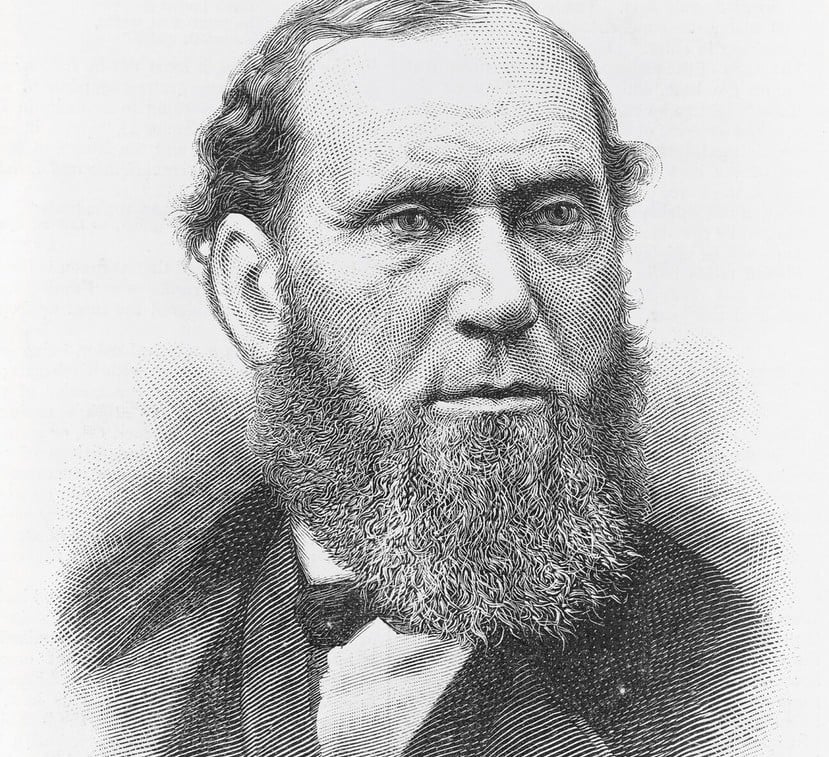
The famous detective died from biting his tongue. Allan Pinkerton, founder of the Pinkerton Detective Agency and the man who foiled an assassination attempt on Abraham Lincoln, died from an infected tongue wound he gave himself.
Pinkerton bit his tongue during a casual conversation, and the wound became infected. This is the same man who had tracked down train robbers, infiltrated criminal organizations, and served as Lincoln’s spymaster during the Civil War.
He had survived encounters with some of the most dangerous people in America, only to be killed by his own teeth. The irony is almost too perfect: a man who made his living catching other people’s fatal mistakes was done in by the most mundane accident imaginable.
Sherwood Anderson’s Fatal Toothpick
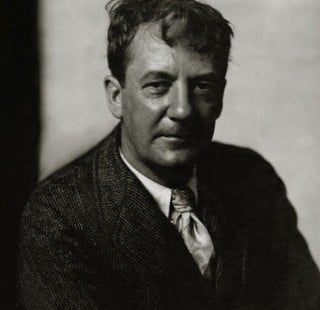
The novelist died from swallowing a toothpick. Sherwood Anderson, author of “Winesburg, Ohio,” was at a cocktail party when he accidentally swallowed a wooden toothpick that had been holding an appetizer together.
The toothpick punctured his intestinal wall, leading to peritonitis and death. Anderson had written extensively about the strange ways small-town life could trap and destroy people, but he couldn’t have imagined that his own end would come from something as trivial as cocktail party finger food.
The man who understood how tiny details could reveal profound truths about human nature was killed by the tiniest detail of all—a wooden sliver designed to hold an olive.
When the Absurd Becomes Eternal

These deaths share a quality that makes them stick in memory long after more dramatic endings have faded. There’s something about their sheer randomness that feels more honest than heroic last stands or peaceful deathbed scenes.
They remind us that for all our planning and pretension, we’re still just biological machines operating in a world full of unexpected variables—drunk donkeys, flying tortoises, and badly timed nosebleeds included. The strangest part isn’t that these deaths happened, but that they happened to people who seemed, in their own ways, larger than life.
Conquerors and kings, artists and philosophers, all brought low by the kind of freak accidents that make you double-check your surroundings and wonder what invisible absurdity might be lurking in your own future. History remembers their accomplishments, but these deaths remind us that dignity is always just one unfortunate encounter with a bottle cap away from disappearing entirely.
More from Go2Tutors!

- The Romanov Crown Jewels and Their Tragic Fate
- 13 Historical Mysteries That Science Still Can’t Solve
- Famous Hoaxes That Fooled the World for Years
- 15 Child Stars with Tragic Adult Lives
- 16 Famous Jewelry Pieces in History
Like Go2Tutors’s content? Follow us on MSN.



