15 Everyday Vintage Blank Tapes Worth Massive Cash
Cleaning out old drawers and closets has become a treasure hunt these days. That shoebox of cassette tapes collecting dust in the back of your closet might contain more value than you think.
While most people tossed their blank tapes years ago, collectors are now paying serious money for specific brands and formats that once sat on store shelves for a few dollars.
The key is knowing which ones matter. Not every blank tape is worth anything, but certain brands, types, and even specific years can fetch surprising amounts from audiophiles and collectors who understand what made them special.
TDK SA-90
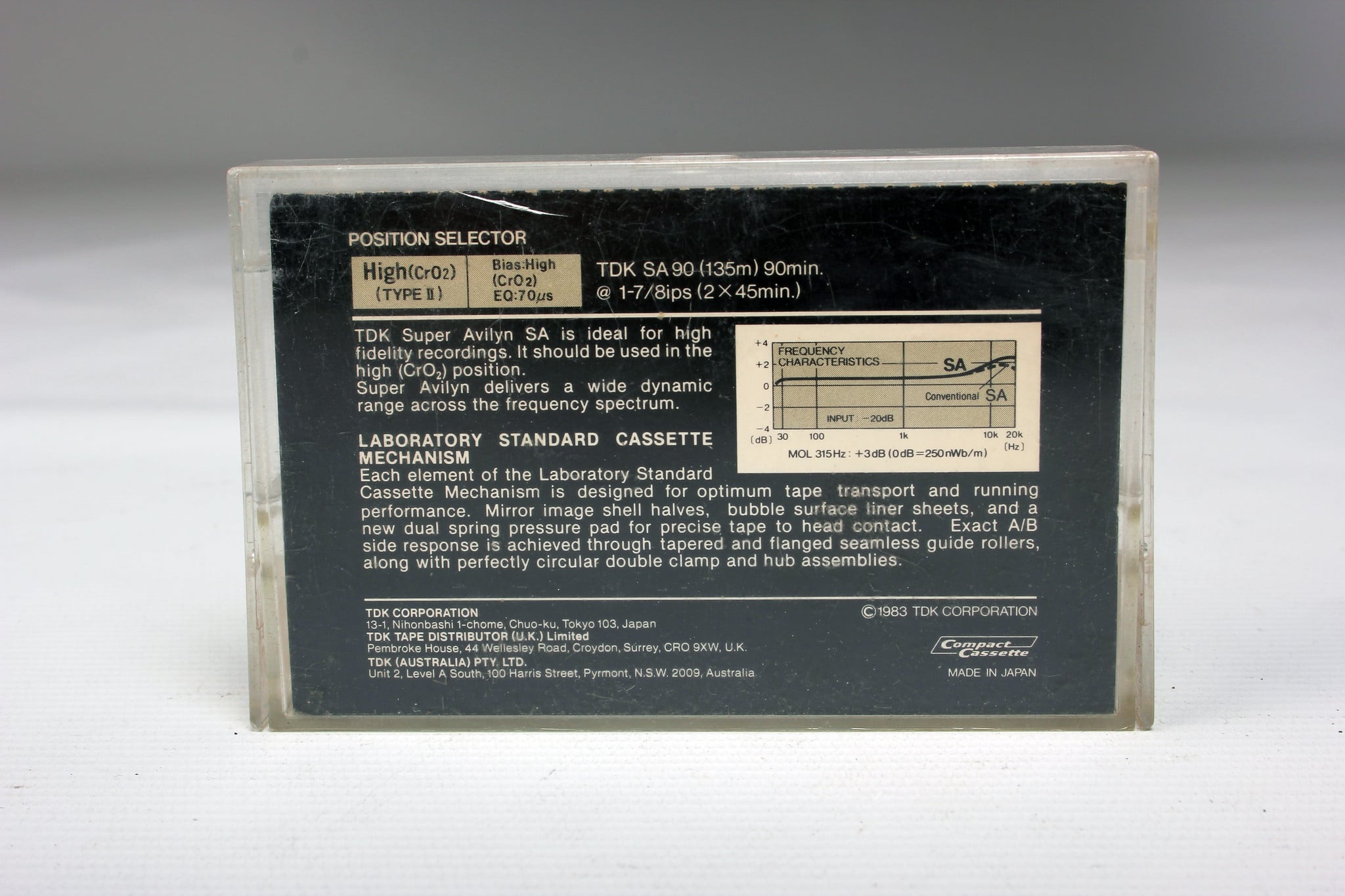
Premium chrome formula made these legendary. Studio engineers swore by them in the 80s and 90s.
Sealed examples now sell for $50-100 depending on the year and condition. The sound quality difference wasn’t marketing hype.
These tapes could handle higher recording levels without distortion, which matters when you’re trying to capture every detail of your favorite album.
Sony Metal-ES
Sony’s top-tier metal tape was expensive when new and remains expensive now. But the gap between retail price then ($8-12) and collector price now ($75-150) tells the whole story.
People who used these knew they were getting something special. Metal tapes required compatible decks to record and play properly, which meant they stayed in the hands of serious audio enthusiasts rather than casual users.
That selectivity helped preserve their reputation.
Maxell XLII-S
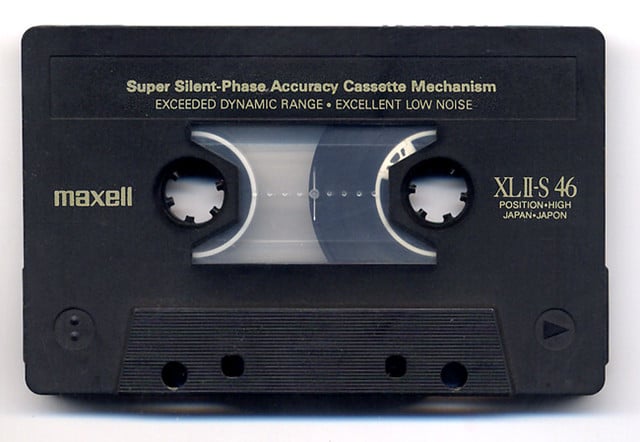
There’s something almost mystical about the way certain objects become symbols of their era (think of how a particular car or piece of furniture can instantly transport you to a specific decade), and the Maxell XLII-S carries that weight for anyone who recorded music in the 1980s. The tape itself was technically excellent, but it also happened to arrive at the exact moment when home recording shifted from hobby to obsession.
Opening a fresh XLII-S meant you were about to commit two sides of music to posterity—or at least to your personal collection. The ritual of recording demanded attention: checking levels, timing the fade between songs, leaving exactly the right amount of leader tape.
These details mattered because the tape would hold whatever you gave it, faithfully, for years.
TDK D-90
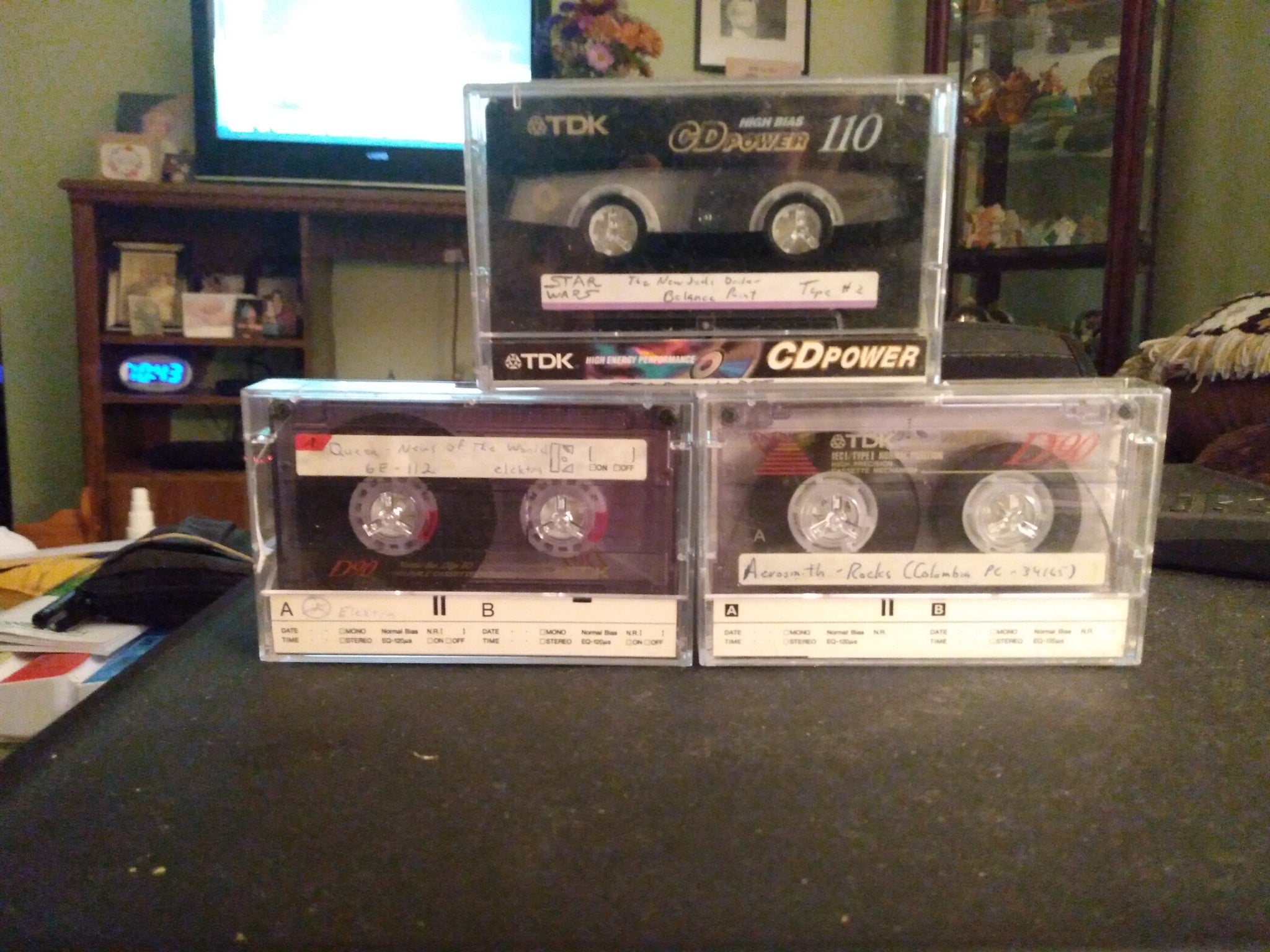
Standard bias tapes don’t typically command collector prices, but TDK’s basic D-series breaks that rule completely. Pristine examples sell for $20-40, which seems absurd until you consider how few people bothered to keep “cheap” blank tapes in perfect condition.
The D-series was reliable enough that radio stations used them for production work. When professionals trust a budget option, it usually means the budget option isn’t really budget at all—just practical.
Sony UX-Pro
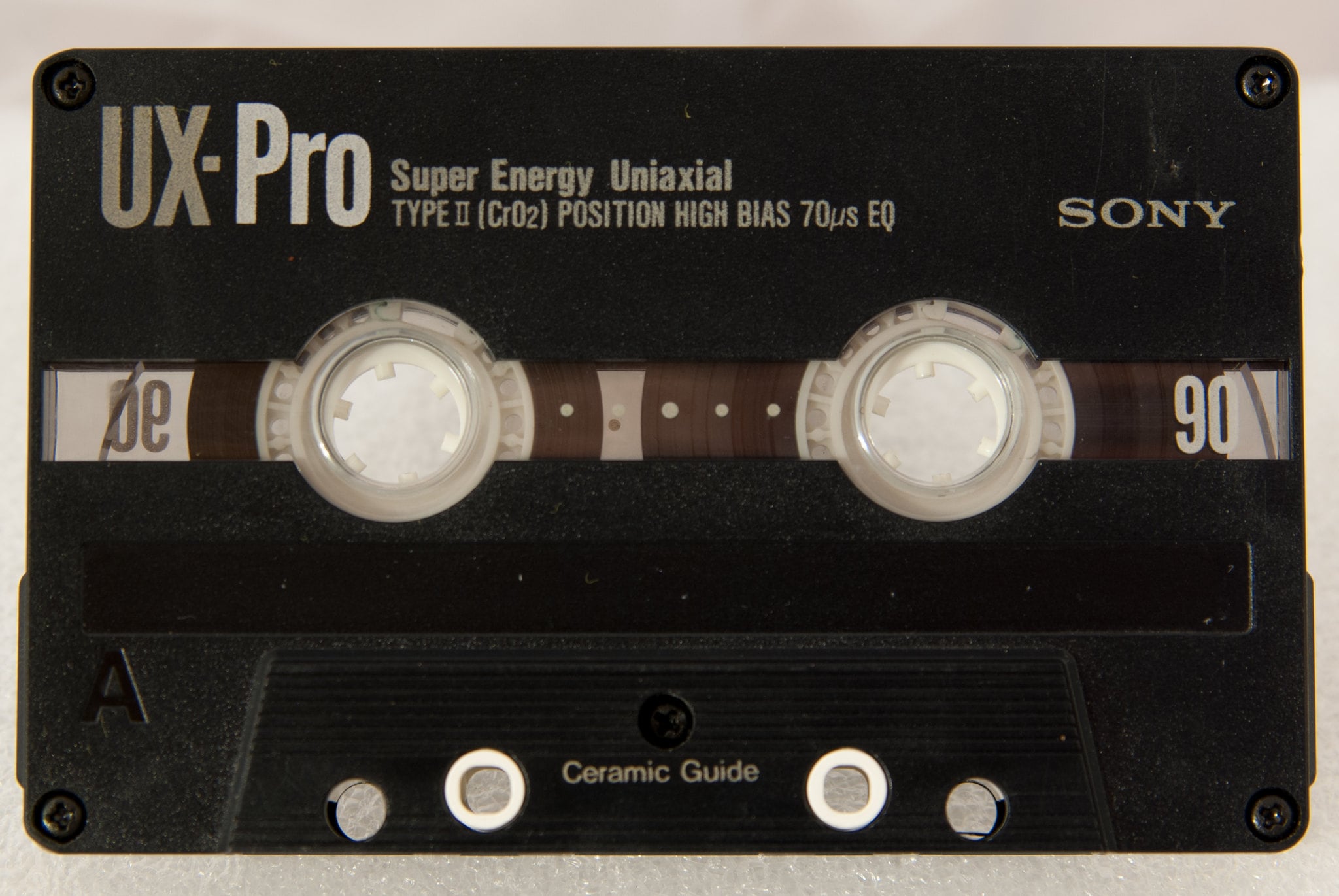
Professional-grade chrome tape that cost serious money when new. Sony marketed these specifically to studios and serious recordists, and the price reflected that positioning.
Sealed tapes now sell for $60-120. The packaging alone signaled these weren’t casual purchases.
Heavy cardboard, detailed technical specs printed on the back, and a general sense that you were buying a tool rather than a commodity.
Nakamichi ZX
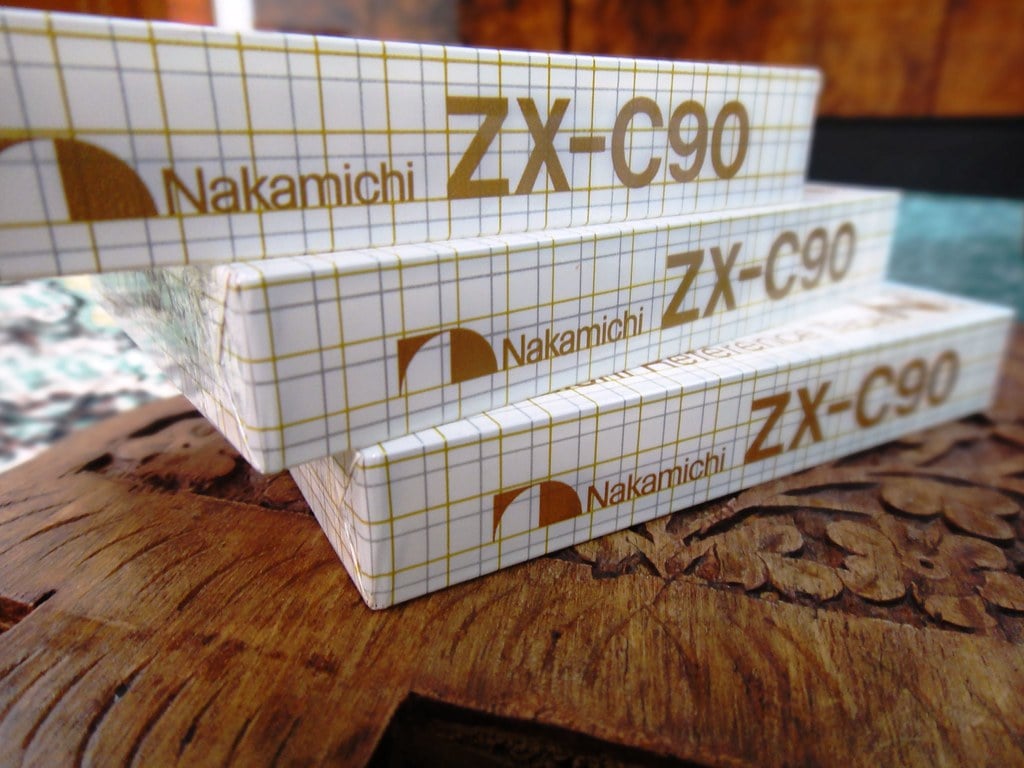
Nakamichi made tape decks that cost more than most people’s cars, so their blank tapes carried serious expectations. The ZX series lived up to those expectations with formulations that squeezed every bit of performance from high-end equipment.
Current market prices ($40-80 for sealed examples) reflect both the technical quality and the brand prestige. When a company’s name becomes synonymous with excellence in a category, everything they make gets that halo effect.
Nakamichi earned it.
BASF Chrome Super II
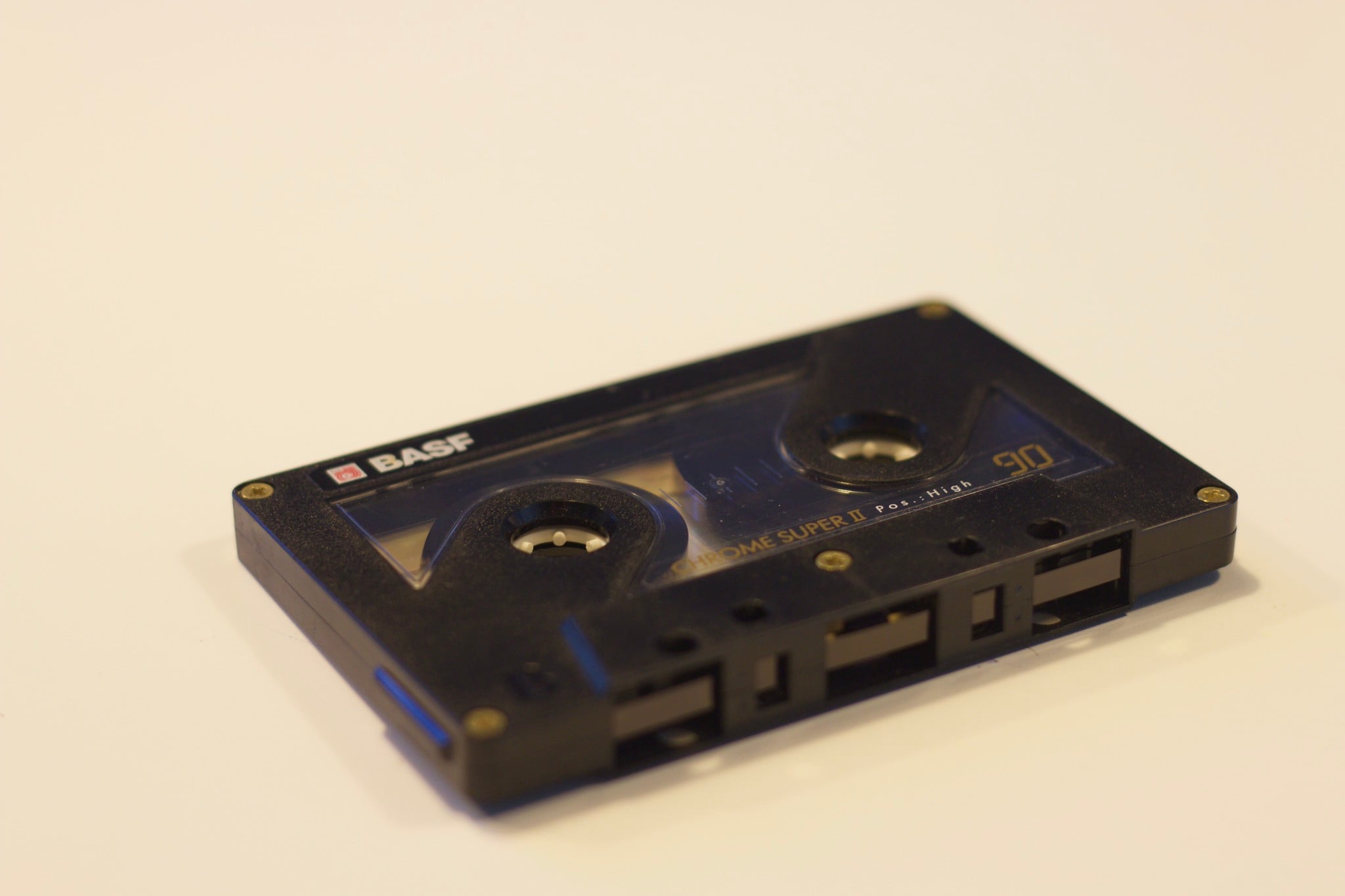
European tape manufacturing followed different traditions than Japanese companies—less marketing flash, more engineering substance—and BASF embodied that approach completely. Their Chrome Super II delivered performance that matched or exceeded the heavily promoted Japanese brands, but without the advertising budget to match.
That understated confidence translated into tapes that simply worked, consistently, across different deck types and recording conditions. Musicians and engineers who discovered BASF often became loyal customers, not because of brand loyalty, but because the tapes didn’t give them reasons to switch.
The current collector market has finally caught up to what professionals knew decades ago. Clean examples sell for $35-70, depending on the specific formulation and packaging.
Agfa PEM 468
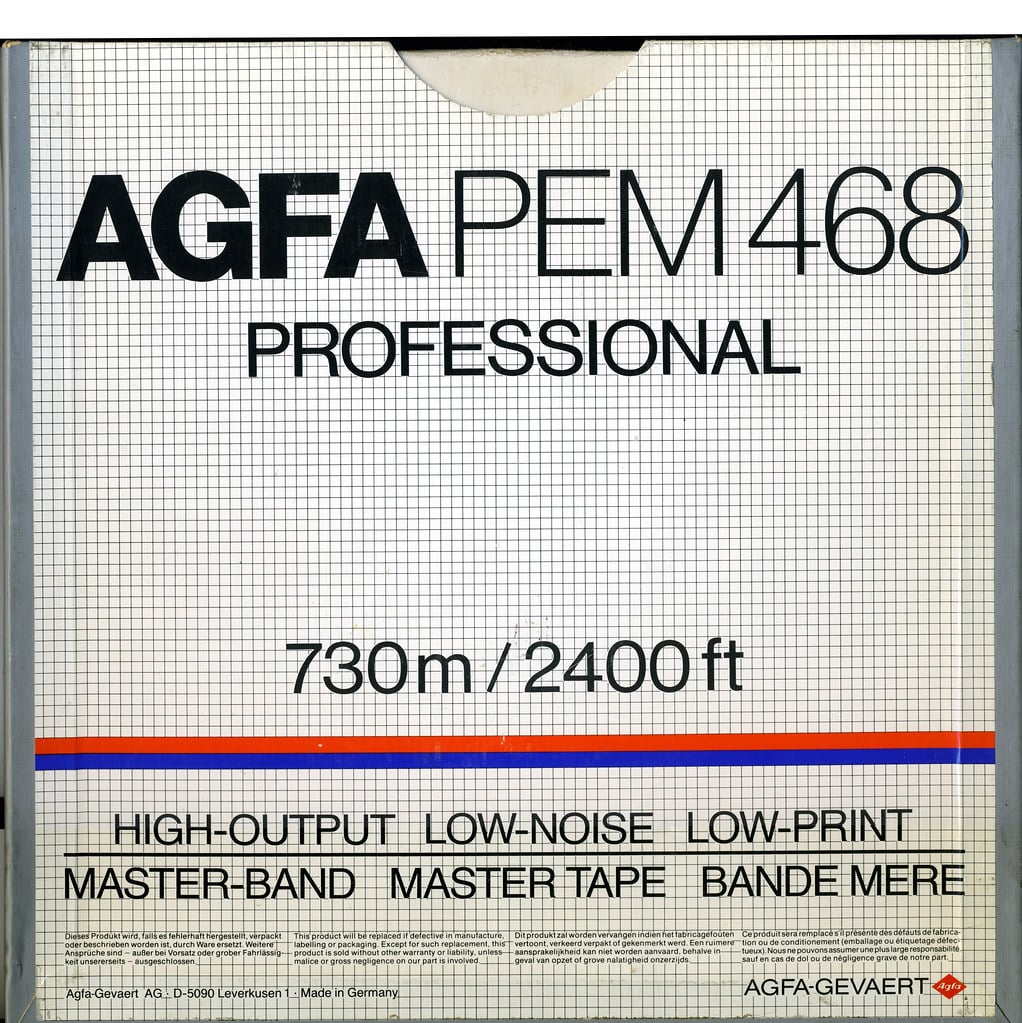
Professional reel-to-reel tape commands the highest prices in the vintage tape market, and Agfa’s PEM 468 sits near the top of that hierarchy. Fresh rolls still in factory packaging can sell for $200-400, sometimes more for specific formulations.
Studios used this tape to record albums you probably own. The professional pedigree isn’t just marketing—it’s documented history sitting in storage rooms and archives around the world.
TDK MA-R
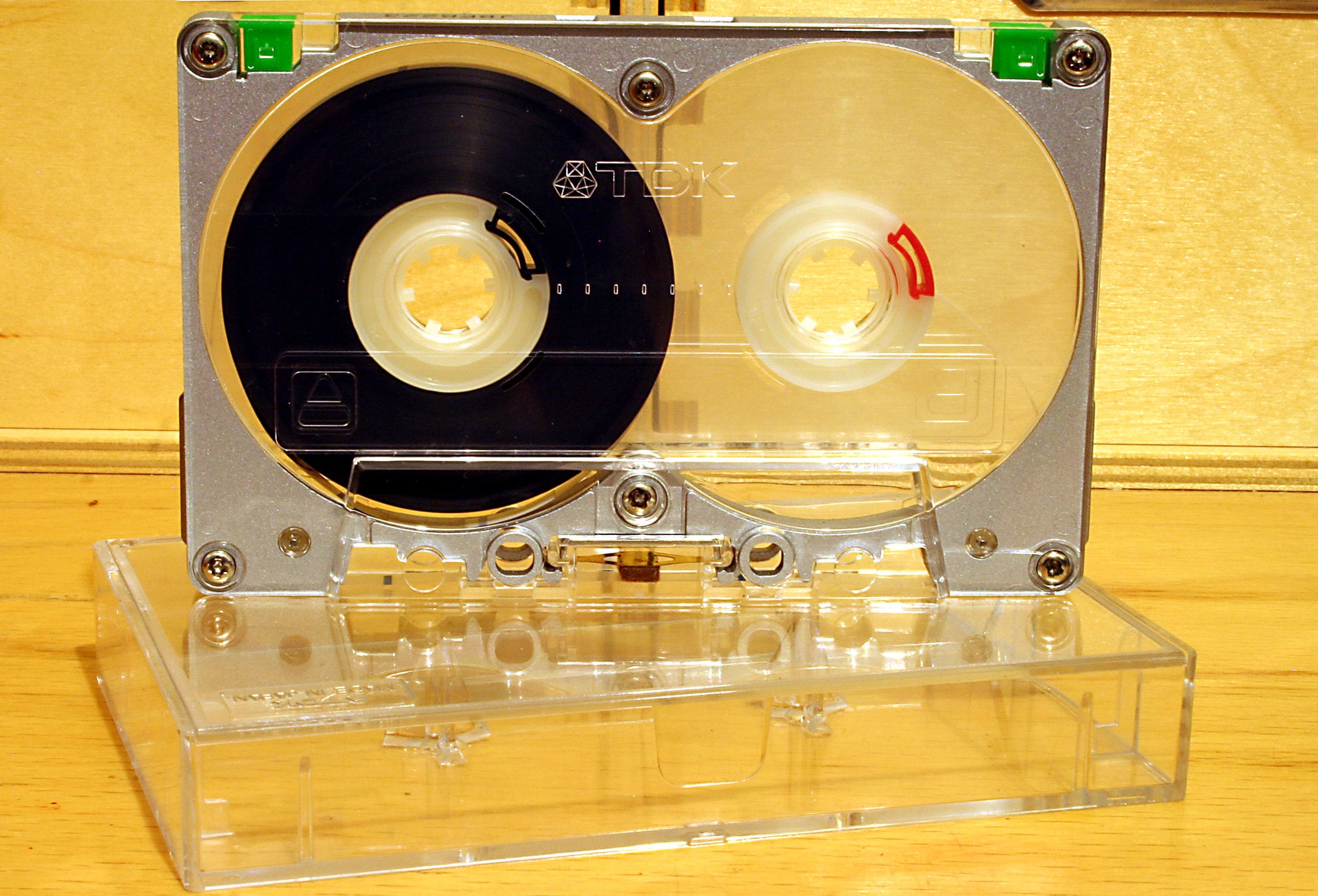
Metal tape technology represented the absolute peak of cassette performance, and TDK’s MA-R pushed those limits as far as they would go. The frequency response and dynamic range capabilities exceeded what most home equipment could even utilize properly.
But that excess was exactly the point. Serious recordists wanted headroom, wanted capability that exceeded their immediate needs, wanted the assurance that the tape wouldn’t be the limiting factor in their recording chain.
Sealed MA-R tapes sell for $80-150, which makes them more expensive per minute than some professional studio time. The math only makes sense if you understand that collectors aren’t buying recording time—they’re buying a piece of audio history.
Sony Metal-XR
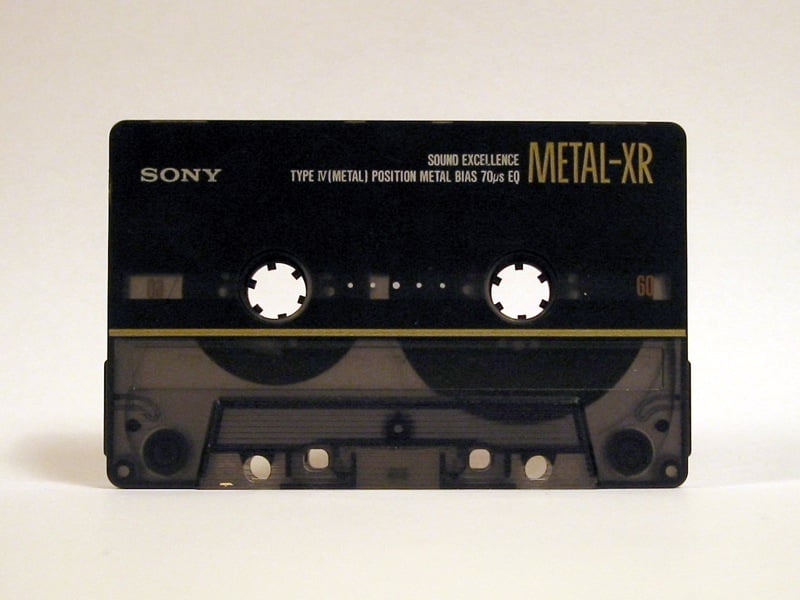
Sony’s response to TDK’s metal tape dominance came in the form of the Metal-XR series, engineered specifically to outperform everything else on the market. The technical specifications read like a challenge: wider frequency response, higher maximum recording level, lower noise floor.
Professional reviews at the time confirmed that Sony had succeeded—these tapes could capture details that other formulations simply couldn’t handle. That capability remains relevant today for collectors who want to experience exactly what high-end 1980s recording technology could accomplish.
Current prices ($70-140 for unopened tapes) reflect both the performance and the relative rarity. Sony didn’t make as many metal tapes as their standard offerings, which means fewer survived in collectible condition.
Maxell MX
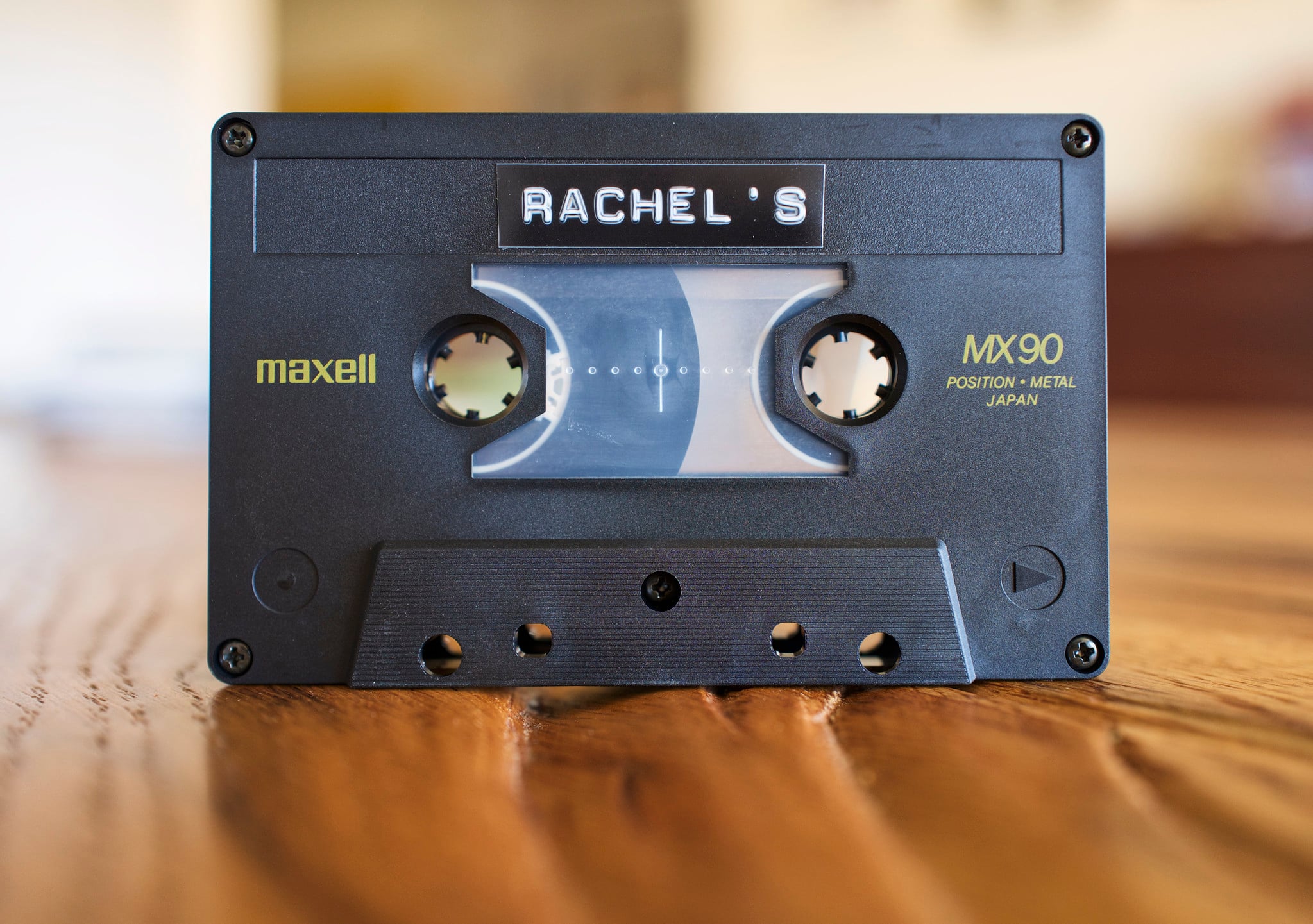
Normal bias might sound like a limitation, but Maxell’s MX series proved that excellent engineering could overcome theoretical disadvantages. These tapes delivered sound quality that competed with more expensive chrome formulations, often in blind listening tests conducted by audio magazines.
The value proposition was compelling then and remains compelling now. Serious recordists could buy MX tapes for everyday use and save their expensive metal tapes for truly critical recordings.
That practical wisdom meant a lot of MX tapes got used up rather than preserved. Finding sealed examples now requires patience and luck, but the payoff can be substantial.
Clean MX-90 tapes sell for $25-50, depending on packaging and production year.
BASF Professional I
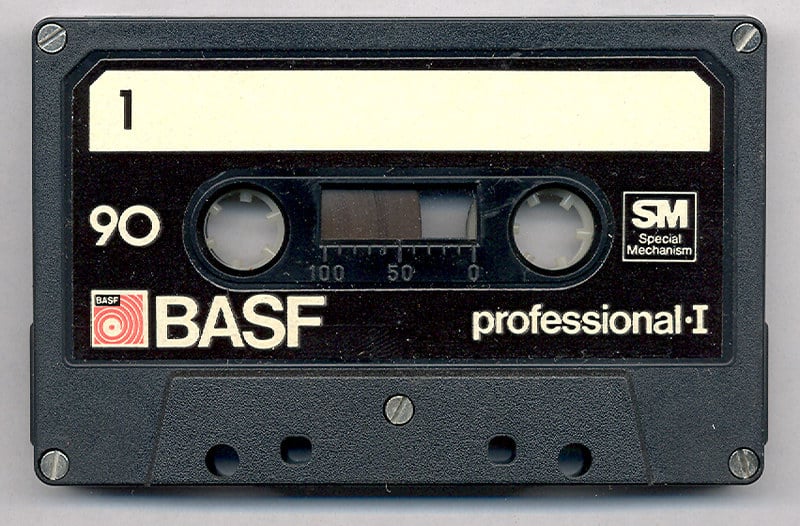
Like discovering that the understated restaurant down the street has been quietly serving the best food in town for decades, BASF Professional I tapes occupied a space that seemed almost deliberately low-profile compared to the flashier Japanese competition. The packaging was clinical, the marketing minimal, and the performance exceptional.
Recording engineers who tried BASF often found themselves reaching for it repeatedly, not because of brand loyalty but because the tapes consistently delivered exactly what they promised. No surprises, no inconsistencies across batches, no mysterious changes in formulation from year to year.
That reliability has aged well. Collectors seeking these tapes aren’t just buying vintage audio equipment—they’re buying the assurance that comes with German engineering applied to magnetic tape manufacturing.
Prices range from $40-85 for sealed examples.
Scotch Master I
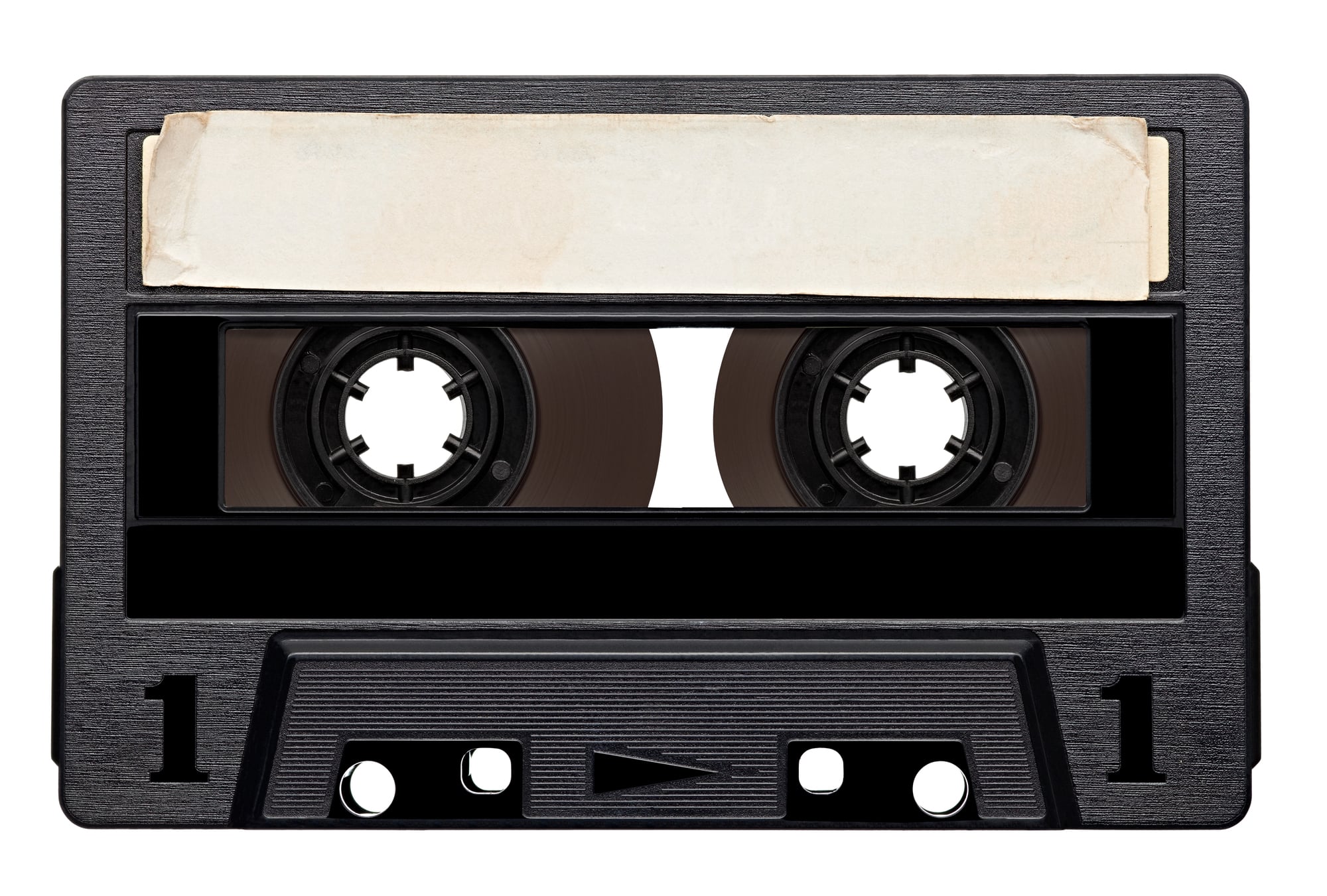
3M’s entry into the premium cassette market carried the Scotch brand name but delivered performance that surprised even industry insiders. The company that pioneered tape commercialization in America clearly understood something about the fundamentals that translated into superior sound quality.
Master I tapes handled high recording levels without the distortion that plagued lesser formulations. The difference was particularly noticeable when recording percussion-heavy music or anything with sudden dynamic peaks.
TDK HX-S
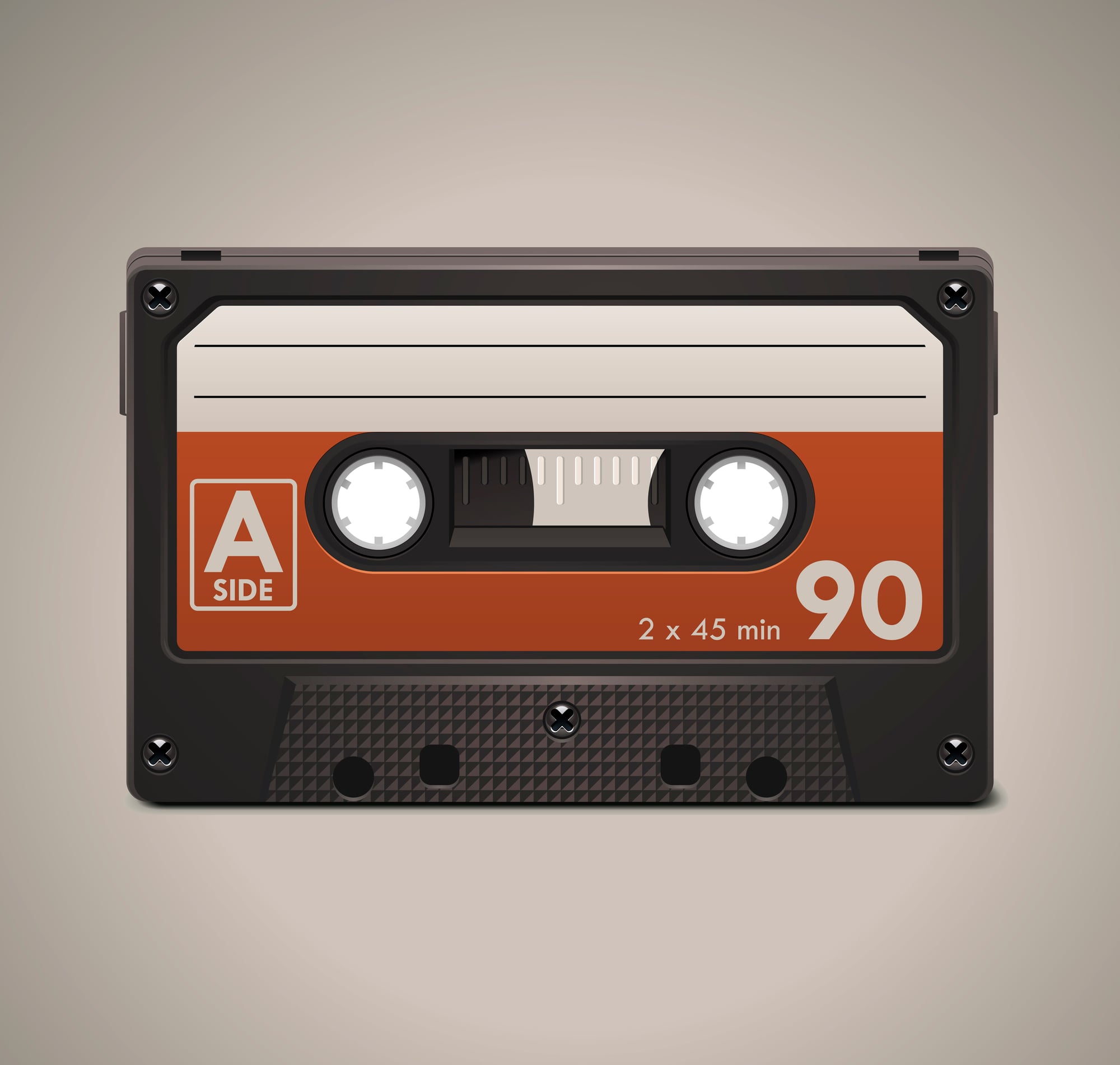
High bias formulation that split the difference between standard chrome and expensive metal tapes. TDK positioned these as the practical choice for serious recording, and the market responded accordingly.
Studios used HX-S for production work that demanded quality but not necessarily the ultimate performance of metal tape. The positioning strategy worked then and explains current collector interest now.
HX-S tapes represent the sweet spot between performance and practicality that many recordists were actually looking for, even if metal tapes got more attention. Sealed examples sell for $30-65, reflecting both the technical merit and the relative availability compared to rarer formulations.
Sony HF-ES
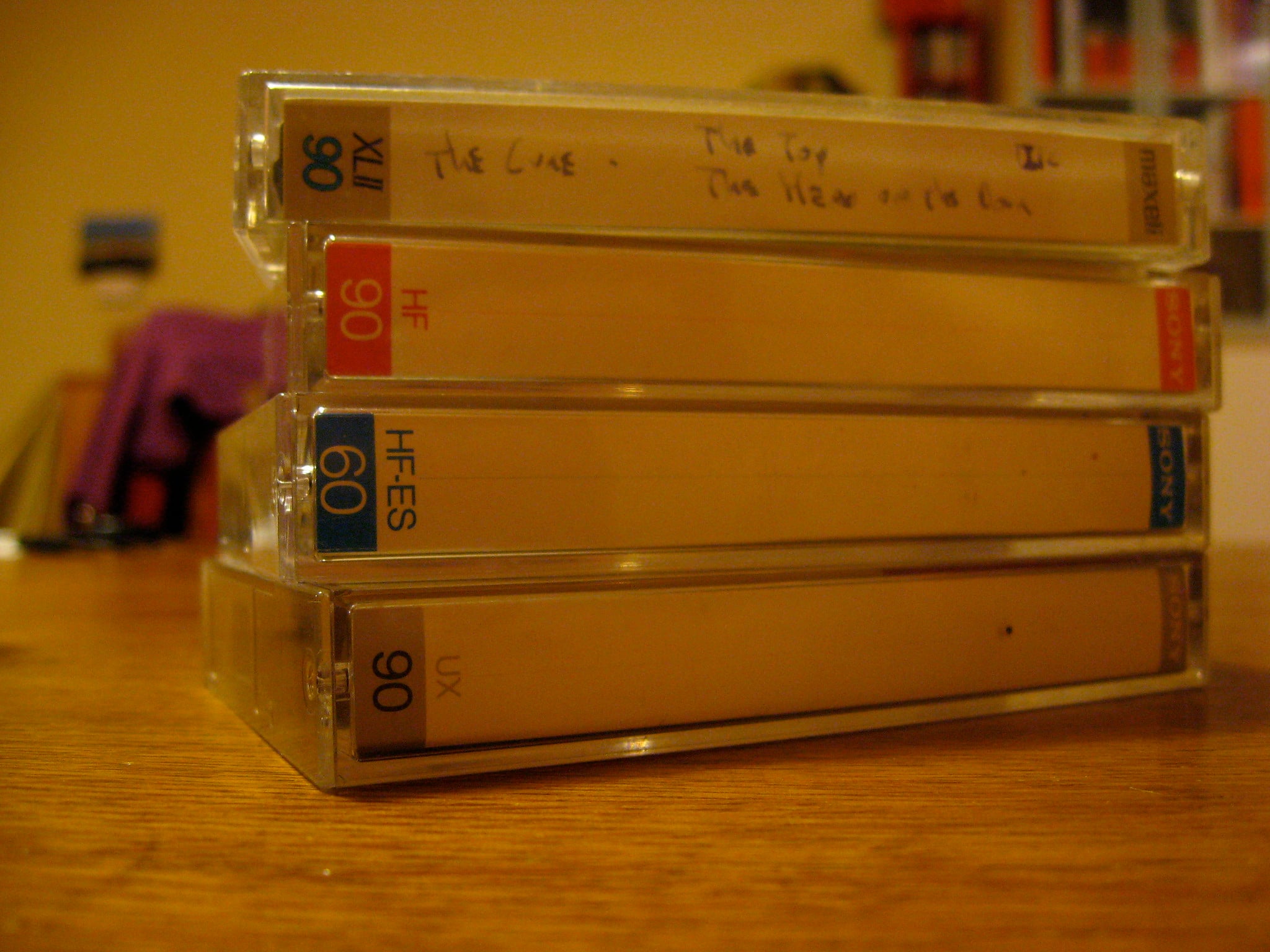
Sony’s high-bias offering that competed directly with TDK’s chrome formulations in a market segment that demanded both performance and reliability. Professional users needed tapes that would work consistently across different deck types and recording conditions, and HF-ES delivered that compatibility.
The engineering focus was on eliminating variables that could compromise recordings—inconsistent magnetic coating, poor shell construction, unreliable tape transport properties. These might sound like technical details, but they translate directly into audible differences in the finished recording.
Current collector prices ($25-60 for sealed tapes) reflect the practical value these tapes provided to serious recordists who needed dependable results rather than theoretical performance peaks.
When Excellence Becomes Currency
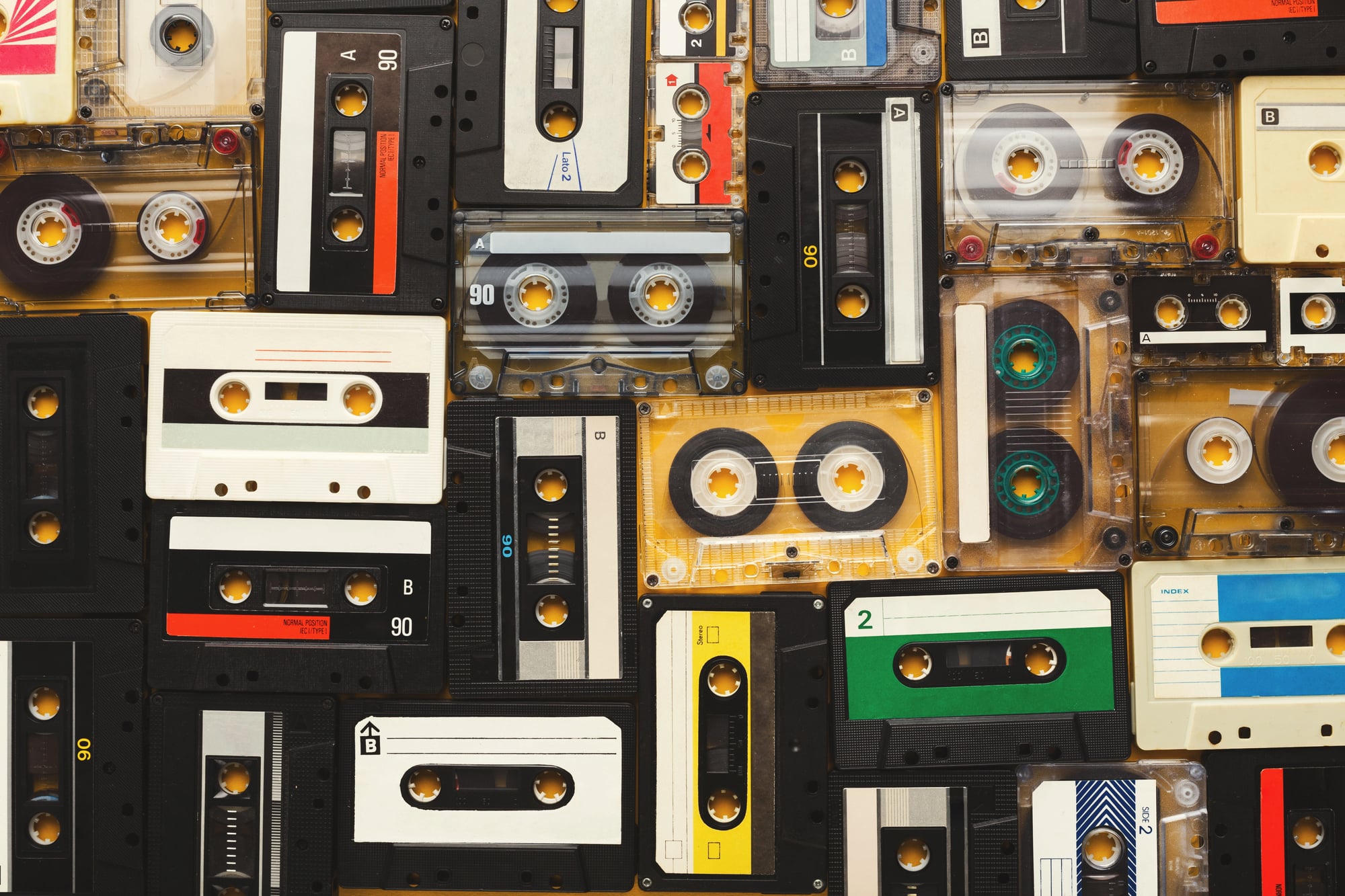
The blank tape market reveals something fascinating about how we assign value to objects that were once disposable. These weren’t collectibles when they were manufactured—they were consumables, meant to be used and eventually discarded.
But time has a way of transforming the mundane into the precious, especially when that mundane object happened to represent the absolute peak of its technology. The collectors driving these prices aren’t nostalgia seekers or casual enthusiasts.
They’re audio engineers, musicians, and serious listeners who understand exactly what made these tapes special and why that matters today. In a world of digital convenience, there’s something almost defiant about seeking out the best possible version of an obsolete technology.
More from Go2Tutors!

- The Romanov Crown Jewels and Their Tragic Fate
- 13 Historical Mysteries That Science Still Can’t Solve
- Famous Hoaxes That Fooled the World for Years
- 15 Child Stars with Tragic Adult Lives
- 16 Famous Jewelry Pieces in History
Like Go2Tutors’s content? Follow us on MSN.