Origins of Phrases We Use Daily
Language has this weird way of sticking around long after the things that inspired it have disappeared. We throw around phrases every day without giving them a second thought, but many of them come from places you’d never expect—medieval marketplaces, old sailing ships, ancient battlefields, and even some pretty wild nights out in 19th-century England.
Here is a list of 15 phrase origins that’ll make you see everyday expressions in a whole new light.
Turn a Blind Eye

Admiral Horatio Nelson gave us this one during the 1801 Battle of Copenhagen. When his commanding officer signaled for him to retreat, the one-eyed Nelson supposedly held his telescope up to his bad eye and declared he couldn’t see the signal.
He went on to win the battle anyway. Whether this actually happened or it’s just a good story, the phrase stuck around to mean deliberately ignoring something you’d rather not deal with.
Break the Ice

Back before modern transportation, ships were the main way to move goods between countries. During winter, ice would freeze over waterways and trap vessels in place.
The receiving country would send smaller ships to literally break the ice and clear a path, which showed they were friendly and wanted to trade. Now we use it when someone says something to ease the awkwardness at a party or meeting.
Like Go2Tutors’s content? Follow us on MSN.
Bite the Bullet
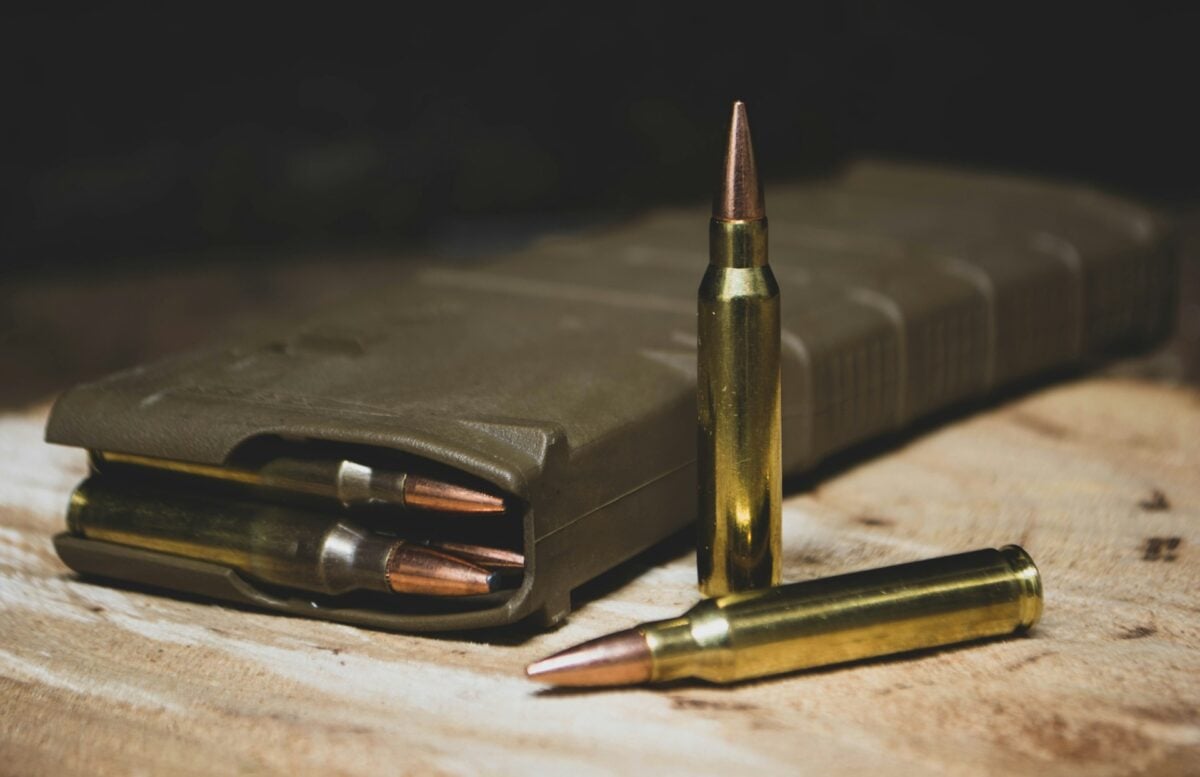
During battlefield surgeries in the days before proper anesthesia, doctors would give patients a bullet to clamp down on while they operated. The idea was that biting down hard would help distract from the pain.
These days, it just means facing something unpleasant head-on without complaining about it.
Paint the Town Red

In 1837, the Marquis of Waterford and his drunk friends went on a rampage through the English town of Melton Mowbray. They knocked over flowerpots, ripped door knockers off houses, and literally painted several doors, a tollgate, and even a swan statue with red paint.
The marquis paid for the damage later, but the phrase became shorthand for having a wild night out.
By and Large

This nautical term goes back to the 16th century when ‘large’ meant sailing with the wind at your back, and ‘by’ meant sailing into the wind. So ‘by and large’ referred to sailing in any direction regardless of wind conditions.
Today it means ‘generally speaking’ or ‘all things considered,’ even though most of us have never set foot on a sailing ship.
Like Go2Tutors’s content? Follow us on MSN.
Spill the Beans

Ancient Greeks used different colored beans for voting—white meant yes, and black or brown meant no. They’d drop their beans into a vase to keep votes secret.
If someone knocked over the vase and spilled the beans, the results would be revealed before they were supposed to be. Now it just means letting a secret slip.
Baker’s Dozen
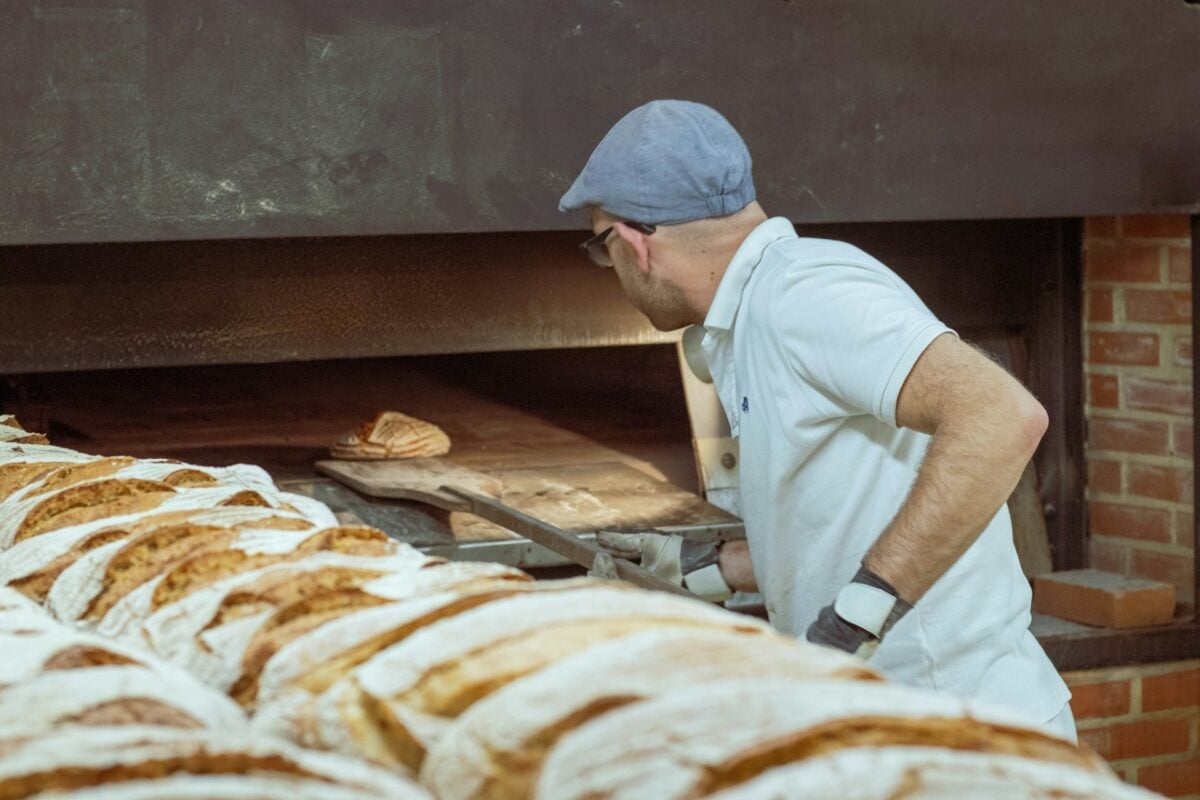
Medieval England passed the Assize of Bread and Ale in 1262, which penalized bakers for selling underweight loaves. To avoid getting in trouble, bakers started throwing in an extra piece of bread with every purchase—and an extra loaf when someone bought a dozen.
That’s why a baker’s dozen is 13 instead of 12.
Read the Riot Act
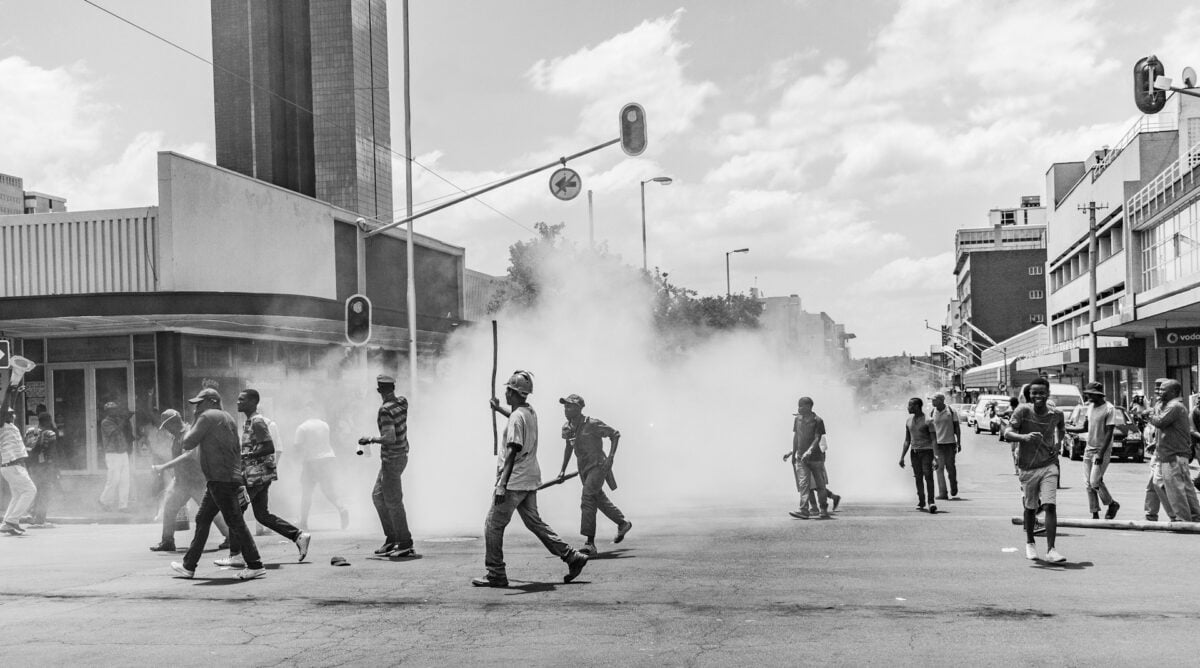
There was an actual Riot Act passed by the British government in 1714. King George I was worried about being overthrown by supporters of the previous Stuart dynasty, so the government created this law to prevent unruly gatherings.
Authorities would literally read the act aloud to disperse crowds. Now it means giving someone a stern warning about their behavior.
Like Go2Tutors’s content? Follow us on MSN.
Under the Weather

Sailors coined this one. When rough seas made crew members seasick, they’d go below deck to recover—literally getting themselves under the weather and away from the elements.
The phrase eventually made its way onto land and now just means feeling sick in general.
Beat Around the Bush
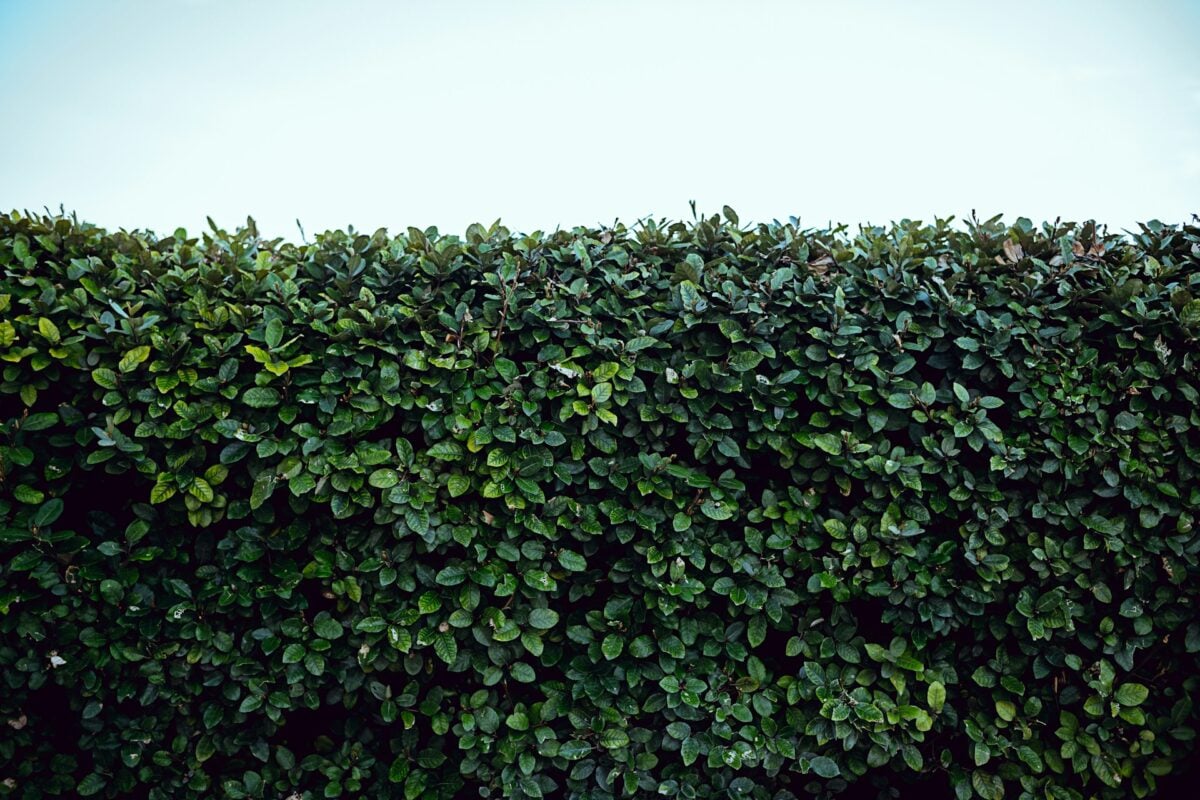
During bird hunts in Britain, one person would beat the bushes to flush birds out while another person waited to shoot them. Beating around the bush instead of directly hitting it was indirect and pretty useless.
That’s why the phrase means avoiding the main point or taking forever to say what you actually mean.
Once in a Blue Moon

A blue moon refers to the second full moon in a single calendar month, which happens roughly every two and a half years. It’s a genuinely rare astronomical event, which is exactly why we use it to describe things that almost never happen.
The moon doesn’t actually turn blue, though—it just looks gray or white like usual.
Like Go2Tutors’s content? Follow us on MSN.
Caught Red-Handed
Old laws stated that if someone was found with blood still on their hands after committing a violent crime like poaching, they were automatically guilty. The red hands were literal proof they’d just done something wrong.
These days you can be caught red-handed doing anything from sneaking cookies to fudging numbers on a report.
The Whole Nine Yards

During World War II, fighter pilots were equipped with nine yards of ammunition in their machine gun belts. When they used everything they had on a single target, they’d given it ‘the whole nine yards.’
Now it means going all out or doing absolutely everything possible. Some historians debate this origin, but it’s the most widely accepted explanation.
Let Your Hair Down

Aristocratic women in medieval times had to appear in public with elaborate hairstyles that were usually pinned up. The only time they could relax and let their hair down was when they got home and didn’t have to maintain appearances.
It became a metaphor for relaxing and being yourself without worrying about formalities.
Like Go2Tutors’s content? Follow us on MSN.
Bury the Hatchet
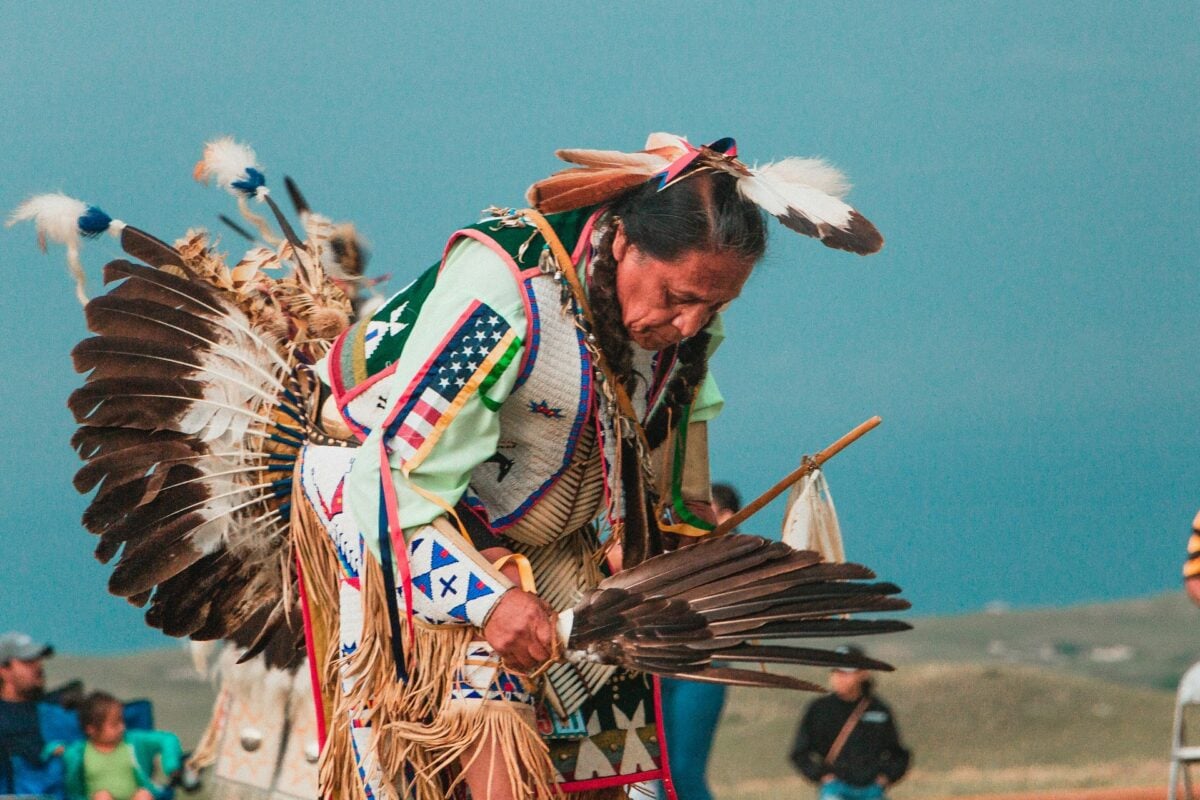
Many Native American tribes had a literal tradition of burying a hatchet or tomahawk in the ground as a symbol of making peace with another tribe or with European settlers. Puritan settlers in Massachusetts first recorded this practice, and there are dozens of documented instances of actual hatchet burials.
The phrase simply took a real peace ceremony and turned it into a metaphor for ending any kind of disagreement.
How Yesterday’s World Shaped Today’s Words

The phrases we toss around casually carry pieces of history we’ve mostly forgotten about—medieval laws, ancient voting systems, battlefield medicine, and drunken aristocrats causing trouble. These expressions survived because they captured something universal about human experience, even as the original contexts faded away.
Next time someone tells you to break the ice or stop beating around the bush, you’ll know you’re speaking a language shaped by sailors, soldiers, bakers, and hunters from centuries past.
More from Go2Tutors!

- 16 Historical Figures Who Were Nothing Like You Think
- 12 Things Sold in the 80s That Are Now Illegal
- 15 VHS Tapes That Could Be Worth Thousands
- 17 Historical “What Ifs” That Would Have Changed Everything
- 18 TV Shows That Vanished Without a Finale
Like Go2Tutors’s content? Follow us on MSN.