Small Towns with the Weirdest Claims to Fame
Every small town wants to be remembered for something. Some have stunning natural beauty, others boast historic significance.
Then there are the towns that decided to embrace the completely bizarre. These places have staked their reputations on the strangest possible foundations — and somehow, it worked.
Boring, Oregon
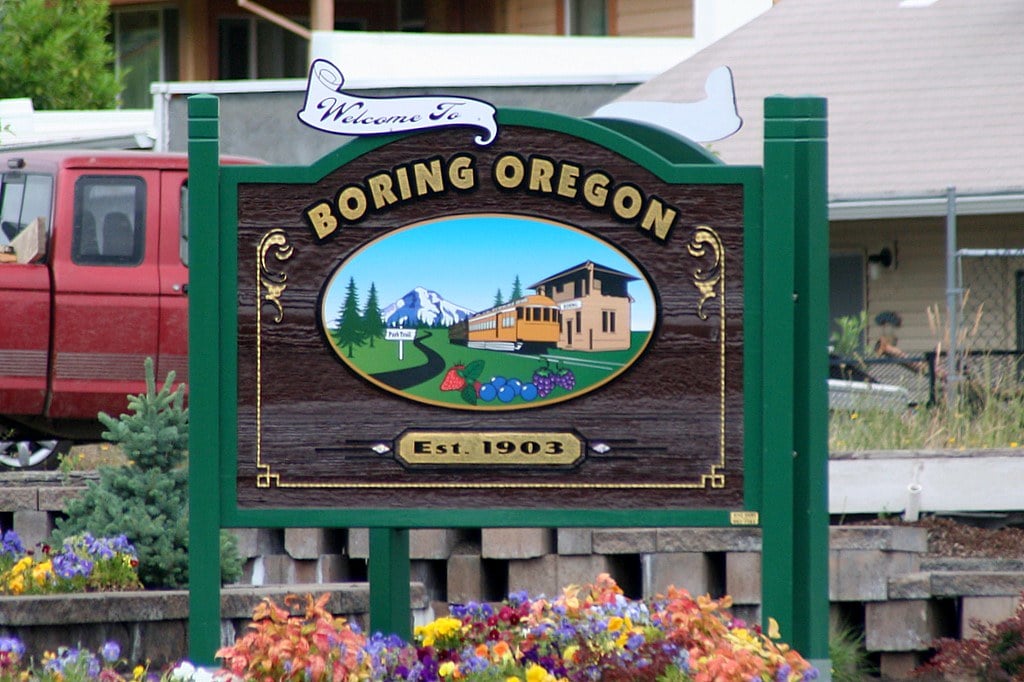
Boring lives up to its name in the most delightfully unexpected way. The town paired itself with Dull, Scotland, creating an international alliance of unexciting places.
They even added Bland, Australia to the mix.
The partnership generates genuine tourism. People drive hours to take selfies with the Boring town sign.
That’s the power of owning your mediocrity.
Truth or Consequences, New Mexico
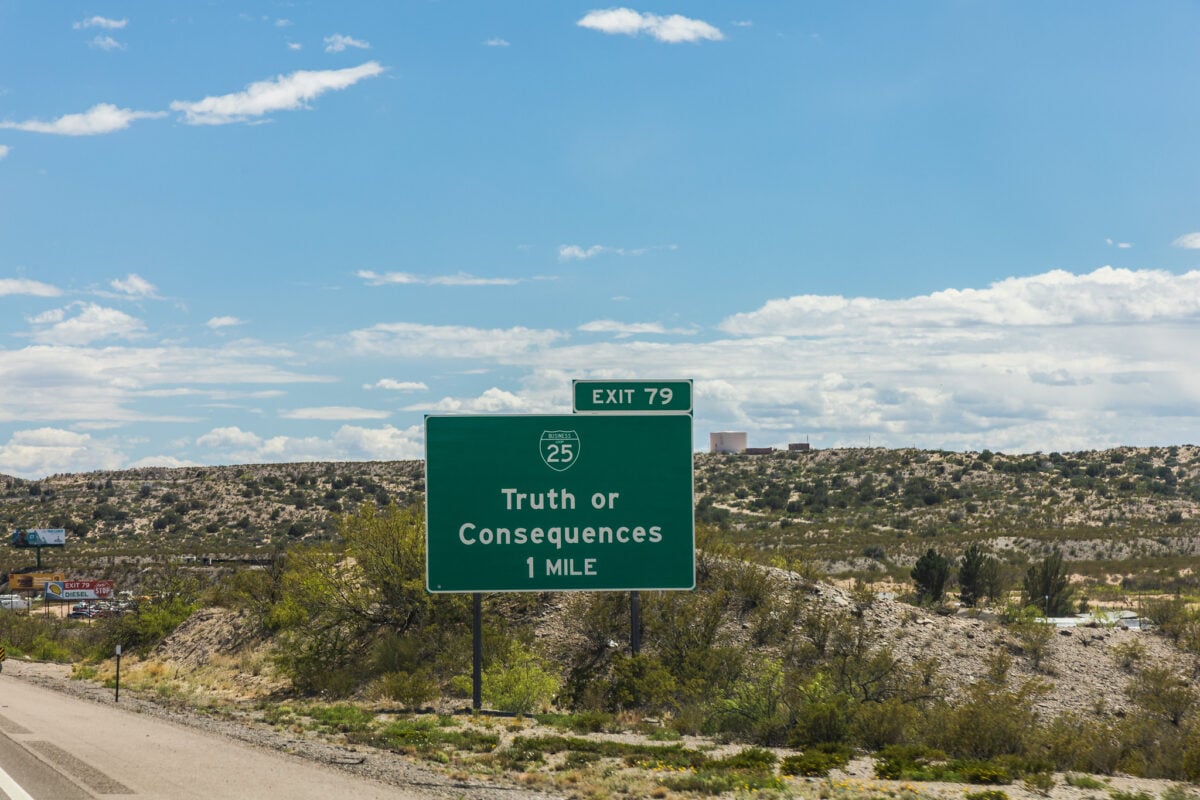
Back in 1950, this town actually changed its name from Hot Springs to Truth or Consequences after a radio game show offered to broadcast from any town willing to rename itself. The show lasted a few more years (which is already longer than most people expected), but the town kept the name — and here’s where it gets interesting: they turned that moment of apparent civic insanity into a brand that’s lasted over seventy years, complete with an annual festival celebrating the decision and a Ralph Edwards Park named after the show’s host, because sometimes the most ridiculous choice turns out to be the most enduring one.
The name stuck. So did the tourism.
And the annual festival celebrating Ralph Edwards, the show’s host, draws visitors who want to experience a place that committed so completely to a moment of pure absurdity that it became their entire identity.
Whittier, Alaska
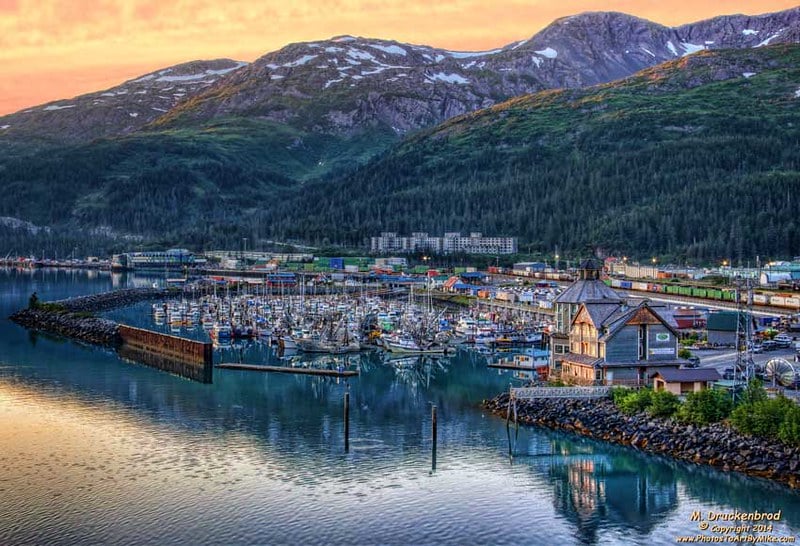
Picture a Russian nesting doll, but instead of wooden figurines, it’s an entire town folded inside a single fourteen-story building. Nearly all of Whittier’s 270 residents live, work, shop, and attend school without ever stepping outside — not by choice, but because the weather outside can kill you for months at a time, and this arrangement just makes sense.
The building contains apartments, a post office, a general store, and a school. It’s less a town than a vertical village where your neighbor might live six floors up instead of next door.
Children walk down hallways to get to school instead of down sidewalks, and somehow this feels both futuristic and oddly comforting, like humanity figured out how to make isolation feel less lonely.
Hell, Michigan
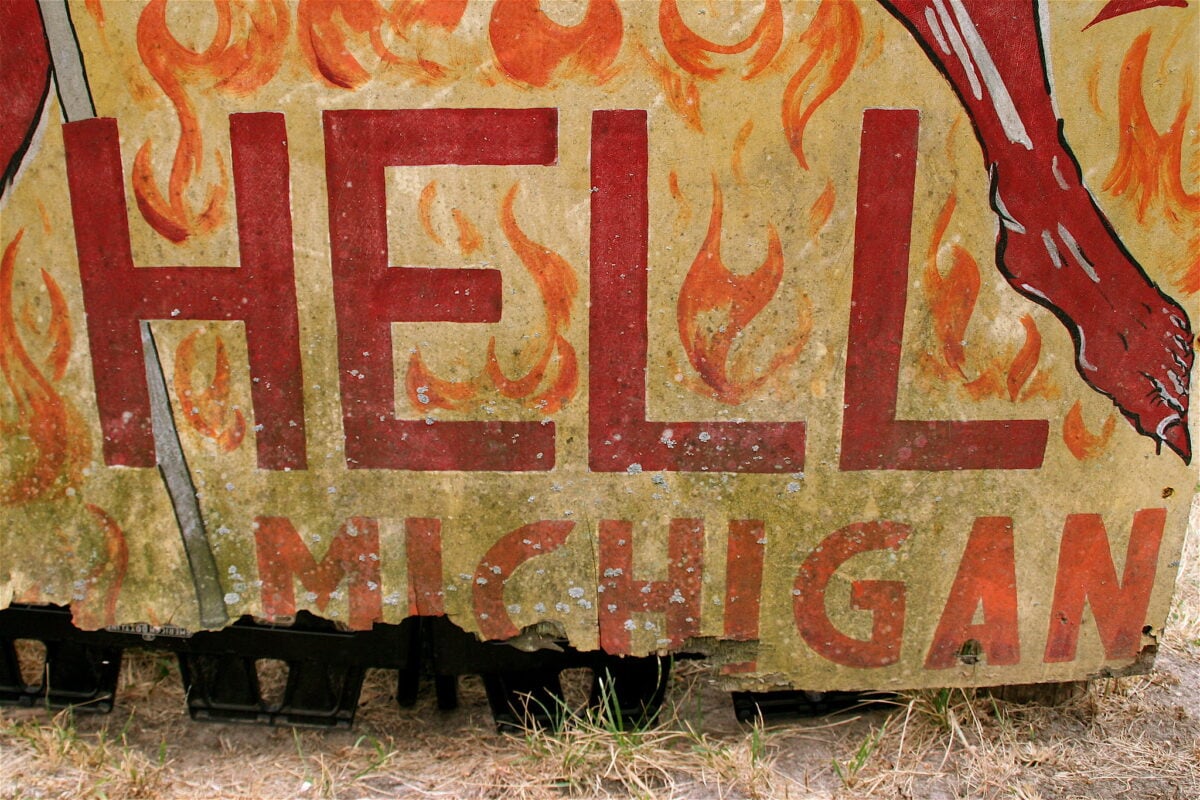
Hell has a gift shop. Hell has a post office where you can mail postcards from Hell.
Hell freezes over every winter, and yes, the residents absolutely joke about it.
The town leans into every possible pun with shameless enthusiasm. You can get married in Hell, buy a deed to land in Hell, or simply visit Hell and leave.
Their slogan reads “Hell: Where you’re always guaranteed a warm welcome,” which is exactly the kind of humor you’d expect from a place that named itself Hell.
French Lick, Indiana
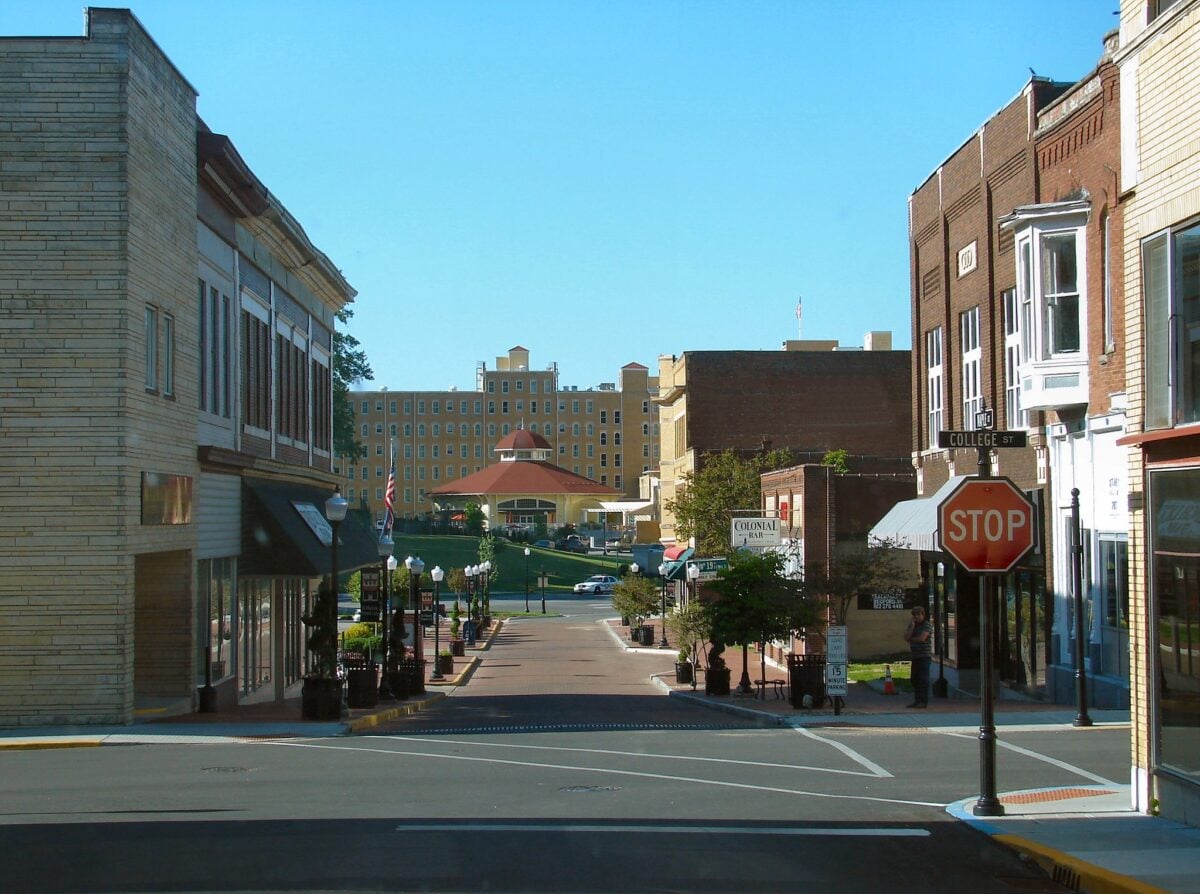
French Lick sounds like either a fancy dessert or something that would get this article flagged, but it’s actually named after French traders and a salt lick that attracted wildlife (and yes, the residents have heard every possible joke about their town’s name, and no, they’re not changing it). What started as a source of constant embarrassment became their greatest asset when they realized that people remember a town called French Lick far better than they remember Normal, Illinois, or Springfield, Ohio, and that memorable names — even awkward ones — translate directly into tourism revenue and conversation starters.
The town now markets itself with deliberate pride, selling merchandise that celebrates the name instead of apologizing for it.
Their tourism slogan: “Come see what French Lick is all about.” They know exactly what they’re doing.
Intercourse, Pennsylvania
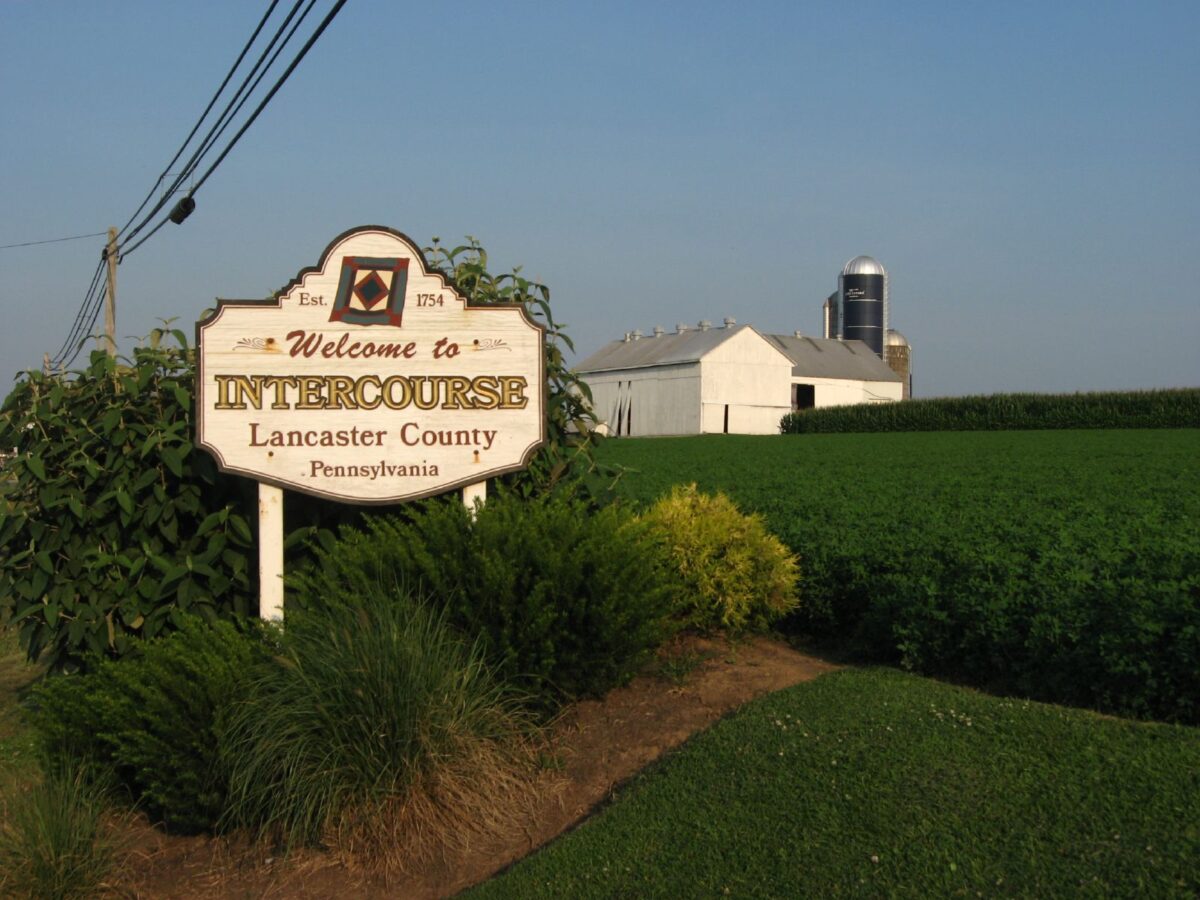
There’s a town called Intercourse nestled in Pennsylvania’s Amish country, and the name creates a fascinating tension between the conservative religious community and the endless stream of tourists who show up specifically to giggle at road signs. The etymology remains genuinely unclear — it might come from an old use of “intercourse” meaning commerce or social interaction, or it might reference an old road intersection, but honestly, the mystery adds to the appeal rather than detracting from it.
The Amish residents handle the situation with remarkable grace, continuing their traditional way of life while curious visitors snap photos and buy postcards. It’s a strange harmony between the sacred and the ridiculous, where horse-drawn buggies share roads with tourists hunting for the perfect selfie opportunity.
Cut and Shoot, Texas
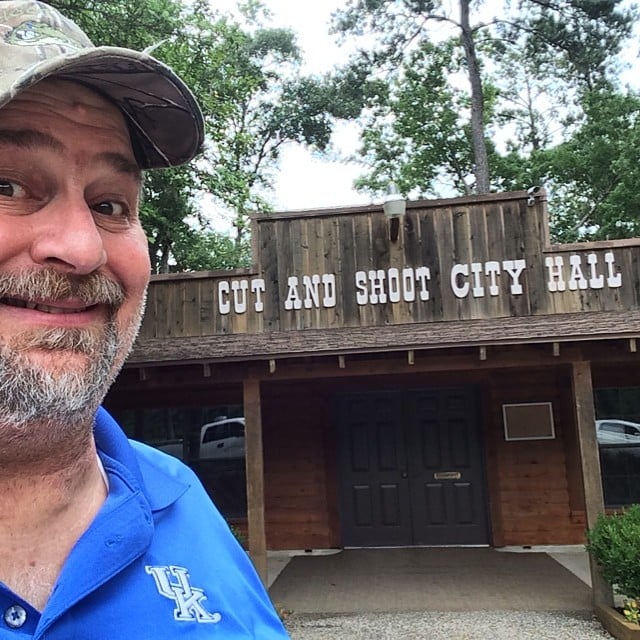
The story behind Cut and Shoot involves a 1912 community meeting that nearly erupted into violence over the design of a new steeple (because apparently church architecture was serious business back then, and when someone reportedly shouted that they were ready to “cut around the corner and shoot through the bushes” to settle the matter, the phrase stuck to the town like a nickname that refuses to fade, even though the actual violence never materialized and the whole thing was probably just heated small-town politics dressed up in folksy threats). The steeple got built anyway.
The name remained.
So did the town’s reputation for having the most aggressively named post office in Texas, which is saying something in a state where everything is supposed to be bigger and bolder.
Monkey’s Eyebrow, Kentucky
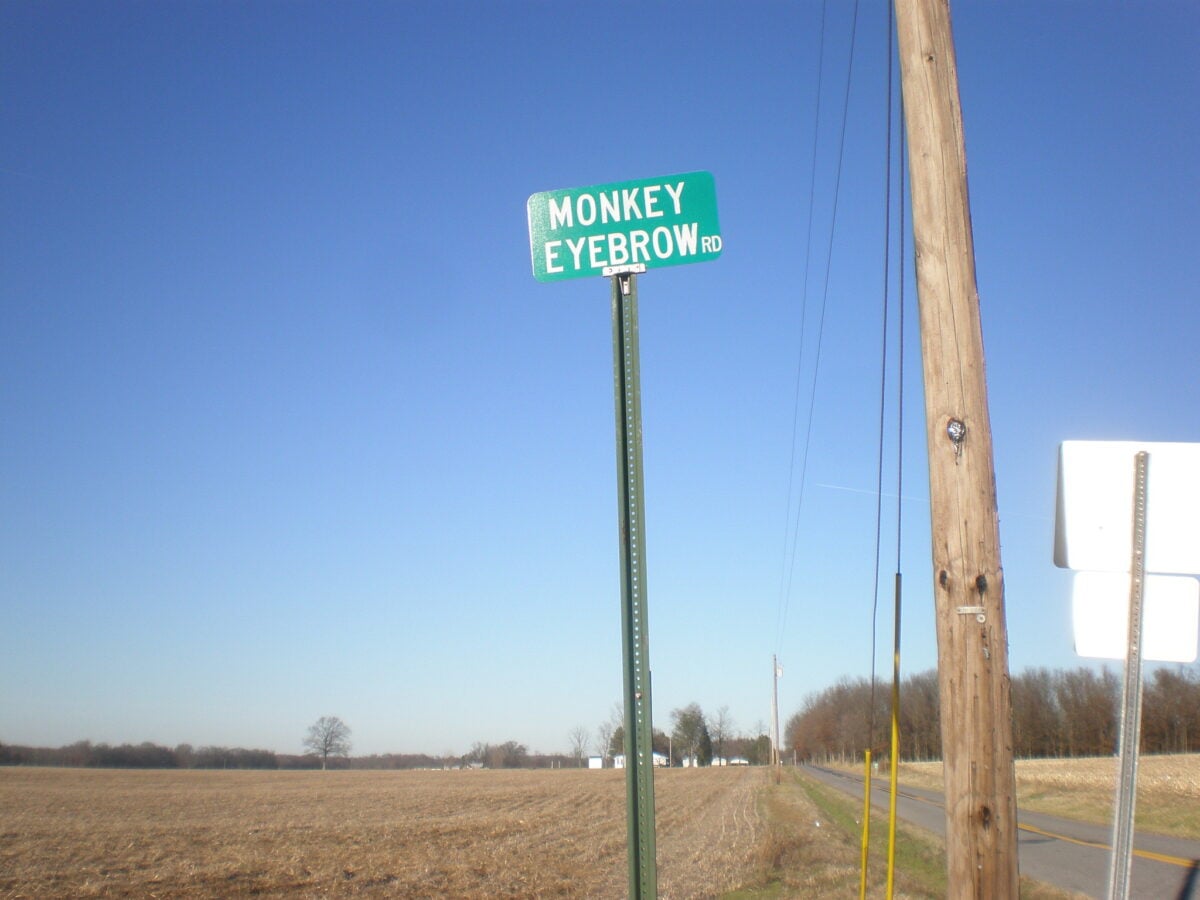
Somewhere along the way, early settlers looked at a bend in the Ohio River and decided it resembled a monkey’s eyebrow. The comparison makes no logical sense — most people have never studied a monkey’s eyebrow closely enough to recognize its shape in a riverbank, and the whole thing sounds like the result of either too much moonshine or too much creative isolation in the wilderness.
But here’s what’s beautiful about small-town naming: it doesn’t have to make sense to anyone else. The people who live there understand their own reference points, their own way of seeing the landscape.
Monkey’s Eyebrow is a place where local imagination trumped outside logic, and the name endures because it captures something specific about how those first residents saw their world.
Accident, Maryland
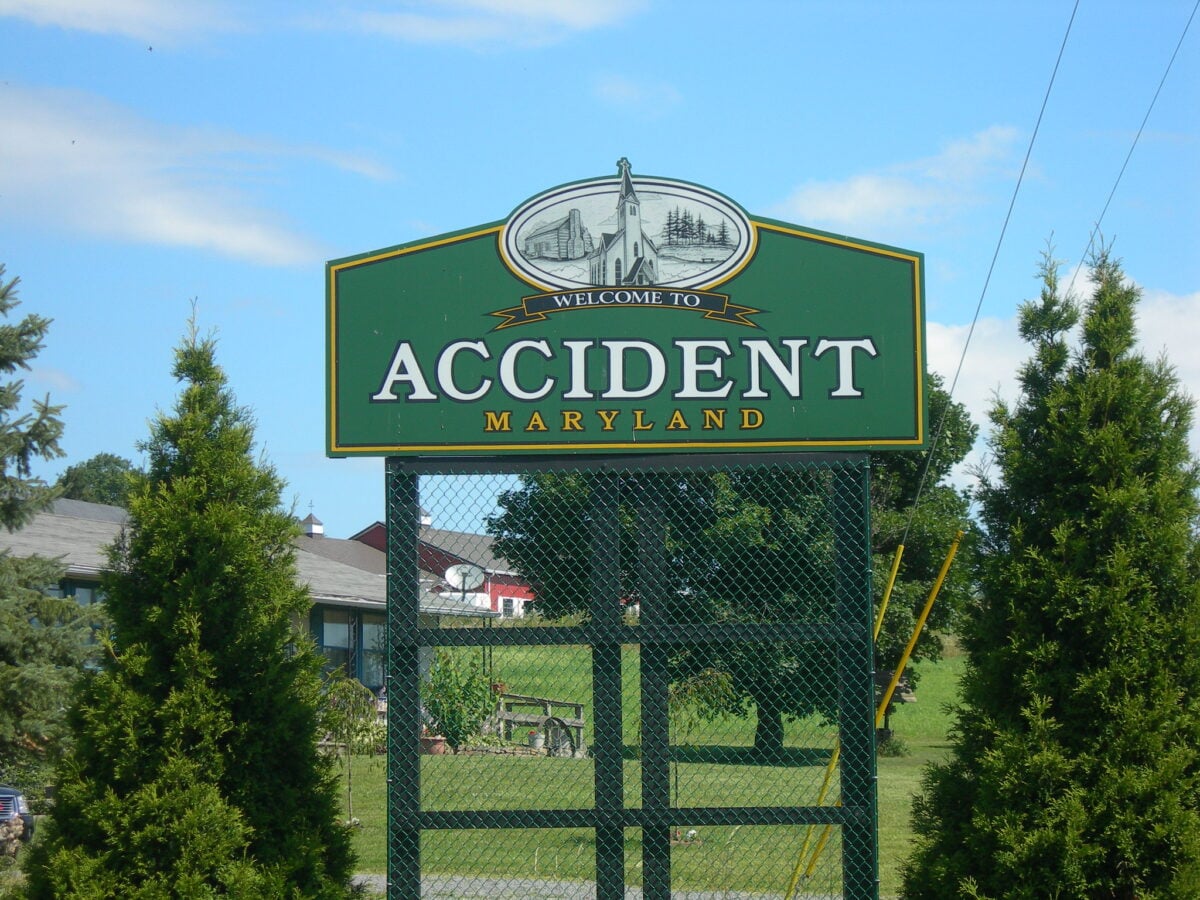
Accident was named by accident — two surveying teams independently claimed the same piece of land for different land grants, creating an accidental overlap. The coincidence became the town’s identity.
There’s something perfectly American about turning a bureaucratic mistake into municipal pride. The town could have chosen a more dignified name when it incorporated, but Accident stuck.
Sometimes the best stories are the ones that happened by mistake.
Big Bone Lick, Kentucky
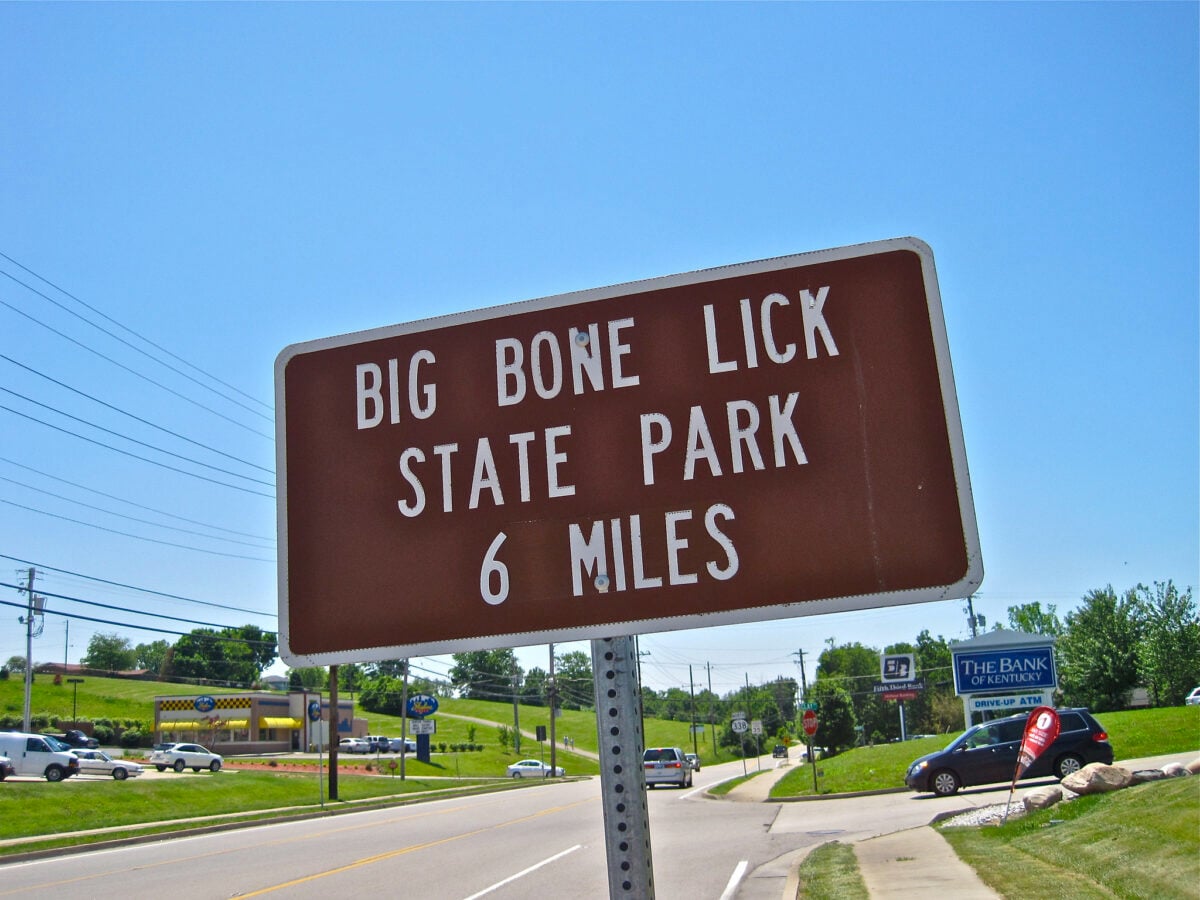
Big Bone Lick sits on top of what was once a massive salt lick that attracted prehistoric animals for thousands of years. When they died, their bones accumulated in enormous deposits.
Early settlers found mastodon and mammoth remains scattered everywhere.
The name is scientifically accurate and historically significant. It also makes everyone snicker, which the town has learned to accept with weary patience.
Sometimes being technically correct doesn’t save you from having an unfortunate name.
Looneyville, Texas
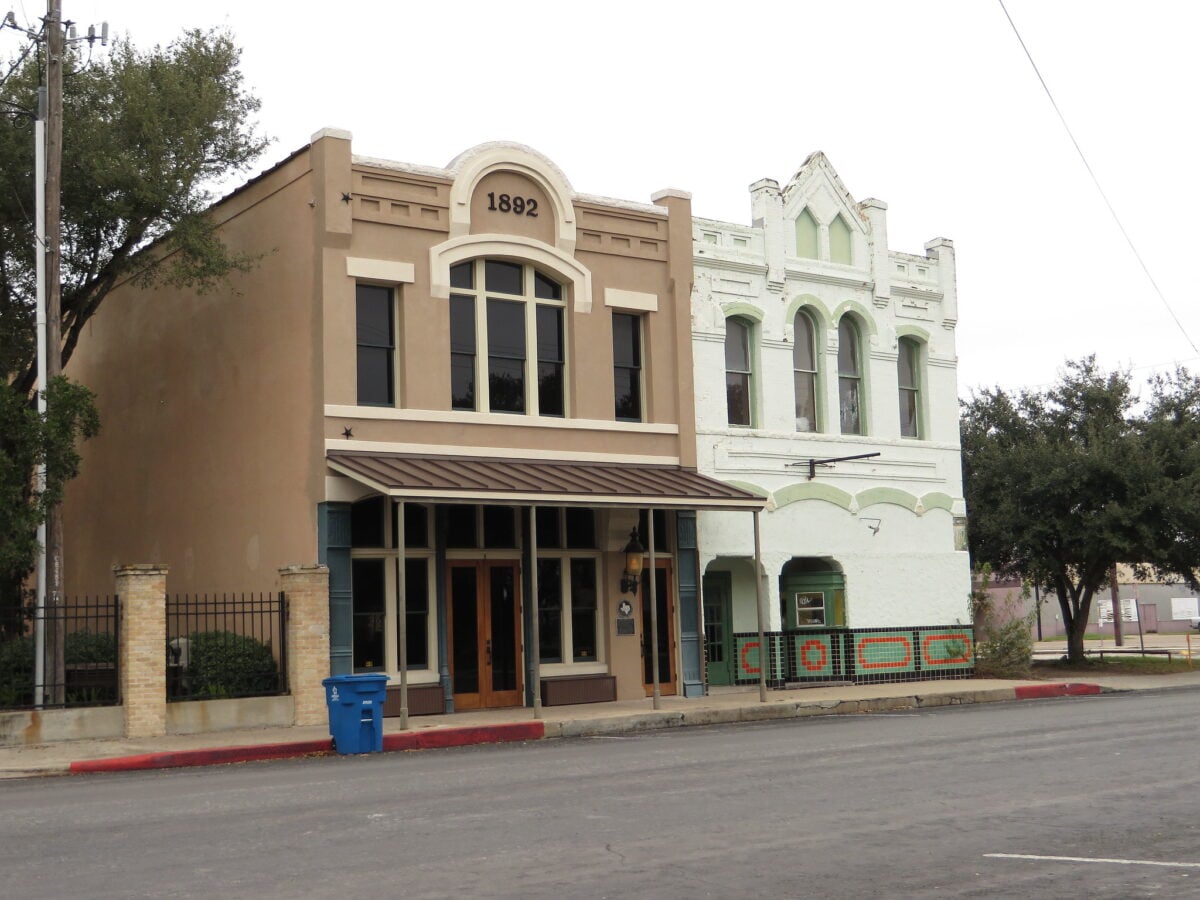
Looneyville was named after John Looney, an early settler, but good luck explaining that to anyone who sees the town name on a map. The coincidence created a permanent identity crisis — is this a place named after a person, or a place that embraces madness?
The residents chose embracing madness. Their annual festival celebrates the zaniness rather than fighting it.
When your town name suggests insanity, sanity becomes the losing strategy.
Where the Weird Becomes Wonderful
These towns stumbled into something that major cities spend millions trying to achieve: memorable identity. They prove that fame doesn’t require beauty, significance, or even dignity.
Sometimes it just requires the courage to be completely, unapologetically strange. In a world of generic suburban developments and forgettable strip malls, these places offer something increasingly rare — the willingness to be unforgettable, even if unforgettable means being laughed at by strangers.
More from Go2Tutors!

- The Romanov Crown Jewels and Their Tragic Fate
- 13 Historical Mysteries That Science Still Can’t Solve
- Famous Hoaxes That Fooled the World for Years
- 15 Child Stars with Tragic Adult Lives
- 16 Famous Jewelry Pieces in History
Like Go2Tutors’s content? Follow us on MSN.