Historical Inaccuracies Shown in Classic War Movies
Hollywood has never let historical facts get in the way of a good story. The marriage between entertainment and education produces some beautiful children — and some absolute disasters. Classic war films occupy a strange middle ground where audiences expect both thrills and truth, yet rarely get both in equal measure.
These movies shape how generations understand pivotal moments in human history. The problem isn’t that they take creative liberties — it’s that those liberties often become accepted fact. Ask someone about D-Day, and they’ll likely describe scenes from “Saving Private Ryan” as if they witnessed them firsthand. The line between cinema and history blurs until it disappears entirely.
The Longest Day

The 1962 epic presents D-Day as a series of precisely coordinated movements where everything unfolds according to plan. Reality was messier. Paratroopers landed miles from their intended targets, scattered across the French countryside like dropped coins.
The film also shows clear weather during the assault, when the actual landings took place under overcast skies and rough seas. The weather nearly caused Eisenhower to postpone the entire operation.
The Bridge on the River Kwai

Alec Guinness delivers a memorable performance as a British colonel who becomes obsessed with building a bridge for his Japanese captors, but the real story differs significantly. The actual senior British officer, Lieutenant Colonel Philip Toosey, encouraged sabotage rather than cooperation.
The film also portrays a wooden bridge, while the real structure was concrete and steel. The story’s suggestion of British collaboration has been strongly disputed by POW survivors.
They Were Expendable

John Ford’s film presents the evacuation of General MacArthur as a tightly planned mission filled with heroic sacrifice. In reality, MacArthur’s departure was ordered by Roosevelt, and he was reluctant to leave his troops.
The movie also compresses months of events into a short timeframe, making the American retreat appear more orderly and decisive than it actually was. The chaos of early Pacific War operations is largely absent.
Patton
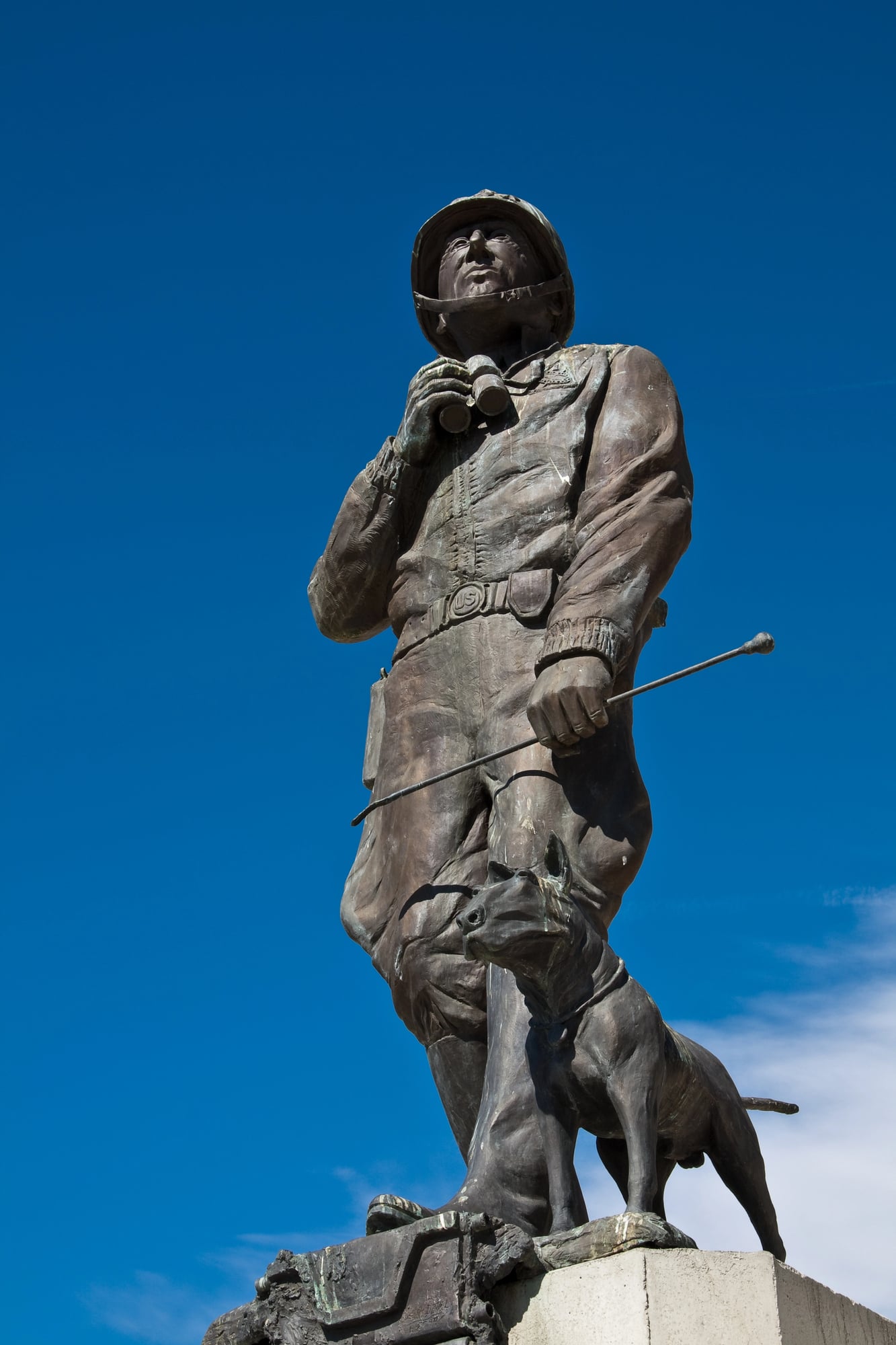
George C. Scott’s portrayal captures Patton’s personality, but several key scenes were altered or condensed. The famous opening speech was a composite rather than a single historical event.
The film also minimizes the prolonged controversy surrounding Patton’s slapping incidents, which nearly ended his command rather than briefly disrupting it. Eisenhower seriously considered removing him from service.
The Dirty Dozen
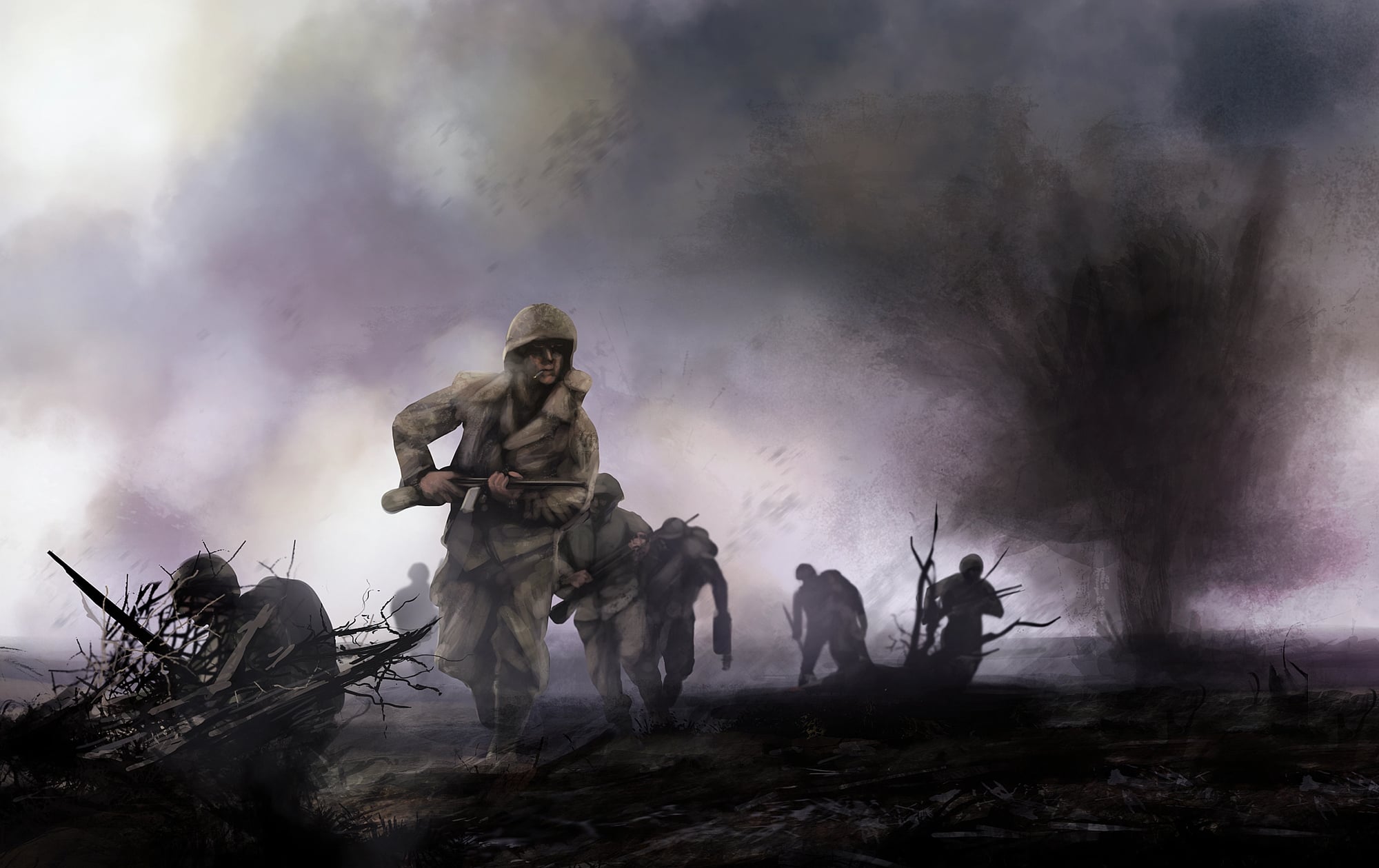
The entire premise is fictional. No mission ever involved recruiting convicted criminals for a suicide operation in Nazi-occupied Europe.
While inspired by the concept of unconventional warfare, real Allied special operations relied on trained military personnel, not condemned prisoners.
The Great Escape
Steve McQueen’s motorcycle chase is entirely fictional, and motorcycles were not part of any actual escape attempts.
The film also includes American prisoners, though the real escape involved only British and Commonwealth airmen, as U.S. POWs had been transferred earlier.
Apocalypse Now
The film was never intended as a strict historical account, but it is often interpreted as one. Its surreal depiction of Vietnam differs significantly from typical soldier experiences.
The Wagner-scored helicopter assault is cinematic invention rather than standard military practice. Real combat lacked orchestral framing and was far more chaotic and fragmented.
Full Metal Jacket

The boot camp sequences are so stylized they have shaped public perception of military training, but they exaggerate the level of systematic abuse.
While drill instructors were strict, the extreme behavior shown in the film would not have been tolerated at that scale under military regulations.
Saving Private Ryan
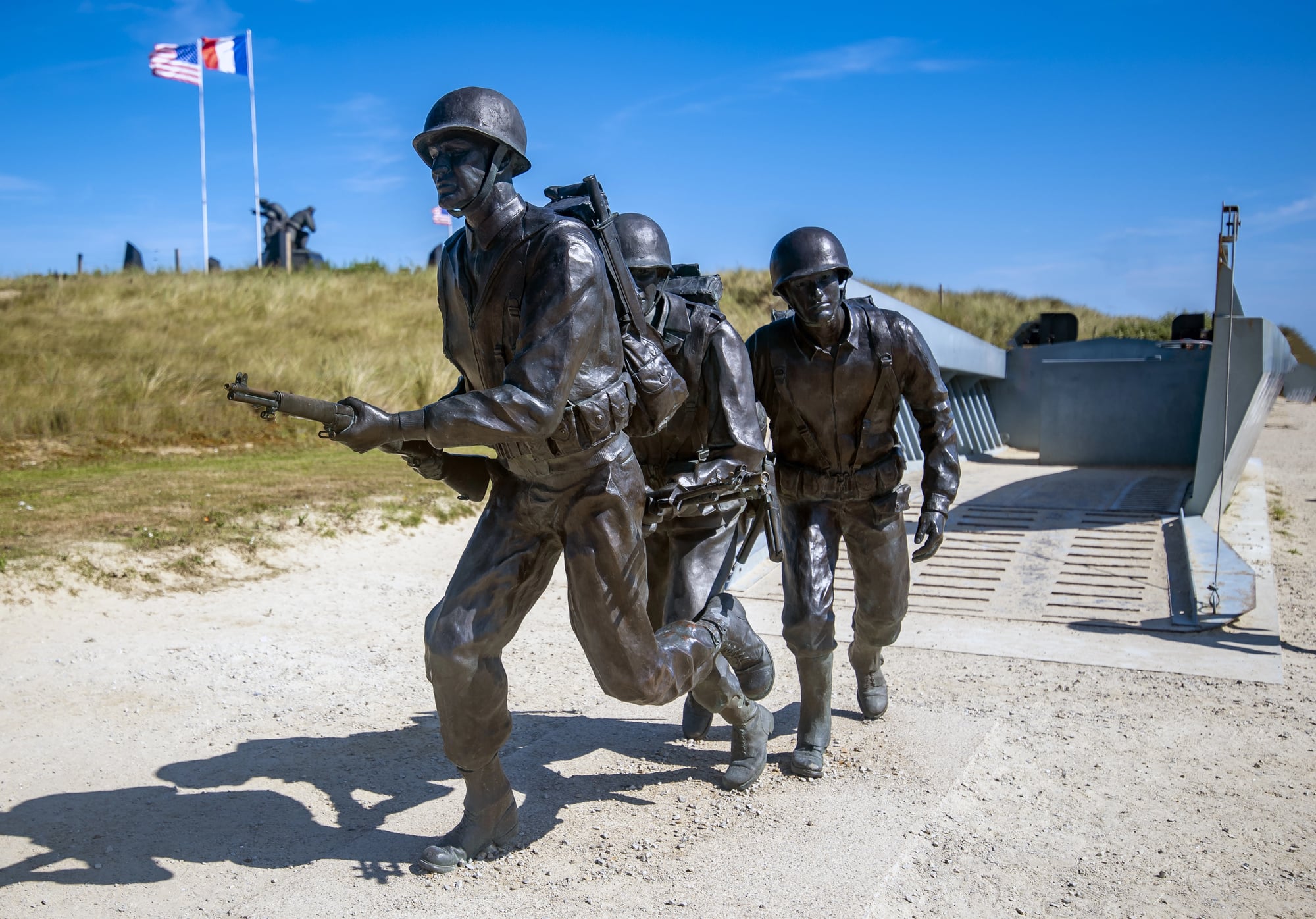
The D-Day landing sequence is highly influential but compresses multiple events into a single narrative. Different beaches and timeframes are merged for dramatic effect.
The central mission to retrieve Private Ryan is fictional, created to structure the story rather than reflect an actual military directive.
The Guns of Navarone

The entire plot is fictional, though inspired by real commando raids in the Mediterranean. No such island guns or mission ever existed.
Its realism comes from blending real wartime tactics into a completely invented scenario that feels plausible enough to be mistaken for history.
Black Hawk Down

The film closely follows real events but compresses the timeline and combines multiple individuals into composite characters.
It also narrows the focus to combat alone, leaving out broader political and strategic context behind the Somalia intervention.
We Were Soldiers
The film dramatizes the Battle of Ia Drang with clearer coordination and communication than likely occurred in reality.
Actual combat was more fragmented, with greater confusion due to jungle terrain and limited battlefield visibility.
Platoon
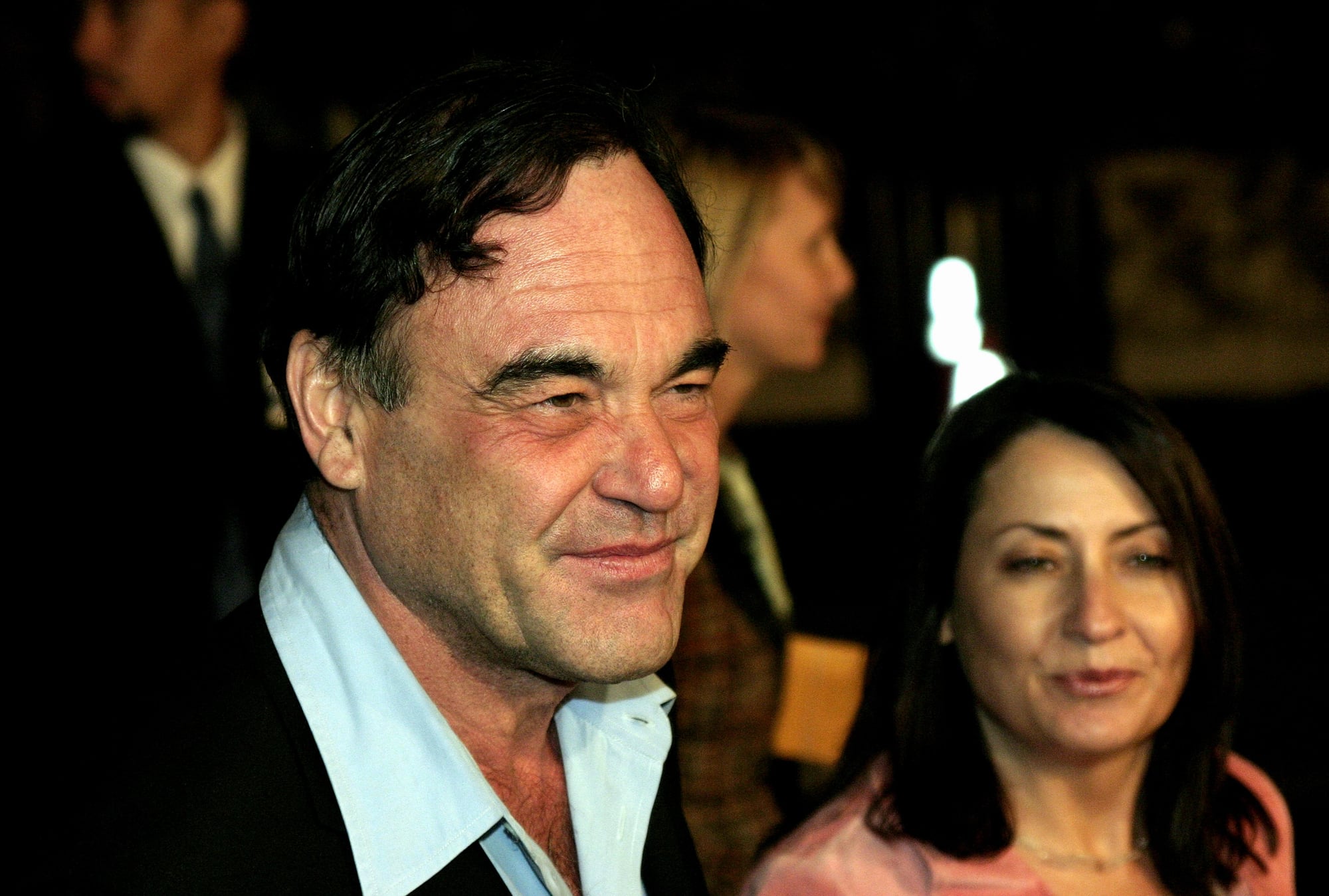
Oliver Stone’s film reflects personal experience but condenses timelines and merges separate events into a single narrative arc.
It also assigns symbolic roles to characters that simplify the moral complexity of the Vietnam War experience.
When Memory Gets Murky
These films don’t just entertain — they educate, whether they intend to or not. Many viewers absorb their understanding of war through cinema rather than textbooks because film feels more immediate and emotionally vivid.
The issue isn’t creative adaptation, but how easily dramatized versions replace historical complexity in public memory. Real war stories are often more complicated than their cinematic counterparts, but complexity rarely survives the demands of storytelling at scale.
More from Go2Tutors!

- The Romanov Crown Jewels and Their Tragic Fate
- 13 Historical Mysteries That Science Still Can’t Solve
- Famous Hoaxes That Fooled the World for Years
- 15 Child Stars with Tragic Adult Lives
- 16 Famous Jewelry Pieces in History
Like Go2Tutors’s content? Follow us on MSN.