The Most Important Military Leaders in US History
Military leadership shapes nations in ways that ripple through generations. The commanders who guided American forces through pivotal moments didn’t just win battles — they forged the character of a country still finding its footing on the world stage.
Some led with calculated precision, others with raw determination, and a few with the kind of vision that transforms not just armies but entire societies.
George Washington
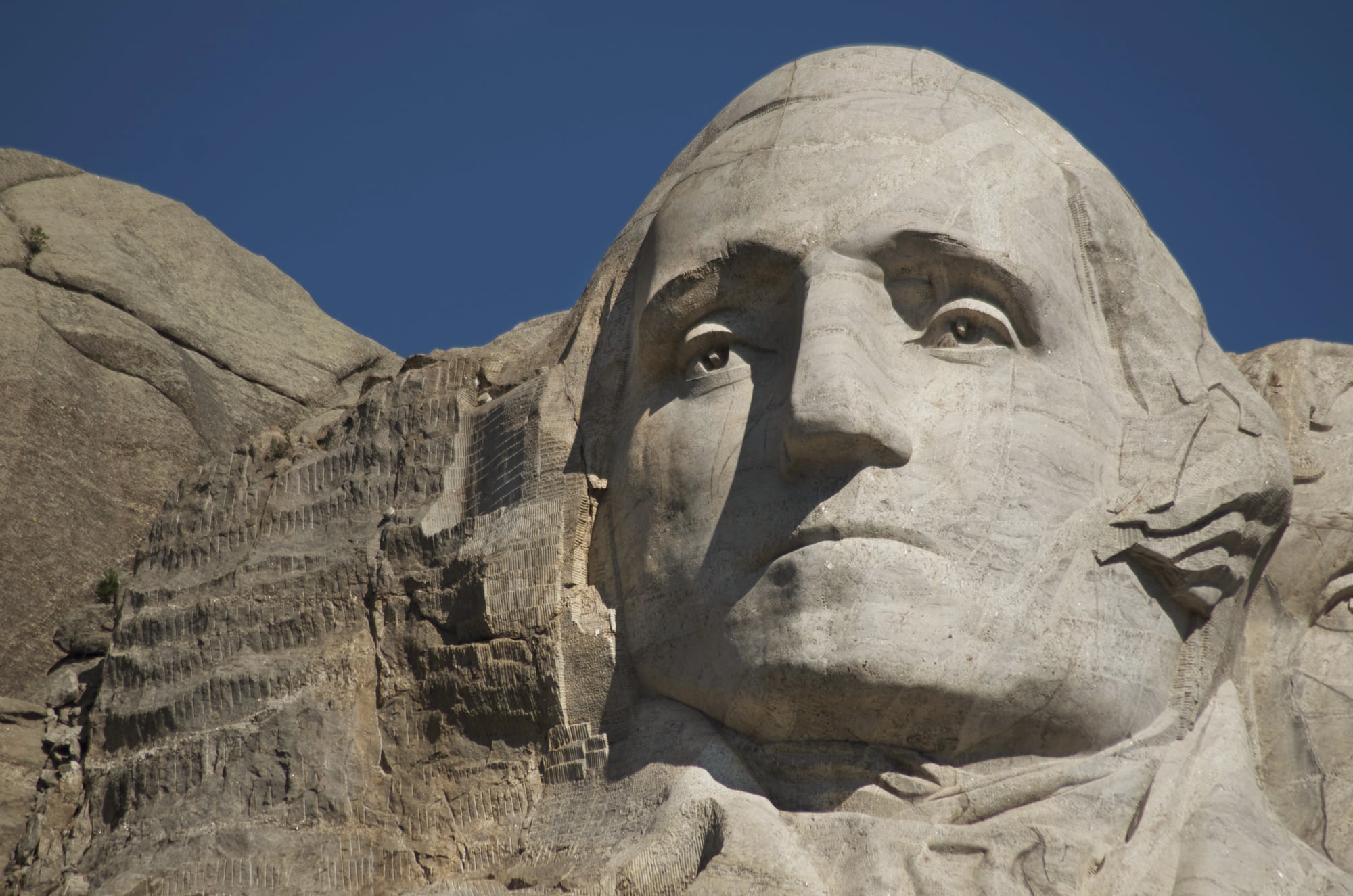
Washington turned farmers into soldiers. The Continental Army was barely an army at all — more like a collection of colonial militias with mismatched uniforms and dubious discipline. He held it together through sheer force of will.
Valley Forge proved what kind of leader he was. When his men left bloody footprints in the snow and Congress couldn’t pay for supplies, Washington stayed. He didn’t retreat to a warm house or negotiate a comfortable surrender. He wintered with his troops and somehow convinced them that a cause bigger than their immediate suffering was worth the misery.
Robert E. Lee
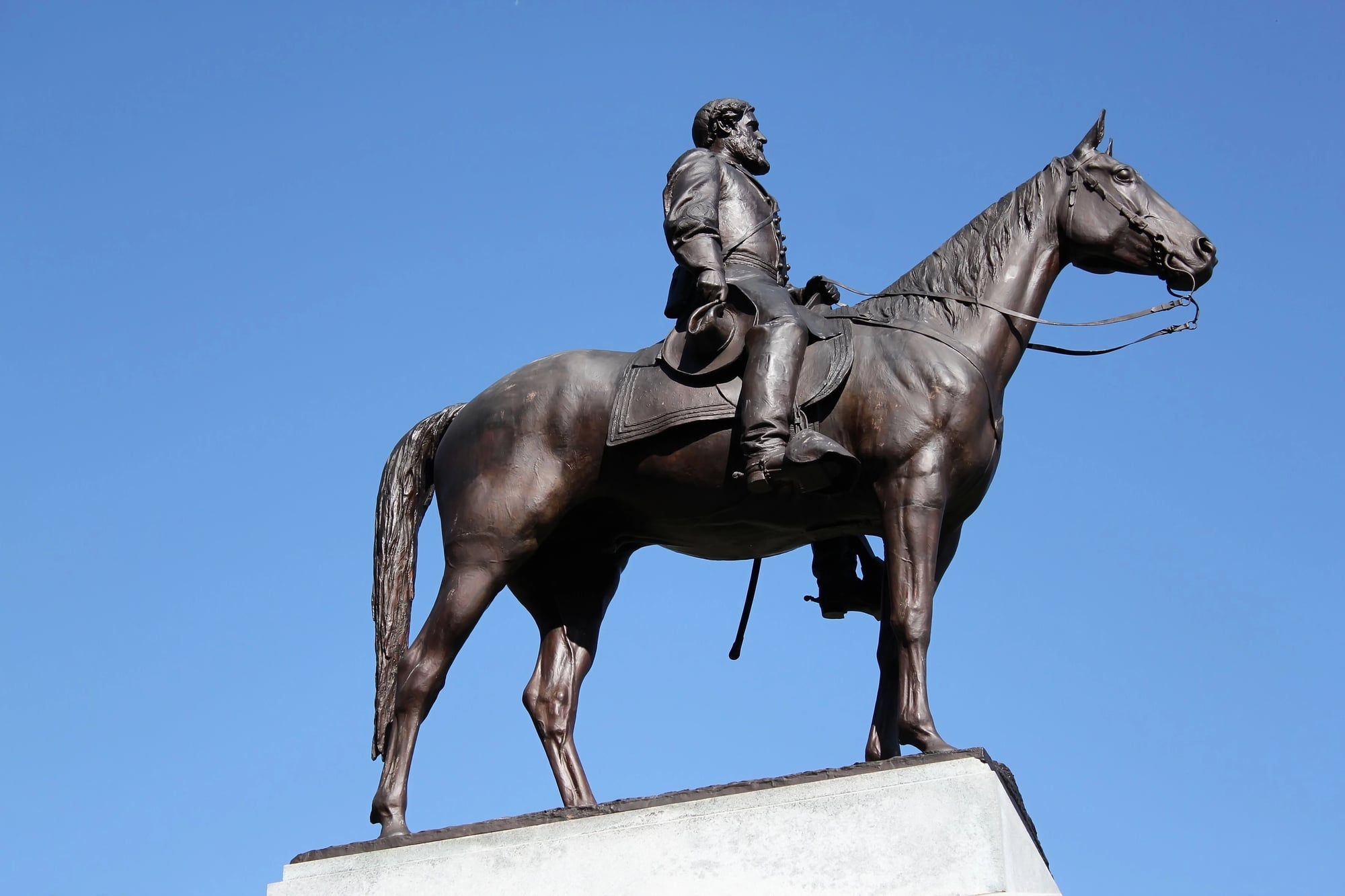
Lee represents the tragic complexity of American military genius. His tactical brilliance at battles like Chancellorsville and Second Bull Run reads like a masterclass in outmaneuvering superior forces, yet he fought for a cause that history rightly condemns.
The man who could have been the Union’s greatest general instead became its most formidable opponent — and that decision haunted him for the rest of his life (you can see it in the photographs taken after Appomattox, where his face carries the weight of knowing he’d chosen the wrong side). But even Lincoln recognized Lee’s military gifts: when the war ended, Lincoln’s first instinct wasn’t punishment but reconciliation.
Ulysses S. Grant
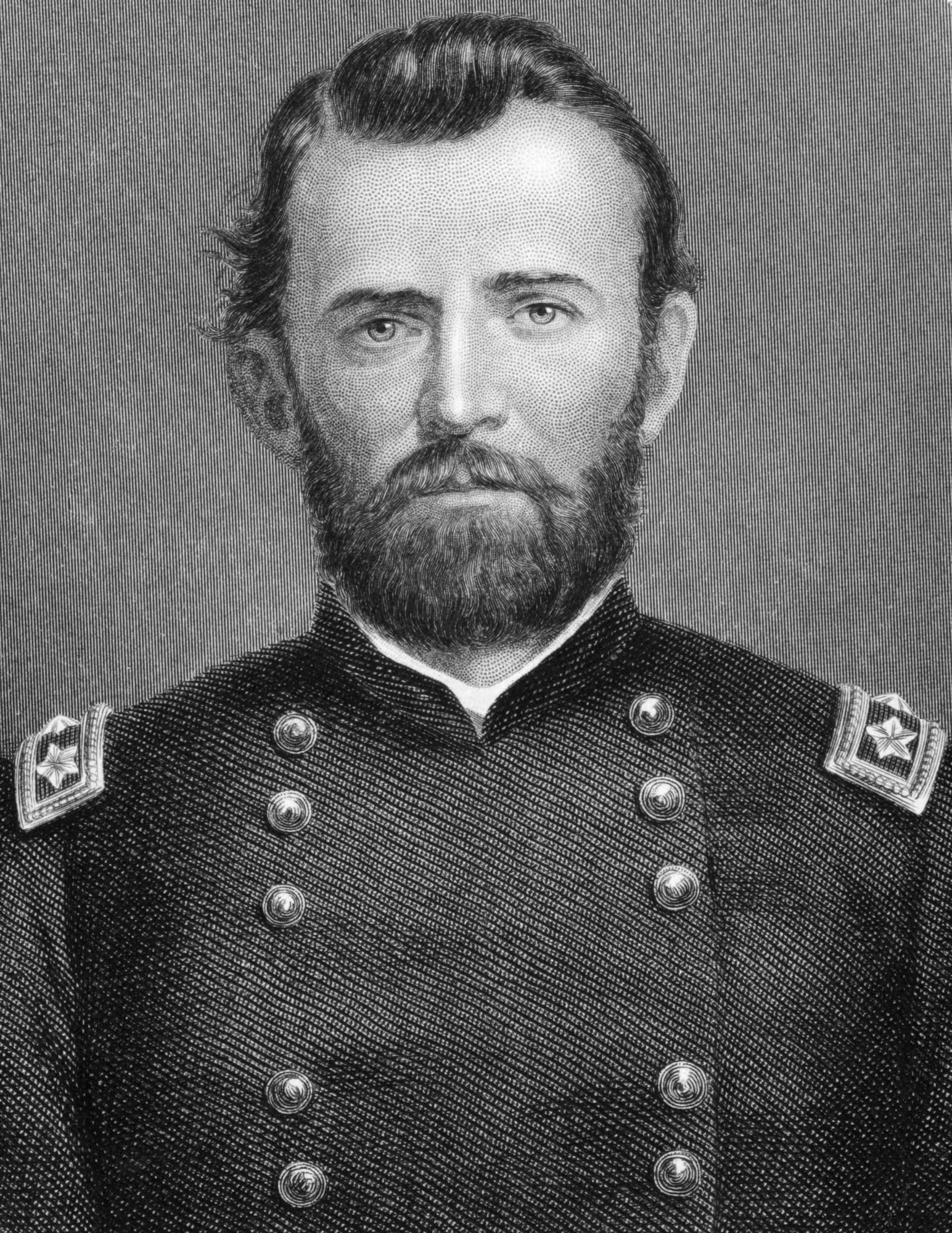
Grant understood something his predecessors missed: wars are won by breaking the enemy’s will to fight, not just by winning individual battles. Before him, Union generals treated each engagement like a chess match, withdrawing after every move to reassess. Grant kept moving forward.
The Overland Campaign looked like a disaster on paper. Grant lost more men than Lee in almost every battle, but he never retreated. After the carnage at Cold Harbor, his own soldiers started writing their names on pieces of paper and pinning them to their uniforms because they expected to die. Grant kept attacking anyway.
Dwight D. Eisenhower
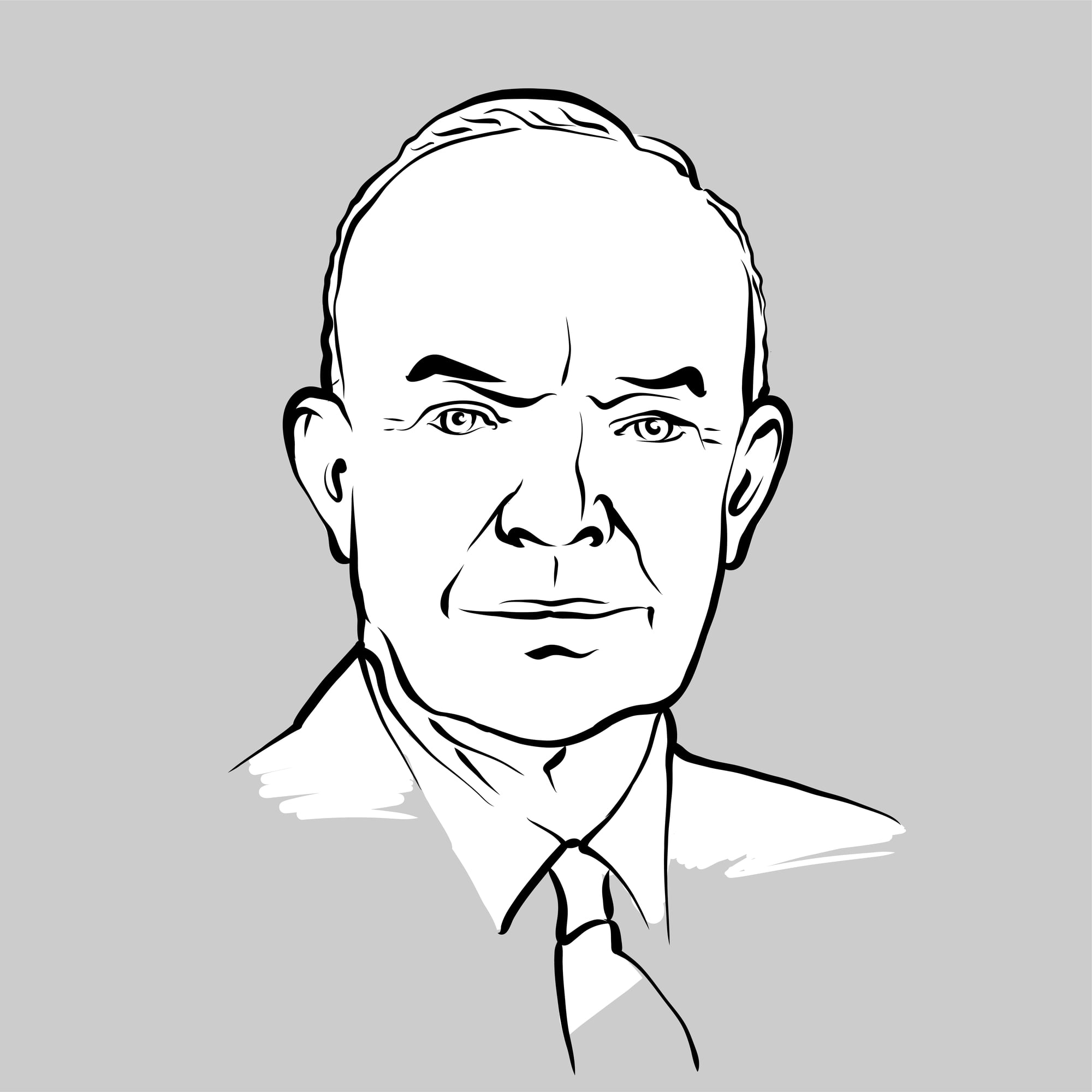
Eisenhower was the general who learned to manage egos instead of just armies — which, when you’re coordinating British field marshals, French resistance fighters, and American commanders who all think they know better, is probably the more valuable skill.
D-Day succeeded not because of tactical genius (though the planning was meticulous) but because Eisenhower somehow got Winston Churchill, Charles de Gaulle, and Bernard Montgomery to work toward the same goal without killing each other first. The man who organized the largest seaborne invasion in history spent most of his time in meetings, not studying maps.
Stonewall Jackson
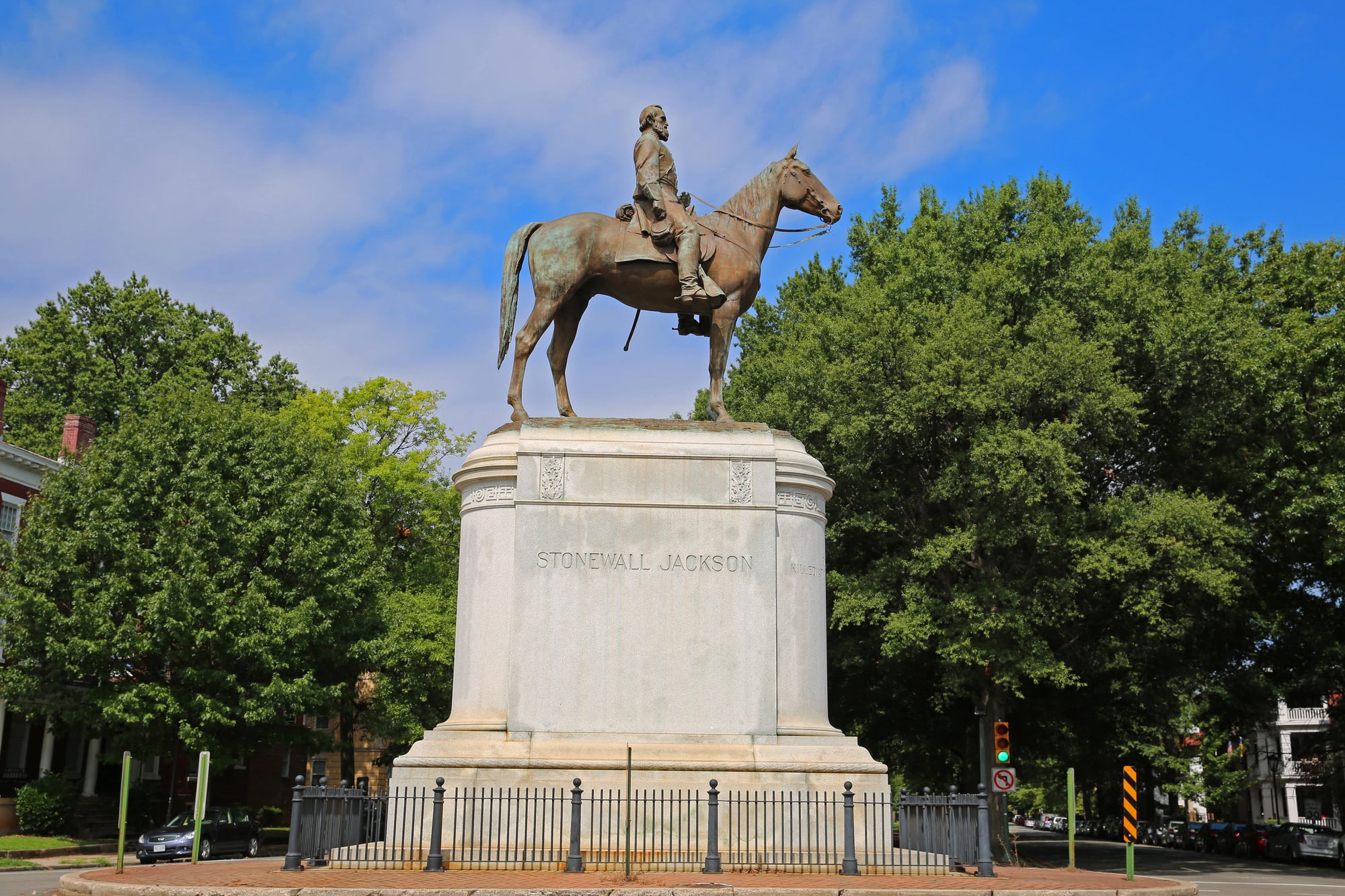
Jackson moved through the Shenandoah Valley like water finding the path of least resistance, except the path usually led straight through the middle of Union formations that had no idea he was coming. His men called their relentless marching “foot cavalry.”
He had an unsettling intensity that made even his own officers nervous. He’d sit ramrod straight on his horse during artillery bombardments, seemingly indifferent to shells exploding around him, muttering prayers under his breath. His death at Chancellorsville — shot by his own men — might have cost the Confederacy the war.
Douglas MacArthur
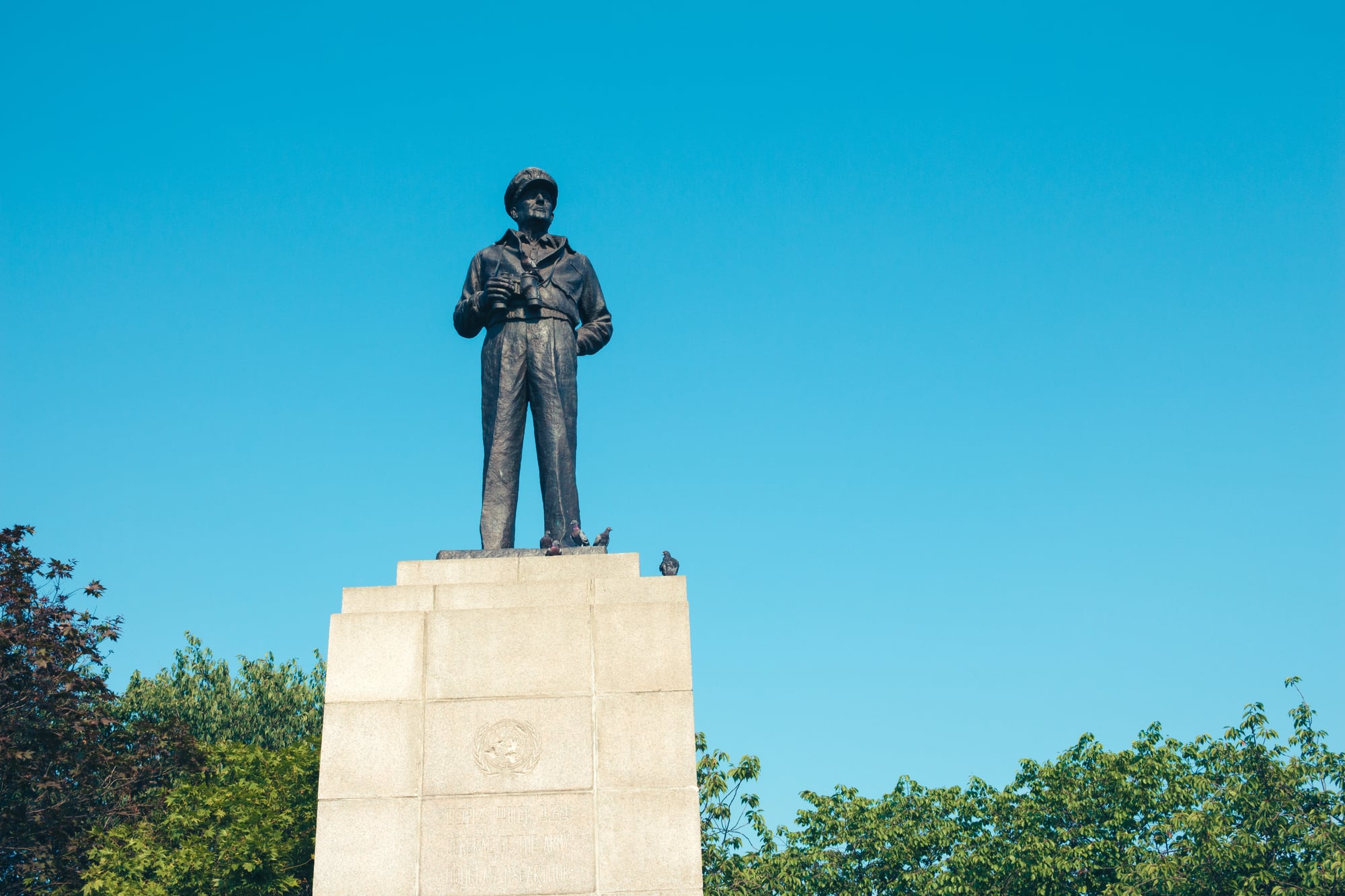
MacArthur never met a dramatic gesture he didn’t like, but the theater came with substance. His island-hopping strategy in the Pacific bypassed Japanese strongholds and left entire enemy armies stranded without supplies.
The Inchon landing during the Korean War was the kind of audacious move that military textbooks call either genius or madness depending on how it turns out. It worked perfectly and changed the entire course of the war. Then he pushed too far north and brought China into the conflict, which suggests that confidence and judgment don’t always travel together.
William Tecumseh Sherman
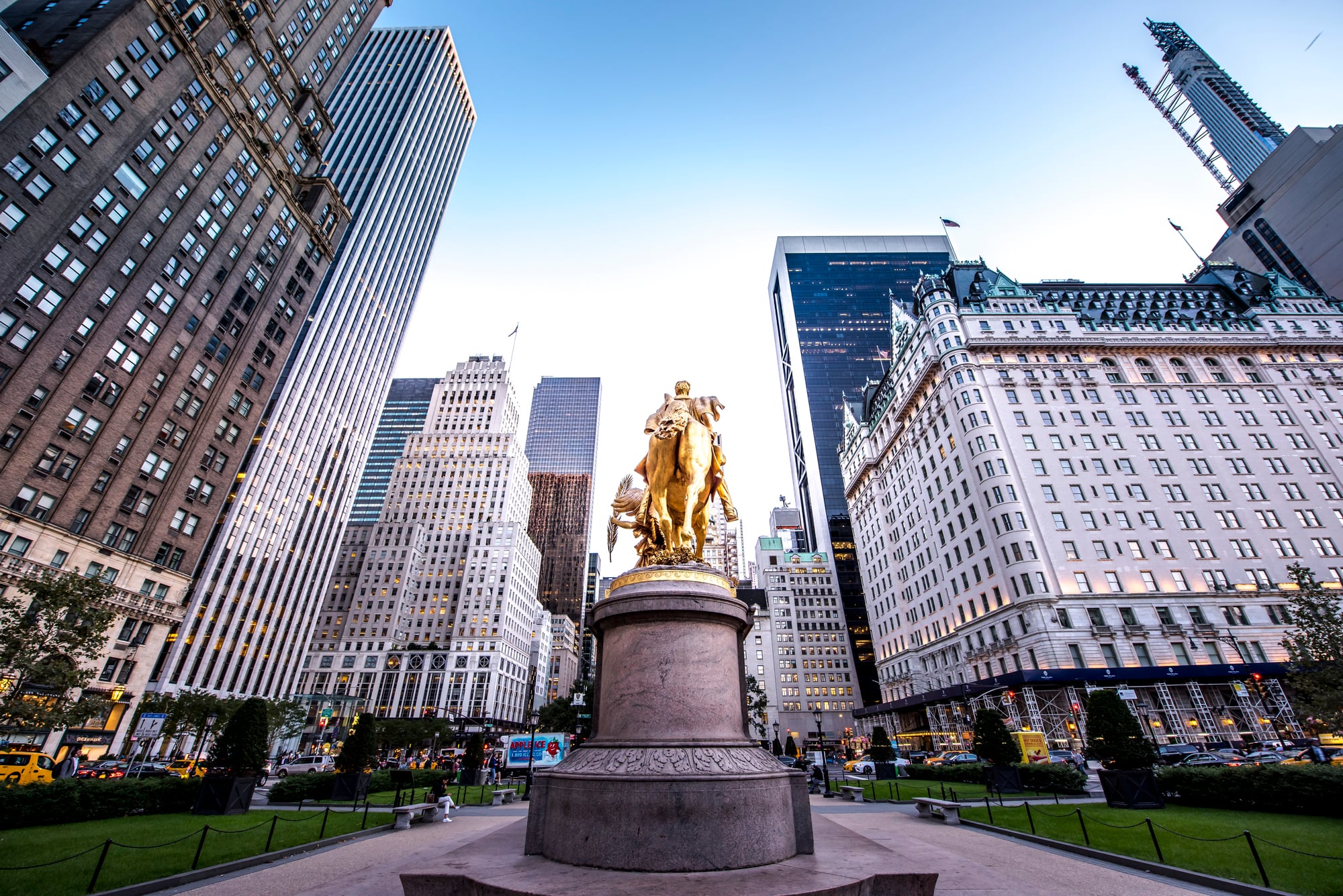
Sherman understood that wars between democracies are ultimately wars of public opinion. His march to the sea wasn’t just about destroying Confederate supply lines — though it did that effectively — but about demonstrating to Southern civilians that their cause was hopeless.
He made Georgia howl out of calculation rather than cruelty. Sherman grasped that breaking an enemy’s will to fight is more decisive than destroying their armies. His strategy worked, but it also earned him hatred in the South that persisted for generations.
Omar Bradley
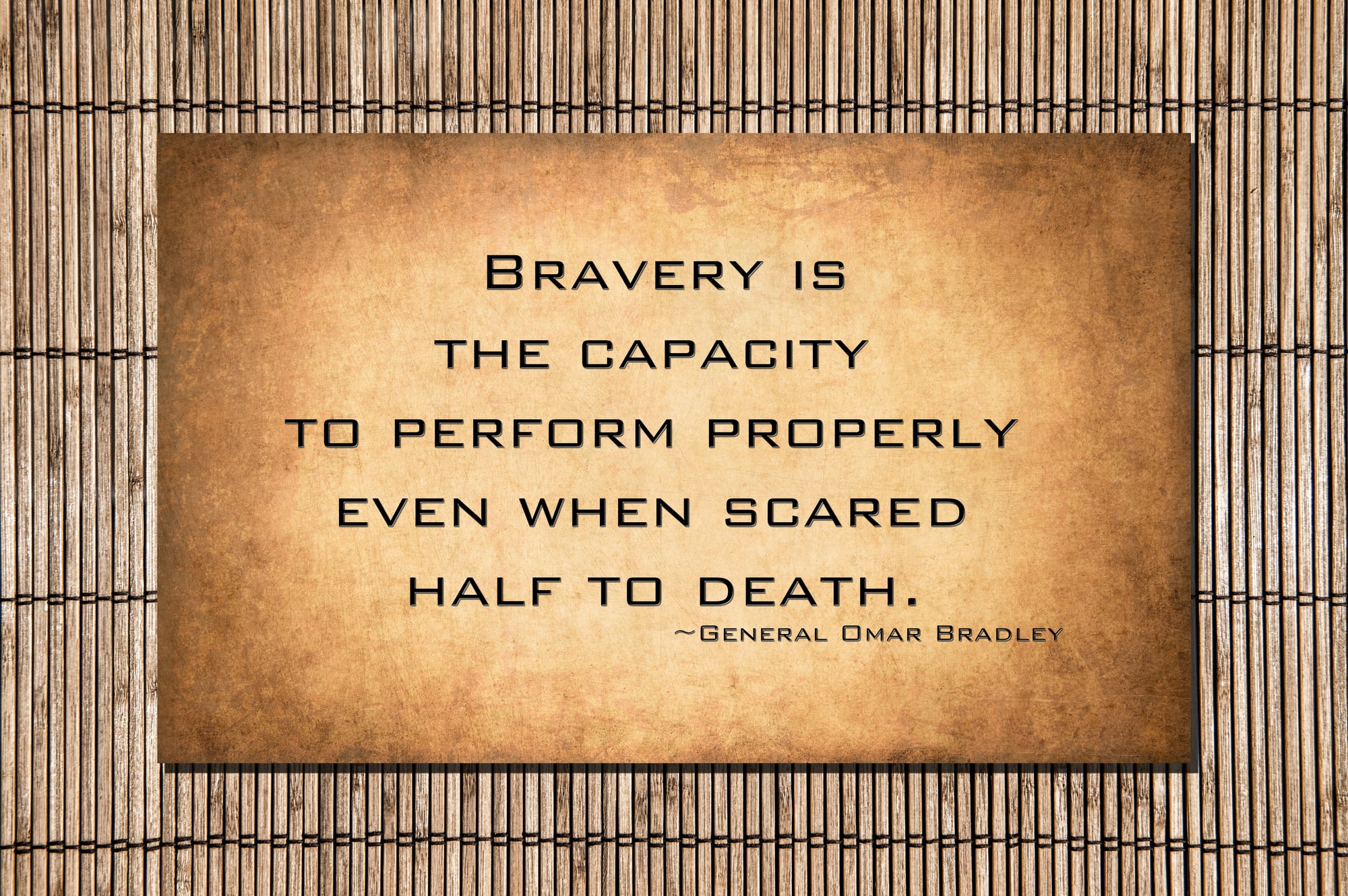
Bradley earned the nickname “the soldier’s general” by caring more about getting his men home alive than about getting his name in newspapers. While other commanders sought glory through bold strokes, Bradley won through methodical competence and logistical precision.
His handling of the Normandy breakout showed what happens when preparation makes spectacular failures nearly impossible — and boring successes almost inevitable. His soldiers trusted him in ways they didn’t trust more flamboyant commanders.
John J. Pershing
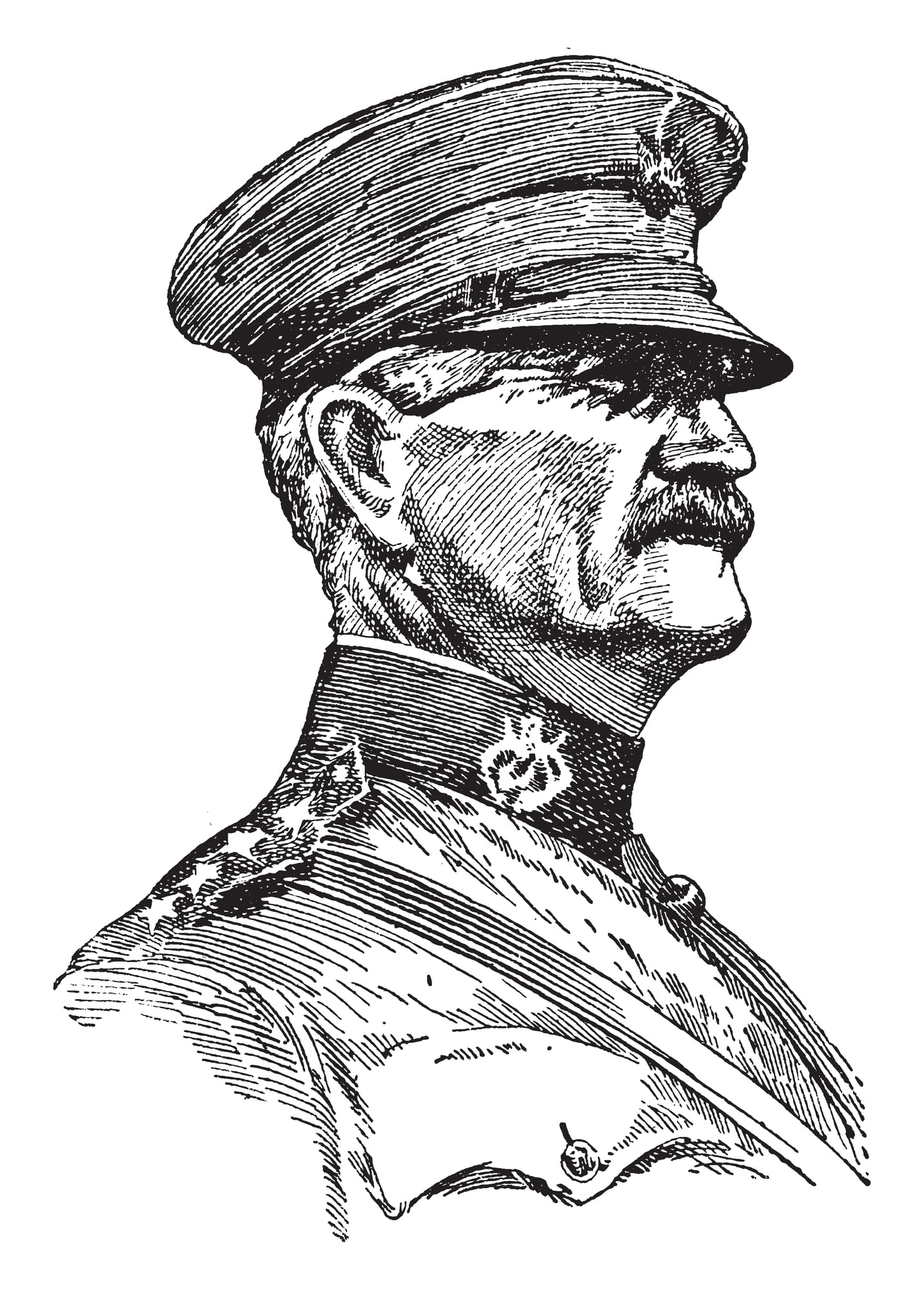
Pershing arrived in France during World War I with instructions to keep American forces independent rather than feeding them into British and French units. The Allies needed bodies for their trenches; Pershing insisted on fighting American battles with American methods.
The decision created enormous diplomatic tension but probably saved thousands of American lives. He emphasized mobility and combined arms tactics that would become the foundation of modern American military doctrine.
George S. Patton
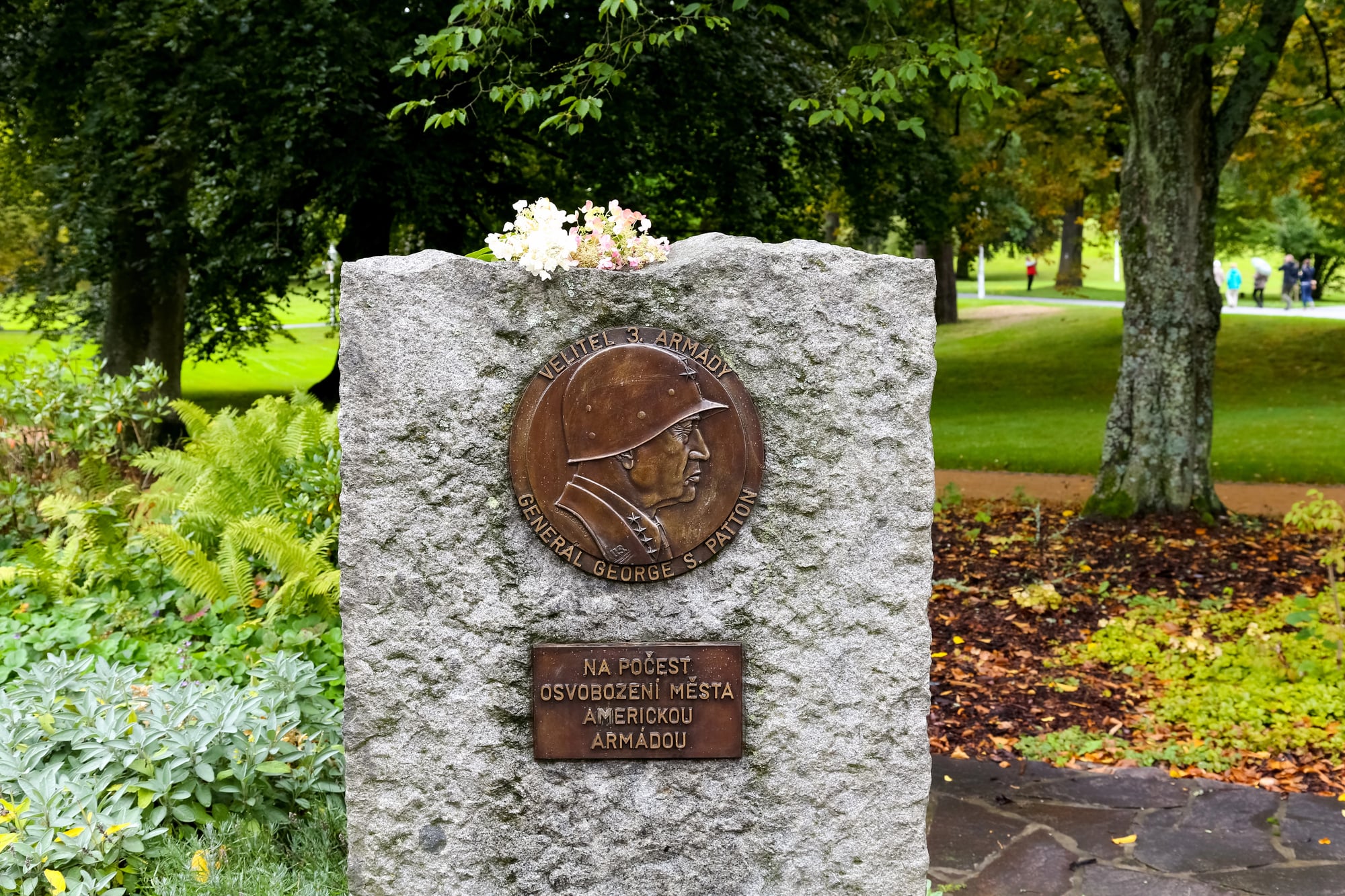
Patton believed that speed and aggression could substitute for careful planning, and somehow made it work often enough to prove the point. His Third Army raced across France so fast that it frequently outran its own supply lines.
He was a walking contradiction — a profane, publicity-seeking general who studied military history like a scholar. His relief of Bastogne required turning an entire army ninety degrees in winter and attacking within days. Most generals would have called it impossible; Patton called it routine.
Winfield Scott
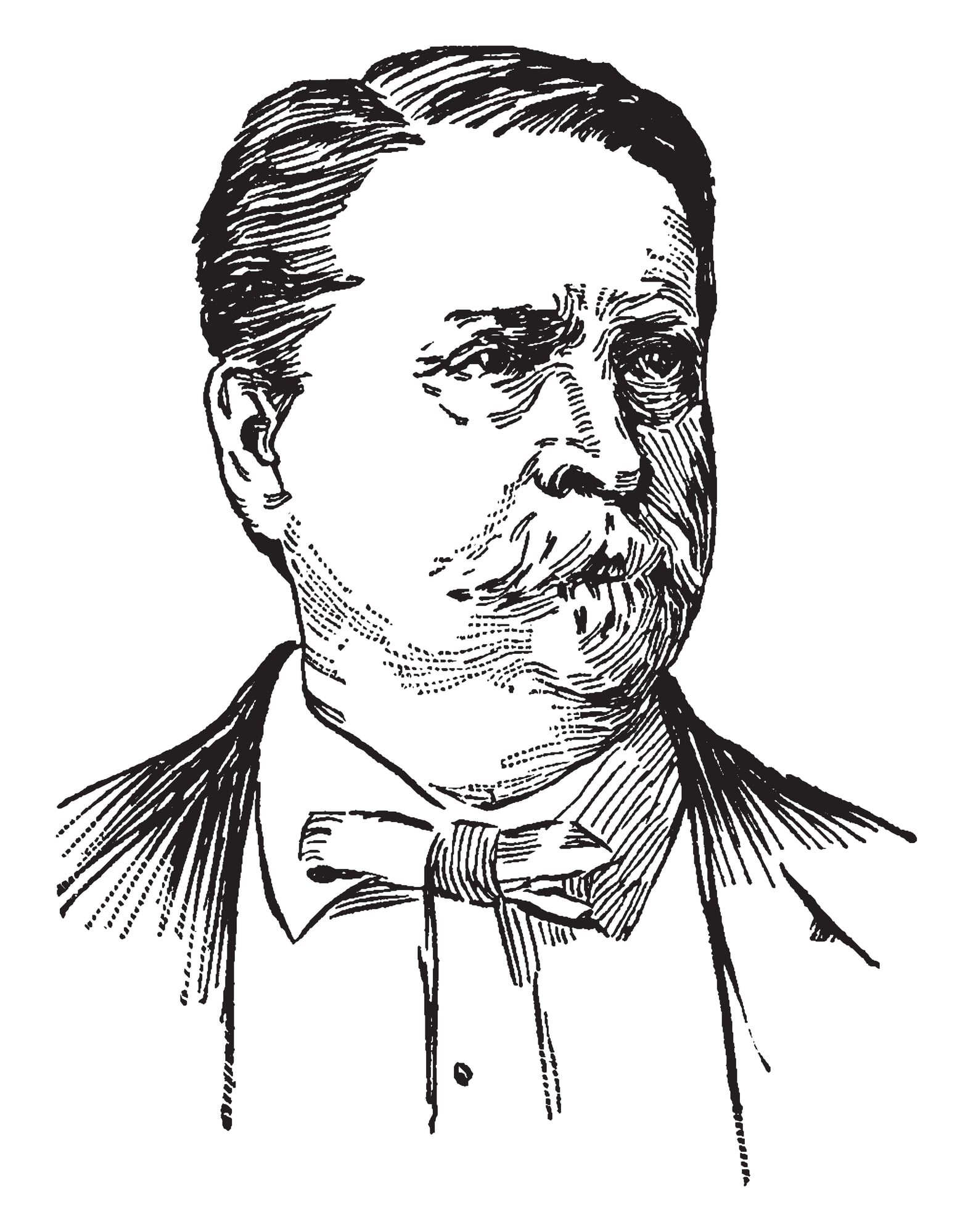
Scott developed the Anaconda Plan that ultimately strangled the Confederacy, though almost nobody appreciated its genius at the time. While politicians demanded immediate attacks on Richmond, he proposed a long-term blockade and pressure strategy.
His plan looked passive compared to aggressive alternatives, but it played to Northern industrial strengths while exploiting Southern weaknesses. It was slow, methodical, and strategically decisive.
Matthew Ridgway
Ridgway took command of demoralized UN forces in Korea and turned retreat into stalemate, then stalemate into sustainable defense. He understood that limited wars require different thinking than total wars.
His leadership emphasized holding the line rather than advancing. He recognized that maintaining Chinese respect for American fighting ability would determine the war’s outcome.
Chester Nimitz
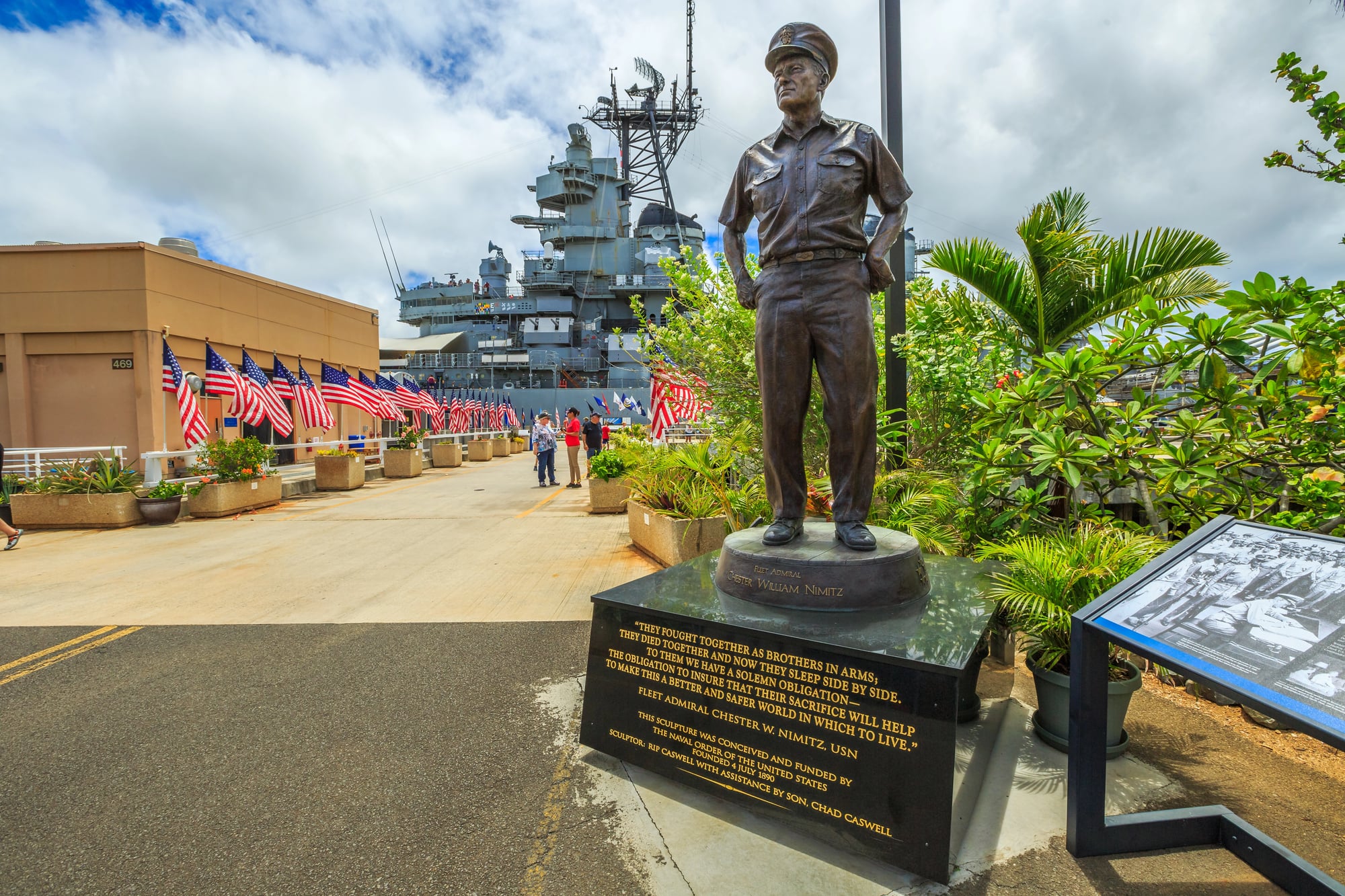
Nimitz coordinated the Pacific Theater with quiet competence that made impossible tasks look routine. While MacArthur grabbed headlines, Nimitz built the logistical system that actually won the war against Japan.
The island-hopping campaign required unprecedented coordination across thousands of miles of ocean. His ability to manage difficult personalities and competing priorities mattered as much as any single battle.
Curtis LeMay
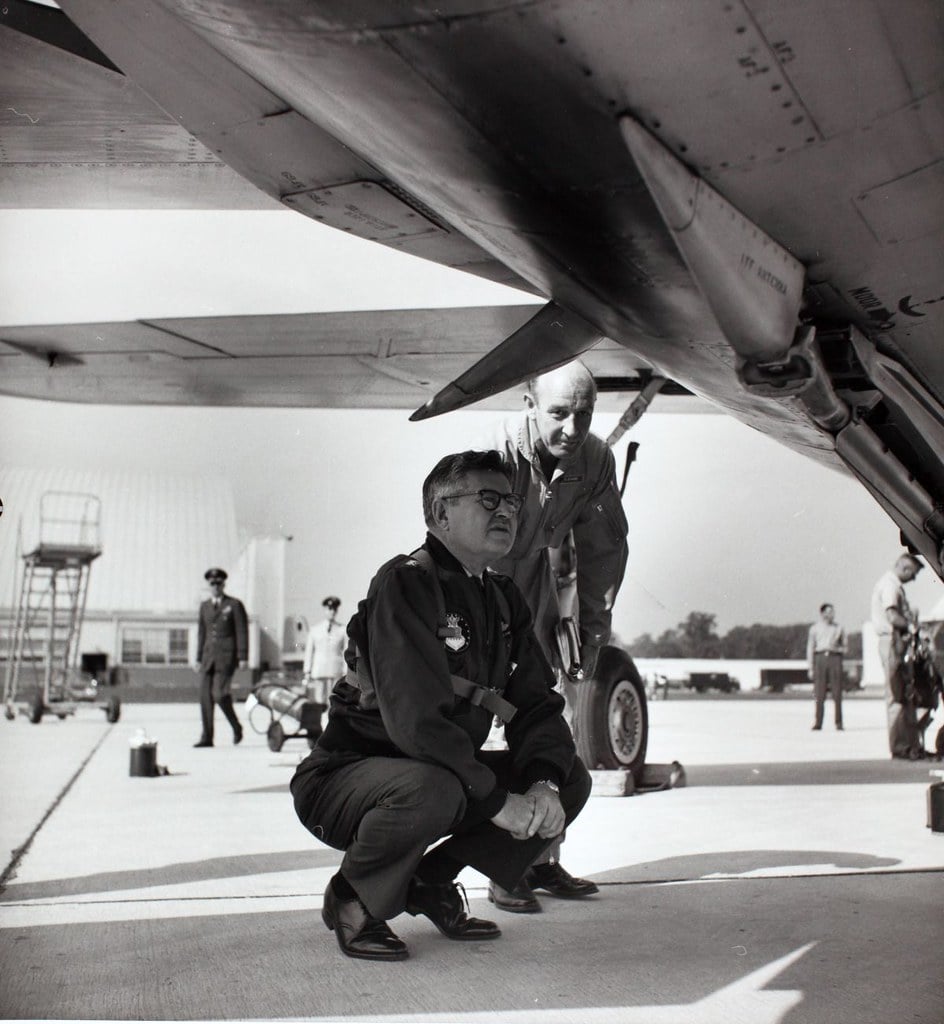
LeMay transformed the Strategic Air Command into America’s primary nuclear deterrent during the early Cold War. His bomber crews maintained readiness levels that kept nuclear forces constantly operational.
The firebombing of Japan remains controversial, but his postwar leadership helped prevent nuclear war through credible deterrence. He built an organization designed for destruction and ensured it would only be used as a last resort.
A Legacy Written in Choices
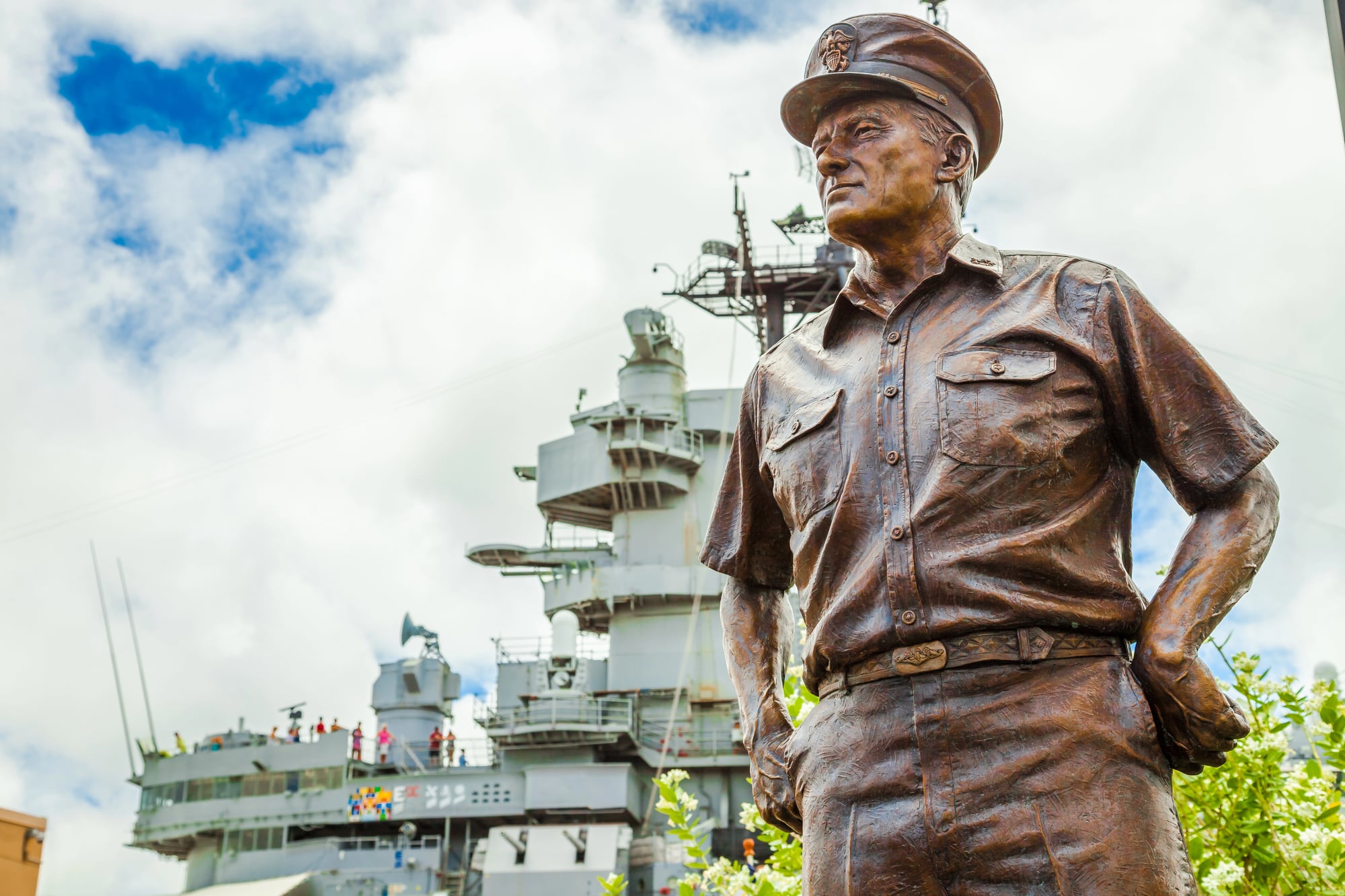
These commanders shaped American history not just through victories but through the principles they chose to uphold under pressure. Washington’s restraint, Grant’s persistence, Eisenhower’s coalition management — these were decisions as consequential as any battlefield maneuver.
The most influential American military leaders understood that how you win matters almost as much as whether you win, and that balance between force and restraint continues to shape military thinking today.
More from Go2Tutors!

- The Romanov Crown Jewels and Their Tragic Fate
- 13 Historical Mysteries That Science Still Can’t Solve
- Famous Hoaxes That Fooled the World for Years
- 15 Child Stars with Tragic Adult Lives
- 16 Famous Jewelry Pieces in History
Like Go2Tutors’s content? Follow us on MSN.



