Everyday Oddities That Are Surprisingly Common
Everyone walks through life noticing the same strange little things but assuming they’re alone in their observations. That moment when you catch yourself having a full conversation with your pet.
The way you avoid stepping on sidewalk cracks without thinking about it. The inexplicable urge to push every button in an elevator, even when you only need one floor.
These aren’t personal quirks or signs of mild eccentricity. They’re shared human experiences that most people never discuss, creating the illusion that your brain works differently from everyone else’s.
The truth is far more comforting: nearly everyone does these things, thinks these thoughts, and notices these same peculiar details about daily existence.
Talking to Inanimate Objects

Your car gets a pep talk before long trips. Your computer receives threats when it freezes. The printer knows exactly how you feel about its paper jams because you’ve told it in vivid detail.
This isn’t limited to technology that occasionally cooperates. People apologize to chairs they bump into, thank automatic doors that open properly, and curse at traffic lights as if the lights have personal vendetans against them specifically.
Creating Elaborate Backstories for Strangers

The woman at the coffee shop clearly used to be a dancer — something about the way she moves her hands while ordering. The guy walking three dogs is definitely recently divorced and filling the emotional void with pets.
The teenager with purple hair is either a future artist or currently disappointing their accountant parents. Everyone does this, spinning entire life narratives from thirty-second observations.
These stories feel true because human brains are designed to fill gaps in information with plausible details. The coffee shop woman might hate dancing.
The dog walker might be happily married. The teenager might be studying engineering.
But the stories persist because creating them feels more natural than admitting you know nothing about the people around you.
Avoiding Certain Numbers or Patterns
Some people skip the 13th stair (even when they have to count stairs to know which one it is, which defeats any logical purpose but somehow still matters). Others refuse to set their alarm for times ending in odd numbers — 7:03 feels wrong in a way that 7:04 doesn’t.
Digital clocks create tiny moments of satisfaction when they display 11:11 or 12:34, as if the universe briefly achieved perfect order. These patterns live in that strange space between superstition and preference.
Most people can’t explain why certain numbers feel wrong or right — they just know that 3:33 AM hits differently than 3:32 AM, even though both represent the same dark middle of the night when rational thoughts go to rest.
Rehearsing Conversations That Will Never Happen

The perfectly crafted response to an argument from three years ago arrives at 2 AM, fully formed and devastatingly clever. The ideal comeback to a rude comment gets refined and polished long after the rude person has forgotten the entire interaction.
Hypothetical job interviews play out in the shower, complete with thoughtful questions about company culture and confident discussions of salary expectations. Everyone maintains a private theater where they star in conversations they’re too polite, too slow, or too surprised to have in real life.
These mental rehearsals feel productive, as if practicing eloquence in imagination will somehow transfer to actual social situations. It rarely works that way, but the rehearsals continue anyway because the fantasy of perfect communication is too appealing to abandon.
Checking Locked Doors Multiple Times

The front door is locked. Obviously it’s locked — locking it was a deliberate action performed thirty seconds ago.
But something about walking away from a secured door triggers a small doubt that requires verification. So you check the handle, confirm it doesn’t turn, and walk away satisfied.
Then you check it again three steps later. This isn’t obsessive-compulsive behavior in most cases.
It’s just the brain’s way of handling the gap between performing an action and trusting that the action had its intended effect. The physical act of turning a deadbolt becomes automatic, which means it sometimes happens without conscious attention.
Double-checking feels like insurance against the possibility that muscle memory failed to engage properly. And yet, even when you specifically remember locking the door with full attention, that small doubt creeps in anyway.
The handle gets tested again.
Pretending to Read Text Messages in Awkward Situations

Standing alone at a party where everyone seems to know each other, you suddenly remember an urgent need to check your phone. The messages aren’t urgent.
They’re mostly notifications from apps you forgot to silence and texts from your mother asking if you’ve eaten vegetables recently. But staring at the screen creates a pocket of purposeful activity that makes social awkwardness slightly more bearable.
This performance has an intended audience of exactly no one, yet it feels necessary. Looking at your phone signals to nearby strangers that you’re engaged in important communication rather than standing around hoping someone will include you in conversation.
The irony is that everyone else is probably doing the same thing, creating a room full of people pretending to be busy while secretly hoping for genuine connection.
Organizing Things in Groups of Even Numbers

Two pens, not three. Four books stacked neatly, never five.
The volume on the television set to 20, not 19, because 19 feels incomplete in a way that defies explanation but demands correction anyway. This preference for even numbers shows up in the smallest decisions — how many crackers to put on a plate, which parking spot to choose when several are available, how to arrange items on a desk so they feel balanced.
Odd numbers create visual tension that even numbers resolve. Three objects demand a fourth to achieve symmetry.
Five of anything begs to become six, or at least be rearranged so the asymmetry feels intentional rather than accidental. The human eye seeks patterns and balance, finding satisfaction in quantities that can be divided evenly, split into pairs, or arranged in pleasing geometric shapes.
Avoiding Walking Under Ladders While Claiming Not to Be Superstitious

Ladders leaning against buildings create a choice: walk under them and save three seconds, or walk around them and maintain some vague sense that you’ve avoided tempting fate. Most people choose the longer route while insisting they don’t believe in superstitions.
The avoidance feels practical rather than mystical. Something could fall from above.
The ladder could shift. A person climbing might drop tools or paint.
These are legitimate safety concerns that have nothing to do with luck or supernatural intervention. But the relief that comes from walking around the ladder extends beyond practical caution into something that feels suspiciously like superstition, even when the person doing the walking would deny any belief in such things.
Creating Sound Effects for Routine Actions
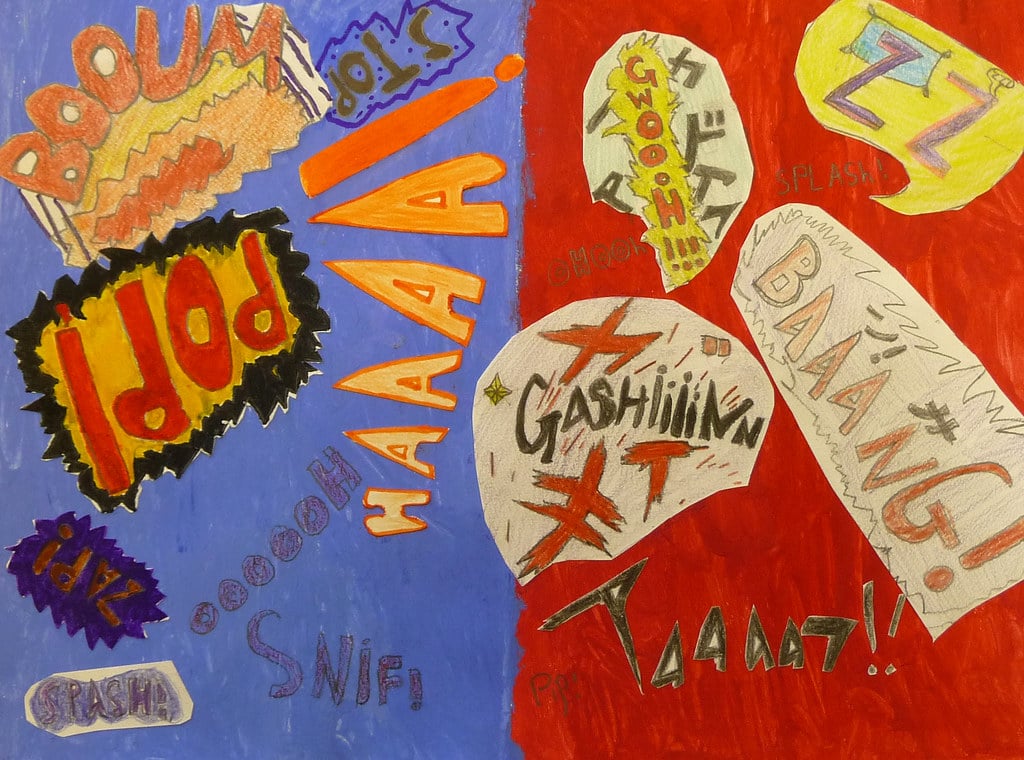
The coffee maker gets a little “boop” when you press its buttons. Turning pages in a book comes with a soft “whoosh” sound made with your mouth rather than your hands.
Walking down stairs sometimes requires a mental soundtrack of dramatic music, especially in echoing stairwells that make footsteps sound more important than they actually are. These sound effects serve no functional purpose, but they make mundane activities slightly more engaging.
Adding audio to visual actions creates a fuller sensory experience, transforming ordinary moments into something that feels more deliberate and complete. The sounds are usually too quiet for other people to notice, which makes them feel private and slightly ridiculous, but not ridiculous enough to stop doing them.
Giving Pets Voices and Personalities That Change Based on Their Behavior

When your cat is being affectionate, it speaks in a sweet, slightly babyish voice and says things like “I love you so much” and “You’re the best human ever.” When the same cat knocks something off the counter, its voice becomes sarcastic and defiant: “I meant to do that” and “You can’t prove anything.”
These imaginary pet voices feel natural because they fill in the communication gap between human and animal behavior. Pets clearly have moods, preferences, and distinct reactions to different situations, but they can’t explain their motivations in words.
Creating voices for them transforms confusing animal behavior into relatable personality traits. The grumpy morning cat becomes a character who just needs coffee.
The overly excited dog becomes someone who genuinely believes that every day holds unlimited potential for adventure.
Calculating How Long Tasks Will Take and Being Wrong by Exactly the Same Amount Every Time
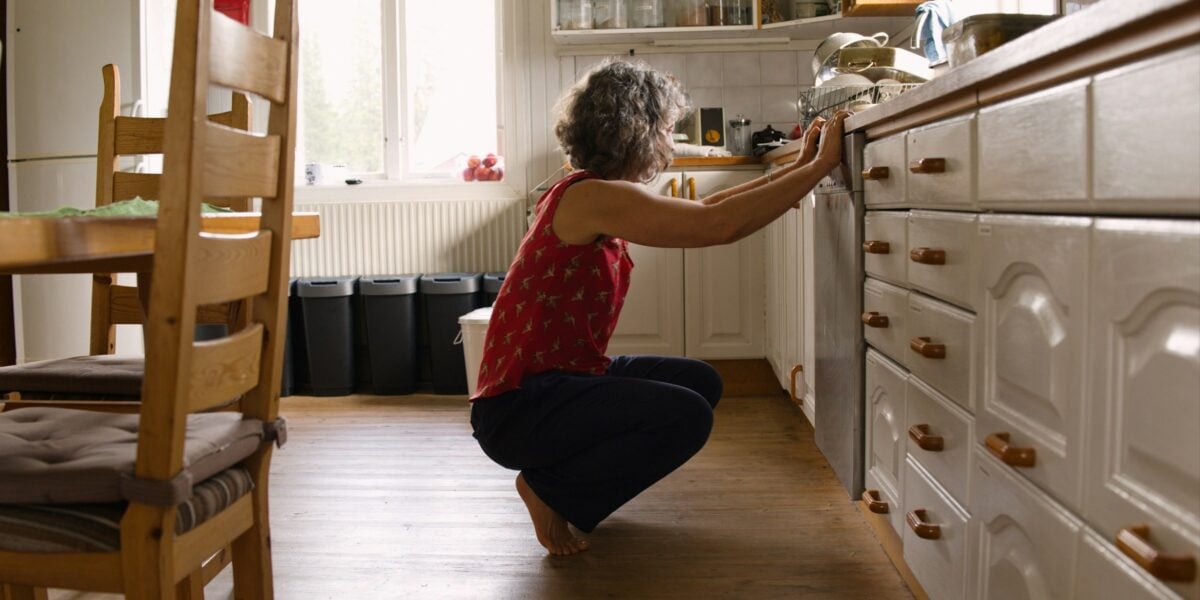
Loading the dishwasher takes five minutes in your mind and fifteen minutes in reality. Every time.
The mental estimate never adjusts to accommodate the actual time required, as if your brain has decided that dishwashing should take five minutes and refuses to accept evidence to the contrary. This pattern repeats across dozens of routine activities.
Grocery shopping should take twenty minutes but requires forty-five. Answering emails should take ten minutes but somehow expands to fill an entire hour.
Getting ready to leave the house should take fifteen minutes but consistently requires thirty, leading to the same rushed final five minutes of grabbing keys, checking pockets, and wondering why you didn’t start earlier when you knew this would happen because it always happens.
Pretending to Understand Directions While Planning to Ignore Them Completely

Someone explains how to get somewhere using landmarks, street names, and cardinal directions. You nod thoughtfully, say “got it,” and immediately forget everything they said because you were planning to use your phone’s navigation system the entire time.
This charade feels necessary because asking for directions implies that you want to receive and follow directions, when what you actually want is the social experience of someone caring enough to help you. The person giving directions gets to feel useful and knowledgeable.
You get to feel supported and connected. Both parties understand that you’ll probably just follow your phone’s suggested route, but the exchange of information still serves a purpose that has nothing to do with navigation and everything to do with the small rituals that make people feel seen and helpful.
Assigning Personalities to Days of the Week
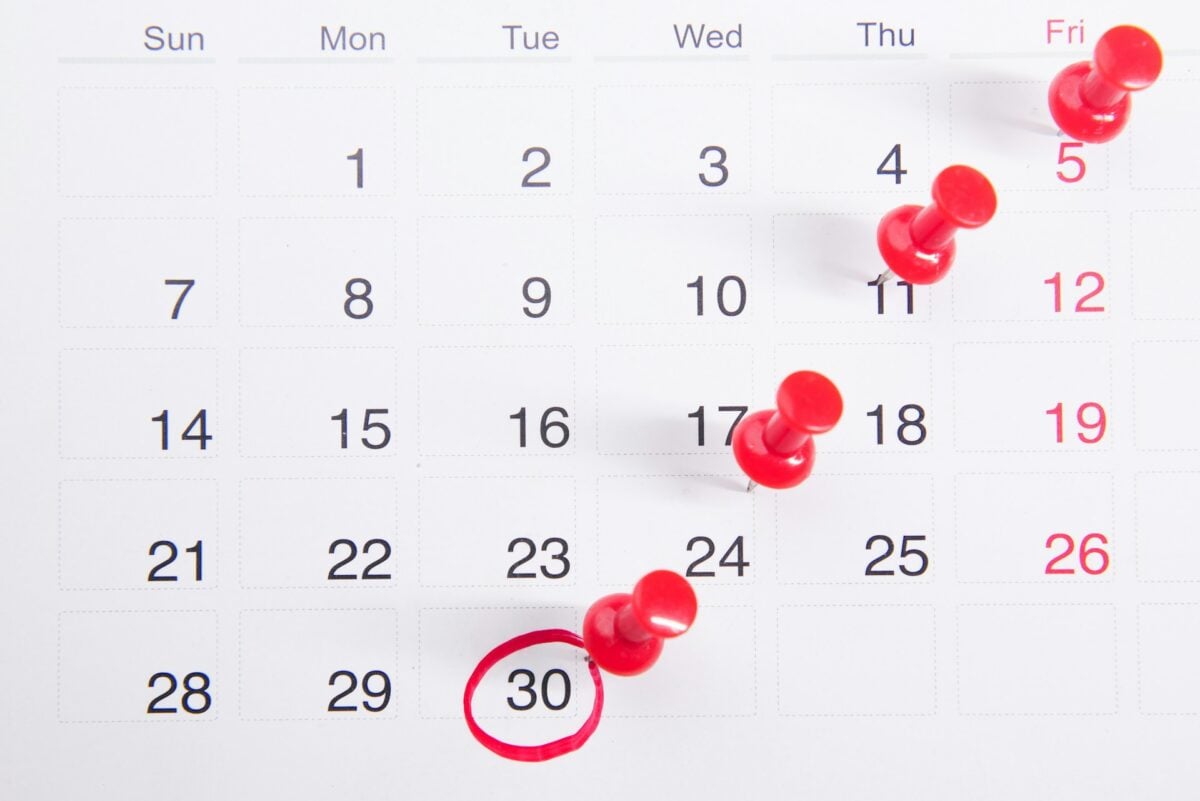
Monday is tired and grumpy, still wearing pajamas and drinking coffee out of a mug that says “World’s Okayest Employee.” Tuesday is Monday’s slightly more optimistic younger sibling, trying to make the best of things but still not quite awake.
Wednesday sits in the middle distance, surveying the week with the calm knowledge that it’s all downhill from here. Thursday bounces with anticipation, practically vibrating with excitement about Friday’s impending arrival.
Friday wears sunglasses indoors and plays music too loud, grinning at everyone while making weekend plans. Saturday sleeps until noon and refuses to apologize.
Sunday spends the morning happy and relaxed, then gradually develops anxiety as evening approaches and Monday lurks just around the corner, still grumpy, still wearing those same pajamas.
The Strange Comfort of Shared Peculiarity

These small oddities form a quiet language of human experience that rarely gets acknowledged in daily conversation. People worry about appearing strange or broken when they catch themselves narrating their pets’ thoughts or avoiding cracks in sidewalks, not realizing that nearly everyone else is doing the same things for the same inexplicable reasons.
Recognition of these shared quirks creates an unexpected sense of belonging. The knowledge that your private weirdness is actually common weirdness doesn’t make it less weird, but it does make it less isolating.
Everyone talks to their car, rehearses conversations in the shower, and checks locked doors twice. Everyone creates elaborate backstories for strangers and gives voices to their pets and assigns personalities to days of the week.
The oddities aren’t bugs in human programming — they’re features that make daily life slightly more interesting and significantly less lonely.
More from Go2Tutors!

- The Romanov Crown Jewels and Their Tragic Fate
- 13 Historical Mysteries That Science Still Can’t Solve
- Famous Hoaxes That Fooled the World for Years
- 15 Child Stars with Tragic Adult Lives
- 16 Famous Jewelry Pieces in History
Like Go2Tutors’s content? Follow us on MSN.