Lucky Breaks That Saved Famous World Leaders
History remembers the decisions, the speeches, the battles, and the treaties. What it tends to skim over are the moments where everything nearly ended differently — where a fraction of an inch, a last-minute change of plan, or a piece of folded paper stood between a world leader and death.
These aren’t myths or exaggerations. They’re documented, verified, and in many cases, stranger than anything a novelist would dare to invent.
Theodore Roosevelt and the Speech That Stopped a Bullet

In October 1912, Theodore Roosevelt was shot in the chest at close range while standing outside a Milwaukee hotel. The bullet passed through his overcoat and lodged near his ribs. By any reasonable measure, he should have been gravely wounded.
What saved him was a fifty-page speech manuscript he had folded in his breast pocket, along with a metal eyeglass case sitting alongside it. Together, they slowed the bullet enough that it never reached his lung.
Roosevelt, being Roosevelt, went on to deliver a ninety-minute speech before agreeing to go to hospital. He opened by telling the crowd he had just been shot, then proceeded anyway.
Winston Churchill Steps Off a Kerb
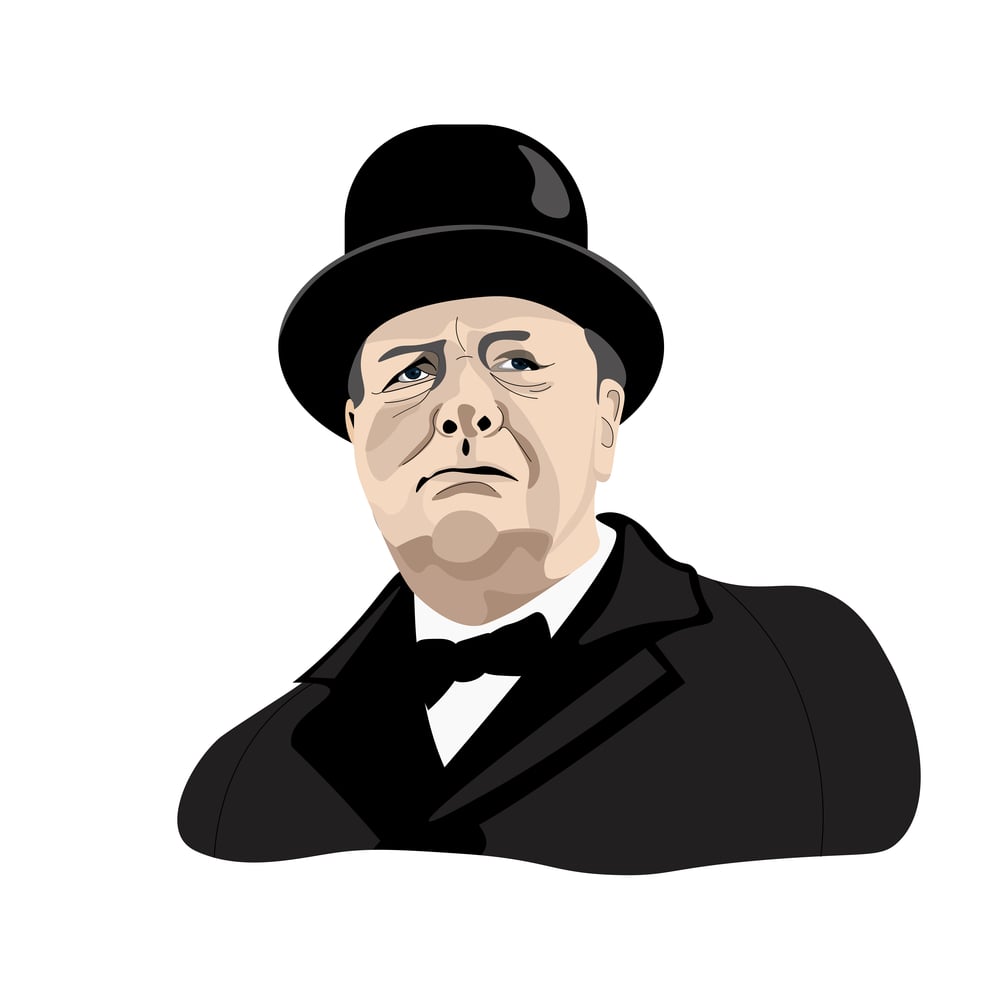
Churchill survived so many close calls during World War Two that historians have catalogued them at length. But one of the stranger ones happened in December 1931 in New York, years before the war.
Churchill stepped off a kerb on Fifth Avenue without looking and was struck by a car travelling at speed. He was thrown to the ground and badly injured.
Had he died that night — from a road accident in Manhattan, years before Hitler came to power — the entire course of the Second World War unfolds differently. The man who rallied Britain in its darkest period was, on that particular evening, simply not looking the right way when he crossed the street.
The Bomb Under Hitler’s Conference Table
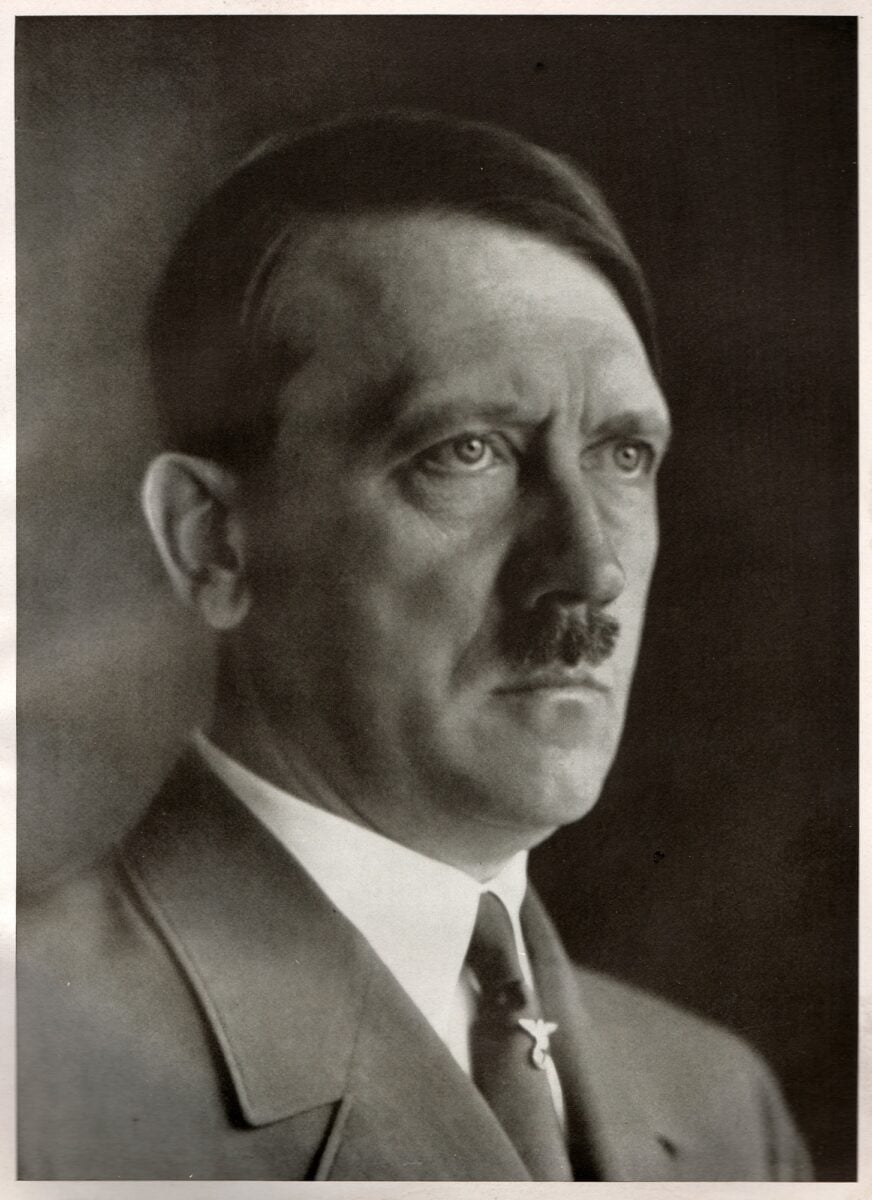
On 20 July 1944, a German army officer named Claus von Stauffenberg placed a briefcase containing a bomb under the table at Hitler’s Wolf’s Lair headquarters and then left the room. The bomb detonated. Four people died. Hitler survived.
The reason was almost absurdly small. Someone in the room, apparently finding the briefcase in the way, nudged it with their foot and moved it to the other side of a thick oak table support.
That support absorbed much of the blast. Hitler walked away with a perforated eardrum and minor injuries. The thick-legged table saved a life that most of the world desperately wanted ended.
Fidel Castro and the Plots That Never Landed

The number of documented attempts on Fidel Castro’s life runs, depending on the source, into the hundreds. The CIA alone was involved in plots spanning several decades.
Exploding seashells, poisoned diving suits, toxic fountain pens — the methods became almost creative in their implausibility. Castro outlived most of his would-be assassins and died in 2016 at the age of ninety.
When asked about the attempts, he was characteristically direct about the role of luck. No plan succeeded not because of extraordinary security, but because timing, circumstance, and sometimes simple incompetence kept intervening on his behalf.
Charles de Gaulle and the Petit-Clamart Ambush
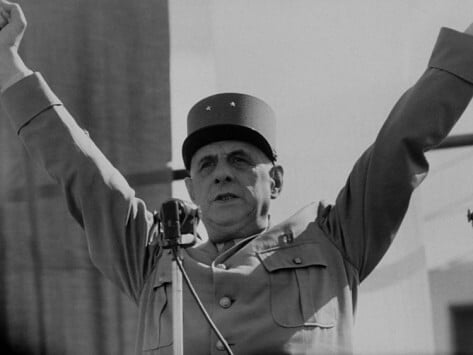
In August 1962, a team of gunmen ambushed the car carrying French President Charles de Gaulle near the town of Petit-Clamart. They fired over a hundred and fifty rounds at the vehicle.
The tyres were shredded. The rear window was destroyed.
De Gaulle and his wife crouched in the back seat as the car swerved and accelerated away. Neither was hit.
The driver, a former military man with combat experience, kept control of the vehicle through the ambush and reached safety. De Gaulle reportedly brushed himself off afterward and commented drily that the attackers had been poor shots.
It was, by any measure, an extraordinarily close thing.
Abraham Lincoln Almost Didn’t Make It to Ford’s Theatre
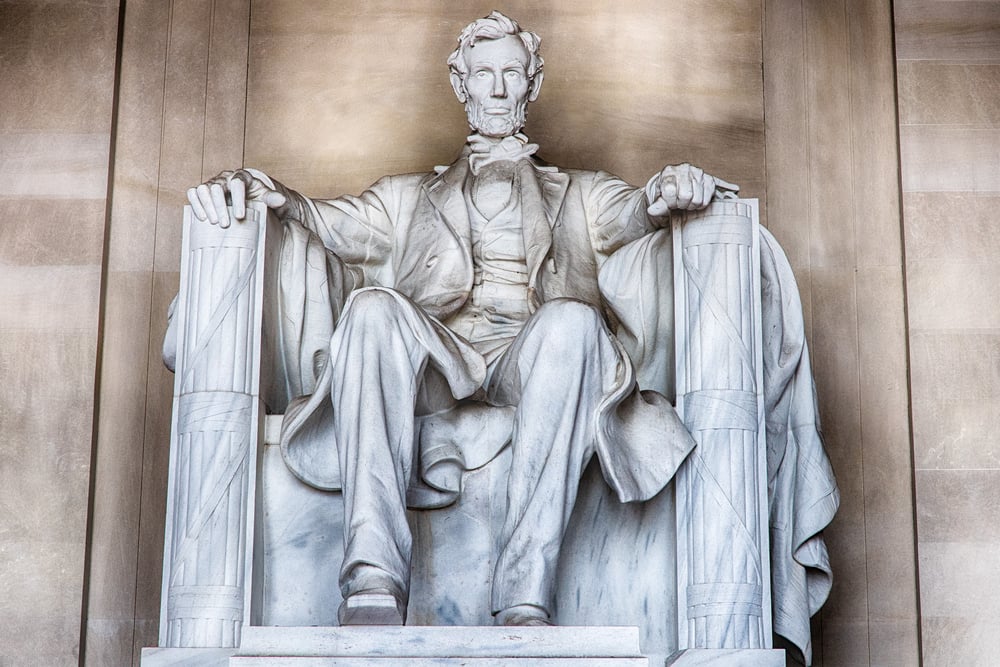
The story of Lincoln’s assassination is well known. Less discussed is the earlier attempt in 1861 when, according to reports from detective Allan Pinkerton, a plot existed to kill Lincoln while his train passed through Baltimore before his inauguration.
The plan was to attack him in the street during a scheduled public carriage ride. Lincoln changed his travel plans at the last minute, arriving in Washington secretly and ahead of schedule.
Whether the Baltimore plot was as serious as Pinkerton believed has been debated for over a century. But Lincoln acted on the intelligence and arrived alive. Four years later, the luck ran out at a theatre.
Ronald Reagan and an Inch of Margin

When John Hinckley Jr. shot Ronald Reagan outside the Washington Hilton in March 1981, the bullet that struck Reagan didn’t hit him directly. It ricocheted off the presidential limousine door, flattened slightly on impact, and entered Reagan’s body under his left arm — missing his heart by less than an inch.
Reagan was seventy years old. The wound was far more serious than the White House initially admitted. Surgeons worked for hours.
His blood pressure had dropped dramatically by the time he reached the operating table. The margin between survival and death was, in the most literal sense, measurable in millimetres.
Queen Victoria’s Remarkable Run
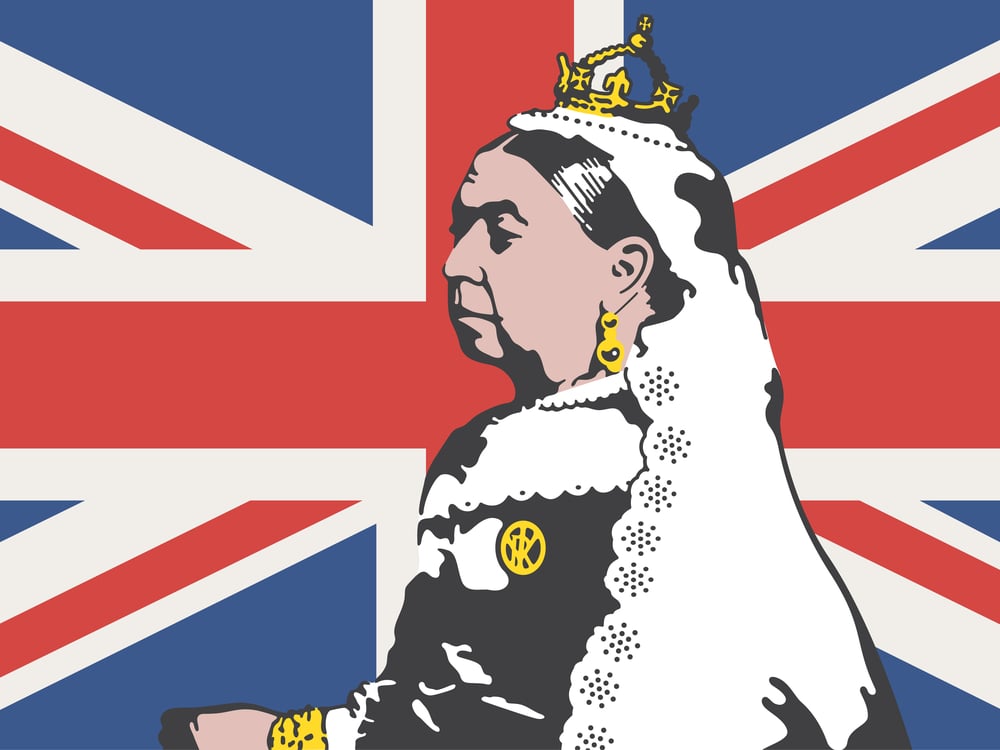
Queen Victoria survived at least eight known assassination attempts during her reign — a number that would be extraordinary for any individual, let alone a head of state across six decades. The attempts came from various directions and for various reasons, ranging from political grievance to apparent mental instability in the attacker.
In several cases the weapon misfired. In others, bystanders tackled the attacker before a second shot could be fired. Victoria’s public schedule remained largely unchanged through all of it.
She continued appearing in open carriages and attending public events, apparently taking the view that retreating from public life was not an acceptable response to the attempts on it.
King Zog and the Opera
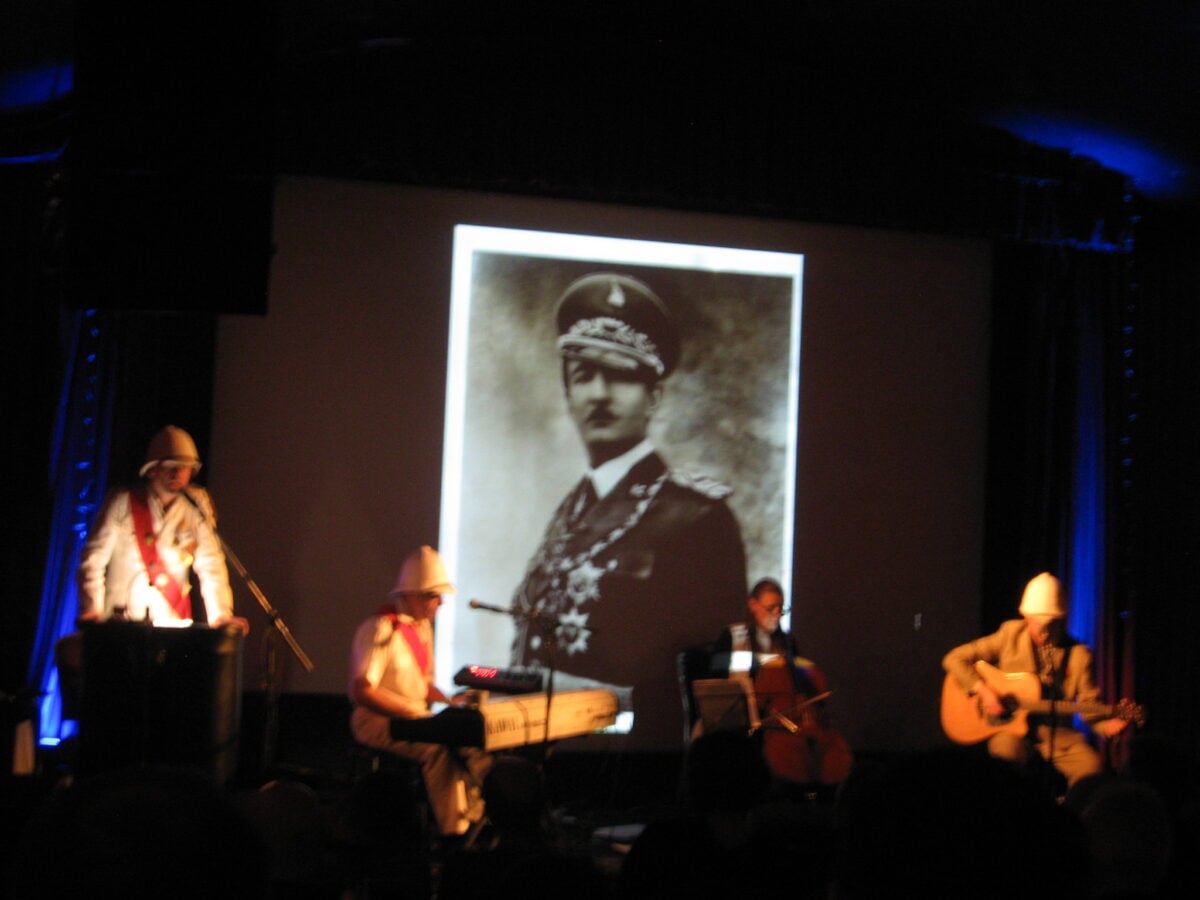
In 1931, King Zog of Albania became the only head of state in modern history to personally return fire during an assassination attempt. Gunmen attacked him as he left the Vienna State Opera.
Zog drew his own pistol and fired back. He survived.
The attackers fled. Zog continued as Albania’s ruler for another eight years, until the Italian invasion of 1939 forced him into exile.
The Opera House attack is the kind of story that sounds invented but has multiple witnesses and is recorded in diplomatic dispatches from the period.
Gamal Abdel Nasser and the Microphone That Kept Working
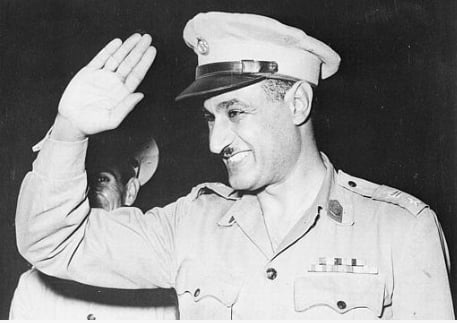
In October 1954, an assassin fired eight shots at Egyptian President Gamal Abdel Nasser while he was delivering a speech in Alexandria. None of the shots hit him. Nasser, standing at the microphone, paused while the shots rang out, then continued speaking.
What made the moment remarkable was what happened next. Rather than taking cover or ending the address, Nasser spoke directly to the crowd about the attempt, turning it into a public affirmation of his authority.
The speech continued. He was uninjured.
The failed attack ended up strengthening rather than weakening his political position.
Yasser Arafat Walks Away from a Desert Crash
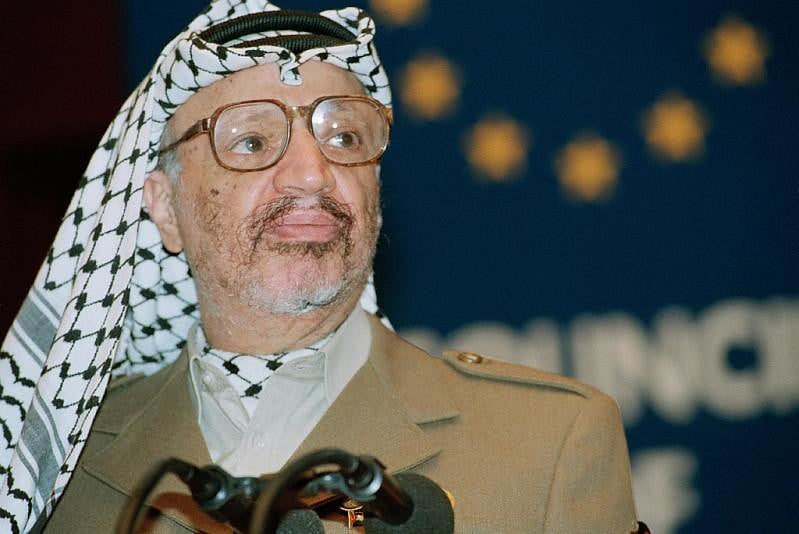
In April 1992, Yasser Arafat’s plane went down in the Libyan desert during a sandstorm. The aircraft crash-landed.
Three crew members died. Arafat survived with minor injuries, reportedly found conscious among the wreckage by rescue teams.
The timing mattered. The Oslo Accords — the most significant diplomatic engagement between Israeli and Palestinian leadership — were signed the following year. Had Arafat died in that desert, the political landscape of the Middle East in the 1990s would look substantially different.
A sandstorm and a piece of luck kept the negotiations alive.
Napoleon at the Rue Saint-Nicaise
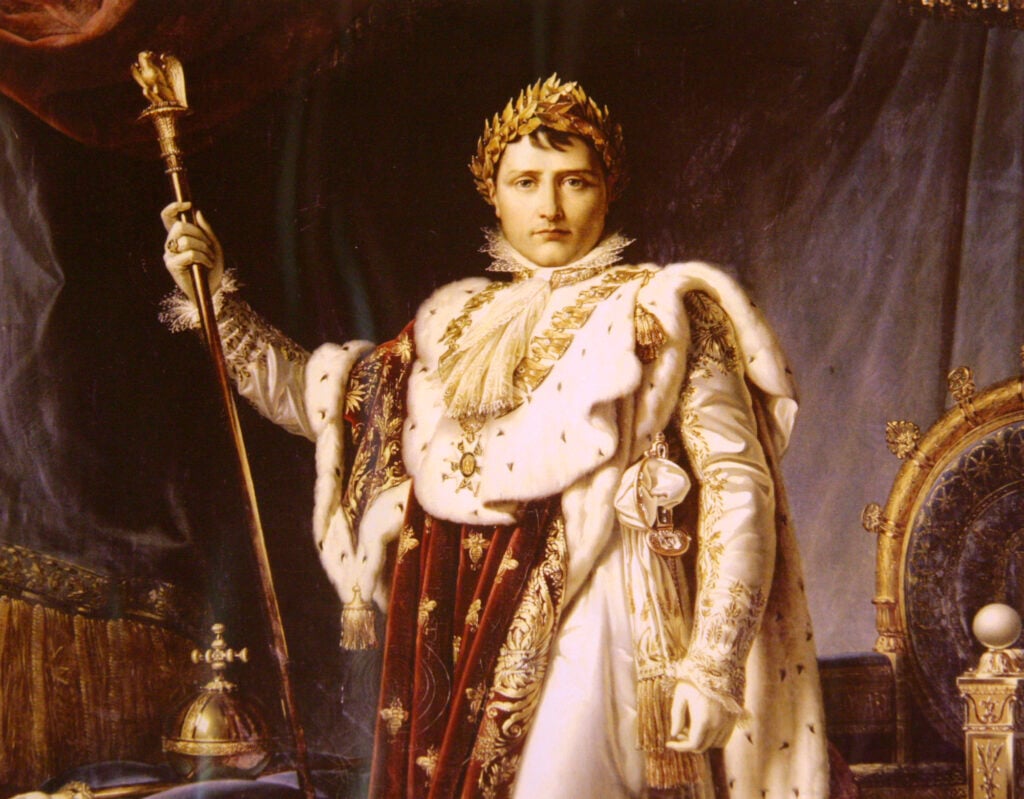
On Christmas Eve 1800, a cart loaded with explosives detonated on the Rue Saint-Nicaise in Paris just seconds after Napoleon’s carriage passed. The blast killed more than twenty people and injured dozens more.
Napoleon was unhurt. His carriage had moved faster than expected because his coachman was reportedly drunk and driving at speed.
Historians note the grim irony: a coachman’s impairment meant Napoleon’s vehicle cleared the explosion point before the fuse ran out. The incompetence of one person accidentally preserved the life of another, and the entire Napoleonic era continued as a result.
Francisco Franco and a Schedule Change
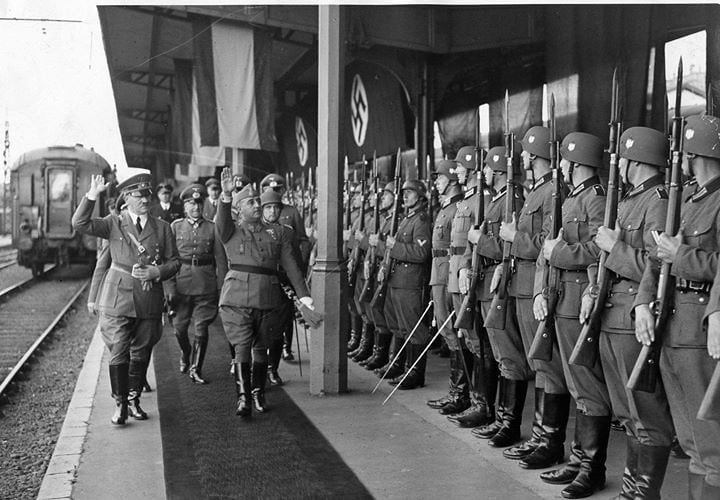
During the Spanish Civil War, Francisco Franco avoided several plots and ambushes through combinations of changed plans and last-minute route alterations. One documented incident involved a planned attack on a convoy he was expected to lead, which he missed because a meeting ran over and he took a different road.
Franco went on to rule Spain for thirty-six years. Whether history would have been kinder or crueller to Spain under a different outcome is a question that gets debated.
The schedule change simply meant it never had to be answered.
The Thin Line History Walks On

What you see when you read these stories is how ordinary the saving details usually are: A folded paper. A table leg, a tipsy coachman.
Someone pushing a briefcase with their foot. Big events that shaped nations and changed millions of lives often rested on small, overlooked things.
No historian would have thought those moments worth writing about. That’s why these tales feel different from battles or elections.
There’s no plan to study or a choice to question. Just the everyday rhythm of life, how things shift, schedules fall apart, and drivers speed past, sometimes reaching deep into history and pulling something surprising out of it.
At least in theory, daily actions can carry weight. For now, small things hold more influence than we often realize.
More from Go2Tutors!

- The Romanov Crown Jewels and Their Tragic Fate
- 13 Historical Mysteries That Science Still Can’t Solve
- Famous Hoaxes That Fooled the World for Years
- 15 Child Stars with Tragic Adult Lives
- 16 Famous Jewelry Pieces in History
Like Go2Tutors’s content? Follow us on MSN.