17 Animals Deadlier Than Sharks
When most people think about dangerous animals, sharks immediately come to mind. Those razor-sharp teeth and Hollywood horror stories have cemented their reputation as apex predators to fear.
But here’s the reality that might surprise you: sharks kill an average of just 10 people per year worldwide. Compare that to some of the creatures on this list, and sharks start looking downright harmless.
From tiny insects that carry devastating diseases to seemingly docile farm animals with deadly tempers, the natural world is full of animals far more dangerous than any great white. Some kill through venom, others through disease transmission, and a few simply use brute force.
What they all share is a body count that makes sharks look like gentle giants of the sea.
Mosquitoes
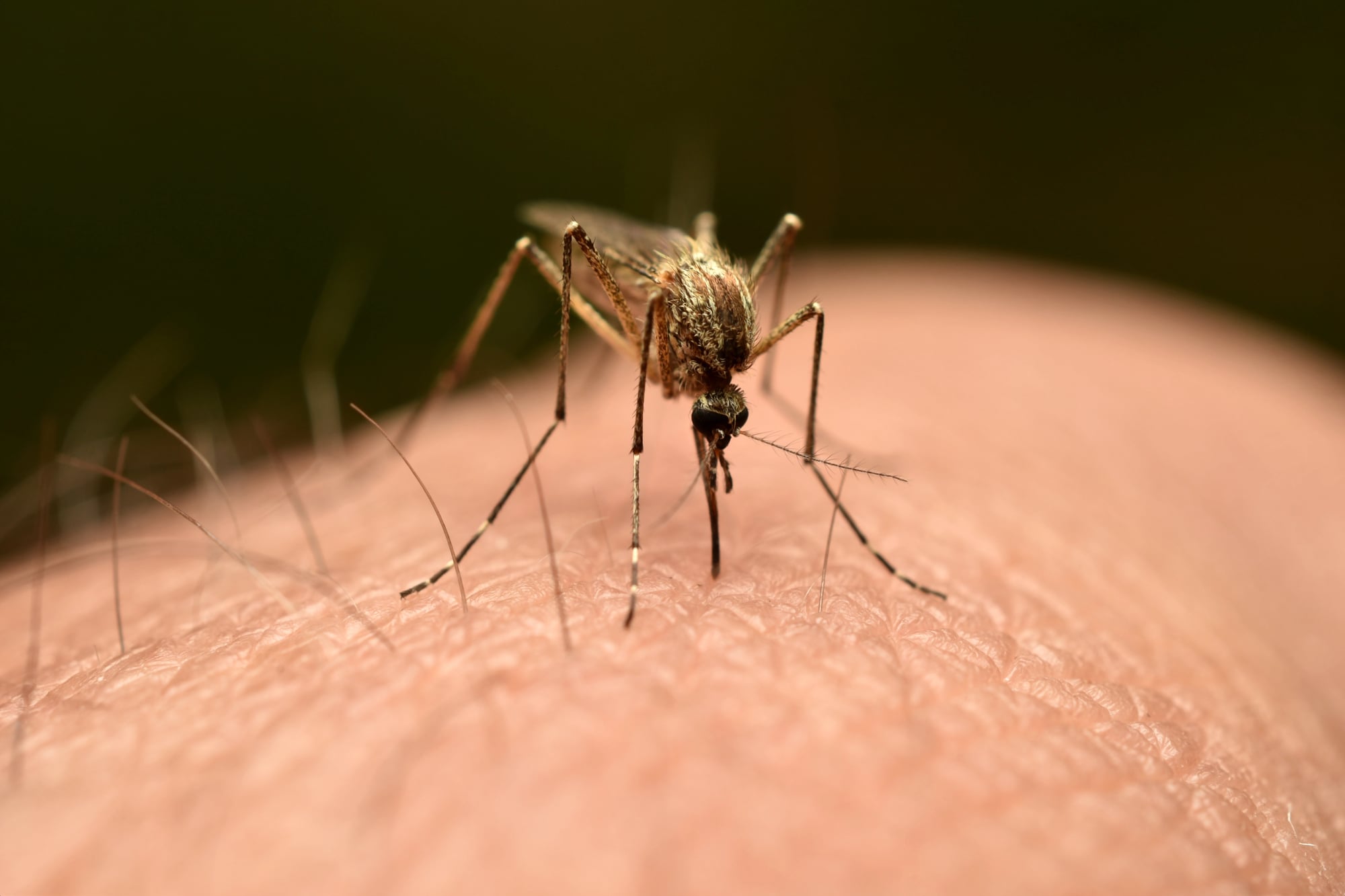
These tiny buzzers are responsible for more human deaths than any other animal on Earth. Over one million people die annually from mosquito-transmitted diseases.
Malaria alone kills around 600,000 people each year, mostly children under five in sub-Saharan Africa.
Female mosquitoes need blood to produce eggs, and during their feeding, they can transmit deadly pathogens including dengue fever, Zika virus, yellow fever, and West Nile virus.
What makes mosquitoes particularly dangerous is their global presence and ability to breed rapidly in standing water.
Humans

Humans kill approximately 400,000 to 500,000 other humans every year through war, homicide, and other forms of violence. This figure doesn’t include deaths from indirect human actions like pollution or climate change, which would push the number significantly higher.
Unlike other animals that kill primarily for food or territory, humans possess weapons and technology that amplify their lethal capacity exponentially. The combination of intelligence, tool use, and sometimes irrational behavior makes humans uniquely dangerous to their own species.
Snakes
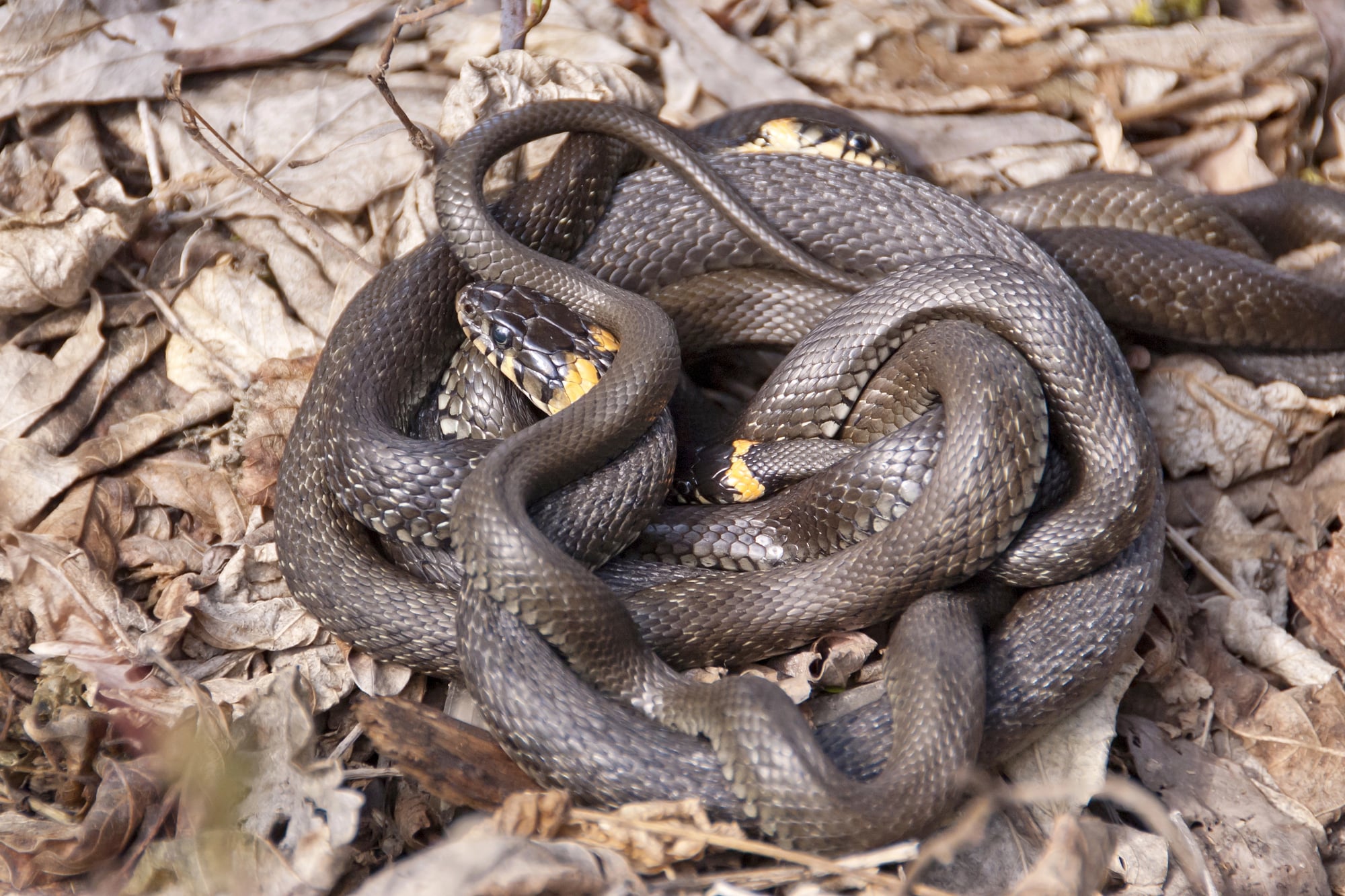
Here’s something worth considering: snakes don’t hunt humans (we’re far too large for most species to consider as prey), yet they manage to kill between 80,000 and 140,000 people annually through defensive strikes when threatened or accidentally encountered. And that’s the fascinating cruelty of it — most snake deaths happen when someone steps on what they thought was a stick in tall grass, or reaches into a woodpile without looking.
The saw-scaled viper, responsible for more human deaths than any other snake species, is particularly fond of hiding in places where people work and sleep. Russell’s vipers are equally problematic: they’re aggressive, their venom causes massive internal damage, and they have the discourteous habit of not retreating when humans approach (unlike most snakes, which would rather flee than fight).
But here’s where it gets interesting — the deadliest snakes often aren’t the ones with the most potent venom. The inland taipan has venom so toxic that one bite contains enough poison to kill 100 adult men, yet it’s killed fewer people than you can count on one hand because it lives in remote areas of Australia and has a relatively calm temperament.
Dogs

Dogs attack approximately 4.5 million Americans each year, with about 850,000 requiring medical attention. Globally, dogs kill around 25,000 people annually, primarily through rabies transmission in developing countries where vaccination programs are limited.
Most fatal dog attacks involve children under 10 years old, and pit bull-type dogs account for a disproportionate number of deaths despite representing a small percentage of the total dog population. The combination of powerful jaws, aggressive breeding, and inadequate training creates a deadly combination.
Tsetse Flies
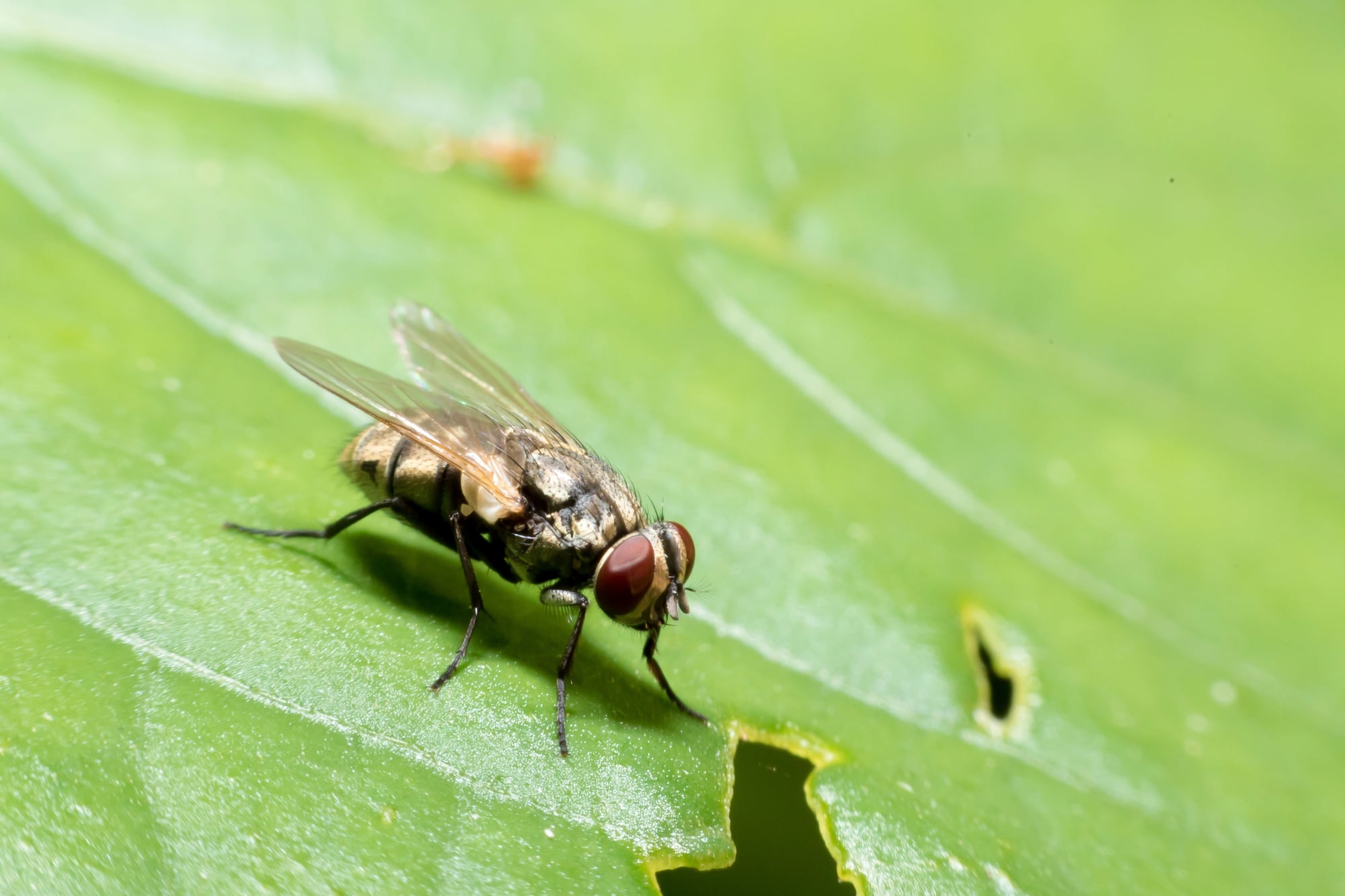
The tsetse fly carries sleeping sickness, a parasitic disease that proves fatal if left untreated. These flies are responsible for approximately 10,000 deaths per year in sub-Saharan Africa, though the number has decreased significantly due to control programs.
What makes tsetse flies particularly insidious is that sleeping sickness symptoms can take months or even years to appear. The disease progresses slowly, affecting the central nervous system and eventually causing the victim to fall into a coma-like state that gives the disease its common name.
Assassin Bugs
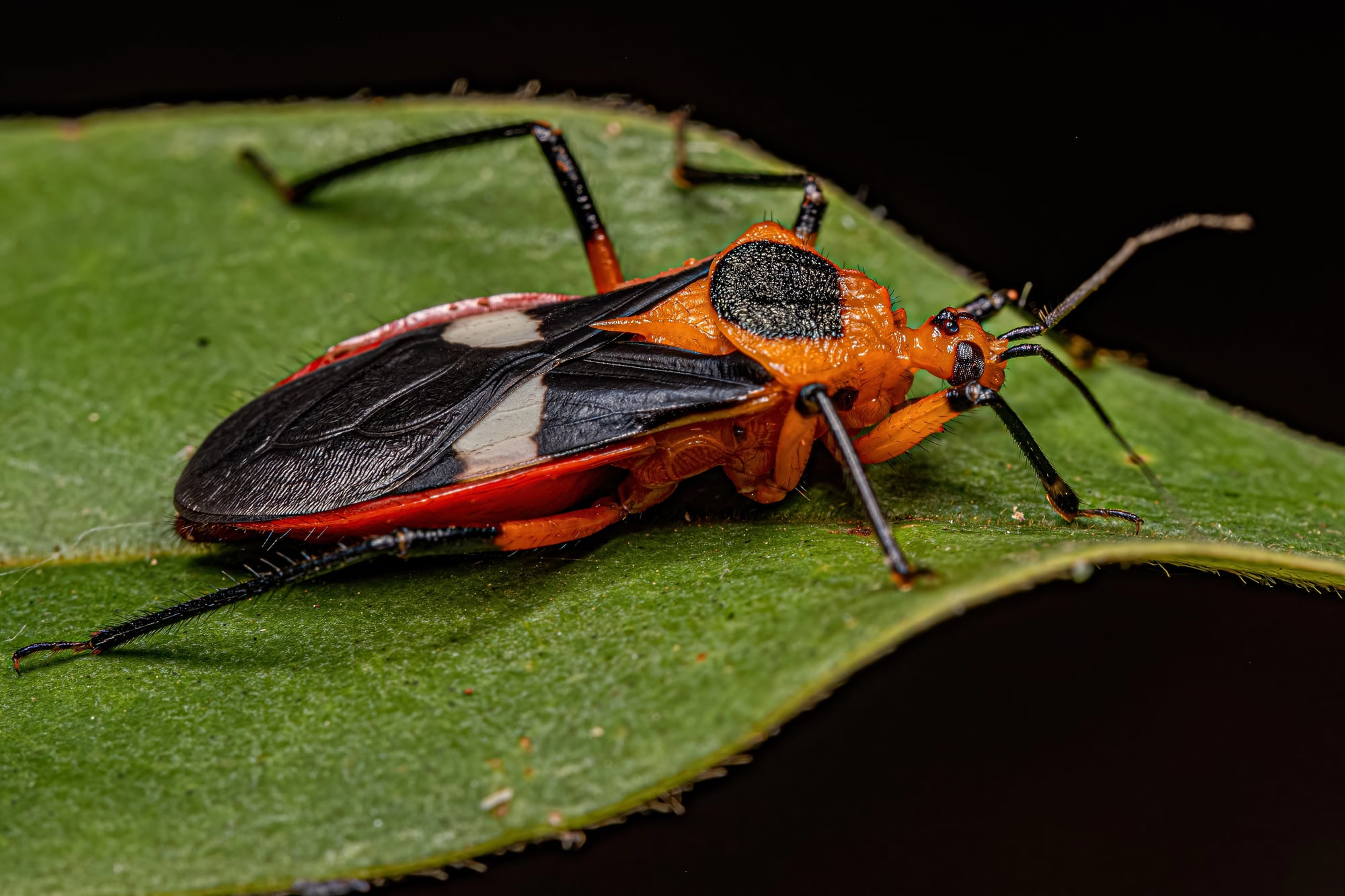
They call them “kissing bugs” because they tend to bite people around the mouth and eyes while they sleep — which sounds almost romantic until you realize what happens next. These insects carry Chagas disease, a parasitic infection that kills roughly 10,000 people each year, mostly in Latin America.
The disease works like a patient assassin (fitting, given the bug’s name): it can remain dormant for decades before suddenly attacking the heart and digestive system. And here’s the particularly cruel part about Chagas disease — it often strikes people in their most productive years, between ages 30 and 50, turning what should be the prime of life into a slow decline toward heart failure.
The parasite that causes it, Trypanosoma cruzi, doesn’t just kill its host quickly and move on; it settles in for the long haul, quietly damaging organs while the infected person goes about their daily life, unaware they’re carrying a ticking biological time bomb.
Most people contract the disease not from the bug bite itself, but from accidentally rubbing the bug’s infected feces into the bite wound or their eyes. So the very act of trying to brush away the irritation seals their fate.
Freshwater Snails
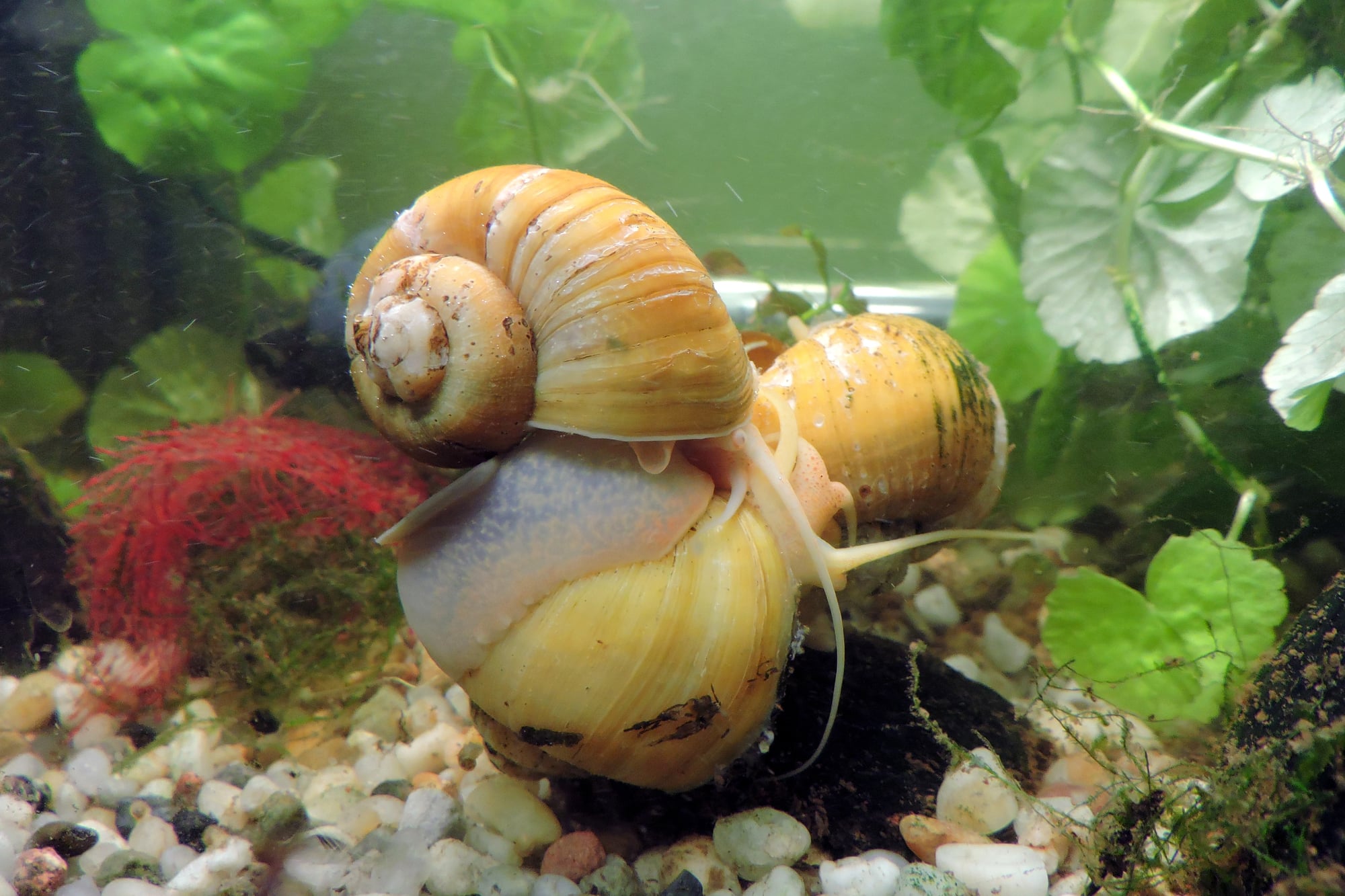
Freshwater snails don’t look threatening, but they’re deadly disease vectors that kill approximately 10,000 people annually. These snails carry schistosomiasis, also known as snail fever, which affects over 200 million people worldwide.
The parasitic worms that cause schistosomiasis use freshwater snails as intermediate hosts. When people wade or swim in infected water, the parasites penetrate their skin and eventually damage internal organs, particularly the bladder and intestines.
Ascaris Roundworms

These intestinal parasites cause ascariasis, which kills around 8,500 people per year. The infection occurs when people ingest microscopic eggs from contaminated food, water, or soil. Children are particularly vulnerable due to poor hygiene practices and playing in contaminated areas.
Adult roundworms can grow up to 14 inches long and live in the small intestine, where they compete with their host for nutrients. Severe infections can cause intestinal blockages, malnutrition, and organ damage.
Crocodiles
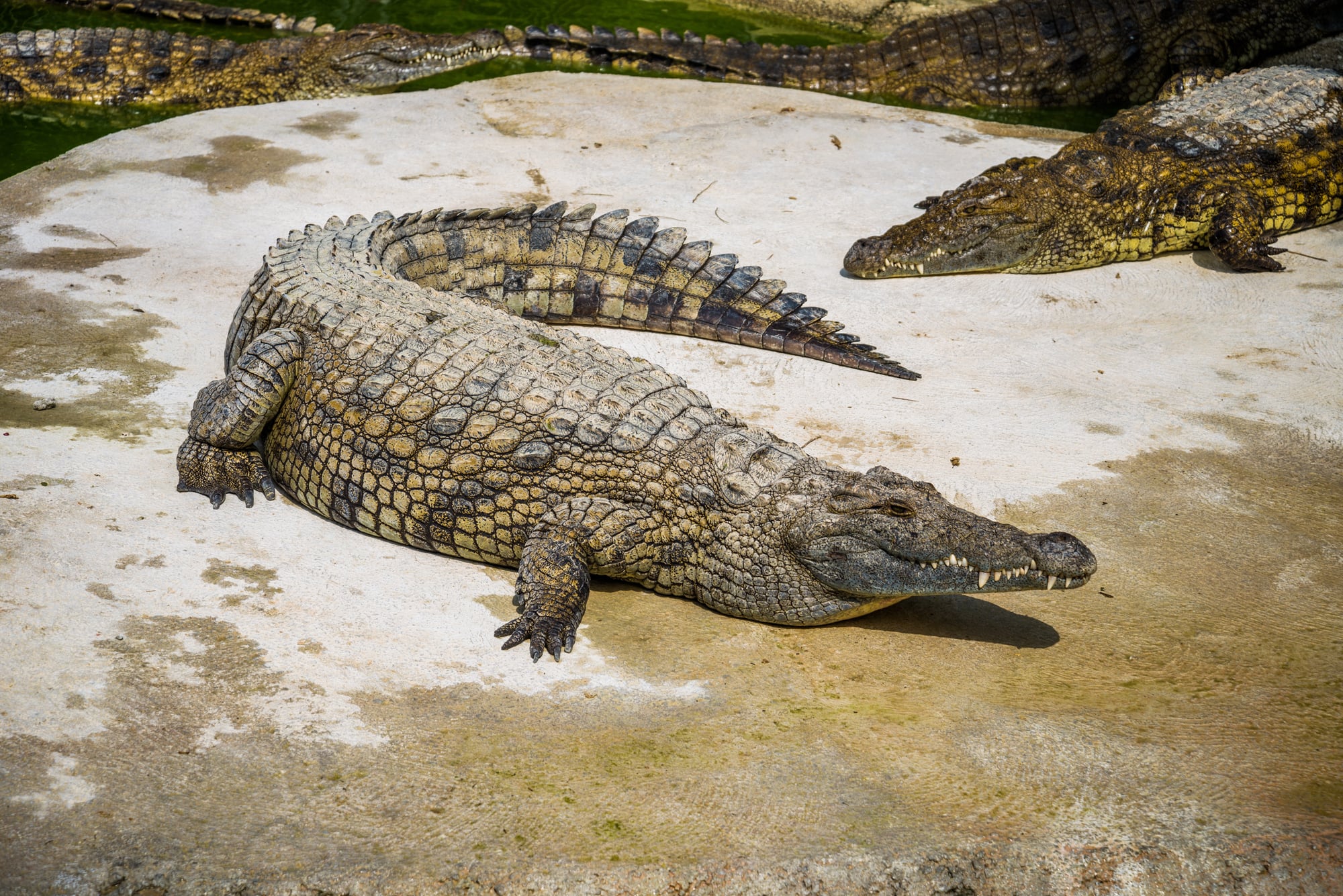
Crocodiles kill approximately 1,000 to 2,500 people annually, with saltwater crocodiles and Nile crocodiles being the most dangerous species. These apex predators have remained virtually unchanged for millions of years, perfecting their ambush hunting strategy.
Most crocodile attacks occur when people venture too close to water sources for drinking, bathing, or fishing. Crocodiles can launch themselves out of water with explosive force and possess one of the strongest bite forces in the animal kingdom at over 3,000 pounds per square inch.
Tapeworms
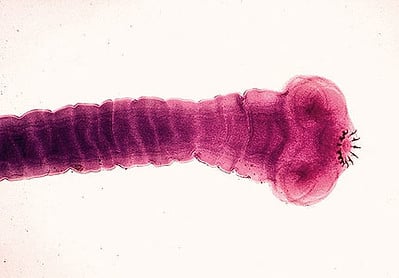
Something about tapeworms defies every instinct we have about what should be happening inside our own bodies. These parasites can grow to lengths of 30 feet while quietly residing in human intestines, and they kill approximately 2,000 people each year through complications like cysticercosis, where larvae form cysts in vital organs including the brain.
The most disturbing aspect isn’t the size these creatures can reach, but rather how they can remain undetected for years. People walk around, go to work, raise families, completely unaware that something the length of a school bus is coiled inside their digestive tract, occasionally shedding segments that emerge during bowel movements like some grotesque biological ticker tape.
What makes them particularly unsettling is how they’ve evolved to be perfect freeloaders — they don’t want to kill their host quickly because that would end their free ride, so they take just enough nutrients to thrive while keeping their victim functional enough to continue feeding them. It’s a parasitic relationship that can last for decades if left untreated.
Elephants
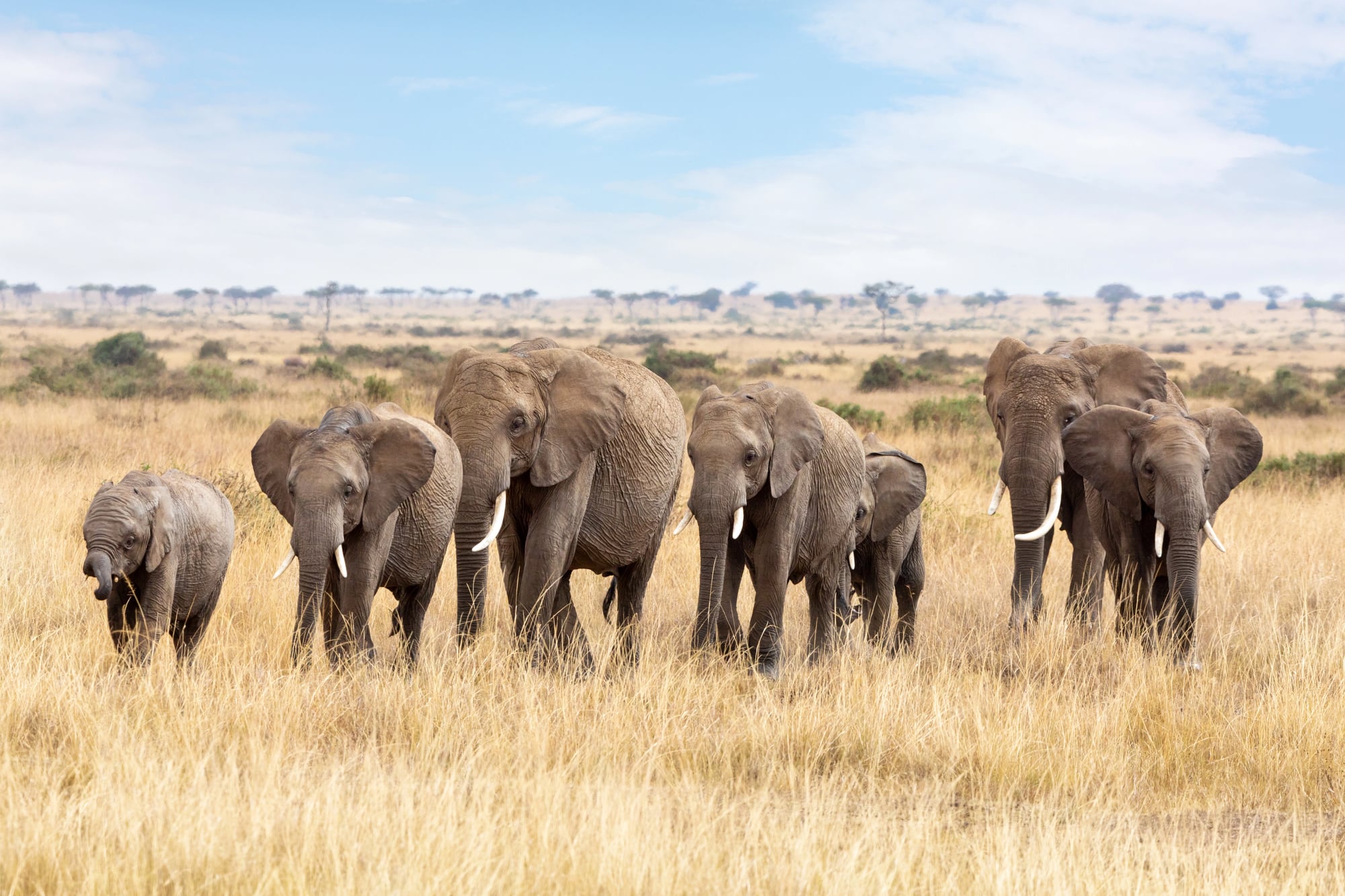
Elephants kill approximately 500 people per year, mostly in Africa and Asia where human settlements encroach on elephant habitats. These massive animals can weigh up to 14,000 pounds and reach speeds of 25 mph when charging.
Most elephant attacks result from protecting calves, musth (a period of elevated testosterone in males), or competition for resources like water sources. Their intelligence makes them particularly dangerous because they can plan attacks, use tools, and remember perceived threats for years.
Hippos
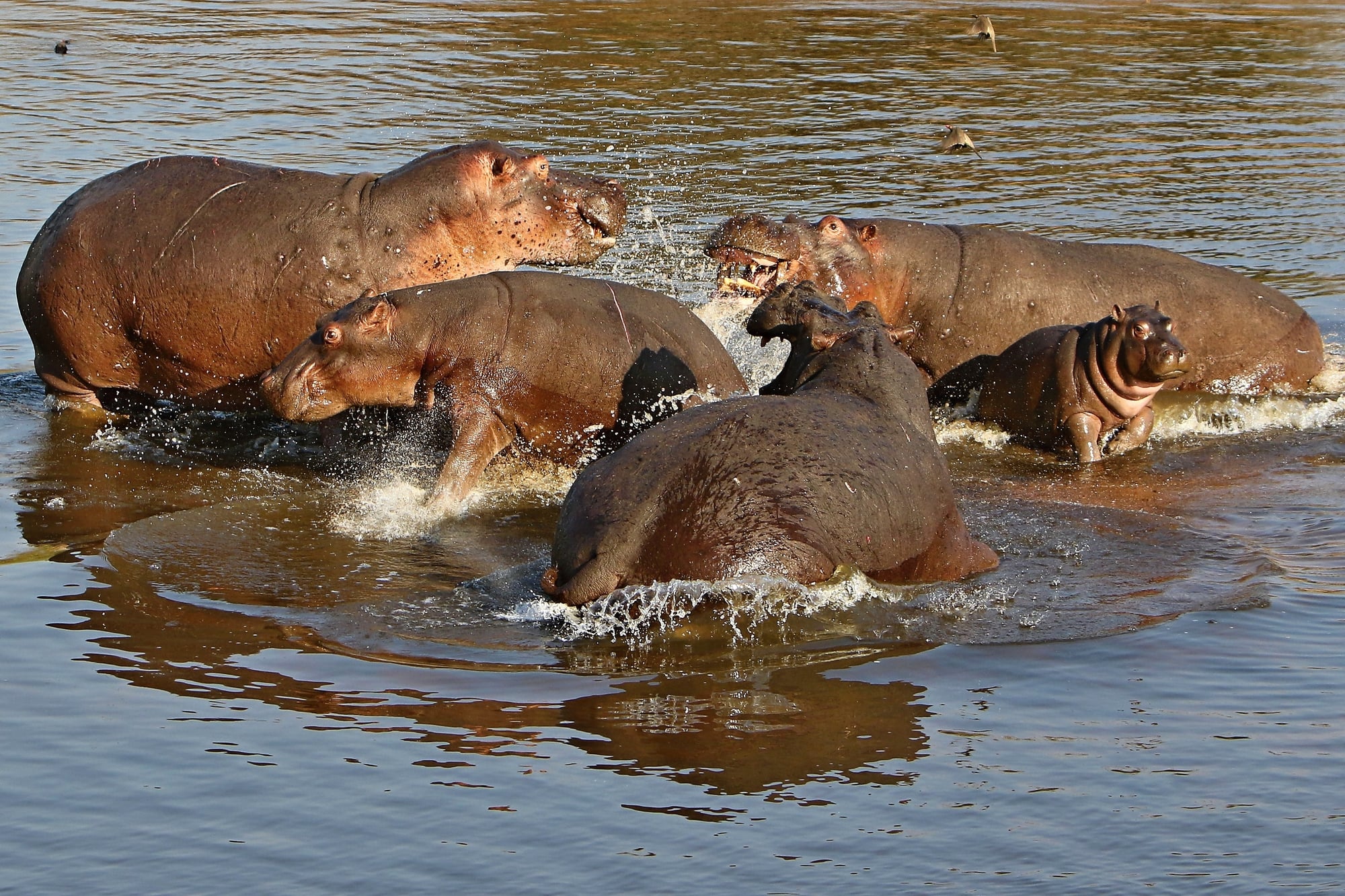
Despite their docile appearance, hippos are responsible for approximately 500 human deaths annually in Africa. These massive semi-aquatic mammals are extremely territorial and aggressive, particularly when protecting their young or when humans come between them and water.
Hippos can run up to 30 mph on land and have enormous jaws with canine teeth that can grow up to 20 inches long. Their bite force exceeds 1,800 pounds per square inch, easily capable of crushing bones and small boats.
Lions

Lions kill roughly 250 people per year, primarily in Africa where human populations overlap with lion territories. Most attacks occur when lions are injured, elderly, or when their natural prey becomes scarce, forcing them to consider humans as alternative food sources.
The infamous Tsavo man-eaters killed 35 railway workers in Kenya during the 1890s, demonstrating how a small number of lions can terrorize entire communities. Modern human-lion conflicts often arise from livestock predation, leading to retaliatory encounters.
Bees
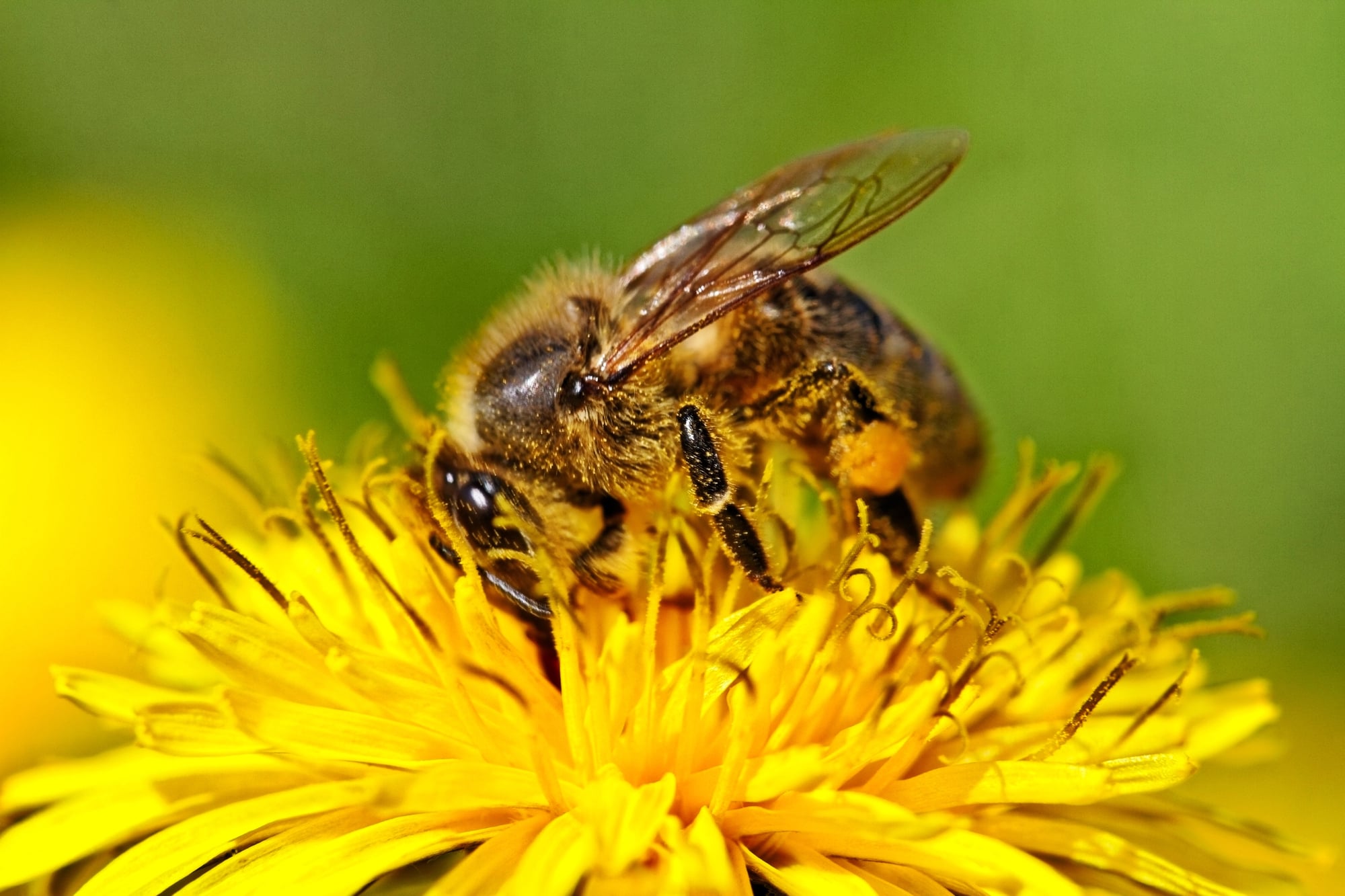
Bee stings kill approximately 100 people annually in the United States alone, with similar rates in other developed countries. While individual bee stings are rarely fatal to non-allergic individuals, mass attacks by Africanized “killer” bees can deliver enough venom to kill through sheer volume.
Most bee-related deaths result from severe allergic reactions (anaphylaxis) rather than venom toxicity. However, even non-allergic individuals can die if they receive several hundred stings, as the cumulative venom dose becomes lethal.
Tigers
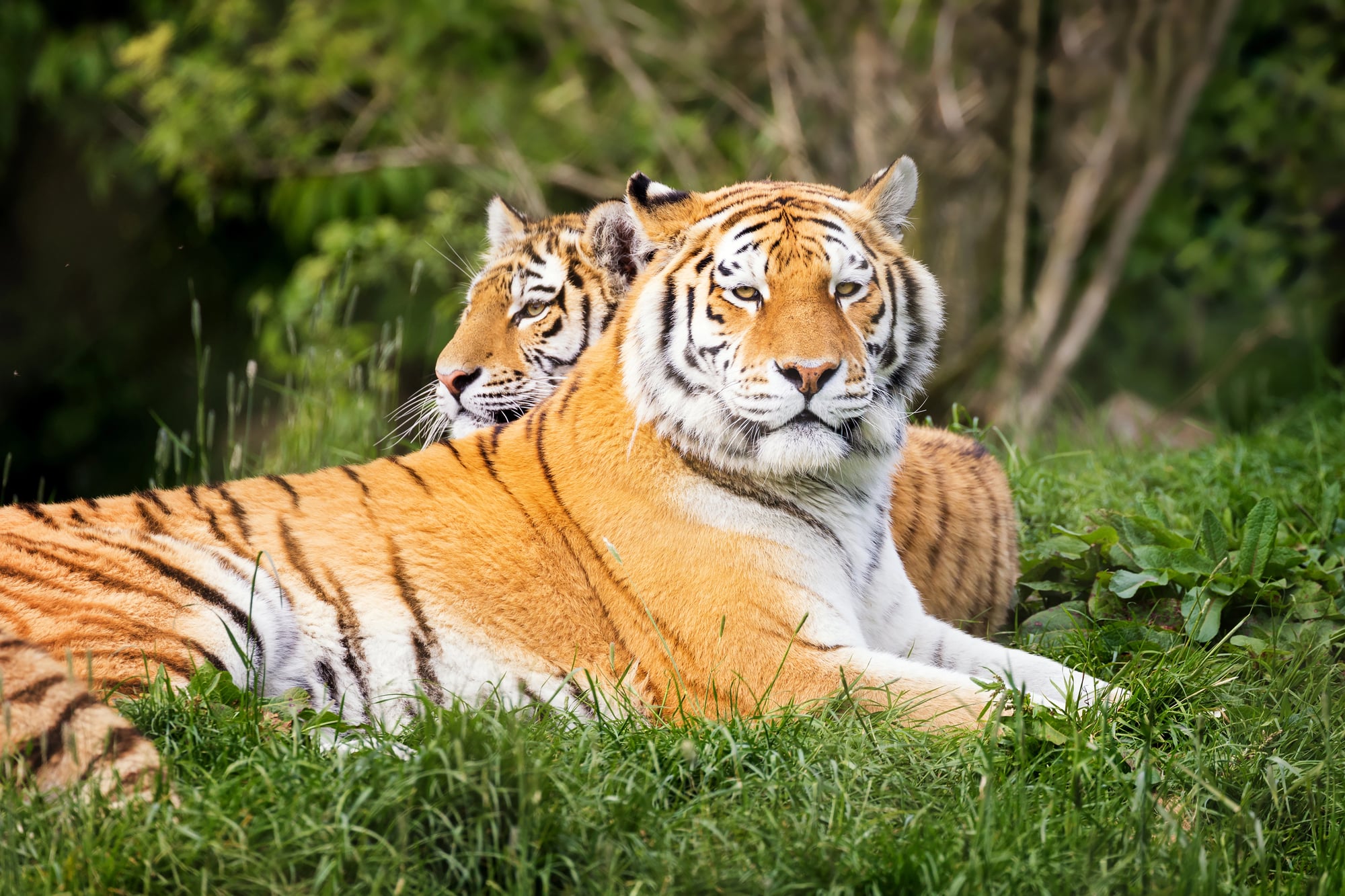
Tigers kill around 85 people per year, with most attacks occurring in India and Southeast Asia. These apex predators typically avoid humans, but individual tigers may become man-eaters due to injury, old age, or habitat loss that forces them into human settlements.
The Champawat Tiger holds the record for confirmed human kills, with 436 deaths attributed to this single female before she was shot in 1907. Modern tiger attacks often occur when people enter tiger territories for work or resources.
Jellyfish
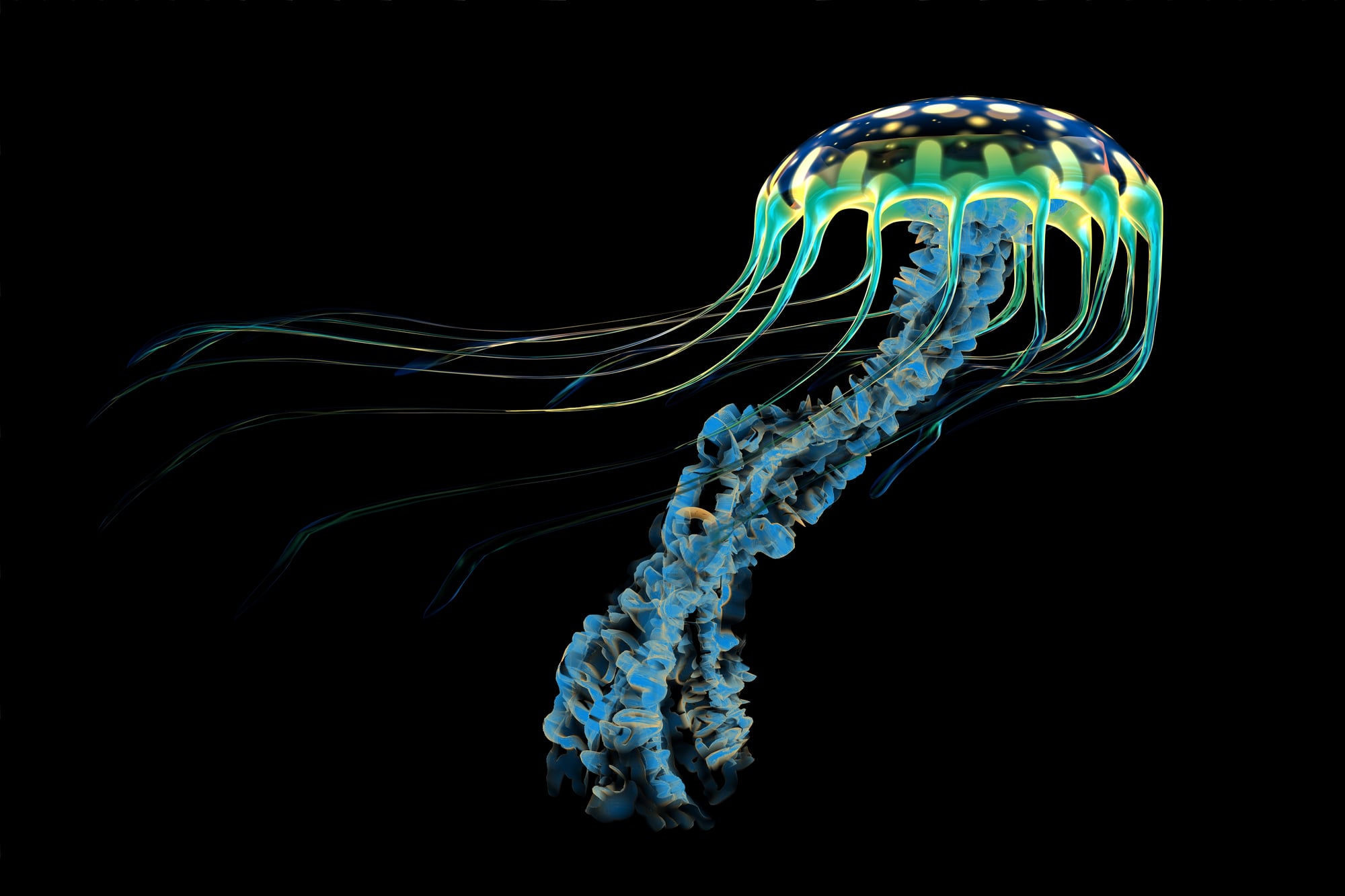
Box jellyfish are the ocean’s most venomous creatures, killing approximately 70 people annually. Their tentacles contain millions of nematocysts that inject potent neurotoxins, causing excruciating pain, cardiac arrest, and death within minutes of severe stings.
The Australian box jellyfish is particularly dangerous because it’s nearly transparent, making it difficult to spot in water. Their venom is so potent that severe stings can kill an adult human in under five minutes, often before medical help can arrive.
Wolves
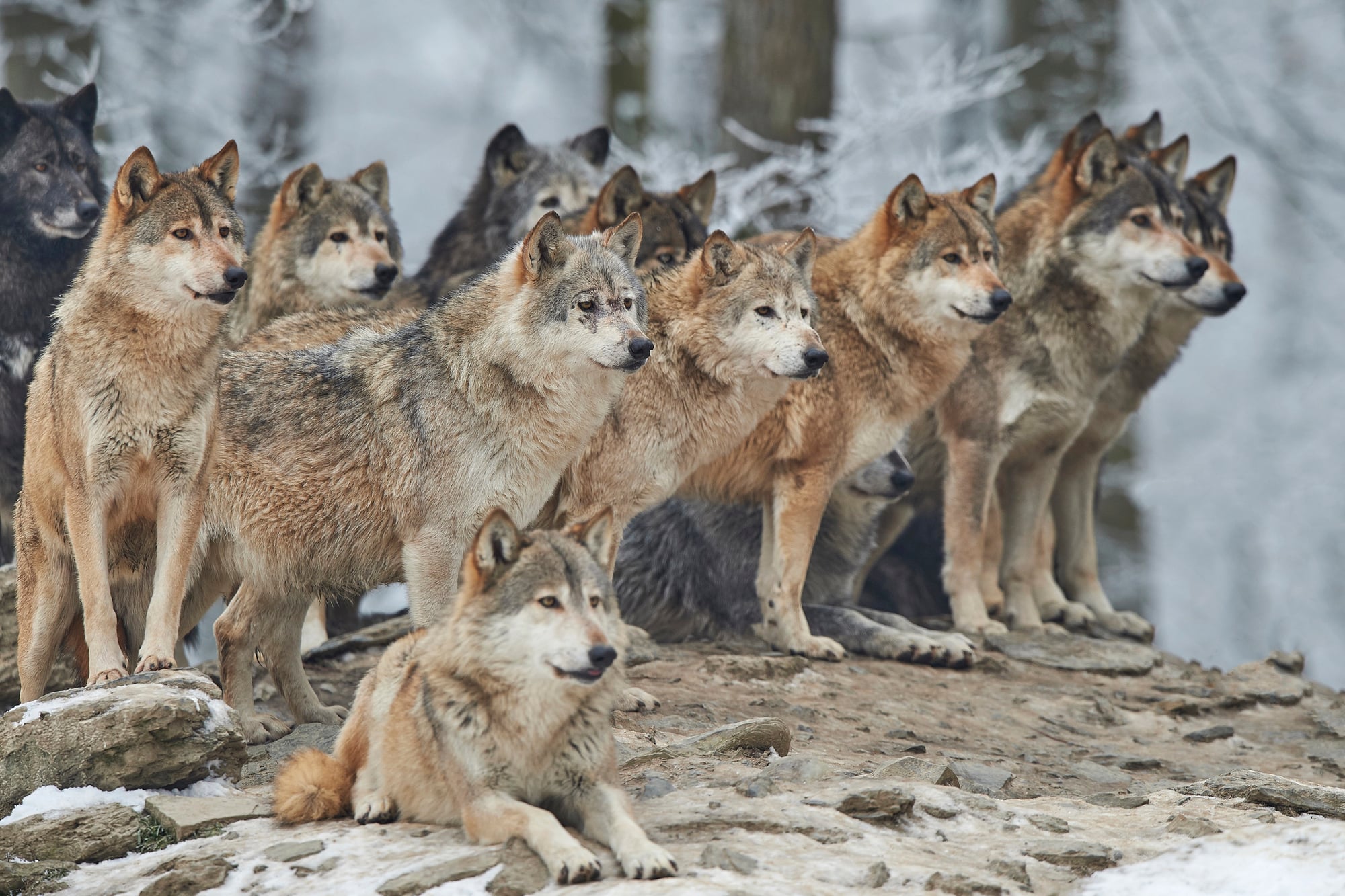
Modern wolf attacks are rare, killing fewer than 10 people annually worldwide, but they deserve mention because individual incidents can be devastating to local communities. Most fatal wolf attacks involve rabid animals or situations where wolves have lost their natural fear of humans.
Historical records show much higher death tolls from wolves, particularly in Europe and North America before widespread hunting reduced their populations. The Beast of Gévaudan allegedly killed over 100 people in 18th-century France, though the true identity of this predator remains debated.
The Perspective Problem
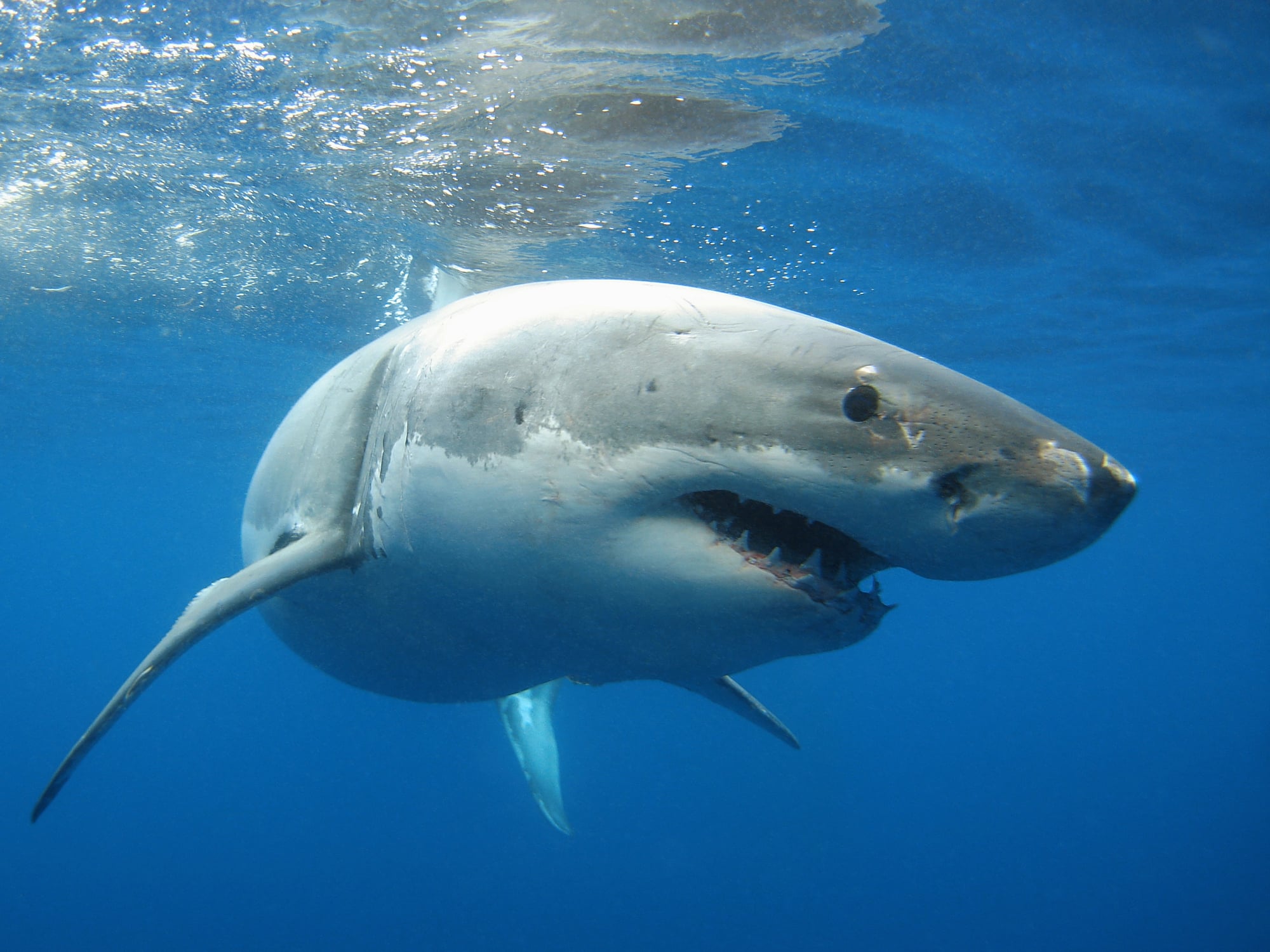
The disconnect between perception and reality runs deeper than simple statistics. Sharks have become the poster child for oceanic terror despite being responsible for fewer deaths annually than lightning strikes, falling coconuts, or taking selfies in dangerous locations.
Meanwhile, the mosquito buzzing around your bedroom window carries a legitimate threat that dwarfs any shark encounter you’re likely to experience.
Perhaps what makes these other animals so much deadlier isn’t just their higher body counts, but their proximity to human life. You don’t have to venture into shark-infested waters to encounter most of these creatures — they come to you, live alongside you, and sometimes inside you.
The real predators of the human species aren’t lurking in the deep ocean; they’re in your backyard, your bedroom, and sometimes your bloodstream.
More from Go2Tutors!

- The Romanov Crown Jewels and Their Tragic Fate
- 13 Historical Mysteries That Science Still Can’t Solve
- Famous Hoaxes That Fooled the World for Years
- 15 Child Stars with Tragic Adult Lives
- 16 Famous Jewelry Pieces in History
Like Go2Tutors’s content? Follow us on MSN.


