17 Creepiest Dolls That Were Actually Sold
The toy industry has produced some genuinely disturbing creations over the years, proving that not all childhood playthings are designed with sweet dreams in mind. From unsettling facial expressions to bizarre concepts that make you wonder what the designers were thinking, these dolls somehow made it past quality control and onto store shelves. While beauty is in the eye of the beholder, these particular toys seem designed to haunt rather than comfort.
These commercial nightmares demonstrate that sometimes the most frightening things aren’t found in horror movies — they’re sitting in toy aisles waiting to be purchased. Here is a list of 17 creepiest dolls that were actually sold.
Robert the Doll
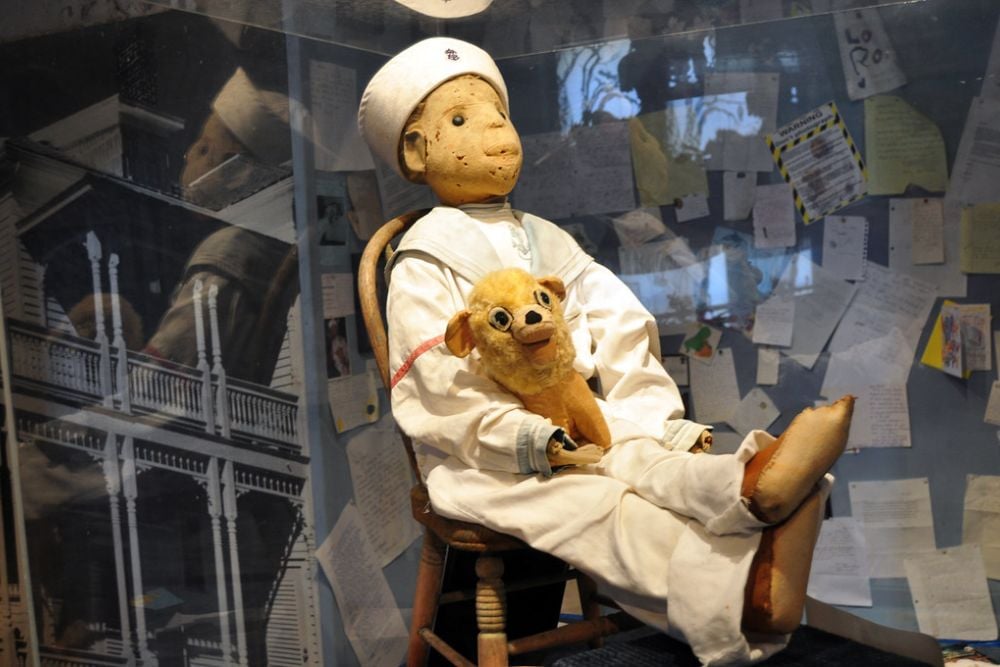
Robert the Doll became one of the most infamous haunted dolls in history, but he started as a regular Steiff toy given to Robert Eugene Otto in 1906. The doll, dressed in a white sailor suit and clutching a stuffed lion, reportedly began exhibiting supernatural behavior that terrorized the Otto family for decades.
Visitors to the East Martello Museum in Key West, where Robert now resides, claim the doll moves on its own and curses those who photograph him without permission. The original Steiff company had no idea their innocent creation would become synonymous with paranormal activity.
Furby
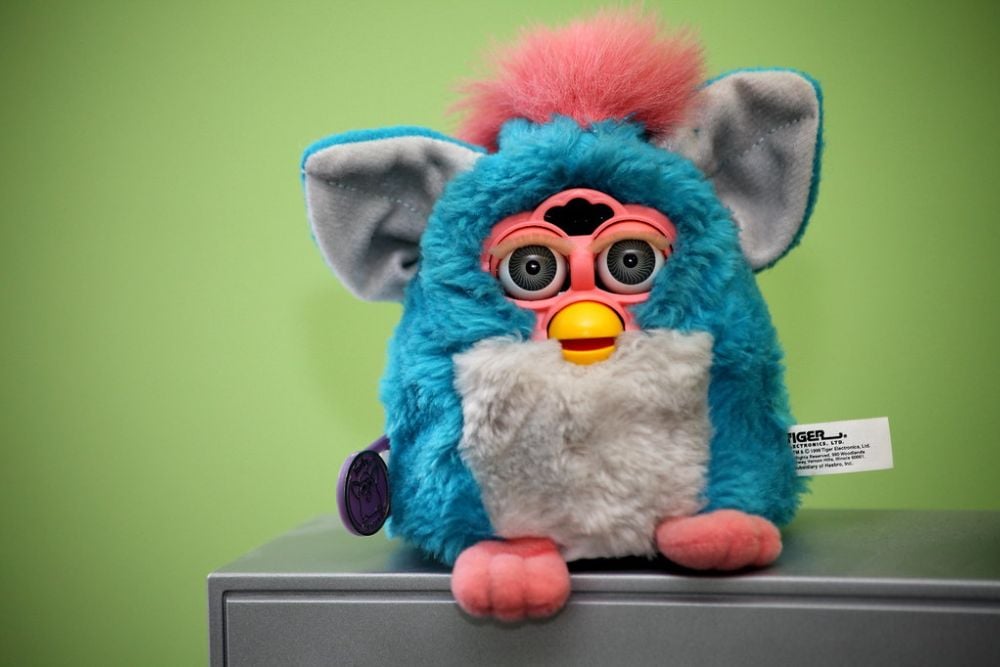
When Furbies hit the market in 1998, they were supposed to be cute electronic pets that learned to speak English over time. Instead, many children found their Furbies waking up in the middle of the night, speaking in distorted voices, or continuing to chatter even after their batteries were removed.
The dolls’ large, unblinking eyes and unpredictable behavior created more nightmares than joy in many households. Even the NSA banned Furbies from government buildings, fearing the toys might record and repeat classified information.
Like Go2Tutors’s content? Follow us on MSN.
Cabbage Patch Kids Snacktime Kid
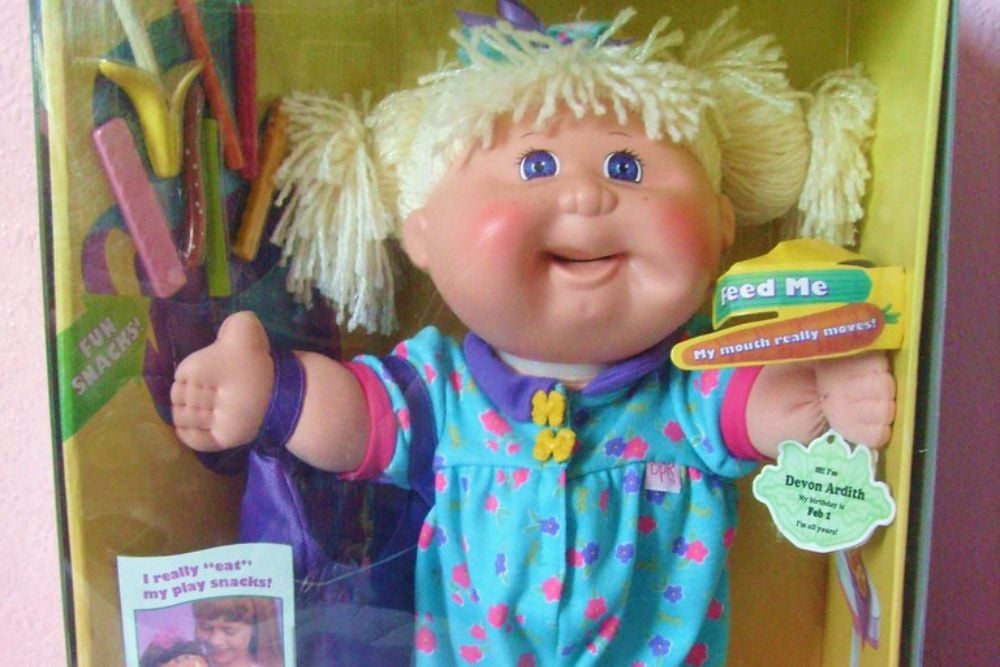
The Snacktime Kid was designed to ‘eat’ plastic food with mechanical chewing motions, but the doll’s powerful motor couldn’t distinguish between fake carrots and real fingers. Children’s hair and fingers frequently got caught in the doll’s mouth, leading to injuries and panicked parents trying to free their trapped kids.
The Consumer Product Safety Commission received numerous complaints about the doll’s aggressive appetite. Mattel eventually recalled the toy after reports of children requiring scissors to escape the doll’s mechanical jaws.
Chucky Doll
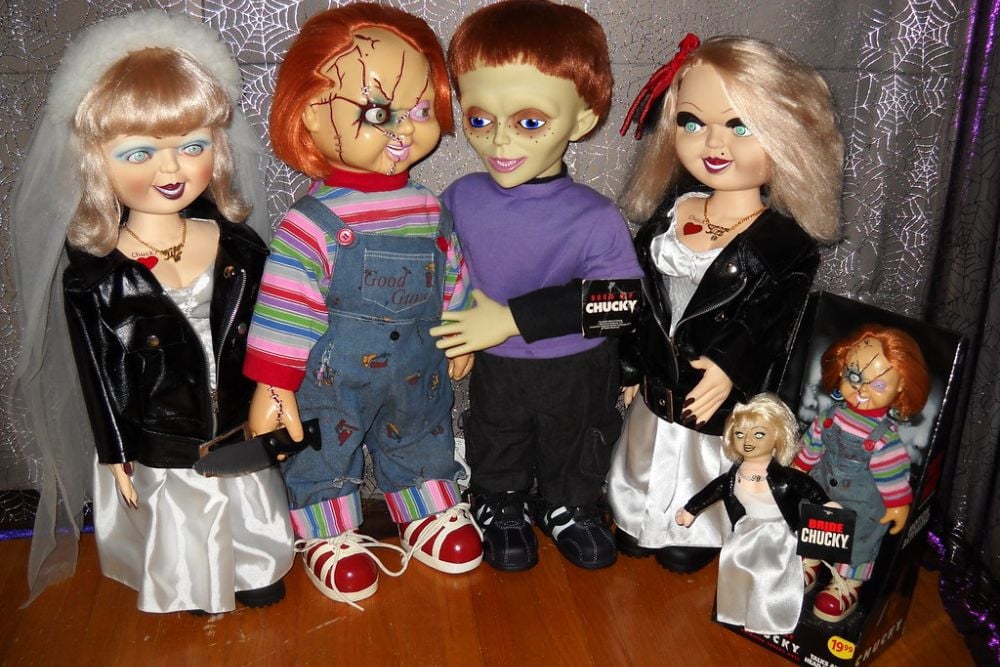
While Chucky originated in horror films, several toy companies actually produced official merchandise based on the murderous character. These dolls featured Chucky’s signature overalls, striped shirt, and most disturbingly, his menacing facial expression complete with stitched scars.
Parents could literally buy their children a replica of a fictional killer doll, which seemed like questionable marketing at best. The irony wasn’t lost on many that stores sold toys designed to look exactly like something meant to terrify audiences.
Hugo Man of a Thousand Faces
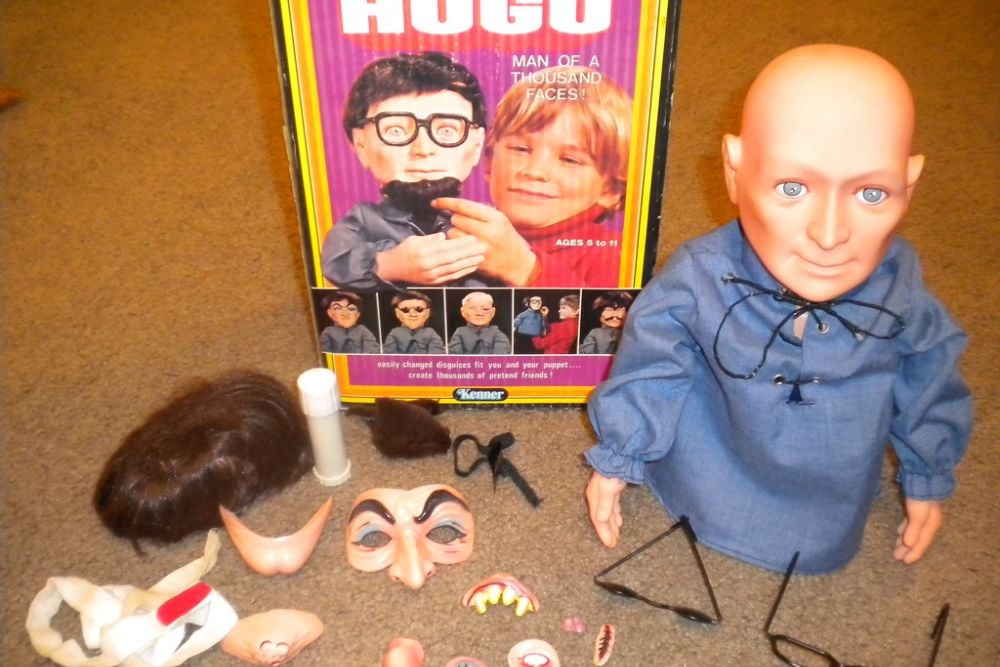
This 1970s doll allowed children to change Hugo’s facial features using different plastic pieces, creating countless combinations of expressions. While the concept seemed creative, most of the face combinations resulted in grotesque, unnatural appearances that looked more like medical anomalies than fun toys.
Children could create faces with mismatched eyes, crooked mouths, and bizarre proportions that would make any adult uncomfortable. The doll’s tagline promised ‘a thousand faces,’ but failed to mention that most of them would be nightmare fuel.
Like Go2Tutors’s content? Follow us on MSN.
Growing Up Skipper
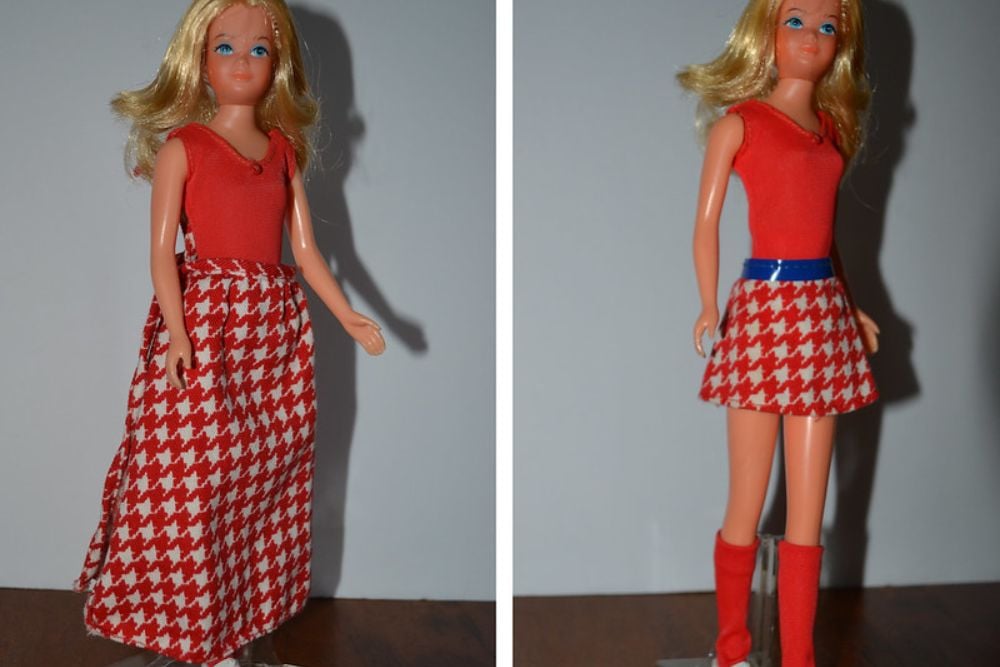
Mattel’s Growing Up Skipper was supposed to demonstrate the transition from childhood to adolescence by physically changing when her arm was cranked. The doll would grow taller, develop curves, and sprout hair, which sounds innocent enough in concept but proved deeply unsettling in execution.
The mechanical transformation created an uncanny valley effect that disturbed both children and parents. Many found the doll’s sudden physical changes more creepy than educational, leading to its quick discontinuation.
Baby Laugh-A-Lot
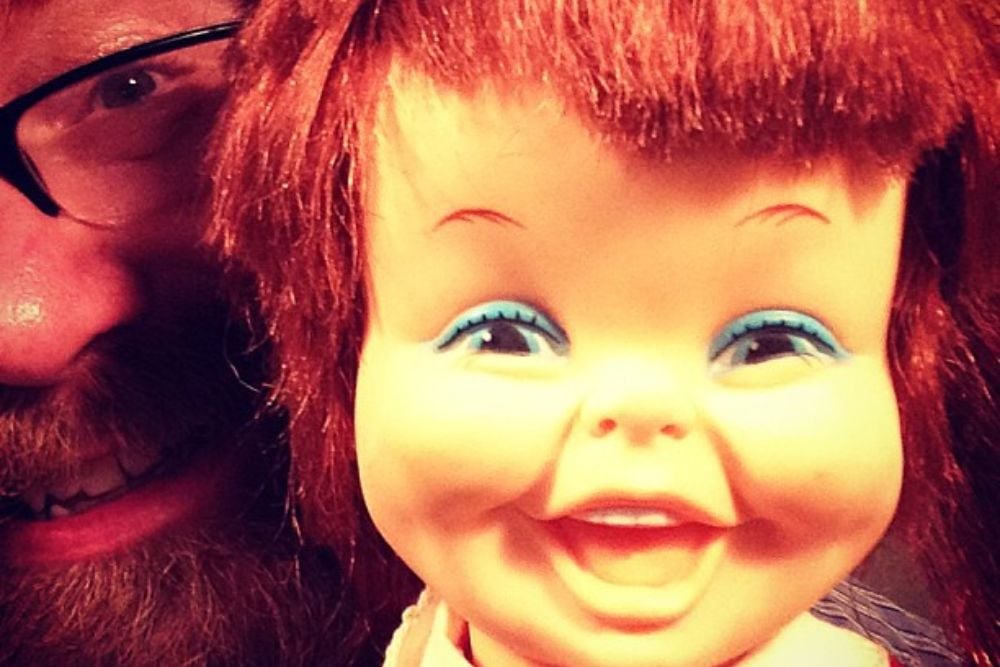
This 1970s doll was designed to laugh continuously when activated, but the sound it produced was more maniacal than joyful. The doll’s laugh was described as haunting, echoing, and uncomfortably long, creating an atmosphere more suited to horror films than nurseries.
Parents complained that the laugh was so disturbing it scared other children and even adults. The toy’s marketing slogan ‘She laughs and laughs and laughs’ proved more threatening than appealing to most families.
Meanie Babies
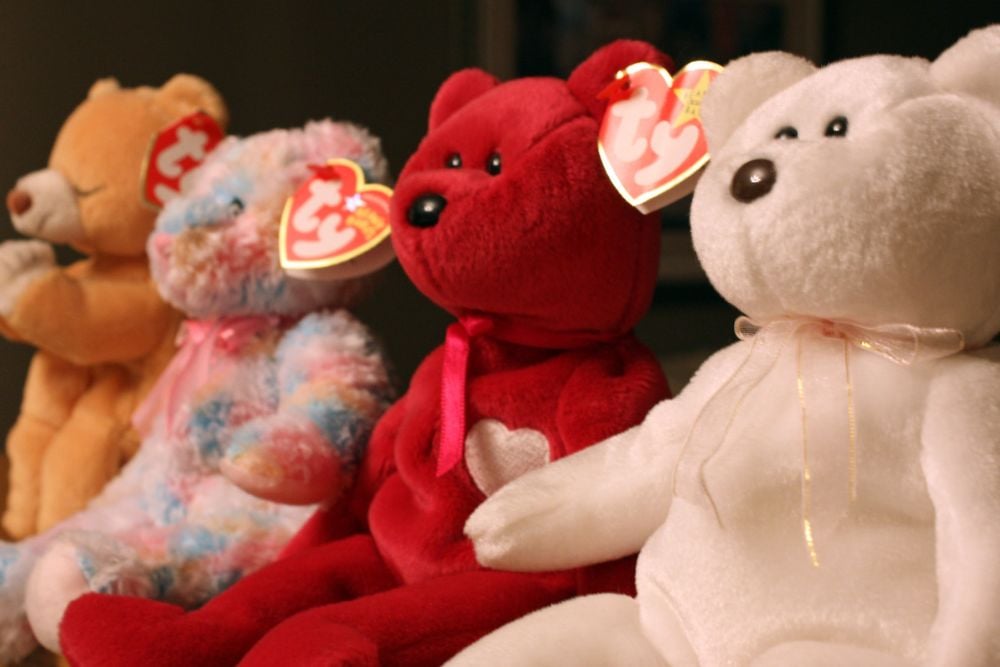
As a twisted parody of Beanie Babies, Meanie Babies featured characters with disturbing names and appearances like ‘Splat the Roadkill Cat’ and ‘Hurley the Pukey Pig.’ These collectibles were intentionally gross and morbid, appealing to children’s fascination with the macabre but horrifying parents.
Each Meanie Baby came with a dark backstory and poem describing their unfortunate fate or unpleasant characteristics. While some collectors appreciated the dark humor, many stores refused to stock them due to customer complaints.
Like Go2Tutors’s content? Follow us on MSN.
Living Dead Dolls
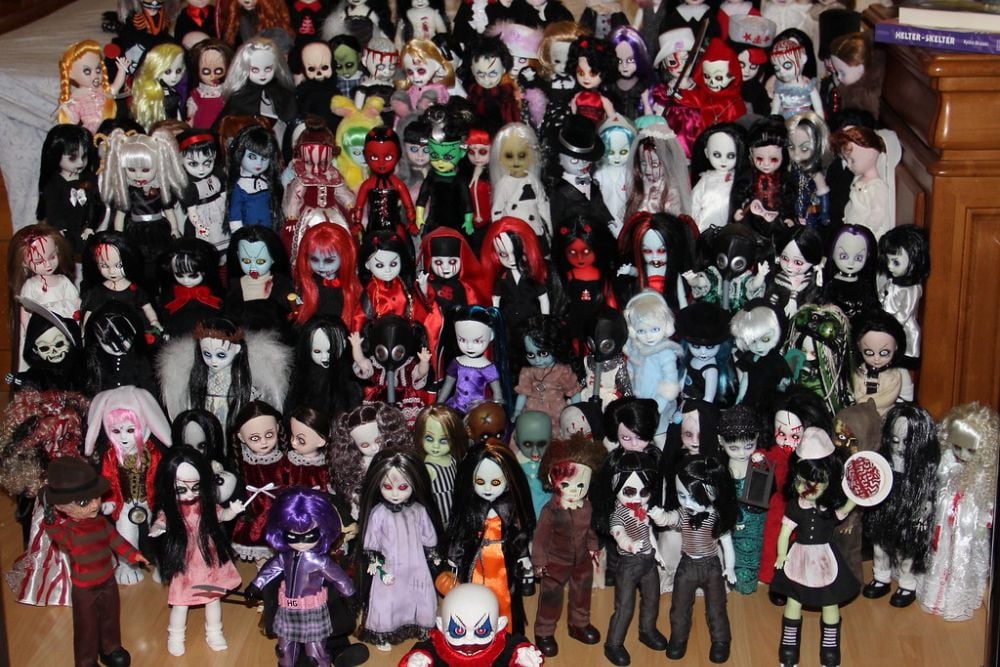
Mezco Toyz created an entire line of dolls designed to look like deceased children, complete with death certificates and coffin-shaped packaging. Each doll featured pale skin, dark circles under their eyes, and backstories explaining how they met their demise.
The company marketed these explicitly as horror collectibles, but their presence in toy sections confused and disturbed many shoppers. Despite their macabre theme, Living Dead Dolls developed a cult following among horror enthusiasts and collectors.
Blacklight Babies
These dolls were marketed with the bizarre selling point that they glowed under blacklight, revealing skeleton patterns on their bodies. The concept of babies that showed their bones when exposed to UV light struck most people as deeply inappropriate for children’s toys.
The dolls’ normal appearance was already unsettling, with pale skin and hollow expressions that became even creepier when their skeletal structure was revealed. Parents struggled to understand the appeal of toys that essentially turned into X-ray images.
Zombie Babies
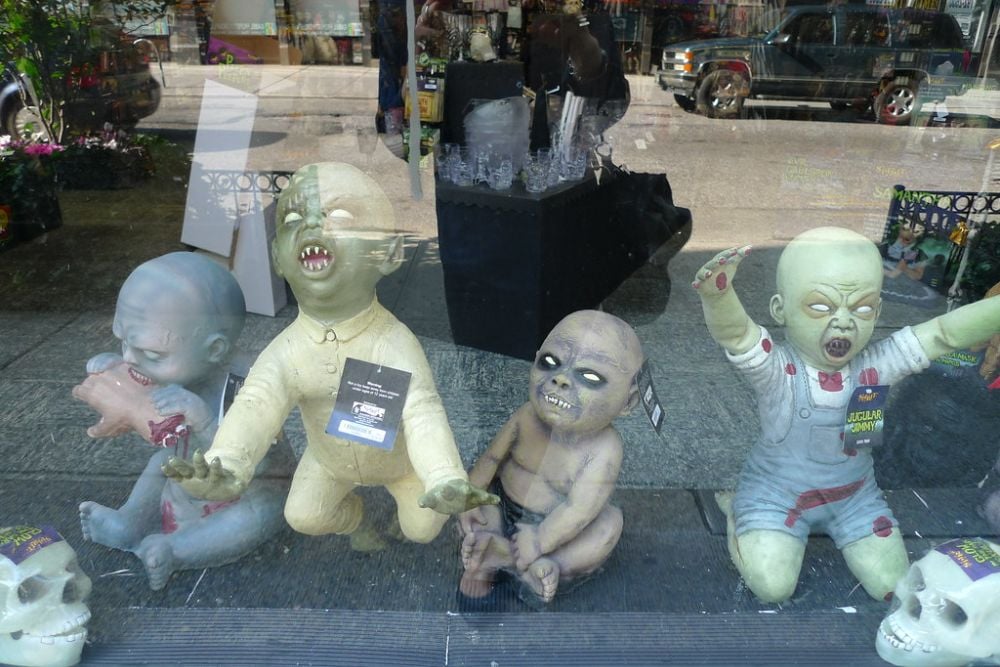
Following the zombie trend in popular culture, several companies produced baby dolls designed to look undead with rotting skin, missing limbs, and blood-stained clothing. These toys were marketed to horror fans but often ended up in general toy sections, shocking unsuspecting shoppers.
The juxtaposition of innocent baby faces with zombie features created a particularly disturbing aesthetic. Many retailers eventually moved these items to specialty horror sections after receiving complaints from families.
Like Go2Tutors’s content? Follow us on MSN.
Creepy Crawlers Designer Molds
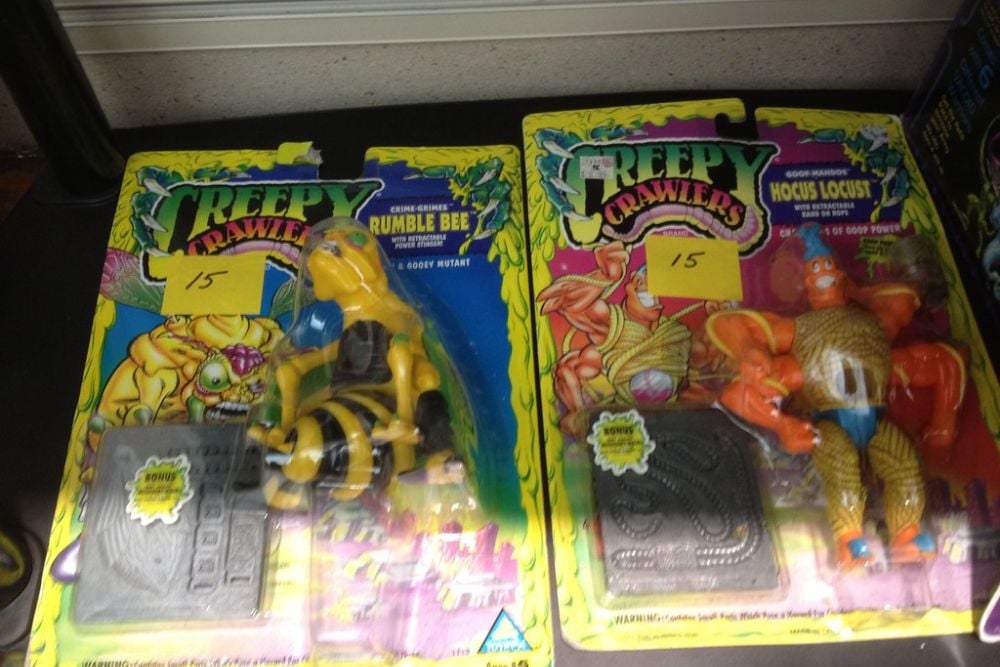
While not technically dolls, the Creepy Crawlers sets allowed children to create their own disturbing rubber creatures using heated molds and Plasti-Goop. The creatures that emerged were often malformed, with missing limbs or distorted features that looked more like failed science experiments than toys.
Children would proudly display their grotesque creations, which frequently terrified siblings and visiting friends. The toy’s popularity proved that kids enjoyed creating their own monsters almost as much as buying them.
Baby Secret
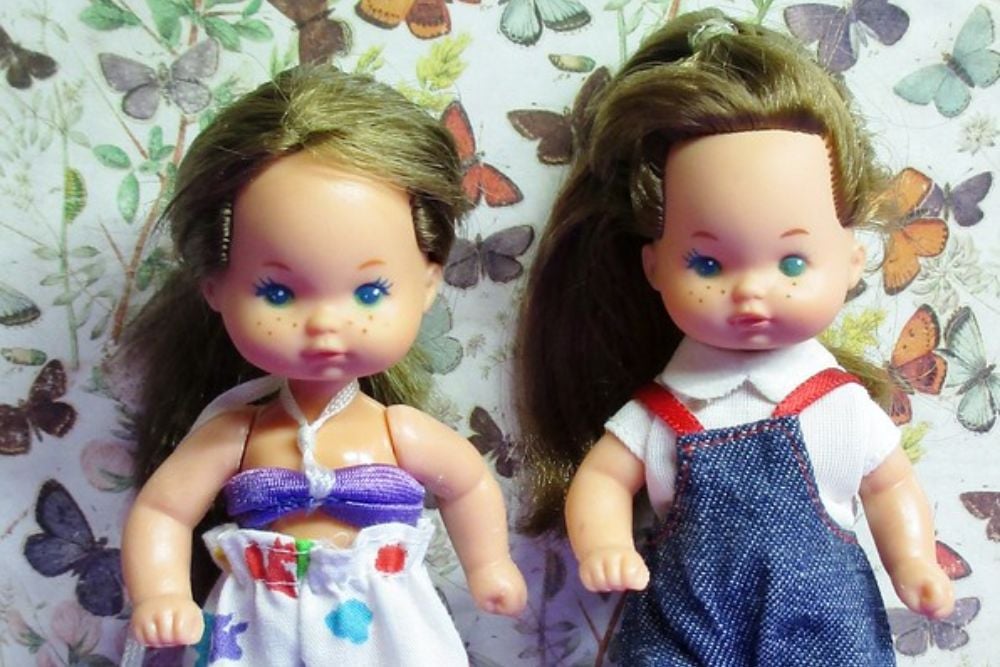
This 1960s doll whispered secrets when children pulled a string, but the whispered messages were often unintelligible and sounded more like ghostly murmurs than friendly confidences. The doll’s mouth didn’t move while it ‘spoke,’ creating a ventriloquist effect that many found unsettling.
Parents complained that the whispered voices were difficult to understand and often sounded sinister rather than sweet. The concept of a doll sharing secrets also struck many as potentially manipulative for young children.
Scary Godmother Action Figures
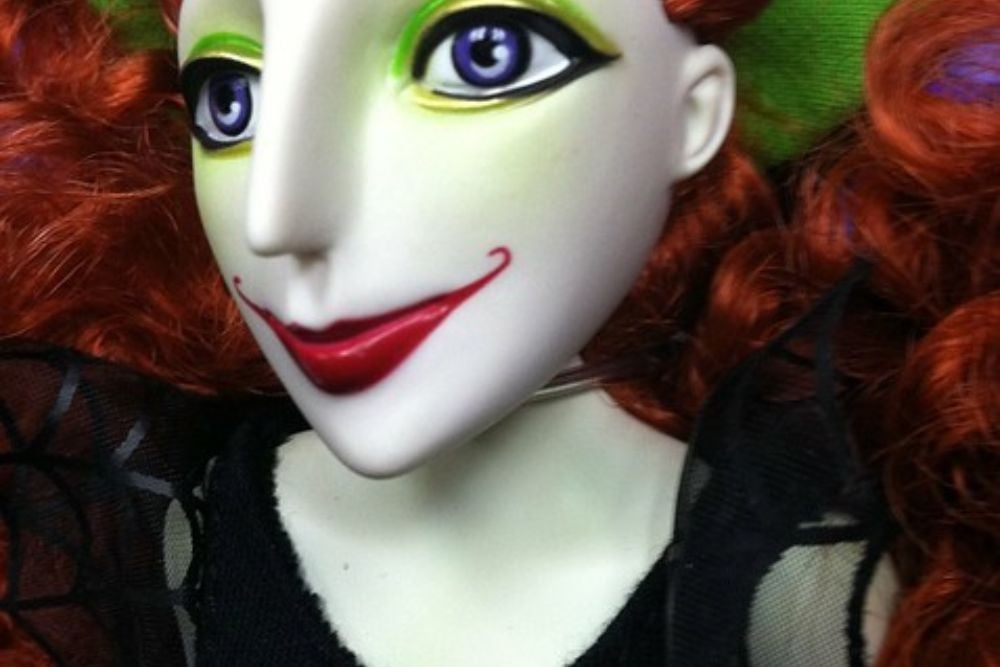
Based on Jill Thompson’s comic series, these action figures featured exaggerated gothic features with extremely long limbs, pale skin, and haunting expressions. While faithful to the source material, the figures’ proportions and appearance were genuinely frightening to children unfamiliar with the comic.
The characters’ names like ‘Bug-a-Boo’ and ‘Scarewell’ didn’t help their case for being appropriate children’s toys. Many parents found these figures in toy stores and questioned why such obviously scary items were marketed to kids.
Like Go2Tutors’s content? Follow us on MSN.
Ooglies
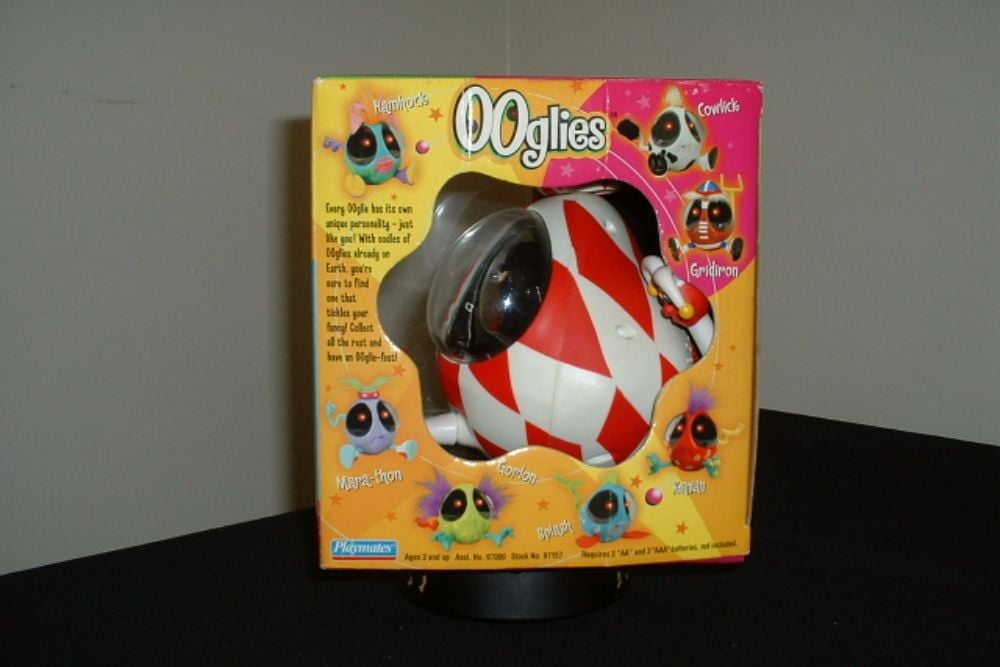
These squishy, stretchy dolls were designed to be gross and weird, featuring bulging eyes, distorted faces, and unnatural colors. Children could stretch and manipulate the dolls’ faces into even more disturbing configurations, creating endless variations of the already unsettling base design.
The toys’ tagline encouraged kids to ‘squeeze them, stretch them, gross out your friends,’ which pretty much guaranteed they’d end up frightening someone. Despite their intentionally revolting appearance, Ooglies became popular precisely because they were so weird.
Baby Tender Love
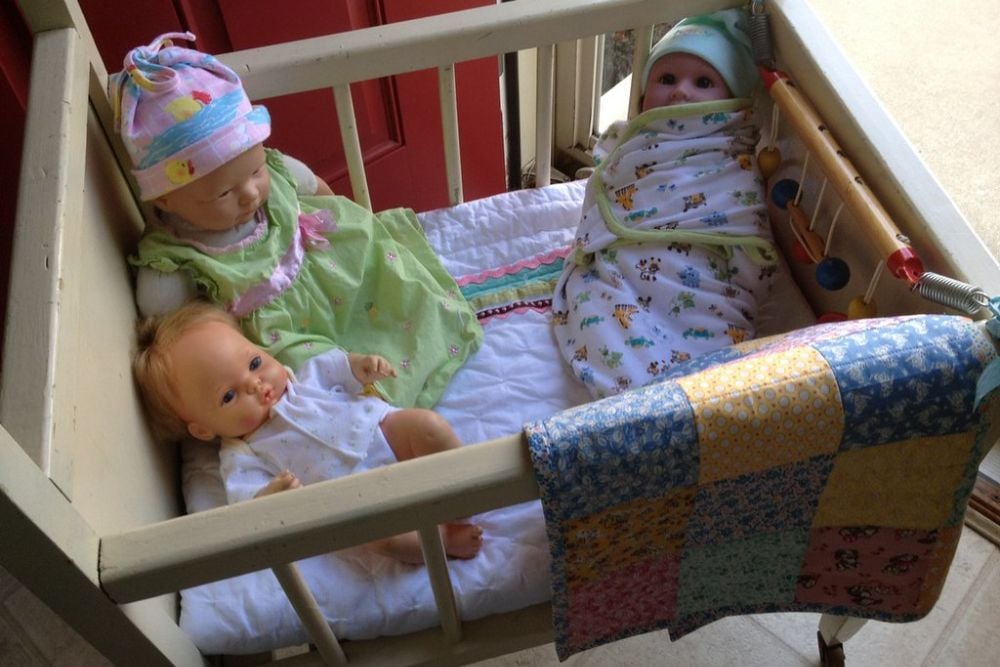
While initially appearing sweet, Baby Tender Love’s realistic features and lifelike movements often crossed into uncanny valley territory that disturbed both children and adults. The doll’s eyes would follow movement and blink at unexpected moments, creating an eerie sense of being watched.
Many owners reported feeling uncomfortable leaving the doll alone in rooms because its realistic gaze seemed too human. The toy’s advanced features for its time proved that sometimes technology can make toys more frightening than comforting.
Granny Babies
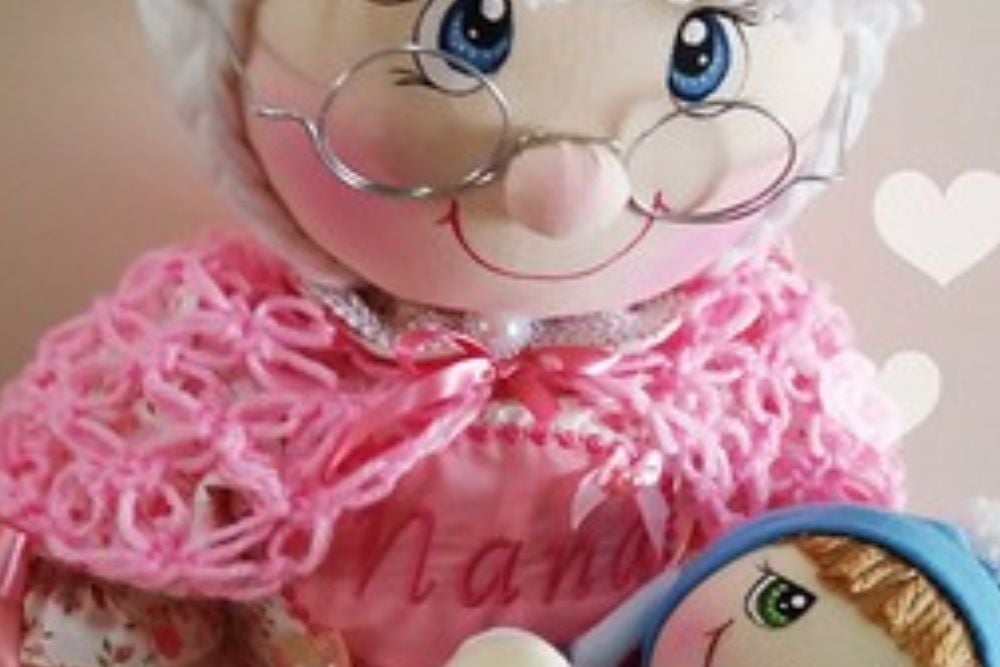
These dolls combined baby faces with elderly features like gray hair, wrinkles, and old-fashioned clothing, creating a bizarre hybrid that confused age expectations. The concept of babies that looked like senior citizens struck most people as fundamentally wrong and unsettling.
Children didn’t know how to relate to toys that seemed to be infants and grandparents simultaneously. The dolls’ marketing emphasized their ‘unique’ appearance, but most shoppers found them more disturbing than innovative.
Like Go2Tutors’s content? Follow us on MSN.
When Toys Cross the Line
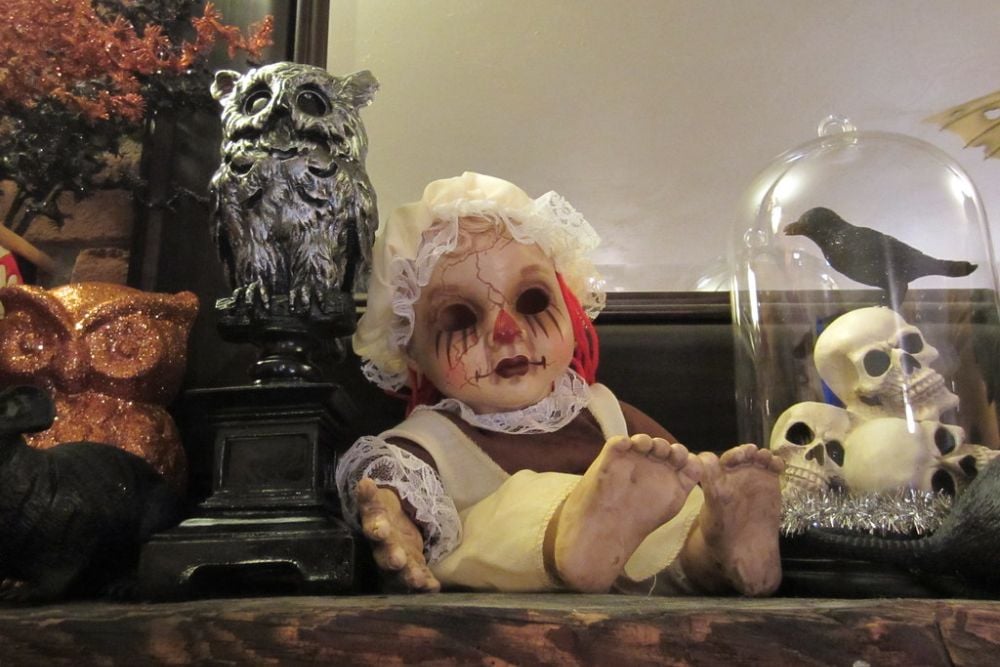
These disturbing dolls prove that not every toy concept should make it to market, regardless of how creative or unique it might seem. The success of some of these items reveals a fascinating aspect of human psychology — our attraction to things that simultaneously fascinate and repel us.
While toy companies continue pushing boundaries to capture attention in crowded markets, these examples serve as reminders that sometimes the most memorable products are memorable for all the wrong reasons. The fact that people still discuss and collect many of these creepy toys decades later suggests that perhaps being memorably disturbing is better than being forgettably ordinary.
More from Go2Tutors!

- 16 Historical Figures Who Were Nothing Like You Think
- 12 Things Sold in the 80s That Are Now Illegal
- 15 VHS Tapes That Could Be Worth Thousands
- 17 Historical “What Ifs” That Would Have Changed Everything
- 18 TV Shows That Vanished Without a Finale
Like Go2Tutors’s content? Follow us on MSN.



