Photos Of Good Luck Charms from Around the World
The human need for luck feels almost embarrassingly universal. Walk through any market in Bangkok, browse a street vendor’s table in Istanbul, or flip through your grandmother’s jewelry box, and there it is — some small object carrying the weight of hope.
These charms cross every border, speak every language, and somehow manage to make rational people feel just a little more protected against the chaos of everyday life.
Italian Horn
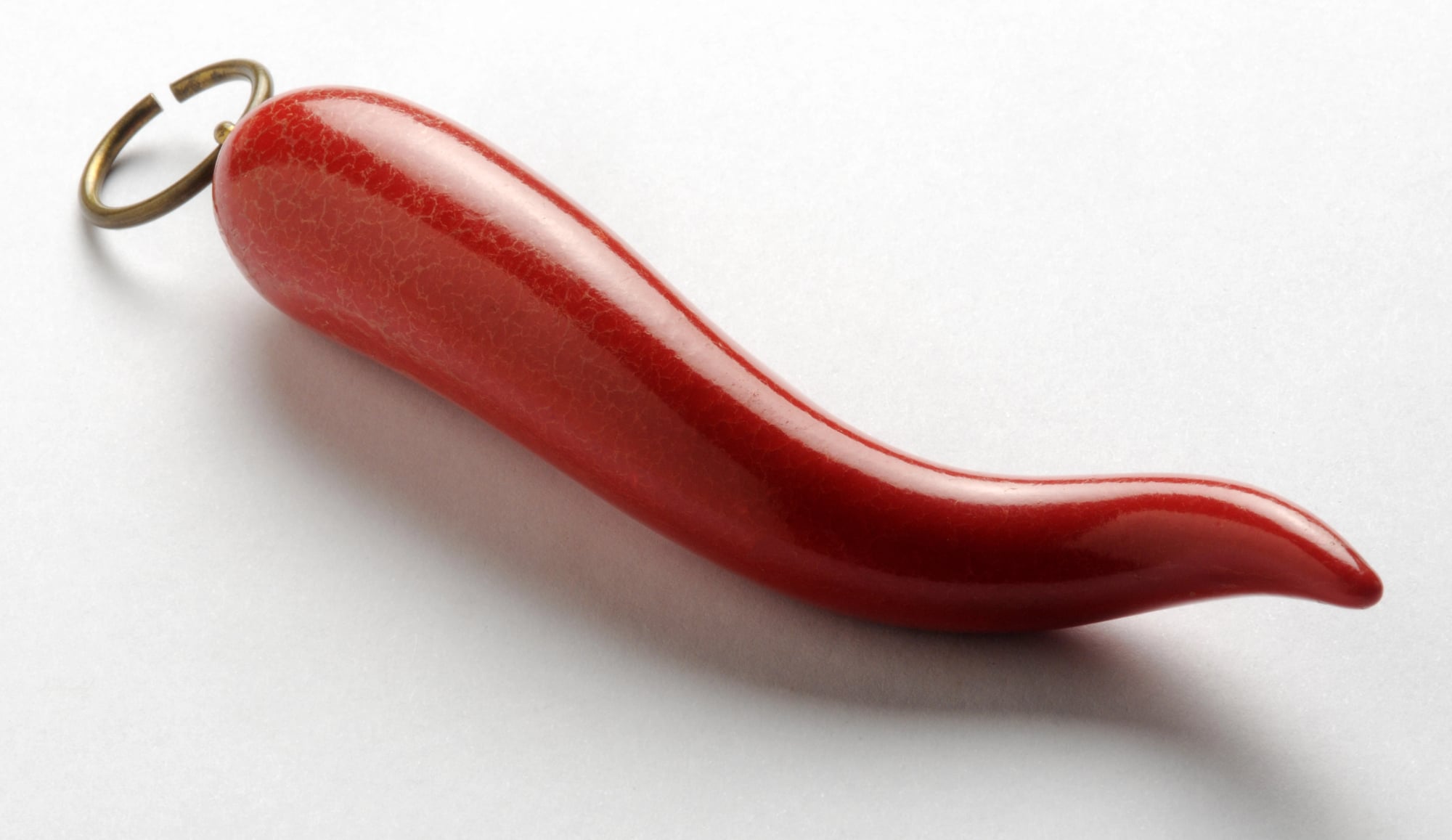
The corno works. No elaborate explanation needed.
Italians have carried these twisted red pendants for centuries to ward off the evil eye. The shape matters — it must curve like a proper horn, and the color stays red.
Anything else misses the point entirely.
Japanese Maneki Neko
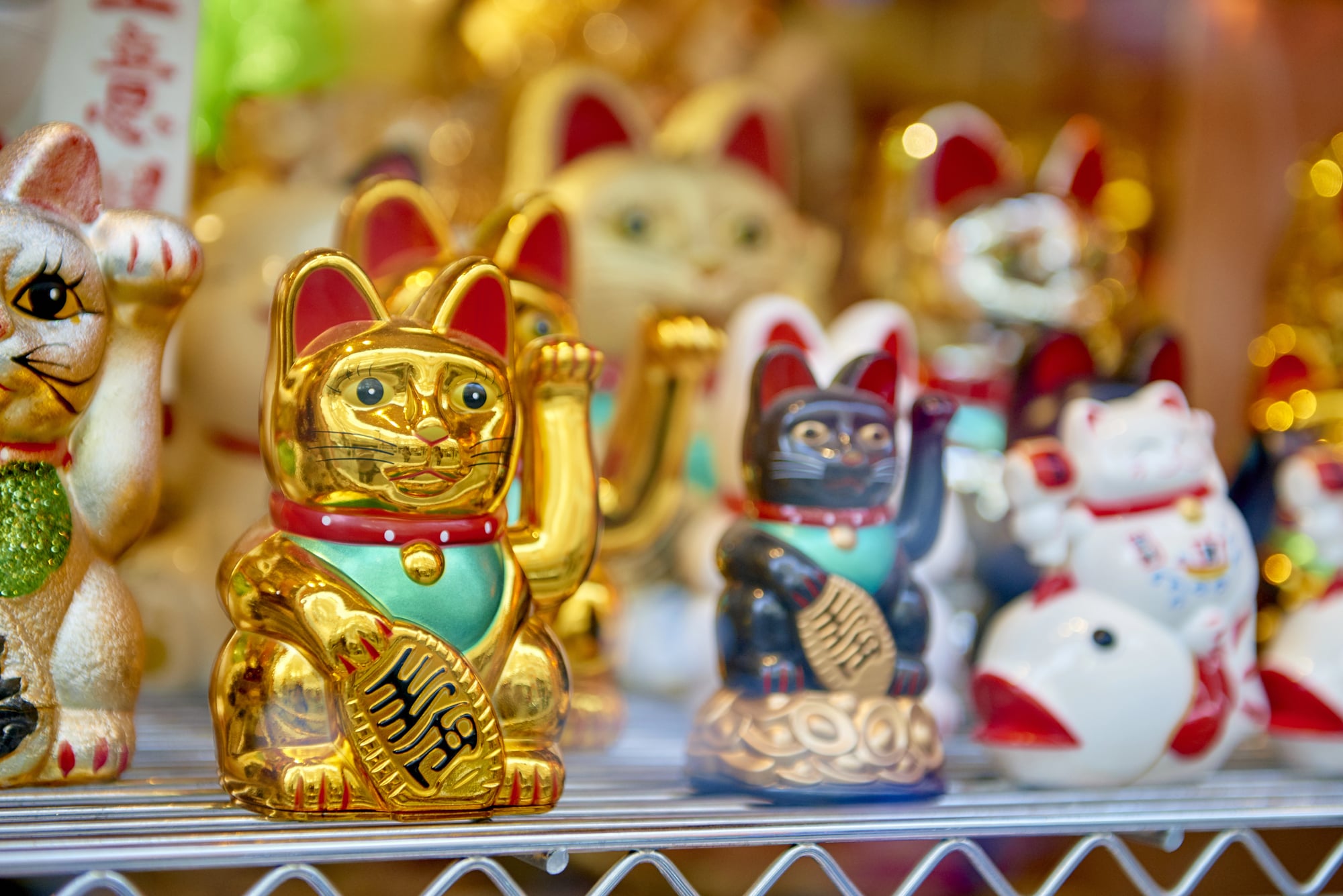
There’s something almost theatrical about the way a maneki neko sits in a shop window, one paw raised in eternal greeting (or is it beckoning? — the gesture manages to be both, which is perhaps the point).
These ceramic cats, with their patient expressions and that slightly unsettling mechanical wave, have been drawing fortune into Japanese businesses for over 150 years now, and the tradition has this wonderful stubborn quality to it.
Store owners position them just so, the left paw supposedly calling customers while the right paw draws money, though plenty of cats raise both paws because why choose sides when you’re dealing with luck?
And the colors mean different things too — white for happiness, black for protection, gold for wealth — creating this entire taxonomy of feline fortune that feels both ancient and oddly modern at the same time.
Four-Leaf Clover
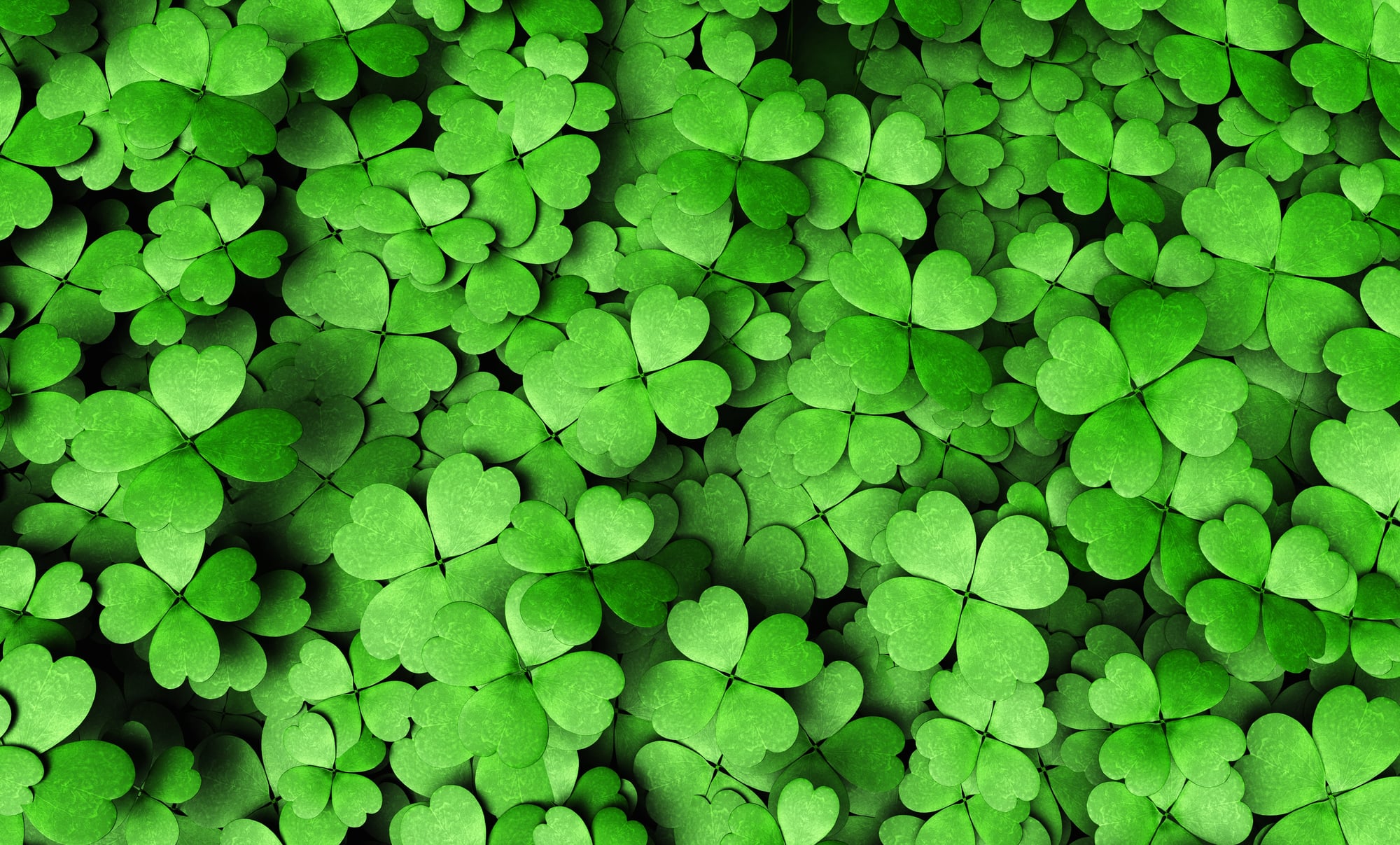
Every culture has that one symbol where hope lives in rarity. The four-leaf clover earns its reputation through simple mathematics — one lucky leaf among roughly 5,000 ordinary three-leaf versions.
Finding one feels like spotting a typo in nature’s handbook. The charm works because it demands nothing except good eyes and patience.
Chinese Lucky Coins
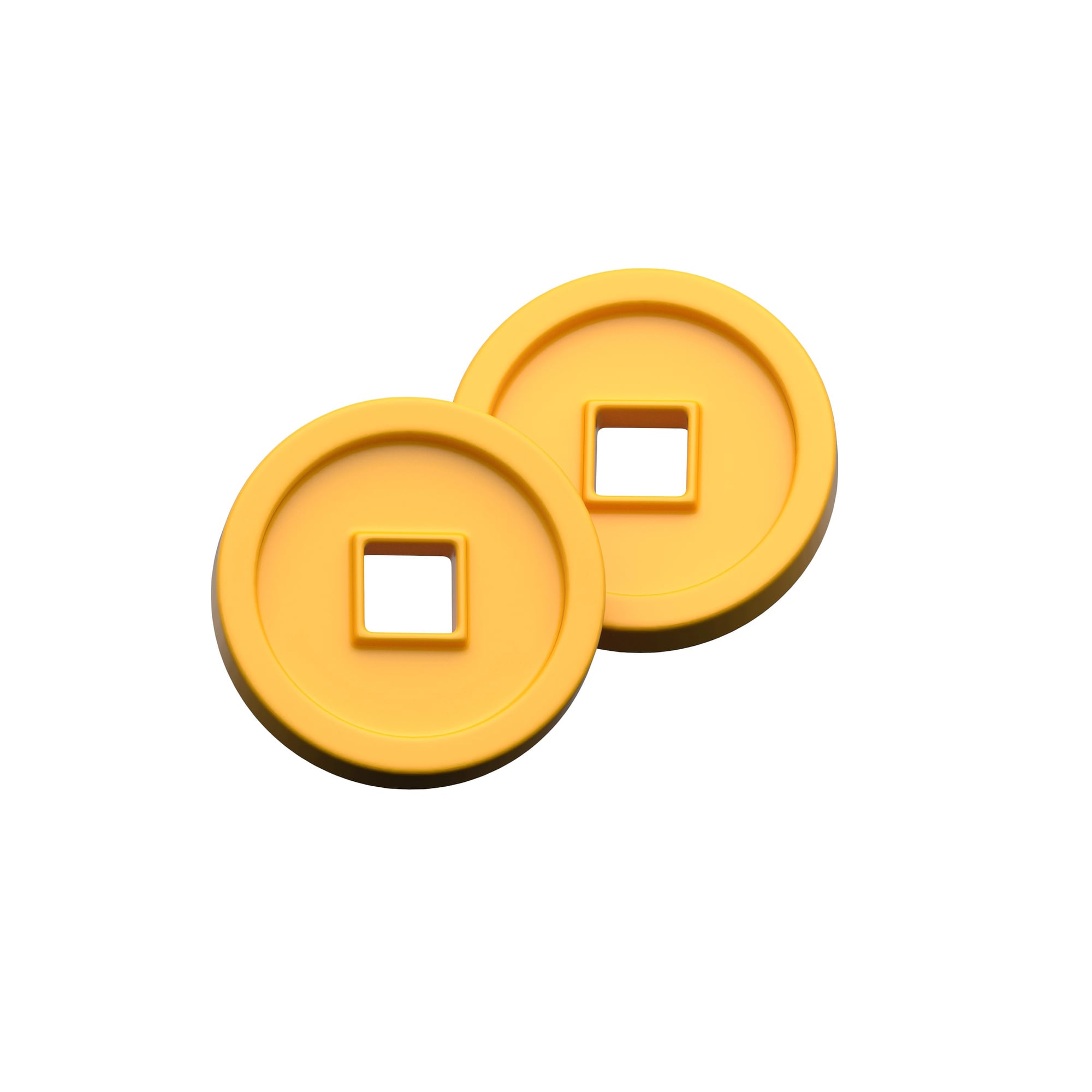
Ancient Chinese coins carry weight beyond their metal — they’re small, round promises that prosperity flows in circles (which it does, though not always in the direction people hope for, but that’s what makes them charms rather than guarantees).
The square pit in the center isn’t decorative; it represents earth surrounded by heaven, and when people string them together with red thread, they’re basically creating wearable philosophy.
So these coins become something more than currency; they become tiny lectures about balance and flow that fit in your pocket.
The feng shui practitioners have elaborate rules about how many coins to group together — three for wealth, six for luck, eight for everything good — but honestly, most people just like the weight of them, the way they warm up in your palm and remind you that money, even symbolic money, has its own particular gravity.
Turkish Evil Eye
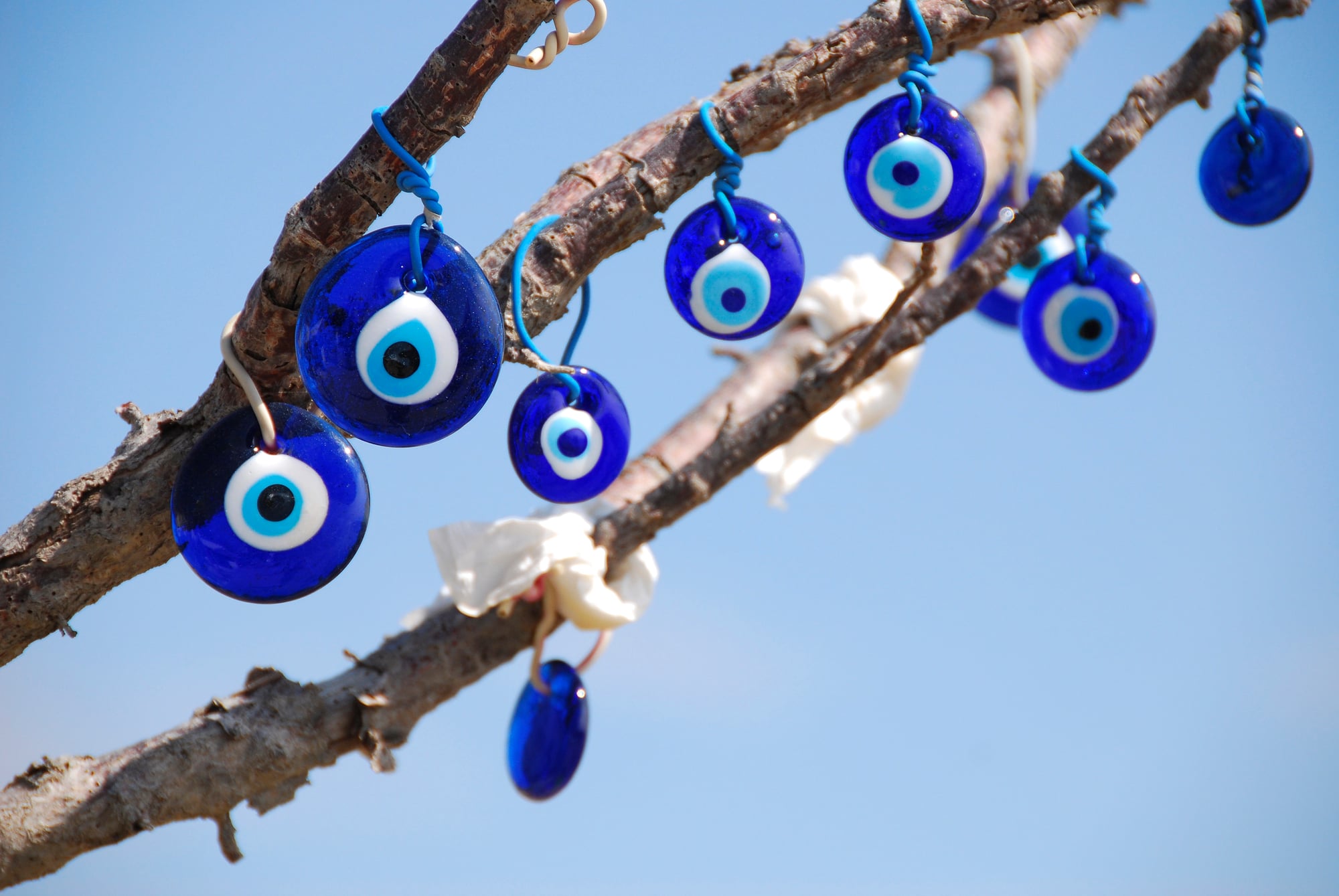
The nazar boncuğu watches back. Those concentric circles of blue and white glass create the illusion of an unblinking stare that supposedly deflects jealousy and malice.
Turkish artisans have perfected the color gradient — deep blue fading to lighter blue to white to black — creating something that manages to feel both protective and slightly menacing.
Wear one and become the watcher instead of the watched.
Elephant Figurines
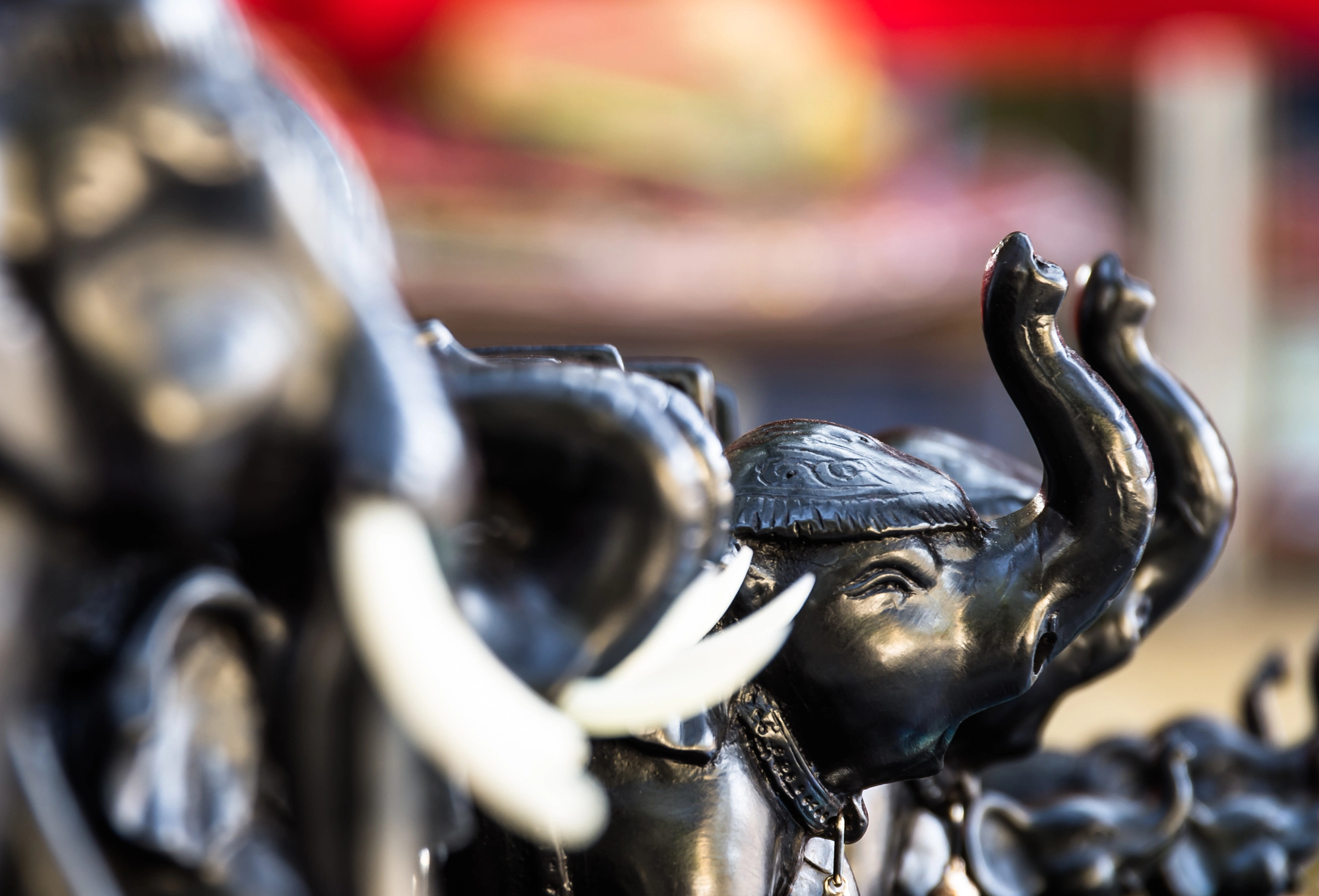
Elephants as luck symbols make perfect sense when you stop to think about their actual lives — they remember everything, protect their families with deliberate ferocity, and move through the world with this careful, unstoppable patience that makes them seem wise rather than just large (though they’re definitely large).
In many cultures, the trunk position matters crucially: up for good fortune, down for longevity, though some traditions flip this entirely, which creates the kind of charming inconsistency that proves these beliefs grew organically rather than being designed by committee.
People collect elephant figurines made from jade, wood, metal, crystal, creating little herds on their desks and shelves, and there’s something wonderful about the way a tiny carved elephant can remind you to approach problems with elephant-like steadiness — methodical, protective, and surprisingly graceful despite the weight you’re carrying.
Rabbit’s Foot
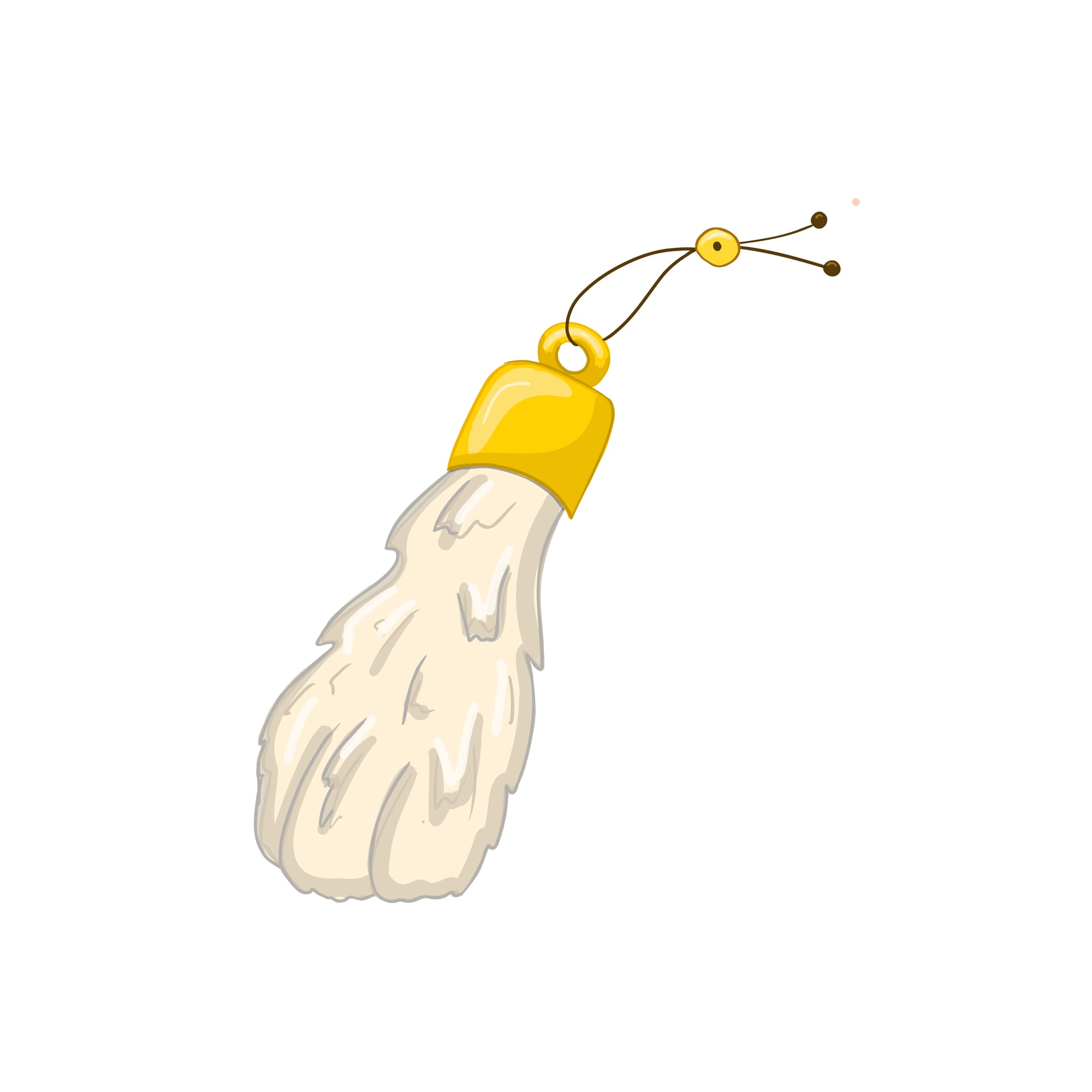
The rabbit’s foot represents superstition at its most problematic. The charm supposedly transfers the rabbit’s speed and fertility to the carrier, but the logic breaks down immediately — the rabbit wasn’t exactly lucky, was it?
Modern versions use synthetic materials, which seems to miss the original point while acknowledging its essential cruelty. The tradition persists mostly through habit rather than belief.
Hindu Om Symbol
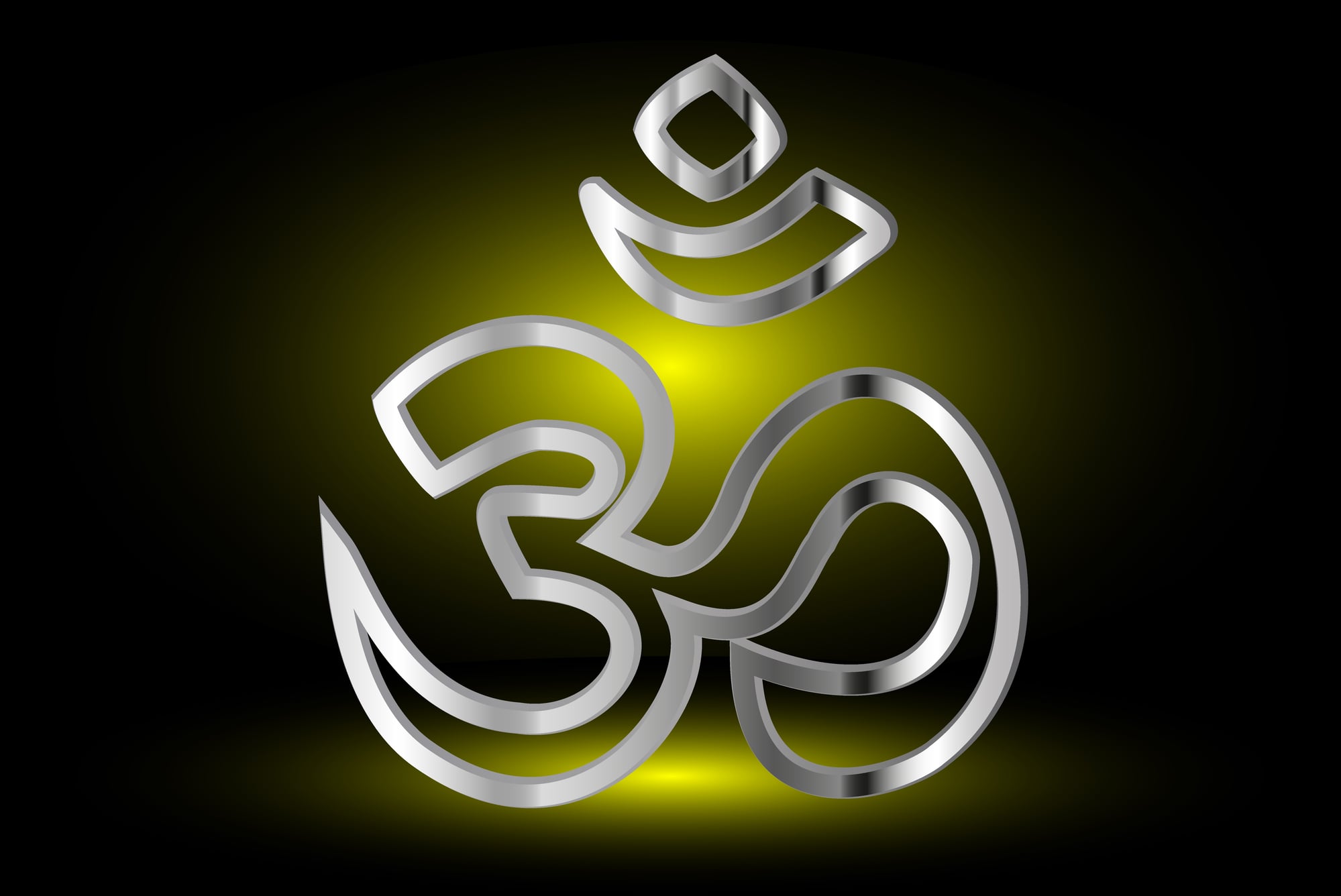
The Om symbol doesn’t just represent luck — it claims to be the sound the universe made when it began, which is either the most ambitious piece of religious branding ever conceived or the kind of profound truth that sounds ridiculous until you think about it for a while (and even then, it might still sound ridiculous, but in a way that feels significant).
Sanskrit texts describe Om as containing all possible sounds, past and future, compressed into a single syllable that somehow encompasses everything from creation to destruction to the pause between thoughts.
So wearing an Om pendant becomes less about attracting good fortune and more about carrying around a reminder that you’re part of something vast and interconnected, though most people probably just like the way the curves look and the quiet authority the symbol seems to project when hanging from a chain or carved into a ring.
Horseshoe
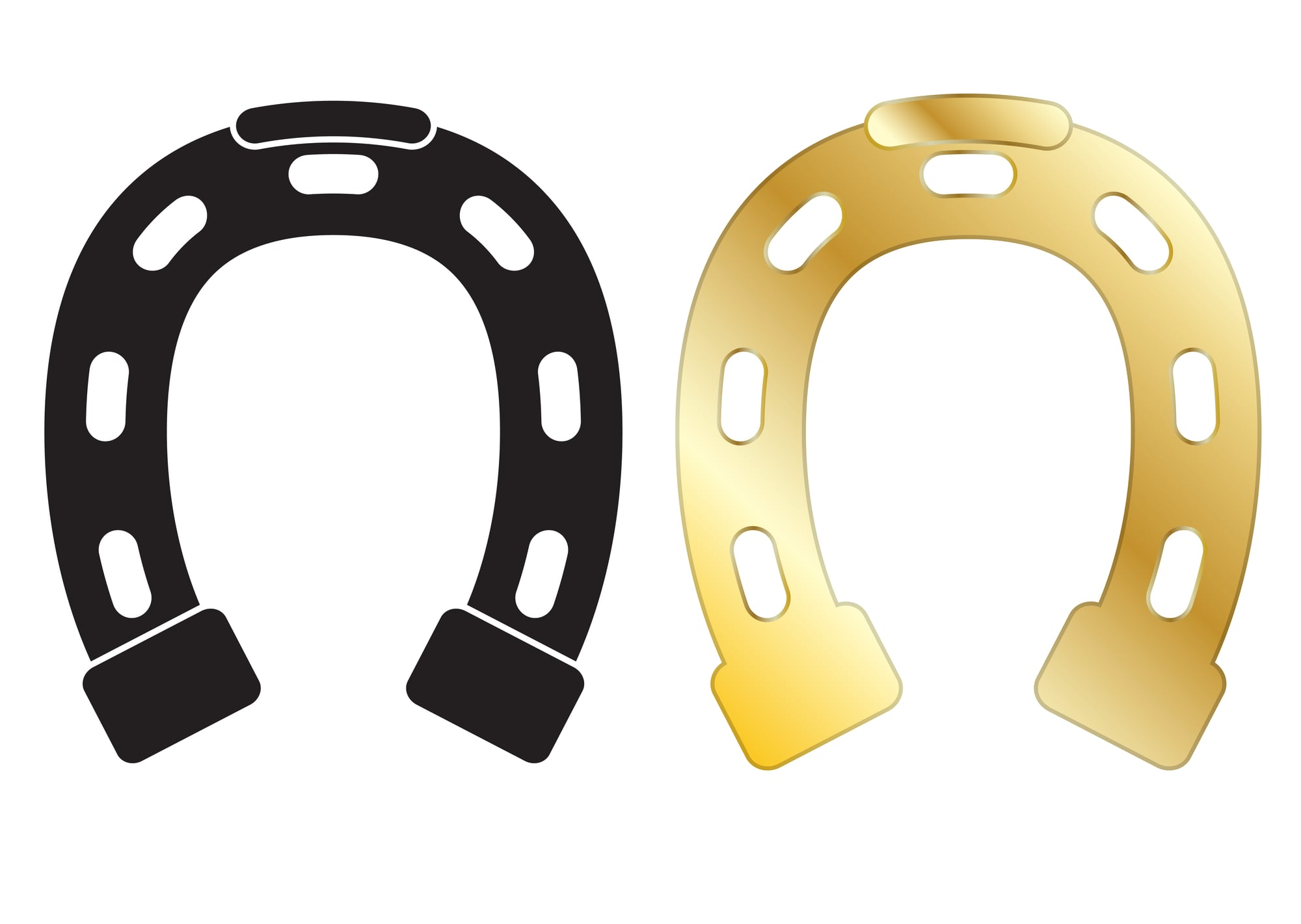
Horseshoes work through pure association. Horses meant survival for centuries — transportation, farming, warfare. A discarded horseshoe carried residual power from that partnership between human and animal.
The placement rules vary wildly. Some hang them points up to hold luck inside, others points down to pour luck out.
Both sides argue with equal conviction, which suggests the direction matters less than the commitment.
Russian Matryoshka Dolls
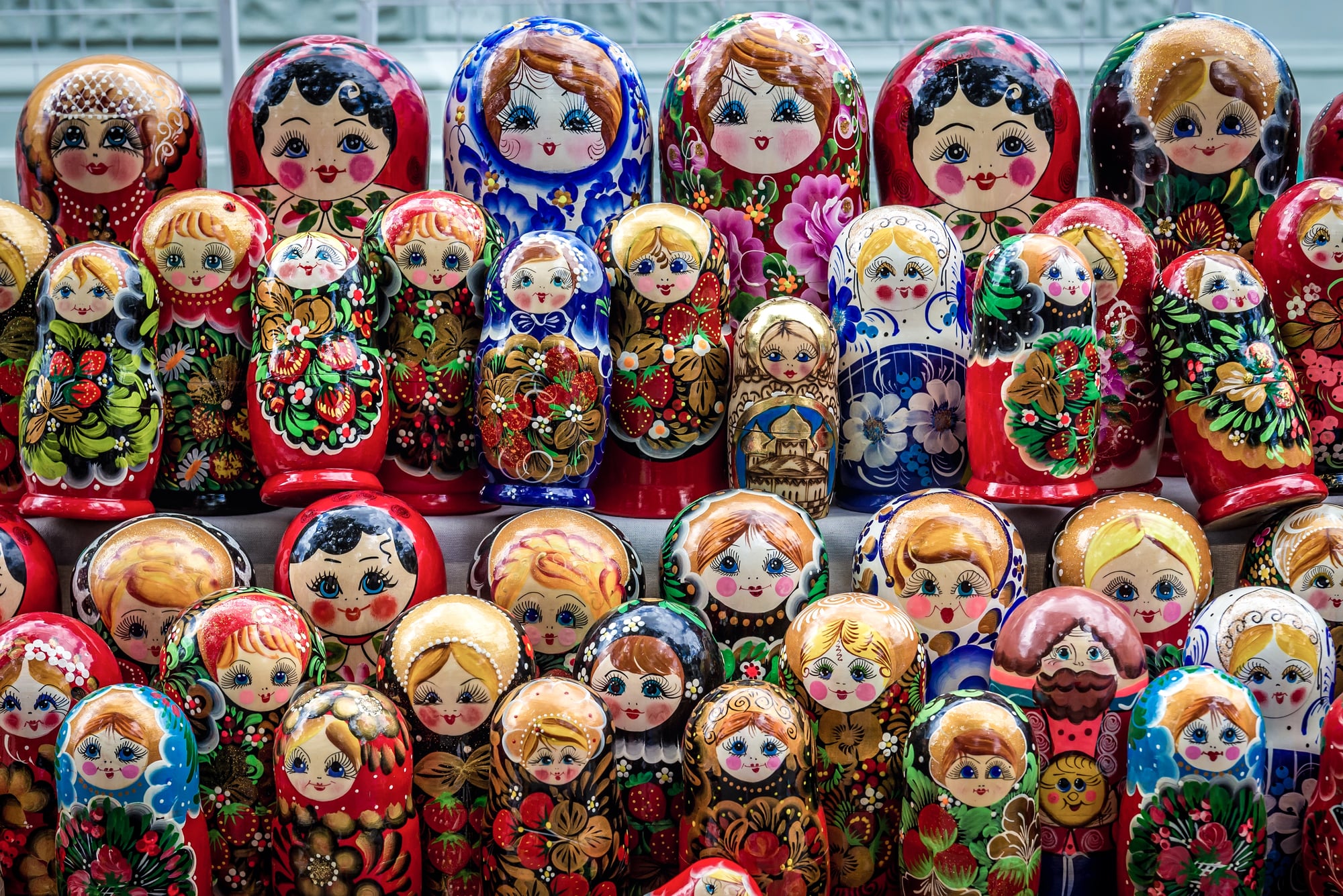
Matryoshka dolls function as luck charms through this lovely principle of infinite possibility — open one wooden woman and find another inside, then another, each one smaller but complete, creating this meditation on hidden depths and the way good things can contain other good things indefinitely (or at least until you reach the tiny solid doll at the center, who represents either the irreducible self or the point where metaphors break down).
Russian artisans traditionally carved them to represent mothers and daughters, fertility and continuance, though modern versions might contain anything from political figures to sports teams, which dilutes the original symbolism but adds this democratic quality where anyone can become the center of their own nested universe.
The luck comes from the reminder that complexity lives inside apparent simplicity, and that opening one door usually reveals another door, and another, until you’re holding this impossibly small carved face that somehow contains the same expression as all the larger faces that surrounded it.
Indian Ganesha
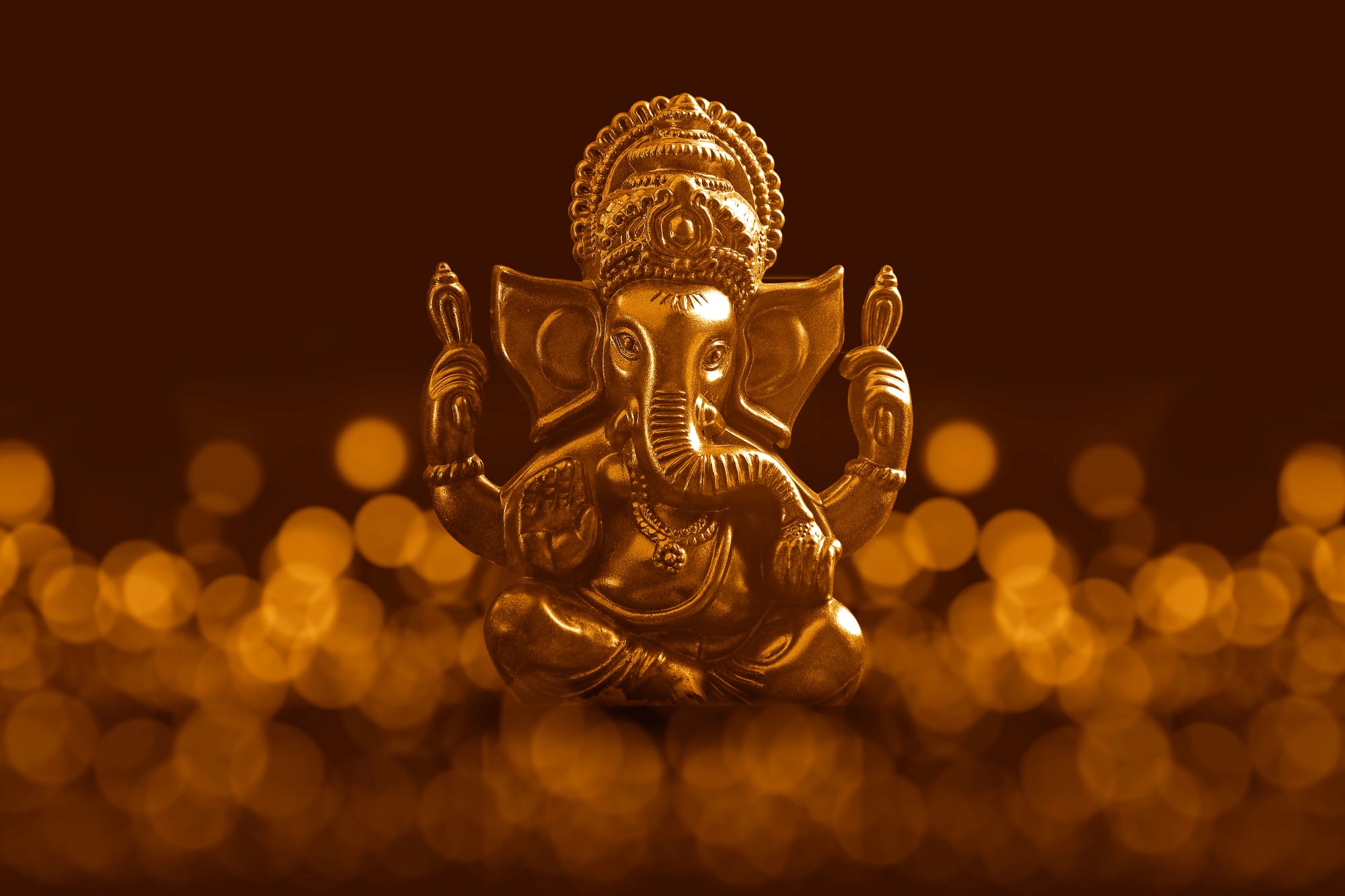
Ganesha removes obstacles, which makes him less about luck and more about clearing the path so your own efforts can work. The elephant head represents wisdom and memory, the human body represents earthly concerns.
Hindu tradition says to invoke Ganesha before starting anything important — a journey, a business, a marriage. Smart approach.
Better to have the obstacle-remover on your side from the beginning.
Mexican Milagros
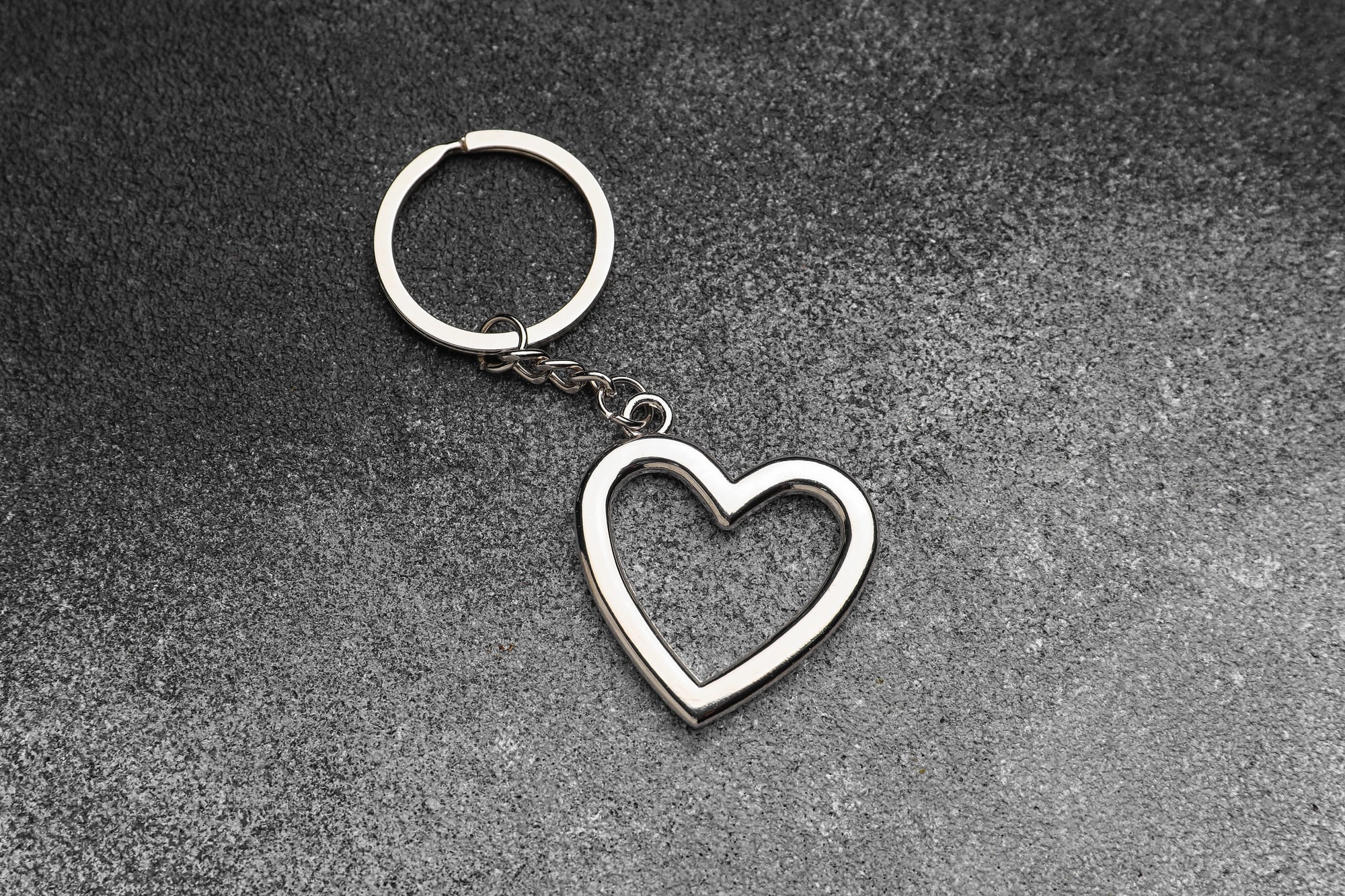
Milagros are tiny metal offerings — hearts, legs, houses, babies — that people pin to saints’ robes or hang near altars as requests for specific help (fix my heart, heal my leg, protect my house, bless my child), and they create this wonderful visual prayer system where abstract hopes become concrete objects you can actually hold and attach to something sacred.
Mexican artisans hammer them from tin, silver, brass, shaping each one to represent the exact thing that needs attention, so a church altar ends up covered with dozens of these small metal wishes that catch the light and remind everyone that problems come in specific shapes and sizes.
The word “milagro” means miracle, but the charms work more like correspondence — they’re letters to saints written in metal instead of words, and the act of making one, choosing it, and hanging it up transforms worry into action, which might be the real miracle.
People carry individual milagros as reminders that they’ve already asked for help and now just need to pay attention to the answer when it arrives.
Welsh Lovespoon
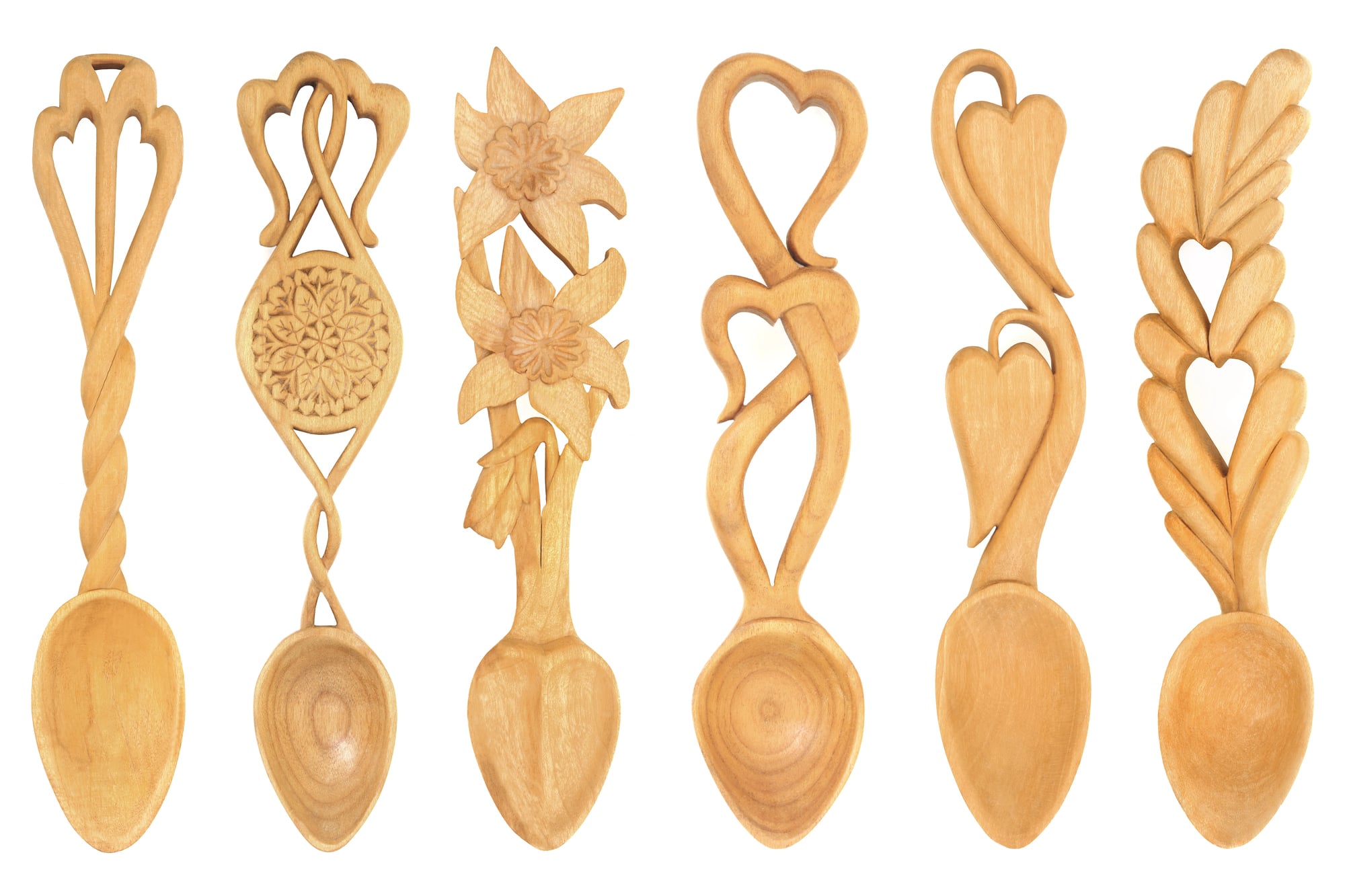
Welsh lovespoons started as courtship gifts — young men carved elaborate wooden spoons to demonstrate both their romantic intentions and their practical skills, because nothing says “marry me” quite like proving you can turn a block of wood into something both beautiful and functional.
The symbols matter: hearts for love, obviously, but also chains for togetherness, wheels for hard work, bells for celebration, creating this entire vocabulary of carved promises that the recipient could decode like reading a letter written in wood grain.
Modern lovespoons serve more as general good luck charms than engagement tools, though they still carry that original message about taking time to make something careful and specific for someone you care about.
The luck comes from the reminder that the best gifts require both skill and patience, and that love — like woodcarving — works best when you pay attention to the grain instead of fighting against it.
The Weight Of Small Hopes
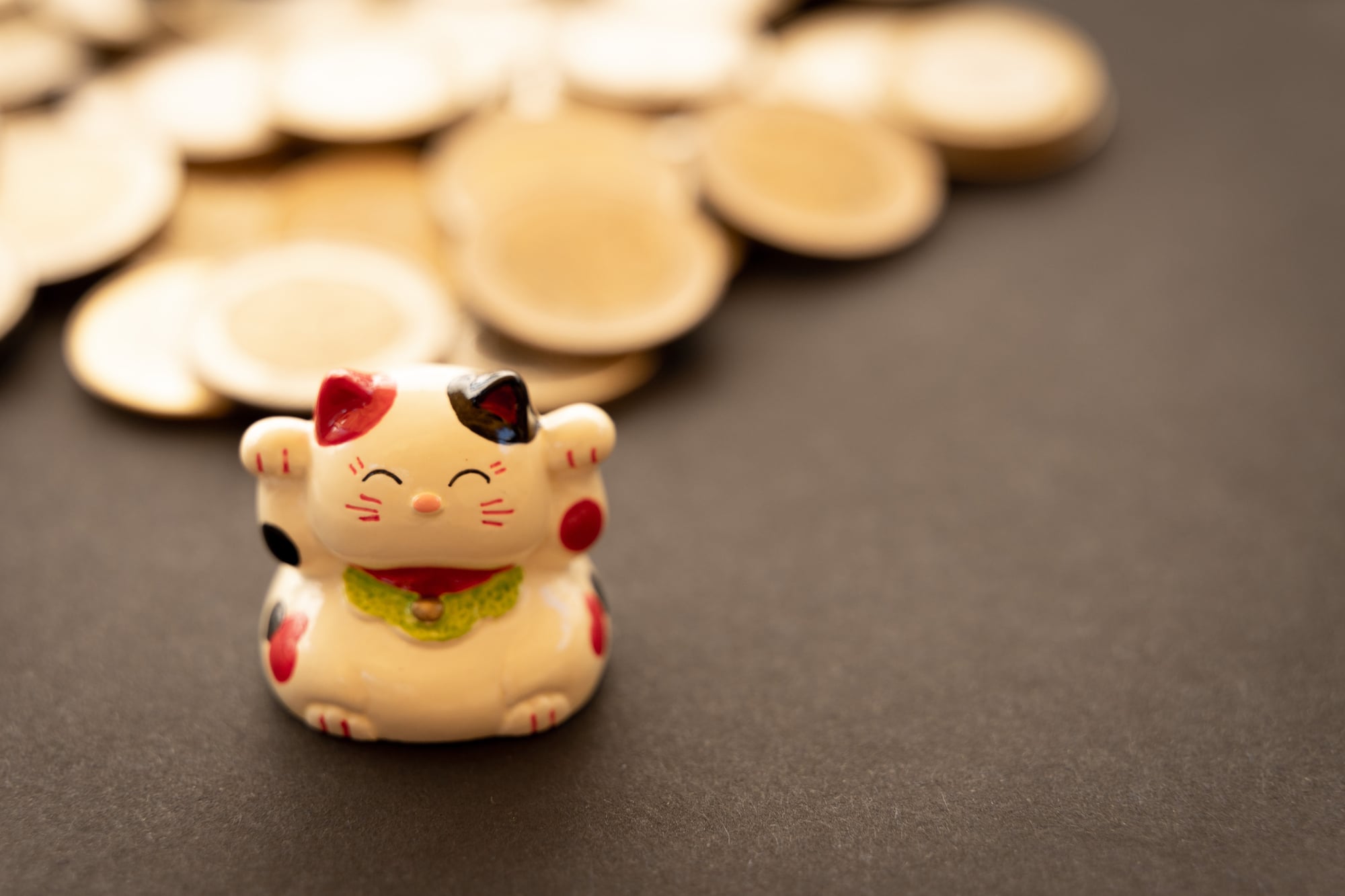
These charms persist not because they actually change anything, but because they change how we carry ourselves through uncertainty. A lucky coin in your pocket doesn’t improve your odds, but it might make you walk into that job interview with slightly straighter shoulders.
The real magic lives in that small shift — the way a tangible reminder of hope becomes hope itself, small enough to carry anywhere.
More from Go2Tutors!

- The Romanov Crown Jewels and Their Tragic Fate
- 13 Historical Mysteries That Science Still Can’t Solve
- Famous Hoaxes That Fooled the World for Years
- 15 Child Stars with Tragic Adult Lives
- 16 Famous Jewelry Pieces in History
Like Go2Tutors’s content? Follow us on MSN.