16 places where lost art was rediscovered
Sometimes the greatest artistic treasures hide in plain sight, waiting centuries for the right moment to emerge from darkness. From cave paintings sealed by rockfalls to masterpieces buried under volcanic ash, history has scattered its artistic legacy across the globe in the most unexpected places. These rediscoveries often happen by pure chance—a farmer digging in his field, children exploring a cave, or workers laying foundations for a new building.
Here’s a list of 16 remarkable places where lost art was rediscovered, each revealing stunning glimpses into humanity’s creative past.
Lascaux Cave, France
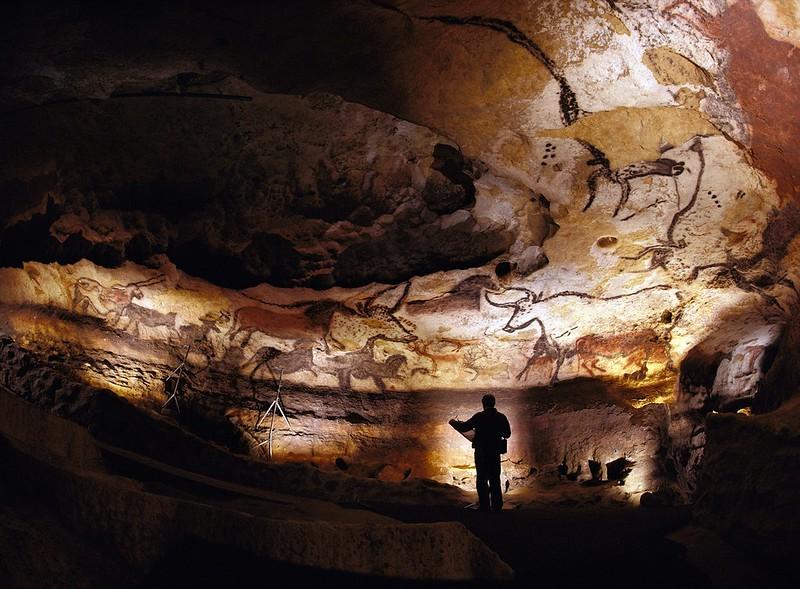
Four French teenagers stumbled upon one of humanity’s greatest artistic treasures in 1940 when they followed their dog into a pit left by an uprooted tree. What they found inside changed our understanding of prehistoric art forever. The Lascaux Cave contains nearly 2,000 paintings dating back 17,000 to 22,000 years, featuring horses, bulls, and other animals rendered with sophisticated techniques that rival modern artwork. Talk about being in the right place at the right time. The teenagers had discovered what would become known as the ‘Sistine Chapel of Prehistoric Art,’ though ironically, the cave had to be sealed from public access in 1963 to prevent damage from visitors’ breath and body heat.
Altamira Cave, Spain
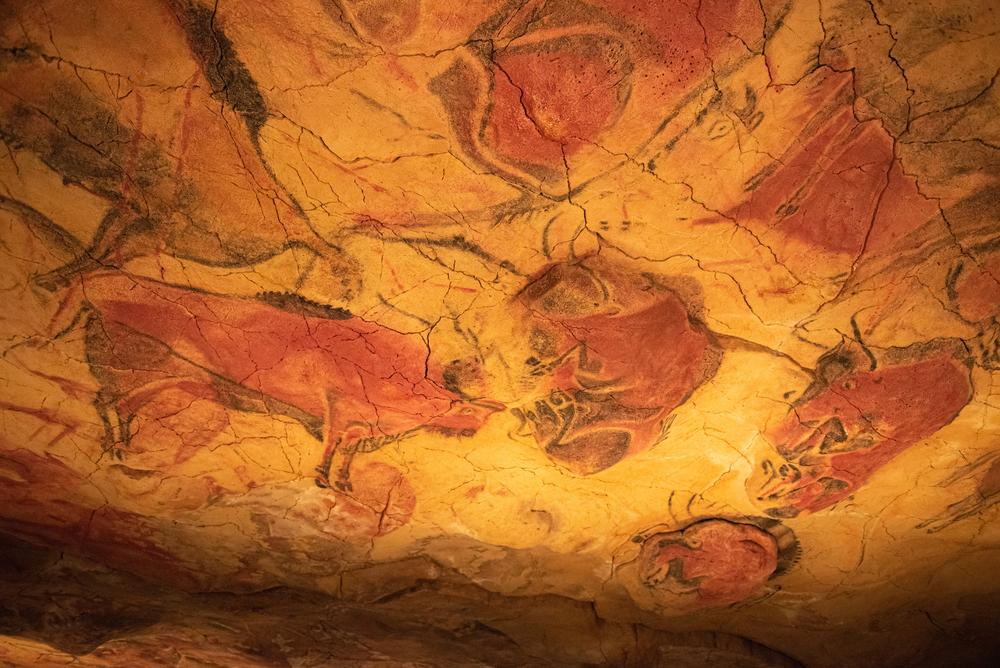
The story of Altamira’s discovery reads like a fairy tale with a bitter twist. In 1879, eight-year-old María Sanz de Sautuola looked up at the cave ceiling while her father was excavating and exclaimed about the painted ‘bulls’ above. The polychrome bison paintings were so vivid and sophisticated that the scientific community accused her father of forgery, ridiculing him at conferences across Europe. It wasn’t until 1902, fourteen years after his death, that experts finally admitted their mistake and acknowledged the 36,000-year-old masterpieces as authentic. Pride, it seems, dies hard in academic circles. Today, Altamira stands as a UNESCO World Heritage site, though like Lascaux, it remains closed to protect the irreplaceable art.
Chauvet Cave, France
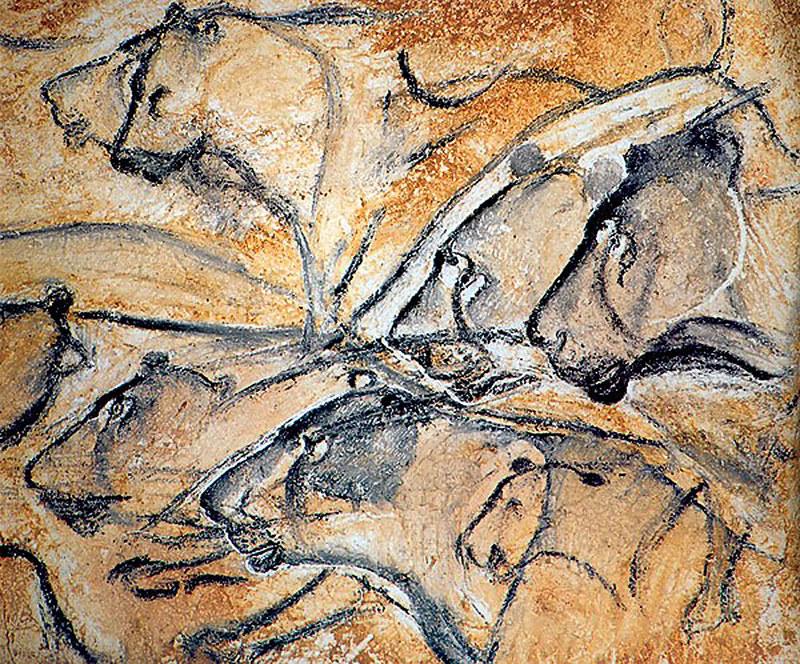
In December 1994, three speleologists exploring the Ardèche region squeezed through a narrow opening and found themselves in a cathedral-sized chamber decorated with some of the oldest known cave paintings. The Chauvet Cave contains over 400 images that are roughly 36,000 years old, featuring an unusual focus on predatory animals like lions, bears, and rhinoceros rather than the typical horses and bison found elsewhere. What makes this discovery particularly remarkable is that the cave had been naturally sealed for millennia, preserving not just the paintings but also bear skulls, footprints, and even torch marks on the walls exactly as they were left by Paleolithic artists.
Pompeii, Italy
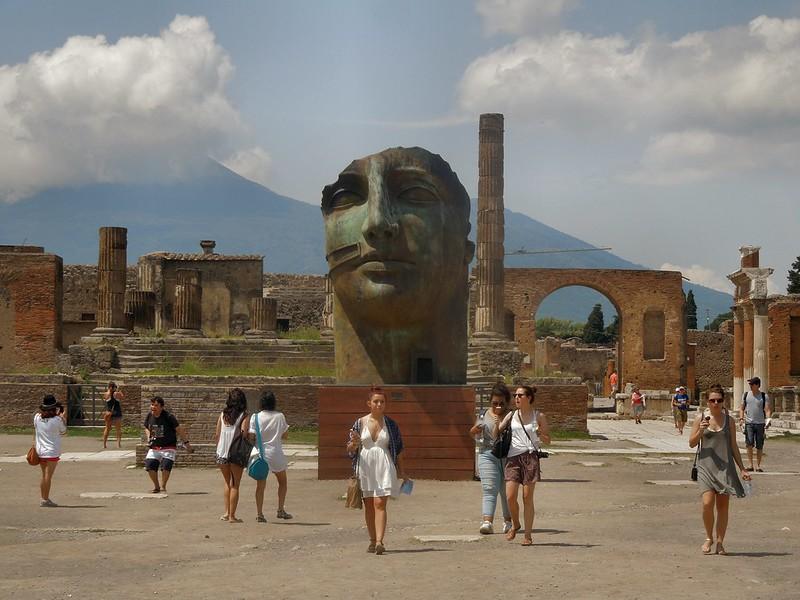
While Pompeii wasn’t exactly ‘lost’—locals had been finding artifacts in the area for decades—its systematic rediscovery beginning in 1748 revealed an entire Roman city frozen in time. Mount Vesuvius had buried the city in 79 AD under 13 to 20 feet of volcanic ash, preserving everything from street art and political graffiti to elaborate frescoes in wealthy homes. The excavations revealed a sophisticated urban society with public baths, theaters, and even fast-food restaurants complete with menu boards painted on the walls. Giuseppe Fiorelli’s innovative technique of creating plaster casts from body-shaped voids in the ash brought the human tragedy into sharp focus, making Pompeii one of archaeology’s most emotionally powerful sites.
Herculaneum, Italy
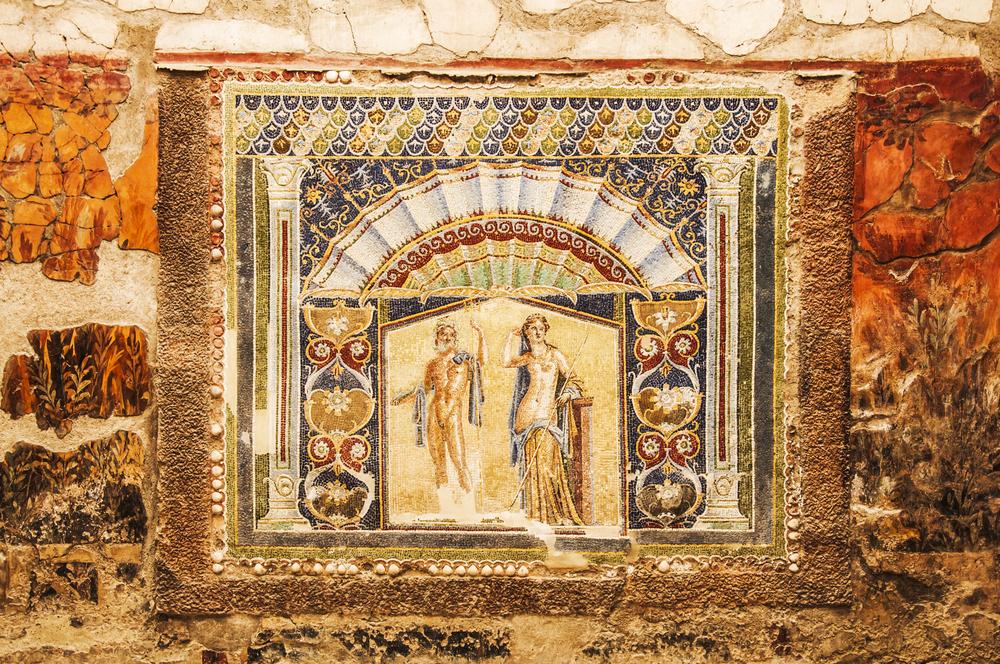
Pompeii’s smaller sister city was discovered purely by accident in 1738 when workers digging a well for the King of Naples hit ancient walls. Unlike Pompeii’s ash burial, Herculaneum was entombed in pyroclastic flows that hardened into rock, creating an even better preservation environment. Must have been quite the surprise for those well-diggers. The Roman resort town reveals incredibly detailed frescoes, intact wooden furniture, and even papyrus scrolls in what may have been a private library. Because the volcanic material buried Herculaneum much deeper than Pompeii—up to 65 feet—much of the city still lies unexcavated beneath the modern town of Ercolano.
Akrotiri, Santorini
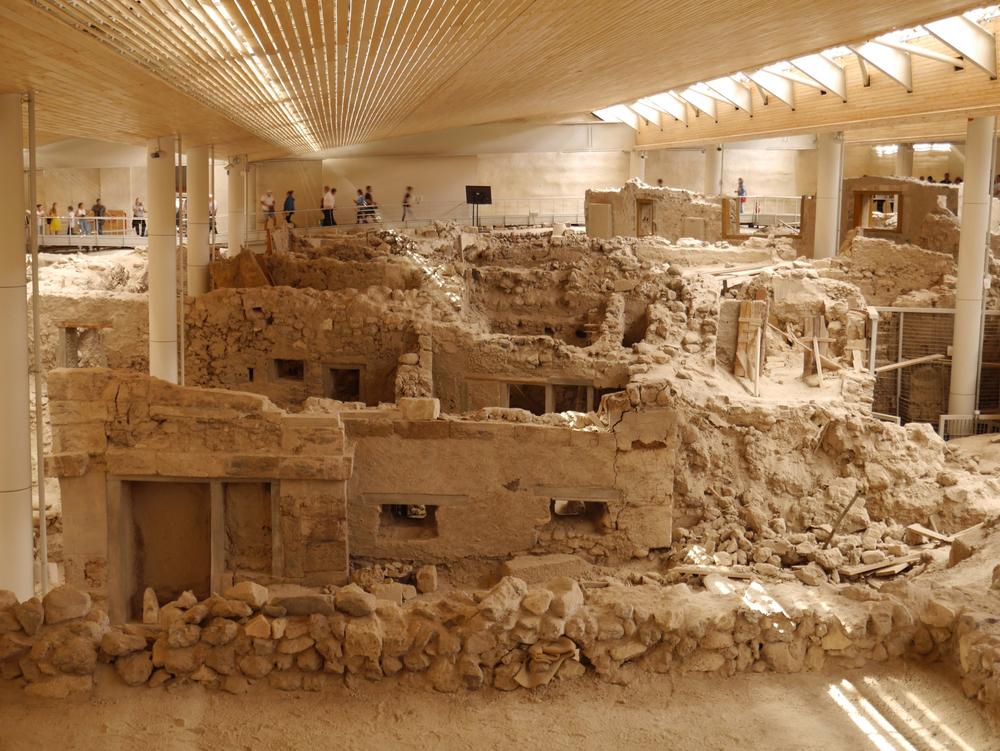
The Minoan city of Akrotiri offers a Bronze Age version of Pompeii’s story, buried by a massive volcanic eruption around 1500 BCE. Discovered in 1967, this ancient settlement reveals sophisticated urban planning with multi-story buildings, indoor plumbing, and stunning frescoes depicting everything from monkeys to elaborate naval processions. Unlike Pompeii, no human remains have been found at Akrotiri, suggesting the inhabitants had enough warning to evacuate with their valuables. The site provides a rare window into Minoan civilization and helps explain why this advanced Bronze Age culture suddenly disappeared from the archaeological record.
Petra, Jordan
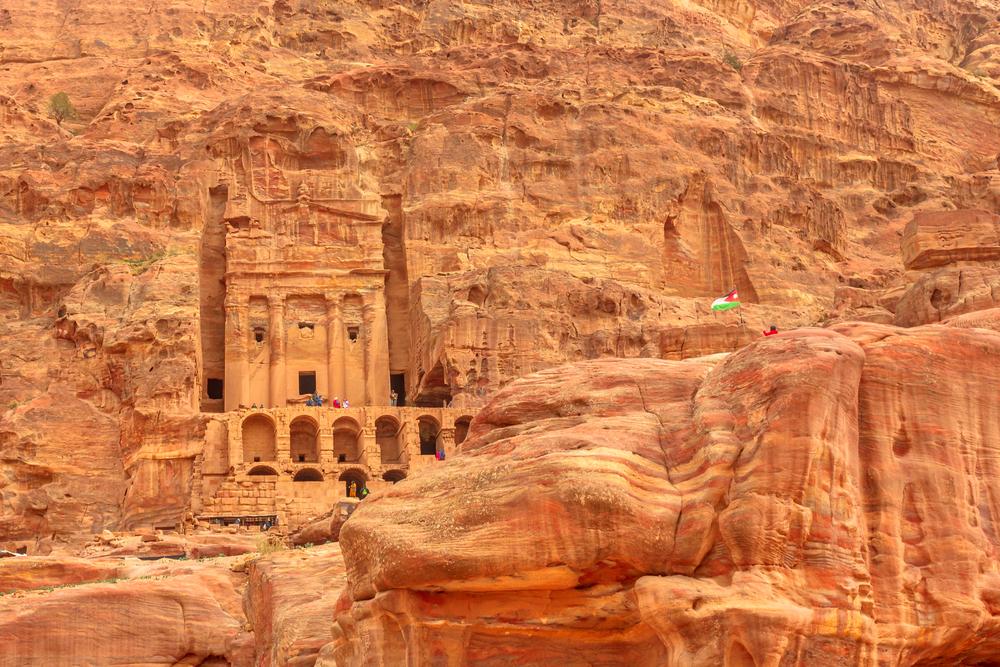
Swiss explorer Johann Ludwig Burckhardt literally talked his way into one of archaeology’s greatest discoveries in 1812. Disguised as an Arab merchant and speaking fluent Arabic, he convinced local Bedouins to guide him to what they called the ‘lost city’ carved from pink sandstone cliffs. The Nabataean capital had been abandoned for centuries, known only through local legends and brief mentions in ancient texts. Burckhardt’s rediscovery revealed a sophisticated trading hub with elaborate facades, water management systems, and rock-cut architecture that continues to astound visitors today. The famous Treasury facade, carved directly into the cliff face, remains one of the world’s most recognizable archaeological monuments.
Cliff Palace, Mesa Verde
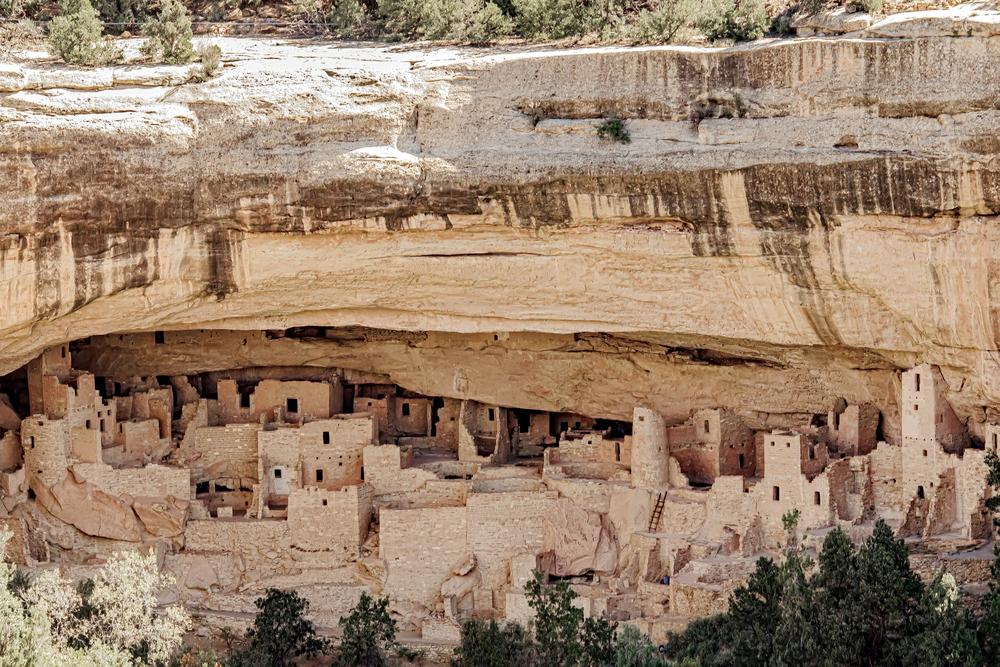
Two cowboys searching for stray cattle in 1888 made one of America’s most significant archaeological discoveries when they spotted elaborate stone structures built into a cliff face. Cowboys finding ancient ruins while looking for lost cows. Richard Wetherill and Charlie Mason had found Cliff Palace, the largest cliff dwelling in North America, abandoned by the Ancestral Puebloans around 1300 CE. The multi-story complex contained over 150 rooms and 23 ceremonial chambers called kivas, all remarkably preserved by the dry climate and protective cliff overhang. Unfortunately, the site suffered extensive damage from early tourists and artifact hunters before receiving federal protection, highlighting the importance of proper archaeological stewardship.
Valley of the Kings, Egypt
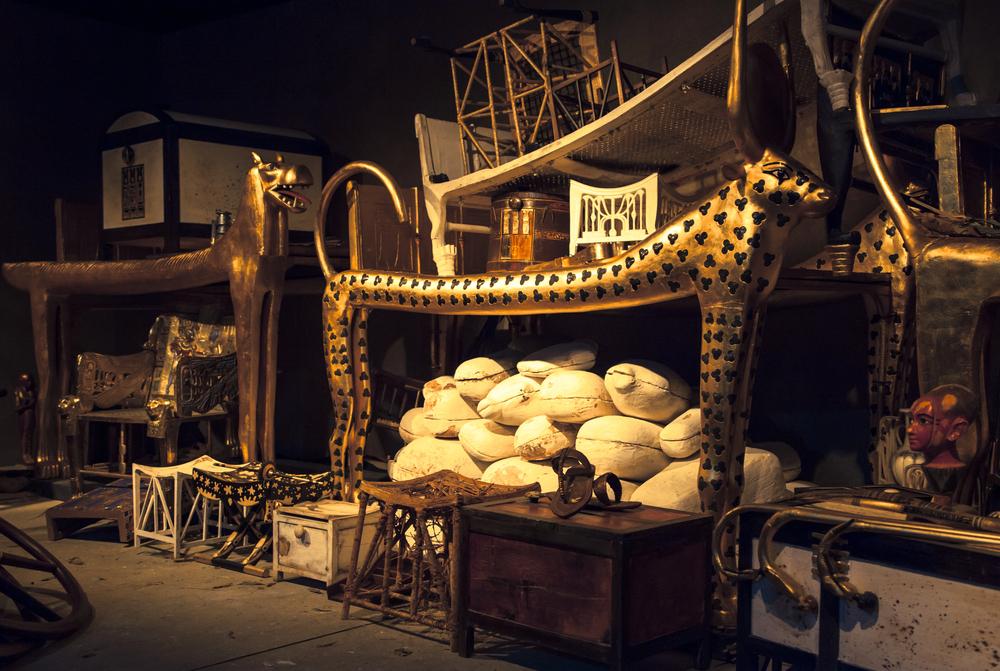
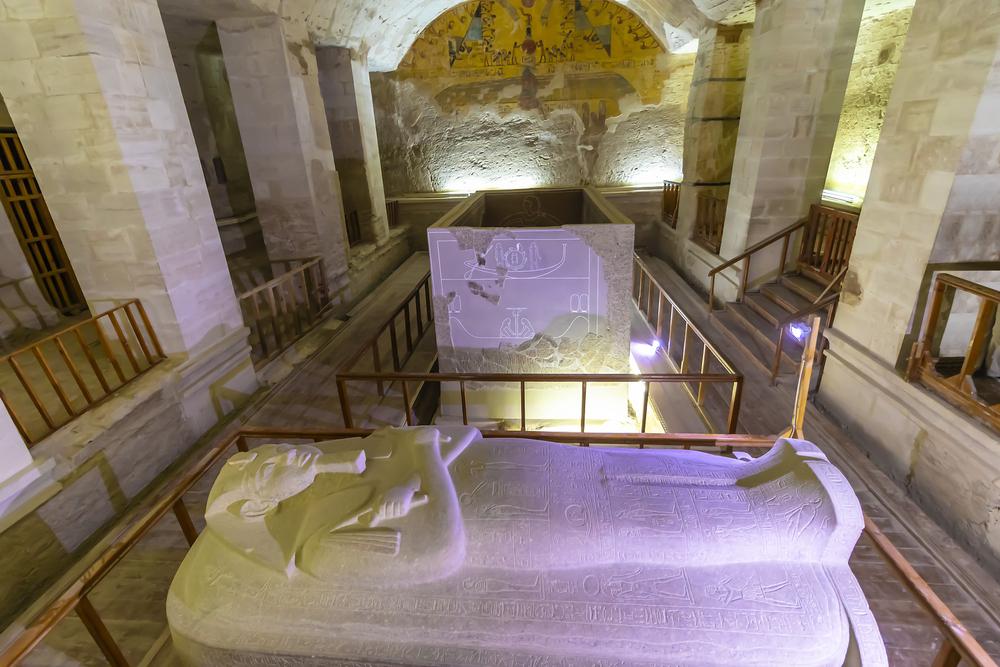
While the Valley of the Kings had been known since ancient times, the 1922 discovery of Tutankhamun’s intact tomb by Howard Carter represented the pinnacle of archaeological rediscovery. Unlike other royal tombs that had been plundered centuries earlier, King Tut’s burial chamber contained over 5,000 artifacts exactly as they were placed 3,300 years ago. The discovery made headlines worldwide and revealed the incredible artistry of ancient Egyptian goldsmiths, painters, and craftsmen. Recent discoveries continue in the valley, with a new royal tomb identified in 2022 that may belong to Pharaoh Thutmose II.
Antikythera Shipwreck, Greece
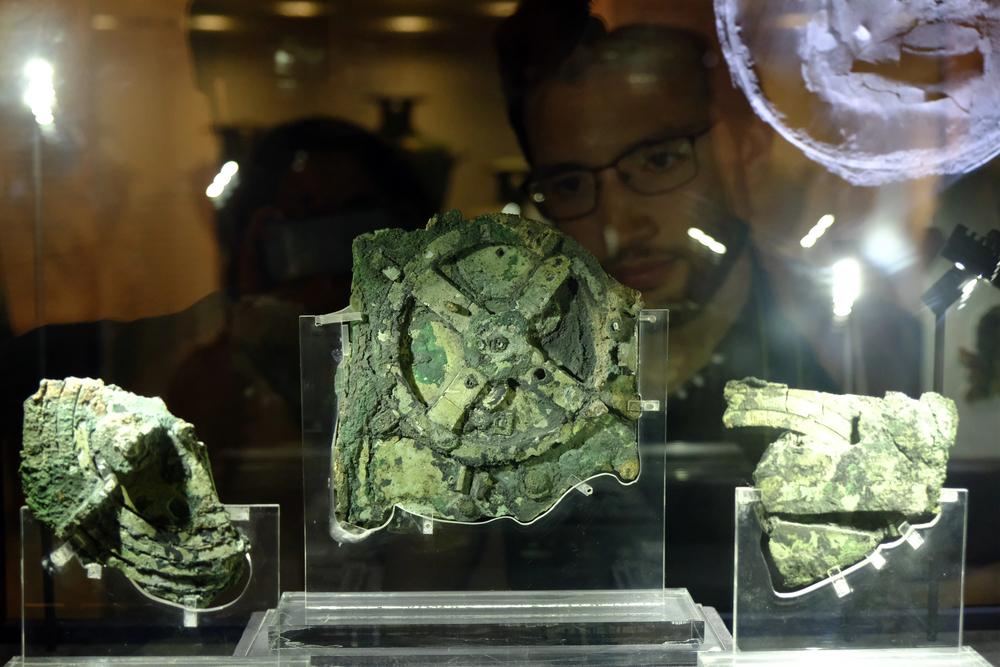
Sponge divers searching for sponges off the Greek island of Antikythera in 1900 discovered one of archaeology’s most significant underwater sites. The Roman-era shipwreck contained not just typical trade goods but also bronze statues, marble sculptures, and the famous Antikythera Mechanism—a complex bronze device that serves as the world’s first known analog computer. The ship, which sank around 50 BCE, was essentially a floating museum carrying Greek art treasures to Rome. Modern underwater archaeology techniques continue to reveal new artifacts from the site, including a bronze arm from a statue and additional fragments of the mysterious mechanism.
Thonis-Heracleion, Egypt
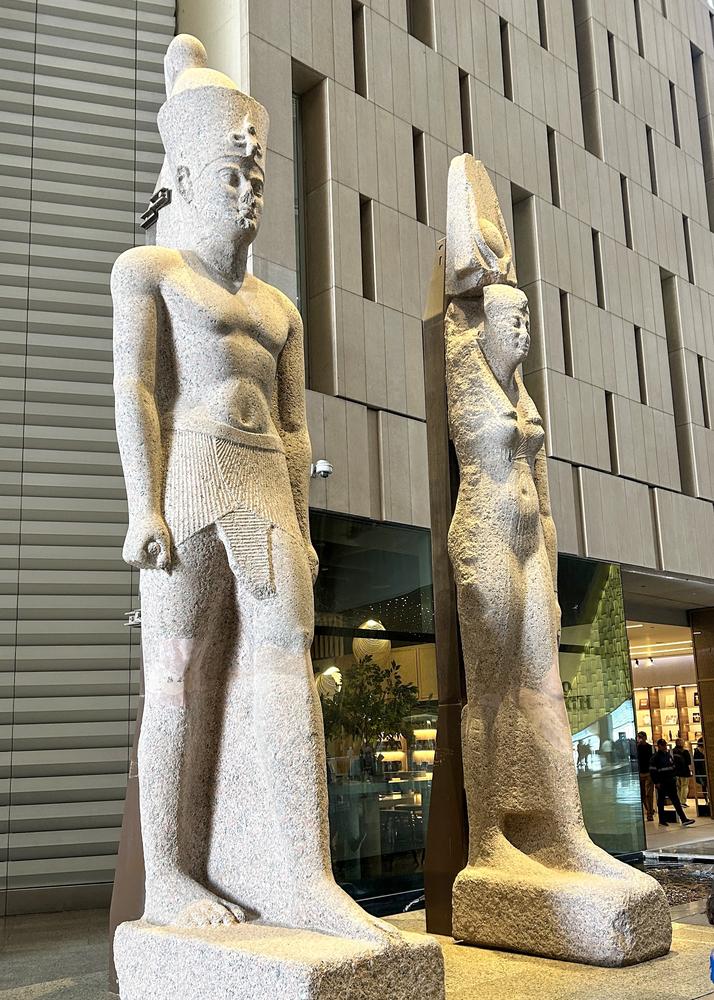
What happens when an entire city sinks beneath the waves? For over a millennium, the Egyptian port city of Thonis-Heracleion existed only in ancient texts until French underwater archaeologist Franck Goddio rediscovered it in 1999. The city, which served as Egypt’s main port before Alexandria’s rise, had been swallowed by the Mediterranean due to earthquakes and rising sea levels. Excavations have revealed colossal statues, gold jewelry, and religious artifacts from Egypt’s Late Period, all preserved in the underwater environment. The discovery has revolutionized our understanding of ancient Egyptian trade networks and religious practices.
Caral, Peru
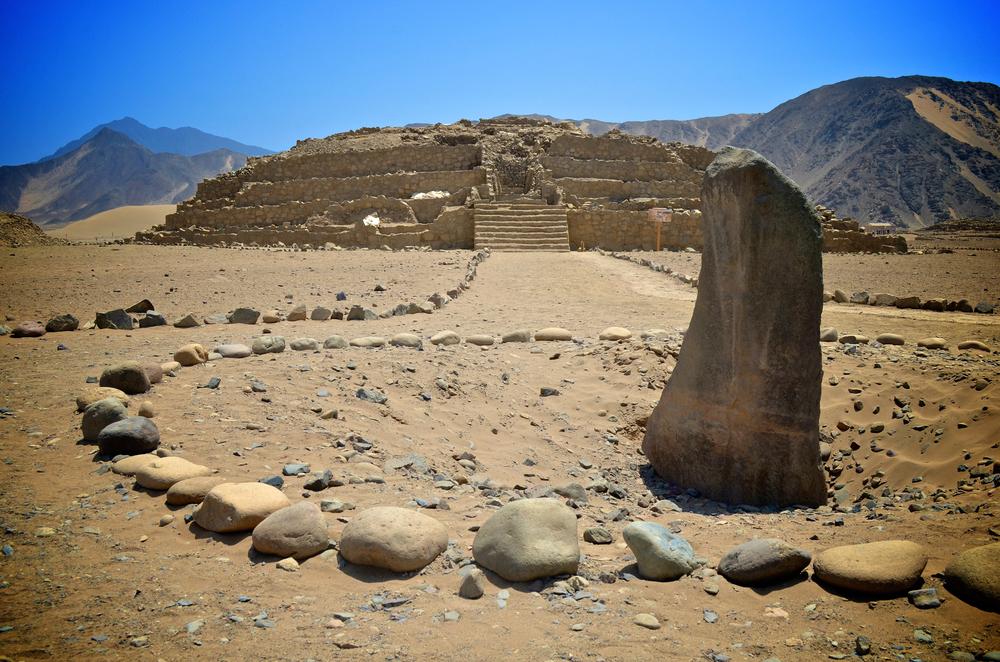
Hidden in Peru’s Supe Valley, the ancient city of Caral remained virtually unknown to the outside world until the 1990s despite being one of the Americas’ oldest urban centers. Built around 4,700 years ago, this sophisticated civilization constructed pyramids, plazas, and monumental architecture that rivaled contemporary developments in Egypt and Mesopotamia. The site spans 165 acres and may have housed up to 3,000 people, making it a crucial piece in understanding how complex societies developed in the Americas. What makes Caral particularly remarkable is its peaceful nature—no weapons or fortifications have been found, suggesting this ancient society prioritized cooperation over conflict.
Sutton Hoo, England
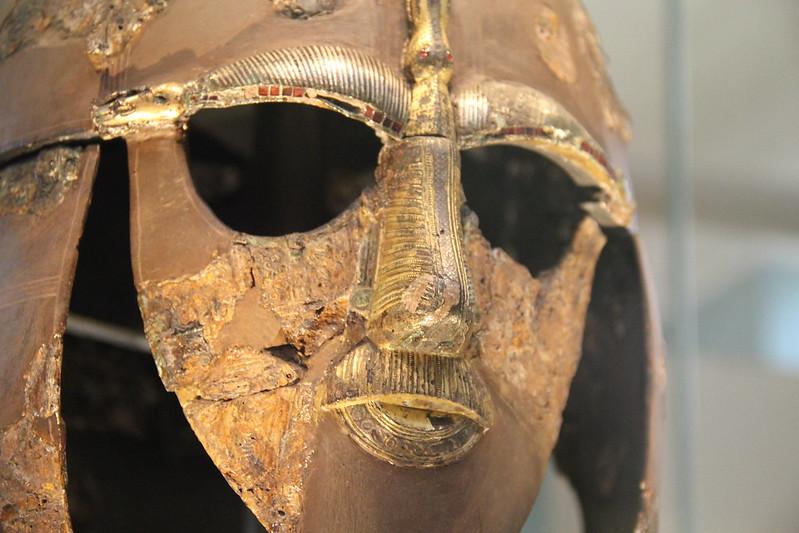
A curious landowner’s decision to excavate mysterious mounds on her property in 1939 led to one of Britain’s most spectacular archaeological discoveries. Edith Pretty hired archaeologist Basil Brown to investigate what turned out to be an Anglo-Saxon ship burial containing a treasure trove of 7th-century artifacts. The burial mound yielded an intricate helmet, gold belt buckles, silver dishes, and weapons that revolutionized understanding of Anglo-Saxon culture and craftsmanship. The discovery proved that the ‘Dark Ages’ were far from dark, revealing a sophisticated society with extensive trade connections and remarkable artistic abilities.
Riace Warriors, Italy
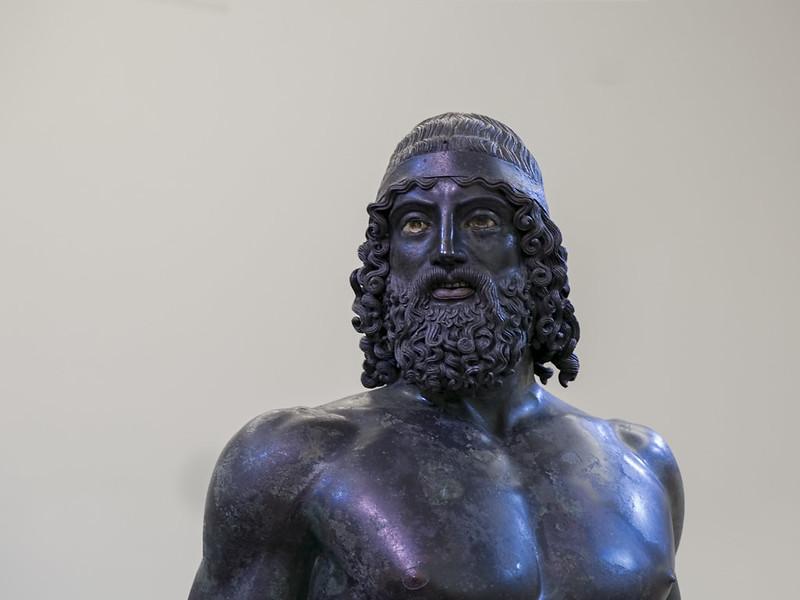
Two magnificent bronze statues emerged from the Ionian Sea in 1972, discovered by a recreational diver exploring the waters off the coast of southern Italy. The Riace Warriors, dating to the 5th century BCE, represent the pinnacle of Classical Greek bronze sculpture and are among the few large-scale bronzes to survive from antiquity. These life-sized figures, with their realistic anatomy and individually crafted details including silver teeth and copper lips, demonstrate the extraordinary skill of ancient Greek artists. The statues likely fell from a Roman ship carrying Greek art treasures, preserving them in the sea’s protective environment for over two millennia.
Terra Cotta Army, China
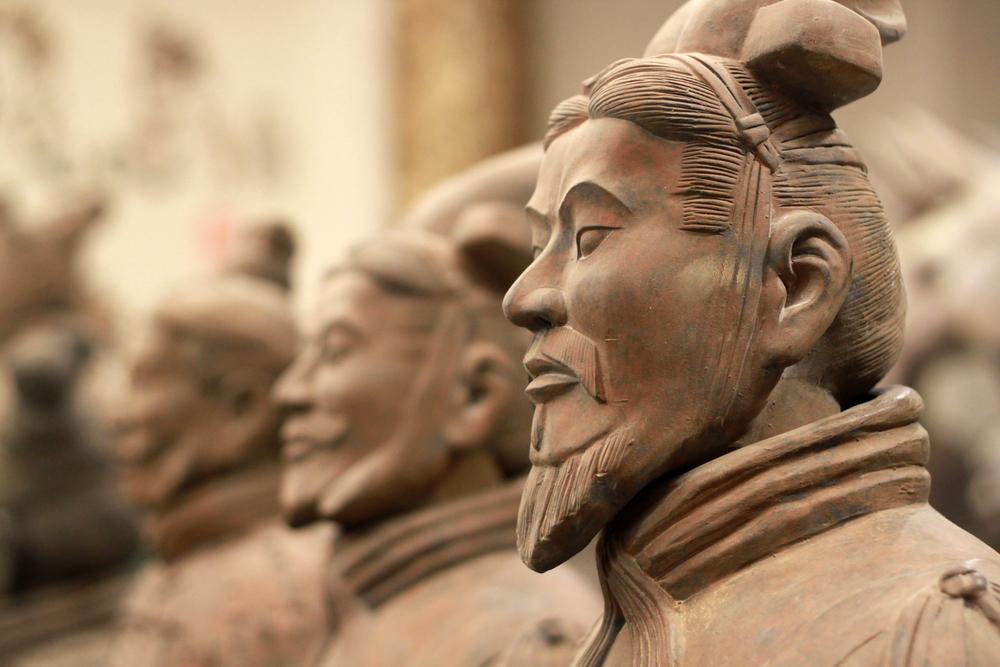
Local farmers digging a well during a drought in 1974 made what many consider the archaeological discovery of the 20th century. Their shovels struck the head of a life-sized clay warrior, leading to the excavation of Emperor Qin Shi Huang’s massive underground army. Imagine that farmer’s face when he realized what he’d hit. The site contains over 8,000 individual terracotta soldiers, horses, and chariots, each with unique facial features and details. Created around 210 BCE to protect China’s first emperor in the afterlife, this artistic achievement demonstrates the incredible organizational capacity and artistic sophistication of ancient China. The discovery continues to yield new insights, with ongoing excavations revealing acrobats, musicians, and other figures beyond the famous warriors.
Abu Simbel, Egypt
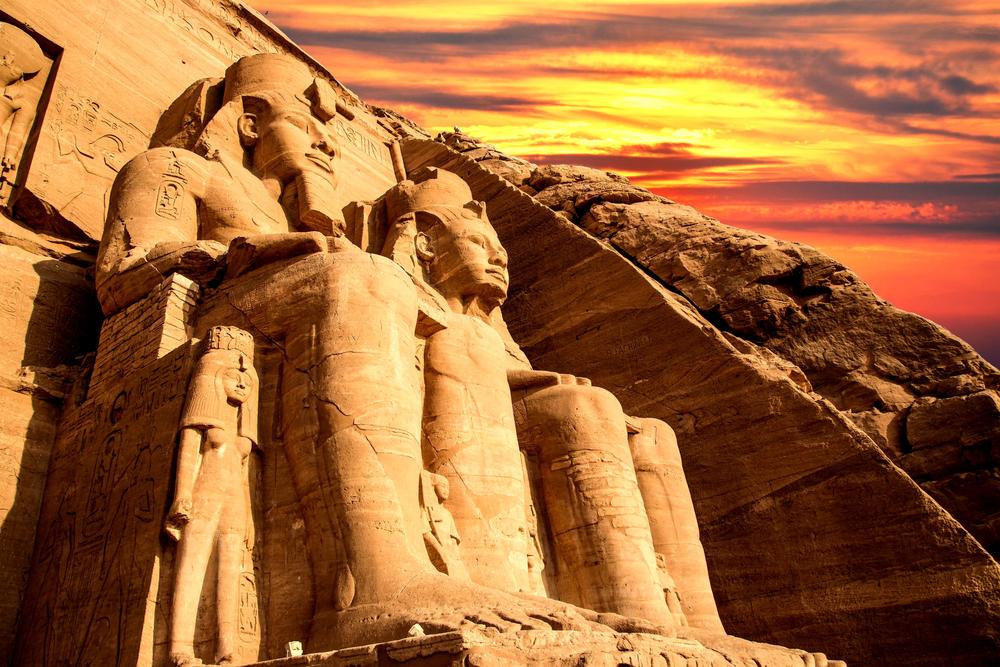
While Abu Simbel’s temples weren’t exactly lost, they faced destruction in the 1960s when the construction of the Aswan High Dam threatened to submerge them forever. The UNESCO-led rescue operation, completed in 1968, carefully dismantled the entire temple complex and rebuilt it on higher ground, block by massive block. This modern rediscovery through relocation revealed incredible details about Ramesses II’s architectural propaganda, including the famous phenomenon where sunlight illuminates the inner sanctuary statues on the pharaoh’s birthday. The rescue operation itself became a testament to international cooperation in preserving humanity’s artistic heritage.
When the Past Meets the Present
These rediscoveries remind us that human creativity has always found ways to endure, whether preserved by volcanic ash, hidden in remote caves, or protected by the sea itself. Each site tells a unique story about the people who created these masterpieces and the circumstances that both hid and eventually revealed them. While modern technology now helps archaeologists locate lost sites using satellites and ground-penetrating radar, many of history’s greatest artistic treasures were still found through old-fashioned luck, curiosity, and persistence. The next great discovery might be hiding in your own backyard, waiting for the right moment to emerge from its long slumber.
More from Go2Tutors!

- 16 Historical Figures Who Were Nothing Like You Think
- 12 Things Sold in the 80s That Are Now Illegal
- 15 VHS Tapes That Could Be Worth Thousands
- 17 Historical “What Ifs” That Would Have Changed Everything
- 18 TV Shows That Vanished Without a Finale
Like Go2Tutors’s content? Follow us on MSN.