Bizarre Things Actors Did To Prepare For A Role
Acting is supposed to be about pretending, but some performers take preparation so seriously that the line between character and reality starts to blur in unsettling ways. Method acting has produced legendary performances, but it’s also created stories that sound more like psychological experiments than career moves.
When commitment crosses into obsession, the results can be brilliant, disturbing, or just plain weird.
Daniel Day-Lewis
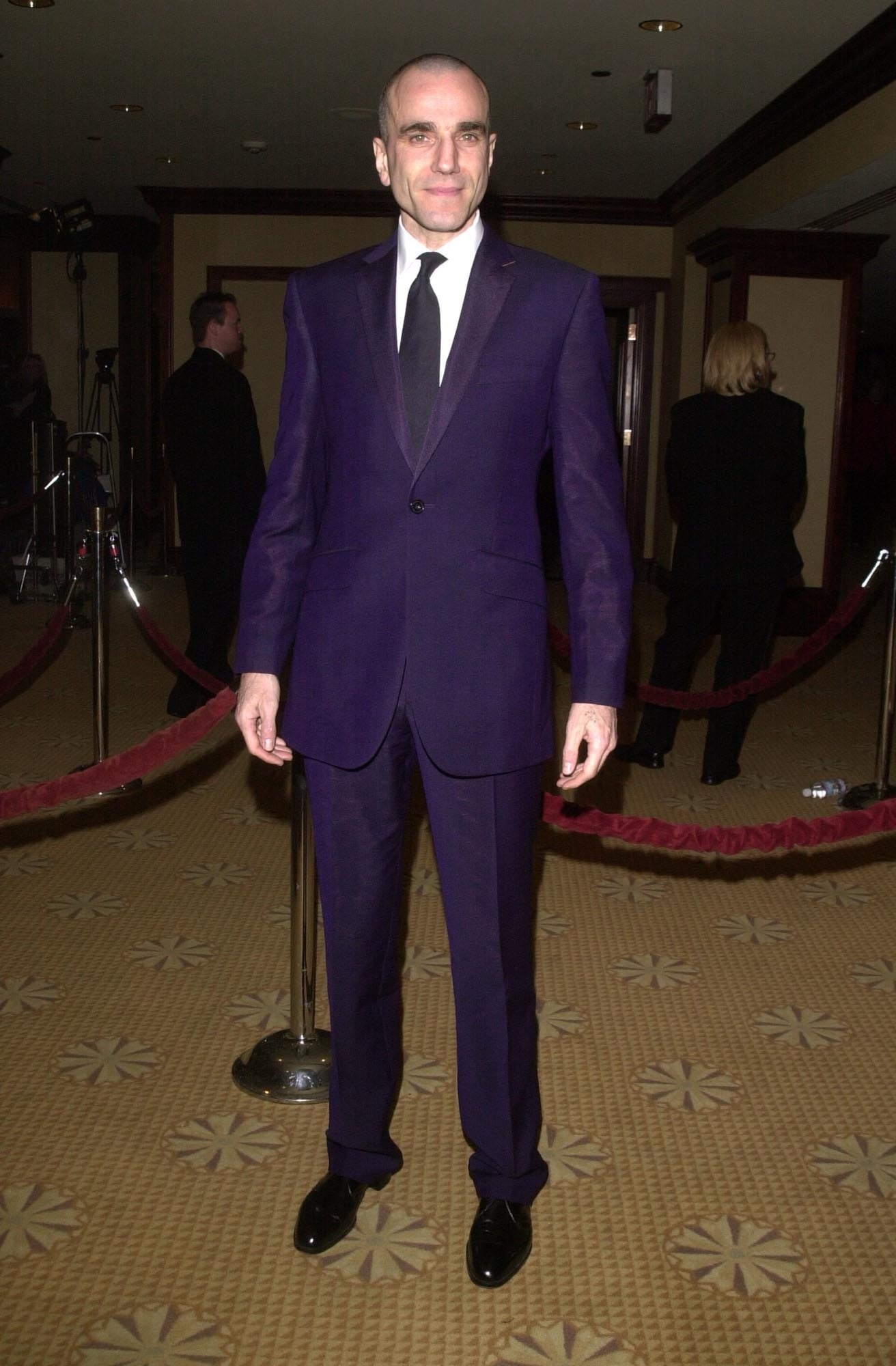
Day-Lewis doesn’t just play characters; he becomes them for months at a time, and everyone around him has to deal with the consequences. For “Lincoln,” he insisted cast and crew address him as “Mr. President” throughout the entire production.
He stayed in character between takes, during lunch breaks, and apparently even when calling his agent (which must have been confusing for everyone involved, since his agent presumably knew he wasn’t actually Abraham Lincoln).
But that’s relatively tame compared to his preparation for “My Left Foot.” Day-Lewis spent weeks in a wheelchair, refusing to leave it even when the cameras stopped rolling.
Crew members had to carry him to the bathroom and spoon-feed him meals. The physical commitment was so intense that he cracked two ribs from hunching over in the chair for extended periods.
Heath Ledger

Ledger’s transformation into the Joker consumed him in ways that still make people uncomfortable to discuss. He locked himself in a hotel room for weeks, keeping a diary written entirely in the Joker’s voice—pages of manic scribbles, disturbing sketches, and fragments of thoughts that grew increasingly unhinged.
The diary became his roadmap to madness, and he carried it everywhere during filming.
Sleep became impossible. Ledger would take Ambien and still lie awake for hours, his mind racing with the character’s chaotic energy.
When he did manage to sleep, he’d wake up after an hour or two, completely alert and unable to return to rest. The insomnia wasn’t just a side effect—it became part of the performance, feeding into the Joker’s twitchy, unpredictable presence on screen.
Jared Leto
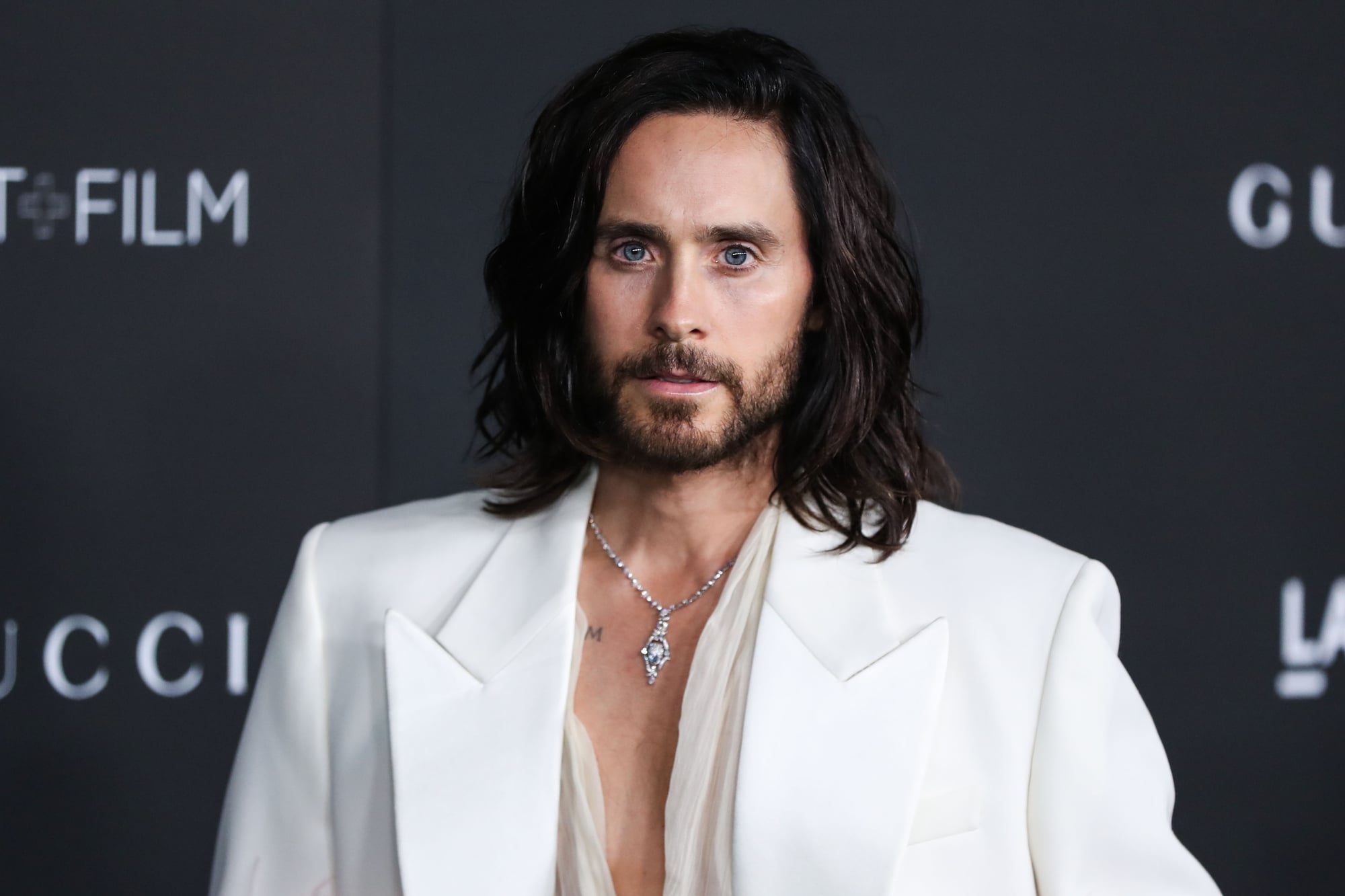
Leto’s approach to method acting reads like a masterclass in how to alienate everyone on set while creating a performance that divides audiences completely. He never broke character as the Joker, which meant his co-stars had to interact with a man who thought he was a psychotic criminal for months on end (and considering how that movie turned out, the commitment feels somewhat misplaced).
The gifts he sent his castmates—dead rats, used condoms, and other unspeakable items—weren’t pranks or publicity stunts.
They were, in his mind, genuine expressions of the Joker’s twisted affection. Margot Robbie and Will Smith had to pretend these gestures were endearing rather than deeply disturbing, which probably required more acting skill than anything that made it into the final cut.
Rooney Mara

Mara’s preparation for “The Girl with the Dragon Tattoo” involved permanent changes that most actors would never consider—alterations that outlasted the filming schedule by years and fundamentally changed how she moved through the world. She bleached her eyebrows and dyed her hair jet black, but those were the cosmetic changes that could be undone with time and patience.
The piercings were different. Mara had her lip, nose, eyebrow, and ears pierced specifically for the role, enduring the pain and healing process because she believed temporary fake piercings would read as false on camera.
And yet—here’s where commitment crosses into something harder to define—she kept most of them long after filming wrapped. Lisbeth Salander had become a permanent part of her physical identity.
Robert De Niro

De Niro gained sixty pounds for “Raging Bull,” but the weight gain itself wasn’t the strangest part—it was how methodically he approached becoming overweight, as if obesity were a technical skill he needed to master rather than a physical transformation (and the fact that he did this in an era when digital effects could have handled much of the work makes the commitment feel almost perverse). He studied how heavy people moved, breathed, and carried themselves, then practiced until those movements became automatic.
So he spent months eating his way through Italy, documenting every meal and every pound gained.
But even during the weight gain, he continued boxing training to maintain the muscle memory and reflexes of a fighter beneath the added bulk. The result was a performance where you could see the athlete trapped inside the deteriorated body—which was exactly what the role demanded, but the physical and psychological toll was immense.
Charlize Theron

Theron’s transformation for “Monster” went beyond makeup and prosthetics—she rewired her entire nervous system to inhabit Aileen Wuornos, a woman whose relationship with violence and intimacy had been twisted by decades of abuse. Theron spent months studying footage of Wuornos, but not just watching—she practiced walking like her, talking like her, and holding her shoulders in the same defensive posture until these movements became unconscious.
The psychological preparation was more disturbing than the physical transformation. Theron deliberately accessed her own experiences with trauma and violence, using them as raw material to understand Wuornos’s mindset.
She described the process as “going to a very dark place” and staying there for months—a place that took considerable time and therapy to return from. The performance was brilliant, but the cost was measured in ways that don’t show up on box office receipts.
Christian Bale
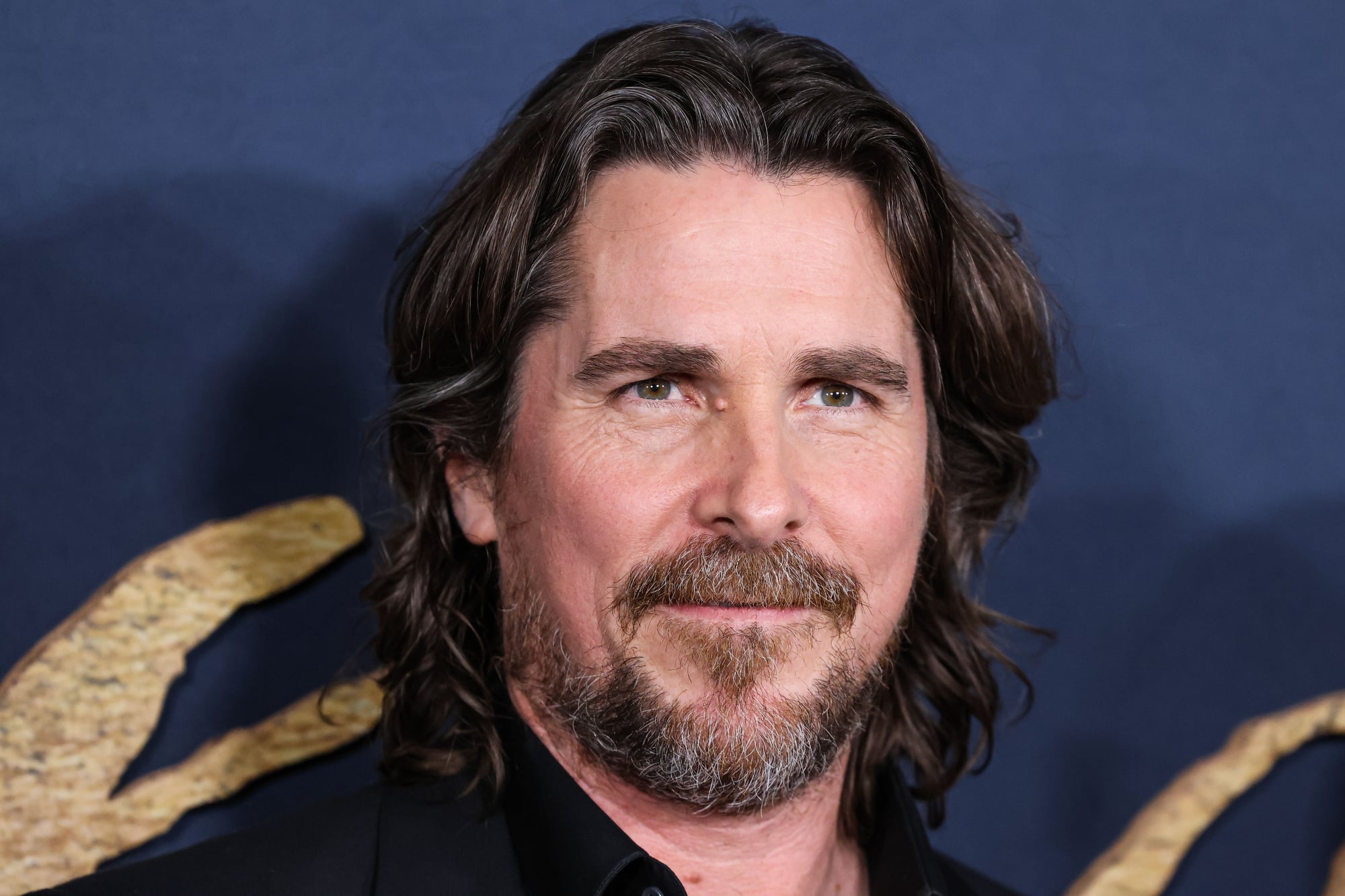
Bale’s weight fluctuations for various roles read like a medical case study in what the human body can endure when pushed to extremes—and what’s particularly unsettling is how casually he discusses these transformations, as if gaining and losing sixty pounds were no different from changing his haircut. For “The Machinist,” he dropped to 120 pounds, surviving on coffee, cigarettes, and an apple a day for months.
The psychological effects of extreme weight loss kicked in after a few weeks: paranoia, insomnia, and a strange emotional detachment from reality that actually served the character perfectly (which raises uncomfortable questions about whether the mental side effects were intentional or just a convenient accident).
He then gained 100 pounds in six months to play Batman, a transformation that required constant medical monitoring to ensure his heart could handle the strain. And yet he’s done similar weight swings for multiple roles since then, treating his body like a prop that can be reshaped at will.
Adrien Brody
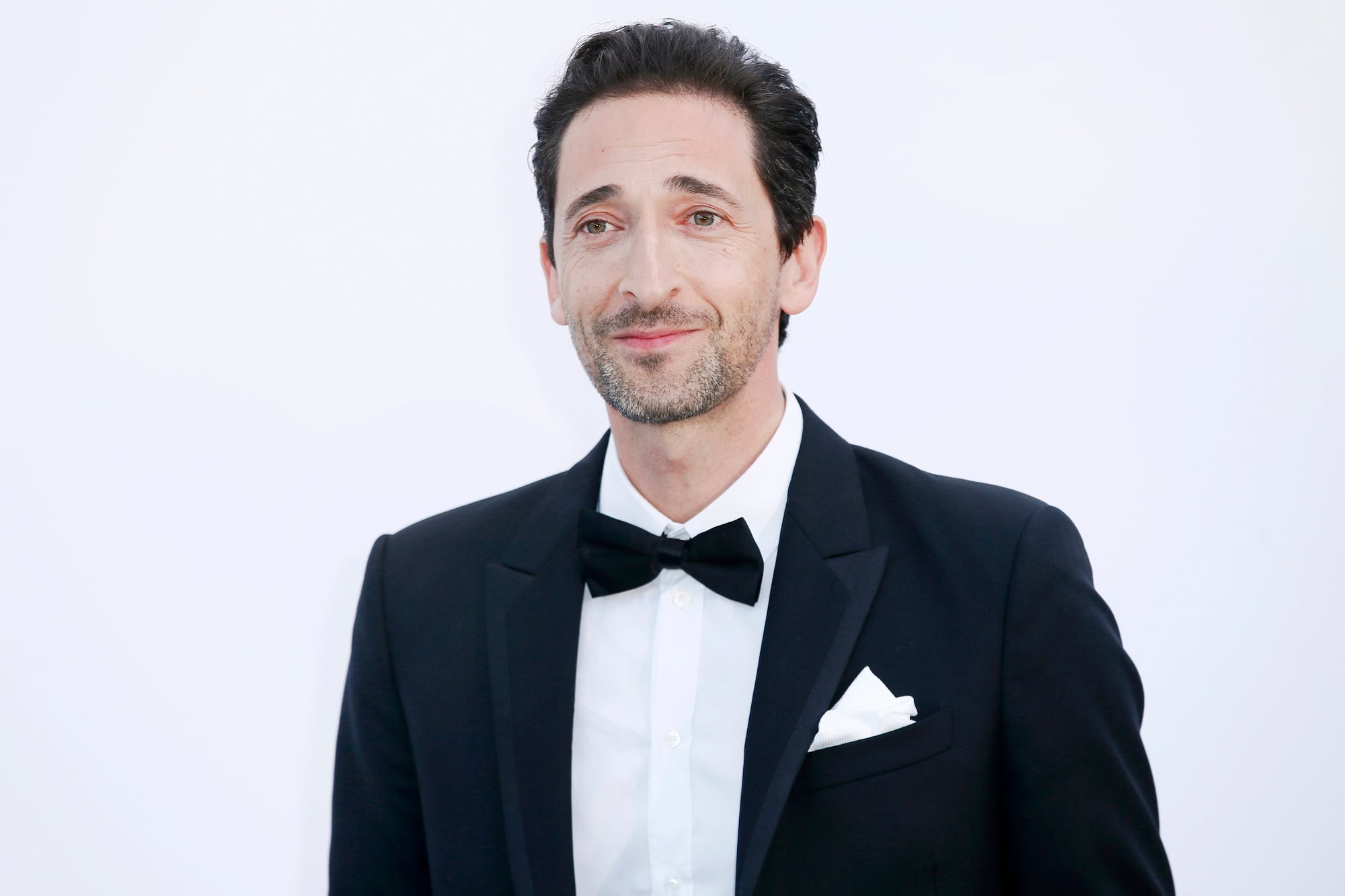
For “The Pianist,” Brody didn’t just lose thirty pounds and learn to play piano—he dismantled his entire life to understand what it felt like to lose everything that defined him as a person. He sold his car, moved out of his apartment, and broke up with his girlfriend, deliberately creating the sense of displacement and loss that his character experienced during the Holocaust.
The isolation became total. Brody stopped socializing, avoided restaurants and entertainment, and spent his days practicing piano in an empty room for hours at a time.
He wanted to understand boredom, loneliness, and the strange psychological space that opens up when all normal human connection disappears. The method worked—his performance carries a weight of genuine loss that’s difficult to fake—but rebuilding his life after filming proved more difficult than he anticipated.
Natalie Portman

Portman’s preparation for “Black Swan” pushed her body to the edge of what’s physically possible for someone who isn’t a lifelong professional dancer—and the fact that she achieved a convincing performance in just one year speaks to an almost obsessive level of dedication. She trained eight hours a day, learning not just ballet technique but the specific physical culture of professional dancers: the way they eat, sleep, and think about their bodies as instruments rather than homes.
But the psychological preparation cut deeper than technique (and this is where her performance found its emotional truth): Portman deliberately cultivated the perfectionism, self-criticism, and body dysmorphia that drive many dancers to excel and, sometimes, to self-destruction.
She studied the mental habits of perfectionism—the way it creates both extraordinary discipline and a kind of psychological prison. The line between preparation and genuine psychological distress became increasingly blurry as filming progressed.
Tom Hanks

Hanks lost fifty pounds for “Cast Away,” but the weight loss was just the beginning of a preparation process that involved learning skills most people would never need and developing a relationship with solitude that bordered on the monastic. He spent weeks learning to make fire without matches, crack coconuts efficiently, and identify edible plants—skills that would never appear directly on camera but informed every moment of his performance.
The psychological preparation involved months of deliberate isolation. Hanks would spend days alone in remote locations, practicing talking to himself and developing the mental habits of someone whose only companion is his own voice.
He studied how extended solitude changes the way people think, move, and relate to objects in their environment. The result was a performance that captured not just the physical effects of isolation, but the subtle psychological shifts that happen when human connection disappears entirely.
Forest Whitaker

Whitaker’s preparation for “The Last King of Scotland” involved embodying Idi Amin so completely that the psychological effects lingered for months after filming wrapped—and what made the performance particularly unsettling was how Whitaker seemed to access the dictator’s charisma along with his brutality. He studied footage of Amin obsessively, but also read everything available about his childhood, his relationship with food, and his physical habits.
The transformation went beyond mimicry. Whitaker practiced Amin’s posture and gait until they became automatic, but he also cultivated the dictator’s particular brand of paranoid charm—the ability to be simultaneously threatening and appealing.
He described the experience as “letting someone else live inside my body,” and the psychological integration was so complete that he had difficulty separating his own thoughts from the character’s. Friends and family noticed changes in his personality that took considerable time to fade.
Hilary Swank

Swank’s preparation for “Boys Don’t Cry” involved living as a man for weeks before filming began—not just dressing like one for auditions or photo shoots, but completely inhabiting a male identity in everyday situations where the stakes were real. She bound her chest, deepened her voice, and practiced male body language until it became unconscious, then tested the disguise in public spaces where discovery could have led to genuine danger.
The psychological aspect of the preparation proved more challenging than the physical transformation. Swank had to understand not just how to present as male, but how to think and feel like someone whose gender identity didn’t match their biological body—the internal experience of dysphoria that drove her character’s choices throughout the film.
She worked with transgender men to understand the emotional landscape she was trying to inhabit, and the preparation gave her a profound appreciation for the courage required to live authentically when authenticity itself is dangerous.
Jake Gyllenhaal
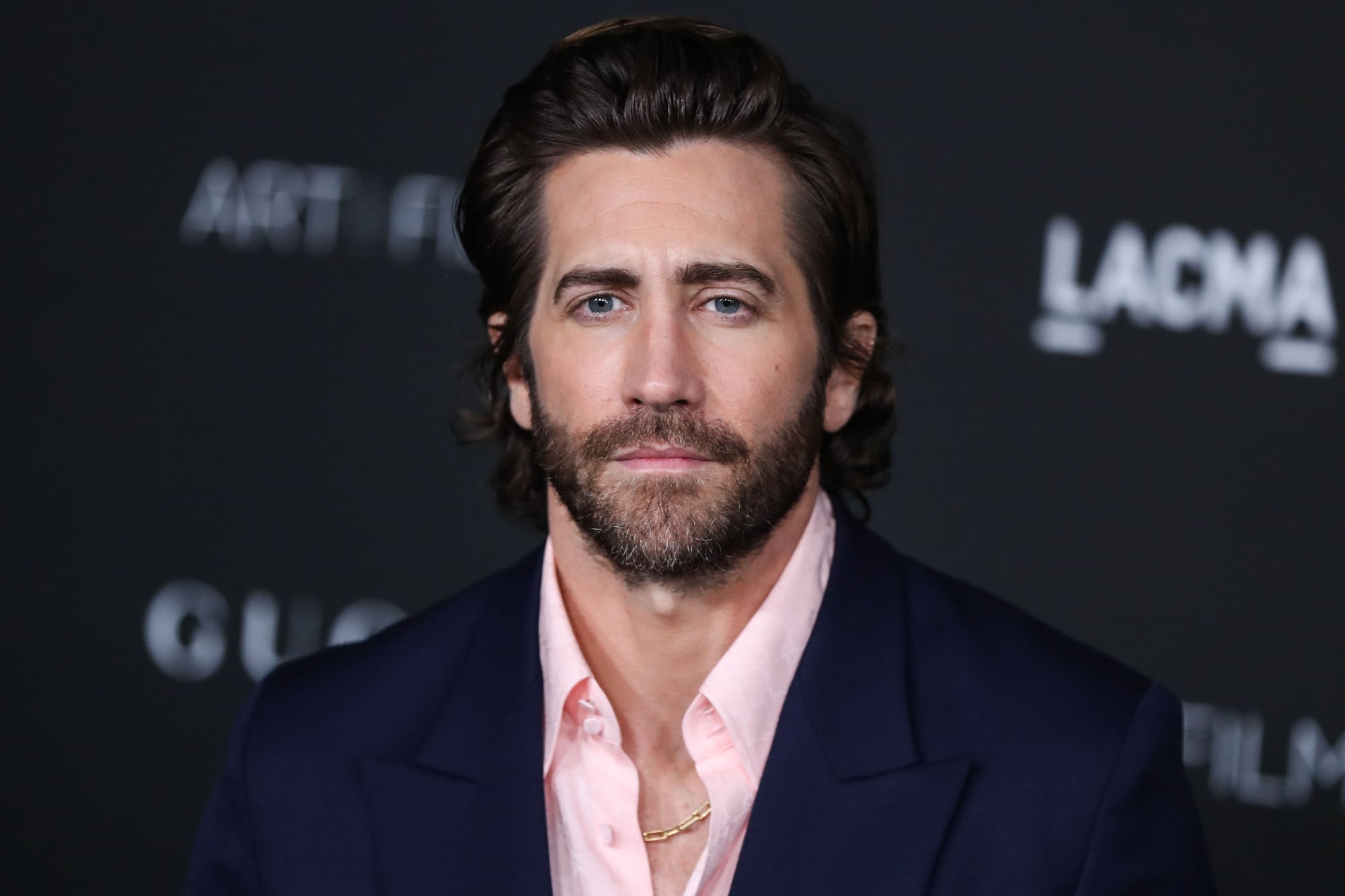
Gyllenhaal’s preparation for “Nightcrawler” involved cultivating a sociopathic mindset that proved difficult to shake once filming ended—and what made the process particularly disturbing was how methodically he approached the development of traits that most people spend their lives trying to avoid. He lost twenty pounds to achieve the character’s gaunt, predatory appearance, but the physical transformation was secondary to the psychological work.
He practiced manipulating conversations, studying how to make people uncomfortable while maintaining plausible deniability. Gyllenhaal would deliberately create awkward silences in interviews and social situations, then observe how people responded to his unsettling presence.
He cultivated a kind of emotional detachment that allowed him to observe human suffering without feeling compelled to intervene—a mindset that served the character perfectly but made his friends and family deeply uncomfortable during the filming period.
The Art Of Becoming Someone Else

The most disturbing thing about these stories isn’t the extremity of the methods—it’s how naturally talented actors seem to slip into identities that fundamentally contradict their own personalities and values. Method acting reveals something unsettling about human nature: how thin the line is between performance and genuine transformation, and how easily we can become the roles we play when we commit to them completely.
These actors didn’t just pretend to be other people; they temporarily became other people, and some of them struggled to find their way back.
More from Go2Tutors!

- The Romanov Crown Jewels and Their Tragic Fate
- 13 Historical Mysteries That Science Still Can’t Solve
- Famous Hoaxes That Fooled the World for Years
- 15 Child Stars with Tragic Adult Lives
- 16 Famous Jewelry Pieces in History
Like Go2Tutors’s content? Follow us on MSN.