16 Biggest Mistakes Travelers Make When Booking Ocean Cruises
Ocean cruises promise escape from ordinary life — floating resorts that carry you between destinations while someone else handles the driving, the meals, and the entertainment. But between the glossy brochures and the reality of seven days at sea lies a minefield of booking decisions that can make or break the entire experience.
Most first-time cruisers approach the process like booking a hotel, clicking through options without understanding how different cruise ships really are from each other, or how a seemingly small choice about cabin location can determine whether you sleep peacefully or listen to deck chairs scraping overhead at 6 AM. These mistakes aren’t just inconveniences — they’re expensive lessons that turn dream vacations into costly reminders of what you didn’t know to ask.
The good news is that most of these pitfalls are entirely avoidable once you understand how cruise booking actually works.
Booking the wrong cabin location
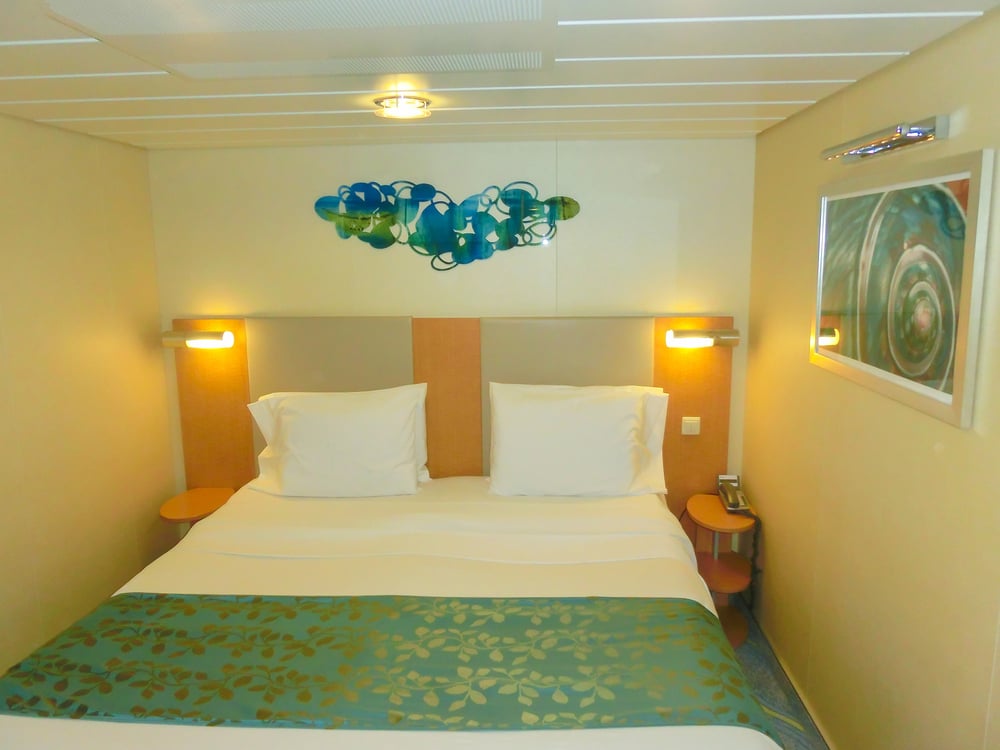
— Photo by Marina113
Interior cabins on Deck 2 seem like bargains until the anchor drops at 4 AM. Cabins directly below the pool deck sound convenient until you discover that “quiet hours” don’t apply to maintenance crews rearranging furniture before sunrise.
Location matters more on ships than anywhere else. You can’t just walk outside when things get noisy.
Ignoring ship age and recent renovations
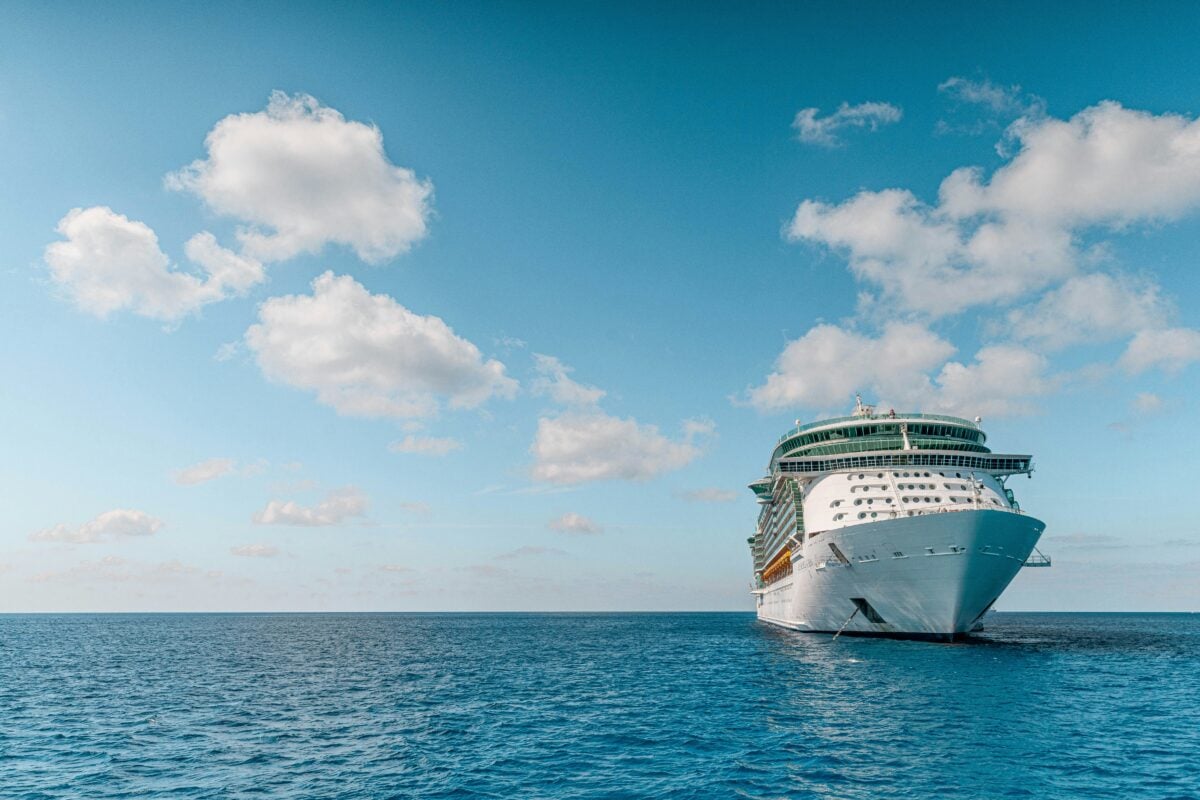
That 20-year-old ship with the attractive price might be showing its age in ways the photos don’t reveal. Older vessels often have smaller cabins, outdated technology, and dining venues that feel tired compared to newer ships in the same fleet.
But here’s what cruise lines don’t advertise clearly: a recently renovated older ship can offer better value than a brand-new vessel, particularly if the renovation included updated staterooms and public spaces. The key (and this is where most people stumble) is researching when the last major refurbishment occurred, not just when the ship was originally built.
So you end up with travelers booking 15-year-old ships that were gutted and rebuilt two years ago — which can be brilliant — or avoiding 8-year-old ships that haven’t seen updates since launch, which is equally smart in the opposite direction.
Choosing the wrong cruise line for your travel style
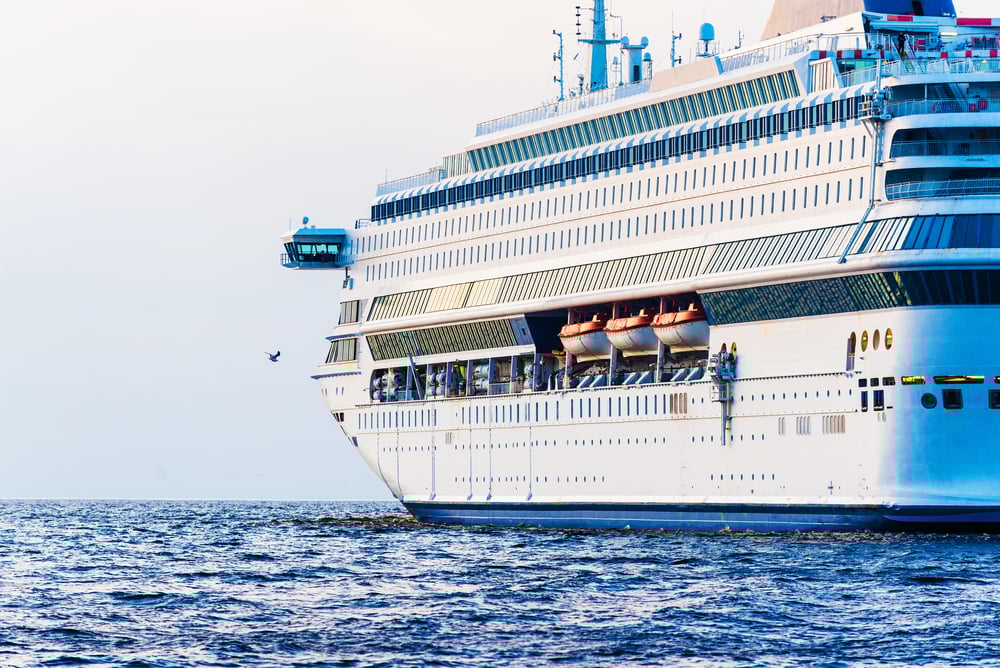
Cruise lines aren’t interchangeable. Disney runs floating theme parks with character breakfasts and family activities.
Viking operates floating libraries with enrichment lectures and destination-focused itineraries. Booking Carnival when you want quiet sophistication is like showing up to a wine tasting in a sports bar.
The wine might be decent, but the atmosphere won’t match your expectations.
Not understanding dining package restrictions
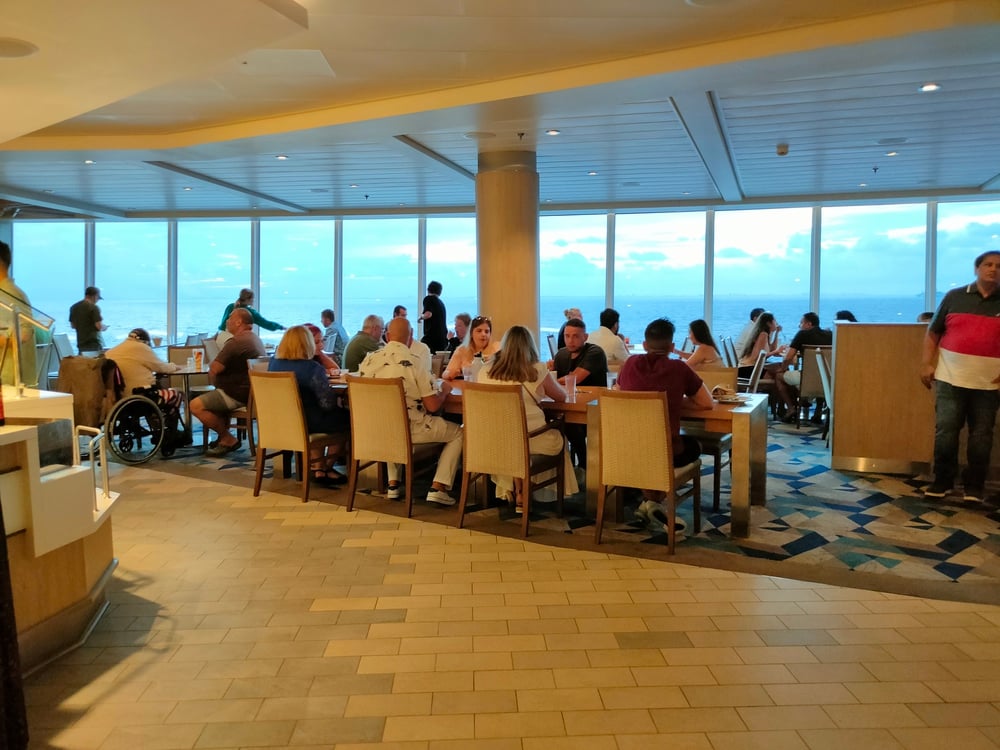
Specialty dining packages sound straightforward: pay upfront, eat at premium restaurants, save money. But these packages come with asterisks that most travelers discover after boarding. Some restaurants require reservations that fill up before embarkation day.
Others charge supplements even with the dining package — that $40-per-person steakhouse meal becomes $65 when wine pairings and premium cuts aren’t included in your “unlimited” package. And then there’s the timing issue that catches families off guard: specialty restaurants often don’t accommodate early dining times when traveling with children, which means your dining package becomes useless if your kids can’t stay awake for 8 PM reservations.
The package that seemed like smart planning turns into a source of nightly stress about where everyone can actually eat together.
Booking during peak hurricane or rough weather seasons

September Caribbean cruises offer attractive prices for obvious reasons. Hurricane season doesn’t mean your cruise will cancel, but it does mean you might spend three days visiting the same port while weather systems pass, or watching movies in your cabin while the ship rocks through 12-foot swells.
Weather patterns are predictable. Ignoring them to save money often costs more in missed experiences and seasickness remedies than the original savings.
Overlooking gratuities and hidden fees

Cruise pricing often reveals its full cost after booking; it reveals its true intentions only after you’ve already committed. That $299 per person rate balloons with mandatory gratuities, beverage packages that suddenly seem essential when bottled water costs $4, and internet packages that charge by the minute for connectivity that barely loads email.
WiFi on ships operates through satellite connections that make dial-up internet feel lightning-fast by comparison, yet cruise lines price it like premium broadband. The sticker shock doesn’t end there — specialty dining, shore excursions, and even basic services like room service often carry fees that weren’t obvious during booking.
What looked like an affordable vacation morphs into something that costs twice the advertised price, and by then you’re already aboard with limited options for budget adjustments.
Not researching ports and excursion alternatives
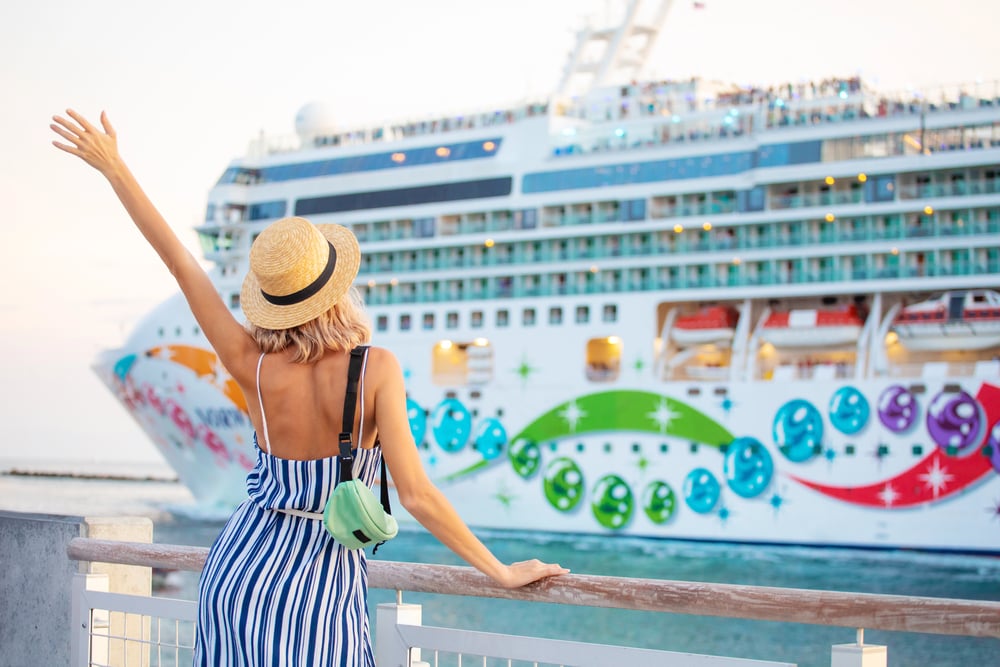
Cruise line shore excursions are convenient and safe, but they’re also expensive and often rushed. That $89 “Cultural Immersion” tour might be a bus ride to a tourist market with 45 minutes of actual cultural immersion.
Independent exploration or third-party tour operators frequently offer better experiences at lower prices. The tradeoff is that you’re responsible for getting back to the ship on time — which matters more than it sounds when dealing with foreign transportation systems.
Failing to book early reservations for popular amenities

Cruise ships operate like floating cities, but unlike cities, you can’t just walk to the next restaurant when your first choice is full. Popular specialty restaurants, spa appointments, and entertainment shows book solid within hours of online check-in opening (typically 30 days before sailing).
By the time you board, the only available dinner reservations are at 5:30 PM or 9:45 PM, and that cooking class you wanted to take has a waitlist 20 people deep. This is particularly brutal for travelers celebrating anniversaries or birthdays — the romantic dinner you planned becomes a rushed early seating or a late night affair when you’re already exhausted from port days.
The shows you researched and excited your family about are fully booked, leaving you with whatever entertainment happens to have openings. Planning a cruise without making reservations in advance is like showing up to a popular restaurant on Saturday night hoping for the best table in the house.
Choosing the wrong cabin category for your needs
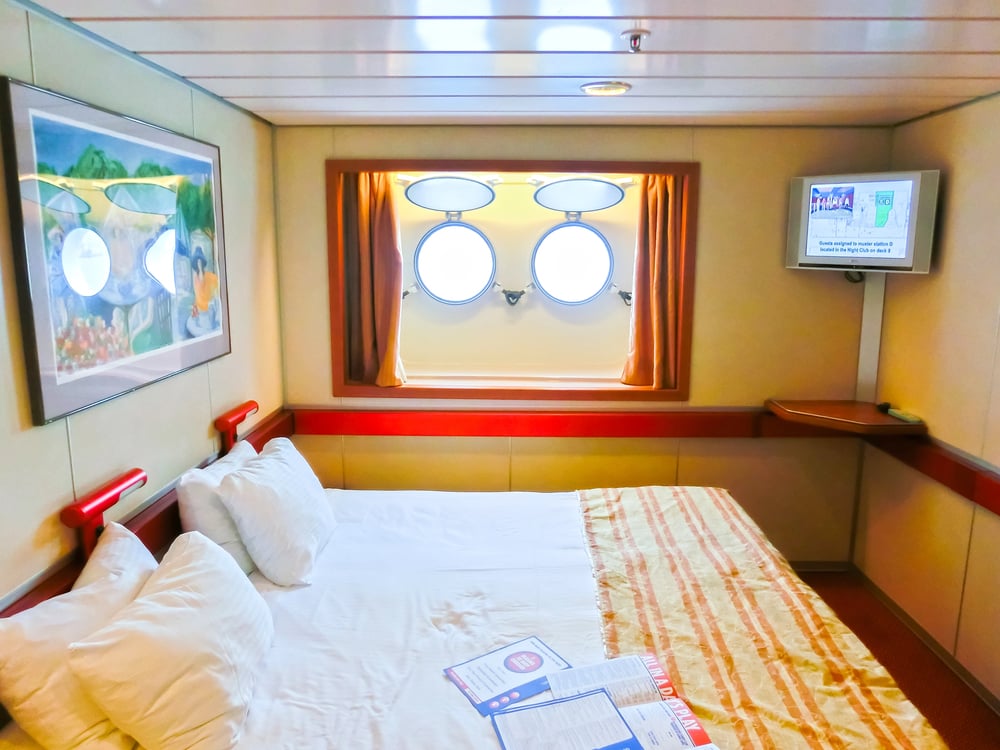
Balcony cabins cost significantly more than interior rooms, but that private outdoor space becomes worthless if you’re never in your cabin during daylight hours. Active travelers who spend days exploring ports and evenings at ship entertainment often find that interior cabins work perfectly well for sleeping and showering.
Conversely, travelers who enjoy quiet mornings with coffee and sea views discover that interior cabins feel claustrophobic after a few days. The money saved on cabin upgrades can buy a lot of specialty dining and shore excursions, but only if you’re comfortable with the space you’ve booked.
Booking too close to departure dates

Last-minute cruise deals exist, but they come with significant limitations that eager travelers often overlook in their excitement about scoring a bargain. Shore excursions book up weeks in advance, so that spontaneous Caribbean cruise might leave you exploring ports entirely on your own — which can be wonderful if you’re comfortable with independent travel, but disappointing if you were counting on guided tours to unfamiliar destinations.
Flight availability becomes another issue entirely: cruise ports aren’t always served by major airports, and finding reasonably priced airfare to Miami or Fort Lauderdale with two weeks’ notice can quickly erase any savings from the discounted cruise fare. And then there’s the rush factor that affects everything from packing decisions to pet boarding arrangements.
But the real cost of last-minute booking shows up in stress rather than dollars — you end up scrambling to arrange details that normally take weeks to organize properly.
Not understanding cabin size and layout differences
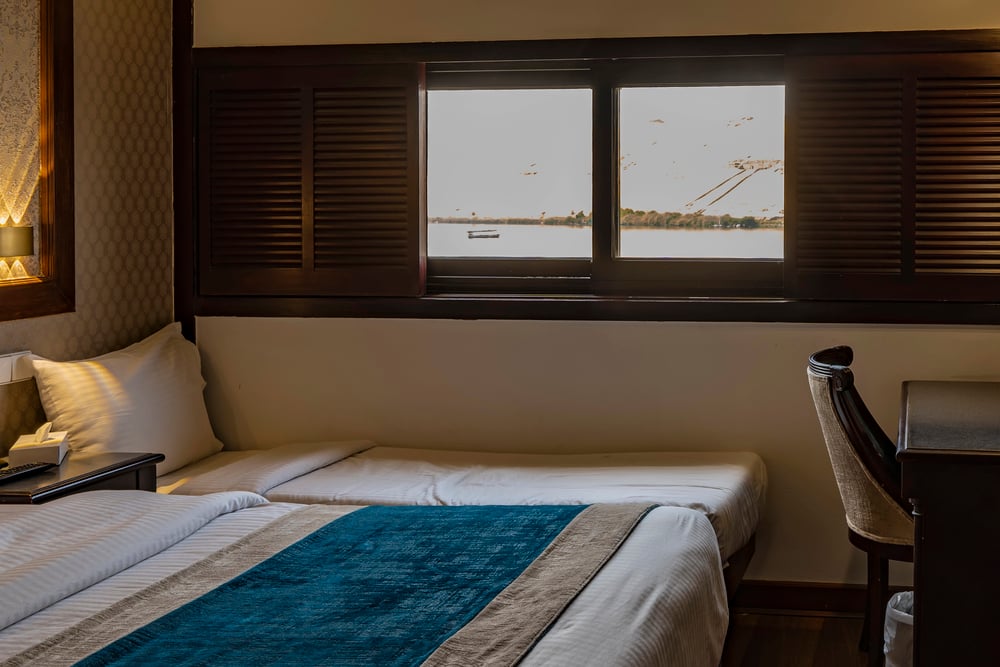
Ship cabin categories sound similar but vary dramatically in actual space and layout. An “Ocean View” cabin might have a tiny porthole or a large picture window.
“Balcony” cabins range from 150 to 300 square feet, and that extra space makes an enormous difference when two people are sharing the room for a week. Cabin layouts also differ significantly within the same category — some have split bathrooms, others have single small bathrooms.
Some have convertible sofas for additional sleeping space, others barely have room for two people to move around comfortably.
Misunderstanding dress codes and packing requirements

Cruise dress codes seem straightforward until you’re standing in front of your closet trying to interpret “elegant casual” or “smart casual” for formal dining rooms. These terms mean different things to different people, and cruise lines aren’t always clear about enforcement.
Some ships strictly require collared shirts for men in main dining rooms, others are more relaxed. Formal nights can range from “cocktail attire encouraged” to “black tie expected.”
The climate control issue catches many travelers off guard as well: ships are heavily air-conditioned, and that Caribbean cruise requires sweaters and long pants for indoor evening activities, even when daytime temperatures reach 85 degrees. Packing becomes a balancing act between warm-weather port attire and cool-weather ship clothing, formal evening wear and casual day outfits.
Getting it wrong means either being uncomfortable or spending money on clothes while aboard — where selection is limited and prices are resort-level high.
Booking during school holidays without considering crowds

Ships during school vacation periods transform into floating summer camps. Pool areas become packed with families, dining rooms echo with children’s voices, and adult-only areas shrink as families with kids occupy every available space.
This isn’t necessarily bad, but it’s definitely different from cruises during school months when most passengers are couples or older adults. Travelers seeking relaxation often find school holiday cruises more energetic than restful.
Not checking what’s actually included in the fare
“All-inclusive” on cruise ships doesn’t mean what it means at resorts. Basic cruise fares typically include accommodations, most meals, and entertainment, but beverages beyond water, coffee, and basic juices cost extra.
Specialty restaurants, alcoholic drinks, soda, bottled water, and even room service often carry additional charges. Travelers coming from truly all-inclusive resort experiences find cruise pricing confusing and sometimes feel nickel-and-dimed by charges for services they expected to be included.
Assuming all itineraries visit the same types of ports
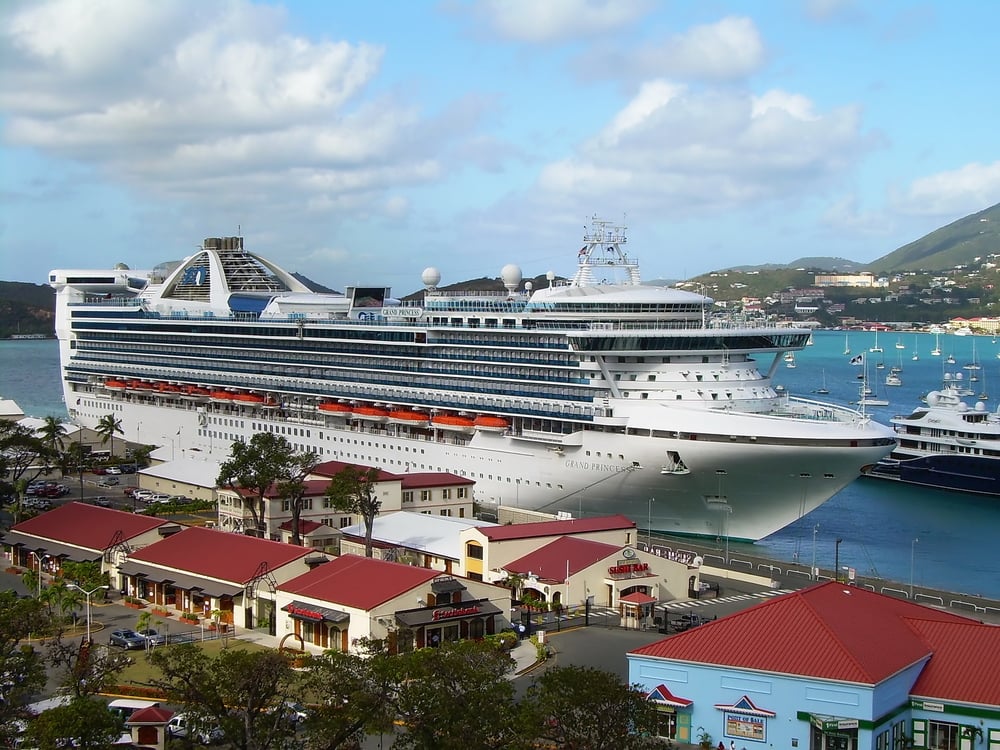
Eastern Caribbean itineraries focus on beaches and water sports. Western Caribbean routes emphasize Mayan ruins and cultural sites.
Southern Caribbean visits feature diverse islands with distinct personalities and less tourist infrastructure. But cruise lines market these itineraries similarly, leading travelers to book based on price or ship rather than destinations.
That beach-focused family ends up in Belize looking at ancient temples, or history enthusiasts find themselves in Cozumel with limited cultural sites and abundant snorkeling opportunities.
Not purchasing appropriate travel insurance
Cruise travel insurance differs from standard trip insurance because ships operate under maritime law and visit multiple countries with varying healthcare systems. Medical emergencies at sea require helicopter evacuation or diversion to the nearest port, both expensive options that standard health insurance rarely covers adequately.
Trip cancellation insurance becomes particularly important for cruises because cruise lines typically require full payment 90 days before departure, much earlier than hotels or airlines. Missing a cruise due to illness or emergency means losing the entire fare unless proper coverage is in place.
Fair winds and following seas
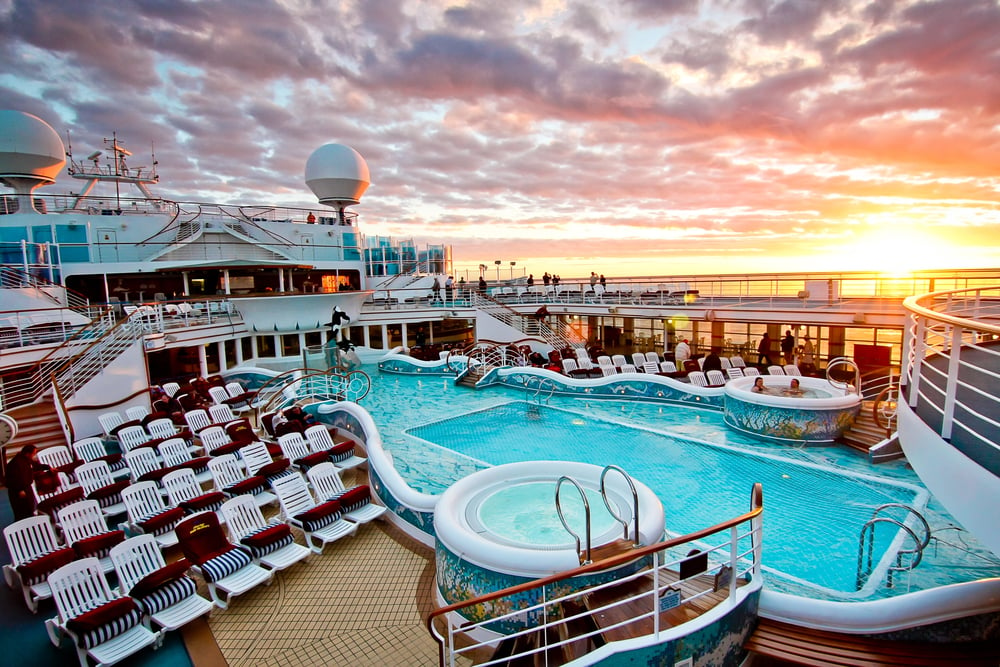
The ocean doesn’t care about your booking mistakes. It will be there regardless — vast, patient, and ready to provide the escape you’re seeking. But the ship you choose, the cabin you book, and the preparations you make will determine whether that escape feels like freedom or frustration.
These mistakes aren’t character flaws; they’re simply the price of not knowing what questions to ask in an industry that operates differently from land-based travel. Every experienced cruiser has made several of these errors, learned from them, and planned better trips as a result.
The goal isn’t perfection — it’s avoiding the preventable problems that can overshadow an otherwise remarkable week at sea.
More from Go2Tutors!

- The Romanov Crown Jewels and Their Tragic Fate
- 13 Historical Mysteries That Science Still Can’t Solve
- Famous Hoaxes That Fooled the World for Years
- 15 Child Stars with Tragic Adult Lives
- 16 Famous Jewelry Pieces in History
Like Go2Tutors’s content? Follow us on MSN.