15 Massive Cruise Ships Offering the Best Amenities
The idea of floating cities used to sound like science fiction. Now these mammoth vessels dock at ports worldwide, carrying small towns worth of passengers who never seem to run out of things to do.
Modern cruise ships have evolved far beyond simple transportation — they’re floating resorts that happen to visit different destinations. Some ships stretch longer than the Empire State Building is tall and pack more amenities than most land-based vacation destinations.
Royal Caribbean’s Wonder of the Seas
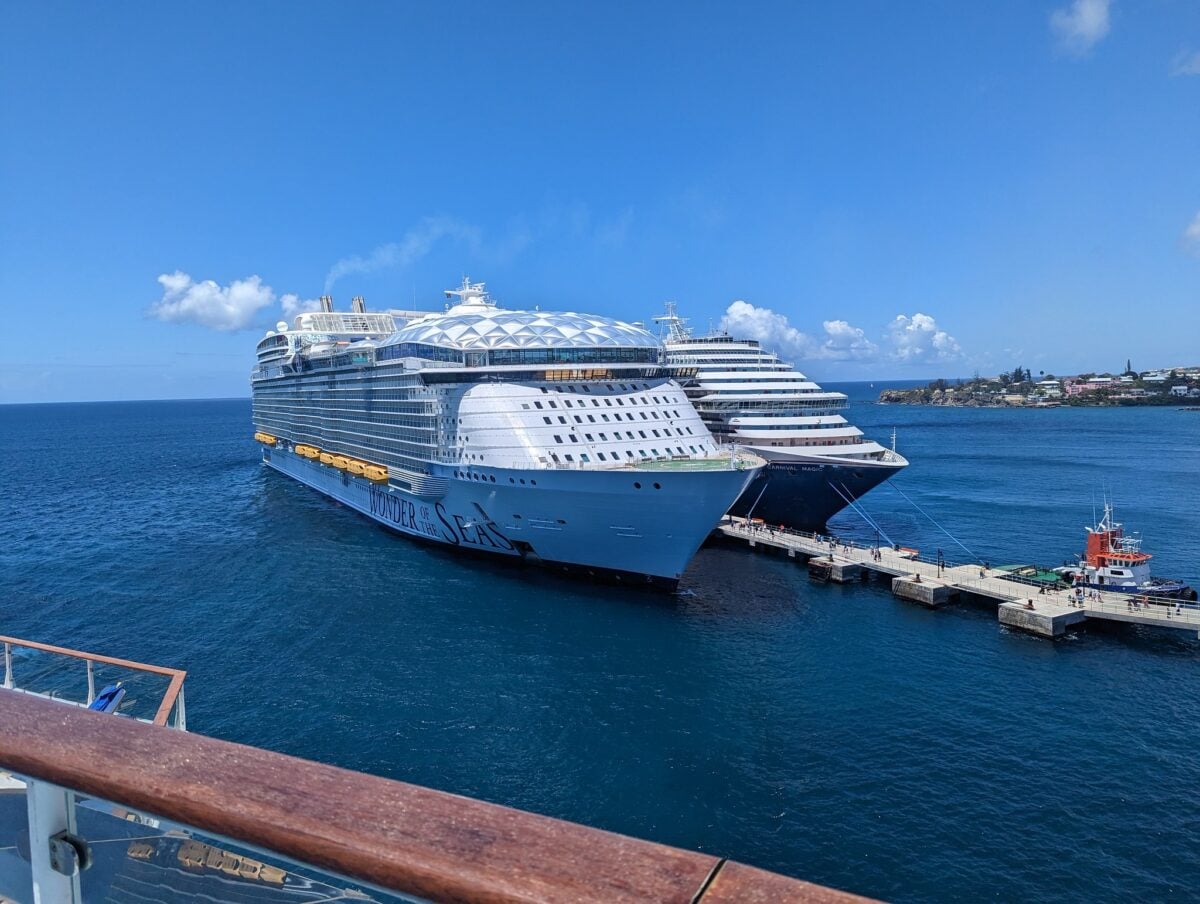
Wonder of the Seas doesn’t mess around. At 236,857 gross tons, it’s the largest cruise ship ever built. Eight distinct neighborhoods are spread across the ship, including Central Park with over 20,000 real plants growing in the middle of the ocean.
The ship holds 6,988 passengers when full. That’s more people than live in many small towns, yet somehow it never feels crowded.
Norwegian Bliss
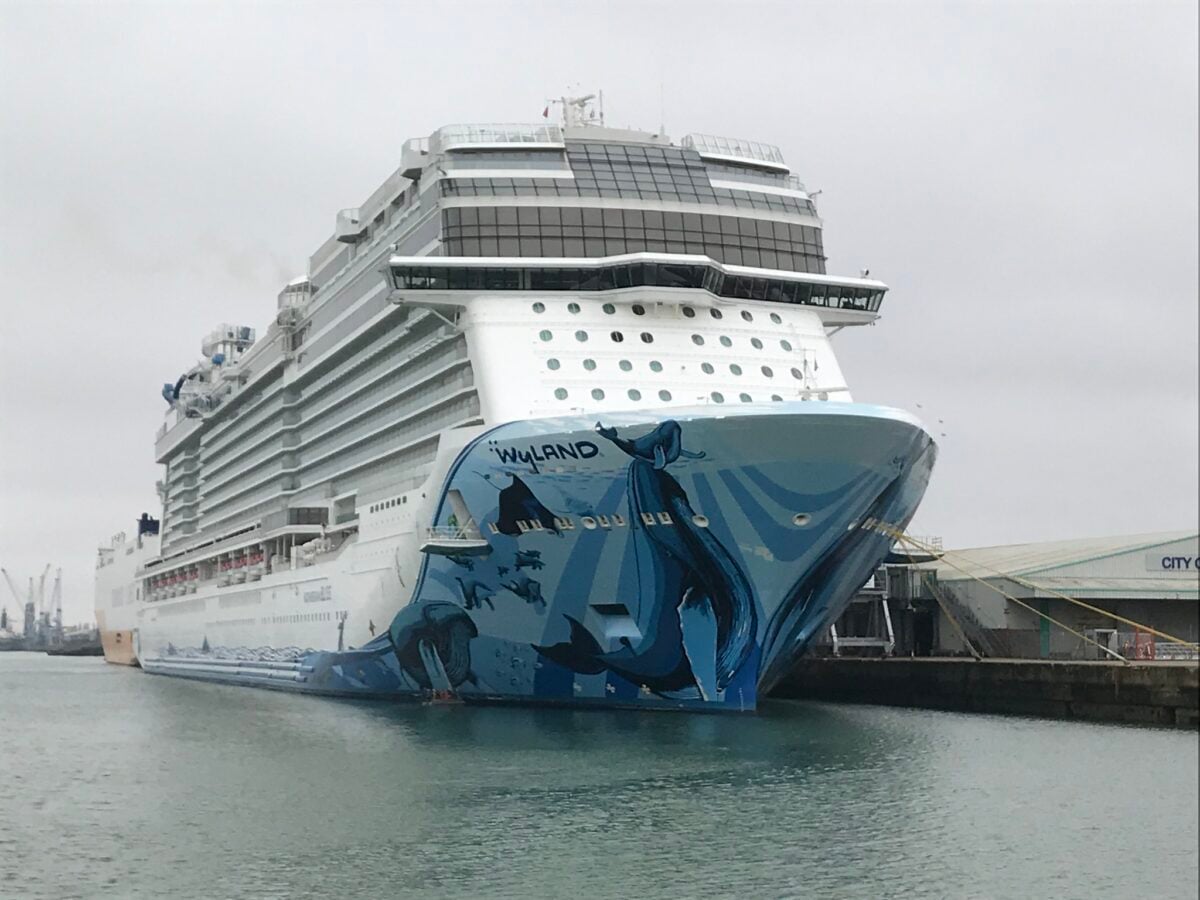
Here’s what happens when cruise designers go big: Norwegian Bliss features a go-kart track on the upper deck and a two-level laser tag arena, balanced by quieter spaces like the observation lounge extending over the ocean. Even so, the ship’s designers managed to create quiet spaces too, tucked between the more boisterous attractions like secrets waiting to be discovered.
The main dining rooms feel almost understated by comparison, until you realize they’re serving 4,000 people per seating and somehow the pasta still arrives hot.
Celebrity Edge
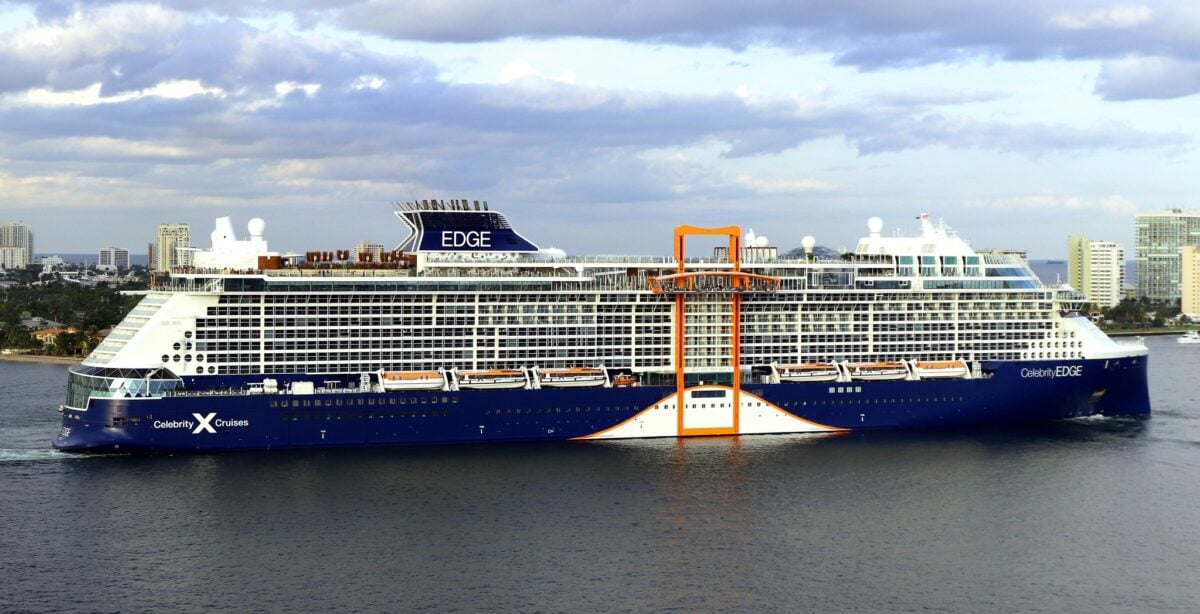
Think of Celebrity Edge as the ship that decided conventional cruise design was due for a complete overhaul. Everything feels slightly off in the best possible way — the top deck lawn club spreads real grass across the stern where you’d expect a pool, while the Magic Carpet platform moves up and down the side of the ship like a slow-motion elevator, transforming from a tender platform at sea level to a sky bar 13 decks up.
The infinite verandas blur the line between indoor and outdoor space. Floor-to-ceiling windows drop down at the touch of a button, turning your stateroom into something between a balcony and a suite.
It’s the architectural sleight of hand that makes the ship feel bigger than its measurements suggest.
Carnival Mardi Gras
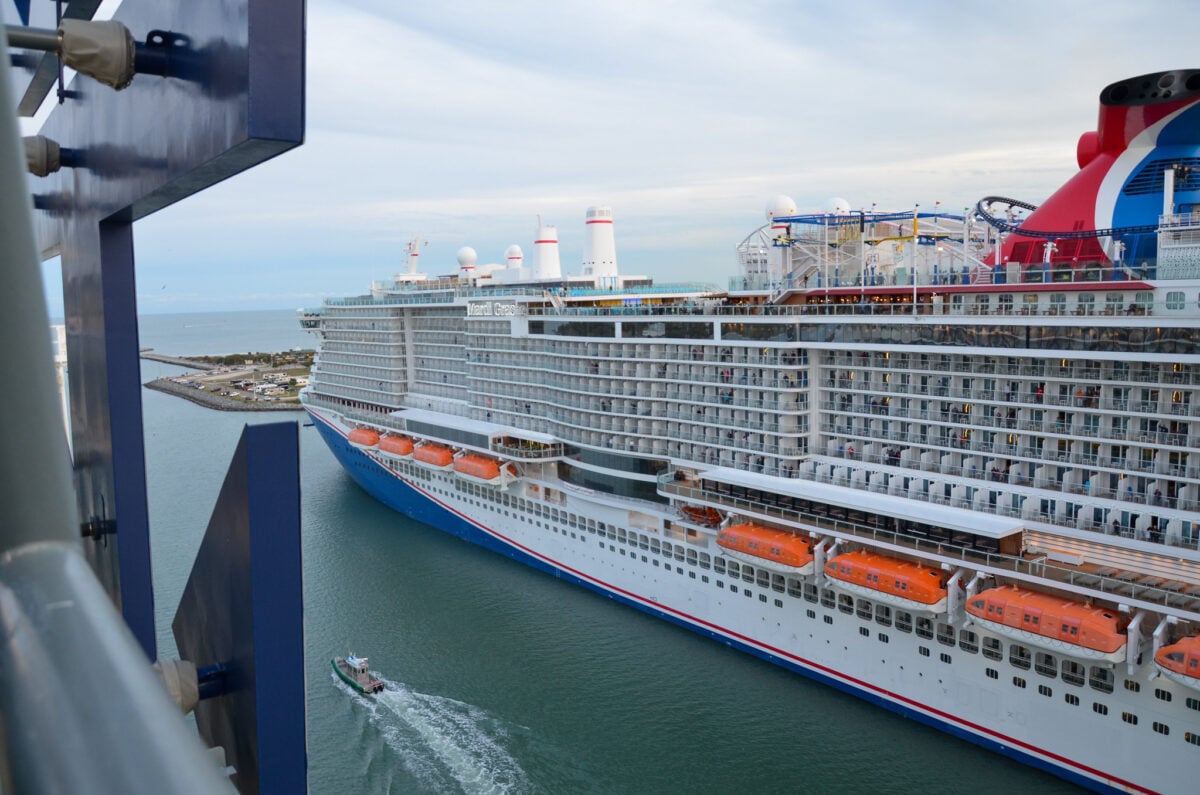
Carnival Mardi Gras is the first North American cruise ship powered by liquefied natural gas, which sounds boring until you realize it means the ship runs cleaner than most cars. The BOLT roller coaster snakes around the upper deck at 40 miles per hour — the first roller coaster at sea that actually feels fast rather than just novel.
The ship’s six themed zones each have their own personality. The French Quarter mimics New Orleans with jazz music and Creole food, while the Summer Landing zone focuses on casual deck games and poolside lounging.
It’s cruise ship design that finally figured out not everyone wants to do the same thing at the same time.
Symphony of the Seas
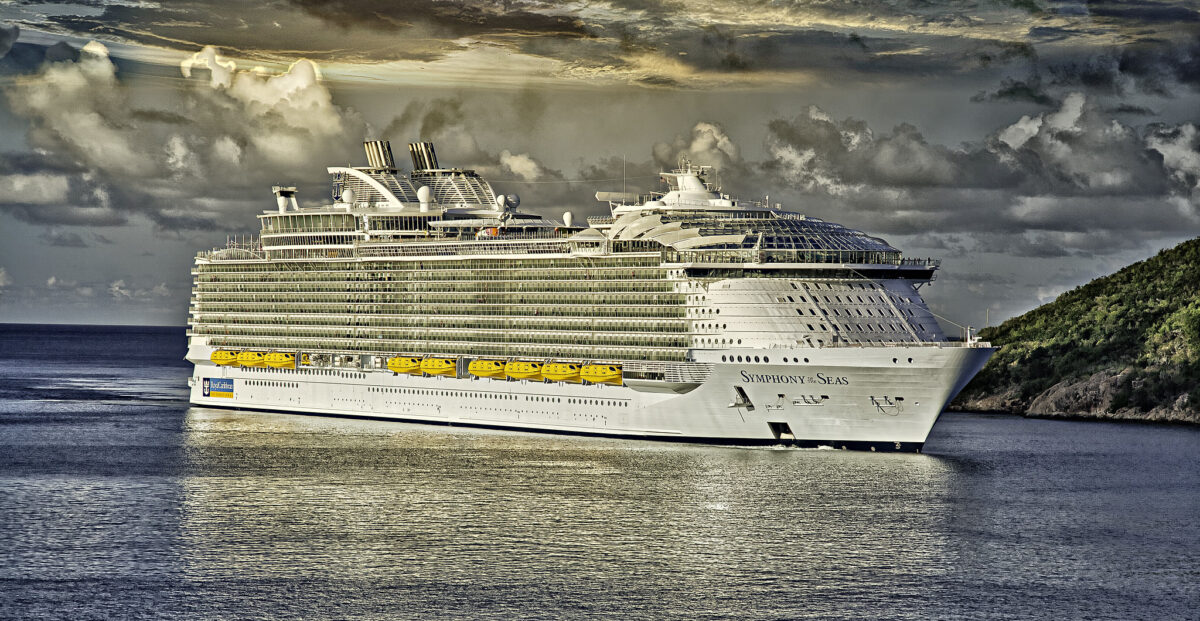
There’s something almost stubborn about Symphony of the Seas and its determination to fit an entire resort’s worth of amenities into a single vessel, as if the designers took every complaint about cruise ships being too small or too boring and decided to solve them all at once. The ship stretches 1,188 feet long and rises 238 feet above the waterline, dimensions that don’t quite register until you’re standing at one end trying to spot someone at the other (good luck with that).
The Ultimate Abyss slide drops riders 150 feet in complete darkness — not a gentle cruise ship waterslide, but something that belongs at a serious water park, except it’s suspended over the ocean and somehow that makes the brief terror more intense. And the FlowRider surf simulator runs almost constantly, with teenagers and middle-aged accountants alike wiping out spectacularly while a small crowd gathers to watch and wince in sympathy.
But it’s the Central Park area that really shows off — 20,000 live plants creating a garden neighborhood in the center of the ship where you can forget you’re at sea entirely.
MSC Seashore
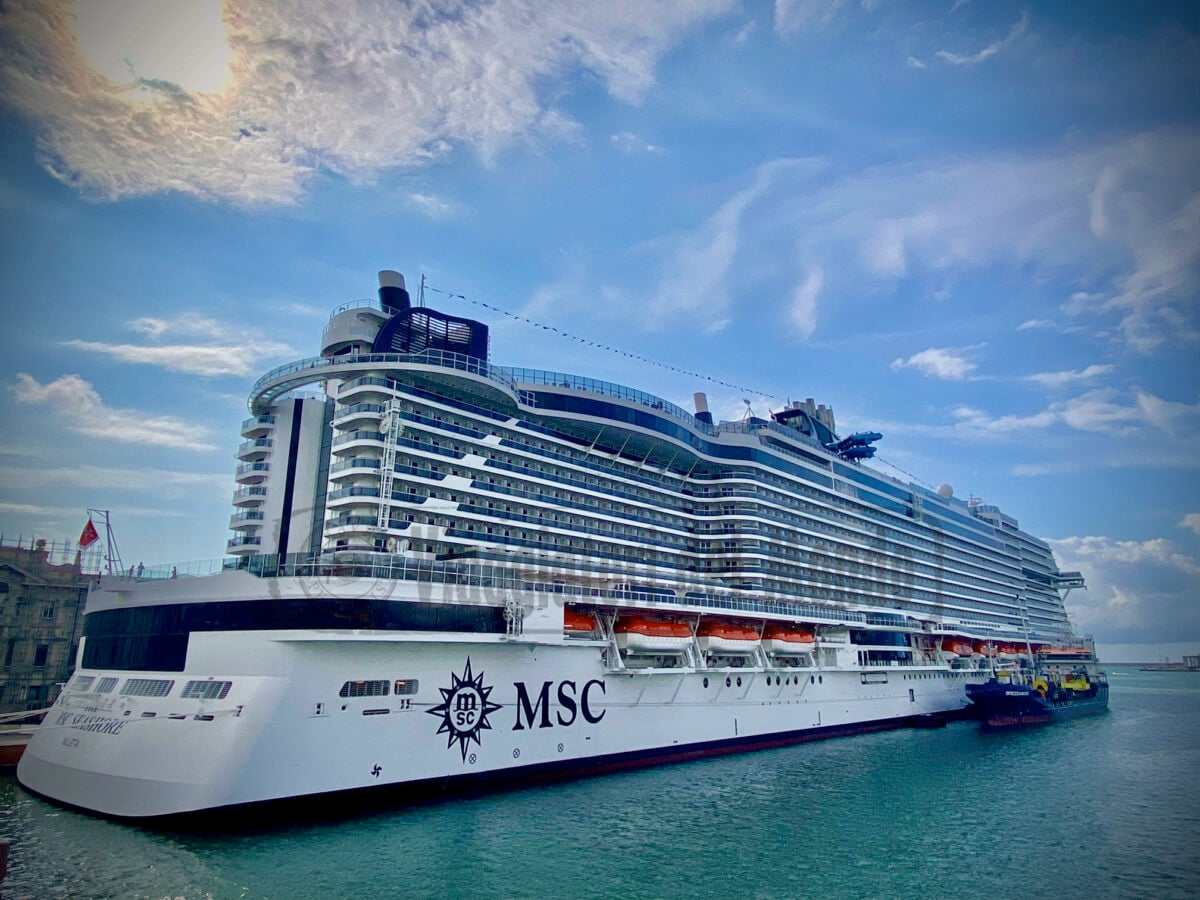
MSC Seashore represents European cruise design at its most confident. The ship feels like it was built by people who understand that Americans and Europeans vacation differently — less frenetic activity, more sophisticated relaxation.
The Aurea Spa spans two decks with a snow room, salt room, and thermal areas that feel more like a high-end resort than a ship amenity. The MSC Yacht Club creates a ship-within-a-ship experience.
Private suites, dedicated restaurants, and a secluded pool area that regular passengers never see. It’s cruise ship class distinction done elegantly rather than obviously.
Virgin Voyages’ Scarlet Lady
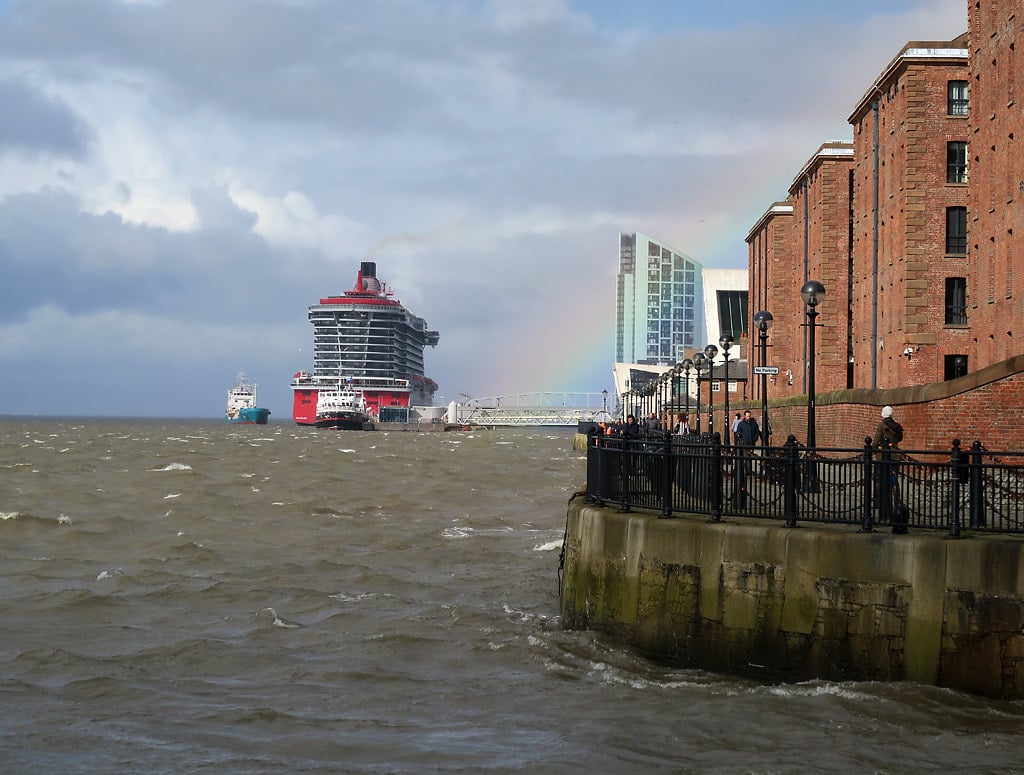
Scarlet Lady banned passengers under 18, which immediately sets a different tone than family cruise ships where kids run the hallways at 6 AM. The ship’s designers threw out cruise industry conventions — no main dining room, no fixed dinner times, no dress codes that require anything fancier than clean clothes.
The restaurants feel more like standalone establishments. Pink Agave serves Mexican food that would hold its own in any coastal city, while The Wake steakhouse dry-ages its beef onboard.
Even the fitness classes got an upgrade — HIIT workouts, yoga with live DJs, and boxing classes that actually make you sweat.
Allure of the Seas
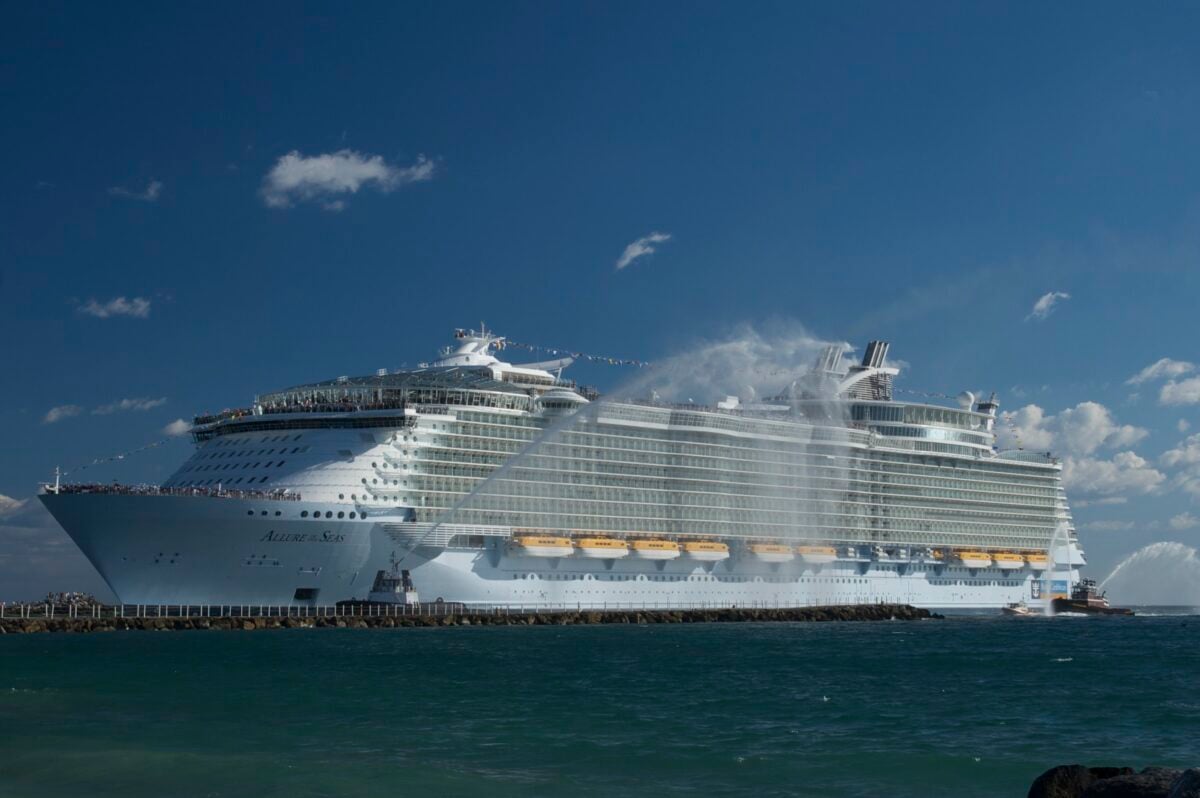
Picture a ship that moves like a small island across the ocean, carrying neighborhoods that feel almost landlocked until you glimpse the horizon through an unexpected window. The Boardwalk area recreates the feeling of a seaside town, complete with a hand-carved carousel that plays carnival music while parents wave from nearby benches and kids shriek with delight — the same sounds you’d hear at any county fair, except the ground beneath you rolls gently with each wave.
The rock-climbing walls rise five stories high, and there’s something oddly moving about watching someone reach the top just as the sun sets over the water, their small victory silhouetted against an endless sky. Meanwhile, the Promenade bustles below with shops and restaurants, but it’s the moments of quiet that stick — early morning when the ship feels almost empty, or late evening when most passengers have turned in, and you realize you’re part of this temporary floating community that will scatter to different lives once the ship docks.
Norwegian Encore
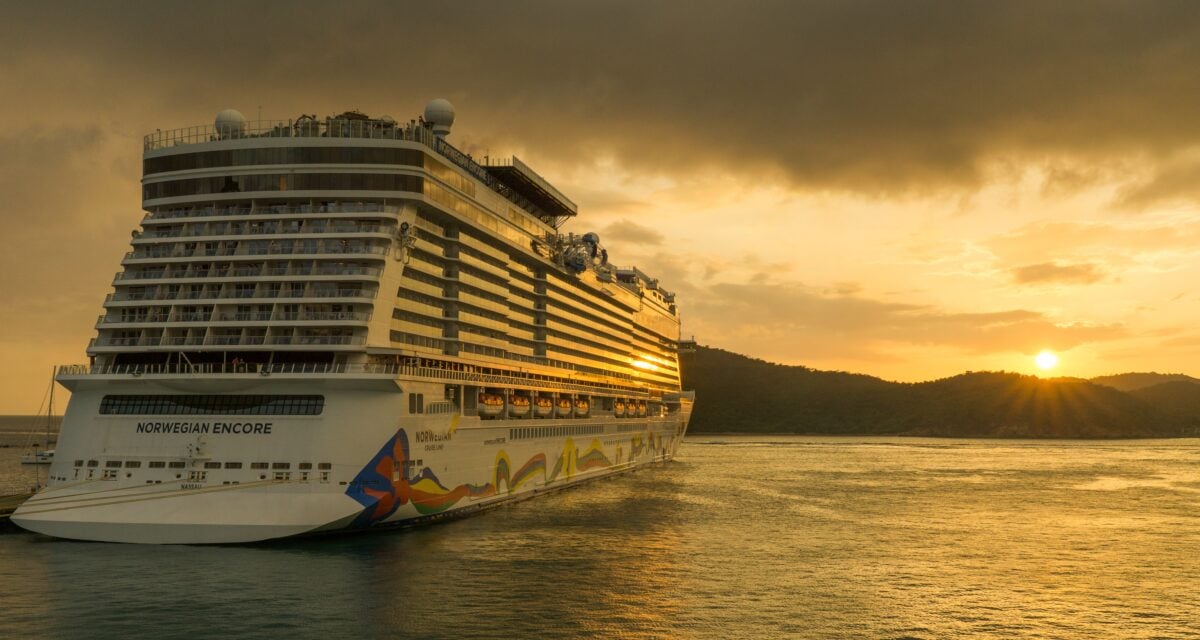
Norwegian Encore takes the “more is more” approach and somehow makes it work. The ship features the largest go-kart track at sea, spanning three levels and incorporating 14 turns that would challenge actual racing drivers.
The track design includes elevation changes and hairpin turns that make most participants grateful for the safety barriers. The Observation Lounge extends 20 feet beyond the ship’s edge, creating a glass-enclosed space suspended over the ocean.
During rough weather, sitting here feels like riding inside a wave. The Galaxy Pavilion virtual reality complex offers everything from racing simulators to escape rooms, turning rainy sea days into gaming marathons.
Royal Caribbean’s Oasis of the Seas
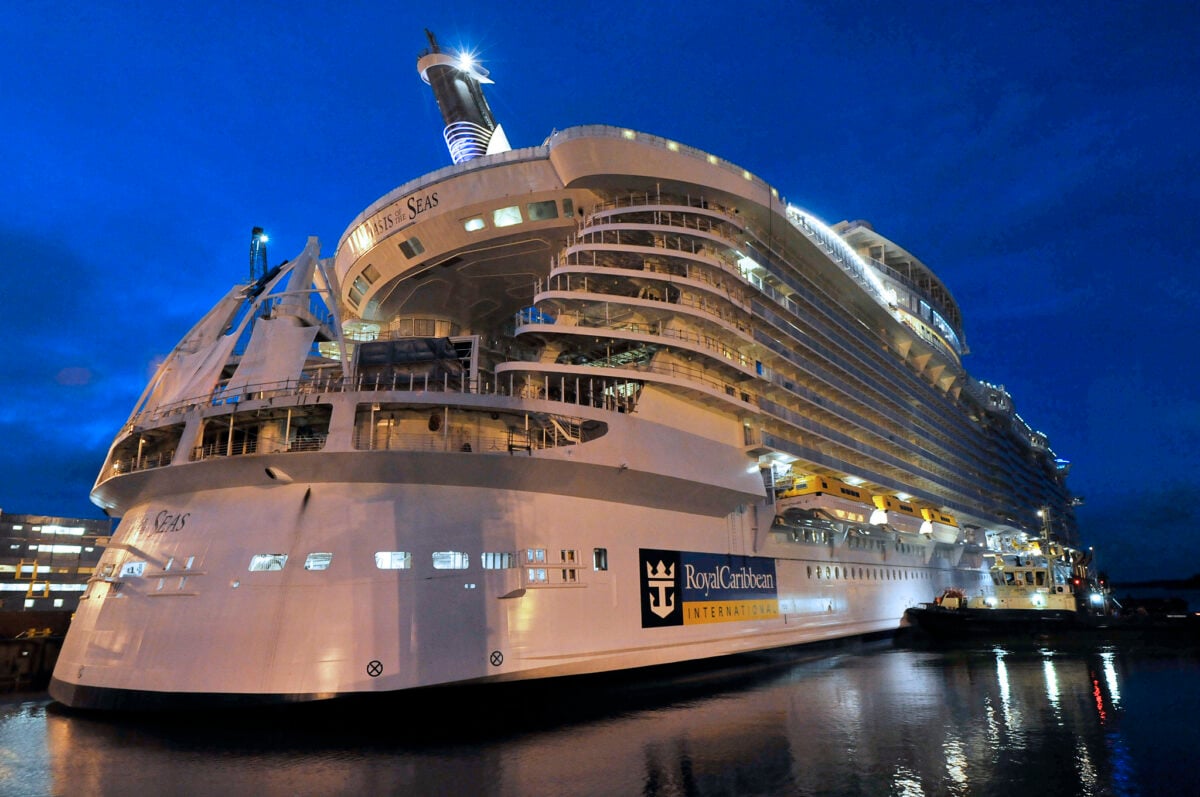
Oasis of the Seas still holds the distinction of being the ship that changed cruise design forever. Before Oasis launched, cruise ships were essentially floating hotels with entertainment.
Oasis created the neighborhood concept — distinct areas with different personalities spread across a ship large enough to house them properly. The AquaTheater hosts diving shows with performers jumping from platforms 60 feet above the pool.
The Central Park neighborhood grows actual trees and flowers, creating a garden space where passengers forget they’re at sea. The Boardwalk area feels like a small coastal town, complete with street performers and the smell of pizza drifting from Johnny Rockets.
Celebrity Apex
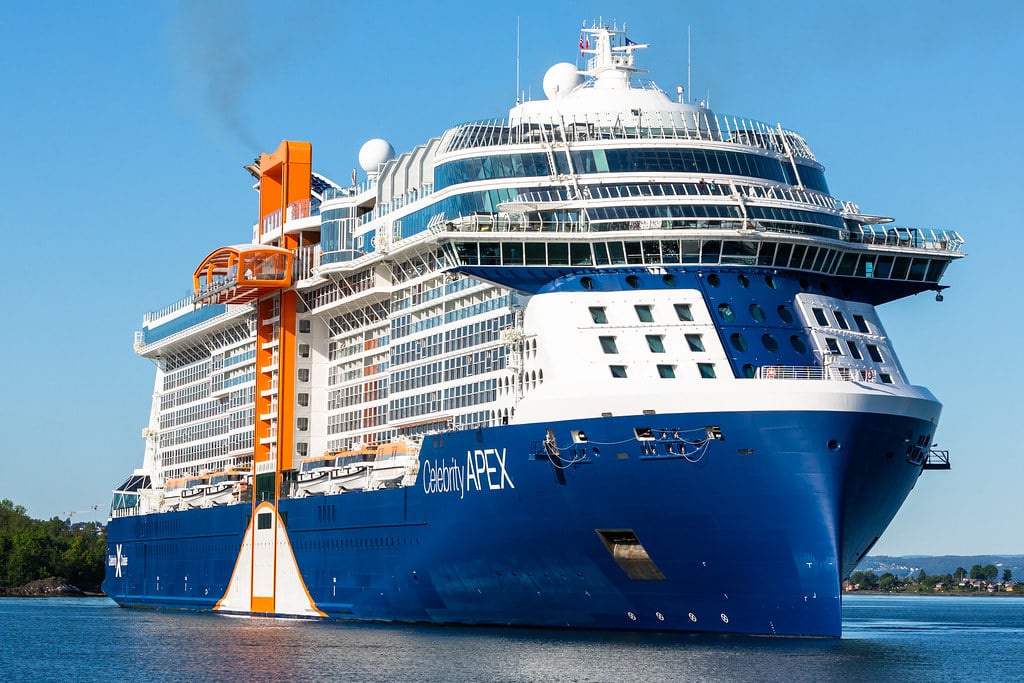
Celebrity Apex represents cruise design that values subtlety over spectacle — a refreshing change in an industry that often confuses bigger with better (though Apex is plenty big at 130,000 gross tons, which hardly counts as restraint anymore). The ship’s most striking feature might be the least obvious: Le Petit Chef dinner experience, where 3D mapping technology projects animated stories directly onto your dinner plate while courses arrive in perfect synchronization with the visual narrative, turning each meal into something between dinner and theater.
The Rooftop Garden spreads real grass and living walls across the upper deck, but it’s designed for contemplation rather than loud games — think sculpture garden rather than sports field. And the Magic Carpet platform continues to fascinate: this orange floating deck moves up and down the side of the ship throughout the day, transforming from an embarkation platform to a restaurant extension to a sunset bar, depending on the hour.
It sounds gimmicky until you experience dinner 130 feet above the ocean with nothing but glass between you and the horizon.
MSC Grandiosa
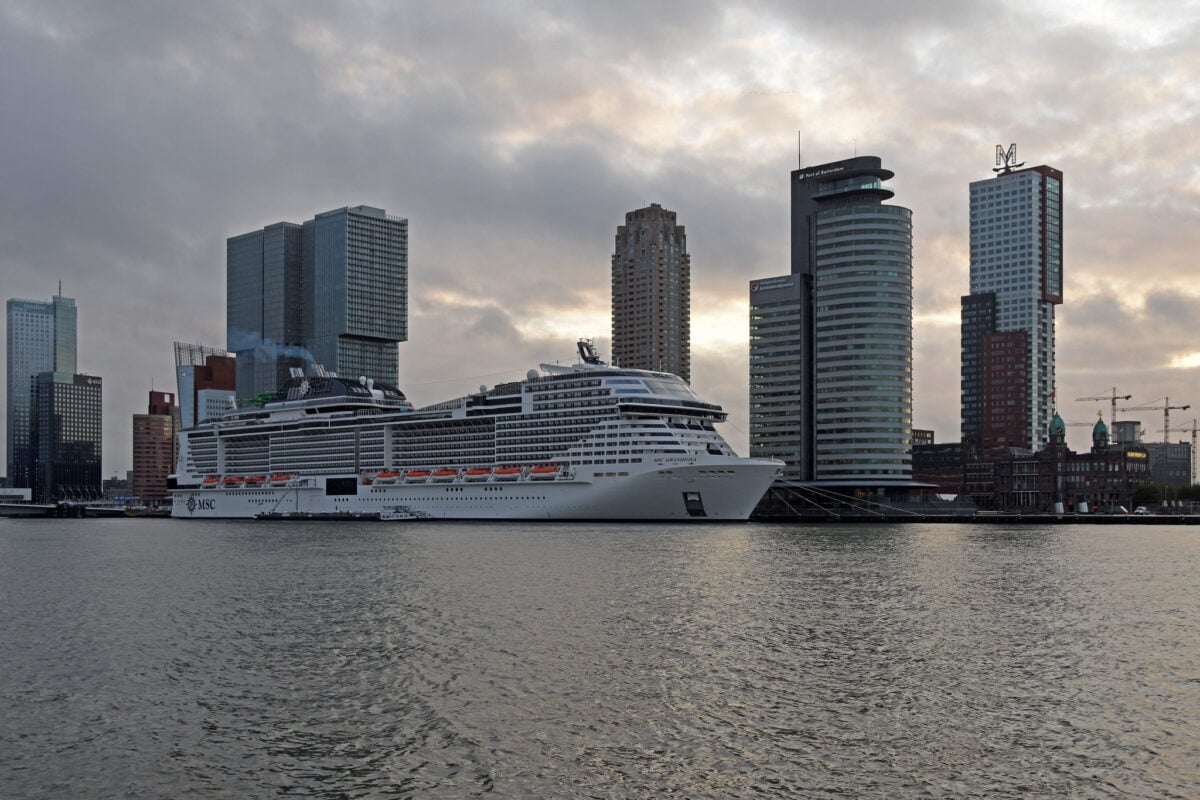
MSC Grandiosa brings Mediterranean sophistication to mega-ship cruising. The Atmosphere Pool features a retractable glass roof that opens during good weather and closes when seas get rough, creating the only pool area where you can swim comfortably regardless of conditions.
The ship’s entertainment takes European variety show traditions and scales them up. Cirque du Soleil performances happen twice nightly in a purpose-built theater, while the Champagne Bar serves over 50 different bubbles.
It’s cruise ship luxury that feels genuinely luxurious rather than just large.
Norwegian Joy
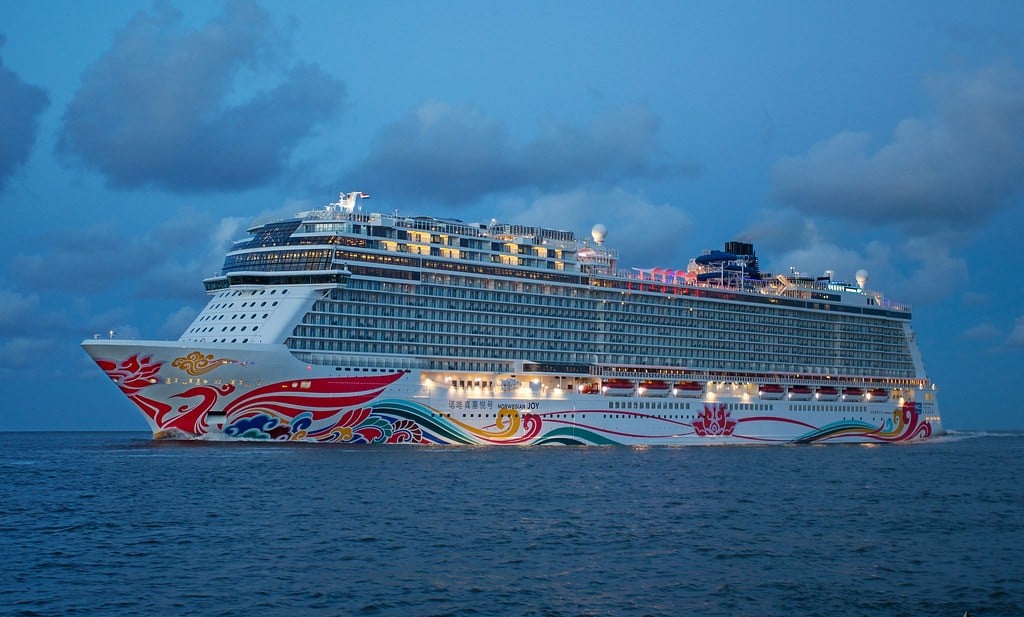
Norwegian Joy was originally built for the Chinese market, then retrofitted for Alaska cruising, and the result is a ship that doesn’t quite match any other cruise vessel. The go-kart track snakes around the ship’s funnel in a figure-eight pattern that creates actual racing rather than just novelty driving.
The Observation Lounge extends dramatically over the ocean, but Joy’s version includes retractable seating that moves closer to the windows as weather permits. During Alaska sailings, this becomes the best whale-watching spot on any cruise ship.
The ship’s laser tag arena spans two decks with elaborate theming that changes based on the game mode selected.
Harmony of the Seas
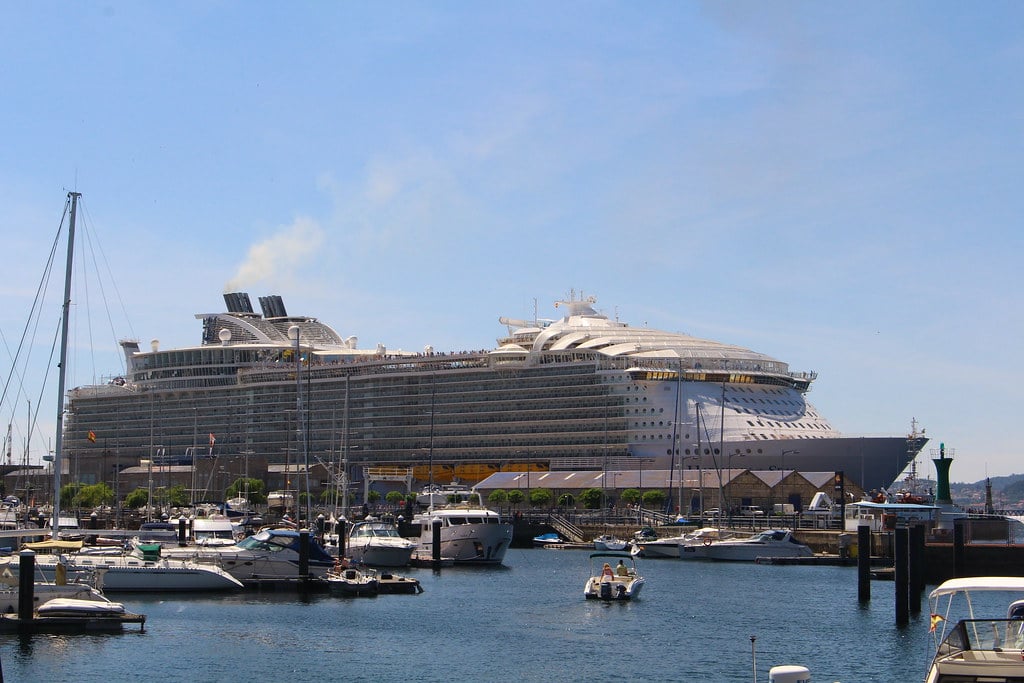
There’s a peculiar magic to standing in the middle of Harmony of the Seas and momentarily forgetting you’re on a ship at all — the Central Park neighborhood pulls off this illusion better than any other vessel, with its collection of actual trees and flowering plants that somehow thrive in salt air and constant motion. The ship’s designers understood that people need escape from the sea as much as they need access to it, so they created these inland pockets where the horizon disappears entirely, and you might be strolling through any upscale outdoor shopping district if you ignore the subtle sway beneath your feet.
The Ultimate Abyss slide plunges riders through 10 stories of darkness, a brief controlled terror that ends with splashdown and the sort of adrenaline rush that makes people immediately get back in line. But it’s the Perfect Storm racing slides that reveal something essential about cruise ship psychology — watching adults who spend their land-based lives in boardrooms and minivans suddenly become fiercely competitive about who reaches the bottom first, cheering and trash-talking with the enthusiasm of summer camp kids.
Royal Caribbean’s Mariner of the Seas
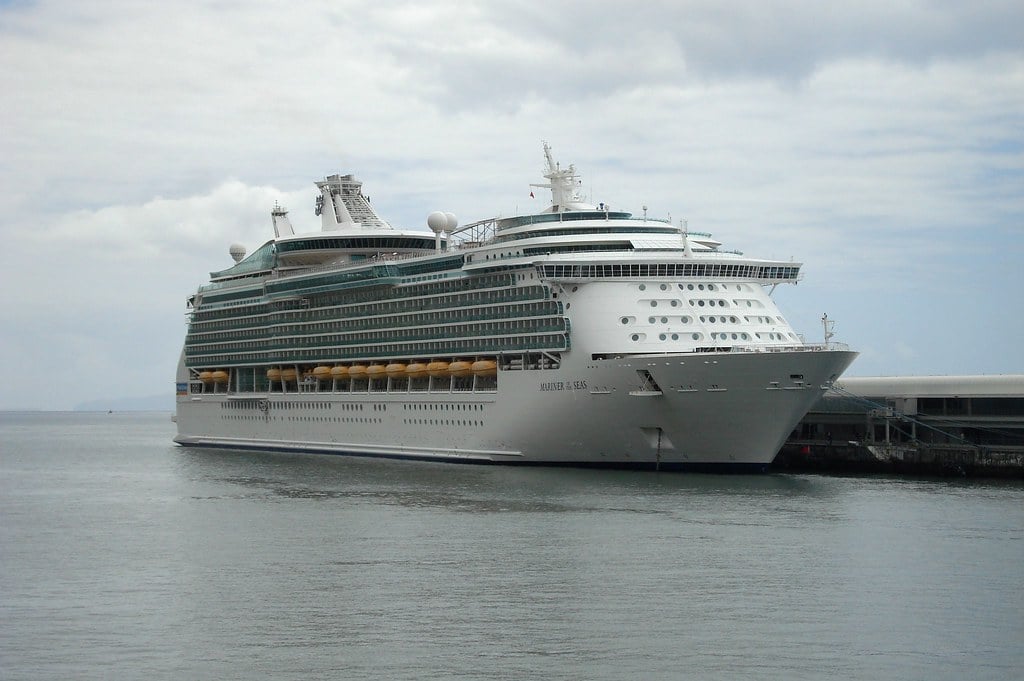
Mariner of the Seas earned its reputation through steady reliability rather than flashy headlines. The ship underwent major renovations that added modern amenities while preserving the layout that made it popular with repeat cruisers.
The Royal Promenade runs down the center of the ship like a main street, lined with shops and restaurants that create an indoor town square atmosphere. The FlowRider surf simulator runs almost continuously, generating perfect waves for bodyboarding and surfing lessons.
The rock-climbing wall offers routes for different skill levels, from beginner-friendly holds to challenging overhangs that test experienced climbers. It’s a cruise ship design focused on activities that work rather than gimmicks that impress.
Norwegian Epic
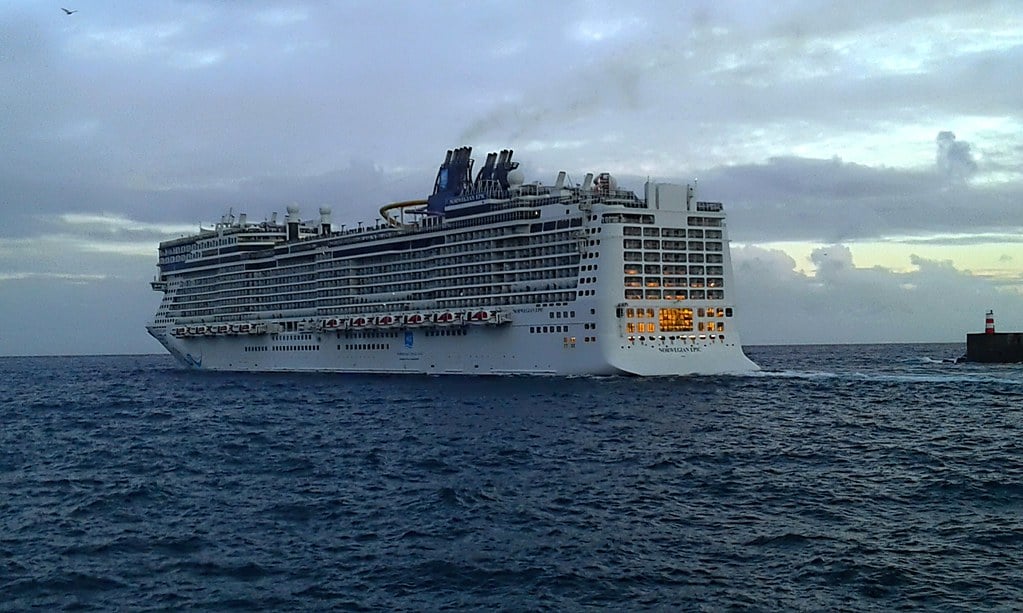
Norwegian Epic looks different because it is different — the ship’s hull design prioritizes stability over conventional beauty, creating a vessel that handles rough seas better than ships twice its size. The result is a cruise experience where seasickness becomes genuinely rare, even during Atlantic crossings in winter weather.
The ship’s most distinctive feature remains its stateroom design. Epic pioneered the studio cabin concept — interior rooms designed specifically for solo travelers, complete with a private lounge area exclusive to studio guests.
The Posh Beach Club creates an adults-only sanctuary with poolside cabanas and full bar service, while the sports complex offers basketball, volleyball, and the largest rock-climbing wall in the Norwegian fleet.
Setting sail into tomorrow
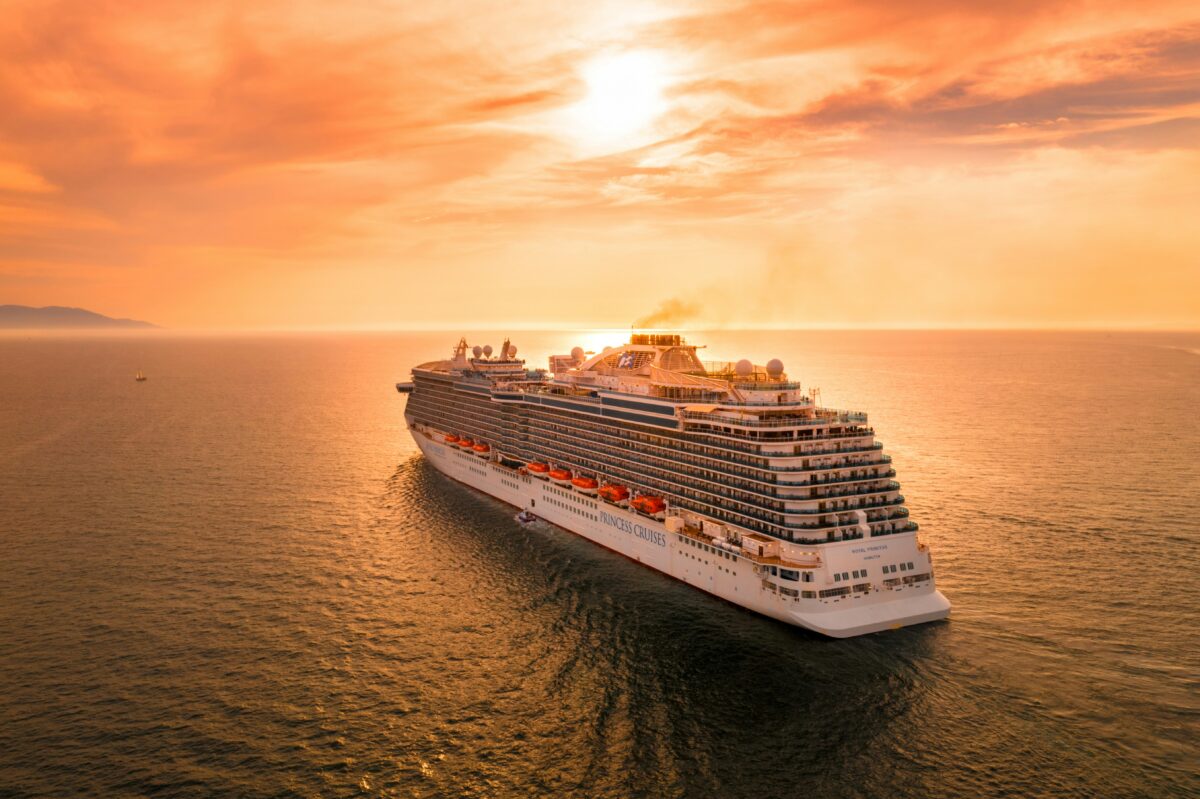
These floating cities represent more than just vacation transportation — they’re glimpses into how we might live when space becomes precious and community becomes intentional. Each ship creates its own temporary society, complete with neighborhoods, entertainment districts, and quiet corners where strangers become friends over shared sunset views.
The best cruise ships understand that the destination matters less than the journey, and the journey matters less than the people you share it with.
More from Go2Tutors!

- The Romanov Crown Jewels and Their Tragic Fate
- 13 Historical Mysteries That Science Still Can’t Solve
- Famous Hoaxes That Fooled the World for Years
- 15 Child Stars with Tragic Adult Lives
- 16 Famous Jewelry Pieces in History
Like Go2Tutors’s content? Follow us on MSN.