15 Toys from the 1980s Every Kid Desperately Wanted
The 1980s were a special time for childhood desires. Saturday morning cartoons doubled as toy commercials, and every kid had a mental list of must-haves that felt more like survival needs than wants.
These weren’t just playthings — they were tickets to social acceptance, keys to imagination, and sometimes the difference between being cool or being forgotten. The decade gave birth to toy crazes that turned ordinary kids into negotiators, parents into treasure hunters, and Christmas morning into high-stakes drama.
Rubik’s Cube
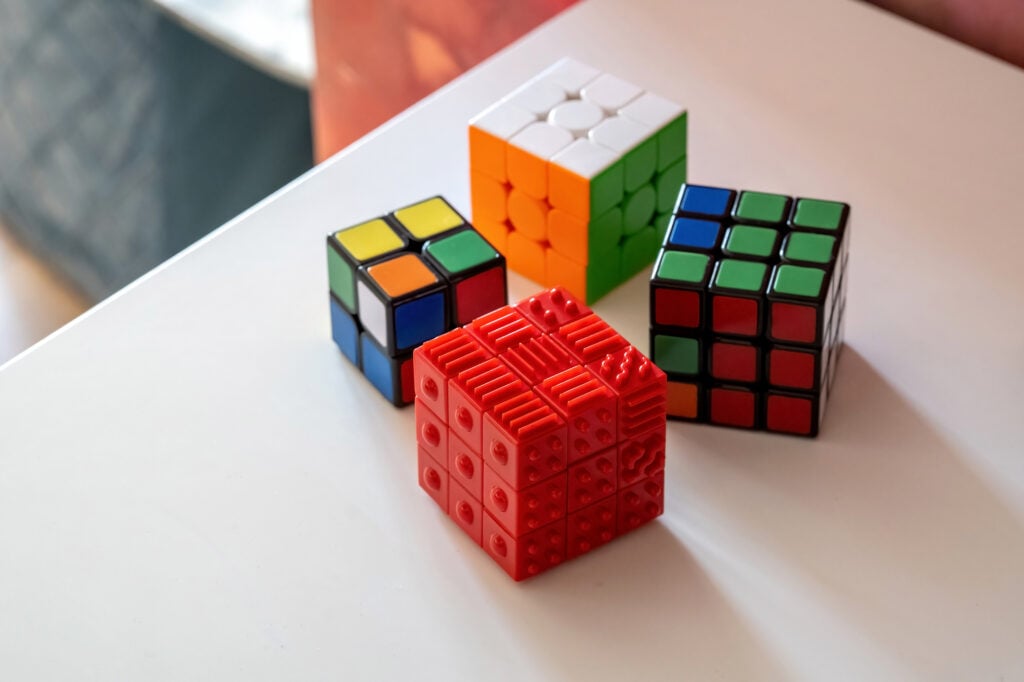
The Rubik’s Cube arrived like a puzzle-shaped asteroid, disrupting every classroom and living room it touched. Six sides, nine squares each, millions of possible combinations — and exactly one solution that seemed to mock anyone who dared attempt it.
Every kid thought they’d be the one to crack it. Most gave up after peeling off the stickers.
Transformers
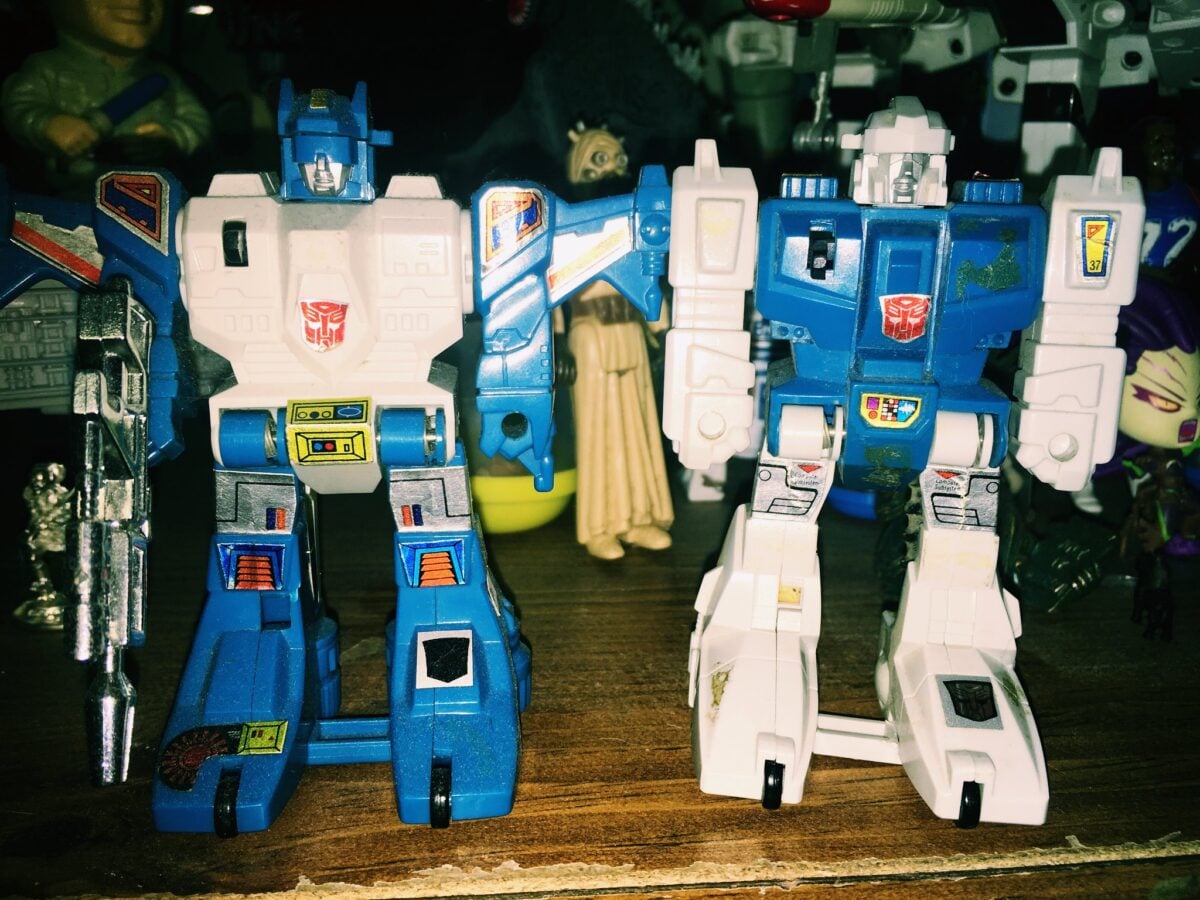
Robots that turned into cars. Cars that turned into robots.
The concept was simple, but the execution required engineering skills most adults didn’t possess. Optimus Prime came with instructions that might as well have been written in ancient Greek, and parents quickly learned that “easy transformation” was marketing fiction.
But when you finally got it right — when that truck folded perfectly into a towering robot — the satisfaction was worth every frustrated hour. These toys rewarded persistence in a way that felt genuinely earned.
My Little Pony
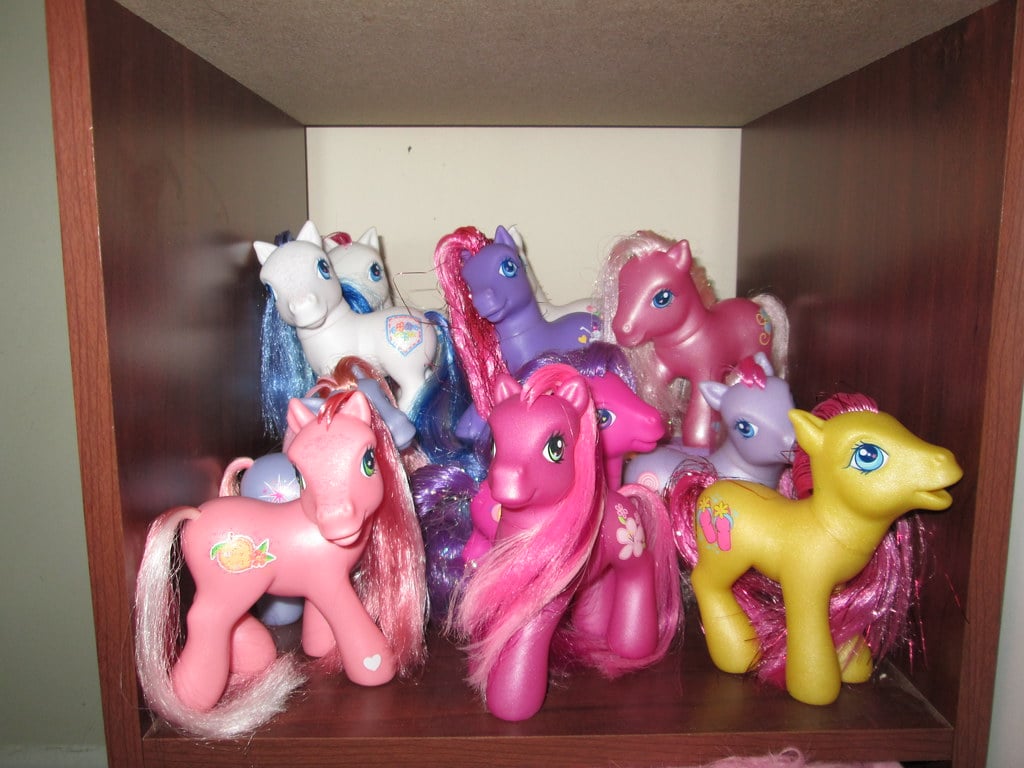
There’s something about a pastel-colored horse with a cutie mark that cuts straight through cynicism and lands somewhere softer. My Little Pony wasn’t just about the toys themselves (though brushing that synthetic mane felt oddly therapeutic), it was about the world they suggested — a place where friendship solved problems and rainbows weren’t just weather patterns but actual destinations you could visit.
Kids didn’t just play with these ponies; they immigrated to their universe, setting up elaborate scenarios where kindness wasn’t naive but powerful, where being gentle didn’t make you weak but made you wise. The TV show helped, sure, but the real magic happened in bedrooms and basements where ordinary afternoons transformed into epic adventures through lands that existed nowhere except in the space between a child’s hands and their boundless capacity for believing in better worlds.
He-Man and the Masters of the Universe
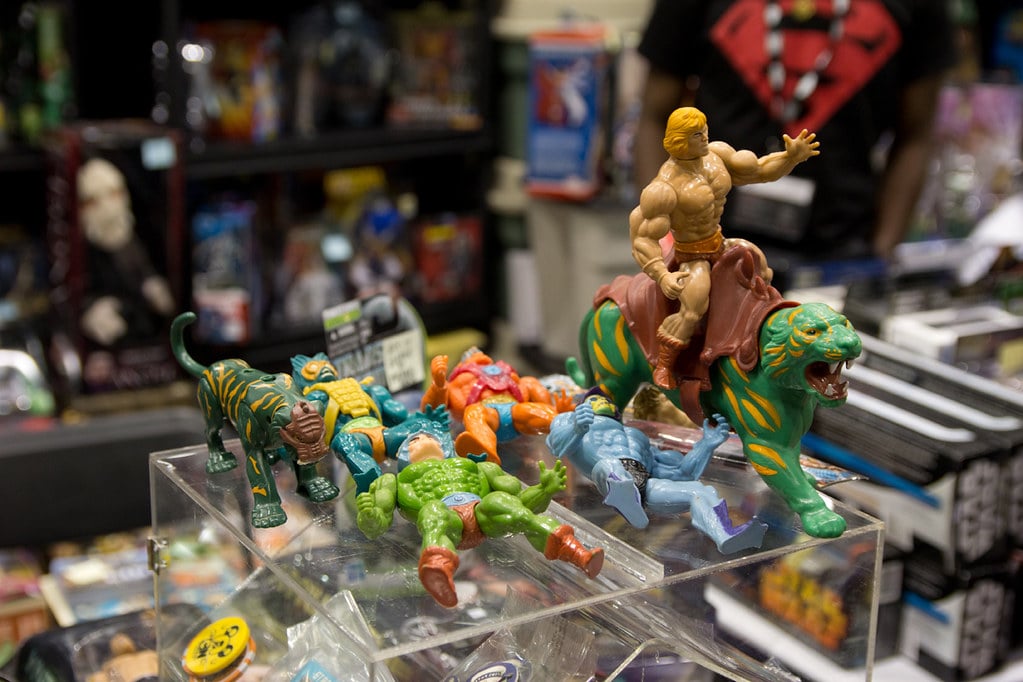
He-Man was the toy equivalent of a power fantasy with no off switch. Castle Grayskull dominated bedroom landscapes like some medieval fortress designed by someone who’d never heard the word “subtle,” and every action figure came with muscles that defied both anatomy and physics.
The cartoon taught kids that problems could be solved through a combination of moral lessons and really impressive biceps. Battle Cat was basically a green tiger that doubled as transportation, which is exactly the kind of logic that made perfect sense when you were eight and the world still operated on dream rules rather than reality’s more restrictive guidelines.
Cabbage Patch Kids
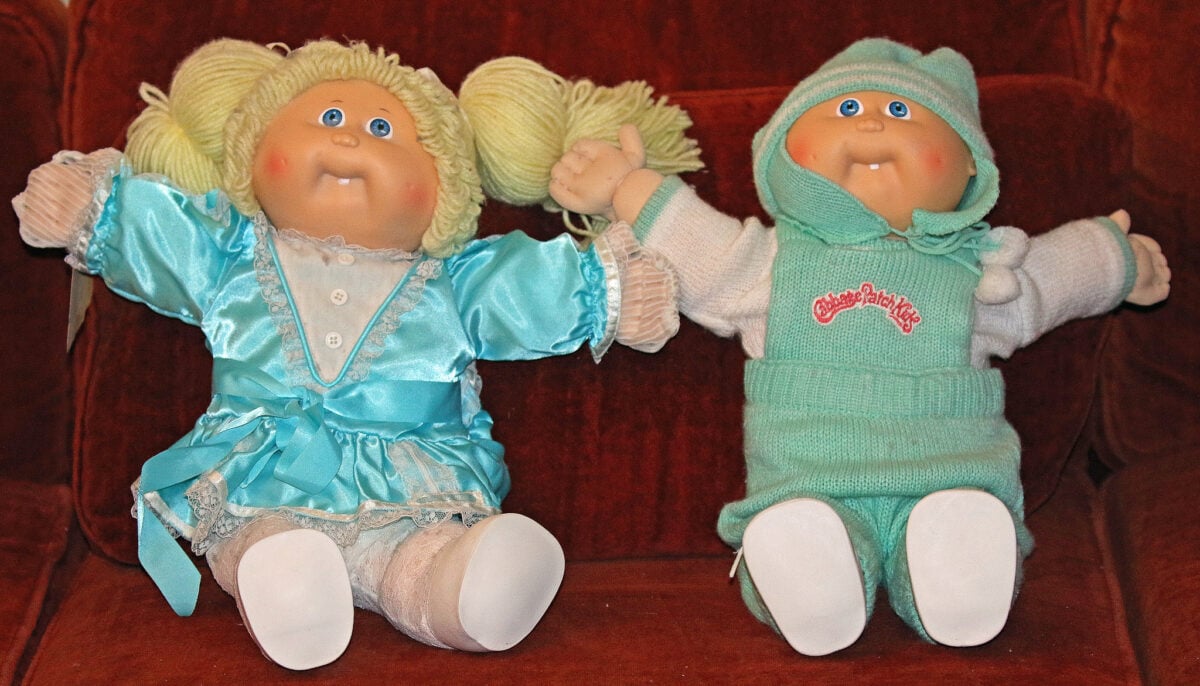
Cabbage Patch Kids turned adoption into a retail experience, which sounds weird until you remember that kids have always been drawn to the idea of rescue and belonging. Each doll came with its own birth certificate and a backstory about being found in a cabbage patch — an origin myth that was both ridiculous and somehow deeply appealing to the part of childhood that still believed in magic hiding in ordinary places.
The real genius wasn’t the dolls themselves but the way they made every kid feel chosen. Your Cabbage Patch Kid wasn’t just another toy pulled from a shelf; it was specifically yours, with a name you didn’t pick and a face you couldn’t change but somehow learned to love exactly as it was.
Which, when you think about it, isn’t a terrible lesson about how affection actually works. Parents fought in stores over these things, creating news footage that looked like Black Friday came early and brought friends.
G.I. Joe
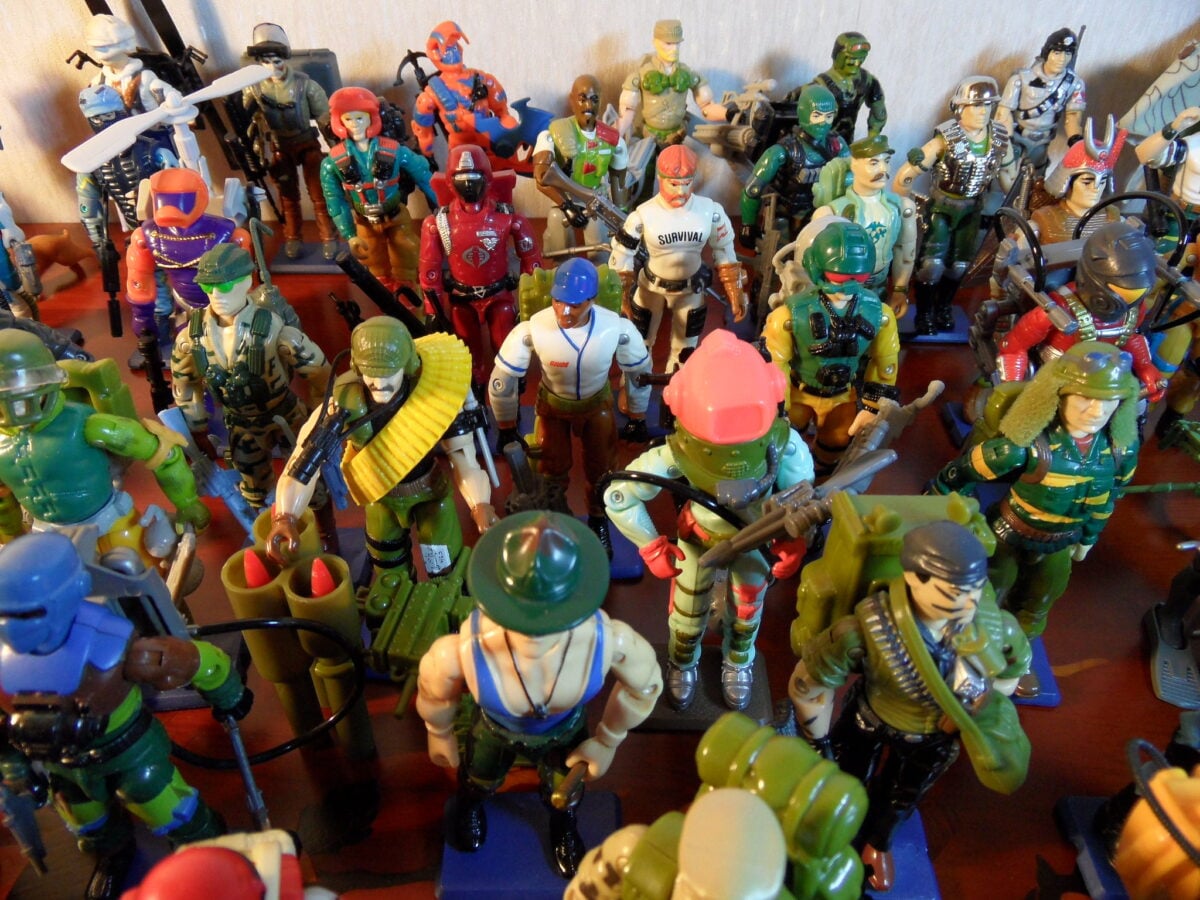
G.I. Joe proved that action figures didn’t need to be enormous to be impressive. At 3.75 inches tall, these soldiers packed more detail and personality into a tiny frame than toys twice their size managed to achieve.
“A Real American Hero” wasn’t just a tagline — it was a promise that your backyard could become any battlefield your imagination required. Snake Eyes remains the strong silent type that every other action figure tried to imitate.
Knowing is half the battle, but owning the entire collection felt like the other half.
Care Bears
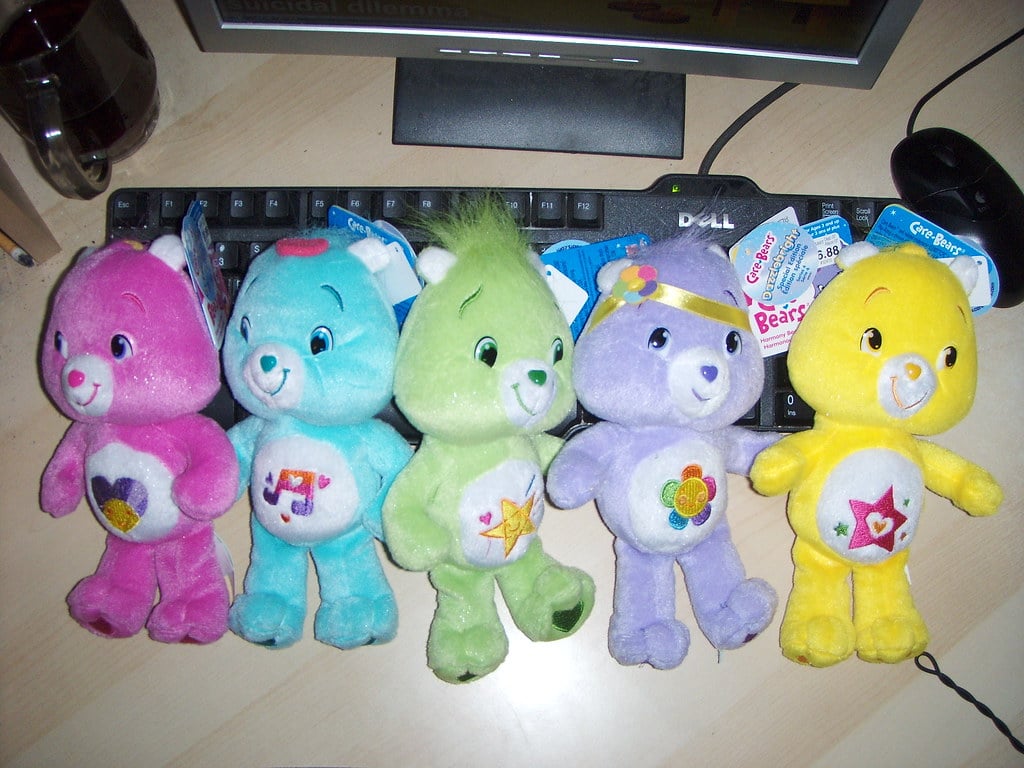
Care Bears operated on the radical premise that feelings weren’t something to hide but powers to be shared through stomach-mounted symbols that shot rainbow beams at problems. In the 1980s, this counted as revolutionary thinking — toys that suggested emotional intelligence might actually be useful rather than embarrassing.
Each bear specialized in a different aspect of human experience: Tenderheart Bear for love, Grumpy Bear for acceptable bad moods, Funshine Bear for optimism that didn’t feel forced. Kids collected them not just as toys but as an emotional toolkit, a way of naming feelings that didn’t come with easy labels.
The TV specials reinforced the message that caring about others wasn’t weakness disguised as strength — it was just strength, period. Which is a surprisingly sophisticated message for toys that looked like they’d been designed by someone who’d overdosed on pastel crayons and good intentions.
Atari 2600
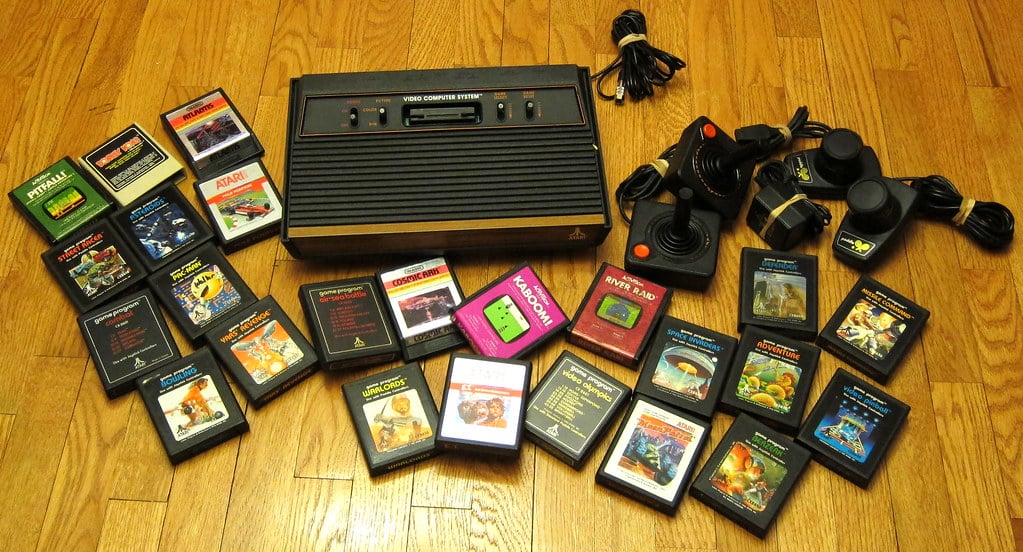
The Atari 2600 turned television sets into portals to other worlds, though those worlds were admittedly made of blocky graphics and repetitive beeps. Combat, Pac-Man, Space Invaders — games that were less about realistic simulation and more about pure, distilled fun that could keep kids occupied for hours.
The wood-grain console design made it look like furniture that had learned to play games, and the controllers were simple enough that parents could actually figure them out. This was family entertainment that didn’t require anyone to pretend they were having fun.
Teddy Ruxpin
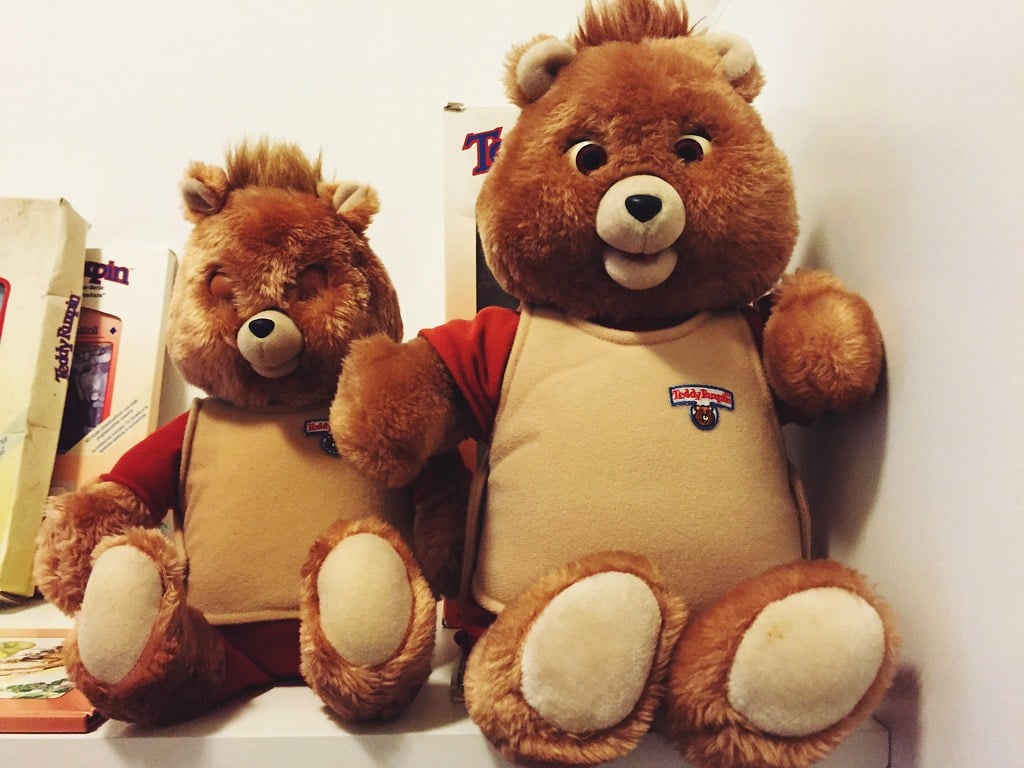
Teddy Ruxpin was the world’s first talking teddy bear, which sounds charming until you remember that most kids found the experience somewhere between magical and deeply unsettling. His mouth moved in sync with cassette tapes, telling stories in a voice that managed to be both soothing and slightly robotic.
The technology was impressive for 1985 — a stuffed animal that could actually hold conversations and tell bedtime stories without human intervention. Some kids loved having a friend who never got tired of talking; others found the moving mouth a little too close to the uncanny valley for comfort.
Either way, nobody forgot their first encounter with a bear who looked back at them and started speaking.
Pac-Man Fever
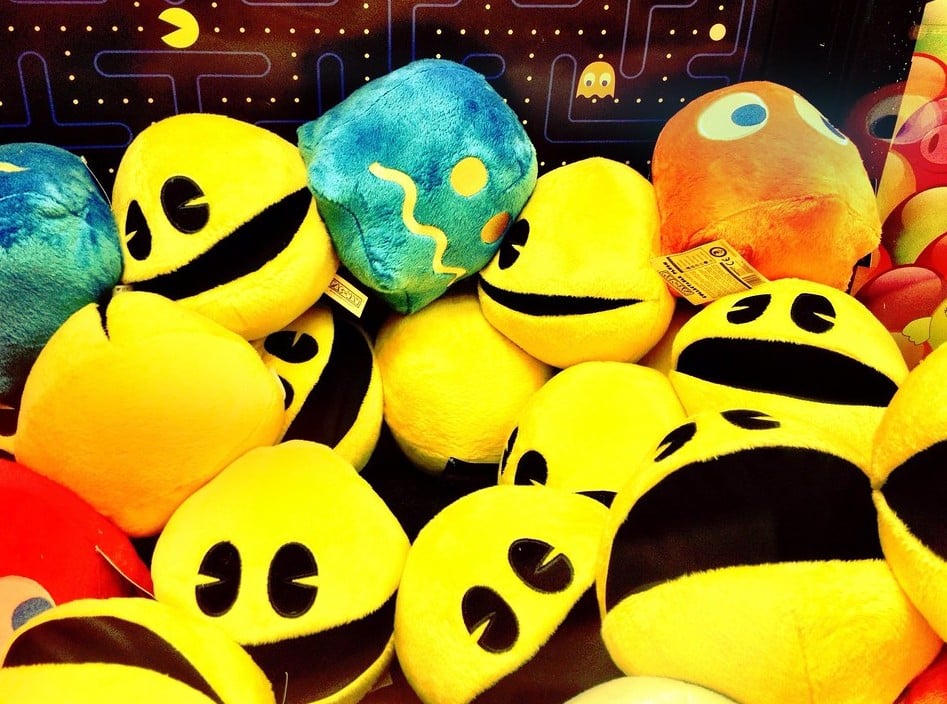
Pac-Man wasn’t just a video game — it was a cultural phenomenon that spawned toys, lunch boxes, Saturday morning cartoons, and even a top-40 hit song. The yellow circle with the triangular mouth became as recognizable as any cartoon character, maybe more so.
Kids who couldn’t afford arcade games could still own Pac-Man merchandise, turning the simple act of eating dots while avoiding ghosts into a lifestyle brand. The maze became a symbol, and “waka waka waka” entered the vocabulary as the sound of pure, focused determination.
Buckner & Garcia’s “Pac-Man Fever” hit number nine on the Billboard Hot 100, which tells you everything you need about how completely this game had invaded American consciousness. When a song about a video game becomes a radio hit, you know childhood has found its anthem.
Star Wars Action Figures
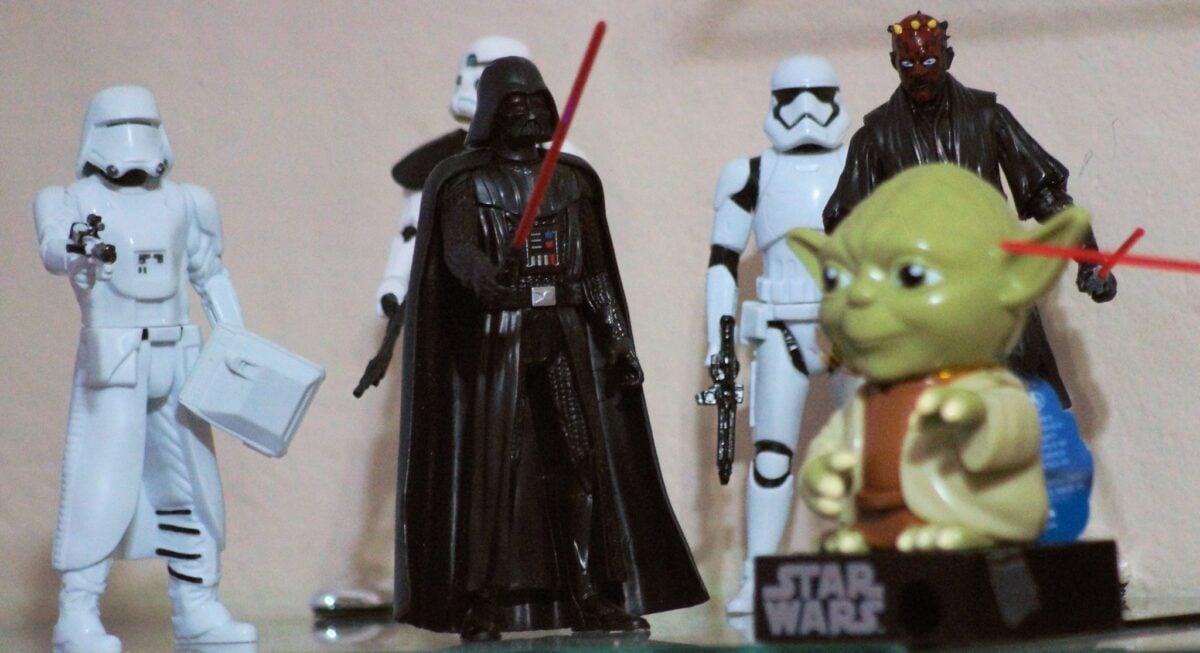
Star Wars action figures turned every kid into a film director with unlimited creative control over the galaxy’s most important conflicts. Luke Skywalker, Darth Vader, Princess Leia — characters who felt more real than most actual people, now small enough to fit in your pocket and durable enough to survive whatever epic battles your imagination could devise.
The figures were perfectly sized for small hands but detailed enough to satisfy kids who cared deeply about accuracy. Lightsabers were molded plastic, but they carried the weight of destiny.
Spaceships came with sound effects that parents learned to tolerate because the alternative was explaining why the Millennium Falcon had to fly in silence. And then there was the collecting aspect — each figure represented not just a character but a piece of a larger story that you were building, one purchase at a time.
Big Wheel
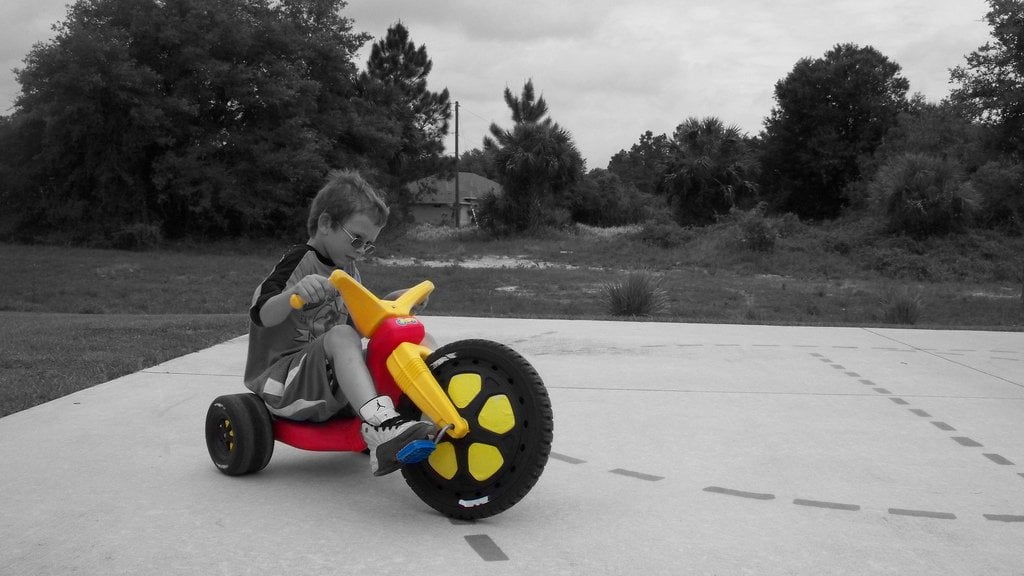
The Big Wheel wasn’t technically a toy so much as a vehicle that happened to be designed for people under four feet tall. Three wheels, a low center of gravity, and the kind of speed that made parents nervous but kids absolutely euphoric.
Riding a Big Wheel felt like driving a race car designed by someone who understood that fun mattered more than safety regulations. The plastic wheels made a distinctive sound on pavement — a grinding, spinning noise that announced to the entire neighborhood that someone was having the time of their life.
These things were built to last, which they had to be, because kids rode them like they were training for the Indy 500.
Speak & Spell
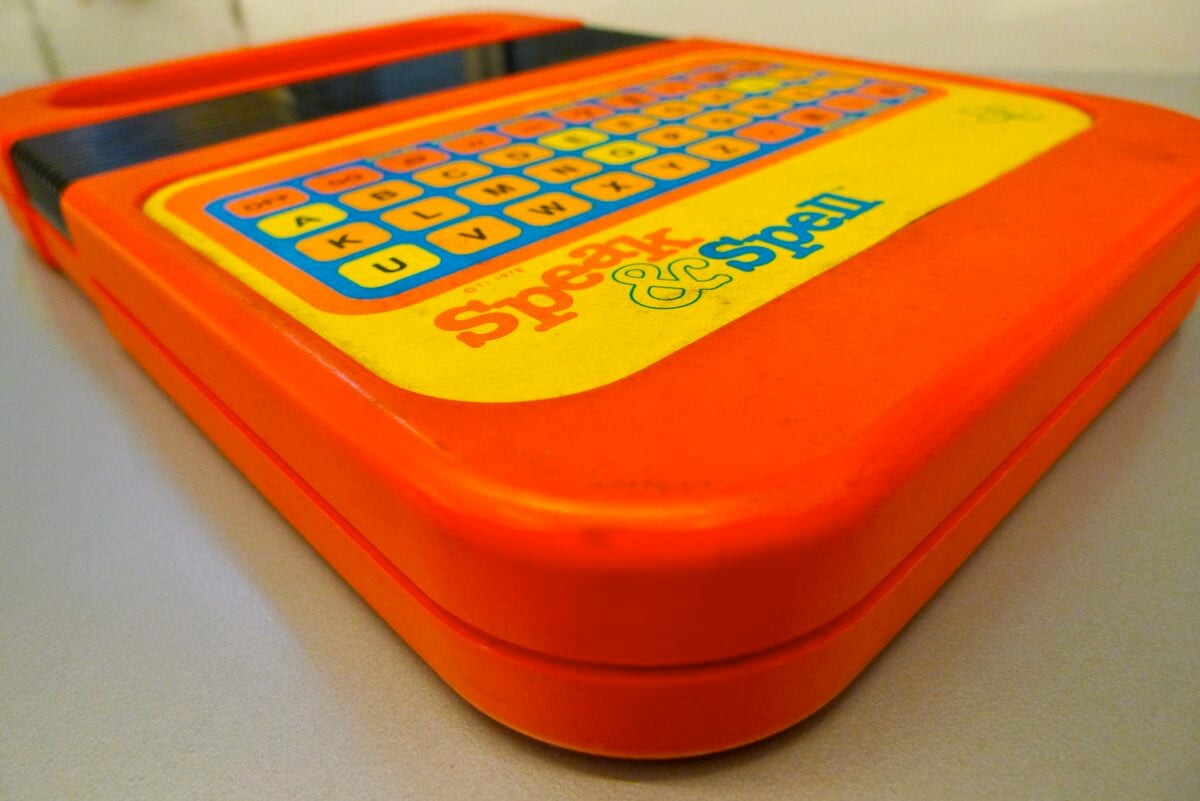
Texas Instruments created the Speak & Spell as an educational toy, but kids treated it more like a robot friend who happened to be obsessed with proper spelling. The electronic voice was distinctive — robotic enough to be clearly artificial, but friendly enough that you didn’t mind taking orders from it.
“Spell ‘cat'” became a challenge rather than homework when it came from a machine that seemed genuinely interested in your success. The red LED display showed your progress, and the satisfying beep when you got an answer right felt like genuine approval from a very patient teacher who never got frustrated when you misspelled “receive” for the fifteenth time.
Slinky

The Slinky proved that the best toys were often the simplest ones — just a coiled spring that could walk down stairs with a grace that seemed to defy physics. Watching a Slinky descend step by step was hypnotic; making it happen felt like controlling magic.
Every kid tried to make their Slinky perform tricks beyond stair-walking. Most attempts ended with a tangled mess of metal coils, but the successful ones — getting it to flip end over end, or making it “walk” across flat surfaces — felt like genuine achievements in applied physics.
The jingle was inescapable: “It’s Slinky, it’s Slinky, for fun it’s a wonderful toy.” Simple, direct, and absolutely true.
Lite-Brite
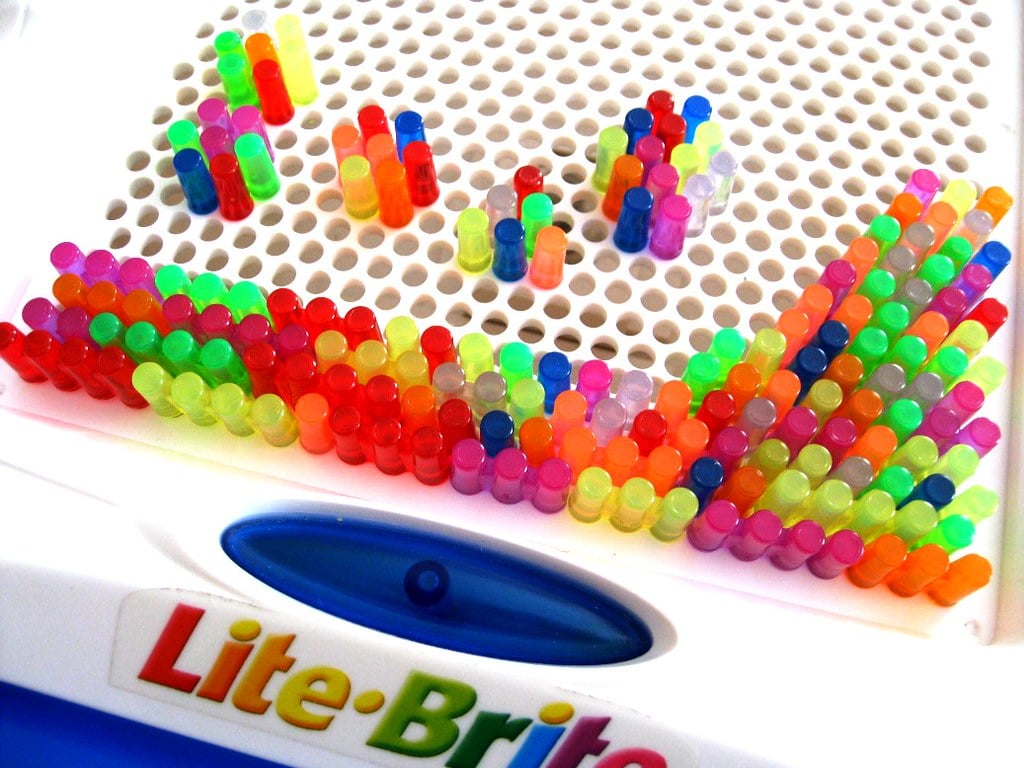
Lite-Brite turned ordinary colored pegs into illuminated art, which sounded modest until you plugged it in and watched your design glow like a stained glass window made specifically for your bedroom wall. The black paper templates provided structure, but the real fun started when you ignored the suggested patterns and created something entirely your own.
The light bulb inside wasn’t particularly powerful, but it was enough to transform plastic pegs into something that felt genuinely beautiful. Kids learned about color mixing, pattern-making, and the satisfying click of pushing pegs through paper into their perfect openings.
Plus, the finished product could hang on a wall like real art, which made the whole process feel more serious than play. “Lite-Brite, Lite-Brite, turn on the magical shining light” — a commercial jingle that promised magic and actually delivered it.
The Decade That Changed Everything
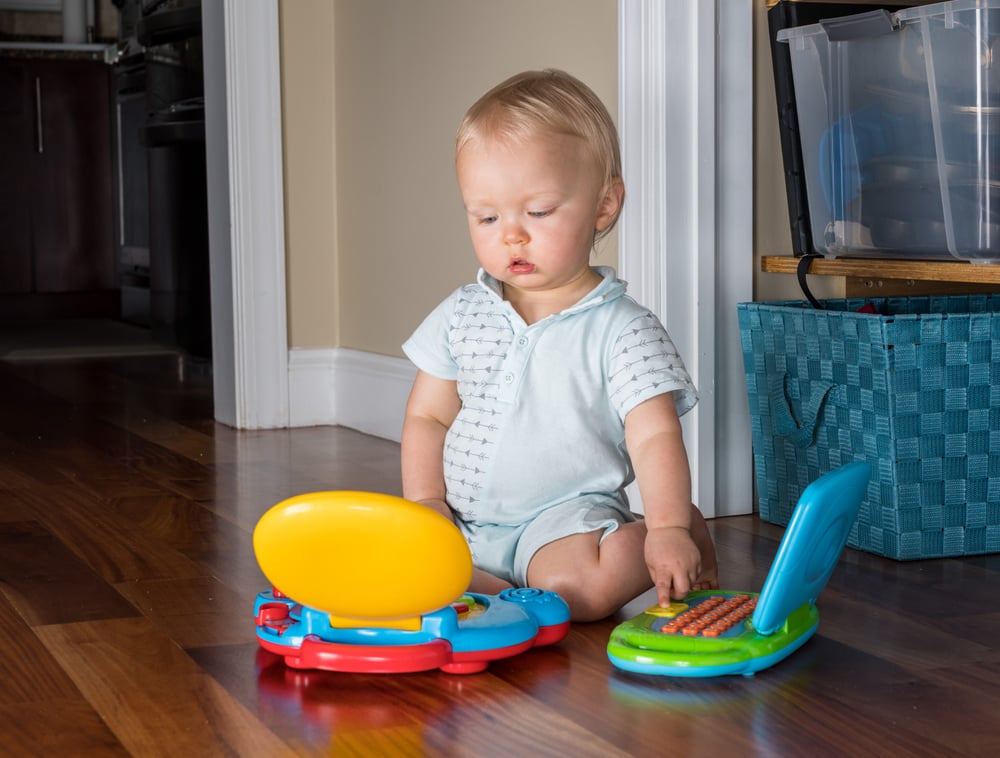
These toys didn’t just fill toy boxes — they shaped imaginations, defined friendships, and created the kind of memories that feel more vivid than actual photographs. The 1980s proved that childhood desires, however temporary they might seem, leave permanent marks on the people we become.
Every kid who desperately wanted these toys learned something about longing, about the gap between wanting and having, and about the strange magic that happens when the thing you’ve been dreaming about finally lands in your hands on Christmas morning.
More from Go2Tutors!

- The Romanov Crown Jewels and Their Tragic Fate
- 13 Historical Mysteries That Science Still Can’t Solve
- Famous Hoaxes That Fooled the World for Years
- 15 Child Stars with Tragic Adult Lives
- 16 Famous Jewelry Pieces in History
Like Go2Tutors’s content? Follow us on MSN.



