14 Buildings That Collapsed During Construction
Construction failures represent some of the most devastating disasters in modern engineering history. When buildings collapse during construction, they often reveal critical flaws in design, materials, or oversight that cost lives and reshape safety standards. These incidents serve as sobering reminders of what can go wrong when corners are cut or proper procedures aren’t followed.
Each collapse tells a story of human error, structural miscalculation, or inadequate safety measures — yet they’ve also led to improved building codes and construction practices worldwide. Here is a list of 14 buildings that collapsed during construction.
L’Ambiance Plaza
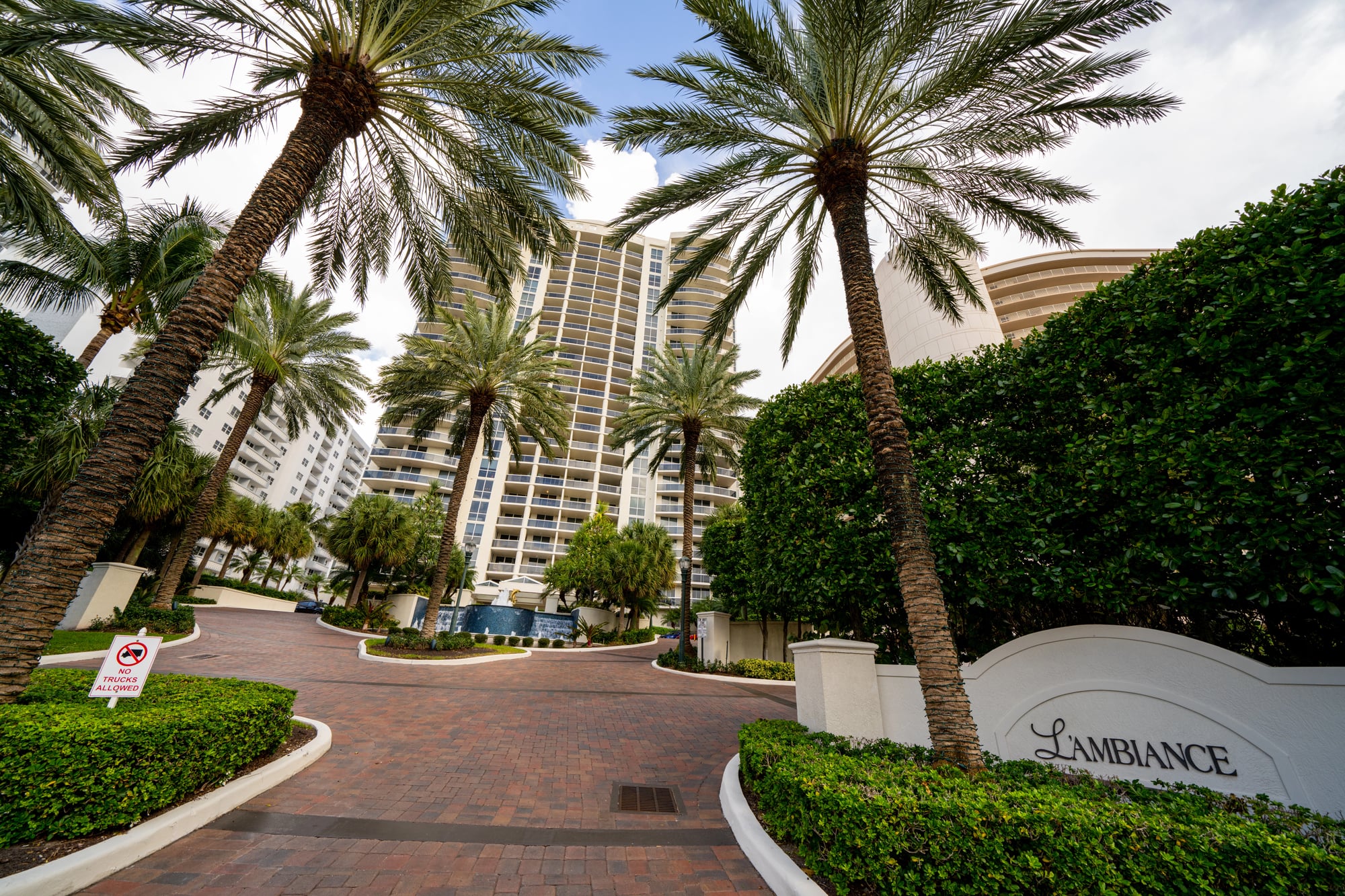
The L’Ambiance Plaza collapse in Bridgeport, Connecticut, stands as one of America’s deadliest construction accidents. On April 23, 1987, the 16-story residential building pancaked during construction — killing 28 workers in seconds.
The collapse occurred when workers were lifting concrete slabs using a technique called lift-slab construction, which proved fatally flawed. Investigations revealed that the building’s design couldn’t handle the stresses involved in the lifting process.
Ronan Point
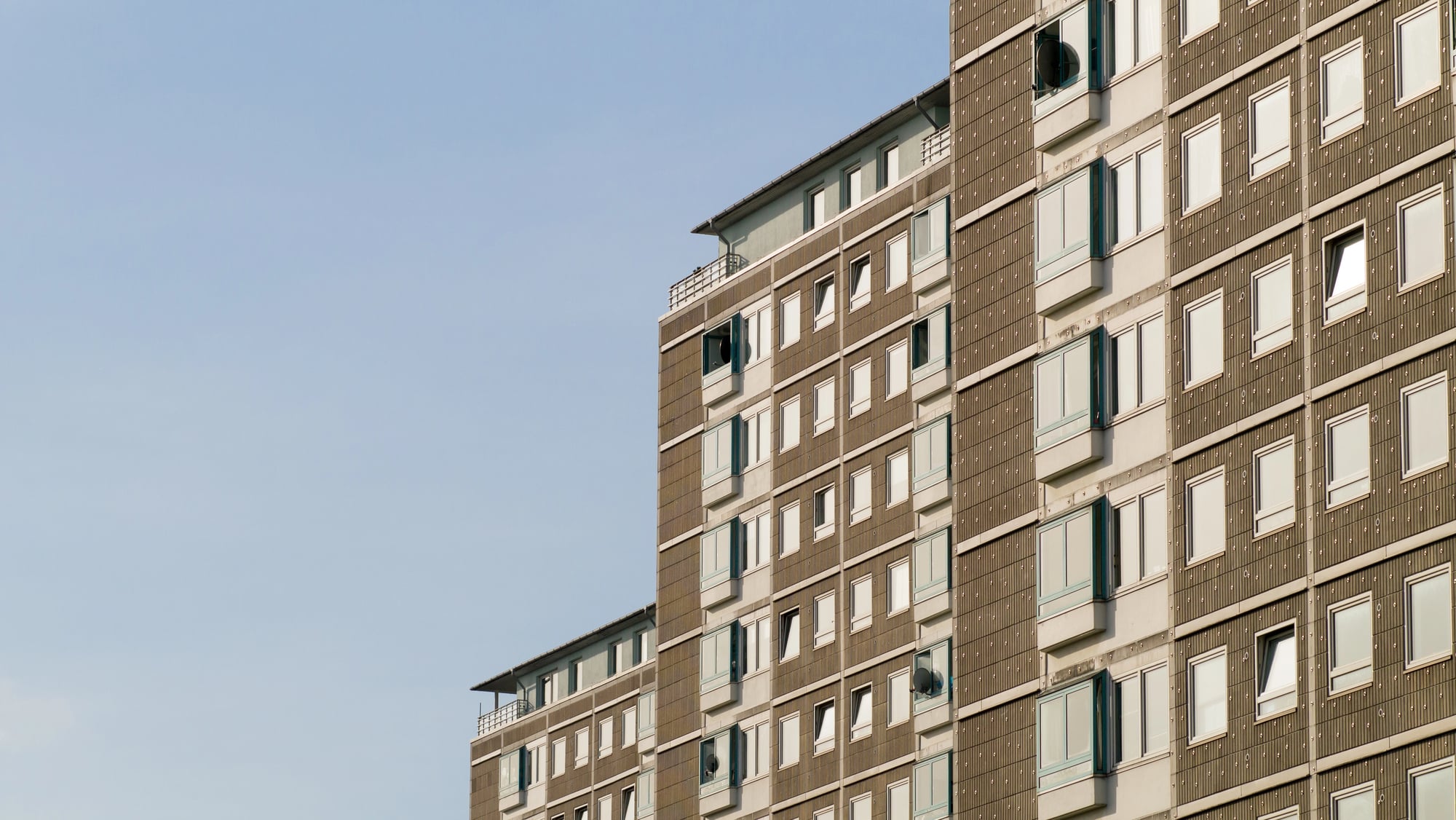
This 22-story residential tower in London became synonymous with construction failure after a gas explosion caused progressive collapse in 1968. Though the building was technically complete, the disaster revealed fundamental flaws in its prefabricated concrete panel construction — showing how easily entire sections could fail.
The collapse killed four people and injured 17 others, though it happened just months after completion. This incident revolutionized building codes across Europe and led to stricter regulations for high-rise construction.
Like Go2Tutors’s content? Follow us on MSN.
Skyline Plaza
The Skyline Plaza collapse in Bailey’s Crossroads, Virginia, occurred on March 2, 1973, during the construction of a 26-story apartment building. Fourteen workers died when the building’s top floors collapsed due to premature concrete pouring and inadequate support structures — a preventable tragedy caused by rushing construction schedules.
The incident highlighted the dangers of removing temporary supports too early in the construction process. Investigation showed that concrete hadn’t reached sufficient strength before workers removed critical supporting elements.
Sampoong Department Store
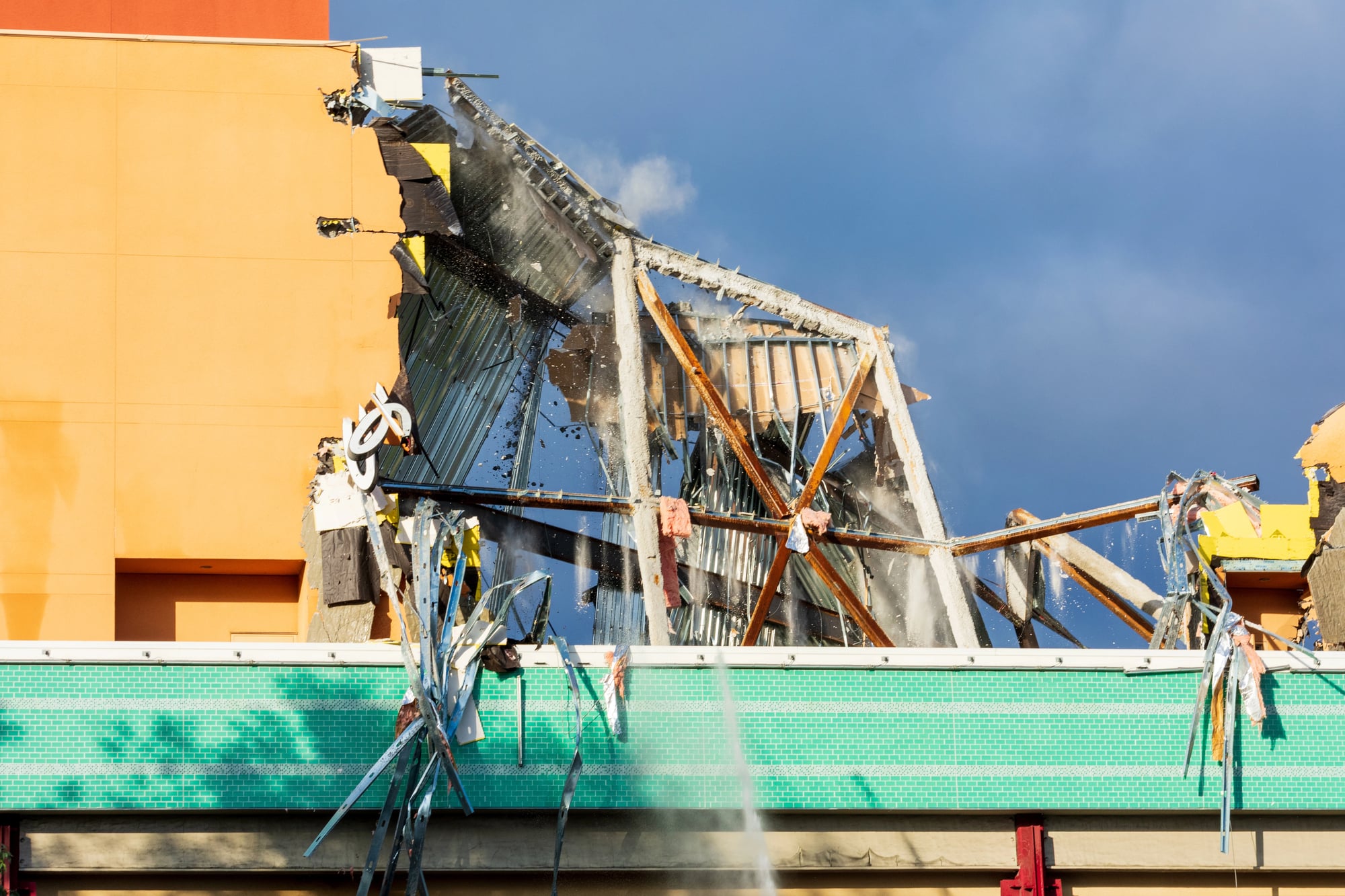
While technically a completed building, the Sampoong Department Store in Seoul collapsed during major structural modifications in 1995. The five-story building was originally designed as an office complex but was converted to a department store — requiring structural changes that fatally weakened the building.
When the top floor was later converted to a restaurant, the additional load proved too much for the compromised structure. The collapse killed 502 people and injured 1,445 others, making it one of the deadliest building collapses in modern history.
Harbour Cay Condominium
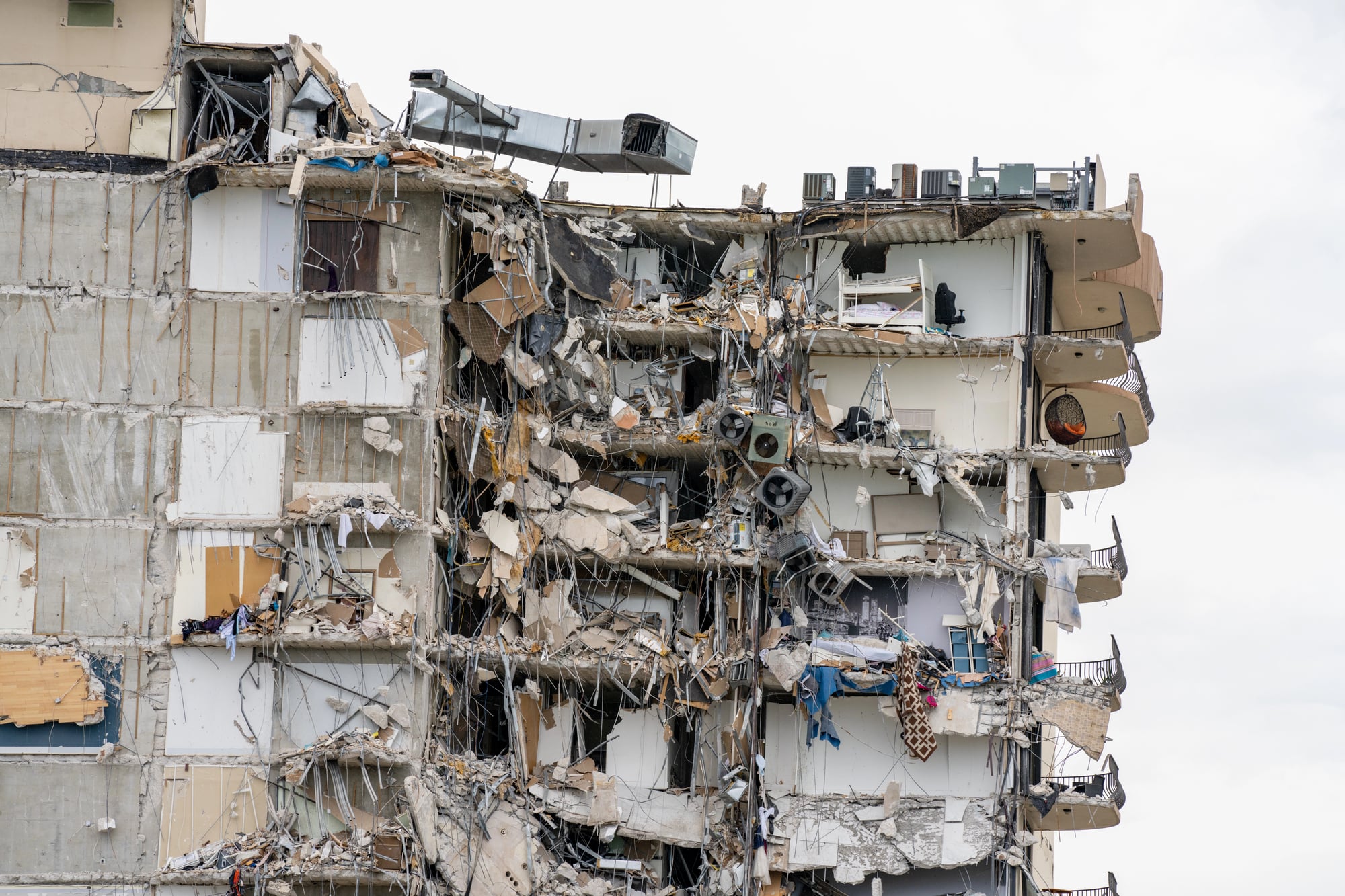
The Harbour Cay Condominium collapse in Cocoa Beach, Florida, occurred on March 27, 1981, during construction of the 13-story building. Eleven workers died when the structure’s upper floors collapsed due to inadequate temporary supports and premature concrete pouring — similar to other construction failures of the era.
The incident revealed that contractors were removing support structures too early to meet construction deadlines. This collapse contributed to stricter regulations regarding concrete curing times and temporary support systems.
Big Blue Crane Collapse
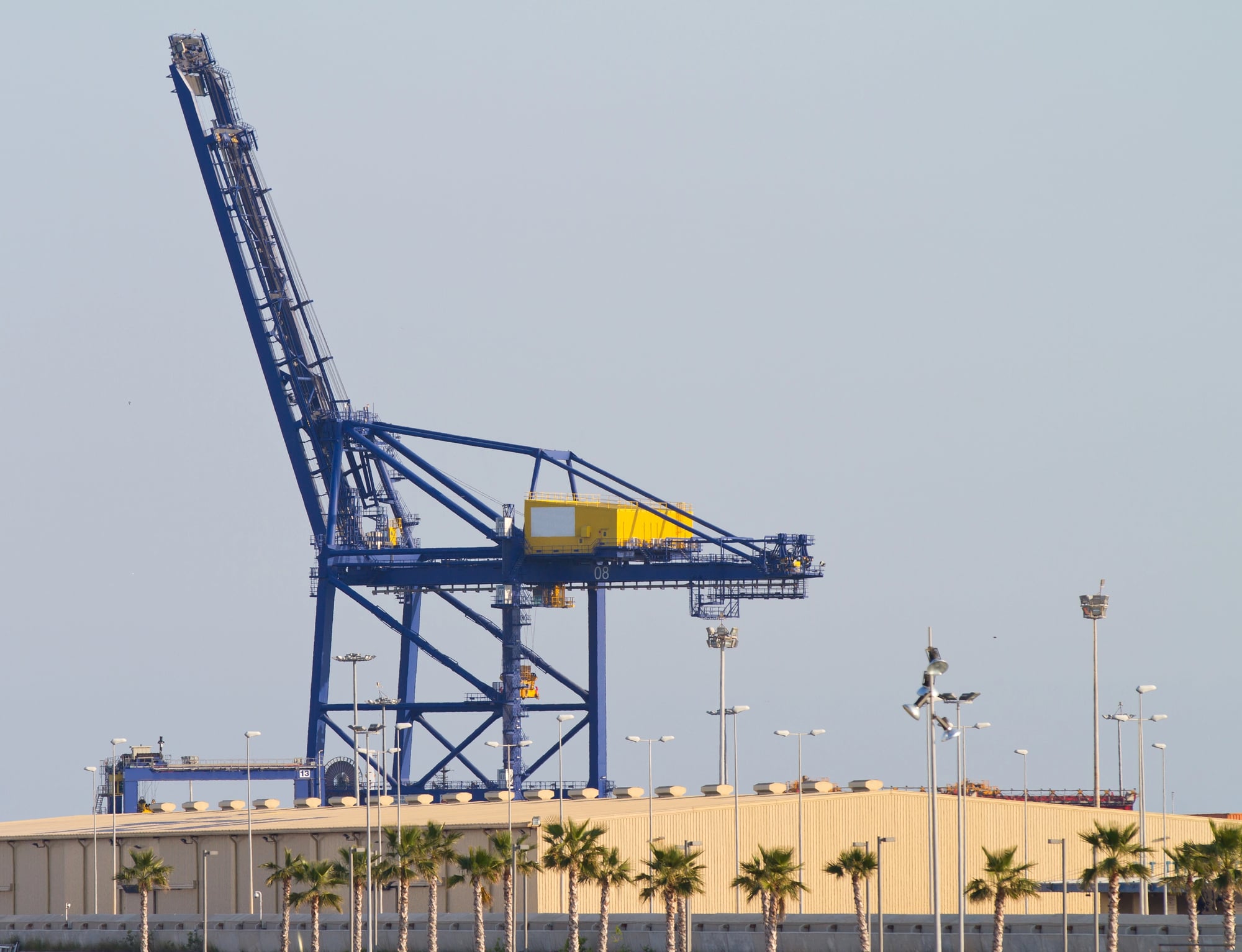
The Big Blue crane collapse at Miller Park in Milwaukee wasn’t technically a building collapse, but it devastated the stadium’s construction in 1999. The massive crane, one of the largest in the world, toppled over during high winds while lifting a roof section — killing three ironworkers.
The collapse occurred because wind speeds exceeded safe operating limits, yet work continued despite weather warnings. This incident led to stricter weather monitoring protocols and crane operation guidelines nationwide.
Willow Island Cooling Tower

The Willow Island cooling tower collapse in West Virginia on April 27, 1978, killed 51 construction workers in one of America’s deadliest construction accidents. The concrete cooling tower was being built using slip-form construction when scaffolding gave way — causing the entire structure to collapse.
Workers were pouring concrete when the formwork failed, sending tons of concrete and steel crashing down. The collapse was attributed to inadequate concrete strength and premature removal of supporting structures.
Lotus Riverside Apartment Complex
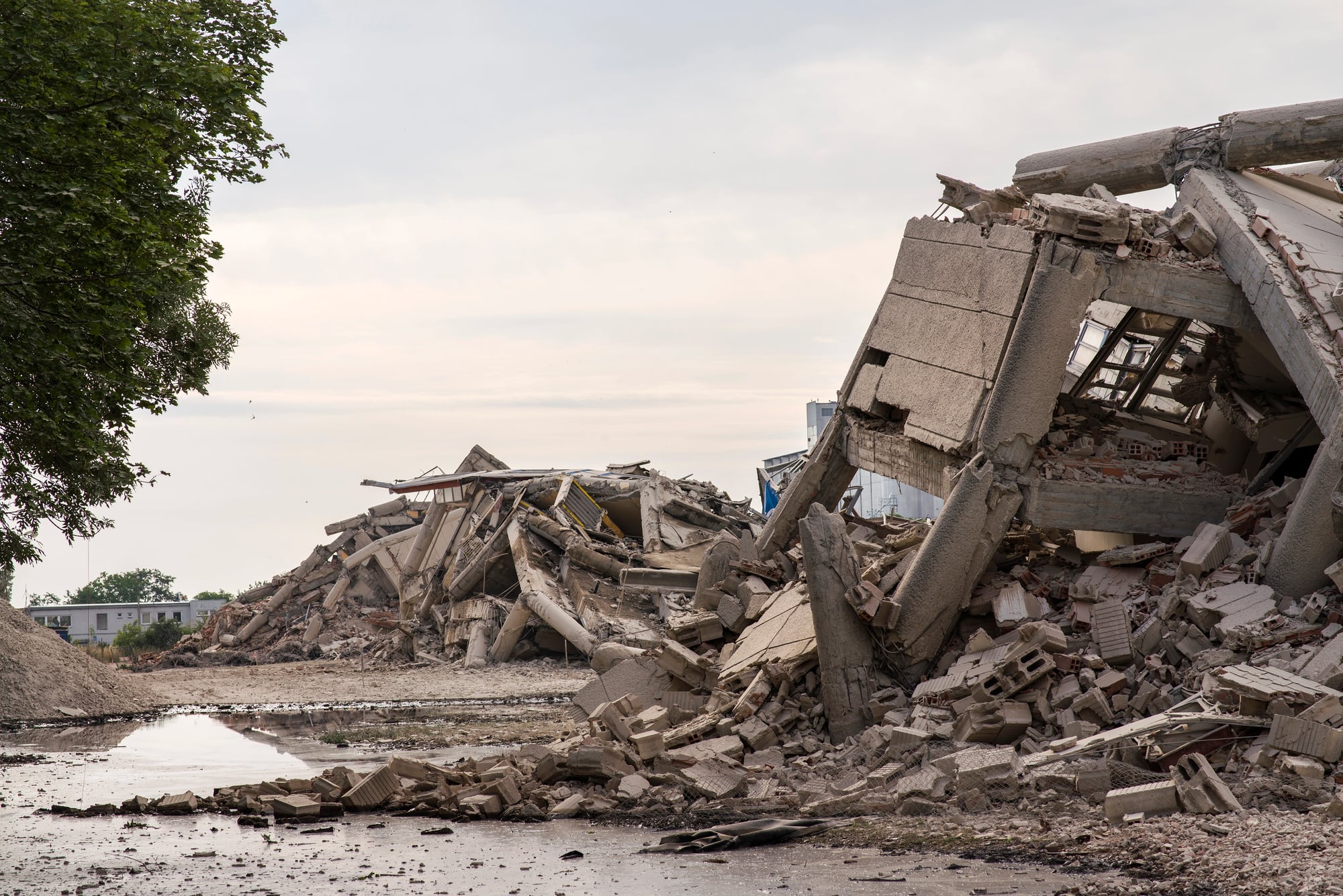
This 13-story residential building in Shanghai collapsed on June 27, 2009, during construction due to foundation problems and underground excavation work. The building toppled over intact — like a felled tree — killing one worker and trapping others beneath the structure.
The collapse occurred because nearby excavation work undermined the building’s foundation, while basement construction created additional instability. This incident exposed corruption in China’s construction industry and led to arrests of several officials.
Katowice Trade Hall
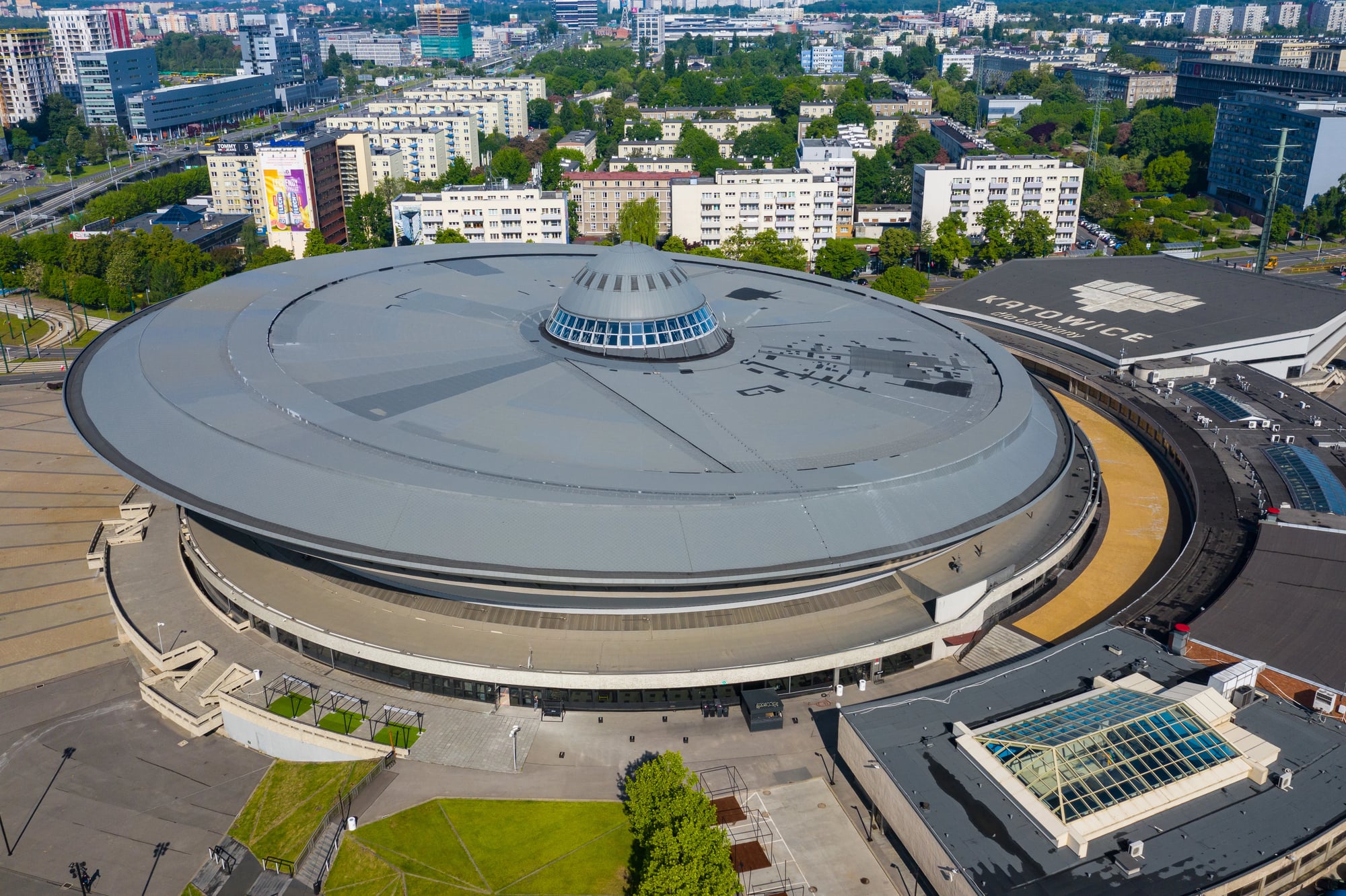
The Katowice Trade Hall collapse in Poland occurred on January 28, 2006, when the roof of the exhibition hall collapsed under snow load during construction. The disaster killed 65 people and injured 170 others who were attending a pigeon racing event inside the partially completed building — making it one of Europe’s deadliest construction-related disasters.
The collapse was attributed to design flaws and the use of substandard materials. Investigation revealed that the roof structure couldn’t handle the weight of accumulated snow.
Versailles Wedding Hall
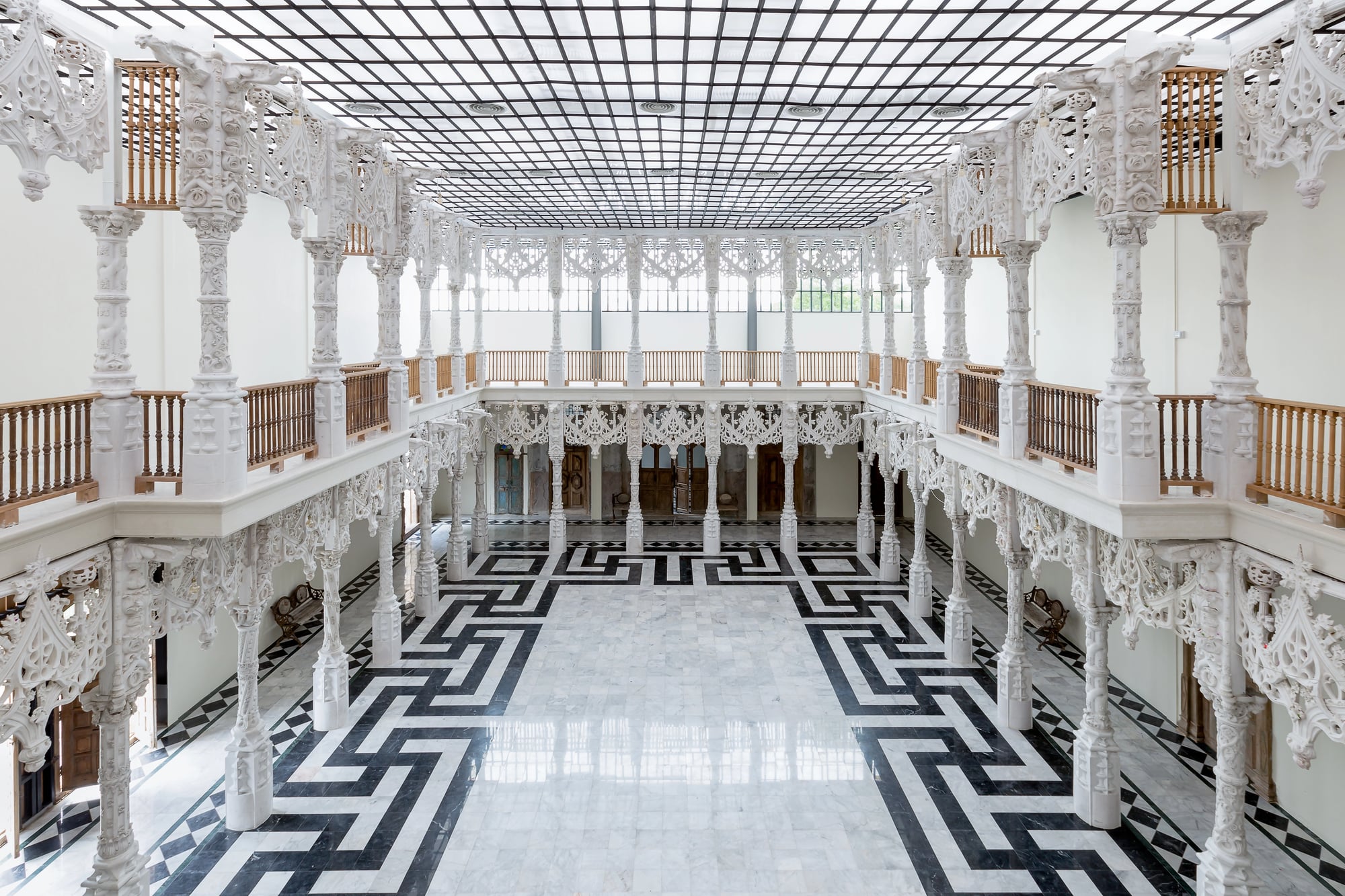
The Versailles Wedding Hall collapse in Jerusalem on May 24, 2001, killed 23 people and injured 380 others during a wedding celebration. The building was still under construction when its third floor collapsed into the second floor during the event — a tragic example of occupying buildings before construction was complete.
The collapse occurred because temporary supports were removed prematurely, and the building wasn’t designed to handle the dynamic loads of a crowded celebration. This incident led to stricter occupancy regulations for buildings under construction.
Rana Plaza
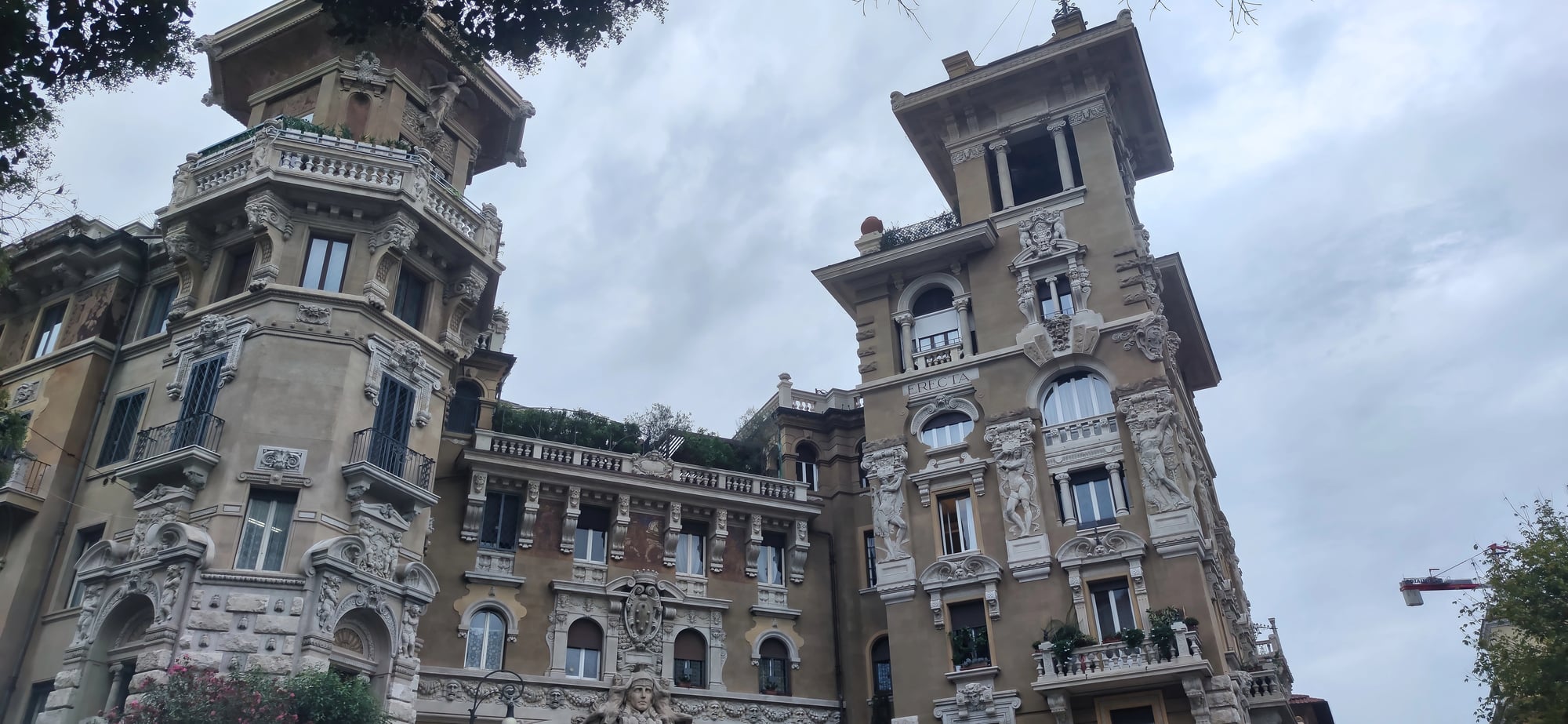
The Rana Plaza collapse in Dhaka, Bangladesh, on April 24, 2013, killed over 1,100 people in one of the deadliest building collapses in history. The eight-story commercial building housed several garment factories when it collapsed due to structural modifications that exceeded the building’s capacity.
The building was originally designed for shops and offices but was converted to house heavy industrial equipment without proper structural analysis. Cracks appeared in the building the day before the collapse, yet workers were forced to continue working.
Surfside Champlain Towers
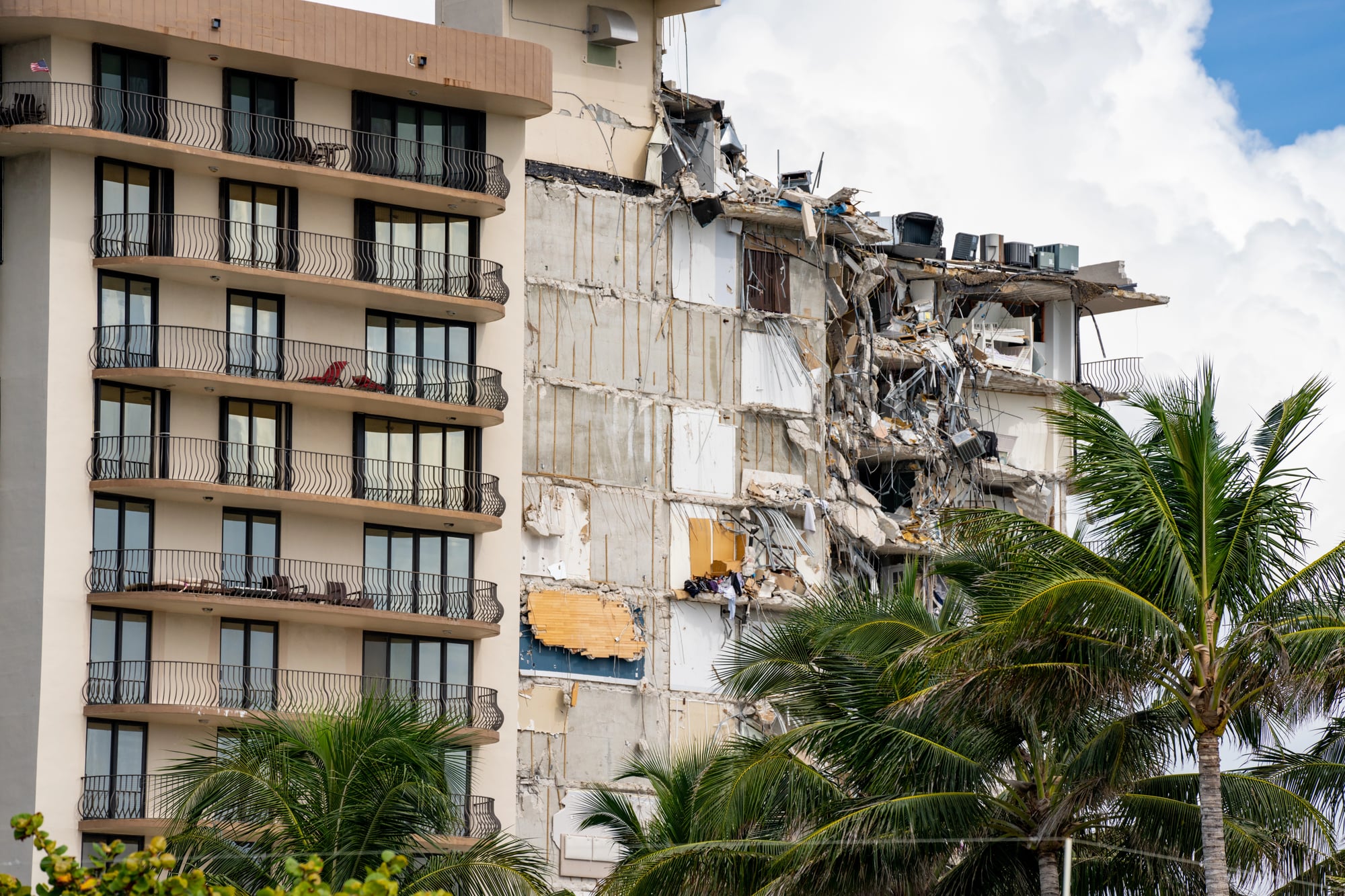
The Champlain Towers South collapse in Surfside, Florida, on June 24, 2021, killed 98 people when the 12-story residential building partially collapsed. While the building was completed decades earlier, the collapse occurred during major renovation work that may have contributed to the structural failure.
The building had been showing signs of deterioration for years, with ongoing construction work potentially exacerbating existing problems. This collapse highlighted the importance of regular structural inspections and maintenance in aging buildings.
Metrocenter Construction Site
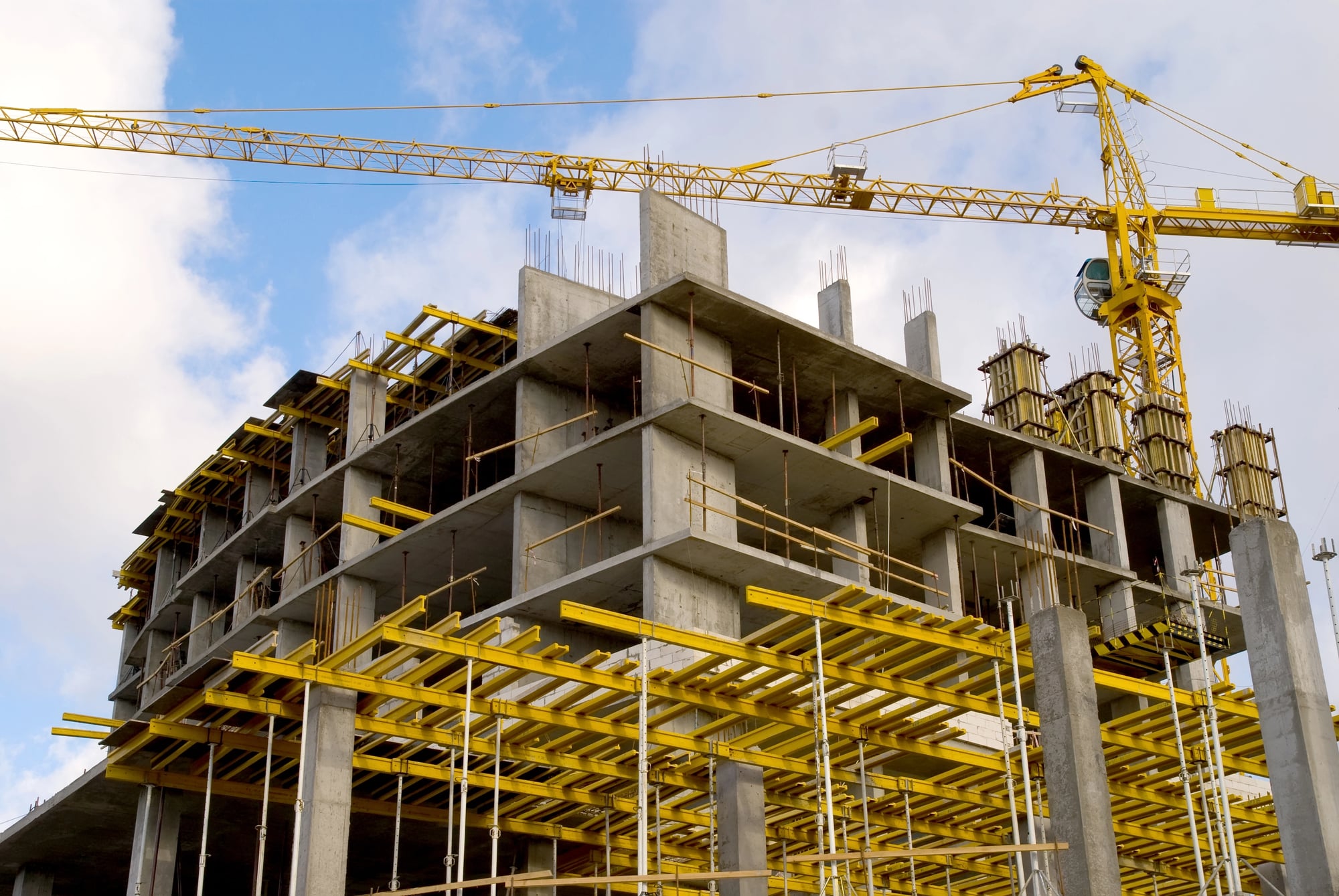
The Metrocenter construction site collapse in Foster City, California, occurred on October 19, 2006, when a partially constructed parking garage collapsed during construction. The seven-story structure pancaked when temporary supports failed, though fortunately no workers were killed due to timing — the collapse happened during a shift change.
The incident was attributed to inadequate temporary shoring and premature concrete pouring. This collapse reinforced the importance of proper temporary support systems during construction.
Algo Centre Mall
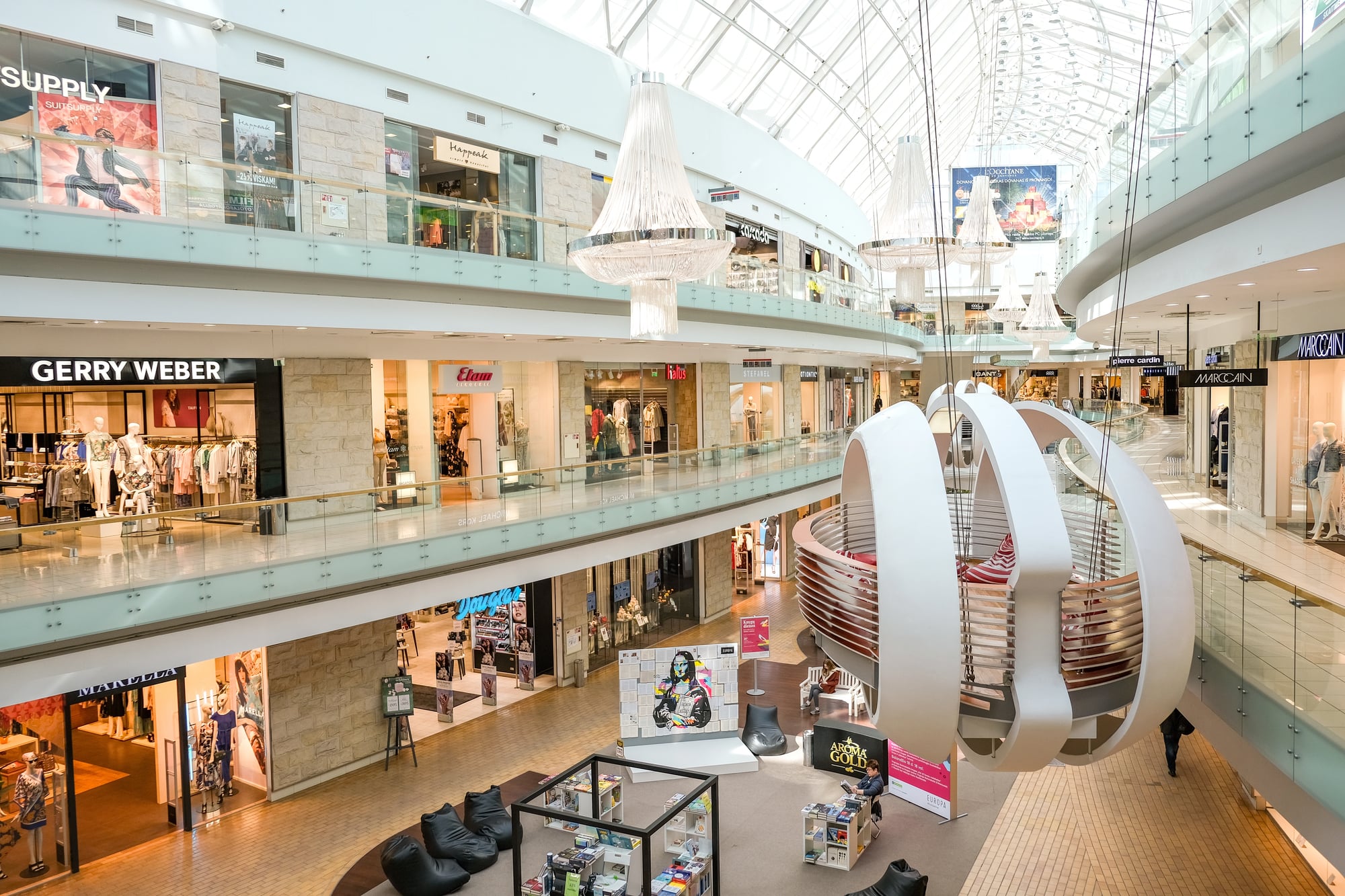
The Algo Centre Mall collapse in Elliot Lake, Ontario, occurred on June 23, 2012, when the roof of the shopping mall collapsed during renovation work. Two people died and 19 were injured when the rooftop parking deck gave way due to water damage and structural deterioration that had been ignored for years.
The collapse happened while the mall was occupied, though renovation work was ongoing in the affected area. This incident highlighted the dangers of deferring maintenance and structural repairs in aging buildings.
Learning from Catastrophe
These construction collapses share common threads: rushed schedules, inadequate safety measures, and the dangerous practice of removing supports too early. While each incident brought tragedy, they’ve collectively transformed construction practices and building codes worldwide.
Modern construction now emphasizes rigorous inspection protocols, proper concrete curing times, and comprehensive safety oversight — changes written in the lessons learned from these disasters. The construction industry continues to evolve, with new technologies and stricter regulations helping prevent similar tragedies from occurring in the future.
More from Go2Tutors!

- The Romanov Crown Jewels and Their Tragic Fate
- 13 Historical Mysteries That Science Still Can’t Solve
- Famous Hoaxes That Fooled the World for Years
- 15 Child Stars with Tragic Adult Lives
- 16 Famous Jewelry Pieces in History
Like Go2Tutors’s content? Follow us on MSN.



