15 Famous Movies That Were Almost Completely Different
Picture this: you’re watching your favorite movie, completely absorbed in the story, when suddenly you realize that everything you love about it — the ending, the main character, even the entire plot — almost never happened. The film industry is littered with fascinating “what if” scenarios where a single decision changed cinema history.
Sometimes it was a last-minute casting change, other times a complete script overhaul, and occasionally a director’s bold gamble that transformed a project entirely.
These moments remind you that even the most iconic films weren’t inevitable. They emerged from chaos, compromise, and creative lightning strikes that could have easily gone another way.
Pretty Woman

Pretty Woman was originally titled $3,000 and told a much darker story. The script depicted a gritty drama about addiction and exploitation on Hollywood Boulevard — no fairy tale, no happy ending, no charm whatsoever.
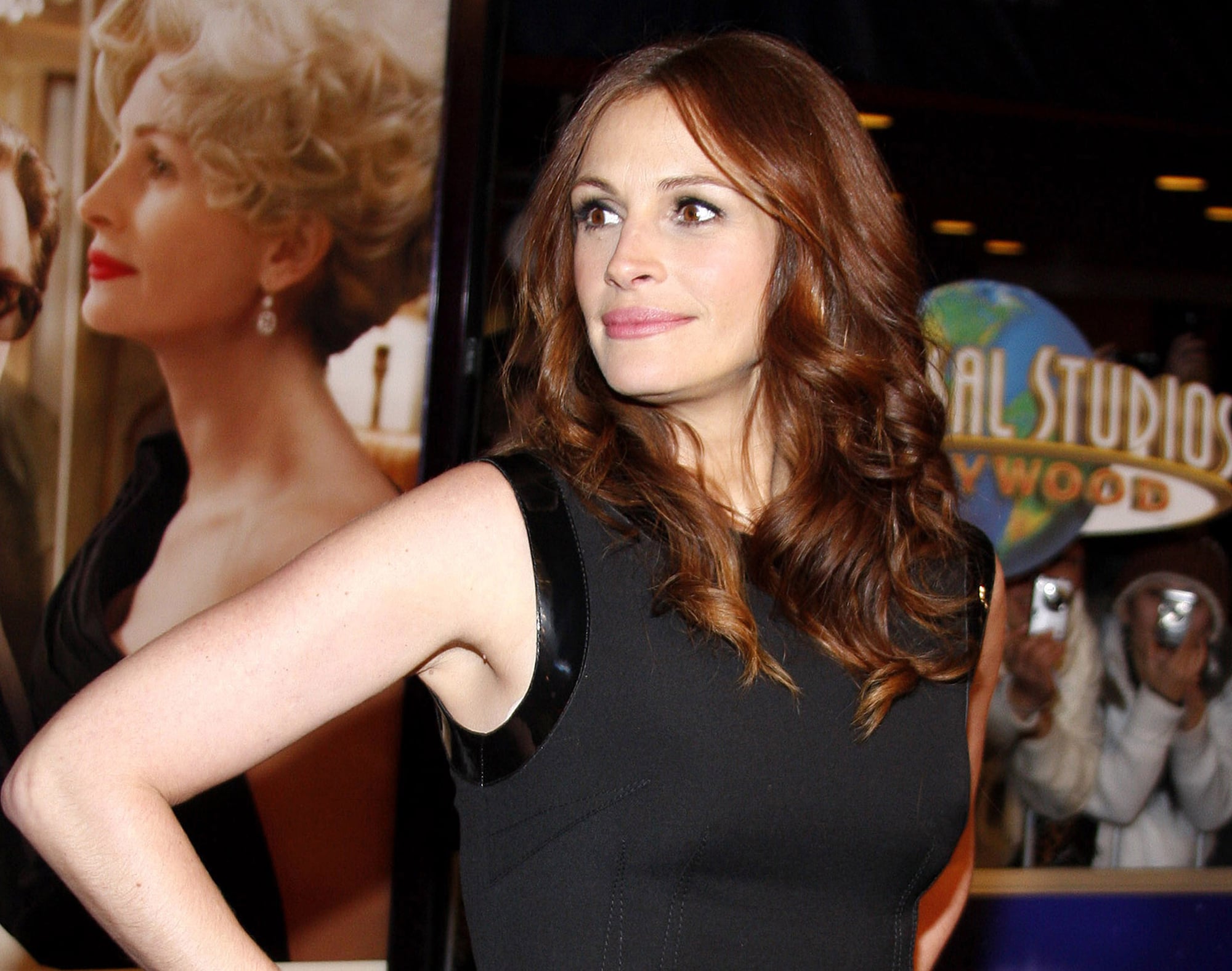
Disney purchased the project and decided the story needed a complete transformation. The studio turned the bleak narrative into a romantic comedy, softening every harsh edge until it became the feel-good hit that launched Julia Roberts into stardom.
Titanic
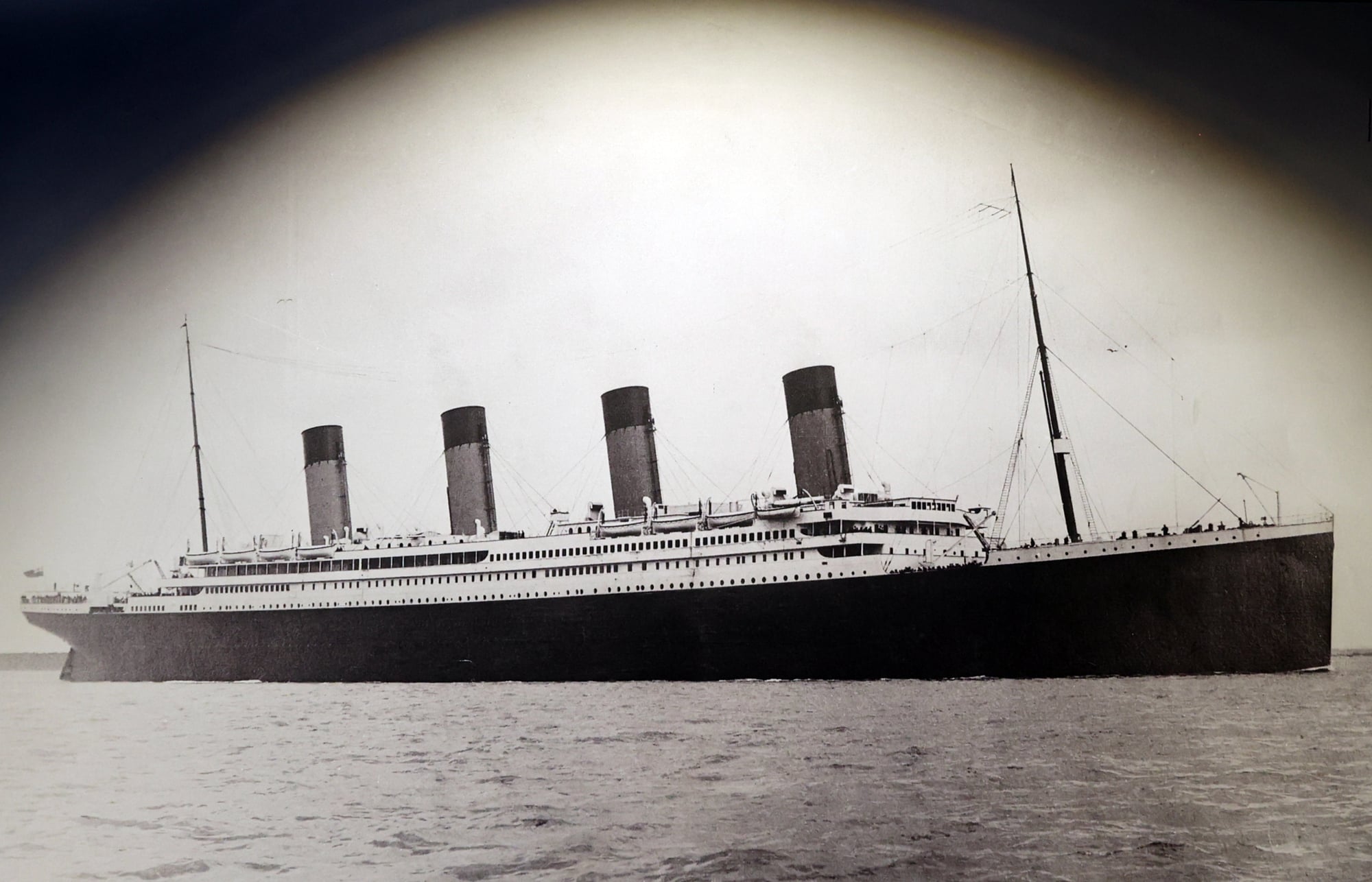
James Cameron initially wrote Jack Dawson as a member of the ship’s crew rather than a third-class passenger who wins his ticket in a poker game (which, if you think about it, makes the central romance far less compelling since crew members would have had legitimate access to different parts of the ship, and the whole class-barrier tension that drives the entire love story would have been significantly diminished). The director also considered multiple endings where Rose doesn’t throw the necklace into the ocean — and in one version that was actually filmed, she keeps it and dies as an old woman in her bed, which feels both more practical and far less cinematically satisfying.
So Cameron went back to the ocean ending. And yet the crew-member version of Jack would have fundamentally altered the film’s central metaphor about love transcending social boundaries, turning it instead into a workplace romance aboard a sinking ship.
The poker game backstory wasn’t added until late in the writing process, but it became essential to everything the movie represents about chance, fate, and the arbitrary nature of survival.
Casablanca
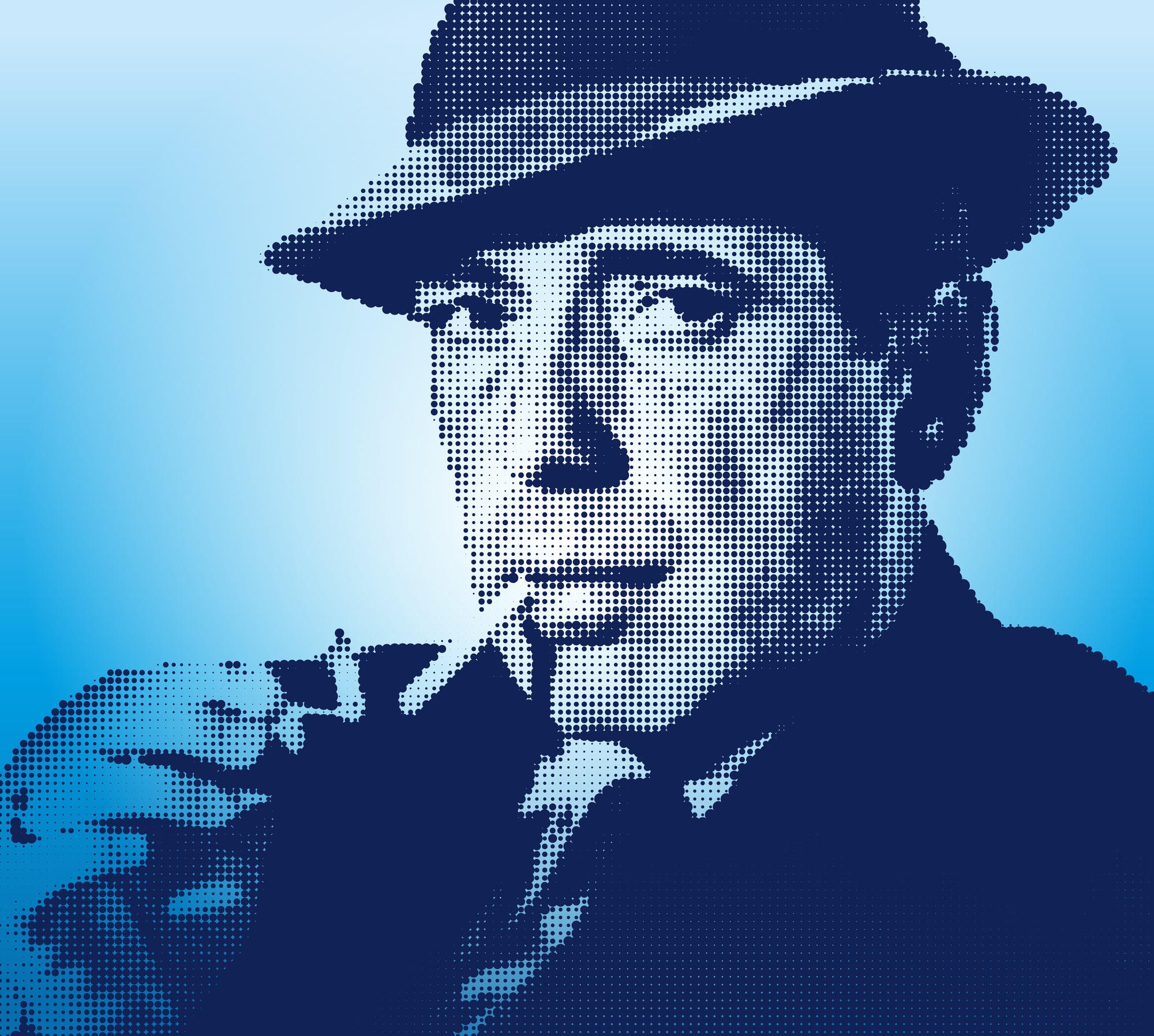
Casablanca went into production without a finished script. The writers were rewriting pages daily, and nobody — not the actors, not the director, nobody — knew how the film would end until the final weeks of shooting.
Multiple endings were considered. Ingrid Bergman’s Ilsa could have stayed with Humphrey Bogart’s Rick, abandoning the resistance cause entirely.
Rick could have been killed helping them escape. The film could have ended with all three characters walking into the Moroccan sunset together, which sounds like the kind of compromise that pleases nobody.
The famous “here’s looking at you, kid” line was completely improvised. Bogart ad-libbed it during a card game scene, and the writers liked it enough to work it into the love scenes.
Sometimes the best moments arrive when nobody’s trying to create them.
Back To The Future
The original script called for a time machine built inside a refrigerator rather than a DeLorean car. Doc Brown would have used nuclear energy from an atomic bomb test to power the device, with Marty hiding inside the fridge as it was transported through time.
The studio rejected this concept — not because it was scientifically implausible, but because they worried children might climb into refrigerators trying to replicate the stunt. The DeLorean replaced the fridge, the car’s stainless steel construction became plot-relevant, and the lightning bolt finale was born.
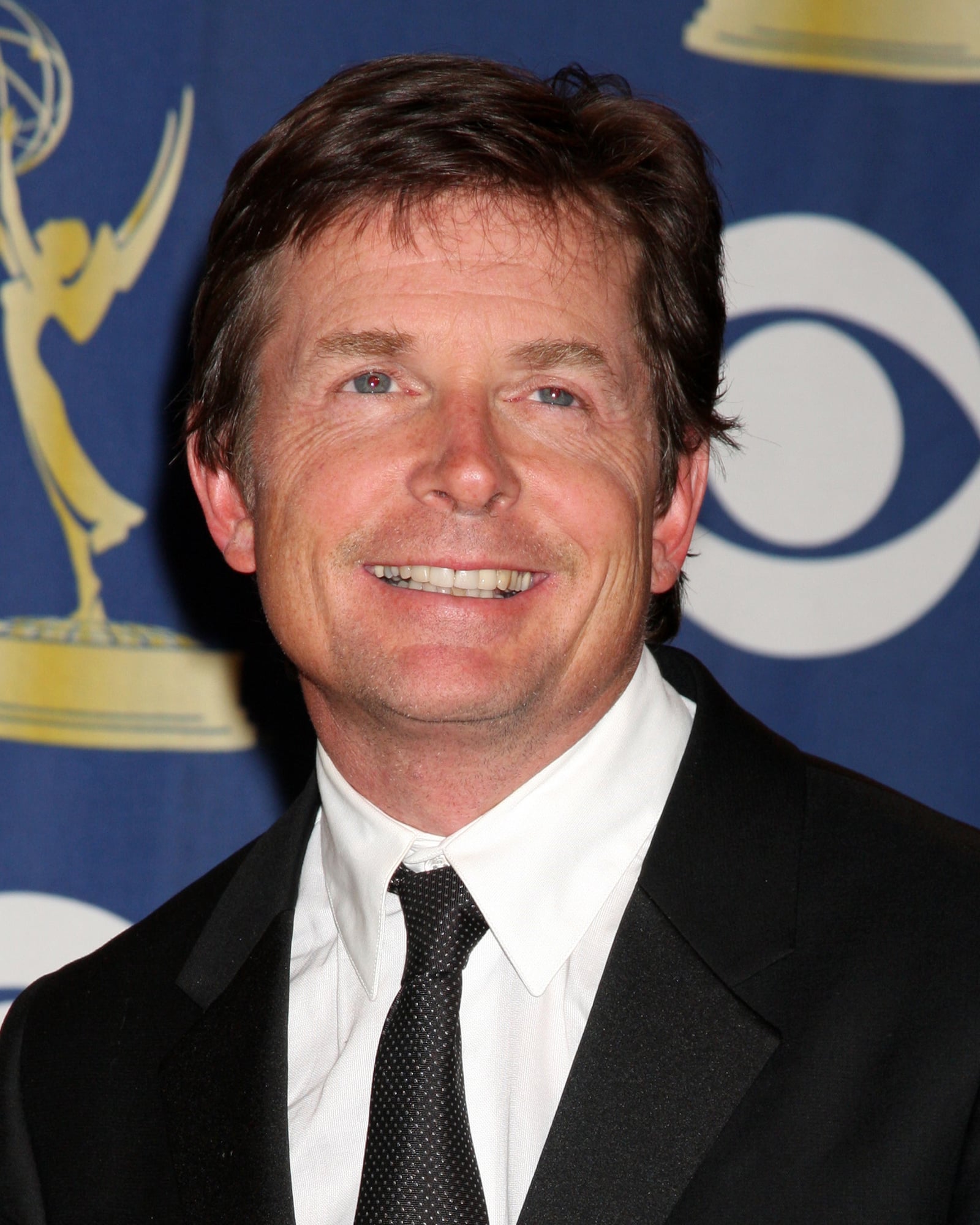
Eric Stoltz was originally cast as Marty McFly and filmed for several weeks before being replaced by Michael J. Fox. The footage still exists somewhere, showing a completely different interpretation of the character that the filmmakers decided wasn’t working.
Forrest Gump
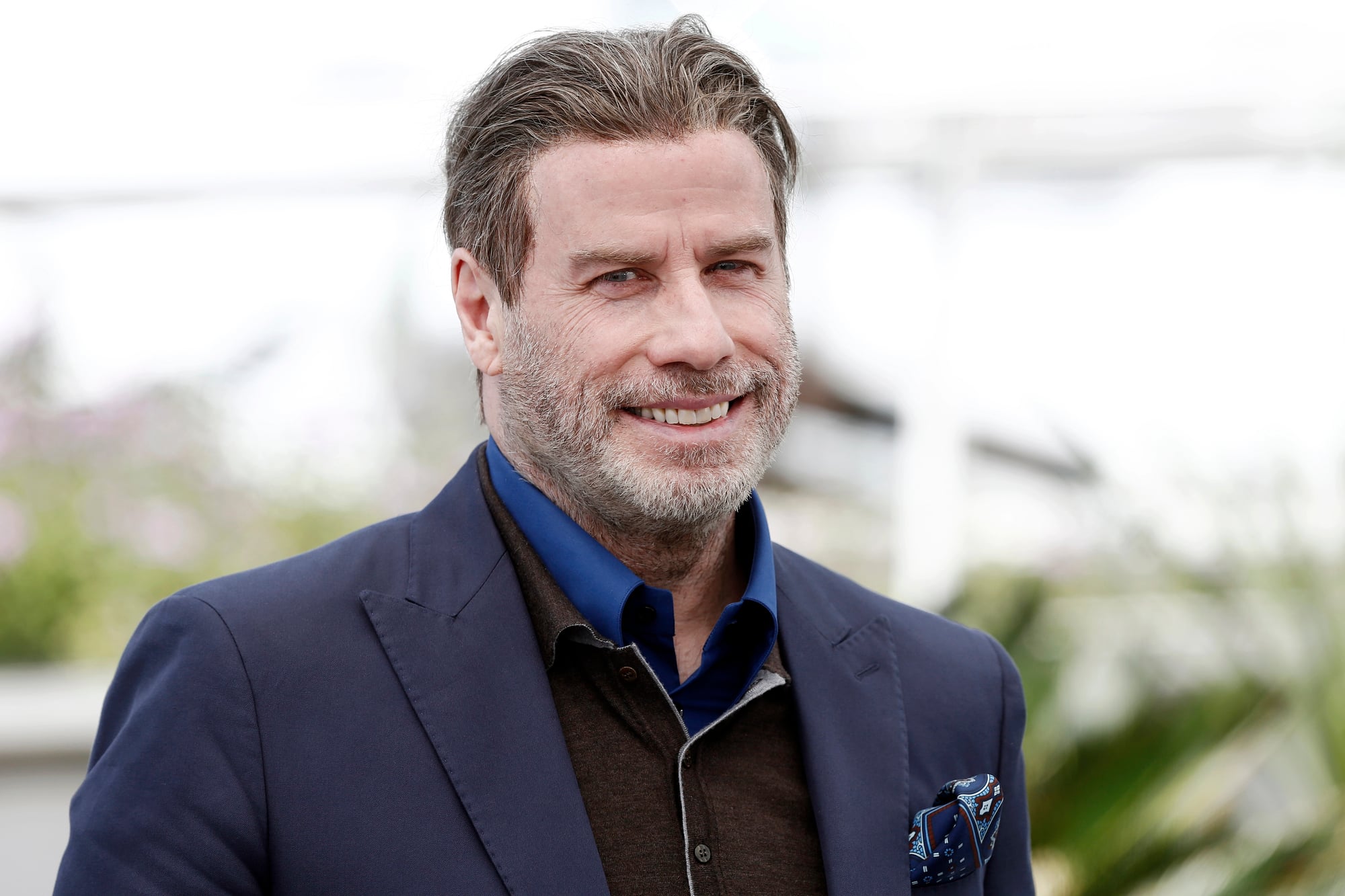
John Travolta was offered the title role first and turned it down. The character was also written much differently in the original screenplay — more cynical, more aware of his limitations, and far less optimistic about the world around him.
Tom Hanks transformed the character during filming. His interpretation emphasized innocence over ignorance, creating the childlike wonder that became central to the film’s appeal.
The famous accent was Hanks’ invention, modeled after the young actor who played Forrest as a child.
The ping-pong scenes weren’t in the original script. They were added after Hanks mentioned he actually played table tennis competitively.
Sometimes casting the right actor means discovering new directions for the story.
Scream
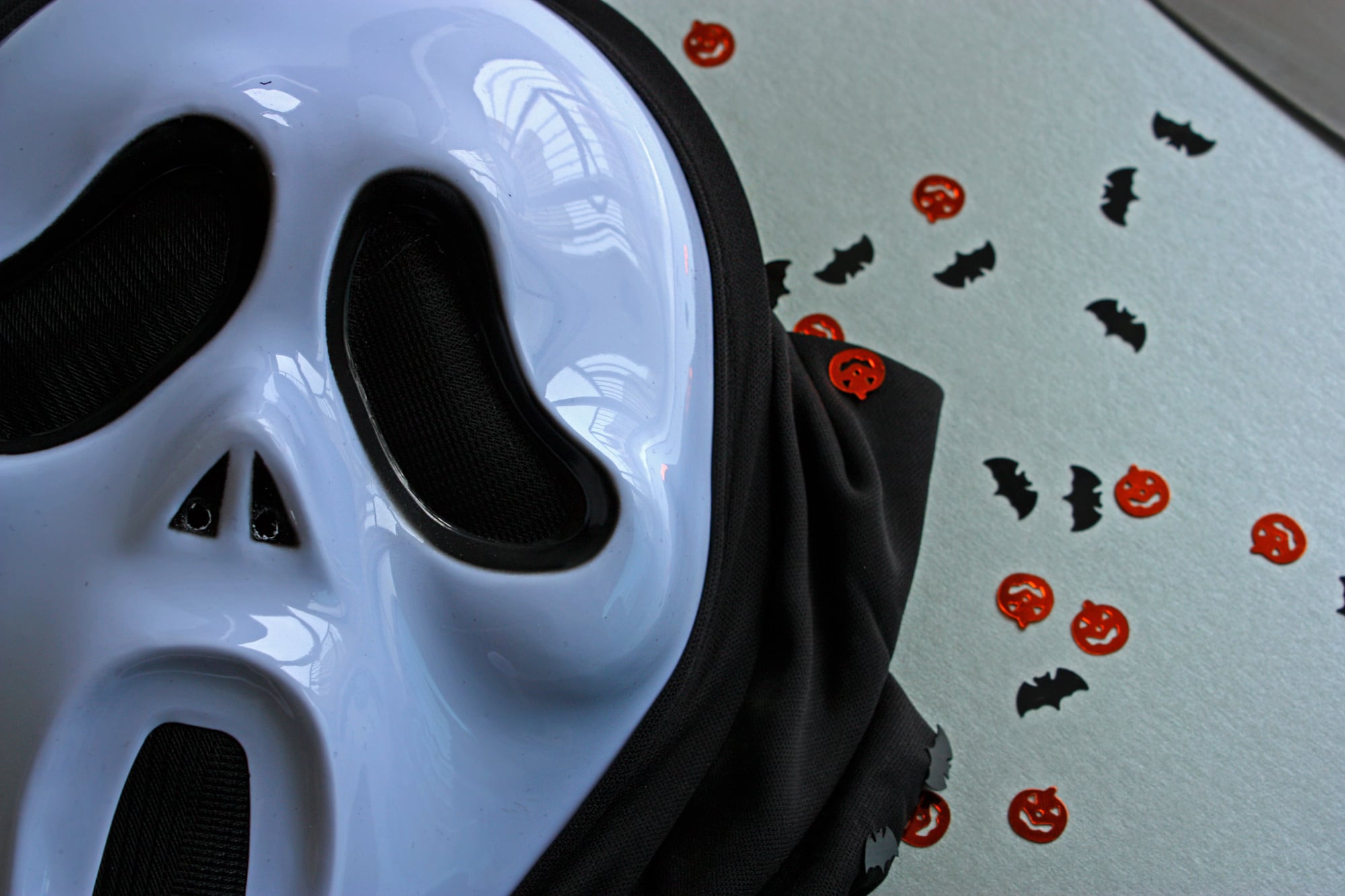
Scream was initially conceived as a straightforward slasher film without the meta-commentary that defined the final product. The characters didn’t discuss horror movie rules, the killer didn’t reference other films, and the story played its tropes completely straight rather than examining them.
Writer Kevin Williamson added the self-aware elements during rewrites, creating a film that simultaneously celebrated and deconstructed the horror genre.
The opening sequence with Drew Barrymore was extended significantly — she was originally supposed to survive the first attack and become the main character throughout the entire film.
The Ghostface mask was discovered by accident in a house being used as a location. It wasn’t designed for the movie; it was just there, hanging on a wall, and everyone agreed it was more frightening than anything they’d planned.
The Matrix
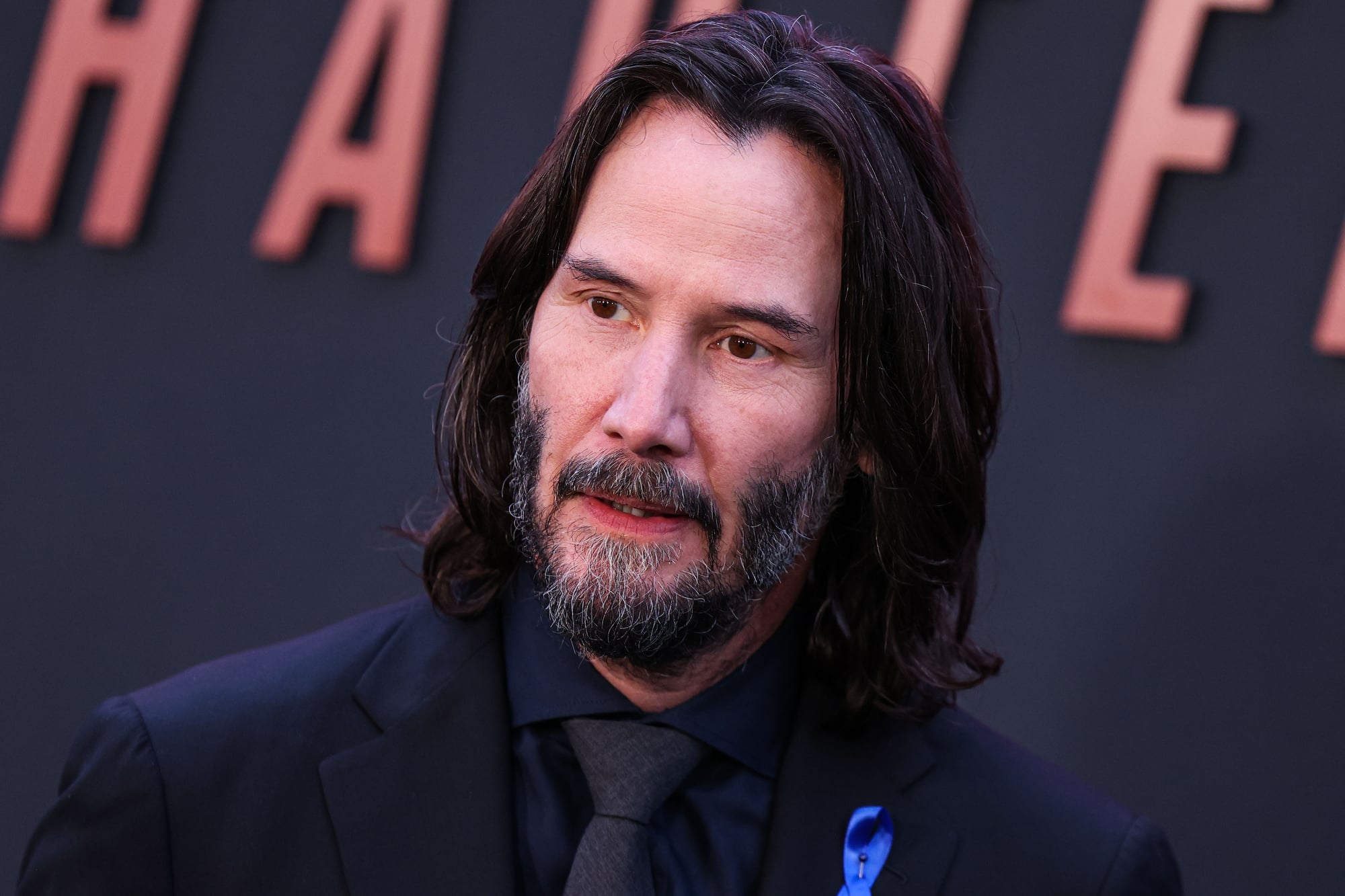
Will Smith was the first choice for Neo and declined the role to make Wild Wild West instead. The character was also written as more traditionally heroic — less confused, more naturally gifted, and quicker to accept his destiny.
Keanu Reeves brought vulnerability to Neo that wasn’t present in the original conception. His confusion and reluctance made the audience’s journey into the Matrix feel more authentic.
The famous “whoa” reaction became a character trademark that wasn’t scripted.
The red pill/blue pill choice was nearly cut from the film. Studio executives thought it was too philosophical and slowed down the action.
The Wachowski sisters fought to keep it, recognizing it as the moral center of the entire story.
Alien
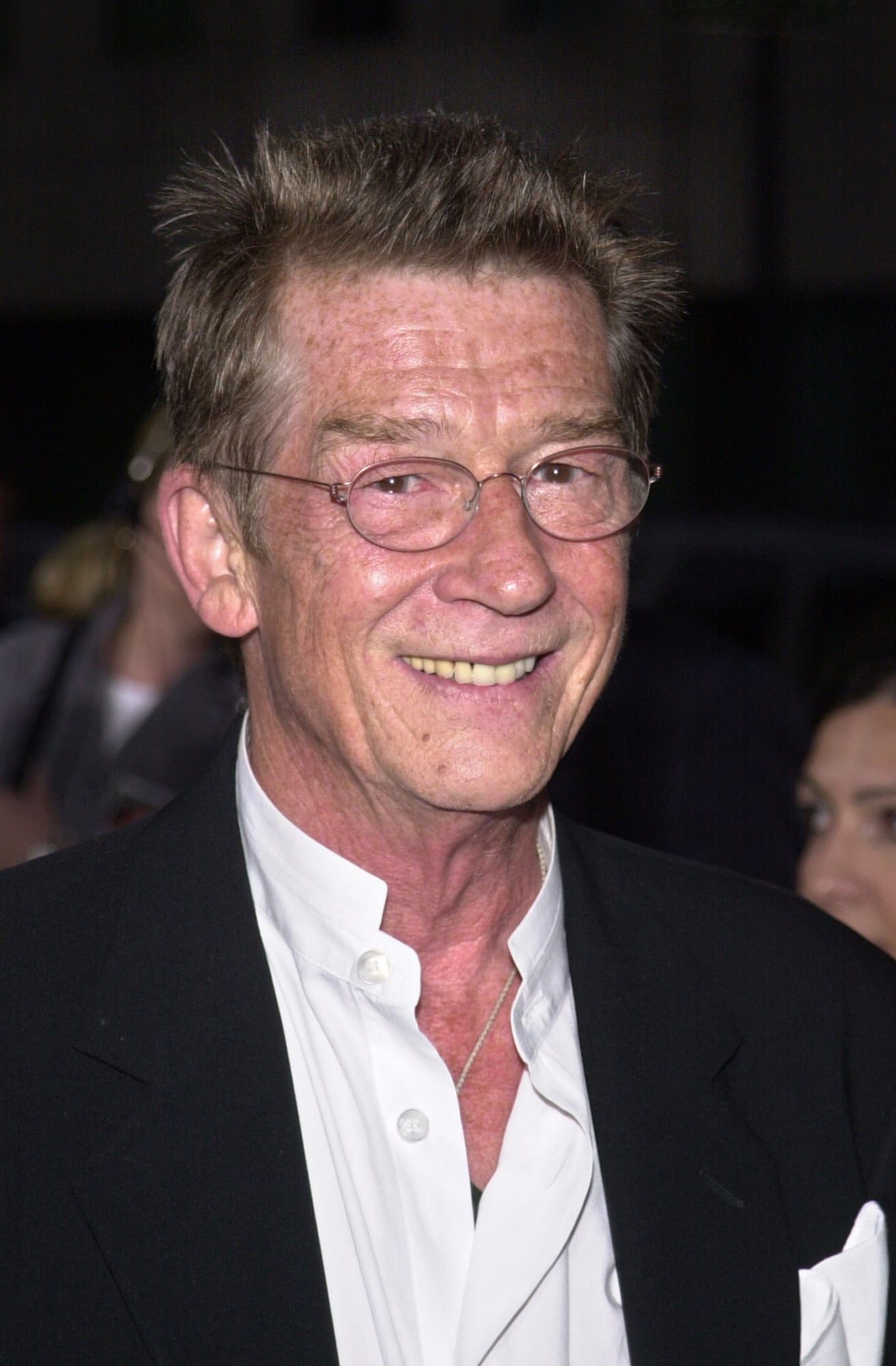
The chest-burster scene wasn’t fully explained to the cast beforehand. Only John Hurt and the special effects team knew exactly what would happen, so the shocked reactions from the other actors are completely genuine — they’re watching their colleague’s fake death, but they’re also seeing the practical effect for the first time.
Ripley was written as a male character named Martin Roby in the original script. The gender swap happened during casting when Sigourney Weaver auditioned and convinced the filmmakers that a female survivor would subvert audience expectations more effectively than another male hero.
The alien creature went through dozens of design iterations before H.R. Giger created the final biomechanical nightmare. Earlier versions looked more like traditional movie monsters — rubber suits with visible seams and human proportions that weren’t nearly as unsettling.
Ghost
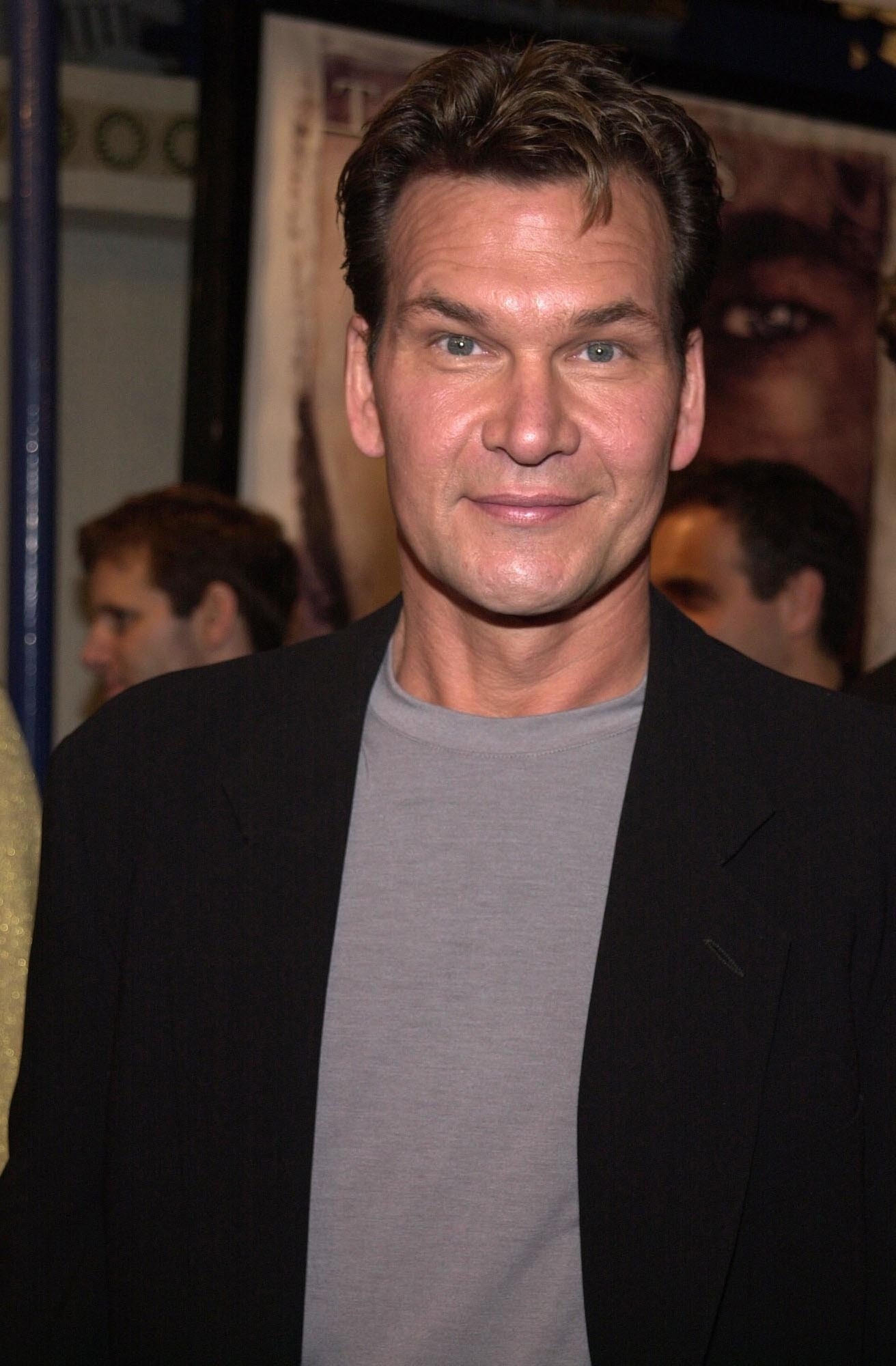
The pottery scene between Patrick Swayze and Demi Moore almost didn’t make it into the film. Executives thought it was too slow and didn’t advance the plot, which completely misses the point since the scene exists to show physical intimacy transcending death — it’s not about narrative momentum, it’s about emotional connection made tangible through clay and touch and the Righteous Brothers playing in the background.
But the scene became iconic precisely because it slowed everything down and let the central relationship breathe.
And yet the film’s supernatural elements were toned down significantly from the original script, which included far more elaborate ghostly powers and special effects sequences that would have shifted focus away from the love story.
The movie works because it trusts quiet moments over spectacle, even though Hollywood’s instincts usually push the other direction.
Terminator 2: Judgment Day
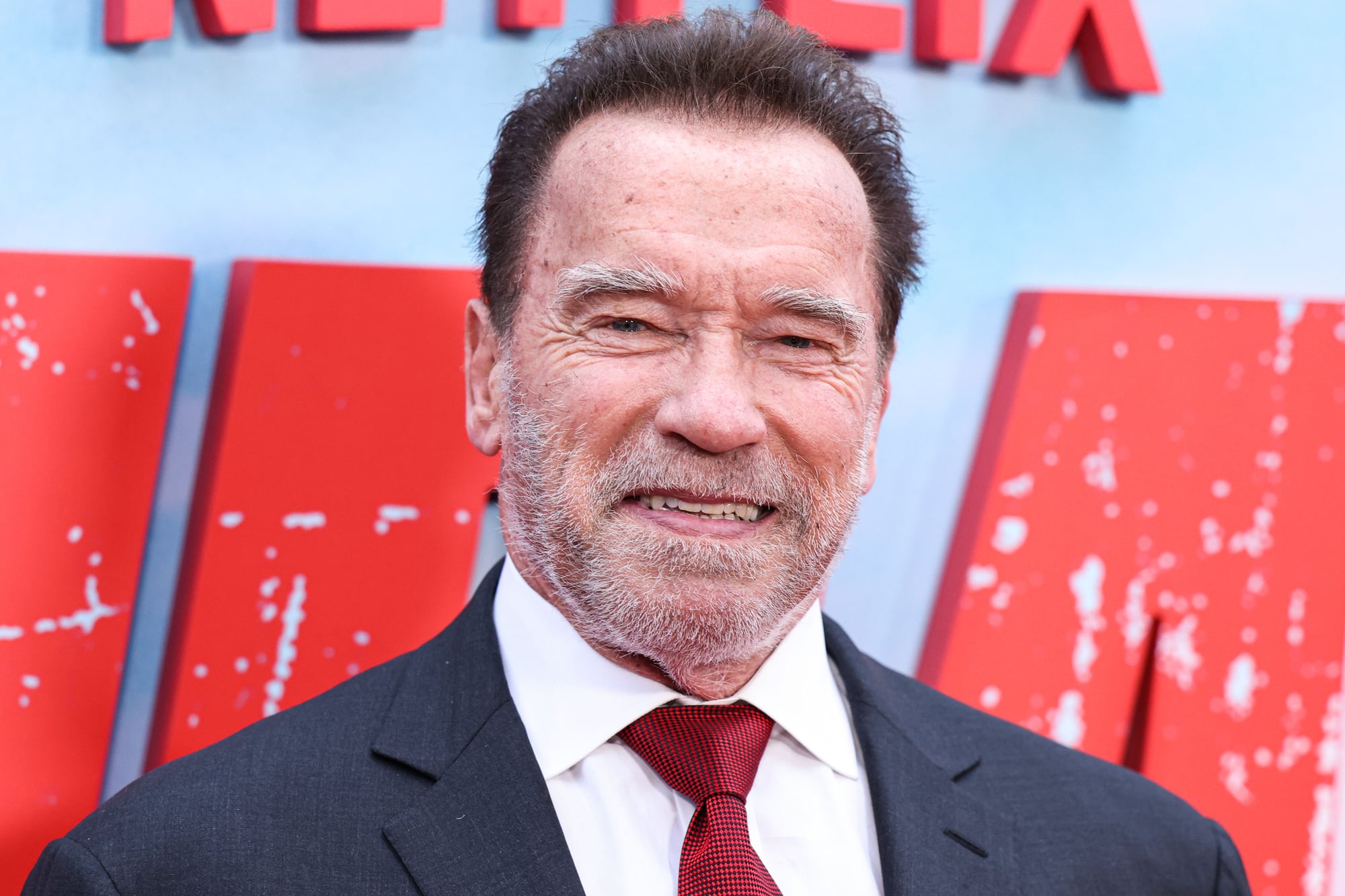
Arnold Schwarzenegger’s Terminator was supposed to remain villainous throughout the entire film. The original concept had two Terminators hunting John Connor — one played by Schwarzenegger, one by Robert Patrick — with no clear indication which was friend or enemy until the mall confrontation scene much later in the movie.
James Cameron realized during pre-production that audiences would immediately assume Schwarzenegger was the hero based on his star power from the first film. The surprise was already ruined before filming began.
The “I’ll be back” catchphrase from the original almost became “I’ll come back” in this sequel. Schwarzenegger argued that his character would use more precise language as he learned human communication, but Cameron insisted the grammar mistake was part of the character’s appeal.
Ghostbusters
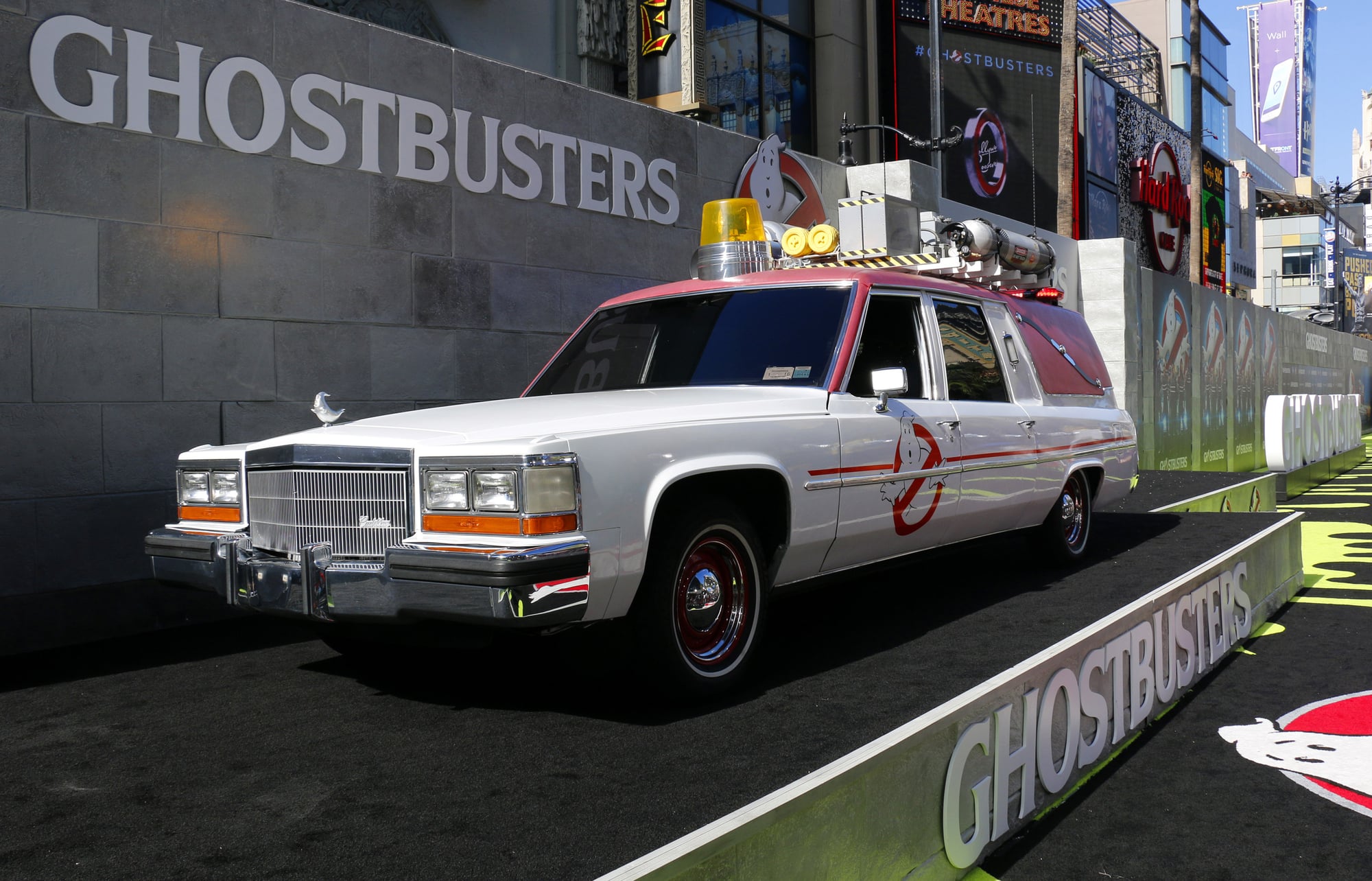
The film started as a vehicle for Dan Aykroyd and John Belushi set in the future with an interdimensional scope far beyond anything the budget could handle. Belushi’s death forced a complete reimagining of the project, moving the story to present-day New York and scaling back the supernatural elements to something more manageable.
Bill Murray replaced Belushi and brought a completely different energy to the comedy. Where Belushi would have been manic and physical, Murray played everything with deadpan skepticism that grounded the fantastical elements in recognizable human behavior.
The Stay Puft Marshmallow Man was a last-minute addition to the script. The filmmakers needed a final monster that was simultaneously threatening and absurd — something that could destroy New York while maintaining the film’s comedic tone.
Star Wars
Han Solo was supposed to die at the end of The Empire Strikes Back. Harrison Ford lobbied for the character’s death, feeling it would give weight to Darth Vader’s villainy and raise the stakes for the final film in the trilogy.
George Lucas refused, knowing he needed Solo for merchandising and the planned third film. The carbonite freezing was a compromise — Solo could be in mortal danger without actually dying, and Ford could return if he changed his mind about the character.
The “I love you” / “I know” exchange was improvised. The script called for Solo to respond “I love you too,” but Ford felt his character would be more cavalier facing possible death.
The change revealed something essential about Solo’s personality that the original line would have obscured.
Shrek
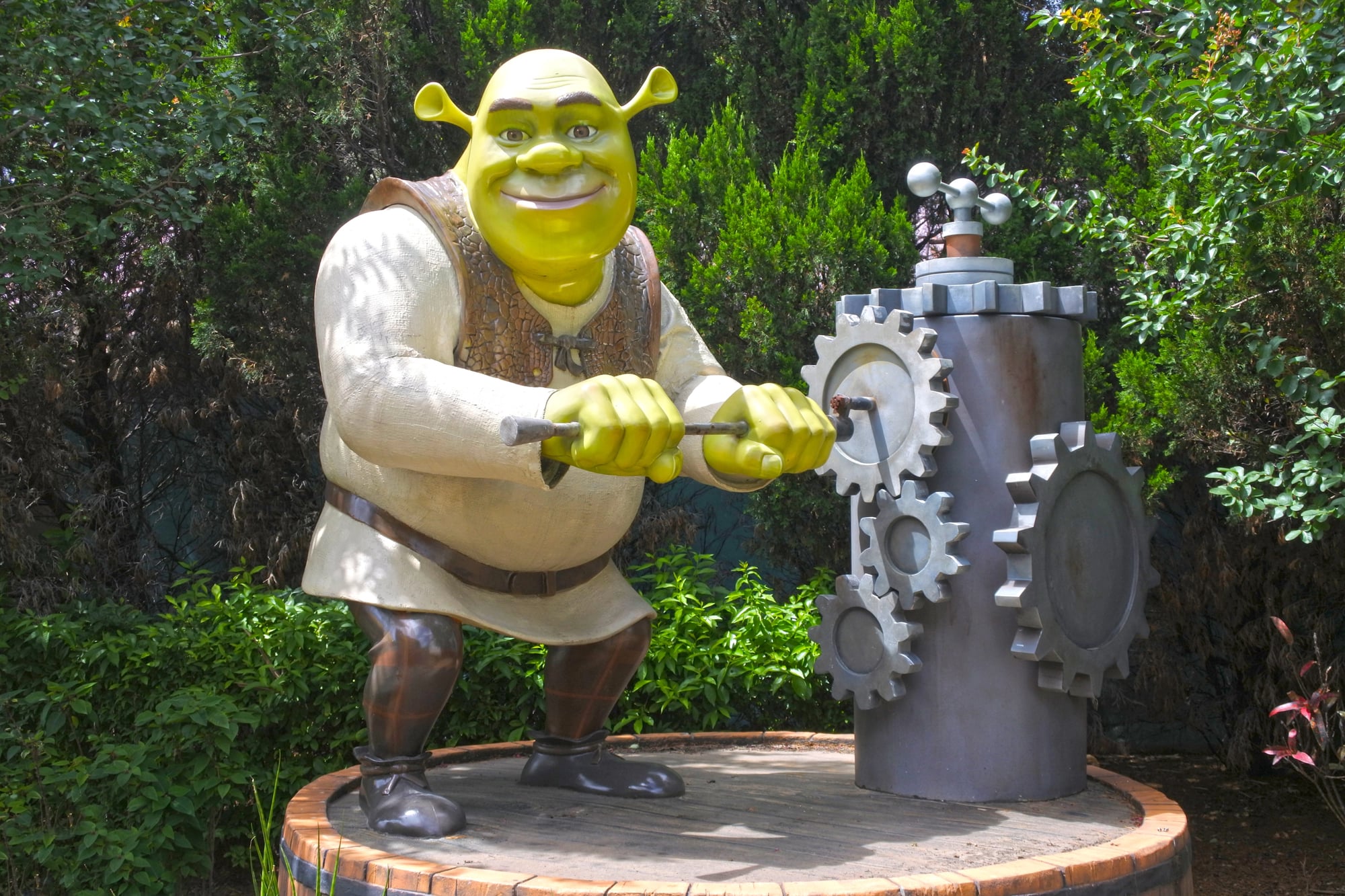
The title character was originally conceived as a much more traditional fairy tale hero — handsome, charming, and conventionally heroic. The decision to make him an ogre who stays an ogre came later in development, after the filmmakers realized the story worked better as a satire of Disney princess movies.
Mike Myers initially recorded all of Shrek’s dialogue with his natural speaking voice before deciding the character needed a Scottish accent. The entire film had to be re-recorded, but the accent became inseparable from Shrek’s anti-hero persona.
Chris Farley was the original voice of Shrek and had recorded most of the dialogue before his death. His interpretation was reportedly more innocent and childlike, which would have created a completely different dynamic with the other characters.
Jaws
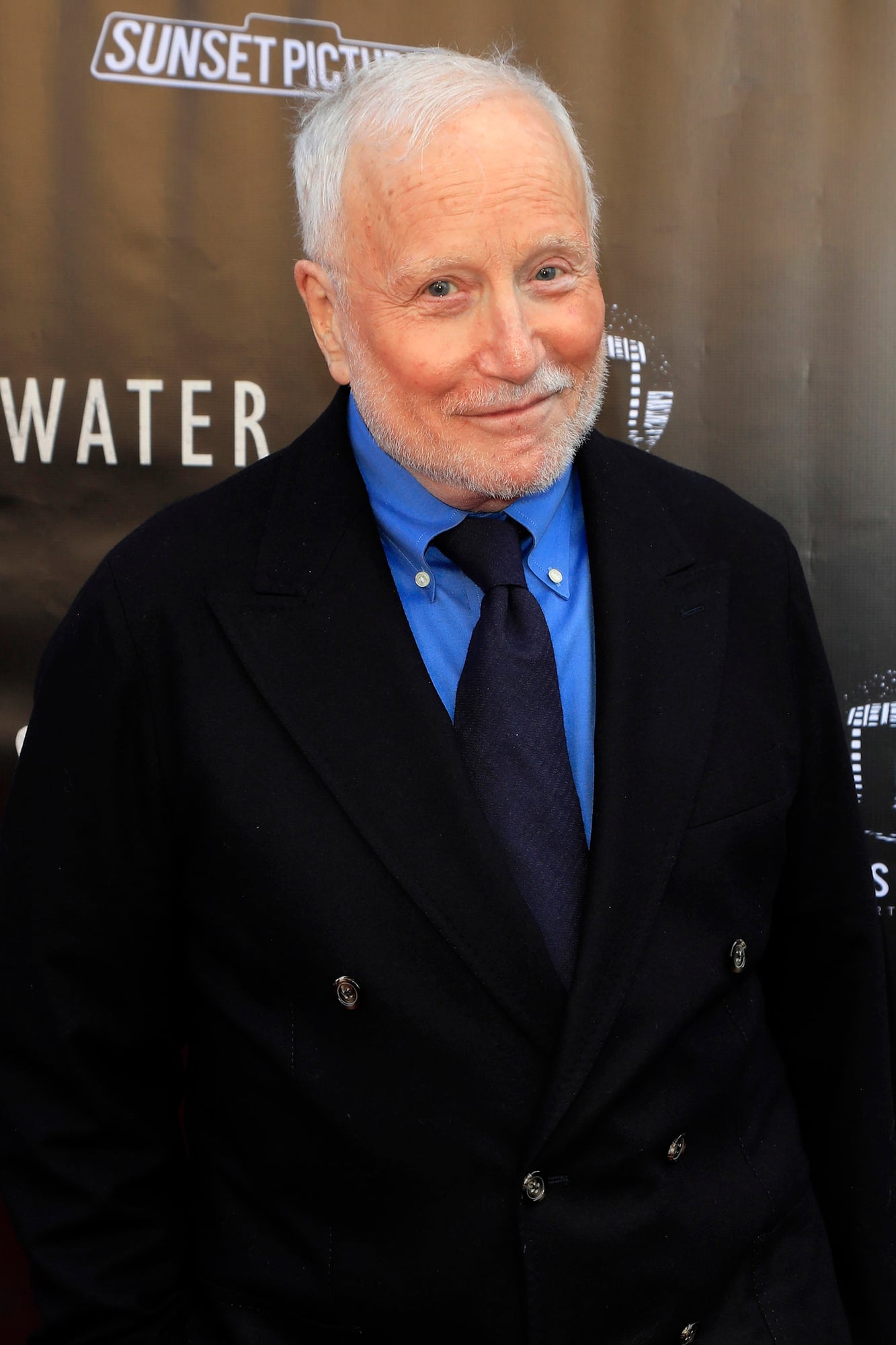
The mechanical shark malfunctioned constantly during filming, forcing Steven Spielberg to suggest the creature’s presence without showing it directly. This technical limitation became the film’s greatest strength — the unseen threat proved far more frightening than any rubber monster could have been.
The Indianapolis speech delivered by Robert Shaw’s Quint wasn’t in the original script. Shaw wrote it himself, drawing from the real historical incident where hundreds of sailors died from shark attacks after their ship was torpedoed during World War II.
Richard Dreyfuss almost quit during production due to conflicts with Shaw, but their on-screen chemistry as the intellectual marine biologist and the working-class shark hunter became central to the film’s appeal.
Pulp Fiction
The briefcase was supposed to contain diamonds, then later the stolen soul of Marsellus Wallace (which explains the band-aid on his neck), but Quentin Tarantino ultimately decided the contents should remain mysterious since the MacGuffin’s actual nature mattered less than how desperately everyone wanted it.
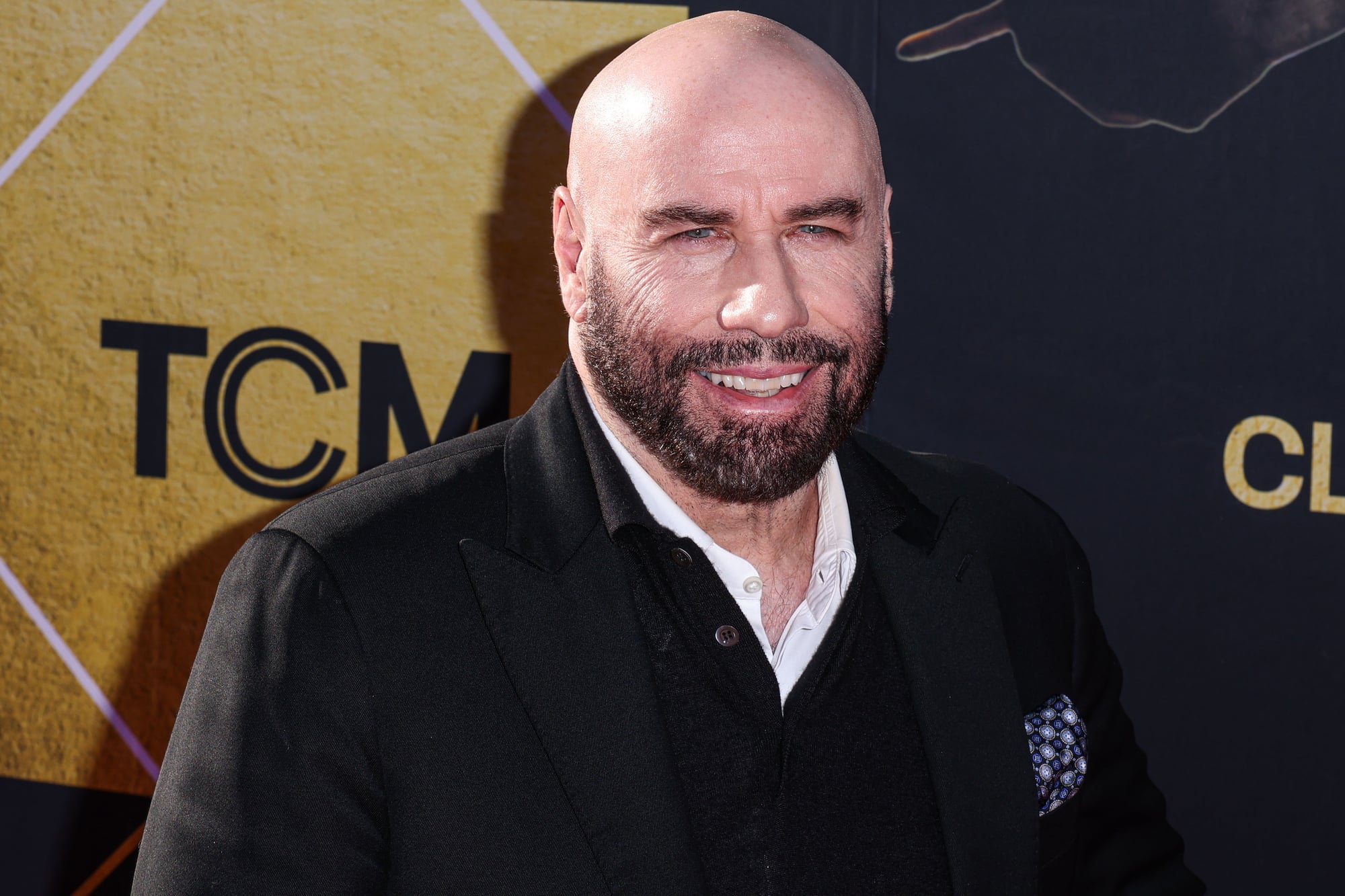
John Travolta’s career was considered finished before Pulp Fiction. He was initially offered the role of Lance, the drug dealer, but lobbied successfully for Vincent Vega instead.
The career resurrection that followed proves sometimes actors understand their own needs better than casting directors.
The film’s non-linear structure wasn’t experimental for its own sake — it allowed Travolta’s character to appear in the final scene despite being killed earlier in the story.
The fractured timeline served the casting as much as the storytelling.
When Art Defies Prediction
These near-misses reveal something essential about creativity: the final product often bears little resemblance to the original vision, and that’s usually for the best. The collaborative chaos of filmmaking tends to improve ideas rather than diminish them, as long as someone has the wisdom to recognize when an accident is actually an improvement.
Every iconic moment that feels inevitable was actually the result of countless small decisions that could have gone differently, proving that great art emerges from embracing uncertainty rather than avoiding it.
More from Go2Tutors!

- The Romanov Crown Jewels and Their Tragic Fate
- 13 Historical Mysteries That Science Still Can’t Solve
- Famous Hoaxes That Fooled the World for Years
- 15 Child Stars with Tragic Adult Lives
- 16 Famous Jewelry Pieces in History
Like Go2Tutors’s content? Follow us on MSN.