17 Facts About the Amazon Rainforest That Sound Almost Impossible
The Amazon isn’t just another forest. It’s a living paradox that breaks the rules of what nature should logically be able to accomplish.
Most ecosystems follow predictable patterns, but the Amazon reads more like science fiction — a place where rivers flow backwards, trees create their own weather, and the very ground seems designed to challenge everything you thought you knew about how the world works.
These facts sound too wild to be true, but the Amazon has never been particularly concerned with what sounds reasonable.
The Amazon Creates Its Own Rainfall
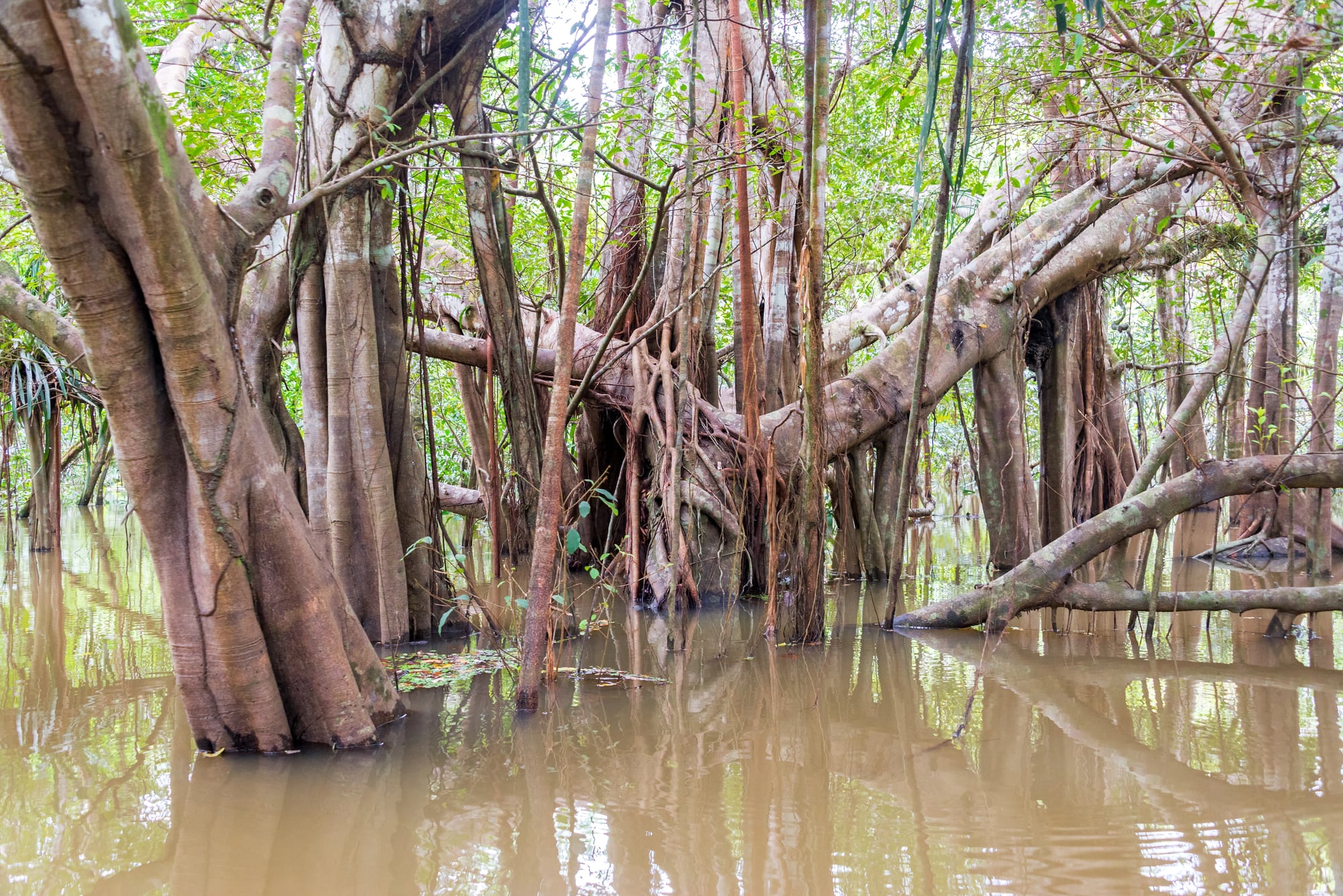
The Amazon doesn’t just receive rain — it manufactures it.
Trees release water vapor that condenses into clouds, which then rain back down on the forest. This recycling system produces roughly half of the region’s precipitation.
Remove the trees, and the rain machine breaks down permanently.
A River Runs Backwards Twice Daily
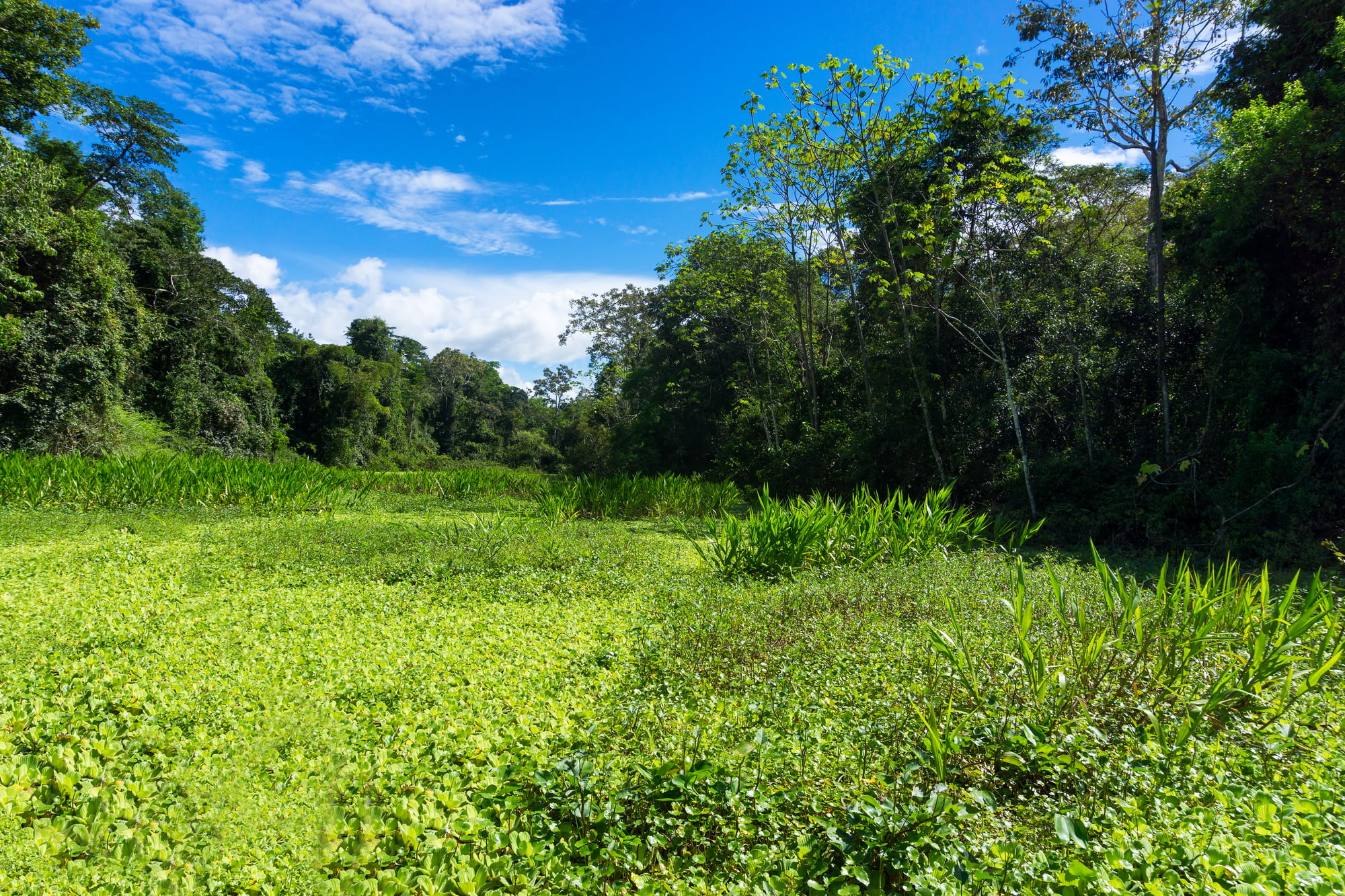
The Amazon River reverses course every single day due to tidal forces from the Atlantic Ocean (which sits 1,000 miles away, by the way — a detail that makes this whole arrangement seem particularly stubborn on nature’s part). But here’s where things get properly ridiculous: during certain seasons, the entire flow direction can shift for months at a time when tributary rivers swell beyond the main channel’s capacity.
So you have a river that flows backwards daily and sometimes decides, just for variety, to flow backwards seasonally too. It’s the kind of behavior that would get a normal river committed for psychological evaluation.
The mouth of the Amazon is so wide that you can’t see across it — 200 miles from shore to shore during flood season. And the freshwater extends so far into the Atlantic that sailors historically used it to refill their water supplies without ever seeing land.
Trees Talk to Each Other Underground
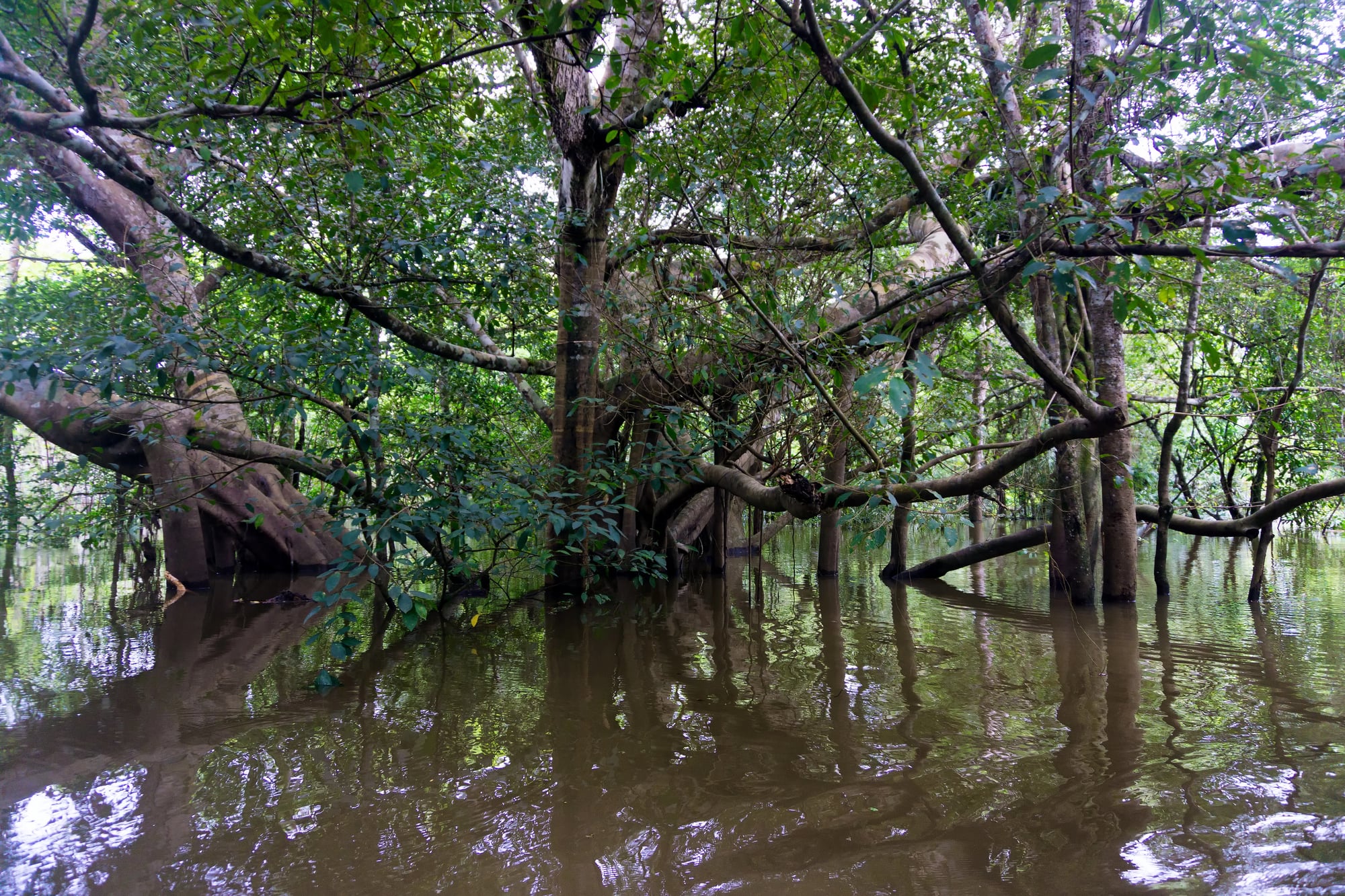
Think of the forest floor as the world’s largest fiber optic network, except instead of internet cables, it’s fungal threads connecting tree roots across impossible distances.
These mycorrhizal networks don’t just share nutrients — they carry chemical warnings about insect attacks, coordinate defensive responses, and even redistribute resources from healthy trees to sick ones. When a tree is dying, it uploads its chemical knowledge to the network before shutting down.
The network operates with a complexity that makes human communication systems look charmingly primitive. A single tree can maintain chemical conversations with dozens of other species simultaneously, switching between different molecular languages depending on what needs to be said.
It Contains More Plant Species Than Anywhere on Earth
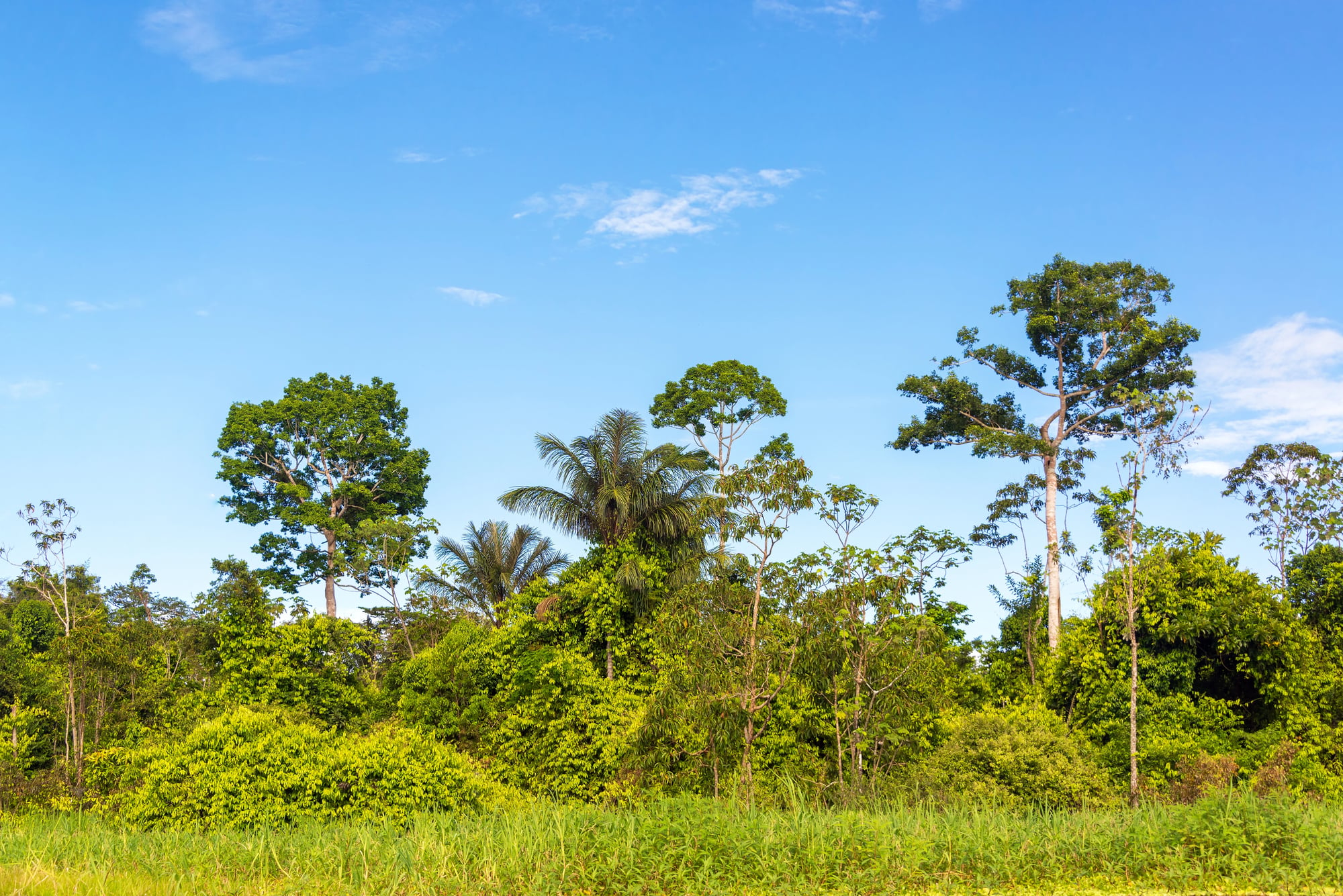
The Amazon wins the biodiversity contest by numbers so ridiculous they sound made up.
One single tree can host more ant species than exist in all of Britain. A single hectare contains more tree species than all of North America.
The running estimate sits around 400 billion individual trees representing roughly 16,000 species, though botanists keep finding new ones at a rate that suggests these numbers are adorable underestimates.
Underground Rivers Flow Beneath the Amazon
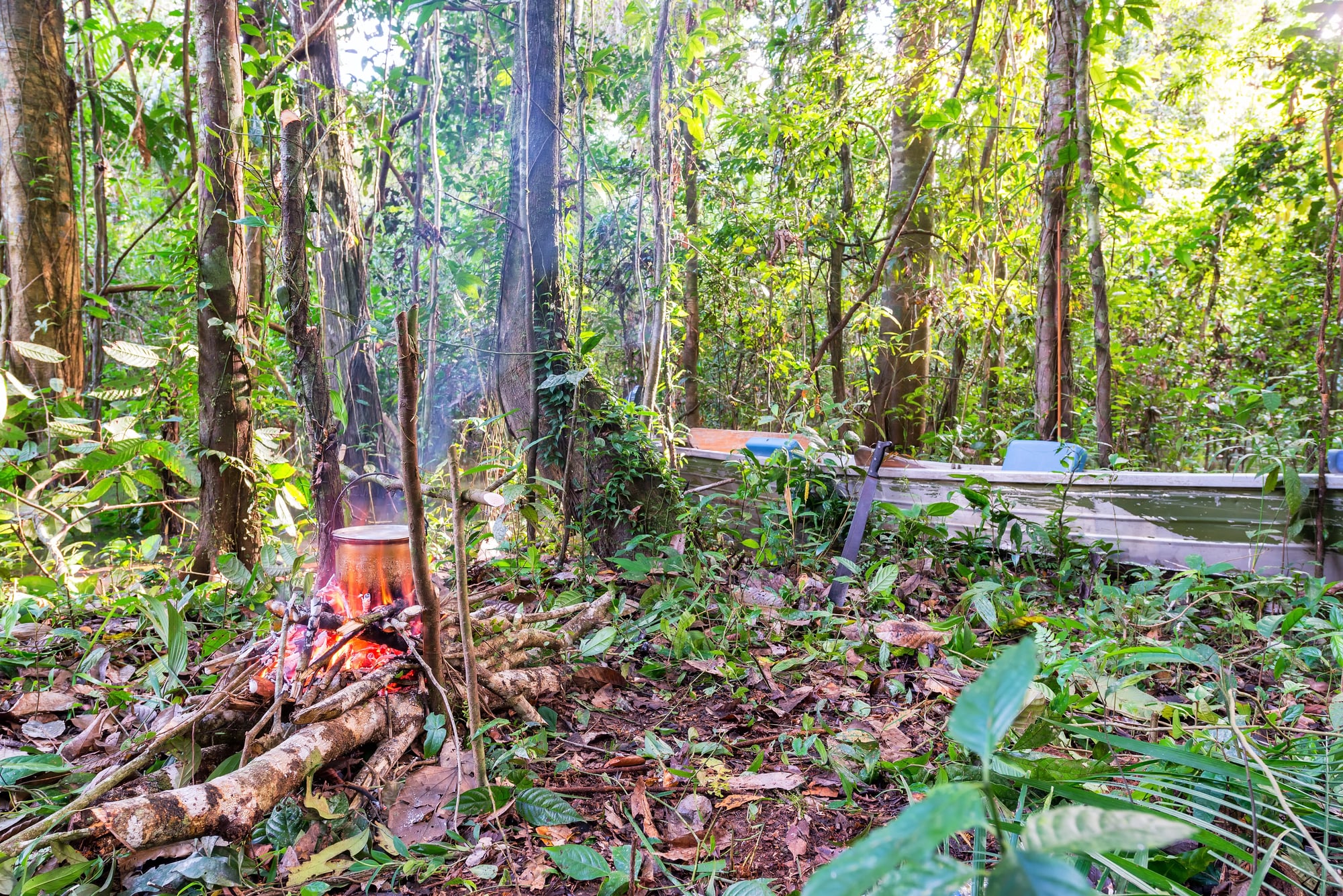
Picture this: while the Amazon River flows east above ground, an entire mirror river system flows west underground (because apparently one impossible river system wasn’t enough for this place).
The Rio Hamza — named after the scientist who proved its existence in 2011 — runs 4,000 kilometers beneath the surface, roughly following the Amazon’s path but in the opposite direction, like nature decided to install a backup system just to be thorough.
The underground river moves slowly — about a meter per year compared to the surface Amazon’s 5 meters per second. But what it lacks in speed, it makes up for in width: 400 kilometers across in some places, making it wider than the surface Amazon.
So beneath the world’s largest river runs an even larger river, flowing the wrong direction, at a pace that would make glaciers impatient.
Trees Migrate Across Generations
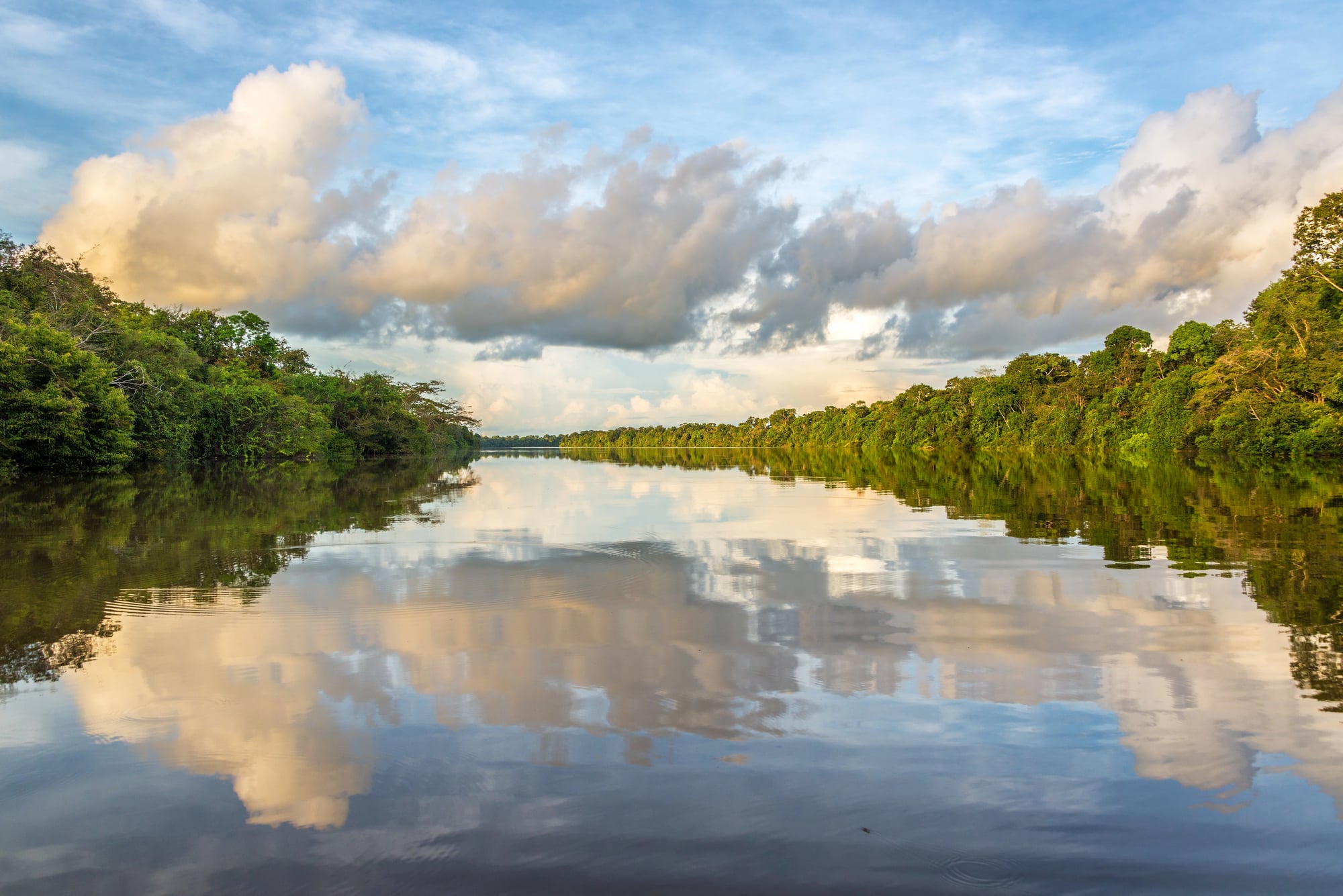
Amazon trees don’t just grow randomly — they walk. Not individually, obviously, but as species moving across the landscape over decades and centuries.
Climate changes, soil conditions shift, and entire species respond by slowly relocating their populations. Seeds disperse slightly uphill during dry years, or toward better soil conditions, or away from changing river courses.
Scientists can track these migrations by studying pollen samples in lake sediments. The data reveals that Amazon tree species have been on the move for thousands of years, following temperature gradients and rainfall patterns like extremely patient nomads.
Some species have migrated hundreds of kilometers in response to ice age climate shifts, moving so slowly that individual trees never notice, but so persistently that entire forests end up in completely different locations.
The Forest Produces Its Own Antibiotics
Amazon plants manufacture chemical compounds that put modern pharmaceutical labs to shame.
Many trees and shrubs produce natural antibiotics, antifungals, and insecticides as routine defensive measures. Indigenous peoples have used these compounds for medicine for centuries, and modern science keeps discovering that they were right about substances that seemed too good to be true.
The strangest part: plants that grow near each other often develop complementary chemical defenses, as if they’re coordinating their pharmaceutical research. One species might specialize in antifungal compounds while its neighbor focuses on insect deterrents, creating chemical neighborhoods where the combined effect is stronger than individual defenses.
Rivers Change Color Based on Where They Come From
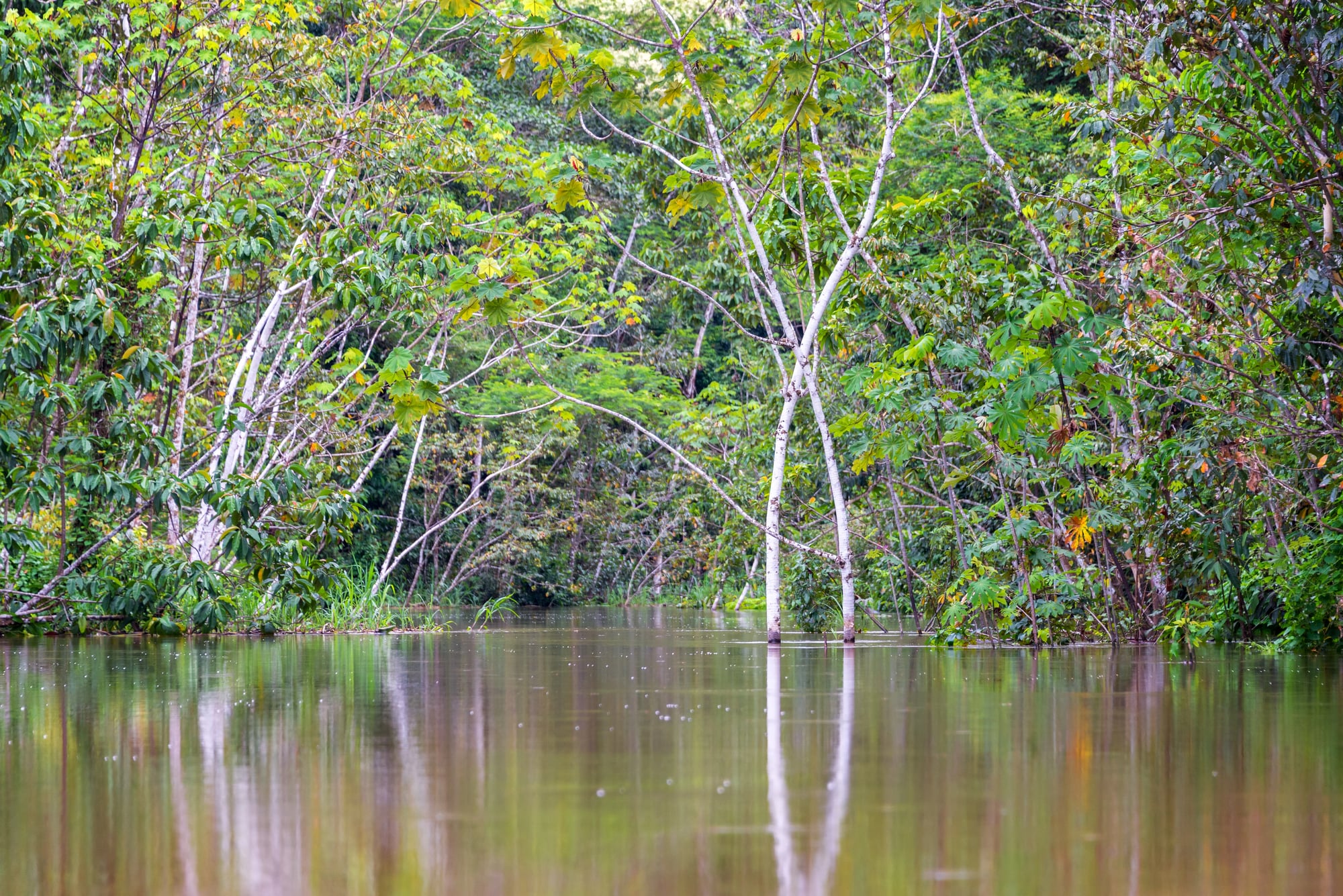
Amazon tributary rivers run different colors depending on their origins, and when they meet, they don’t mix immediately.
The Rio Negro runs black (from dissolved organic matter), the Amazon runs brown (from Andean sediment), and clearwater rivers run blue-green. Where they converge, you get distinct color boundaries that can persist for miles downstream.
The Meeting of Waters near Manaus shows this effect dramatically — the dark Rio Negro and the muddy Amazon flow side by side in the same riverbed, maintaining separate colors for over 6 kilometers. Different temperatures, speeds, and chemical compositions keep them apart until they finally surrender and blend together.
Some Trees Only Fruit Every Few Years
Certain Amazon trees operate on schedules that make no apparent sense.
Brazil nut trees fruit irregularly — sometimes waiting 3-5 years between productive seasons, sometimes producing nothing for a decade. When they finally do fruit, entire groves synchronize their timing across hundreds of square kilometers.
This mast fruiting behavior seems designed to overwhelm seed predators through sheer unpredictability and volume. Animals can’t specialize in eating Brazil nuts because the supply disappears for years at a time.
When the trees finally produce, they flood the market with more nuts than any predator population can handle, ensuring some seeds survive.
Leaf-Cutter Ants Don’t Eat Leaves
Leaf-cutter ants perform one of nature’s more elaborate cons: they harvest millions of leaves but don’t eat a single one.
Instead, they chew the leaves into mulch and use it to cultivate fungus gardens underground. The fungus breaks down the plant material and produces specialized structures that the ants harvest for food.
These ants essentially invented agriculture 50 million years before humans figured it out. They maintain sterile growing conditions, weed out competing fungi, and even apply antibiotic treatments to protect their crops.
Some colonies cultivate the same fungal strain for decades, passing it down through generations like a family heirloom.
The Amazon River Discharges More Water Than the Next Seven Largest Rivers Combined
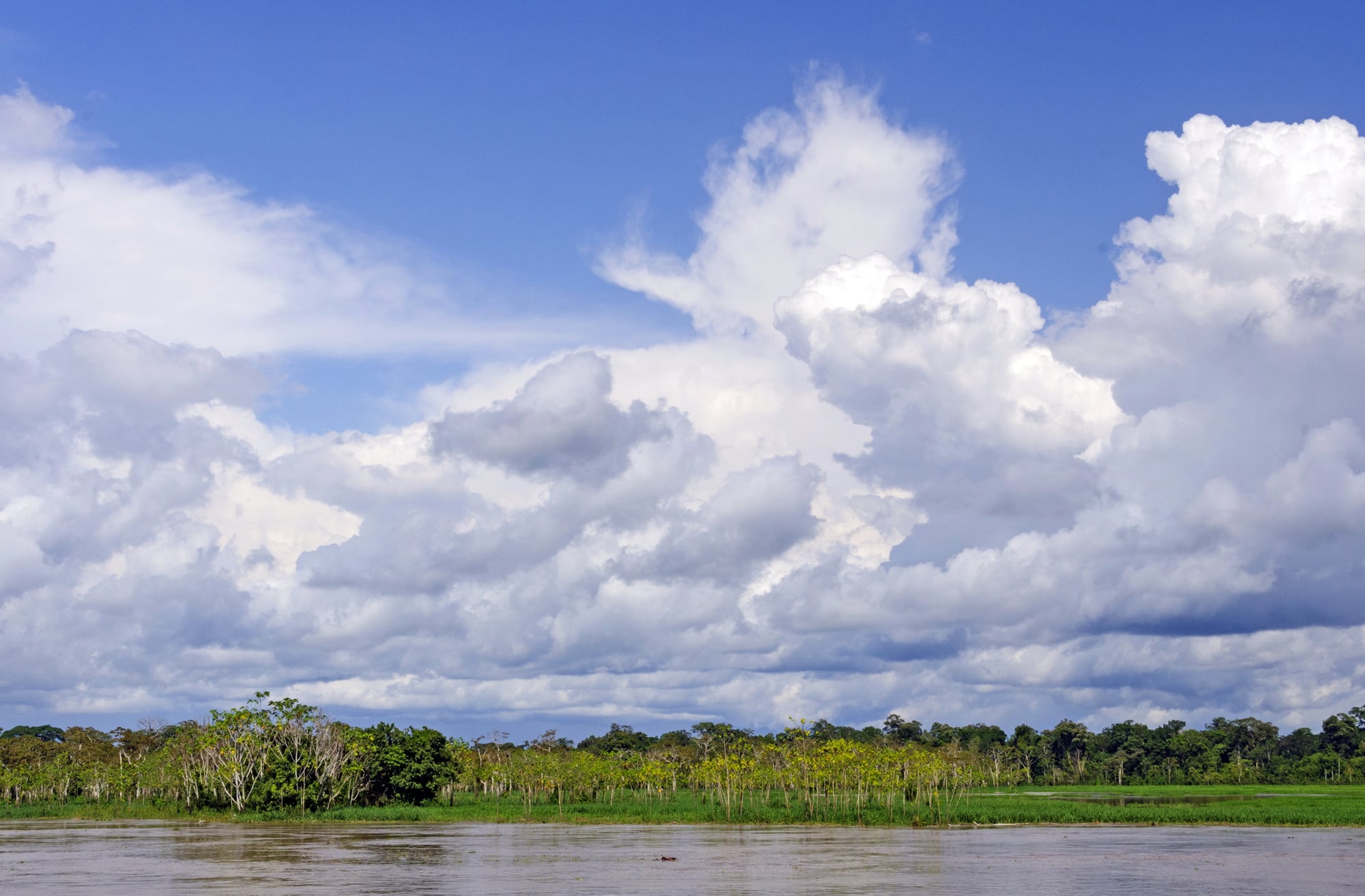
The Amazon dumps 7 million cubic feet of water into the Atlantic every second.
That’s more than the next seven largest rivers on Earth combined, and during peak flood season, the number doubles. The discharge is so massive that it creates a freshwater plume extending 100 miles into the ocean.
For perspective: the Amazon discharges more water in a single day than the Thames River carries in an entire year. During flood season, it pushes so much freshwater into the Atlantic that the ocean’s salt content drops measurably for hundreds of miles offshore.
Trees Shed Chemicals That Seed Clouds
Amazon trees release organic compounds that serve as condensation nuclei for cloud formation (which is a fancy way of saying trees throw tiny particles into the air that water vapor uses as landing pads to form droplets, which then become clouds, which then rain back down — it’s the kind of circular logic that makes perfect sense once you accept that the Amazon operates by its own rules).
Without these tree-produced particles, cloud formation over the Amazon would drop dramatically. The forest doesn’t just benefit from rain; it actively engineers the atmospheric conditions that make rain possible.
Remove enough trees, and the remaining forest doesn’t just lose shade — it loses the ability to generate its own weather.
Some Fish Eat Fruit
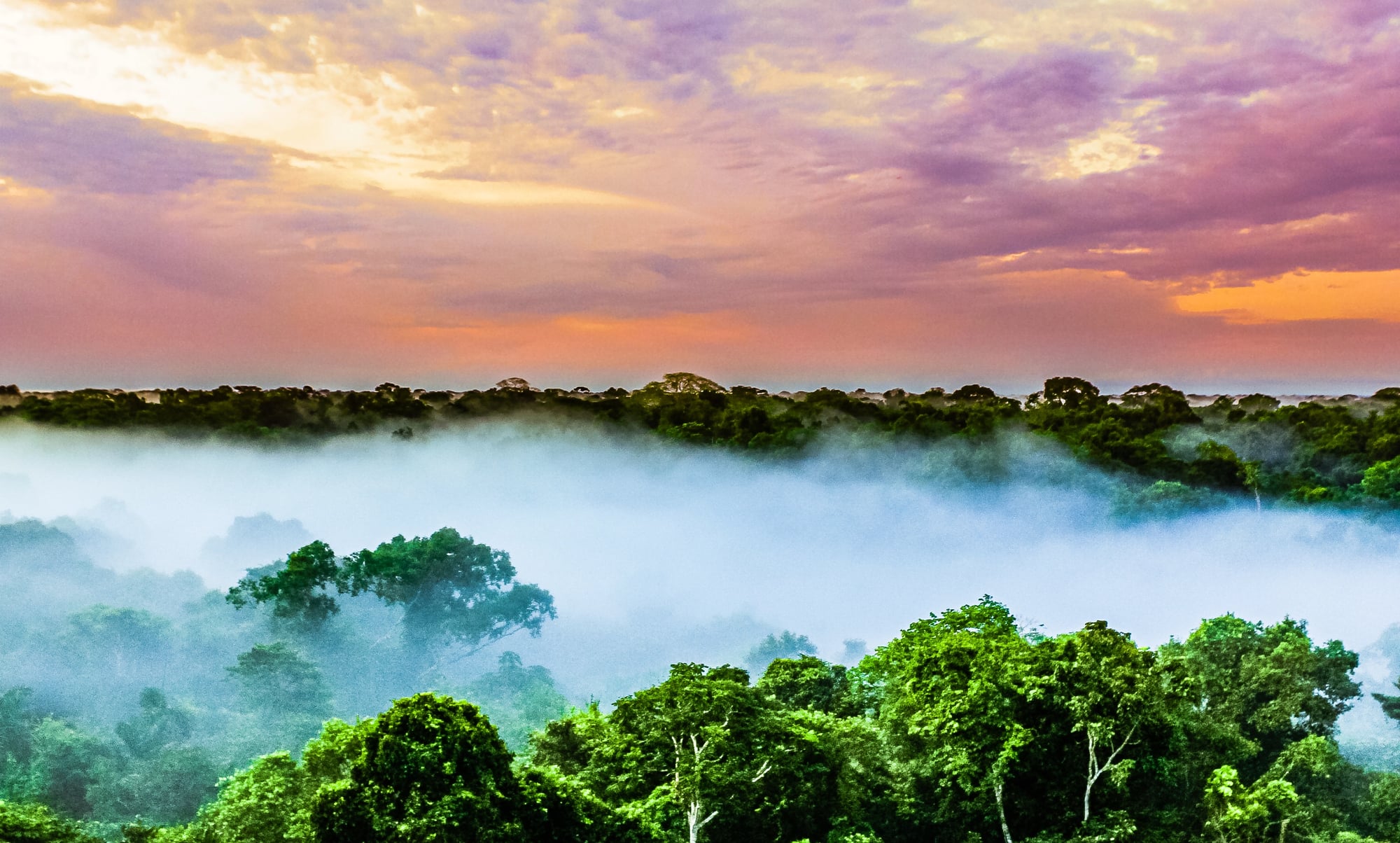
Amazon waters contain fruit-eating fish.
Tambaqui, pacu, and other species time their feeding cycles to fruit-dropping seasons, positioning themselves beneath trees and waiting for meals to fall from above. During flood season, when river levels rise into the forest canopy, fish swim among tree branches harvesting fruit directly.
These fish have evolved teeth designed for cracking nuts and crushing seeds, giving them distinctly un-fishlike smiles. They serve as long-distance seed dispersers, carrying fruit DNA dozens of kilometers downstream before depositing it in convenient fertilizer packages.
The fish get nutrition, the trees get distribution — it’s the kind of arrangement that sounds too convenient to have evolved naturally, but here we are.
Pink River Dolphins Navigate by Echolocation
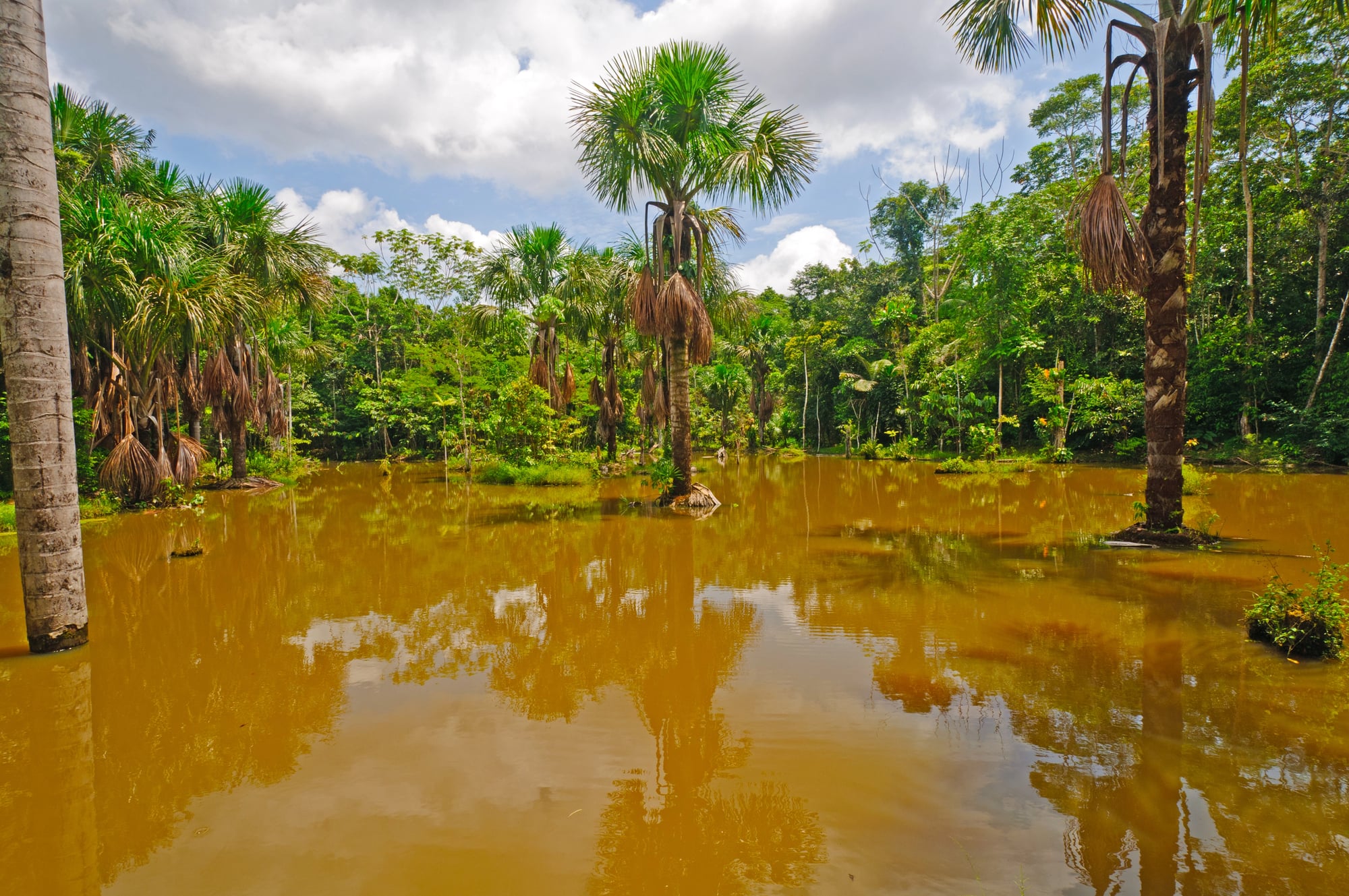
Amazon river dolphins are pink, which already sounds like someone made them up, but the really remarkable part is their sonar system.
Unlike their ocean cousins, river dolphins navigate murky, obstacle-filled water using echolocation so precise they can distinguish between objects differing by millimeters.
Their sonar clicks can penetrate riverbank mud to locate buried fish, identify submerged logs from living trees, and navigate through flooded forests where the boundary between water and land becomes meaninglessly blurry.
The clicking sounds carry for kilometers underwater, creating an acoustic map of river systems that updates in real time.
Isolated Tribes Still Live Completely Apart from Modern Civilization
Uncontacted tribes still inhabit remote Amazon regions, maintaining lifestyles that haven’t changed substantially in thousands of years.
These groups actively avoid contact with the outside world and have developed sophisticated techniques for remaining hidden from aircraft and satellite surveillance.
Some tribes have been observed using tools and techniques that archaeologists thought were extinct. They maintain oral traditions, medicinal knowledge, and environmental management practices that represent unbroken cultural continuity stretching back to before recorded history.
Their existence proves that alternative approaches to human civilization remain viable, even as the modern world presses in around them.
Vines Can Grow Longer Than Blue Whales
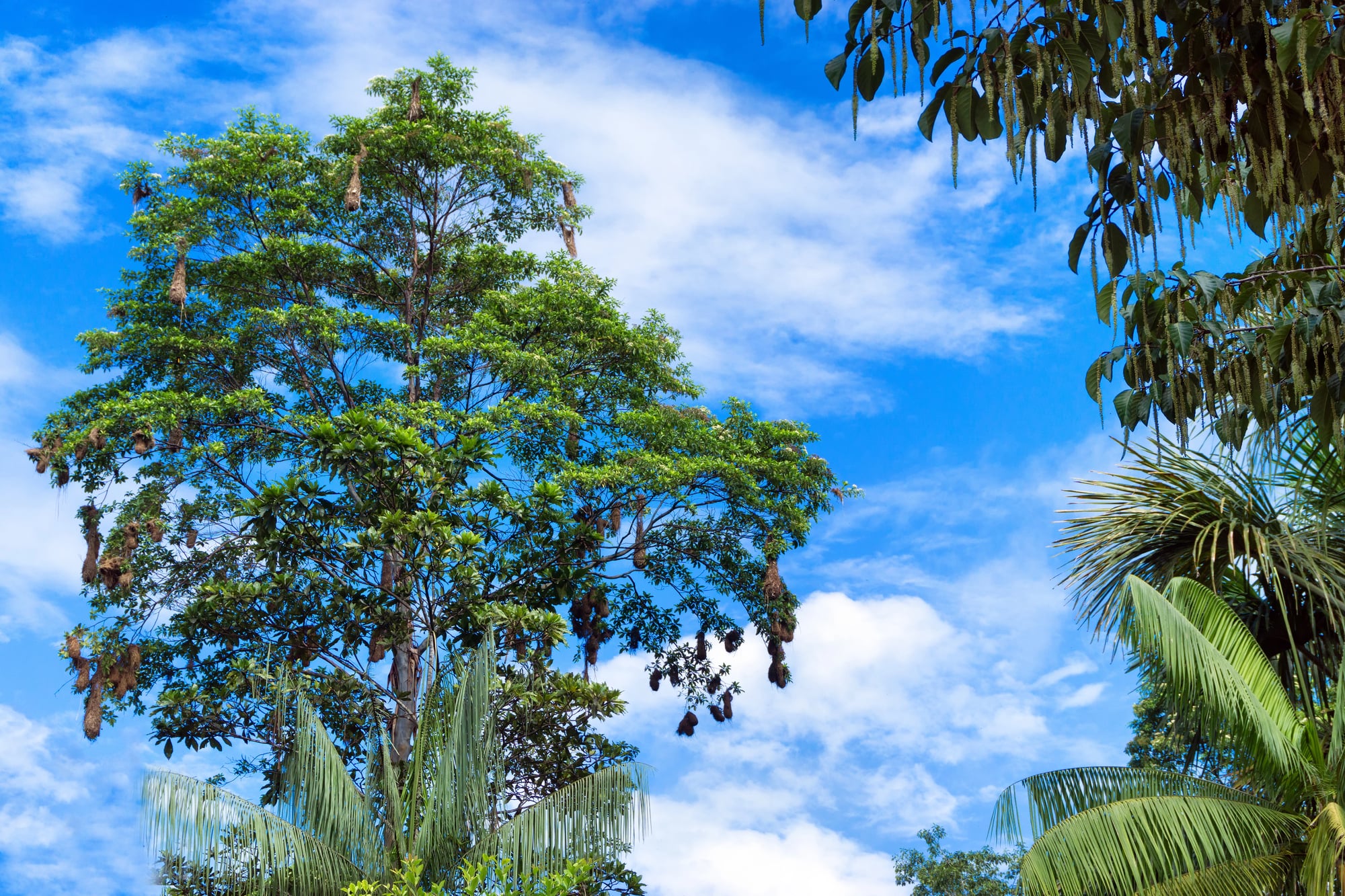
Amazon vines achieve lengths that seem structurally impossible.
Some liana species exceed 100 meters — longer than blue whales, taller than most skyscrapers laid on their side. These vines start as ground-dwelling seedlings and spend decades growing toward any available light source, creating living cables that connect forest floor to canopy.
The strangest part: vines can outlive the trees that support them. When a host tree dies and falls, established vines simply find new support structures and keep growing.
Some individual vines are believed to be centuries old, having outlasted multiple generations of trees while maintaining continuous growth toward whatever light source happens to be available.
The Amazon Breathes
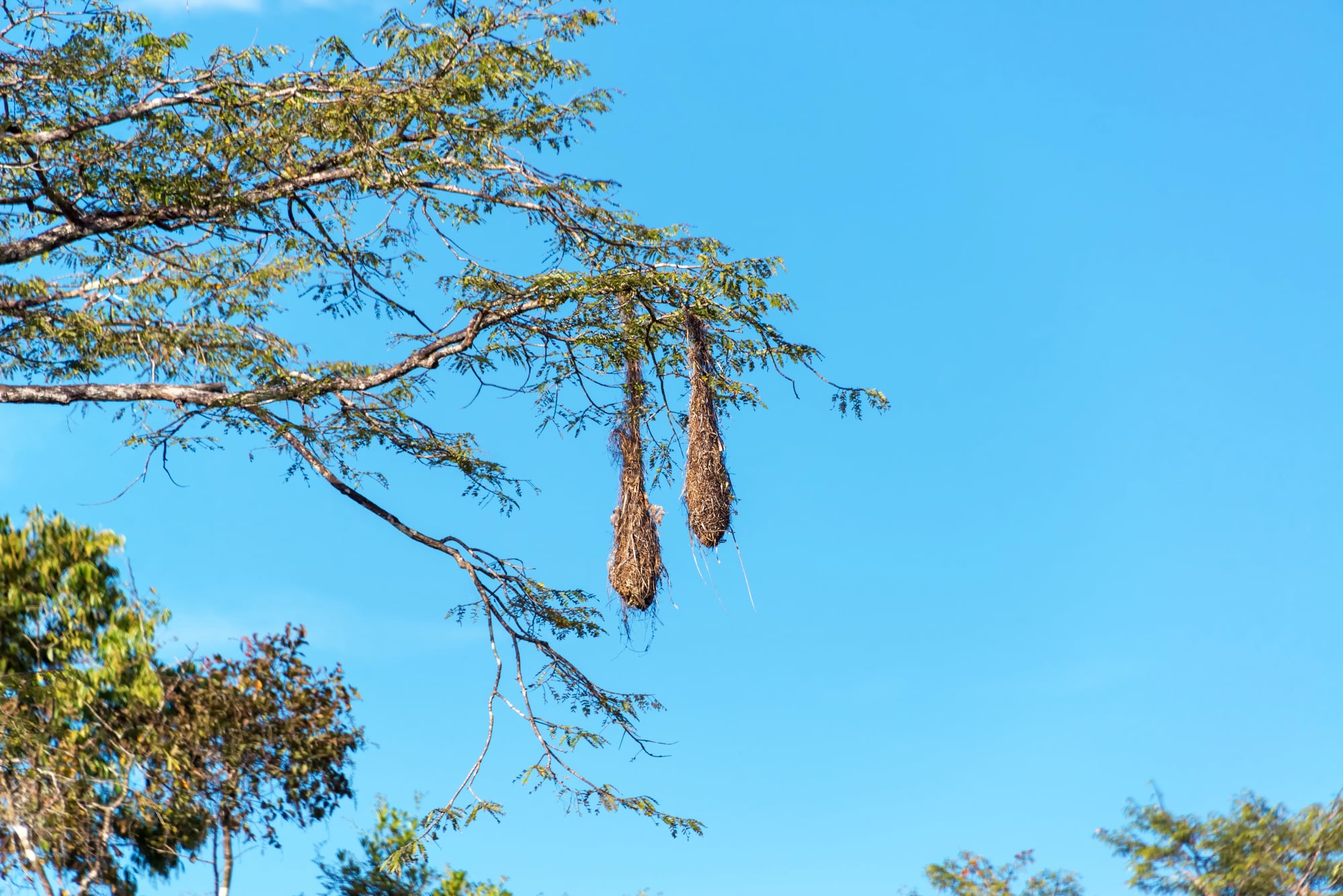
The entire forest expands and contracts seasonally like a massive living lung.
Satellite data shows the forest floor literally rising and falling by several centimeters as billions of trees simultaneously absorb and release water. During dry season, the forest contracts as trees conserve moisture.
During wet season, it swells as vegetation maximizes growth.
This breathing motion affects everything from soil composition to wildlife migration patterns. Animals time their reproductive cycles to these forest rhythms, and indigenous peoples have tracked these patterns for generations as a natural calendar system.
Where Wonder Meets Reality
The Amazon refuses to behave like a normal ecosystem, which might be the most important thing about it.
Every impossible fact represents a functioning system that took millions of years to develop and could disappear within decades.
These aren’t just curious natural phenomena — they’re pieces of planetary infrastructure that we’re still figuring out how to measure, let alone replace.
The Amazon sounds impossible because it does things that shouldn’t work, but do anyway, and have been working longer than human civilization has existed.
More from Go2Tutors!

- The Romanov Crown Jewels and Their Tragic Fate
- 13 Historical Mysteries That Science Still Can’t Solve
- Famous Hoaxes That Fooled the World for Years
- 15 Child Stars with Tragic Adult Lives
- 16 Famous Jewelry Pieces in History
Like Go2Tutors’s content? Follow us on MSN.