14 Nostalgic 1990s Snacks That Disappeared Without Warning
The ’90s were a magical time for snacking. Walking down grocery store aisles felt like exploring a wonderland of bizarre flavors, neon colors, and packaging that practically screamed at you from the shelves.
But somewhere between Y2K and today, many of those beloved treats vanished without so much as a farewell tour. One day they were there, the next they were gone — leaving behind only distant memories and the occasional desperate eBay listing.
These weren’t just snacks. They were cultural touchstones that defined after-school hunger pangs and weekend movie marathons.
And their sudden disappearances still sting a little.
Dunkaroos
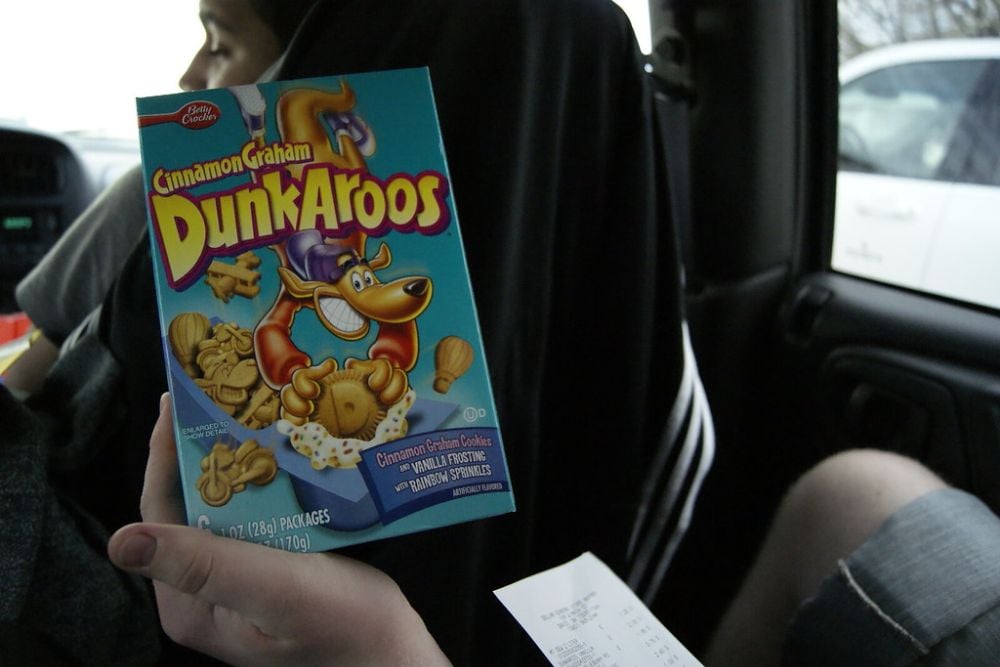
Cookies shaped like kangaroos paired with rainbow sprinkle frosting dip. Revolutionary stuff.
The concept was simple but genius — turn the tedious act of eating plain cookies into an interactive experience. Dunk, swirl, repeat until your fingers were sticky and the frosting was gone (which always happened first, naturally).
3D Doritos
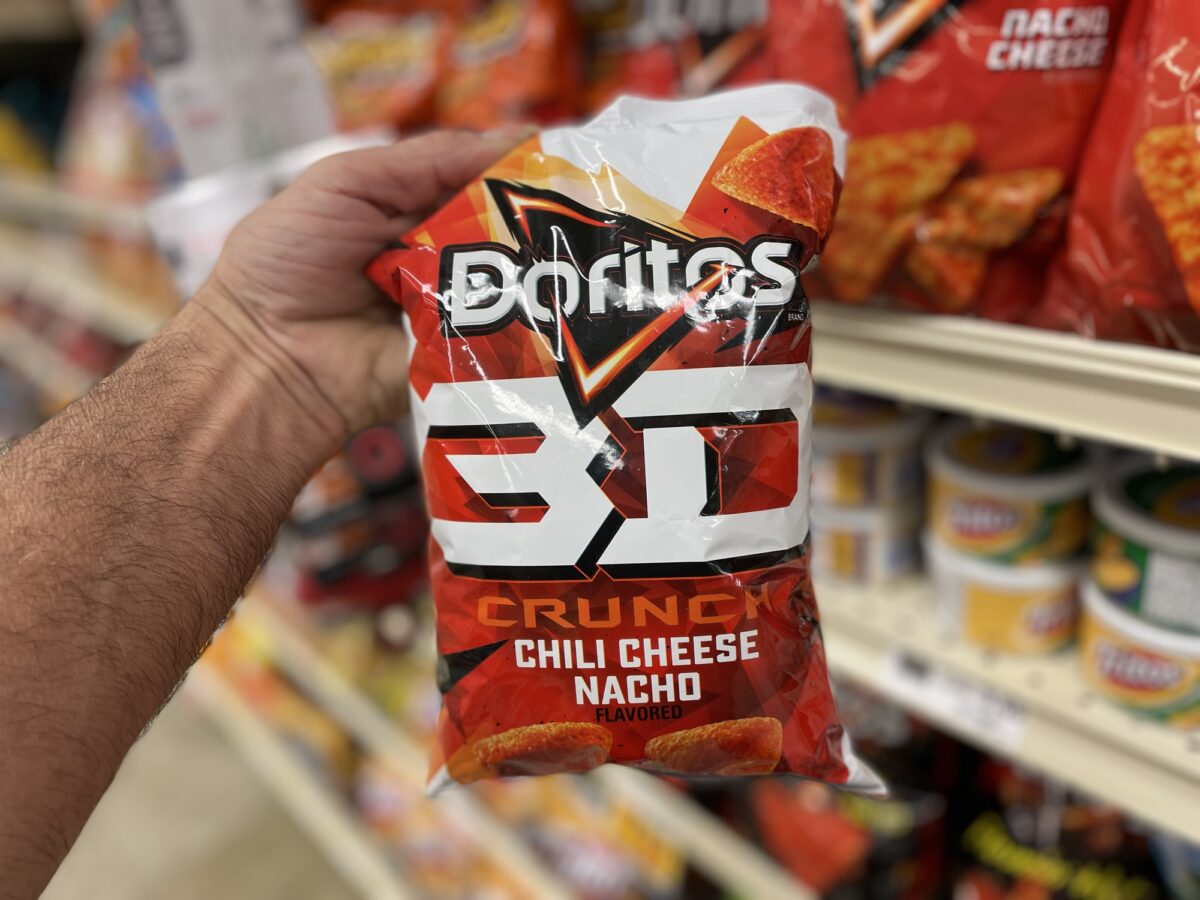
These weren’t chips. They were edible architecture — hollow triangular pyramids that somehow held more flavor than their flat ancestors.
The crunch was different too (and better, which anyone who remembers will tell you without hesitation). Each piece exploded with that artificial nacho dust in a way that regular Doritos never quite managed.
But apparently the world wasn’t ready for three-dimensional snacking, because they disappeared faster than they arrived — though not without leaving behind a generation of people who still pause hopefully in the chip aisle, just in case.
Surge

Coca-Cola’s answer to Mountain Dew arrived like a neon green lightning bolt, promising to deliver enough caffeine and sugar to power a small spacecraft (or at least help you survive algebra class). The marketing campaign was relentless: “Fully Loaded” became the battle cry of sugar-rushed teenagers everywhere.
And for a brief, shining moment, it felt like Surge might actually dethrone the Dew.
Then it was gone. Not gradually phased out, not quietly retired — just vanished from coolers and vending machines as if it had never existed.
The absence hit harder than anyone expected, leaving behind only sticky memories and the faint taste of artificial citrus.
Bagel Bites in a Cup
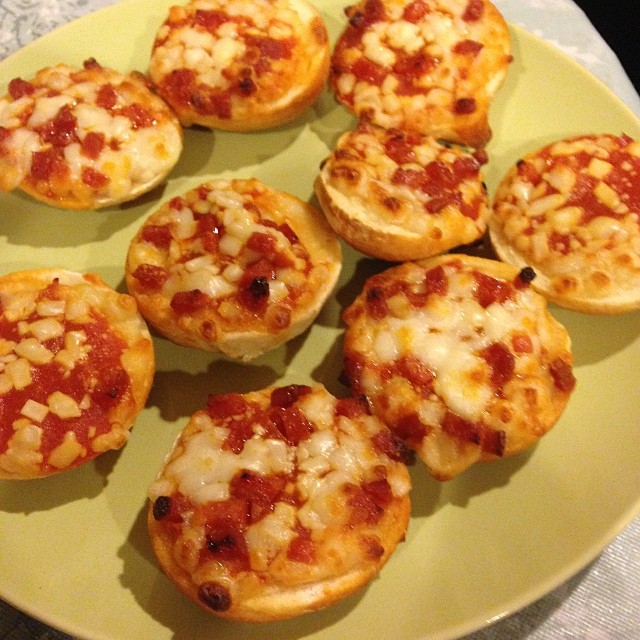
Regular Bagel Bites were fine. Bagel Bites that came in a convenient cup were life-changing.
No plate required, no cleanup necessary. Just microwave and eat directly from the container like some kind of pizza-flavored cereal.
The portions were smaller but the convenience was unmatched. Perfect for lazy Saturday mornings when even finding a clean dish felt like too much work.
String Thing
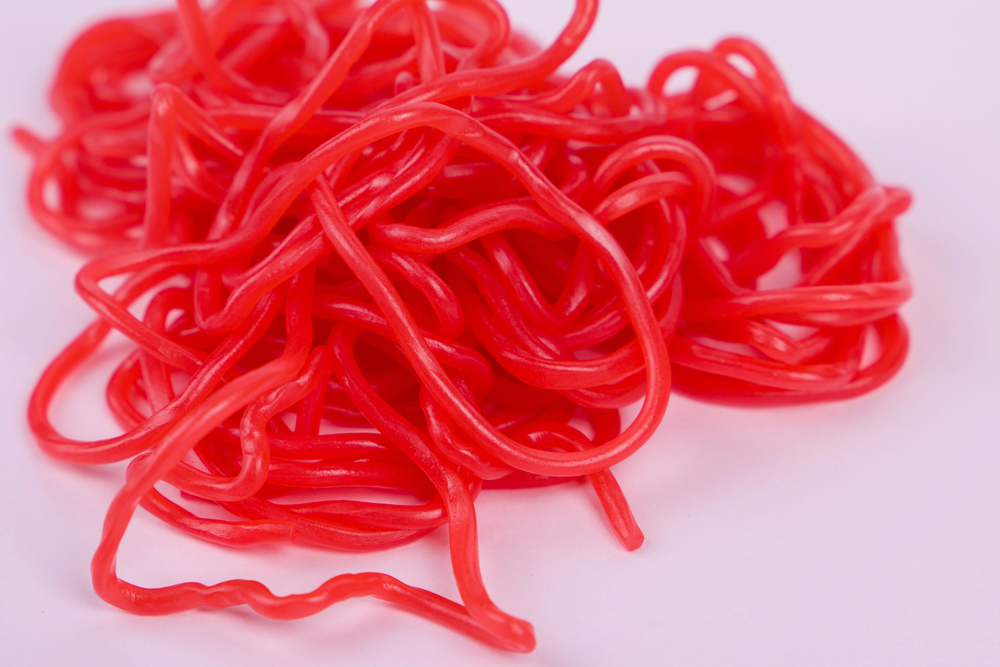
Imagine if string cheese had been reimagined by someone who understood that food should be fun first, nutritious second (or third, or not at all). String Thing was exactly what it sounded like — fruit-flavored strings you could pull apart, braid together, or eat in one magnificent tangled bite.
The texture was somewhere between a Fruit Roll-Up and actual string, which sounds terrible but worked beautifully. Red was cherry (probably), blue was mystery flavor, and green was whatever green candy things are supposed to taste like.
Not one flavor resembled actual fruit, and nobody cared. The joy wasn’t in the taste — it was in the ritual of unraveling something that had no business being unraveled.
And then, without explanation or warning, String Thing vanished. No farewell flavor, no final promotional push.
Just empty shelves where colorful tangles of artificial fruit once lived.
Crystal Pepsi
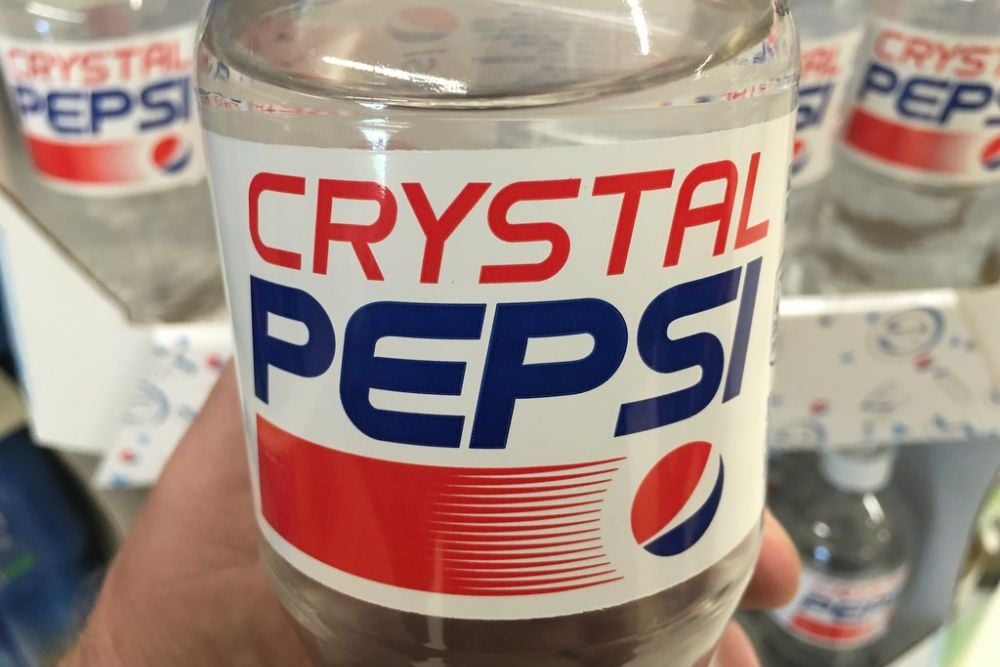
Clear cola made perfect sense in 1992, when everything transparent felt futuristic and revolutionary.
The taste was almost Pepsi, but not quite — like drinking a memory of cola rather than the real thing. But the weirdness was the point.
Crystal Pepsi wasn’t trying to be better than regular Pepsi; it was trying to be different. And for a few months, different was enough.
Fruitopia

Psychedelic fruit drinks with names like “Strawberry Passion Awareness” and “Citrus Consciousness” — because apparently regular fruit flavors weren’t enlightened enough for the mid-’90s. Each bottle promised a transcendental beverage experience that would expand your mind while satisfying your thirst.
The reality was simpler: really sweet fruit punch with trippy packaging and marketing copy written by someone who had clearly spent too much time thinking about chakras. But the bottles looked amazing lined up in vending machines, like liquid kaleidoscopes waiting to be consumed.
The flavors were bold, artificial, and unapologetic — everything a ’90s drink should be.
Then one day, the cosmic fruit party ended. Fruitopia retreated to whatever dimension it came from, leaving behind only empty vending machine slots and a generation wondering if they’d imagined the whole thing.
Planters Cheezballs
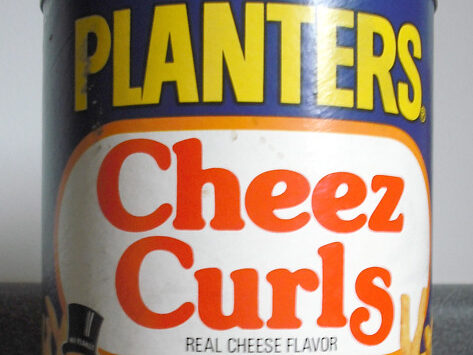
Those blue canisters were everywhere in the ’90s — sitting on counters, tucked into lunch boxes, rolling around empty under car seats. The cheese powder coating was aggressive enough to stain fingers orange for hours, which was practically a badge of honor.
Each orb was perfectly spherical and impossibly light, like eating flavored air that happened to be incredibly messy. The taste was sharp, artificial cheddar that bore no resemblance to actual cheese but somehow worked better than the real thing would have.
Pop the lid, hear that satisfying plastic snap, and suddenly the whole canister would be empty. They were that dangerous.
When Planters discontinued them, something fundamental shifted in the snack food universe. Other cheeseballs existed, but none captured that specific combination of aggressive flavor and structural imperfection that made the originals irreplaceable.
Butterfinger BBs
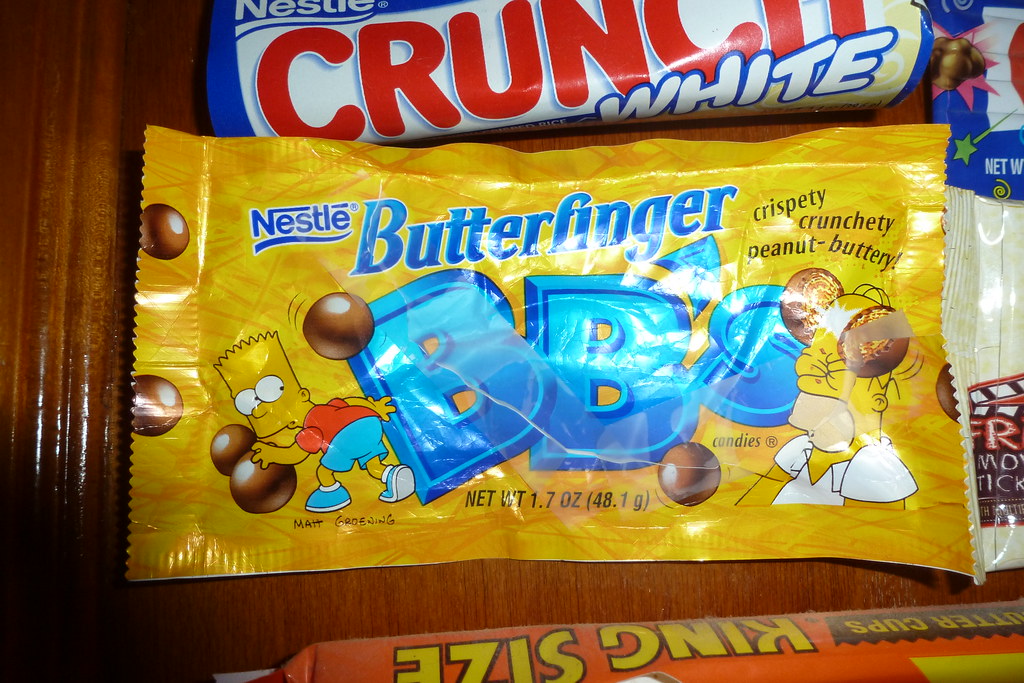
Tiny spherical Butterfingers that rolled around in a movie theater-sized box, making just enough noise to annoy everyone within a three-seat radius.
The concept was brilliant — all the peanut butter crunch of a full-sized Butterfinger condensed into bite-sized ammunition. Perfect for sharing (theoretically) or eating by the handful during a two-hour movie.
The chocolate coating was thin enough that the peanut butter center dominated every bite, delivering that distinctive Butterfinger tang in concentrated doses.
Snapple Elements
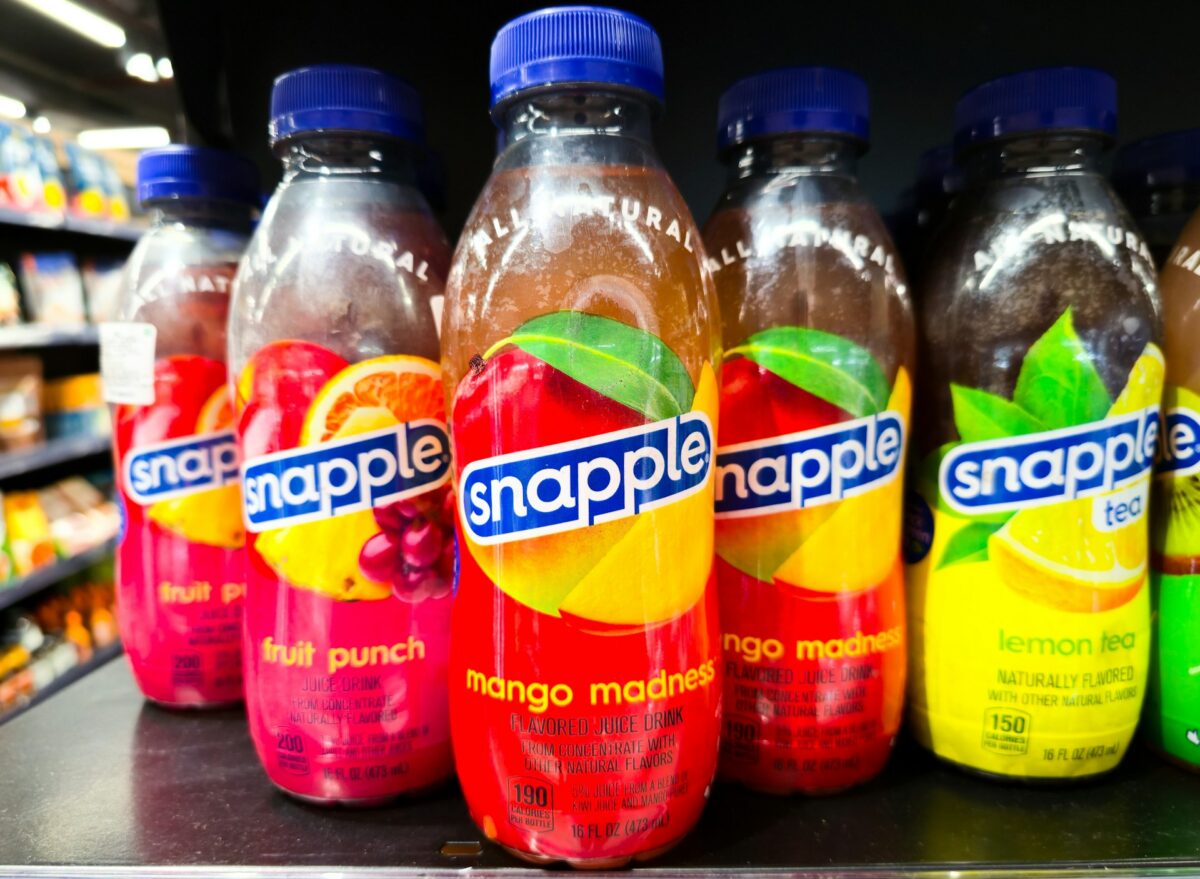
Snapple got weird in the late ’90s, and Elements was peak weirdness — drinks with names like “Rain” and “Fire” that came in bottles designed to look like they’d been carved from stone or blown from glass by mystical beverage artisans.
Rain was supposed to taste like a thunderstorm (it tasted like slightly floral water with a hint of confusion). Fire promised to ignite your taste buds (it delivered mild fruit flavor with delusions of spiciness).
The whole line felt like someone had asked a focus group of teenagers to design drinks while under the influence of too many energy drinks and not enough sleep.
But the bottles were undeniably cool, and cool packaging could carry mediocre flavor surprisingly far in the ’90s. Elements looked like they belonged in a futuristic vending machine on a space station, which was exactly the vibe Snapple was going for.
Taco Bell’s Mexican Pizza
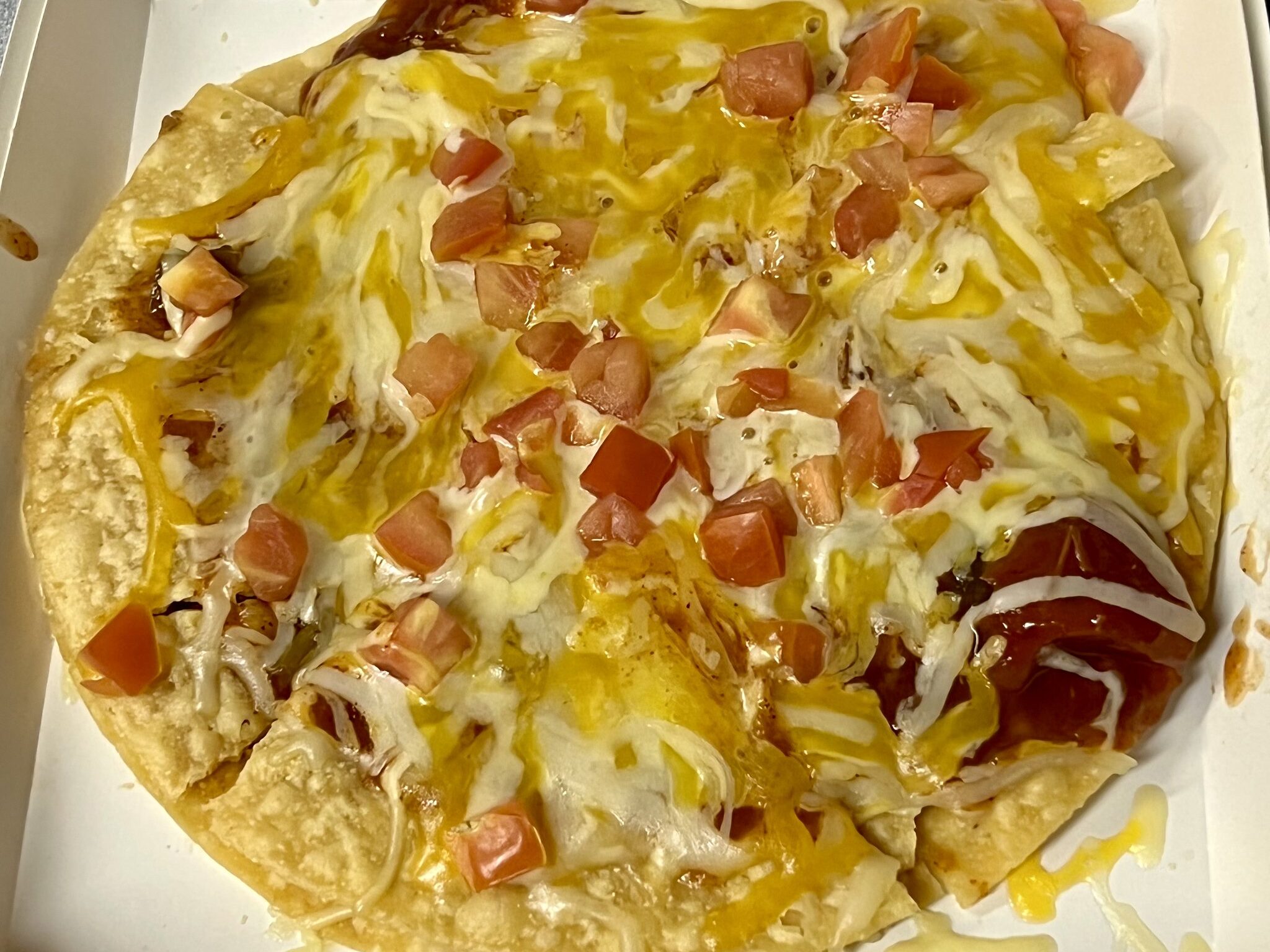
Calling it a pizza was generous — it was more like a flat taco with delusions of Italian grandeur. Two crispy tortillas sandwiched around seasoned ground beef and beans, topped with cheese and a sauce that was definitely not marinara.
But it worked. The combination of textures — crispy, chewy, slightly greasy — hit all the right notes for late-night fast food cravings.
It was substantial enough to feel like a meal but weird enough to feel like an adventure.
When Taco Bell quietly removed it from the menu, fans mourned louder than anyone expected. Petitions were signed, social media campaigns launched, and eventually the Mexican Pizza returned (briefly) before disappearing again.
Its legacy lives on as proof that sometimes the strangest menu items become the most beloved.
OK Soda
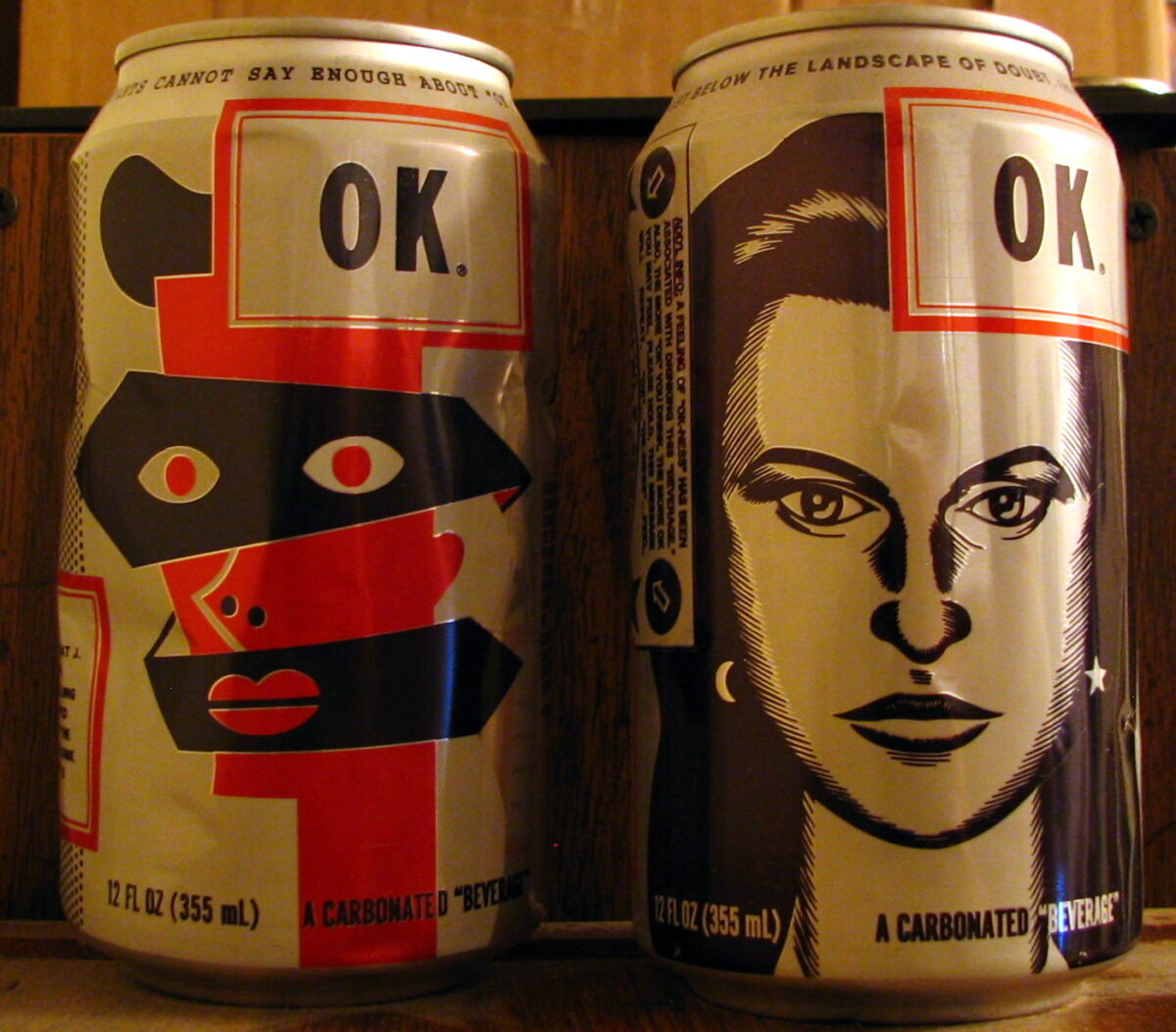
Coca-Cola’s attempt to capture Generation X cynicism in carbonated form resulted in OK Soda — a deliberately mediocre soft drink with aggressively bland marketing.
The cans featured black-and-white illustrations that looked like they’d been drawn by art students going through an existential crisis. The slogan was basically “It’s OK,” which was either brilliantly honest or completely missing the point of advertising.
The taste was intentionally unremarkable — not bad, not good, just OK.
For a brief moment, embracing mediocrity felt revolutionary. Then everyone realized that actually mediocre soda, even when the mediocrity was intentional, was still just mediocre soda.
Squeezit

Plastic bottles shaped like aliens, robots, and other vaguely sci-fi creatures, filled with liquid that was roughly the same neon intensity as highlighter ink.
The bottles were the real attraction — squishy, squeezable vessels that made drinking feel like operating some kind of colorful medical equipment. Kids would squeeze the life out of these things, creating dents and creases that somehow made each bottle unique.
The flavors were secondary to the experience of wrestling juice out of a plastic creature.
The drinks disappeared gradually, then all at once, leaving behind only faint memories of artificially purple tongues and empty bottles repurposed as squirt guns.
Slice
Before Sprite dominated the lemon-lime market completely, Slice offered a fruitier alternative with actual fruit juice mixed into the artificial flavor chaos.
The difference was subtle but real — Slice had a slightly more complex taste that felt almost sophisticated compared to its purely artificial competitors. The apple and cherry versions were particularly good, offering flavor combinations that felt both familiar and unexpected.
But Slice couldn’t compete with Sprite’s marketing muscle and eventually faded away, taking its fruit juice credentials with it.
When the Fun Stopped
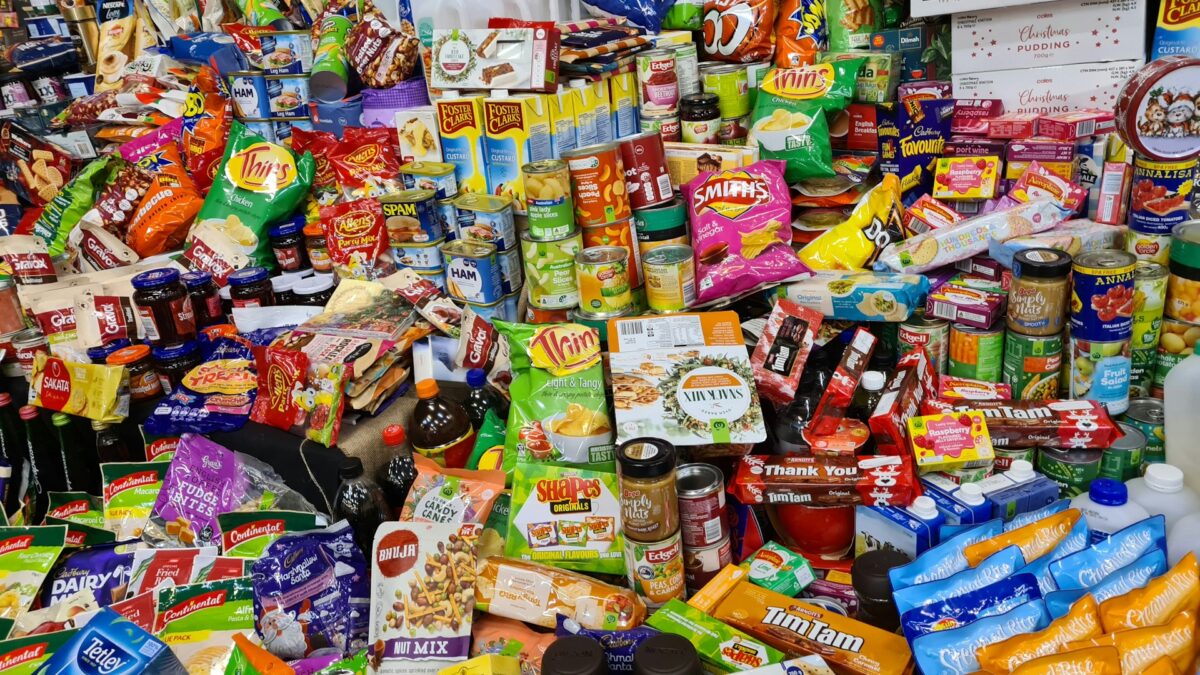
The disappearance of these snacks wasn’t really about changing tastes or evolving preferences. It was about the end of an era when food companies were willing to take weird risks, when grocery stores were laboratories for bizarre flavor experiments, and when consumers were game to try almost anything once.
Today’s snack aisles feel safer, more predictable. The weird has been focus-grouped out of existence, replaced by carefully calculated variations on proven formulas.
Which is probably smart business, but it’s definitely less fun.
More from Go2Tutors!

- The Romanov Crown Jewels and Their Tragic Fate
- 13 Historical Mysteries That Science Still Can’t Solve
- Famous Hoaxes That Fooled the World for Years
- 15 Child Stars with Tragic Adult Lives
- 16 Famous Jewelry Pieces in History
Like Go2Tutors’s content? Follow us on MSN.