15 Mountains Associated With Legendary Tales
Throughout human history, mountains have towered in our collective imagination as places of mystery and wonder. These majestic formations stand not just as physical landmarks but as powerful symbols in folklore and mythology around the world.
From ancient civilizations to modern cultures, mountains have inspired countless legends that attempt to explain their origins, appearances, or the strange occurrences that happen upon their slopes. Here is a list of 15 mountains around the world that come with fascinating legendary tales attached to them.
Mount Olympus
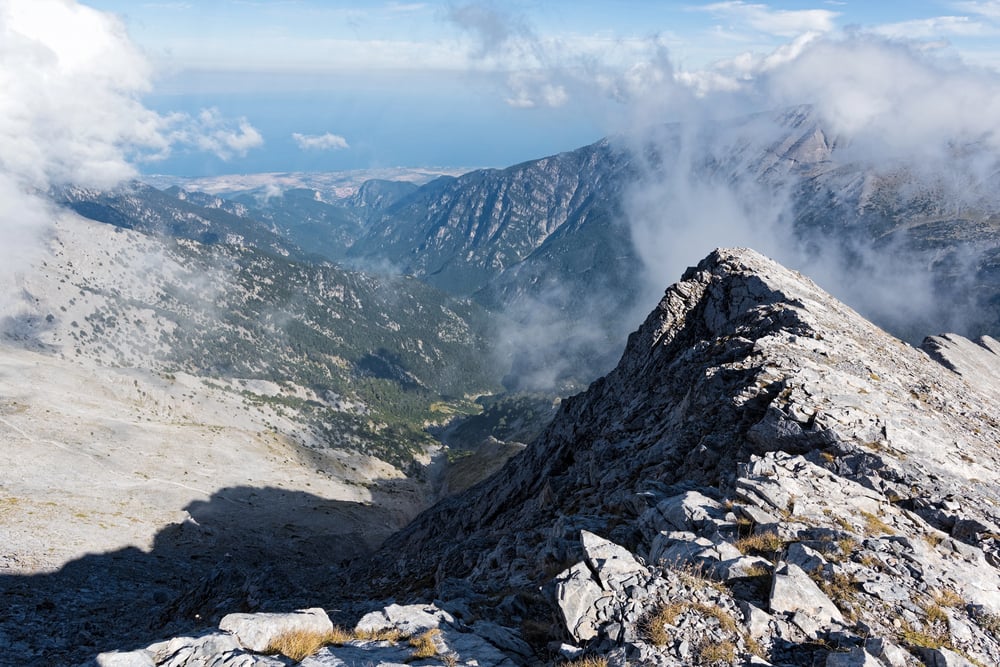
The legendary home of the Greek gods stands tall at 9,573 feet, serving as the celestial throne from which Zeus and his divine family ruled. Ancient Greeks believed the peak was shrouded in clouds because it literally breached the heavens, keeping mortals from witnessing the gods’ activities.
The mountain remains a powerful symbol of divine authority and mythological significance throughout the Mediterranean world.
Mount Fuji
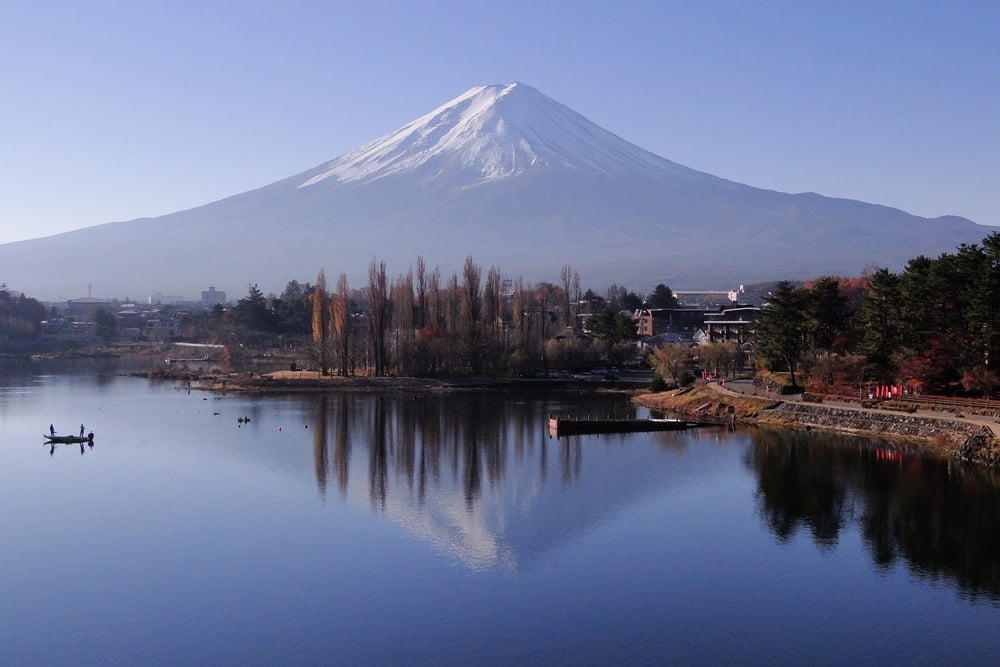
Japan’s most iconic peak is steeped in legend, with tales claiming it was created in a single night. According to folklore, an elderly bamboo cutter found a divine infant who later revealed herself as Kaguya-hime, Princess of the Moon.
When she returned to her lunar home, she left behind an elixir of immortality that was burned at the summit, creating the massive volcano we see today.
Mount Kailash
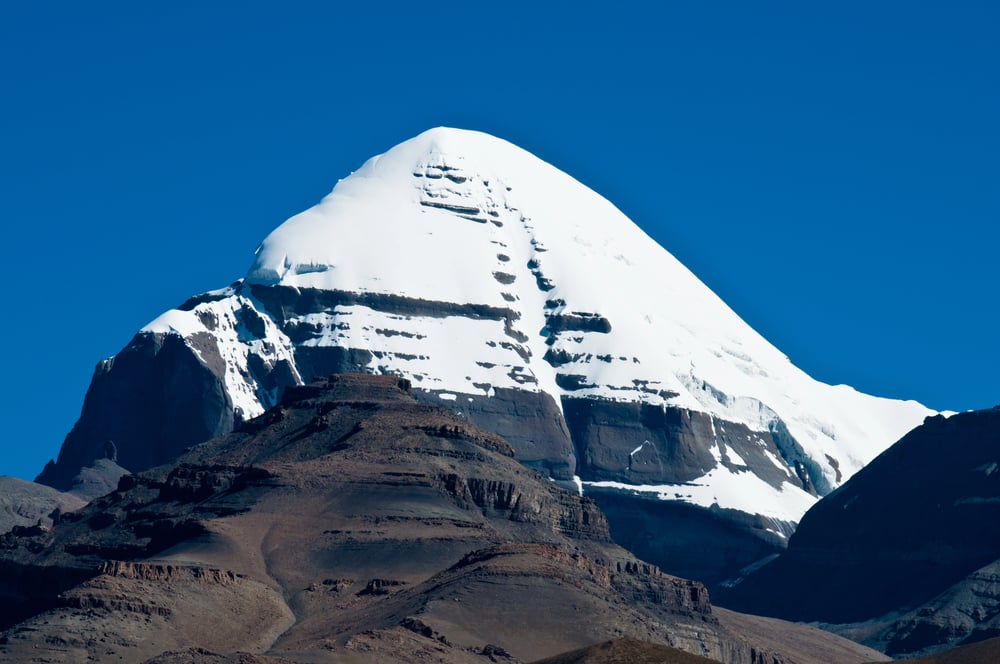
Never climbed due to its sacred status, this Himalayan peak is venerated by four religions: Hinduism, Buddhism, Jainism, and Bön. Hindus believe it to be the abode of Lord Shiva, where he sits in eternal meditation with his wife Parvati.
The perfectly symmetrical mountain is considered so holy that walking around its base is said to erase the sins of a lifetime.
Uluru (Ayers Rock)
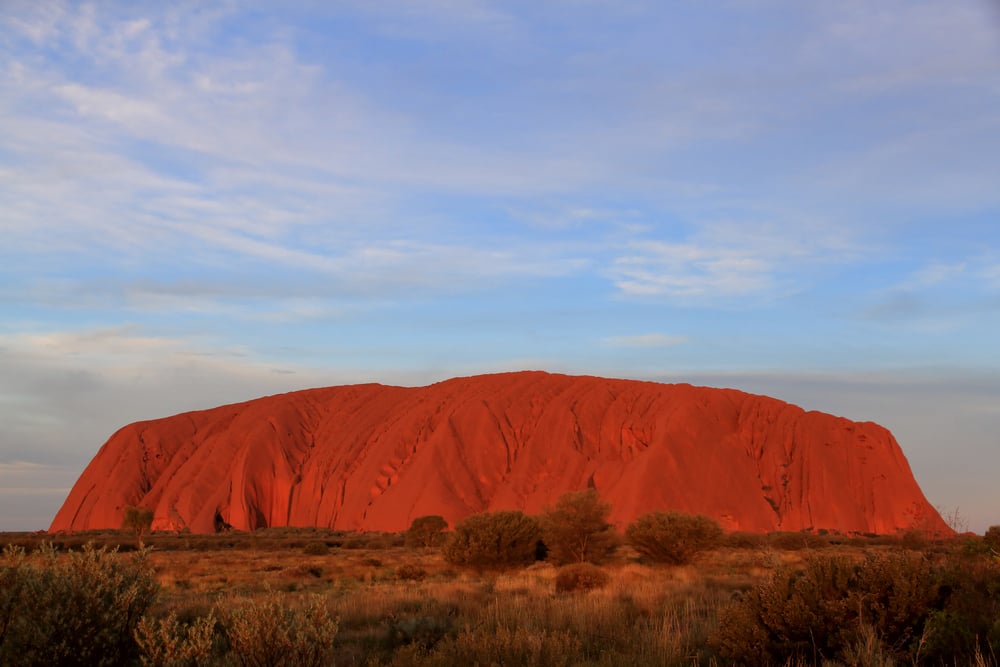
This massive sandstone formation in Australia isn’t technically a mountain, but its legendary status among Aboriginal peoples earns it a place on this list. The Anangu people share ancestral tales of spirit beings who created this massive monolith during the Dreamtime.
Its changing colors throughout the day are said to reflect the moods of the ancient spirits who still inhabit the sacred site.
Mount Ararat
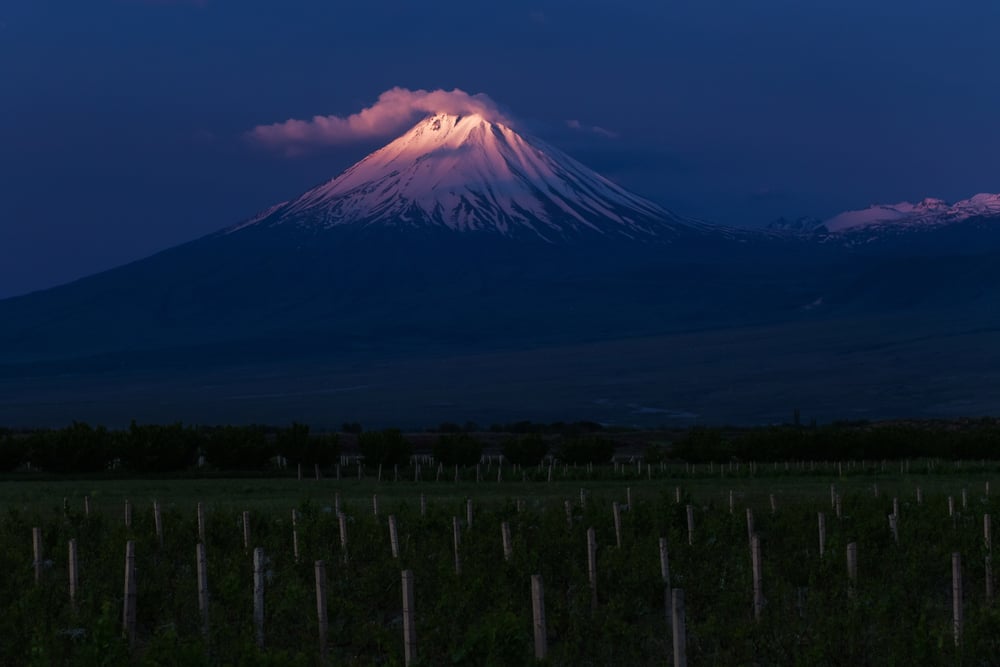
Biblical lore places Noah’s Ark on this mountain after the great flood receded. Standing at 16,854 feet on the border of Turkey and Armenia, the mountain has drawn countless expeditions searching for remnants of the legendary vessel.
Despite numerous claimed sightings, definitive proof remains elusive, adding to the mystique that surrounds this legendary peak.
Matterhorn
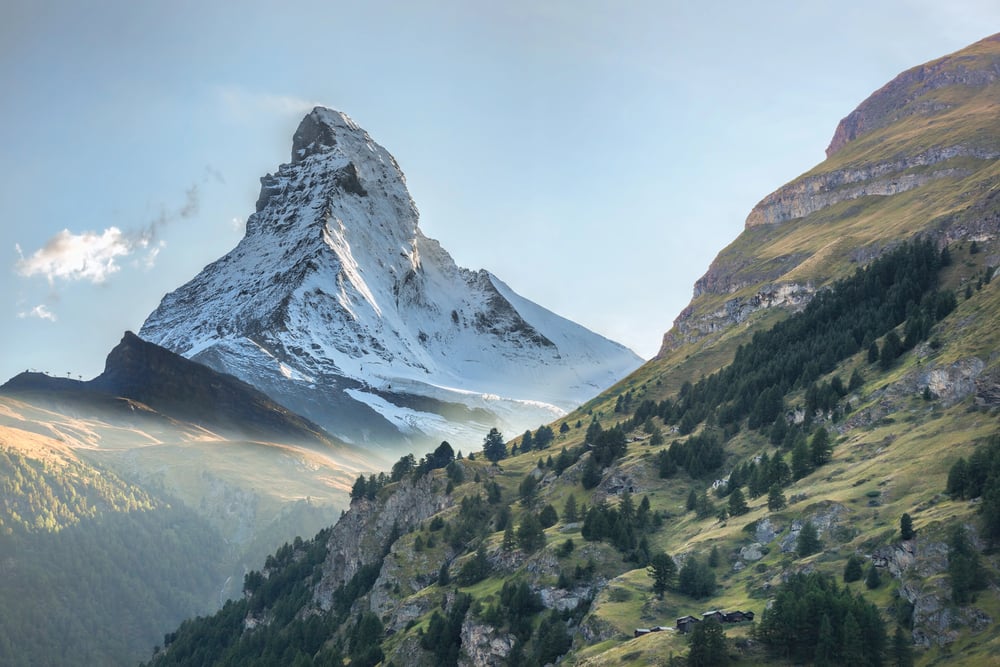
This distinctive pyramidal peak on the Swiss-Italian border is associated with numerous tales of mythical guardians and vengeful spirits. Local legend speaks of the ‘Berggeist’ (mountain spirit) who either protects or misleads climbers depending on their intentions toward the mountain.
Its nearly perfect pyramidal form has made it one of the most recognized mountains in Europe.
Machu Picchu Mountain
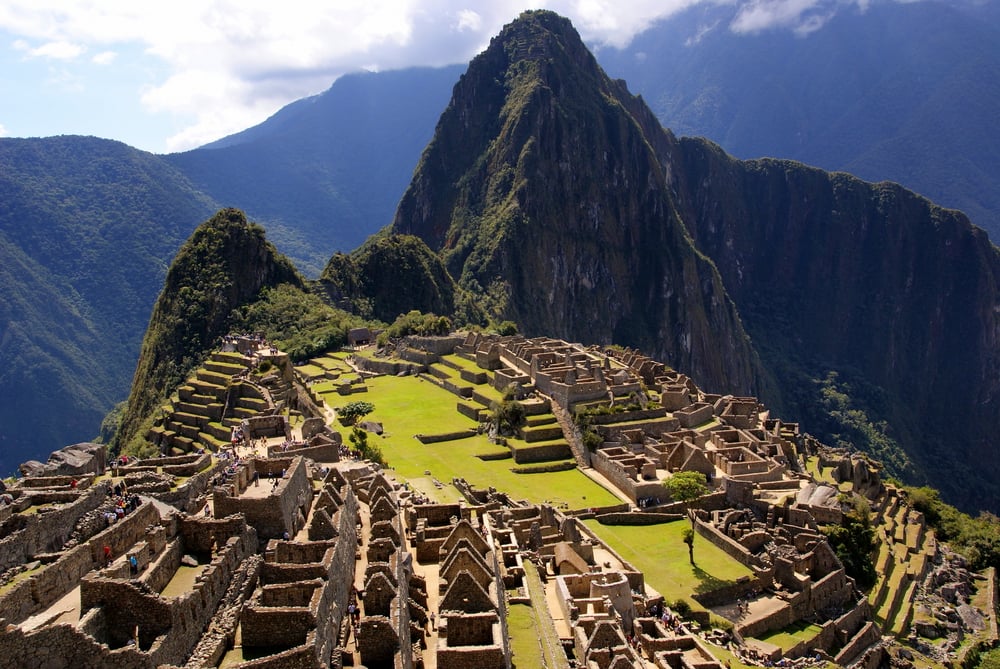
Overlooking the famous Incan city, this peak was considered an essential part of a sacred landscape aligned with astronomical events. Incan legend holds that the mountain itself is a divine guardian watching over the ancient city below.
The strategic positioning suggests it may have been used for important solar observations that governed the agricultural calendar.
Mount Shasta
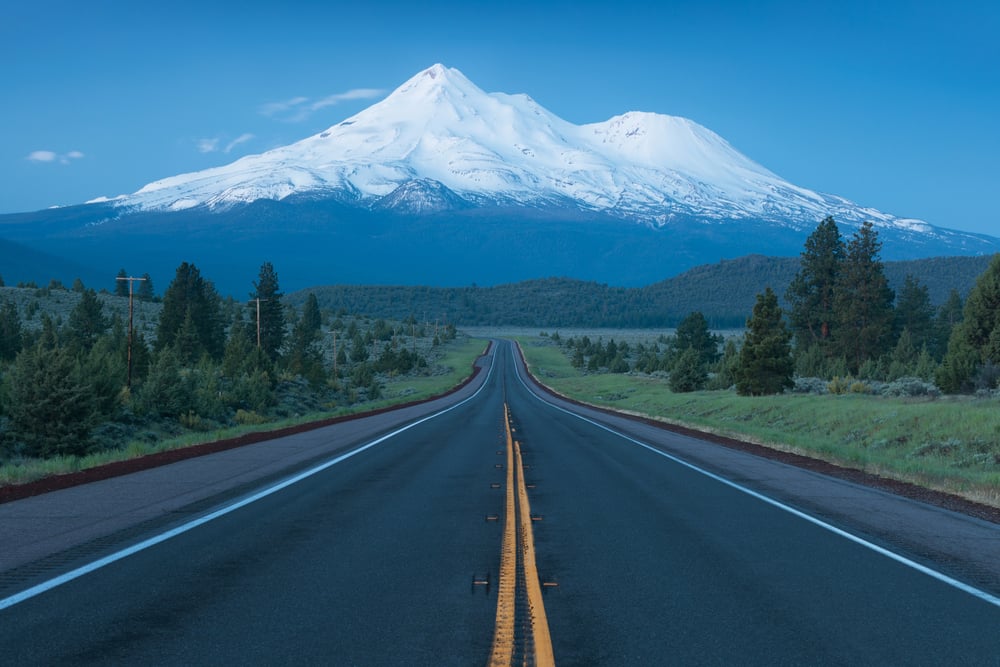
Northern California’s mystical mountain has generated legends across multiple cultures, from Native American origin stories to modern New Age beliefs about hidden civilizations. The local Klamath tribe believed it was inhabited by the Spirit of the Above-World, Skell, who battled with the Spirit of the Below-World.
Today, some claim it conceals entrances to the fifth-dimensional city of Telos.
Mount Parnassus
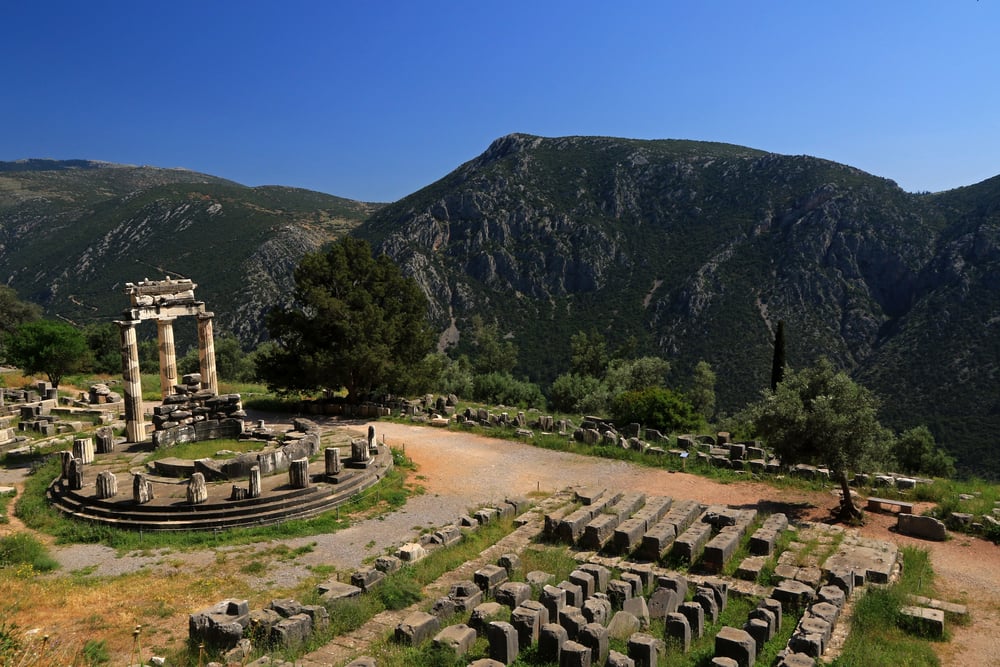
In Greek mythology, this mountain was sacred to Apollo and the Muses, serving as a center for art, music, and prophecy. The famous Oracle of Delphi was established on its slopes, where the Pythia delivered cryptic prophecies that shaped Greek history.
The mountain was considered the symbolic center of wisdom and poetic inspiration throughout the ancient world.
Mount Sinai
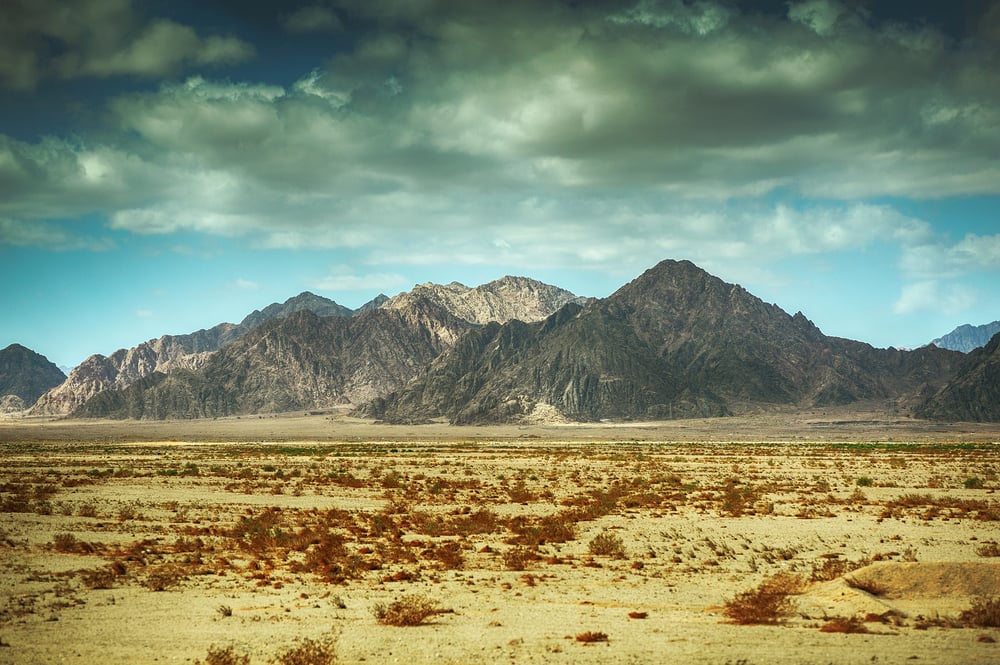
Revered in Judaism, Christianity, and Islam, this mountain in Egypt’s Sinai Peninsula is where Moses allegedly received the Ten Commandments directly from God. The summit features a small chapel and mosque, commemorating its significance to multiple faith traditions.
For thousands of years, pilgrims have climbed its rocky slopes in darkness to witness sunrise from its sacred peak.
Mount Kilimanjaro
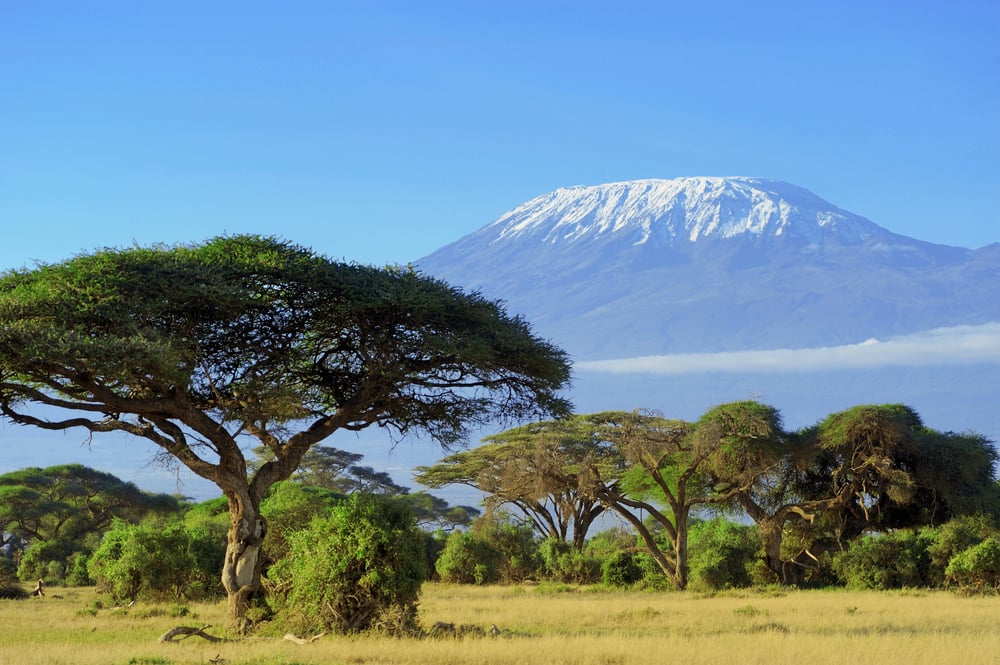
Africa’s highest mountain features prominently in local Chagga folklore as the home of a terrible god called Ruwa. According to legend, villagers who angered Ruwa would be punished by freezing temperatures sent down from the mountain’s icy summit.
The strange presence of snow at the equator contributed to the mountain’s mysterious reputation in regional mythology.
Mount Everest
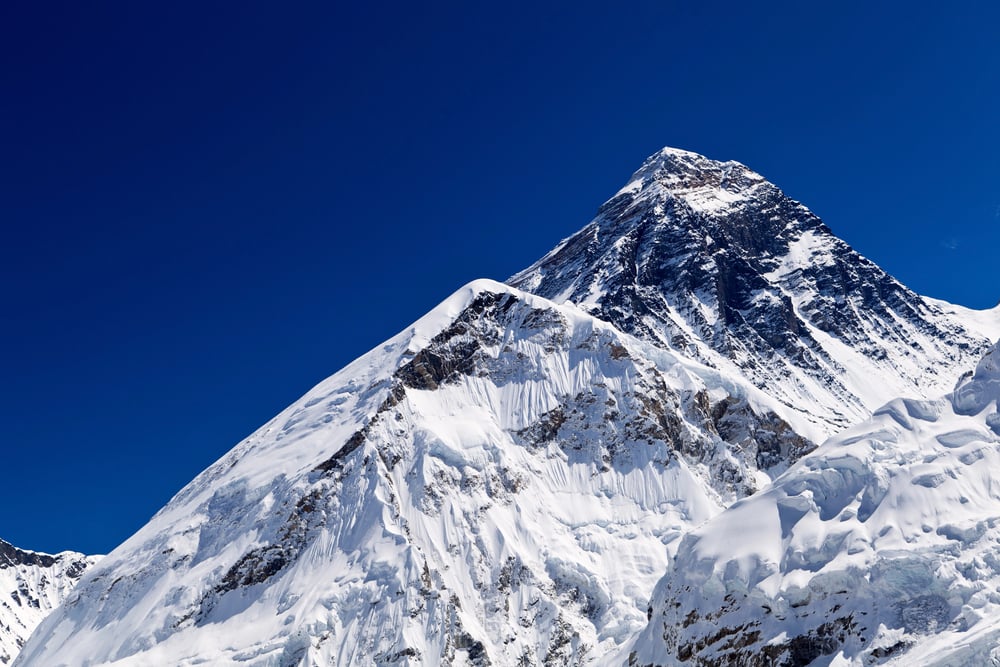
Known as “Chomolungma” or “Goddess Mother of the World” to Tibetans, the world’s highest peak is believed to be the dwelling place of powerful deities. Sherpas traditionally performed ceremonies to appease these mountain gods before attempting climbs.
Many mountaineers report strange experiences at extreme altitudes, adding contemporary mysteries to this legendary summit.
Mount Vesuvius
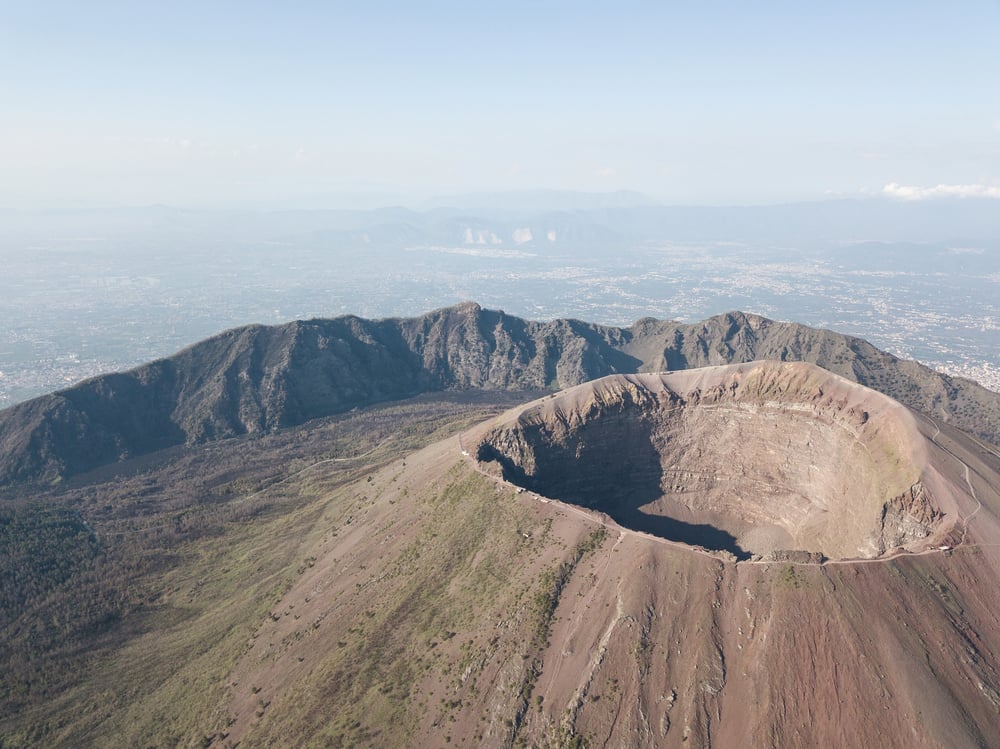
This infamous volcano near Naples features in Roman mythology as the location where Vulcan, god of fire and forge, created weapons and jewelry for the other gods. Its catastrophic eruption in 79 CE, burying Pompeii and Herculaneum, cemented its fearsome reputation.
Local folklore developed around the mountain as a living entity that occasionally demanded sacrifices.
Denali
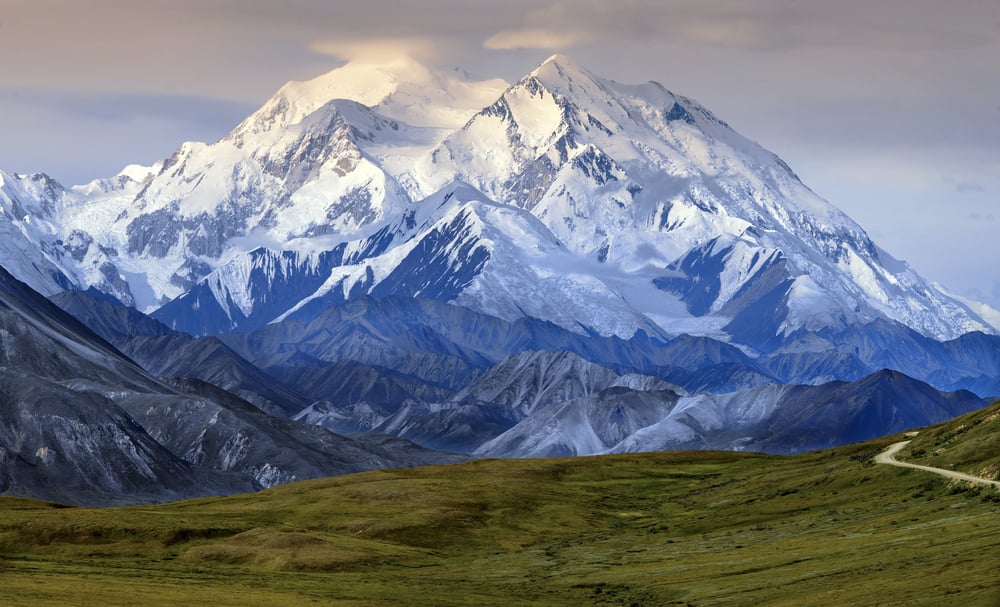
Known traditionally as “The Great One” among Alaska Natives, this highest peak in North America features in numerous indigenous creation myths. Athabascan stories describe it as the transformed body of a girl who turned to stone after disrespecting the mountains.
Its extreme conditions and changeable weather were attributed to spiritual guardians protecting sacred ground from unworthy intruders.
Glass House Mountains
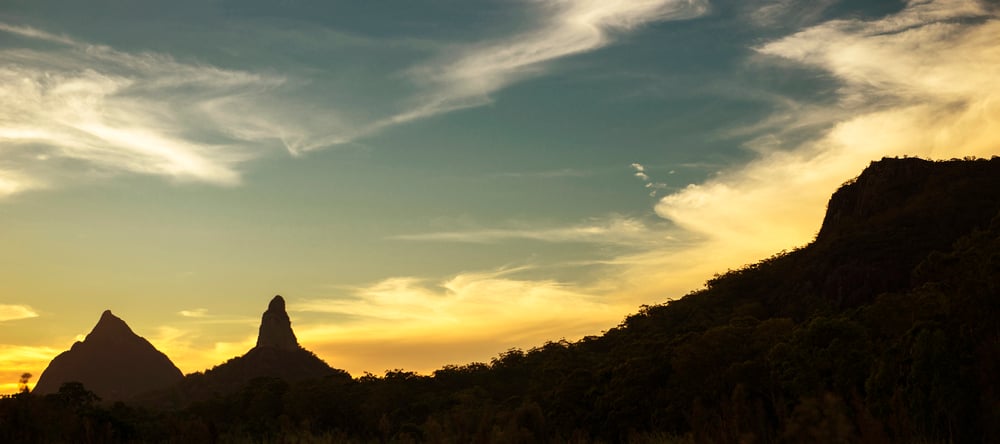
These distinctive volcanic plugs in Queensland, Australia, feature in Aboriginal Dreamtime stories as a family frozen in time. According to Gubbi Gubbi legends, Tibrogargan (the father mountain) and Beerwah (the mother) had many children represented by surrounding peaks.
When Tibrogargan became angry with one son, Coonowrin, for cowardice, he struck him, giving him his crooked neck appearance that remains visible today.
Enduring Heights of Imagination
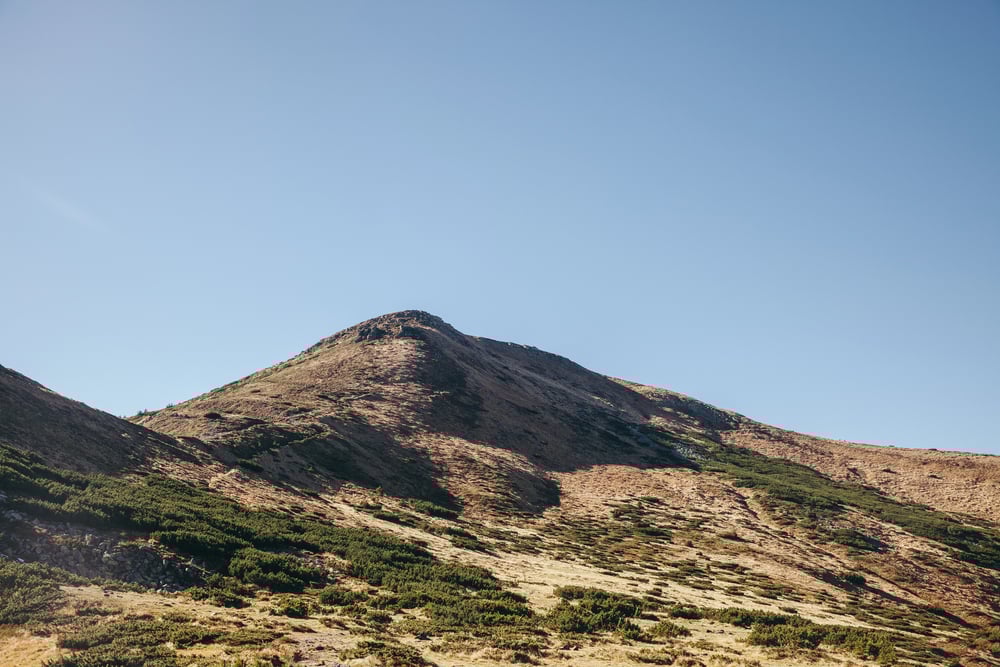
Mountains continue to capture our imagination just as they did for our ancestors thousands of years ago. These towering landscapes serve as natural monuments to humanity’s enduring need to explain the magnificent and the mysterious through storytelling.
Whether viewed through the lens of religion, folklore, or modern adventure narratives, mountains remain powerful symbols that connect us to both earth and sky, grounding us while simultaneously lifting our gaze upward.
More from Go2Tutors!

- The Romanov Crown Jewels and Their Tragic Fate
- 13 Historical Mysteries That Science Still Can’t Solve
- Famous Hoaxes That Fooled the World for Years
- 15 Child Stars with Tragic Adult Lives
- 16 Famous Jewelry Pieces in History
Like Go2Tutors’s content? Follow us on MSN.



