20 Strange Phobias That You Won’t Believe Exist
Fear is a universal human experience, but sometimes it manifests in surprising and specific ways. While most people understand common phobias like heights or spiders, the human mind can develop intense fears around virtually anything. Medical professionals recognize hundreds of named phobias, many of which affect daily life for those who experience them, despite seeming unusual to others.
Here is a list of 20 strange phobias that exist in the world of psychological disorders. These unusual fears demonstrate just how complex and mysterious the human mind truly is when it comes to our anxieties and aversions.
Nomophobia

The fear of being without mobile phone access causes genuine distress for many modern humans. People with this condition experience panic symptoms when their battery runs low or they enter areas with poor reception.
Mobile dependency has grown so widespread that therapists now regularly treat patients whose anxiety spikes the moment they can’t reach their devices.
Eisoptrophobia

People with this condition experience intense fear of mirrors or seeing their own reflection. Some sufferers can only use mirrors with special preparation and breathing exercises beforehand.
The anxiety typically stems from cultural superstitions, traumatic experiences, or concerns about physical appearance that escalated into full-blown phobic responses.
Coulrophobia
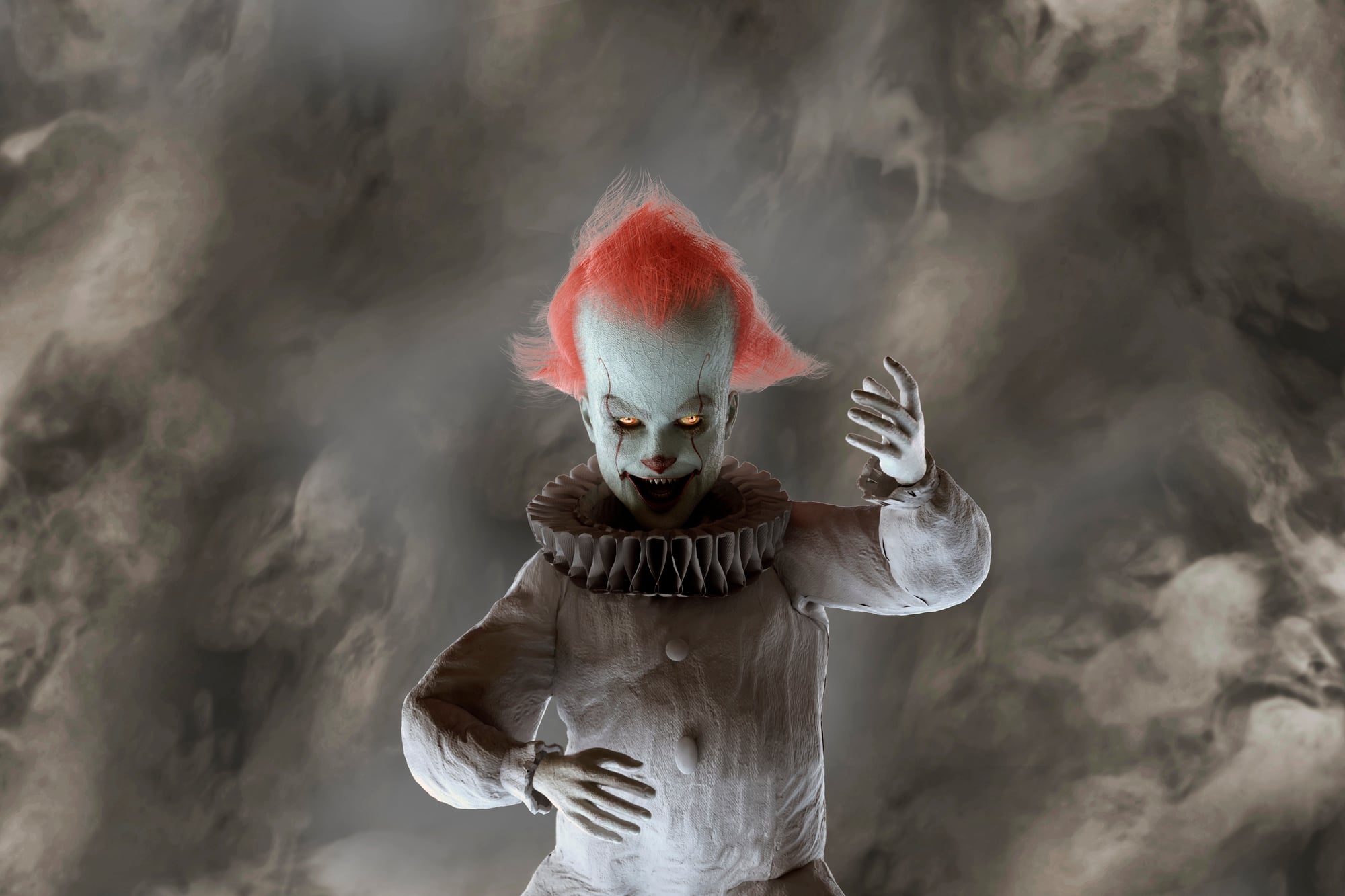
The fear of clowns affects surprising numbers of adults and children alike. Those with this phobia find the exaggerated features and unpredictable behavior genuinely terrifying rather than entertaining.
Many sufferers trace their fear to a negative childhood encounter or exposure to clown-themed horror in popular culture.
Trypophobia

This relatively common aversion involves fear of closely-packed holes or bumps, like those in lotus seed pods or certain corals. Affected individuals report physical reactions including goosebumps, nausea, and intense discomfort when viewing such patterns.
Some researchers suggest this response might be an evolutionary adaptation to avoid disease patterns or dangerous organisms.
Arithmophobia

The fear of numbers can range from mild anxiety during math classes to complete avoidance of numerical information. People with this condition might struggle with checking bank accounts, following recipes, or even reading addresses.
Their anxiety can trigger physical symptoms including racing heart, sweating, and shortness of breath when forced to engage with numbers.
Omphalophobia
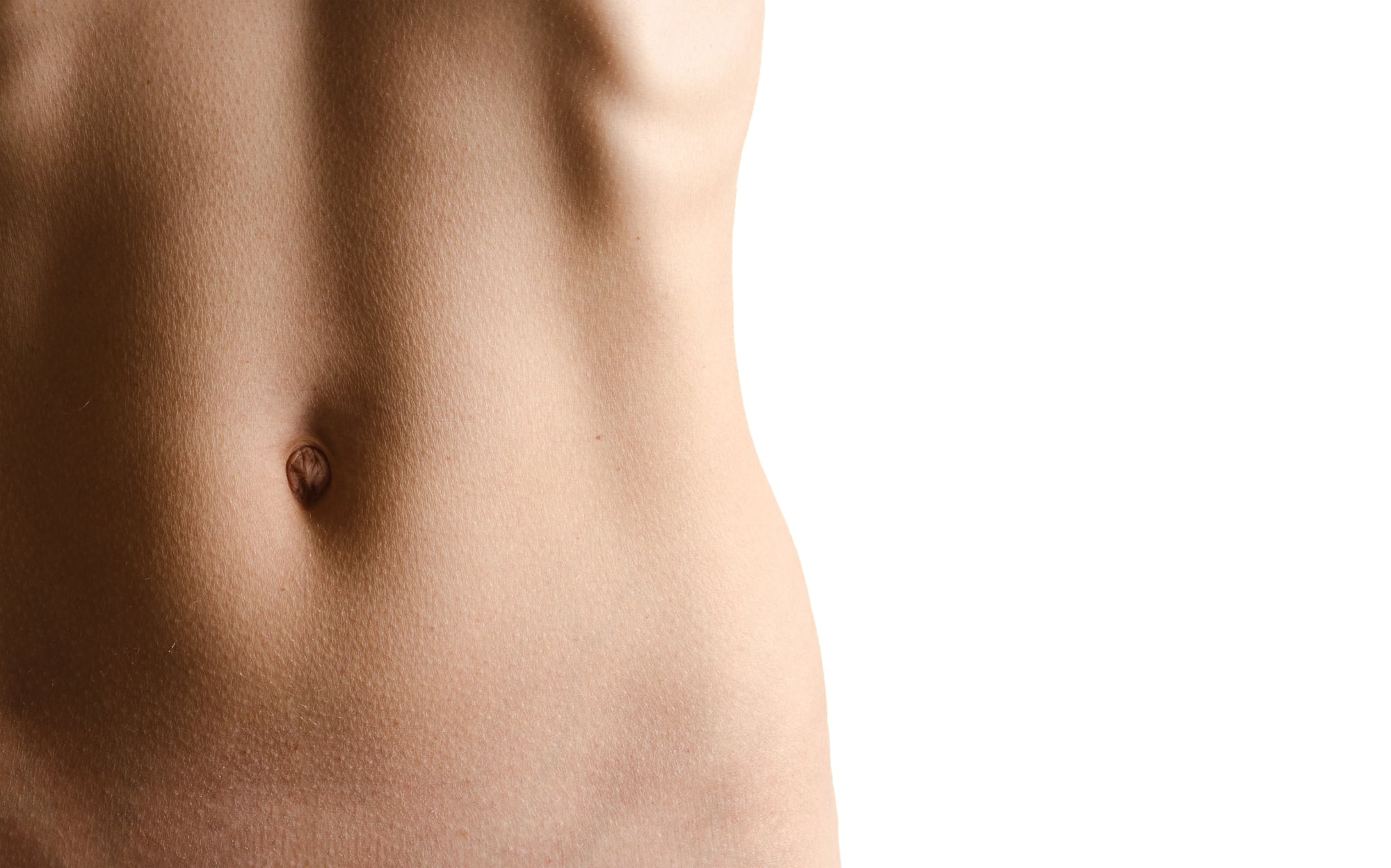
Some individuals experience genuine fear focused specifically on belly buttons—either their own or those of others. The condition often involves concerns about contamination or injury to this body part.
Sufferers may avoid activities where navels might be visible, such as swimming or certain types of exercise.
Ablutophobia

The fear of bathing or washing affects both children and adults, causing significant hygiene challenges. People with this phobia may experience panic attacks at the mere thought of showering.
The condition often develops from traumatic experiences involving water or from sensory processing issues that make the bathing experience overwhelming.
Siderodromophobia

This specific phobia centers on trains, railways, and train travel. Affected individuals may go to extraordinary lengths to avoid train stations or even seeing trains in movies.
The rhythmic sounds of trains on tracks can trigger immediate panic reactions in those with this condition, even when heard from a distance.
Hippopotomonstrosesquippedaliophobia

Ironically, this extremely long word describes the fear of long words. Those with this linguistic anxiety may avoid reading advanced material or speaking with people who use complex vocabulary.
The condition often stems from negative experiences with reading difficulties or public embarrassment over pronunciation struggles.
Xanthophobia

People with this chromatic phobia experience an irrational fear of the color yellow. They might avoid yellow clothing, foods, or even yellow flowers in gardens.
This color-specific anxiety often connects to traumatic associations or cultural conditioning that linked the color to negative emotions or experiences.
Turophobia

The fear of cheese might sound amusing, but for sufferers, it creates genuine limitations around food choices and social dining. Some individuals with this condition can’t even look at cheese without experiencing anxiety symptoms.
The phobia typically relates to the smell, texture, or appearance of cheese products rather than taste alone.
Pogonophobia

Some individuals experience significant anxiety around beards and facial hair. Those with this condition might avoid close contact with bearded people or feel uncomfortable in their presence.
The fear sometimes stems from negative childhood experiences with intimidating bearded figures or cultural associations with certain facial hair styles.
Somniphobia

The fear of falling asleep can create devastating health consequences as sufferers fight their body’s need for rest. People with this condition often worry about having nightmares, dying in their sleep, or losing control during unconsciousness.
This anxiety creates a vicious cycle where sleep deprivation worsens the mental state, further intensifying the fear.
Arachibutyrophobia

This specialized phobia involves the fear of peanut butter sticking to the roof of your mouth. Sufferers avoid peanut butter entirely, experiencing panic at the thought of the sticky sensation.
The condition typically relates to broader concerns about choking or losing control of one’s ability to swallow or speak.
Automatonophobia

People with this condition fear human-like figures such as mannequins, wax sculptures, or certain types of dolls. The uncanny valley effect—where objects appear almost but not quite human—triggers profound unease in these individuals.
Many avoid store displays, museums, or entertainment venues where such figures might appear.
Ephebiphobia

This social phobia manifests as an abnormal fear of teenagers or youth. Affected adults might cross the street to avoid groups of teens or decline jobs involving adolescents.
The anxiety usually stems from negative media portrayal of youth, previous uncomfortable encounters, or broader generational misunderstandings rather than specific experiences.
Genuphobia
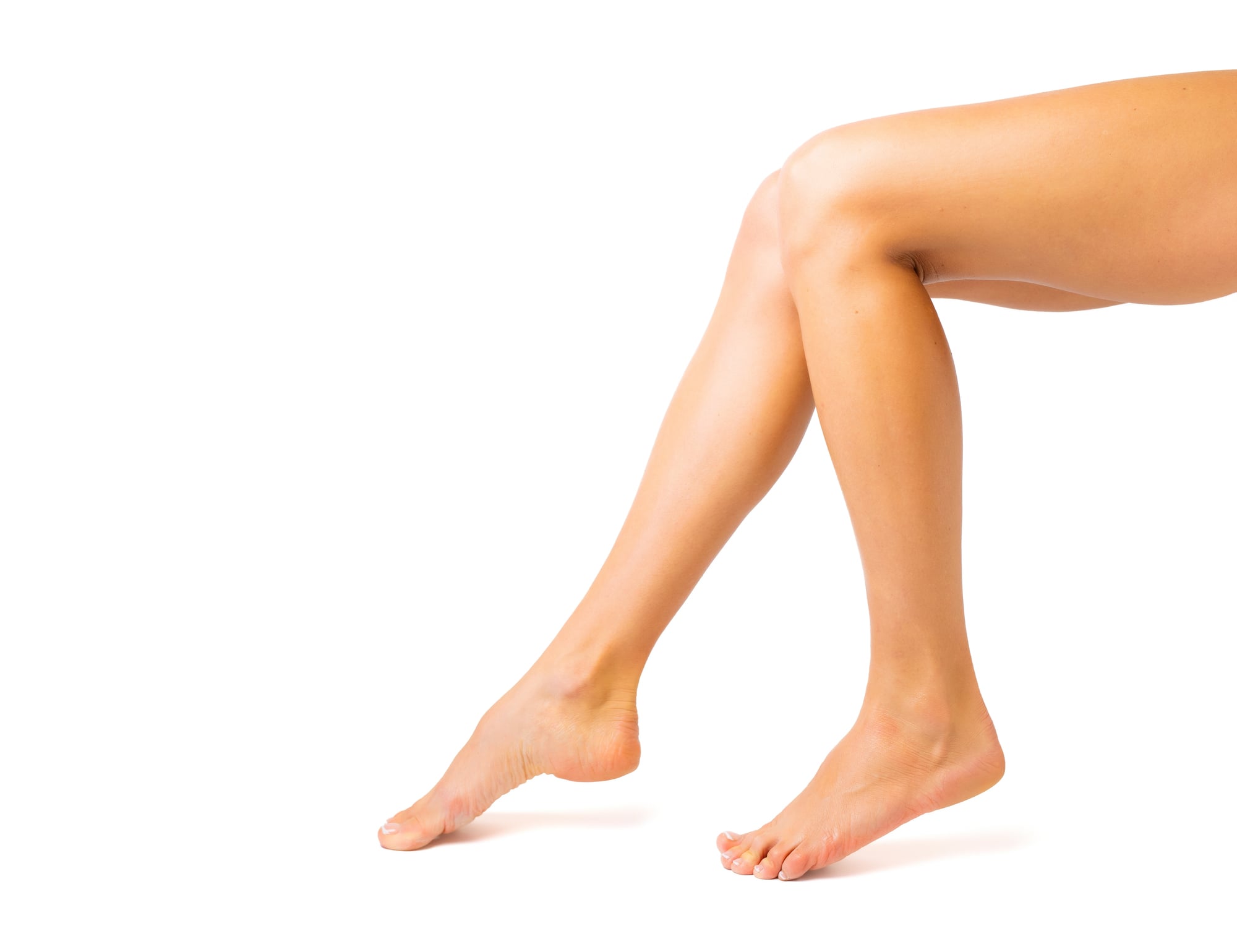
Some individuals experience panic specifically triggered by knees—either seeing them or having others look at their own knees. This body-focused phobia often develops from injury experiences or unusual aesthetic aversions.
Sufferers typically wear long pants year-round and avoid activities like swimming where knees would be visible.
Papaphobia

The fear of the Pope or papacy affects individuals across various religious backgrounds, not just those connected to Catholicism. This specialized anxiety often relates to religious trauma or exposure to historical criticism of papal authority.
Those affected might avoid religious discussions, news about Vatican events, or images of papal figures.
Linonophobia
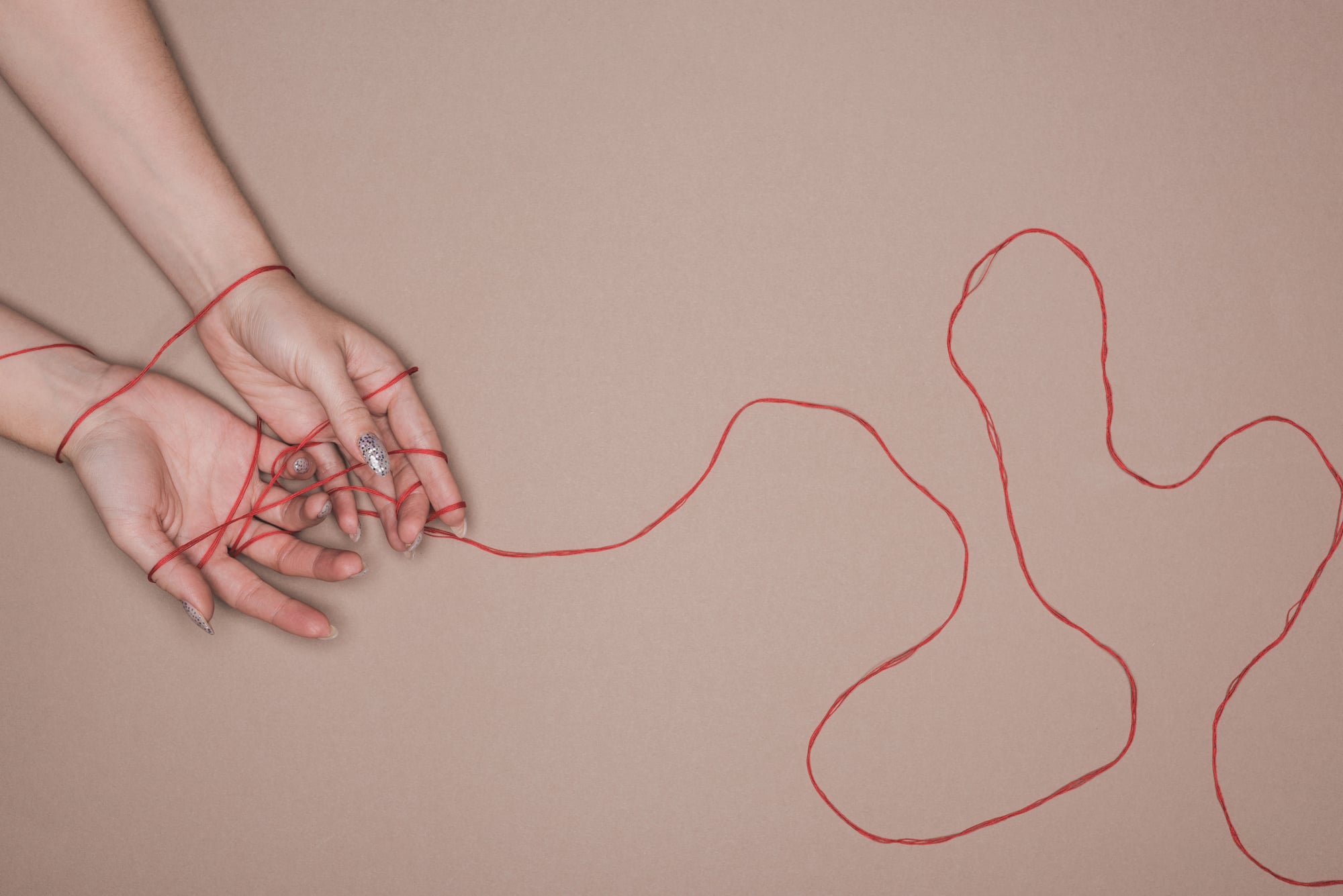
People with this textile-focused phobia experience fear or disgust when touching or seeing string or thread. The condition can significantly impact daily activities like sewing, handling certain clothing, or even opening packages secured with string.
The unusual sensitivity typically links to sensory processing differences or specific negative experiences.
Phobophobia

The ultimate meta-fear, this condition involves the fear of developing phobias or experiencing fear itself. People with phobophobia monitor themselves constantly for signs of anxiety, which ironically increases their overall stress levels.
The anticipatory anxiety creates a self-fulfilling cycle that can lead to panic disorders and agoraphobia if left untreated.
The Complex Nature of Fear

These unusual phobias remind us that human psychology operates in fascinating and sometimes perplexing ways. While these fears might seem strange to those who don’t experience them, they create genuine suffering and limitations for affected individuals.
Understanding the wide spectrum of phobias helps foster empathy for psychological struggles that aren’t immediately visible or easily understood by others. The next time you encounter someone with a seemingly odd aversion, remember that our brains all process fear in uniquely personal ways.
More from Go2Tutors!

- The Romanov Crown Jewels and Their Tragic Fate
- 13 Historical Mysteries That Science Still Can’t Solve
- Famous Hoaxes That Fooled the World for Years
- 15 Child Stars with Tragic Adult Lives
- 16 Famous Jewelry Pieces in History
Like Go2Tutors’s content? Follow us on MSN.



