Historical Inaccuracies in Popular Movies
Movies have always played fast and loose with history. Directors know that authentic historical accuracy doesn’t always make for compelling entertainment, so they bend facts to serve drama.
The result? Generations of moviegoers who think they know history but actually know Hollywood’s version of it. These cinematic liberties range from minor timeline adjustments to completely fabricated events.
Sometimes the changes are understandable shortcuts for storytelling. Other times, they’re so wildly off-base that historians practically need therapy after watching.
Either way, the line between fact and fiction gets blurred until most people can’t tell where history ends and Hollywood begins.
Braveheart
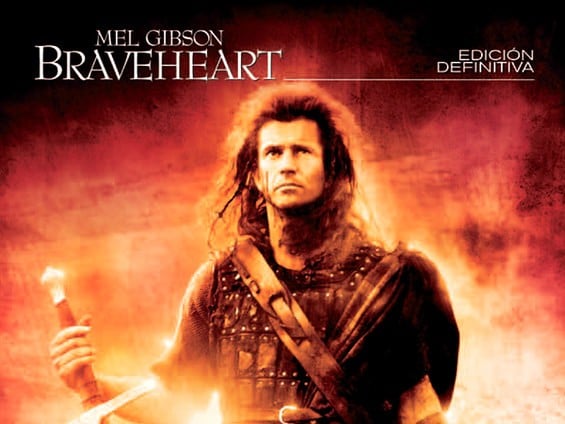
William Wallace never wore a kilt. Kilts weren’t invented until centuries after his death in 1305.
The film also depicts him as a farmer when he was actually minor nobility, and that famous face-to-face meeting with Princess Isabella? She was nine years old at the time and living in France. The Battle of Stirling Bridge somehow lost its bridge entirely.
The real tactical advantage came from forcing the English army across a narrow bridge, but Mel Gibson apparently decided bridges weren’t cinematic enough.
The Patriot
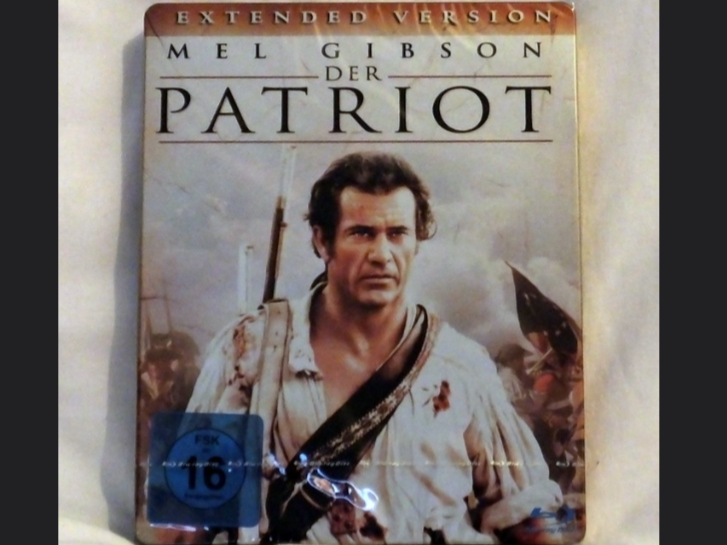
Benjamin Martin’s character combines several real Revolutionary War figures, but the film makes him a reluctant participant who just wants to tend his farm. Most of the actual patriots were eager for the fight and had been planning rebellion for years before shots were fired.
The notorious church-burning scene (where British soldiers lock civilians in a church and set it on fire) never happened during the American Revolution. That atrocity occurred during World War II in France, committed by Nazi SS troops.
Transplanting it to 1780s South Carolina was historically reckless, and British historians weren’t pleased about their ancestors being portrayed as Nazis.
Gladiator
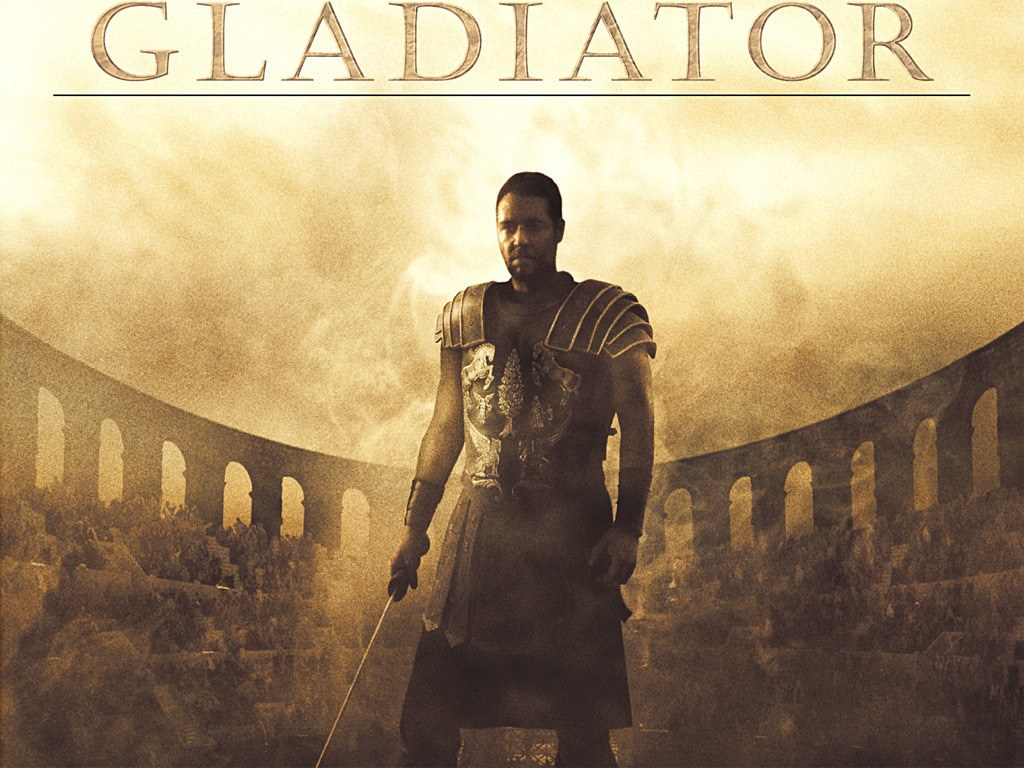
Marcus Aurelius died of natural causes during a military campaign, not from being smothered by his son Commodus. And Commodus ruled for twelve years after his father’s death — long enough to become genuinely terrible at the job — before being strangled by a wrestler named Narcissus (who was definitely not Russell Crowe).
The film’s portrayal of gladiatorial combat misses the mark entirely. These weren’t fight-to-the-death spectacles but carefully choreographed exhibitions with rules, referees, and medical staff standing by.
Gladiators were expensive investments, and killing them off regularly would have been financially ruinous for their owners.
U-571
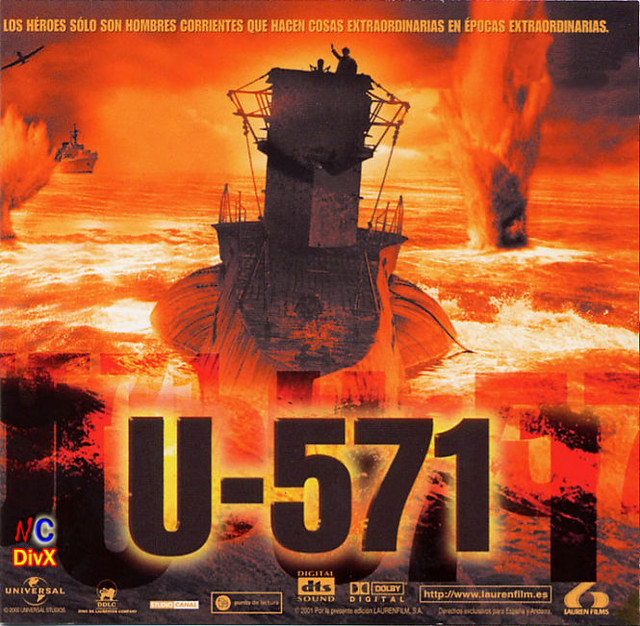
This one cuts deep for anyone who knows World War II history, because the film essentially rewrites one of the war’s most significant intelligence coups and hands credit to the wrong country entirely. The Enigma machine that forms the heart of the plot wasn’t captured by Americans in some daring submarine raid — it was recovered by the British Royal Navy from U-110 in May 1941, months before the United States even entered the war.
The British had been breaking Enigma codes since 1940, thanks to work done by Polish mathematicians and the codebreakers at Bletchley Park (where Alan Turing was doing his thing). But here comes Hollywood, deciding that American audiences needed American heroes, so they just… took the story and painted it red, white, and blue.
The British government actually lodged a formal complaint about the film’s historical revisionism, and honestly, who could blame them.
Pearl Harbor
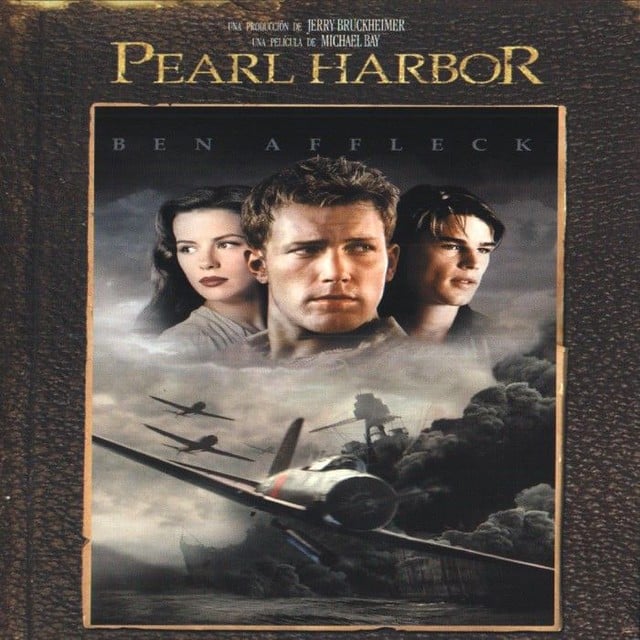
The attack on Pearl Harbor provides enough genuine drama for ten movies, so naturally Hollywood decided to invent a love triangle instead. The film compresses the timeline, making it seem like the Doolittle Raid happened within weeks of December 7th when it actually occurred four months later.
Ben Affleck and Josh Hartnett’s characters supposedly participate in the Doolittle Raid as fighter pilots, but the raid used only bomber crews. Fighter pilots didn’t have the training for carrier-based bombing missions, and the B-25 Mitchell bombers required multi-crew operations.
300
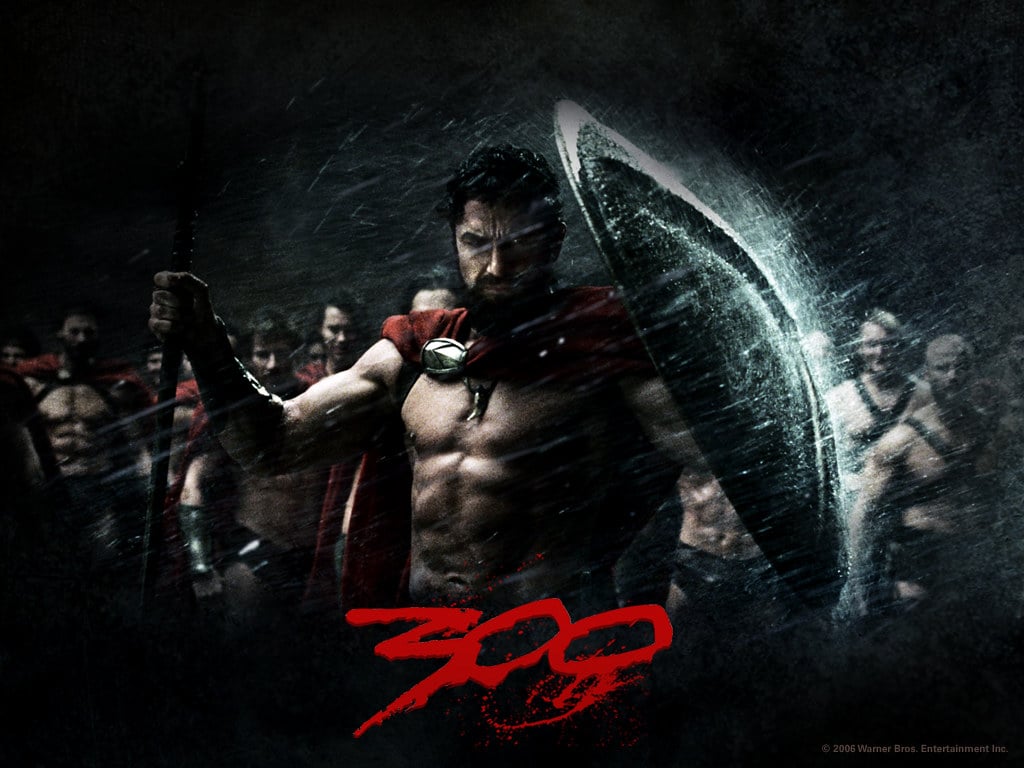
The Spartans did not fight nearly unclothed. They wore bronze armor, helmets, and carried shields — the famous hoplite panoply that made Greek heavy infantry so effective.
Leather speedos and capes might look cool, but they would have been a death sentence against Persian arrows. The film also portrays Sparta as a beacon of freedom fighting against Persian tyranny, which is rich considering Sparta was built on a foundation of slavery.
The helot system enslaved entire populations, and Spartan citizens spent most of their time making sure their slaves didn’t revolt.
Shakespeare in Love
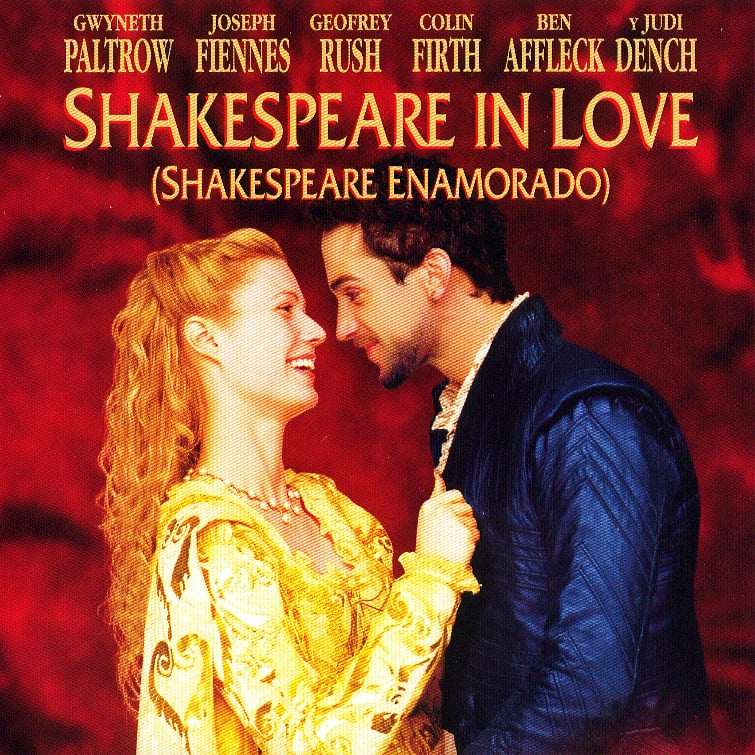
This romantic comedy imagines that Will Shakespeare found inspiration for “Romeo and Juliet” through his affair with a fictional noblewoman. The real Shakespeare wrote the play by adapting existing Italian stories that had been circulating for decades.
The film also suggests that Shakespeare was relatively unknown until this breakthrough, but by the time he would have written “Romeo and Juliet” (mid-1590s), he was already an established playwright and actor with several successful plays behind him. The struggling artist narrative makes for better drama than “successful businessman writes another hit.”
The Last Samurai
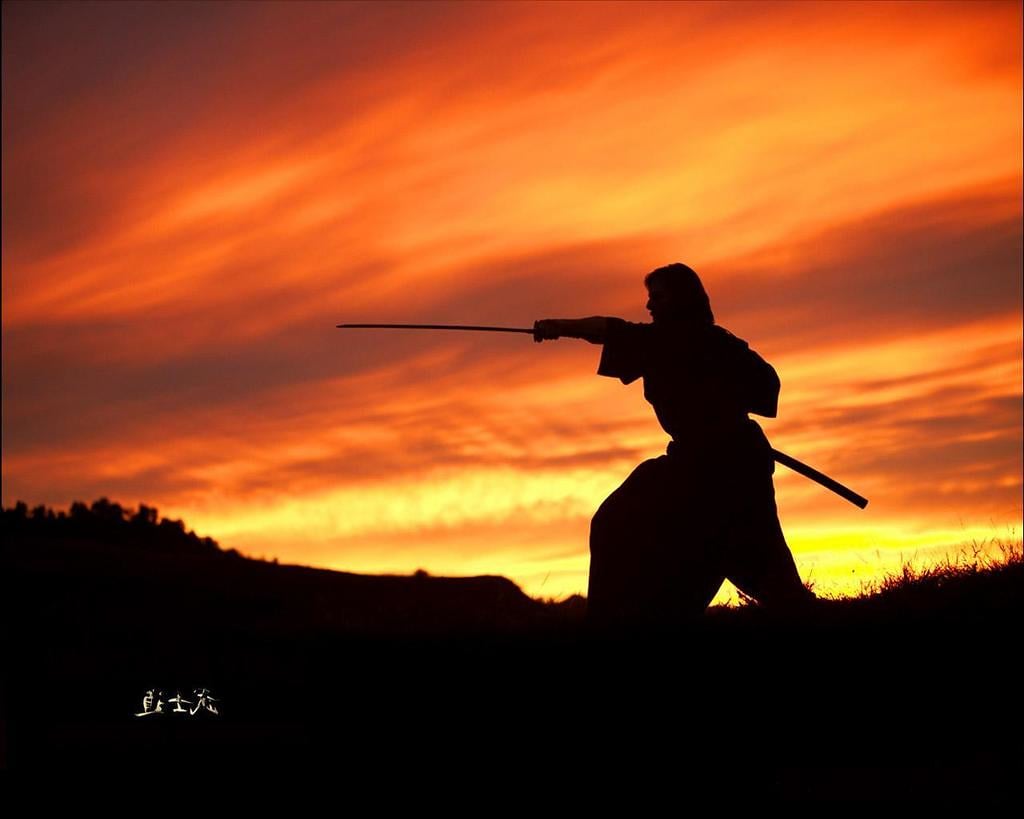
Tom Cruise’s character witnesses the final samurai rebellion, which the film places in the 1870s against a newly modernized Japanese army. The real Satsuma Rebellion of 1877 did happen, but no Western military advisors fought alongside the rebels.
The film romanticizes the samurai as noble warriors defending traditional values against Western corruption. The actual rebels were largely motivated by the loss of their privileged social status and government stipends.
They weren’t fighting for honor — they were fighting for their economic survival in a changing Japan.
Amadeus
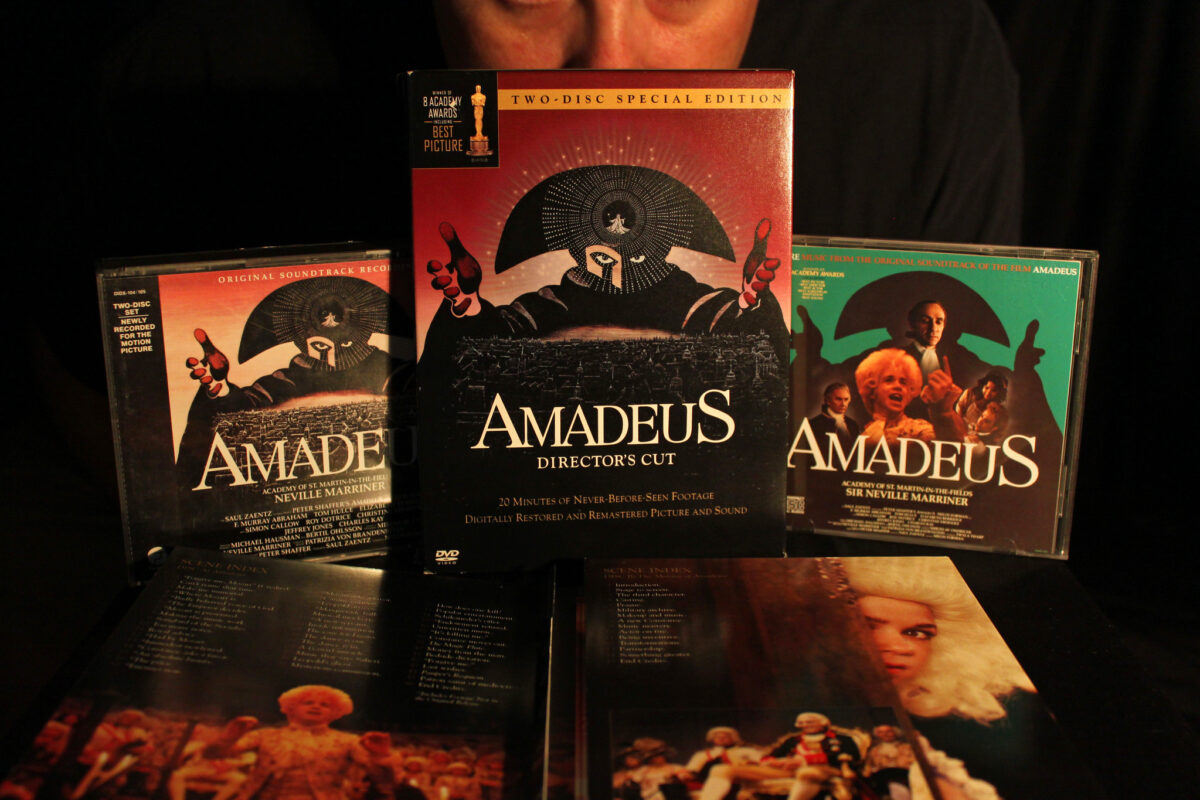
Mozart and Salieri weren’t bitter rivals. They actually respected each other professionally and collaborated on occasion.
Salieri taught Mozart’s son music lessons and conducted memorial concerts after Mozart’s death. The poison theory comes from Pushkin’s 1830 play, not from historical evidence.
The film depicts Mozart as a crude, giggling party animal who couldn’t manage money. Contemporary accounts describe him as witty and sociable but also serious about his craft and capable of handling business affairs.
His financial troubles came from Vienna’s economic downturn, not from personal irresponsibility.
Pocahontas
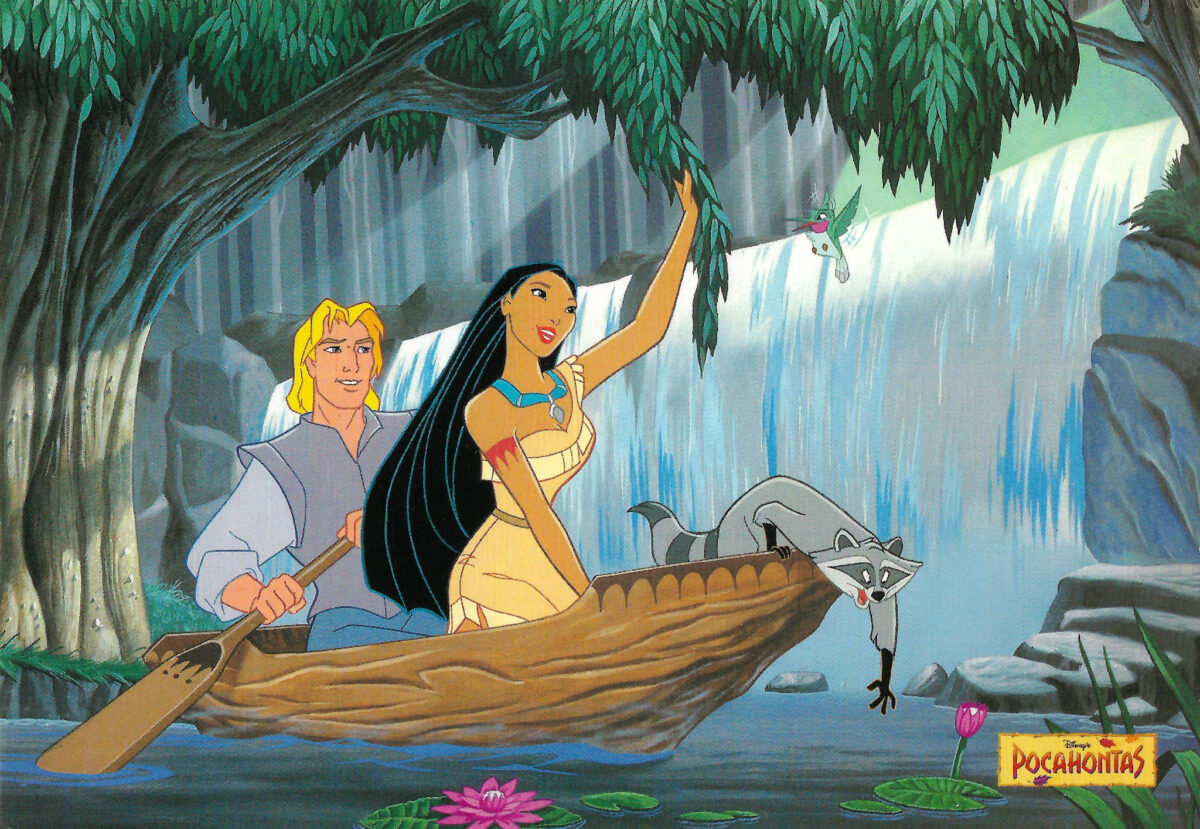
She was probably around ten years old when John Smith arrived in Virginia, not the young woman depicted in the Disney film. The romantic relationship never happened because she was a child.
Smith’s account of her saving his life was likely a misunderstanding of an adoption ceremony rather than an execution. Pocahontas did eventually marry an Englishman, but it was John Rolfe, not Smith.
She traveled to England, where she became ill and died at age 21. The film’s environmental message about European colonization devastating native lands is historically accurate, but the personal story is pure fiction.
Troy

The Trojan War probably happened, but it lasted years, not the few weeks depicted in the film. Archaeological evidence suggests Troy was destroyed multiple times, and any specific conflict that inspired Homer’s epic would have been one of many sieges, not a single dramatic showdown.
Achilles and Hector never could have met in single combat because Achilles likely died early in the war, possibly from an arrow wound to his heel (hence the phrase “Achilles’ heel”). The film compresses the entire war into a personal vendetta between individual heroes rather than the prolonged siege warfare it actually was.
Elizabeth
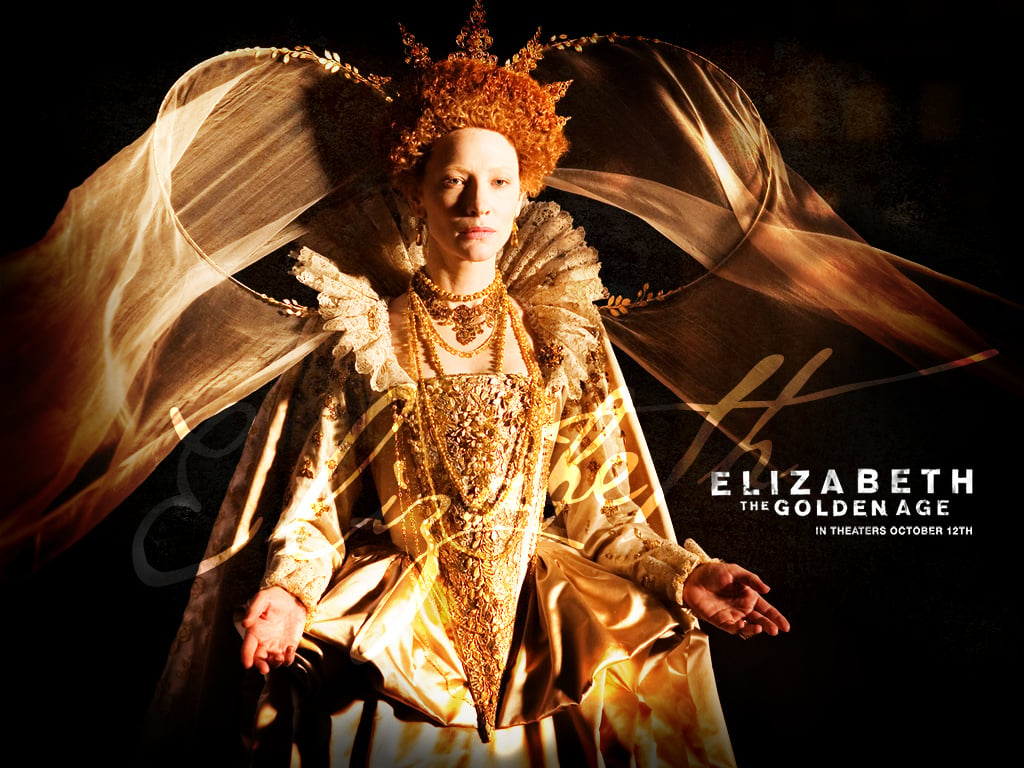
The film depicts the Spanish Armada as a religious crusade personally ordered by Philip II after Elizabeth rejected his marriage proposal. The real reasons were far more complex, involving English support for Dutch rebels, piracy against Spanish ships, and Elizabeth’s execution of Mary Queen of Scots.
Elizabeth’s supposed romance with Sir Walter Raleigh never happened. Raleigh was married and primarily interested in exploration and colonization, not court intrigue.
The film also suggests Elizabeth remained a virgin for political reasons, but historians debate whether this was actual celibacy or carefully managed public image.
The Greatest Showman
P.T. Barnum wasn’t a starry-eyed dreamer who stumbled into the circus business. He was a calculated businessman who understood exactly how to exploit public fascination with the unusual and exotic.
His American Museum in New York was already making him wealthy before he ever got into the circus game. The film presents Barnum as genuinely caring about his performers and treating them like family.
Historical accounts suggest he was more concerned with profit than welfare, often promoting exhibits that would be considered exploitative by today’s standards. The movie’s feel-good message about accepting differences wasn’t exactly Barnum’s primary motivation.
Learning From Hollywood’s Version

Movies aren’t history textbooks, and expecting them to be perfectly accurate misses the point of entertainment. But when films become the primary way people learn about historical events, those inaccuracies start mattering more than directors probably intended.
The line between harmless creative license and misleading historical revisionism isn’t always clear, but it’s worth remembering that Hollywood’s job is to sell tickets, not to educate. Real history is usually messier, more complicated, and less cinematically satisfying than what makes it to the screen.
More from Go2Tutors!

- The Romanov Crown Jewels and Their Tragic Fate
- 13 Historical Mysteries That Science Still Can’t Solve
- Famous Hoaxes That Fooled the World for Years
- 15 Child Stars with Tragic Adult Lives
- 16 Famous Jewelry Pieces in History
Like Go2Tutors’s content? Follow us on MSN.