17 Monuments Built for the Wrong Reason
Monuments serve as reminders of historical events, cultural ideals, and human accomplishments. However, not all large buildings were built with good intentions or fulfilled their original function. Many of the striking landmarks we see now have unexpected histories that are very different from what tourists might think.
Beneath the imposing buildings and marble facades is an intriguing array of historical ironies, political ploys, and mistaken motives. The following list of 17 monuments was created for reasons that are very different from what most people think.
The Eiffel Tower
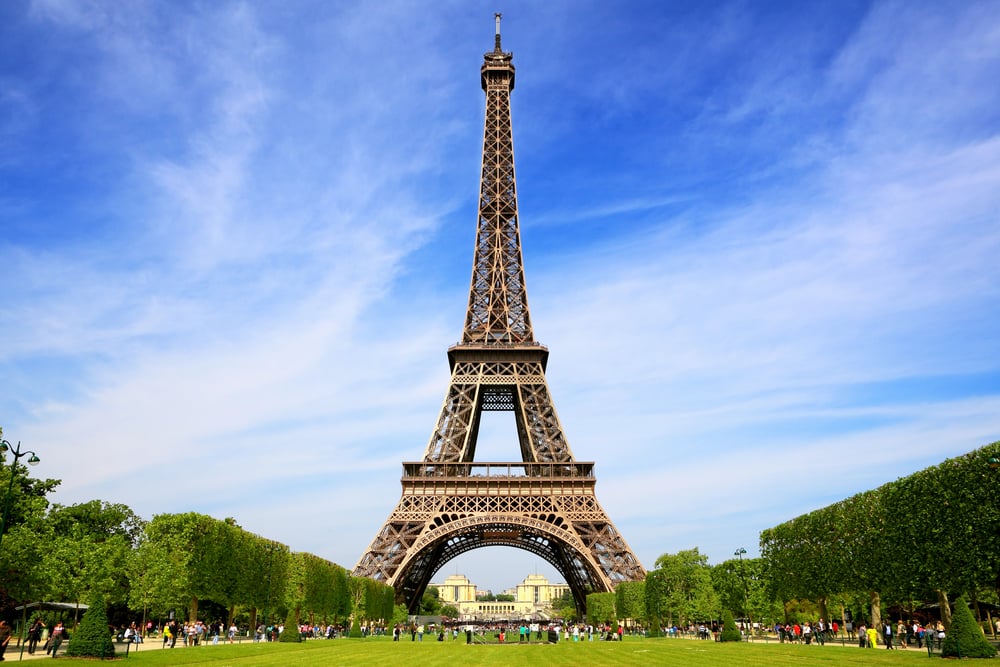
The iconic symbol of Paris was initially built as a temporary exhibition structure for the 1889 World’s Fair. Intended to stand for only 20 years, the tower faced intense criticism from French intellectuals and artists who considered it an eyesore.
Engineer Gustave Eiffel saved his creation by highlighting its potential for radio transmission experiments. What started as a controversial temporary attraction became France’s most recognizable landmark purely by accident.
The Leaning Tower of Pisa
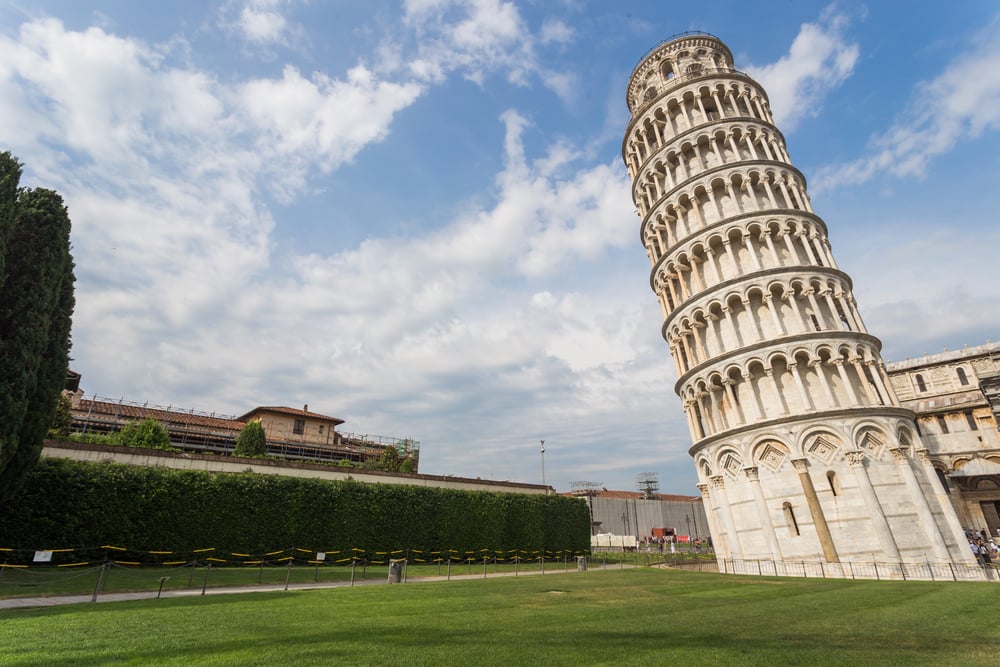
This famous Italian bell tower wasn’t designed to lean at all. Construction began in 1173 on unstable soil, and builders noticed the tilt when they reached the third floor.
Rather than demolish their work, they continued building while attempting various corrections, inadvertently creating one of the world’s most recognizable architectural mistakes. The tower’s fame stems entirely from an engineering failure that would typically doom most structures.
Like Go2Tutors’s content? Follow us on MSN.
Mount Rushmore
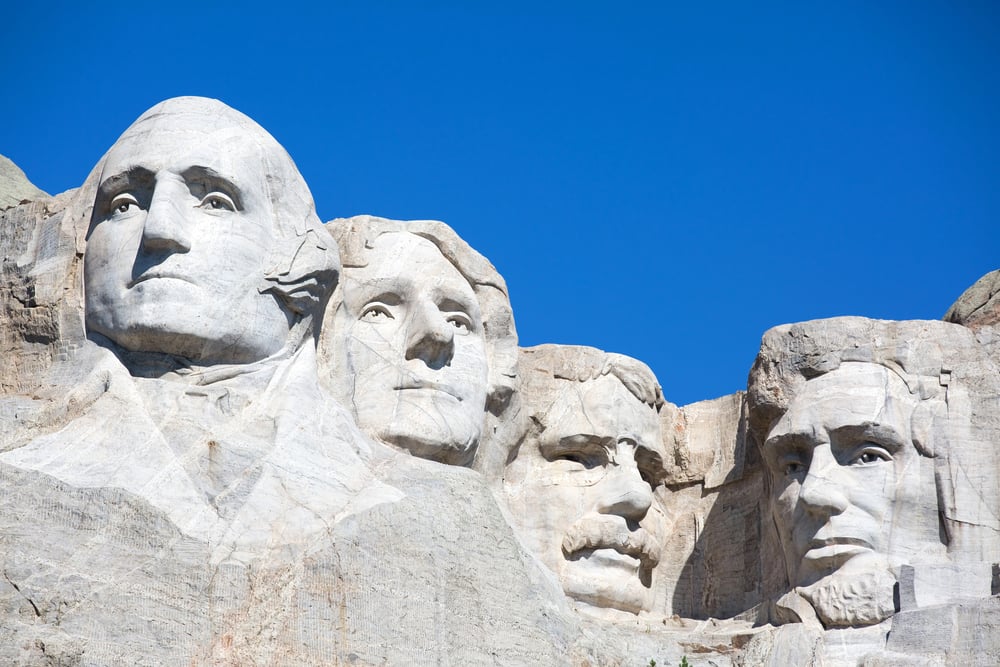
While celebrated as a tribute to American democracy, Mount Rushmore originated partly from efforts to increase tourism in South Dakota. Sculptor Gutzon Borglum, who had previously worked on Stone Mountain’s Confederate memorial, needed a new project after disputes with his sponsors.
The monument also served to establish American cultural landmarks in territory sacred to Native Americans. Tourism economics and cultural appropriation played larger roles in its creation than pure patriotic sentiment.
The Statue of Liberty
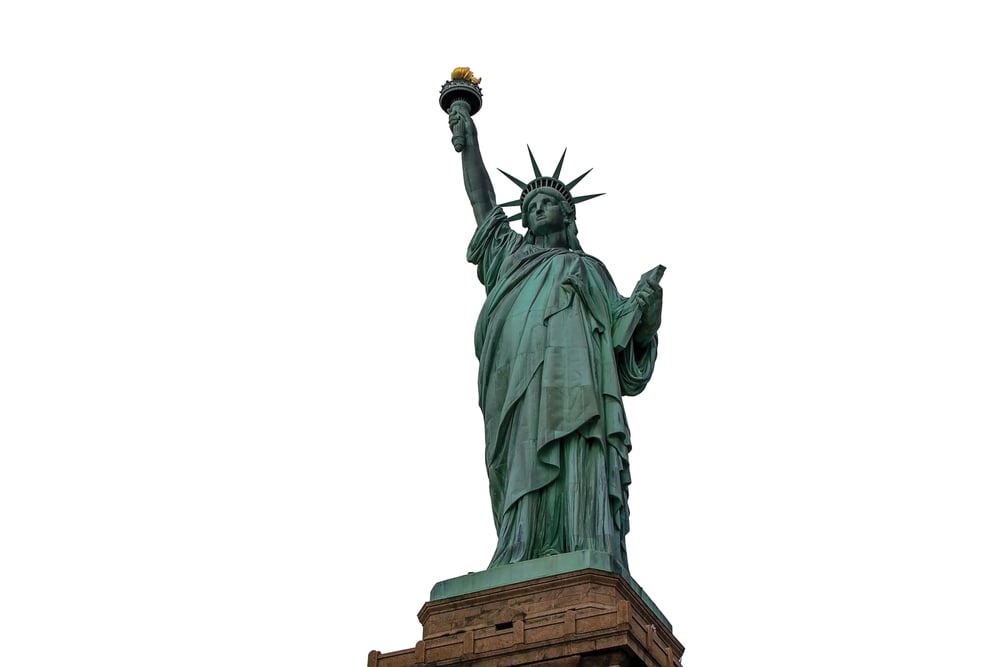
Though widely seen as America’s welcome to immigrants, Lady Liberty wasn’t originally about immigration at all. French sculptor Frédéric Bartholdi initially conceived the statue to celebrate the end of slavery after the Civil War.
Later, it became a gift commemorating the Franco-American alliance and the centennial of American independence. Only years after its installation did the statue become associated with immigration, thanks largely to Emma Lazarus’s poem ‘The New Colossus’ added in 1903.
The Palace of Versailles
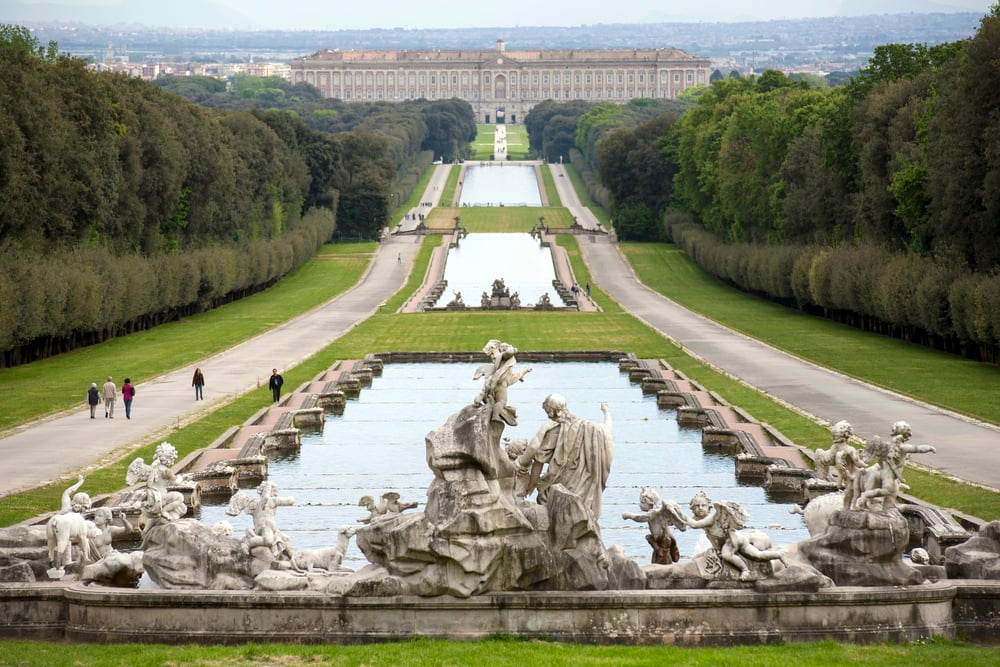
This opulent French palace wasn’t built simply as a royal residence but as a strategic political tool. Louis XIV deliberately moved his court from Paris to Versailles to keep potentially rebellious nobles under constant surveillance.
By requiring aristocrats to live at court to maintain royal favor, the king effectively created a beautiful prison for the nobility. The palace’s lavish design served as an instrument of control disguised as luxury.
Like Go2Tutors’s content? Follow us on MSN.
The Terra Cotta Warriors
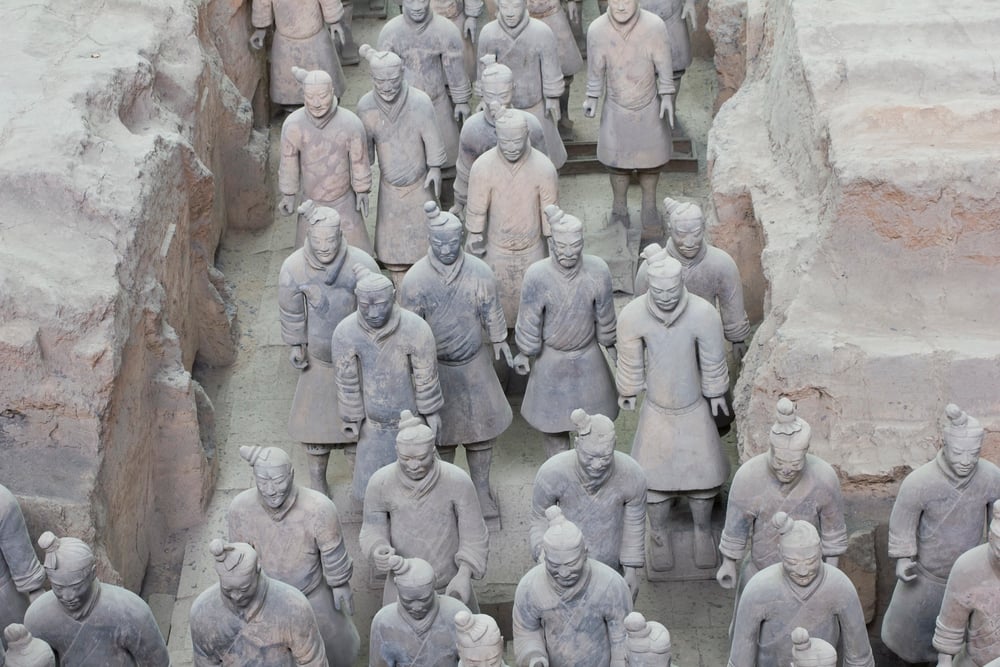
Emperor Qin Shi Huang’s famous clay army wasn’t created out of artistic ambition. The first emperor of unified China was obsessed with his mortality and built this massive funerary complex because he believed he could rule in the afterlife.
The thousands of individualized soldiers represented real military units intended to serve him after death. What modern visitors admire as an archaeological treasure was actually born from one ruler’s fear of losing power even after death.
The Washington Monument
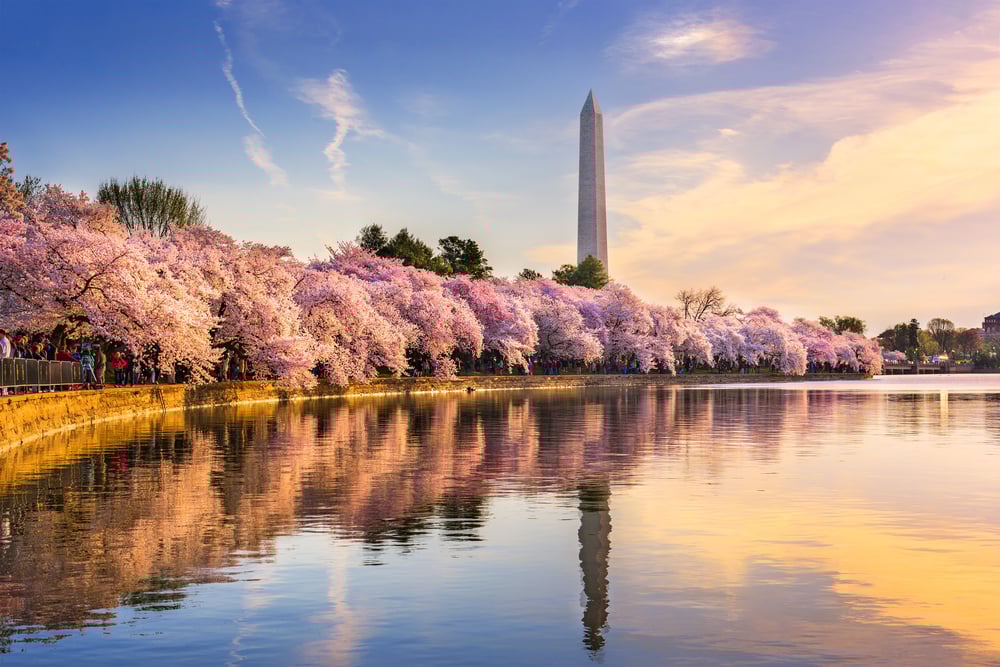
The tall obelisk honoring America’s first president faced a troubled construction history related to political infighting rather than genuine reverence. After the initial phase of building, construction halted for over 20 years due to funding problems and the intervention of the Know-Nothing political party, which opposed immigrant involvement.
When work finally resumed, builders had to use slightly different-colored marble, which is why the monument has a visible color change partway up its shaft.
The Great Sphinx of Giza
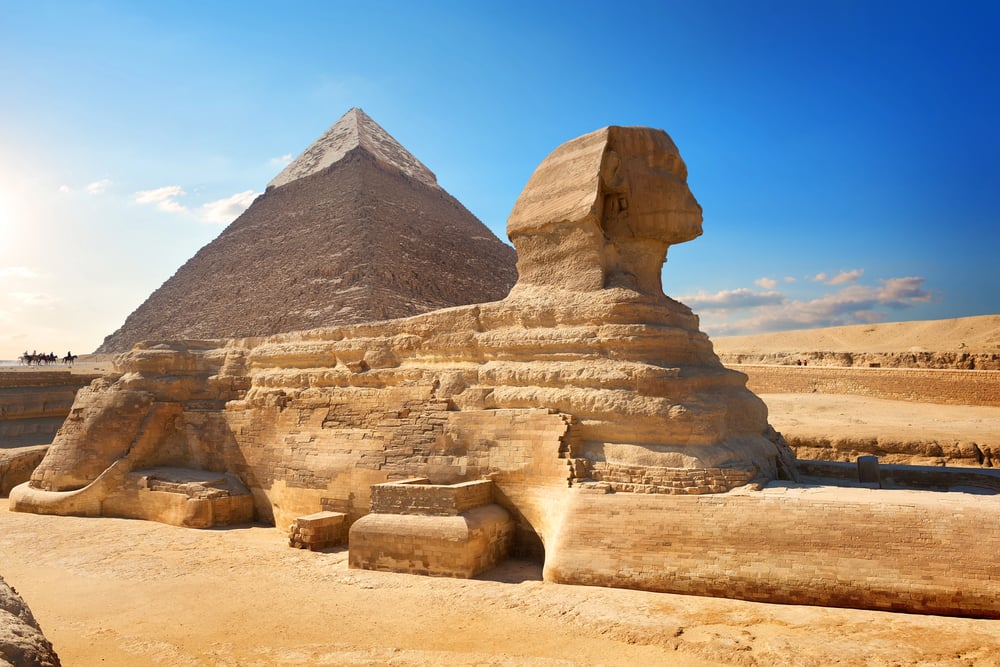
Evidence suggests this massive limestone figure wasn’t built as a sphinx at all. Many archaeologists believe it was originally carved as a lion or another animal and only later recarved with a human face, possibly representing Pharaoh Khafre.
The monument appears to have been repurposed throughout its long history, with its true original form and purpose remaining uncertain. Its iconic status stems from layers of historical reinterpretation rather than its initial design.
Like Go2Tutors’s content? Follow us on MSN.
The St. Louis Gateway Arch
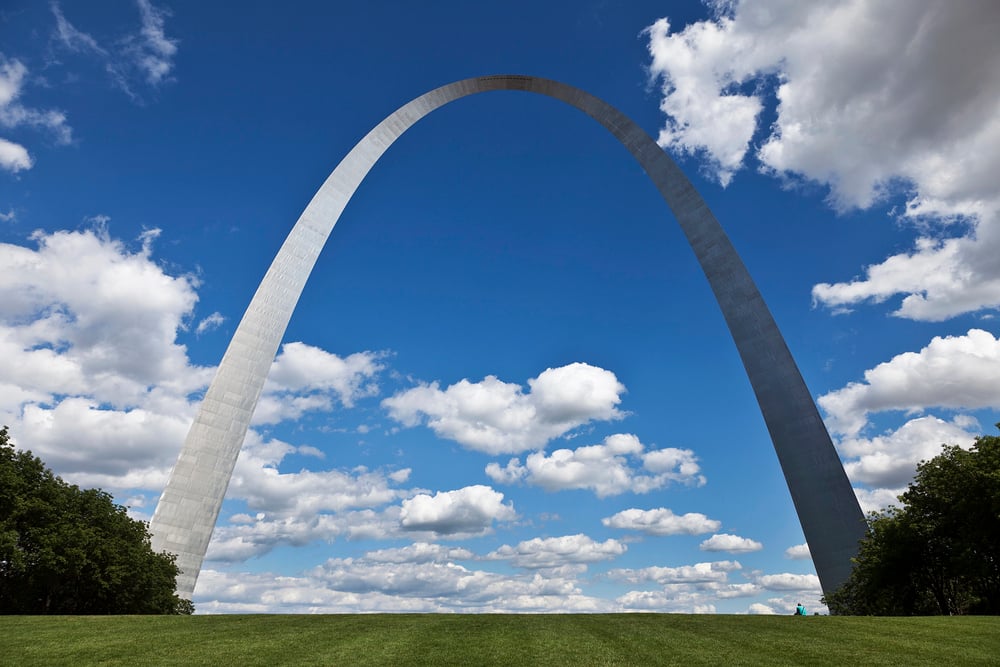
Though celebrated as a monument to westward expansion, the Gateway Arch originated primarily as an urban renewal project. City leaders demolished 40 city blocks of historic buildings in the 1930s-40s, displacing thousands of residents and businesses.
The arch emerged as part of a plan to revitalize the riverfront area and boost tourism after decades of economic decline. The monument’s creation involved more urban planning strategy than historical commemoration.
The Hollywood Sign
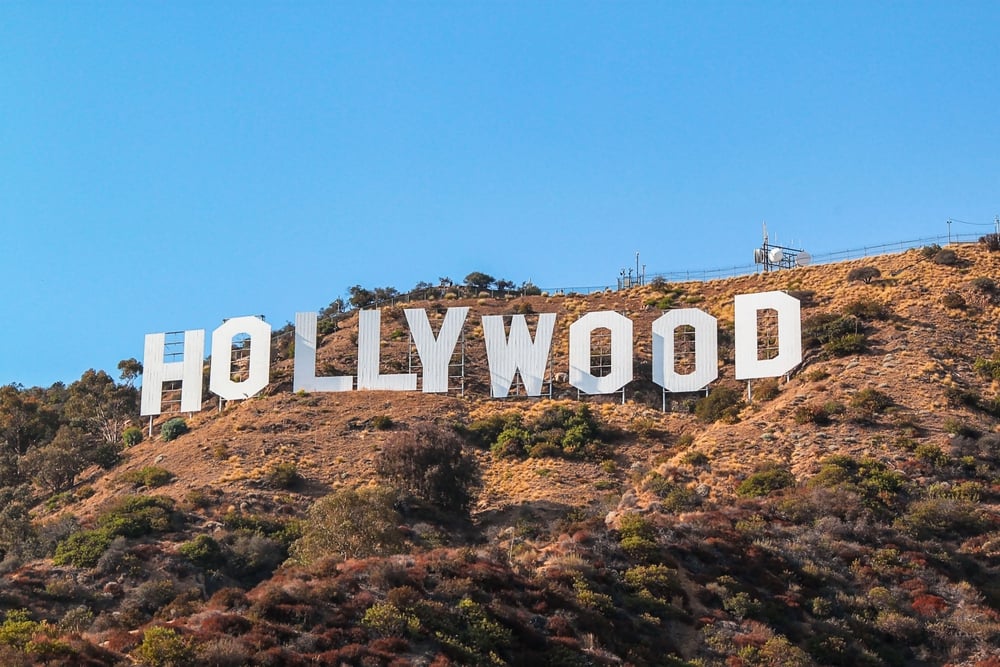
This famous landmark wasn’t created to celebrate the film industry at all. Originally reading ‘HOLLYWOODLAND,’ it was erected in 1923 as a temporary real estate advertisement for a new housing development.
After falling into disrepair, the ‘LAND’ portion was removed when the Hollywood Chamber of Commerce took over its maintenance. A billboard for selling homes transformed into a globally recognized symbol of entertainment entirely by accident.
The Arc de Triomphe
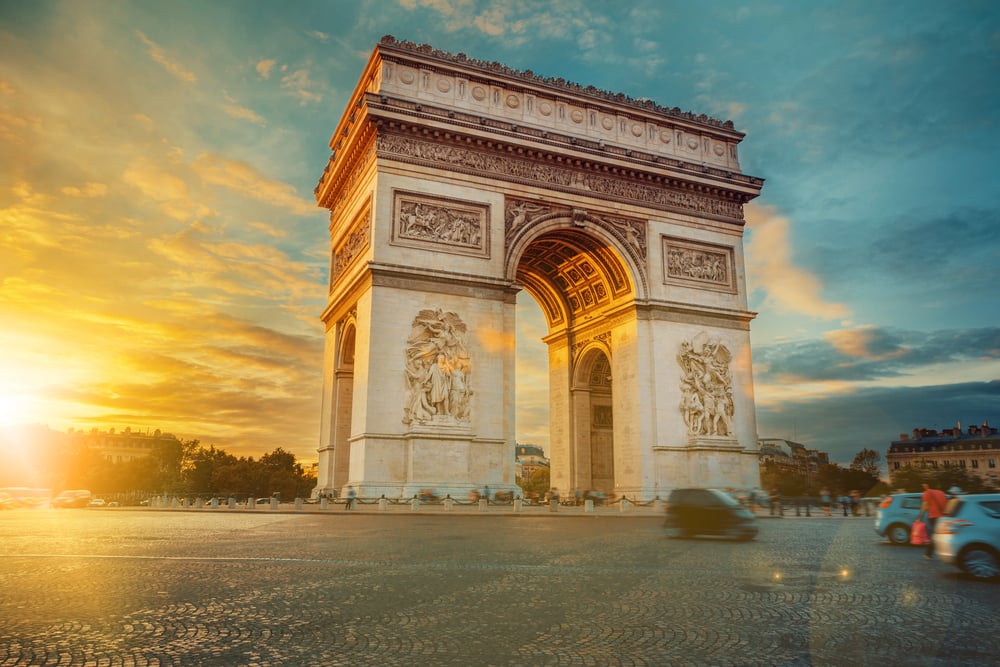
Napoleon commissioned this Parisian monument after his victory at Austerlitz, intending it to glorify his Grand Army. However, he never saw it completed, as construction lasted decades beyond his defeat and exile.
By the time of its completion in 1836, it had transformed from a celebration of Napoleon’s military prowess into a more general war memorial. What began as one man’s monument to personal glory evolved into a national symbol of sacrifice.
Like Go2Tutors’s content? Follow us on MSN.
The Taj Mahal
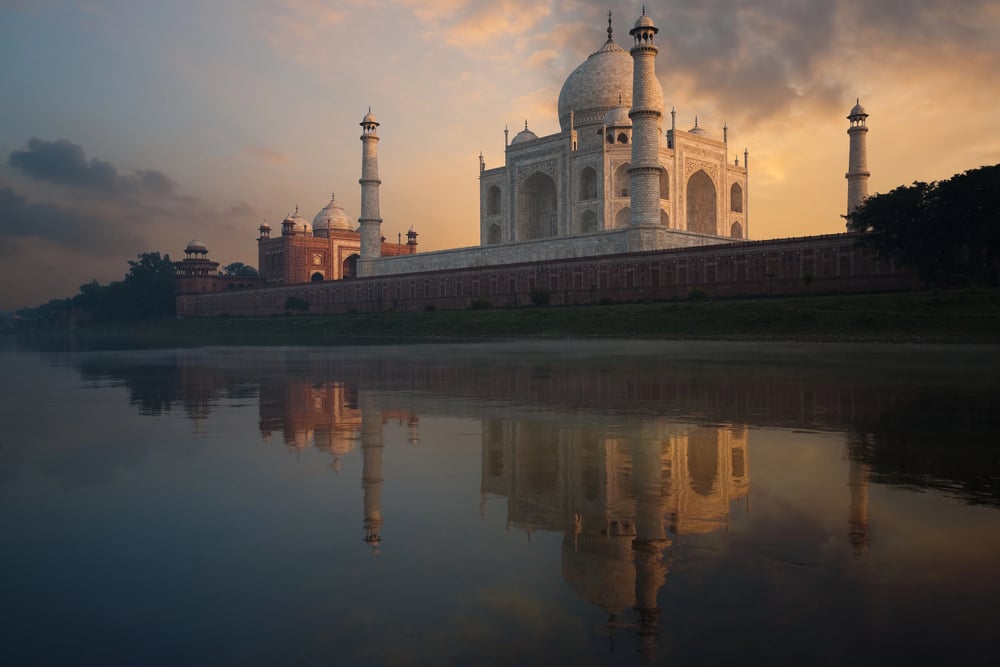
While celebrated as the ultimate monument to love, the Taj Mahal also served as a powerful political statement. Emperor Shah Jahan built it not only to honor his wife Mumtaz Mahal but also to establish his legacy as a great Mughal ruler.
The massive marble complex demonstrated imperial wealth and power to potential rivals. Even this famous symbol of romantic devotion carried significant political implications beyond its personal sentiment.
The Colosseum
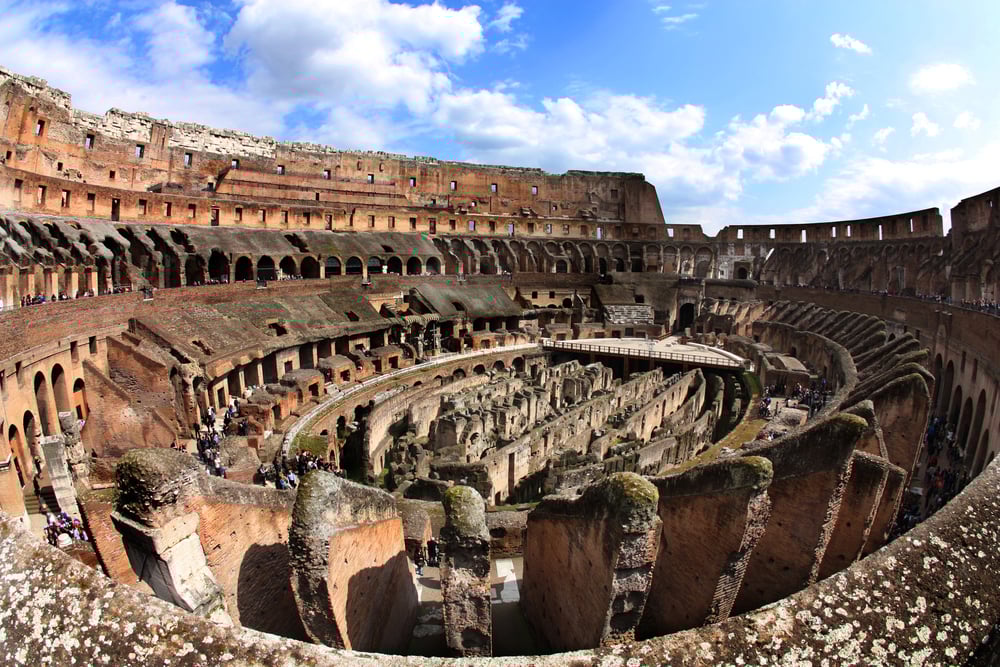
Emperor Vespasian built Rome’s iconic amphitheater primarily as a political move to restore public favor after the unpopular reign of Nero. By replacing Nero’s private lake with a public entertainment venue, Vespasian portrayed himself as a man of the people.
The structure’s famous design served the practical purpose of processing large crowds efficiently while its construction created jobs for Roman citizens. Political calculation drove its creation more than appreciation for gladiatorial combat.
The Little Mermaid Statue
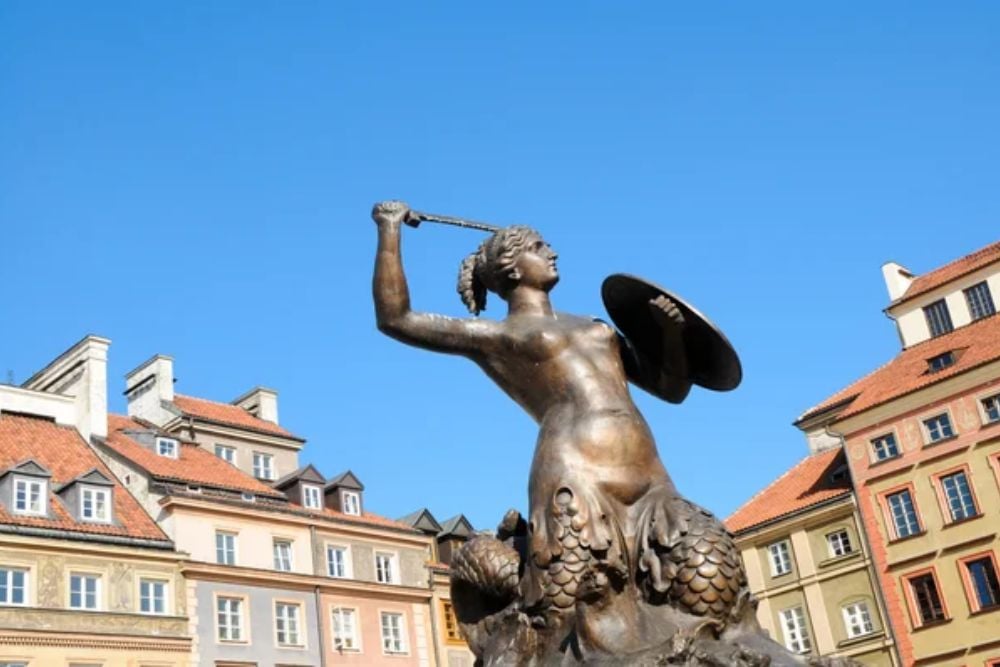
Copenhagen’s famous bronze figure wasn’t commissioned as a public monument but as a private gift. Brewer Carl Jacobsen became enchanted with a ballet based on Hans Christian Andersen’s fairy tale and commissioned the sculpture for his personal enjoyment.
Only later did he donate it to the city. The small, unimposing statue became Denmark’s most recognized symbol despite never being intended as a national landmark.
Like Go2Tutors’s content? Follow us on MSN.
Stone Mountain Confederate Memorial
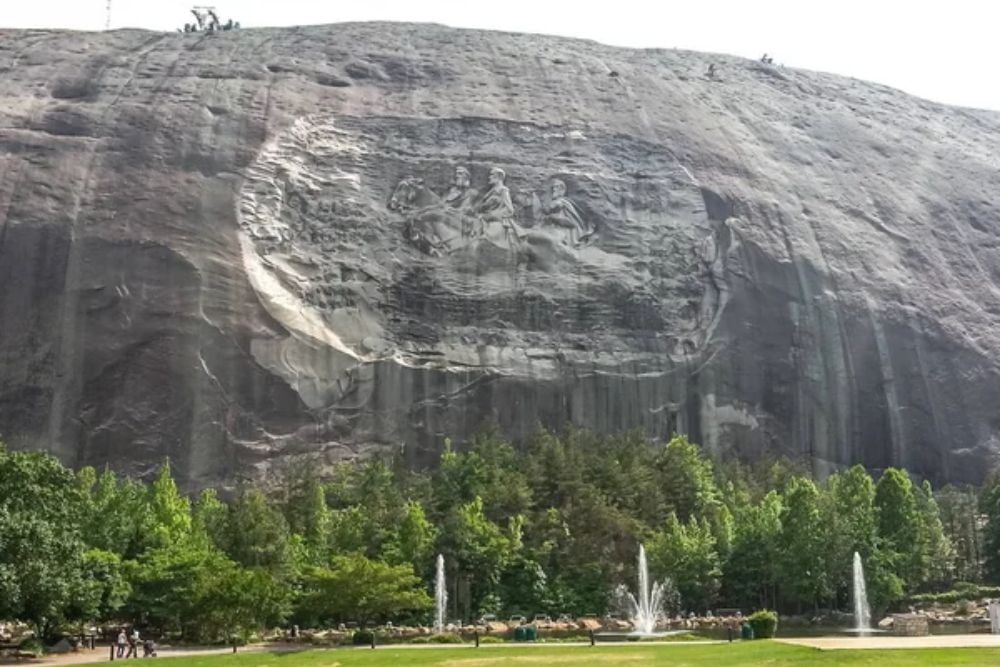
This massive carving in Georgia began as a money-making venture by the United Daughters of the Confederacy, who sought to promote a romanticized version of the Civil War. The project gained momentum during the revival of the Ku Klux Klan in the 1920s, with initial dedication ceremonies held on Stone Mountain.
What many visitors see as a simple historical monument originated as part of a campaign to rewrite Civil War history while generating tourism revenue.
Christ the Redeemer
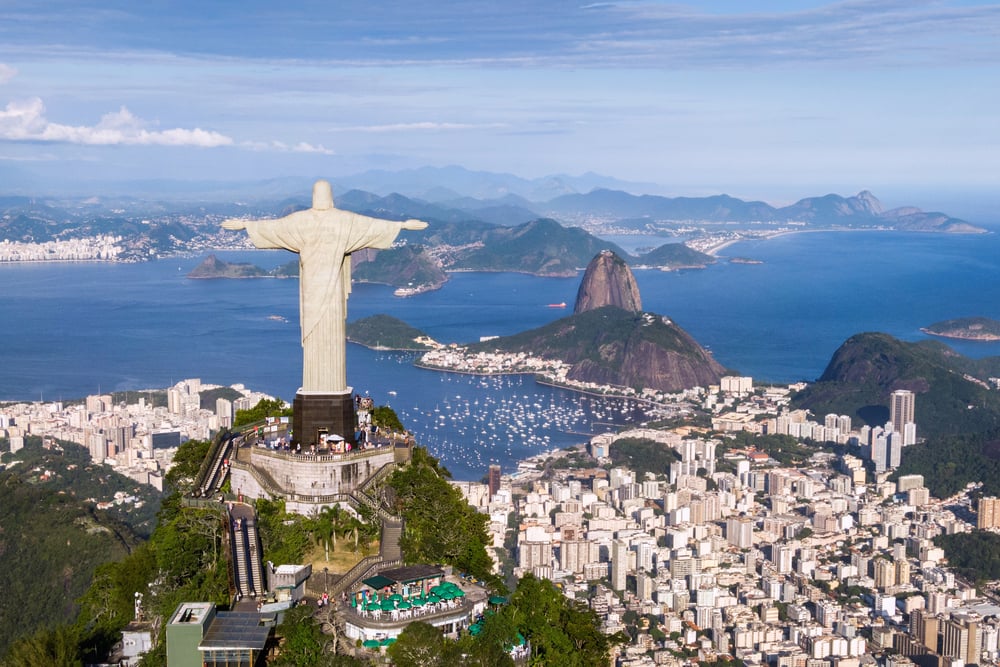
A major response to perceived secularization was the creation of Brazil’s well-known statue. Fearing dwindling religious influence, Catholic authorities suggested the monument following Brazil’s 1889 independence of church and state.
The statue was a purposeful response to the ‘godless’ ideologies that were then sweeping the nation. In reality, the seemingly straightforward religious emblem was designed as a political statement reaffirming Catholic presence in a country that is becoming more and more secular.
The Berlin Wall Memorial
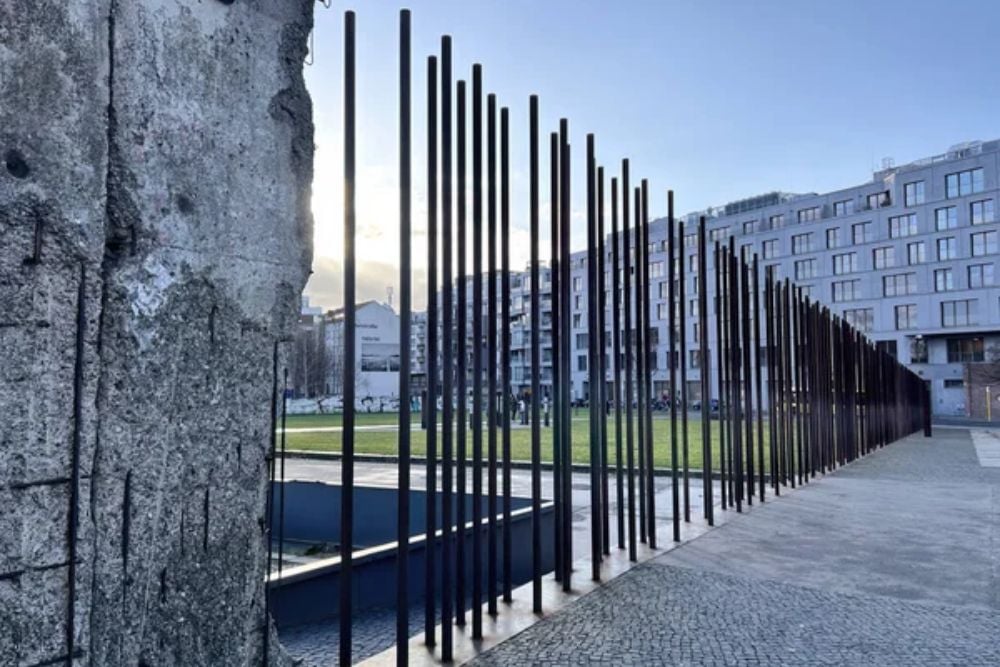
This monument stands where a barrier once existed not to commemorate history but to prevent it from being forgotten. The East German government built the original wall not as a defensive measure against outside threats but to prevent its own citizens from escaping to the West.
Today’s memorial preserves pieces of the wall specifically to remind visitors of the human cost of division. It exists precisely because of what went wrong, not to celebrate any achievement.
Like Go2Tutors’s content? Follow us on MSN.
The Afterlife of Purpose
Monuments frequently transcend the intentions of their architects and take on new significance as cultures change. For completely diverse reasons, anything that starts out as a power show, a temporary building, or even an error can become something of cultural significance. These 17 instances show how time, politics, and shifting attitudes can rewrite the goals of our most spectacular constructions.
As a reminder that meaning is arguably the most malleable substance of all, the monuments we treasure today frequently stand for reasons their creators never foresaw. Even when their original intentions have been lost or purposefully disguised, these structures continue to inspire and stir thinking through changing interpretations and reinvented histories.
More from Go2Tutors!

- 18 Unexpectedly Valuable Collectibles You Might Have Lying Around
- 15 Things Every Teenager in the ’70s Did That Teens Today Wouldn’t Understand
- 15 Strange Things People Have Tried to Ban (And Failed)
- 15 Inventions That Were Immediately Banned After Being Created
- 20 Actors Who Were Almost Cast in Iconic Roles
Like Go2Tutors’s content? Follow us on MSN.



