Luxury Foods That Started as Peasant Meals
Food has always been a weird marker of status. What your grandparents ate out of necessity might cost you half a paycheck at some trendy restaurant today.
The transformation from survival food to status symbol says more about scarcity, marketing, and human psychology than it does about the food itself. Here’s what happened to some of the most unexpected foods that made the leap from poverty to prestige.
Lobster
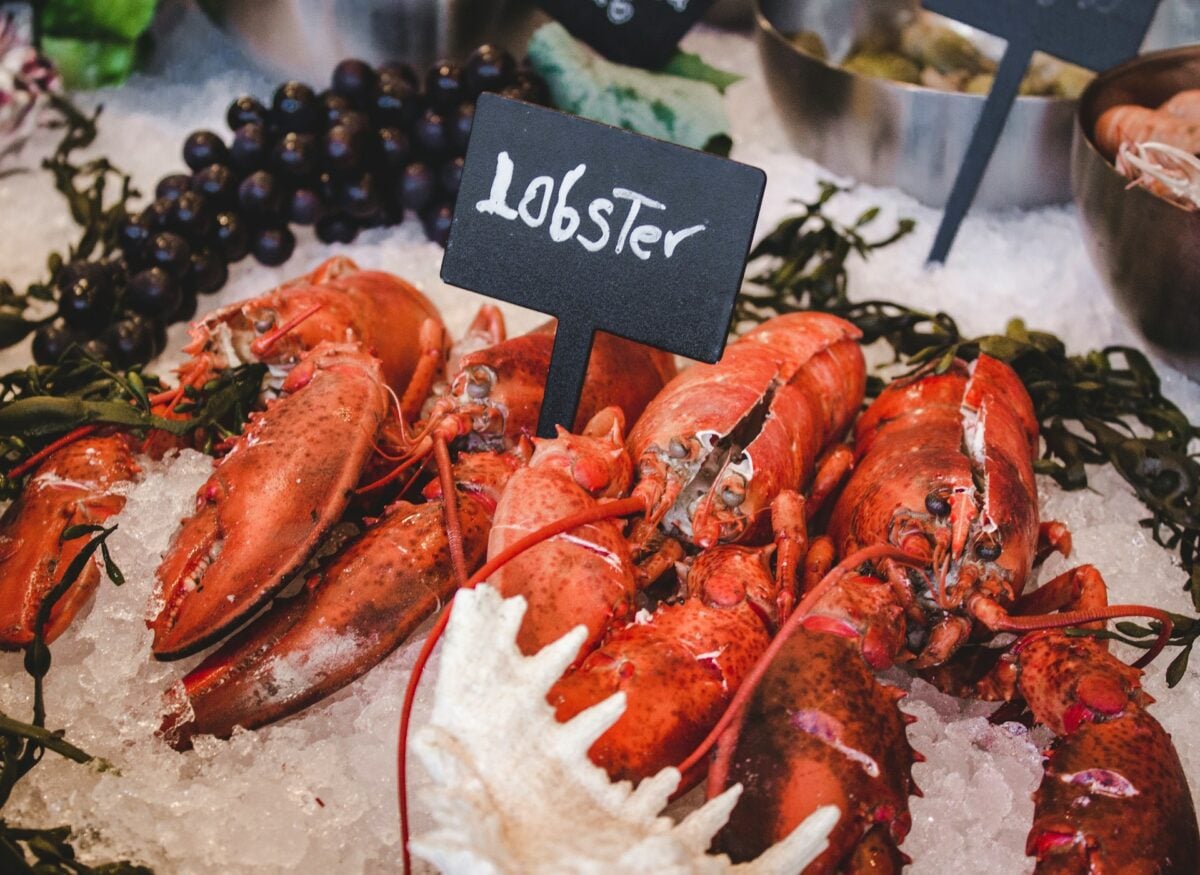
People used to feed lobsters to prisoners so often that inmates literally protested. Back in colonial America, these sea creatures washed up on beaches in piles after storms – sometimes stacked a foot high.
Farmers collected them as fertilizer. Servants had clauses written into their contracts limiting how many times per week they could be fed lobster because it was considered cruel punishment.
The ocean was so full of them that nobody wanted to eat what looked like giant underwater cockroaches. They were abundant, ugly, and associated with being broke.
Then railroads came along in the 1800s, and someone figured out you could transport these things inland where people had never seen them before. Suddenly, landlocked diners thought they were exotic.
Add some scarcity from overfishing, and boom – luxury items.
Oysters
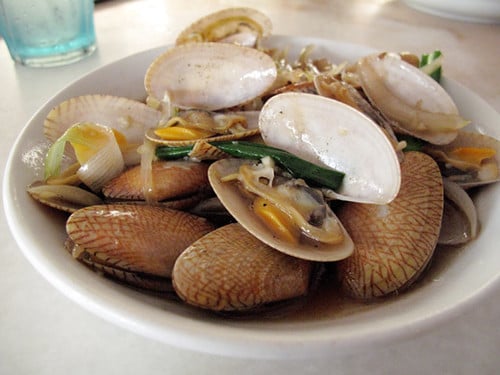
Walk up to any shoreline a couple hundred years ago and you could scoop up oysters by the bucketful. Free food for anyone hungry enough to bend down and grab them.
Working-class folks in Europe and America ate them constantly because they were everywhere and cost nothing.
Industrialization changed everything. Pollution decimated oyster populations, and what was once as common as dirt became rare.
Prices climbed, and suddenly eating oysters meant you had money to burn. Now you pay three bucks a pop for something people used to gather like picking up sticks.
Caviar
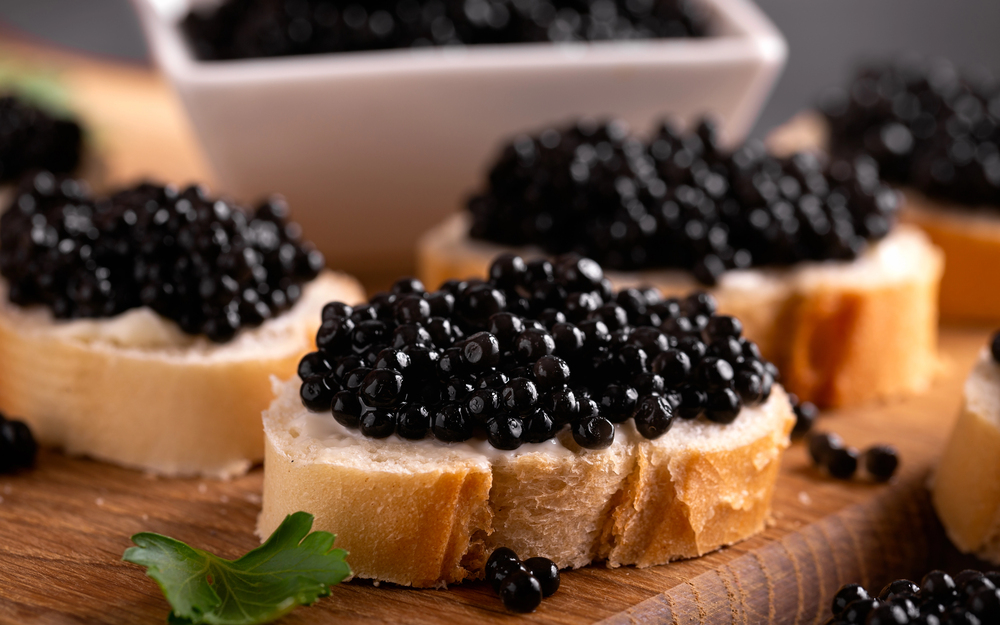
Bars in 19th-century America used to put caviar out for free. The salty fish eggs made people thirsty, so they’d buy more drinks.
Sturgeon were plentiful in American rivers, and nobody thought twice about the roe. Russian caviar started getting imported and marketed as a delicacy to wealthy Europeans.
The mystique grew, overfishing kicked in, and suddenly those free bar snacks became something only the rich could afford. The same stuff that was handed out to encourage beer sales now costs hundreds per ounce.
Chicken Wings
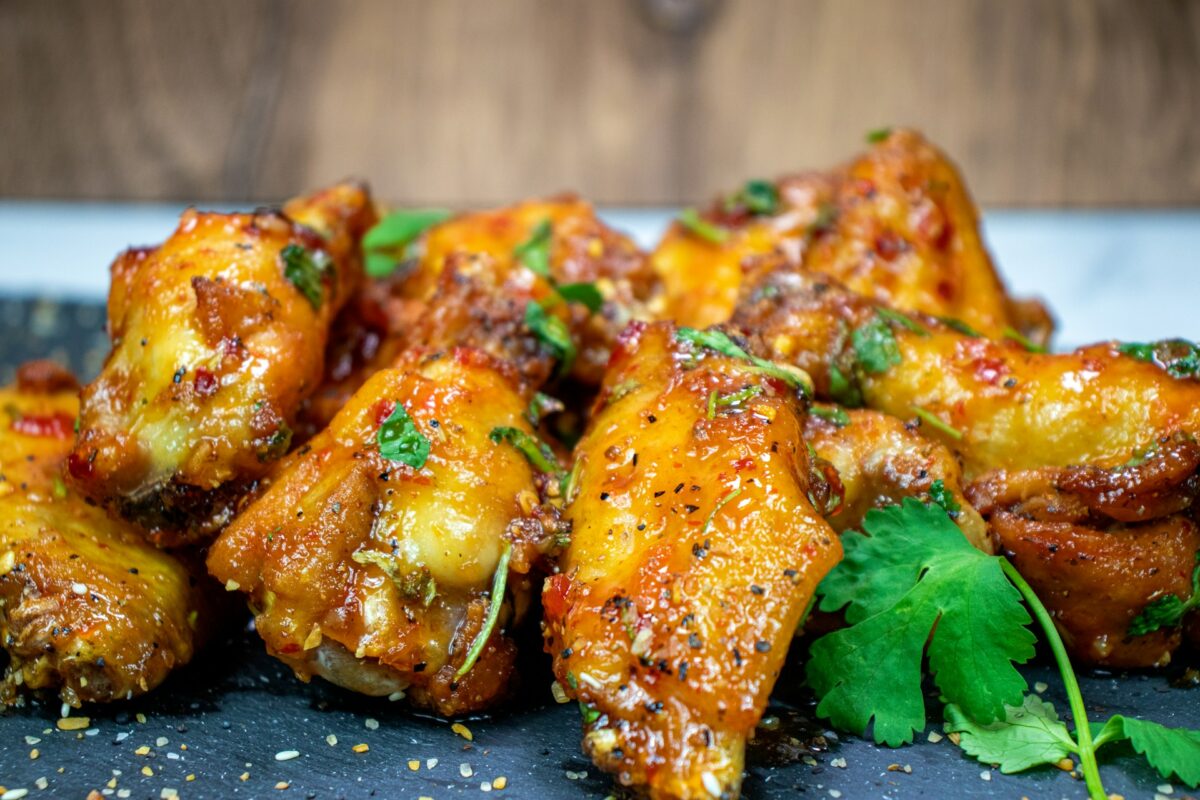
Buffalo wings didn’t exist until 1964, and when they did, it was because nobody knew what else to do with chicken wings. The Anchor Bar in Buffalo, New York, either received them by mistake or had them lying around – the stories vary.
Wings were throwaway parts, used for making stock or just tossed out entirely. Teressa Bellissimo fried them up, covered them in hot sauce, and served them to her son and his friends at midnight.
By the 1980s, when Americans decided they only wanted boneless, skinless chicken breasts, wings became cheap byproducts that bars could sell for almost nothing. Sports bars realized spicy wings sold beer, and the pairing stuck.
Now wings are the most expensive part of the chicken.
Sushi
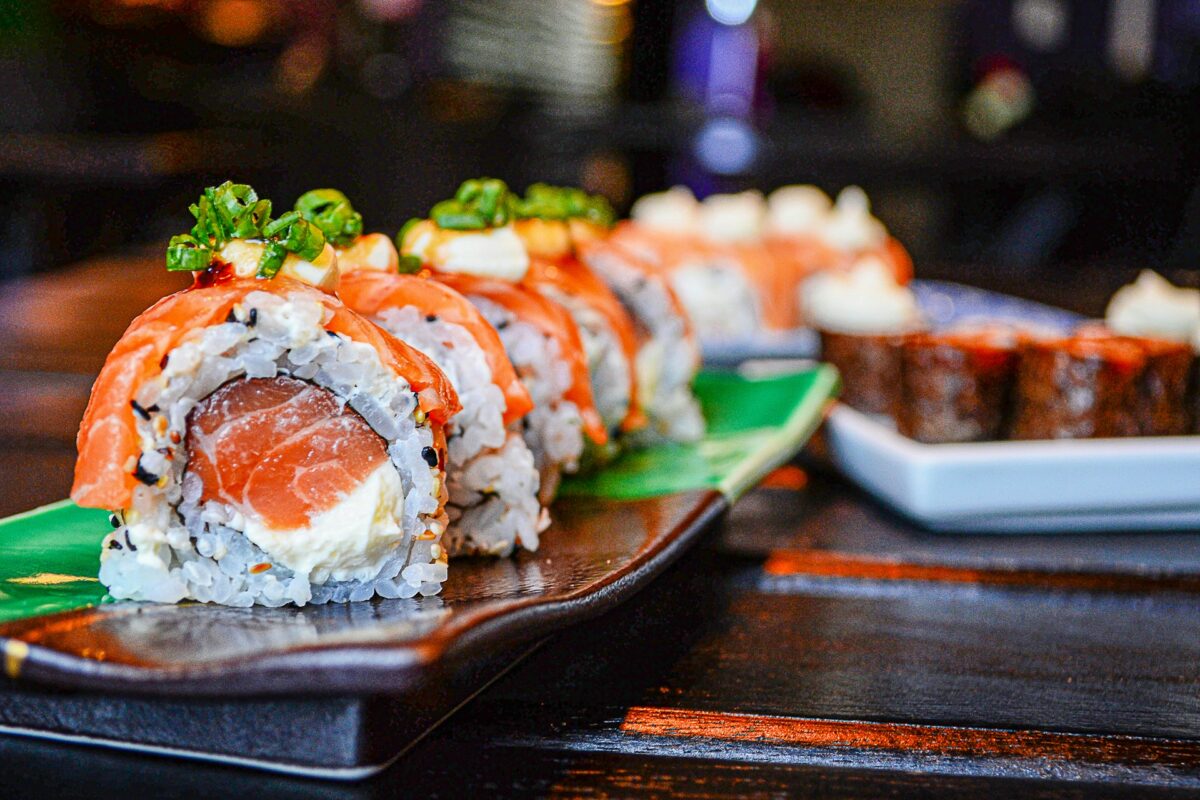
Japanese fishermen in the 16th and 17th centuries used sushi as a preservation method. They’d pack low-quality fish they couldn’t sell in fermented rice, and the fermentation kept the fish from spoiling.
Rich people ate fresh fish – obviously. The technique evolved over centuries, but sushi remained working-class food until after World War II.
Then sushi chefs started competing with each other, using increasingly delicate fish and turning the whole thing into an art form. International travelers took notice, and the reputation flipped.
Now omakase restaurants charge over $500 per person.
Brisket
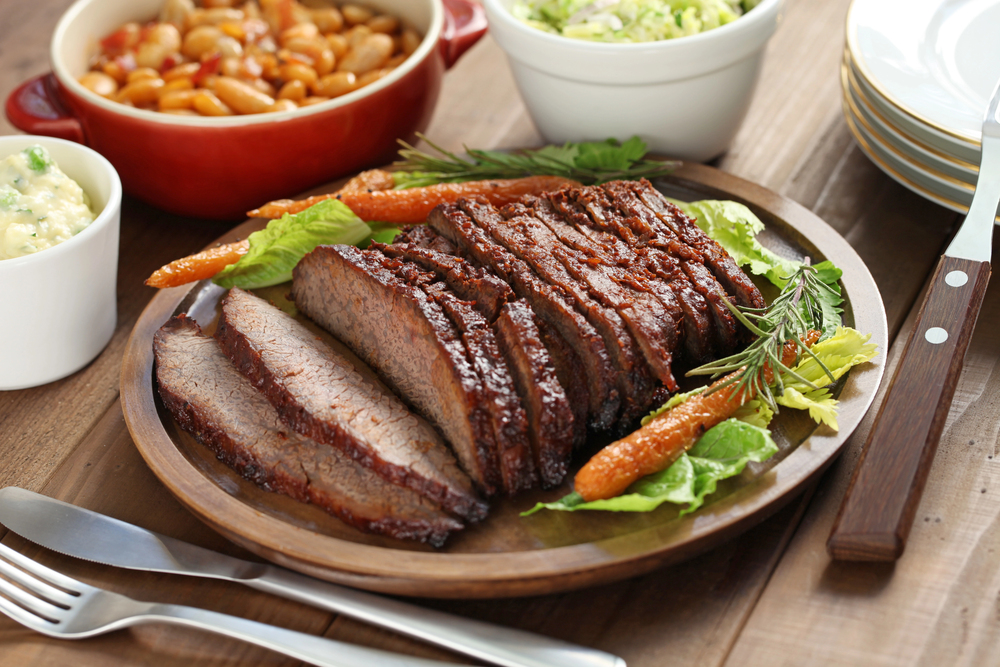
Brisket comes from a tough, overworked part of the cow. It’s full of connective tissue and needs hours of slow cooking to become edible.
For most of American history, butchers in Texas would give it away or sell it dirt cheap. Working people and laborers ate it because it was affordable and, when cooked right, pretty good.
Barbecue culture turned brisket into an art form, but it stayed relatively cheap until recently. Now? Some places charge $27 per pound.
The labor-intensive roasting process and the rise of celebrity pitmasters turned a cut that used to feed tire shop workers into something people line up for hours to buy.
Foie Gras
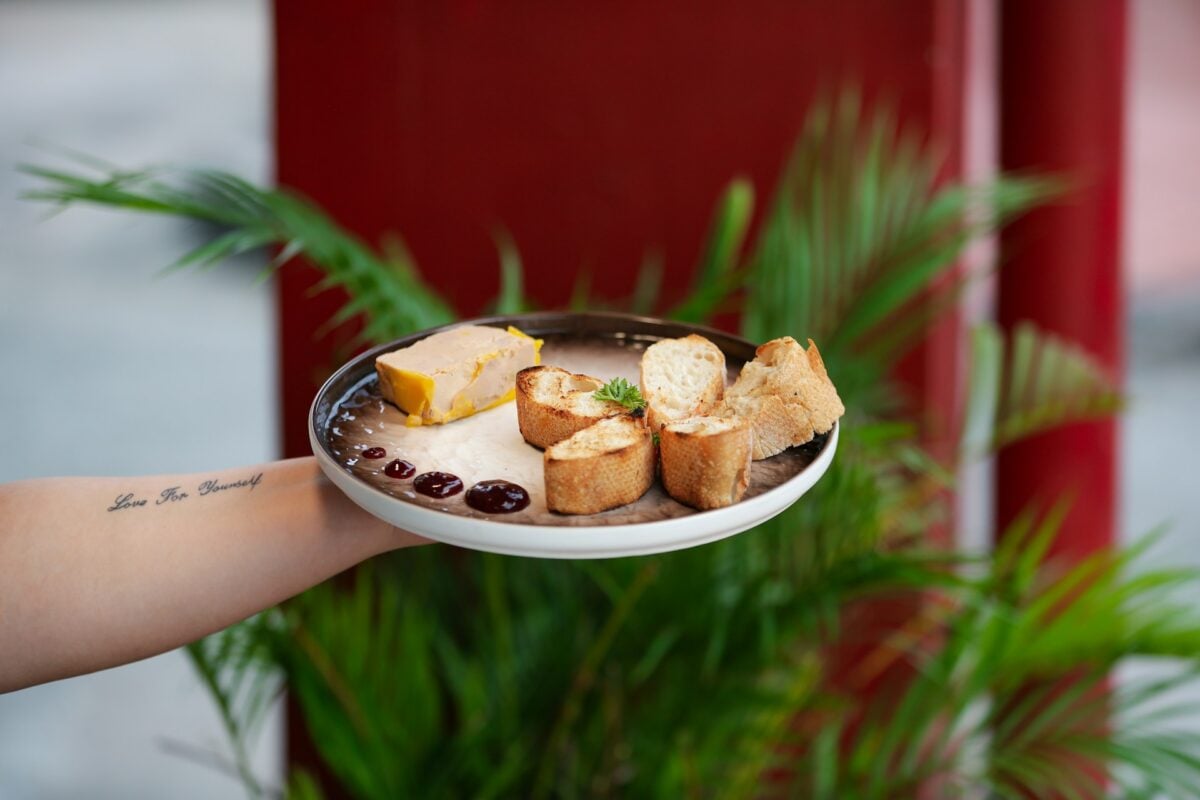
Ancient Egyptians gave Jewish people the leftover parts of geese – the stuff nobody else wanted. They figured out how to make foie gras from fatty goose liver, and eventually Romans caught on and loved it.
Then it fell out of favor during the Dark Ages, became poor people’s food again, and nearly disappeared entirely. The French Renaissance brought it back.
Middle-class French people started eating it, and over time it became associated with fine dining. Now serving foie gras is controversial for ethical reasons, but also a sign of upscale cuisine.
Skirt Steak
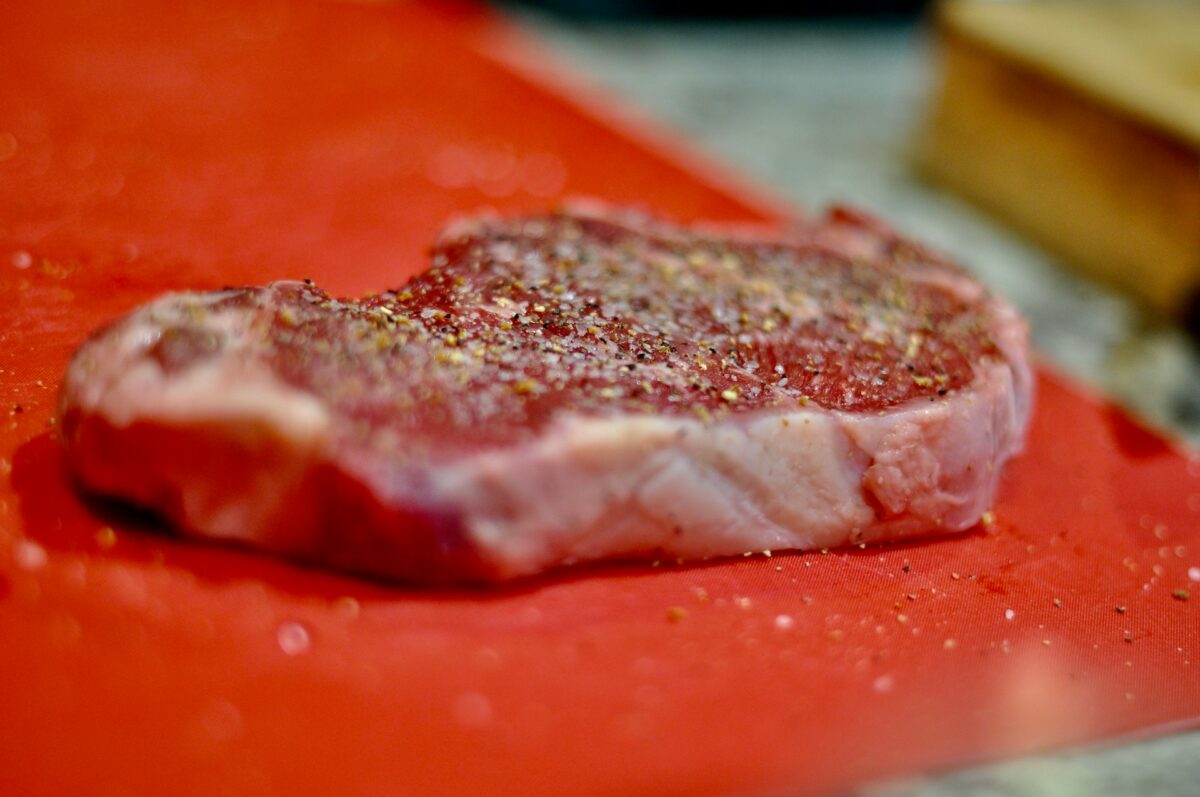
Cattle barons in Texas thought skirt steak was undesirable. The cut comes from the diaphragm – tough, fibrous, not pretty to look at.
They gave it to Mexican cowboys (vaqueros) as part of their wages because they didn’t want to sell it or eat it themselves. Those vaqueros created fajitas, along with other Tex-Mex dishes using the “nasty bits” they were given – things like barbacoa and tripe.
When the author was young, skirt steak cost about 34 cents per pound. Then fajitas showed up on chain restaurant menus nationwide, and the price jumped to $3-4 per pound. Demand kept climbing from there.
Salmon
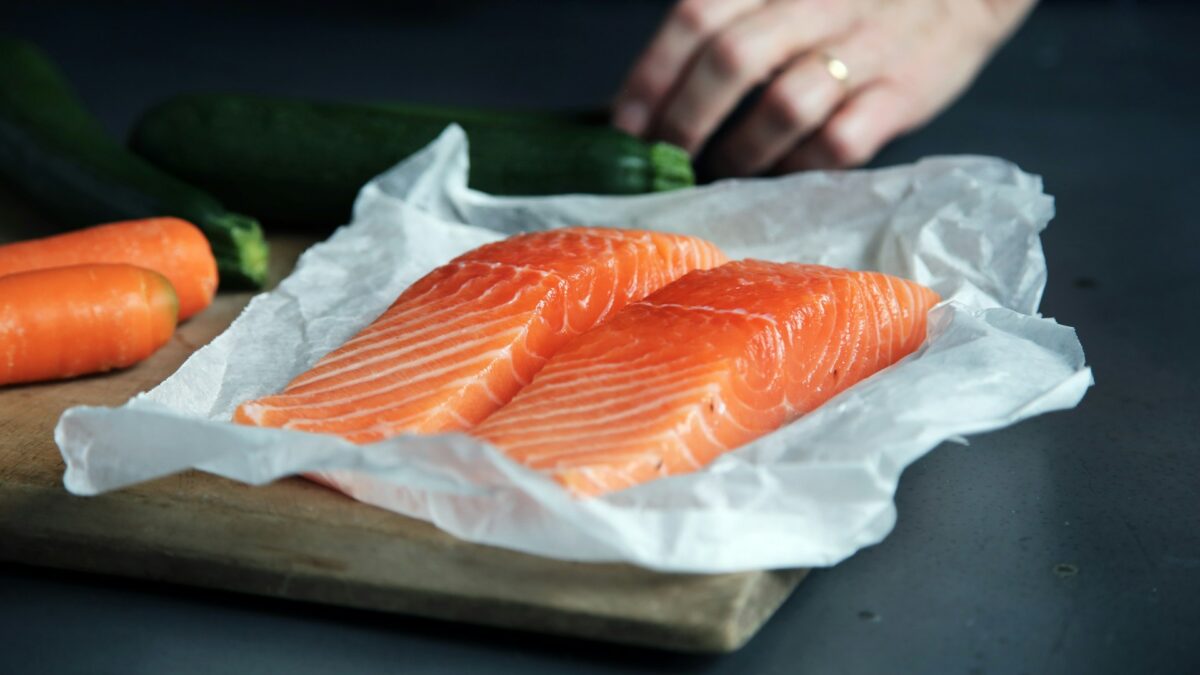
Up until the 1950s in the UK and Ireland, salmon was one of the cheapest proteins around. It was so common and undesirable that servants wrote clauses into their employment contracts limiting salmon to once per week.
Being fed salmon constantly was seen as a sign your employer didn’t respect you. Overfishing and pollution reduced wild salmon populations.
Farm-raised salmon couldn’t quite fill the gap in terms of perceived quality. Scarcity drove prices up, and somewhere along the way, salmon became associated with healthy eating and upscale dining rather than with poverty.
Snails
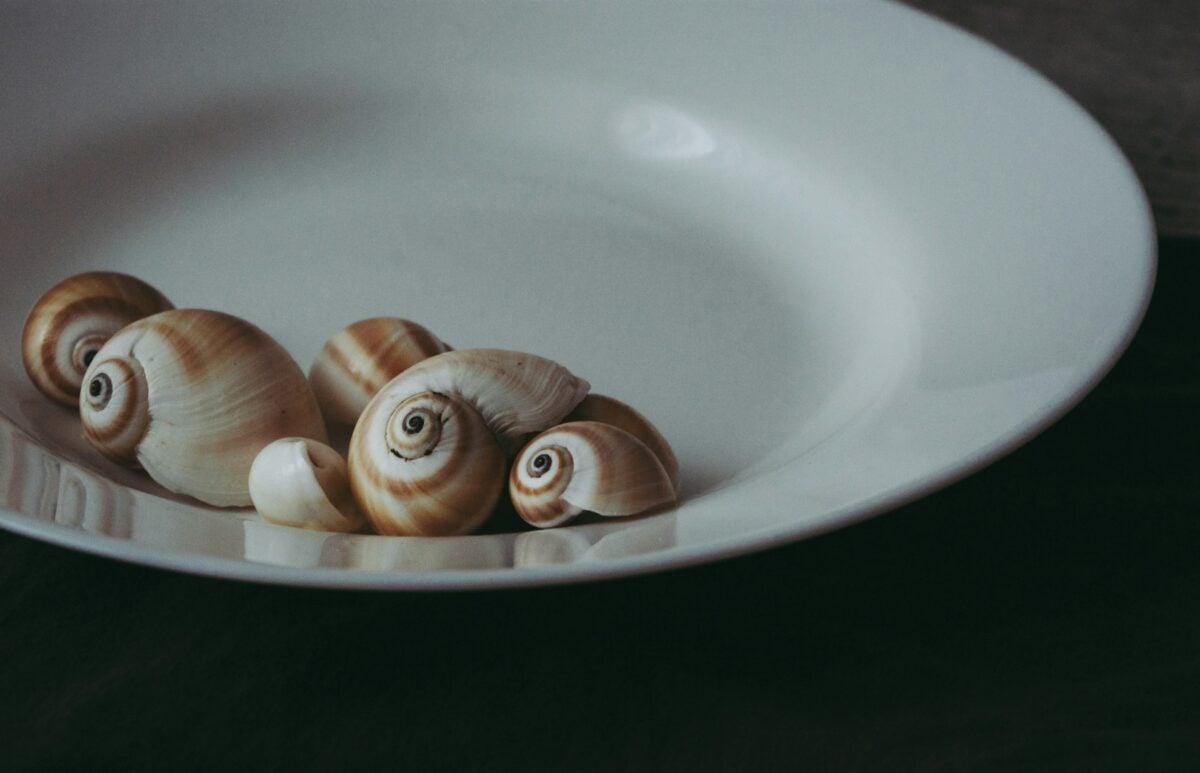
Eating snails was considered disgusting through most of European history. They were garden pests that poor people would cook up when they had nothing else.
Every country had people eating them out of necessity, but nobody bragged about it. The French aristocracy decided to make escargot fashionable by serving them with loads of garlic butter and herbs.
Suddenly the same creatures people had been grossed out by became a delicacy. All it took was some aromatic butter and a fancy name.
Pork Belly
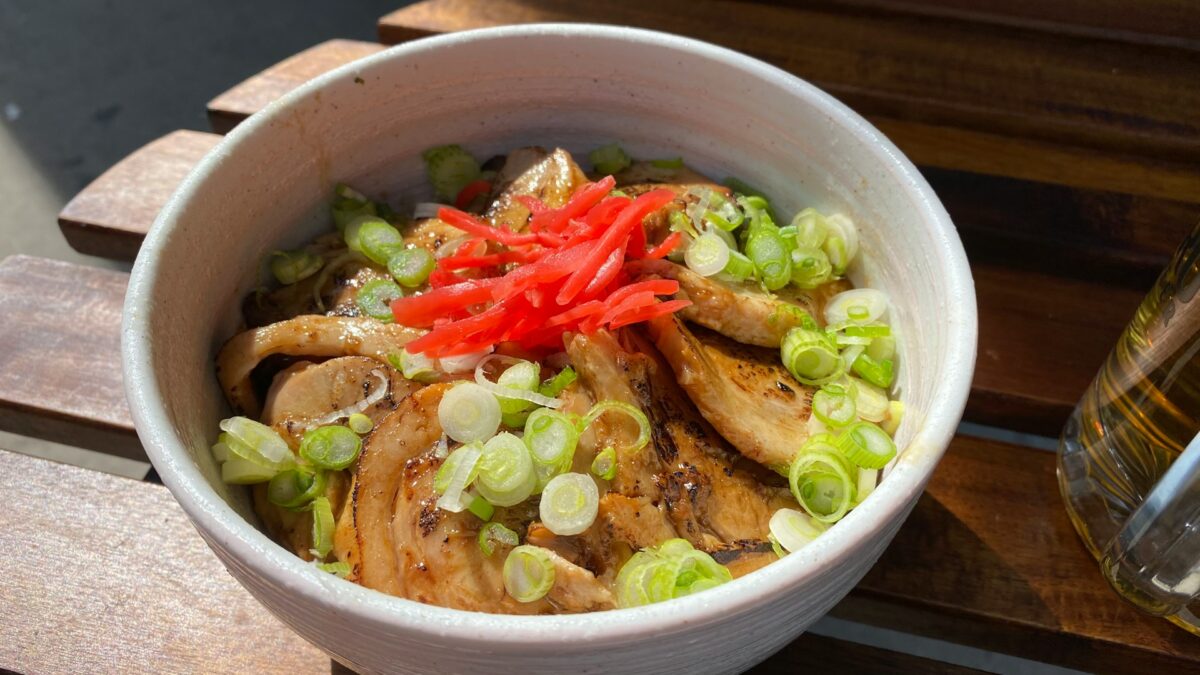
Pork belly is the fattiest part of the pig. It’s where bacon comes from, but the uncured slab itself was cheap and abundant.
It’s heavy, it’s rich, and for a long time in America, it was working-class food – something you’d slow-cook because it was affordable. Then chefs started treating pork belly like brisket, roasting it low and slow or braising it until it was tender.
Asian cuisines had always valued it, but once it hit upscale American restaurants with fancy preparations, the price climbed. Now pork belly burnt ends and similar dishes are menu staples at trendy spots.
Polenta

Northern Italian farmers were left with corn while landholders sold all the wheat. They made polenta – basically corn mush – because they had no other options. It was filling, cheap, and associated with being too poor to afford better grains.
Polenta stayed peasant food for centuries until it became trendy in fine dining. Chefs started serving it as a base for expensive proteins, and suddenly this humble porridge showed up on upscale menus with price tags to match.
The transformation happened mostly through presentation and pairing rather than any change to the polenta itself.
Quinoa
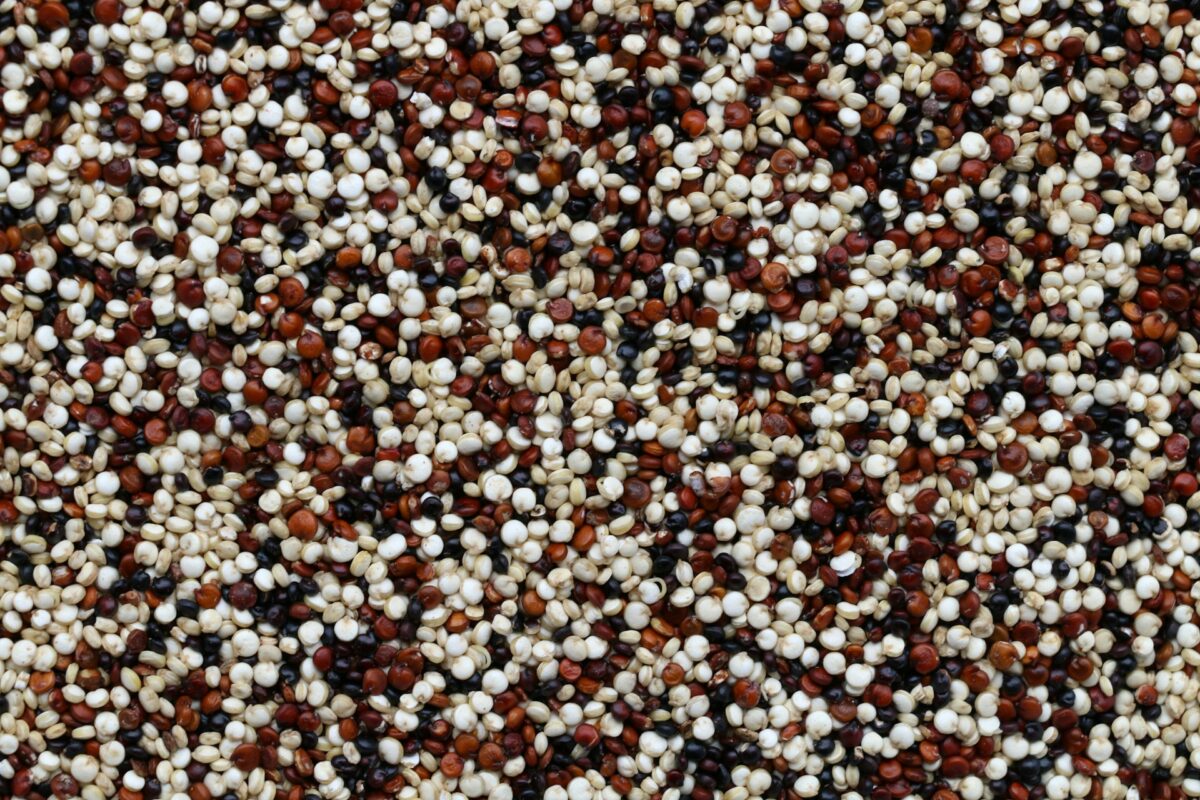
Twenty years ago in Peru, quinoa was what poor people ate when they couldn’t afford anything else. Wealthy Peruvians avoided it because of the stigma – eating quinoa marked you as lower class.
Health-conscious Americans and Europeans discovered its nutritional benefits and started importing it in massive quantities. Demand exploded, prices went up, and now quinoa is a staple in expensive salads and grain bowls.
The same food that was too shameful for wealthy Peruvians to touch now costs $7-8 per bag in Western grocery stores.
Garlic
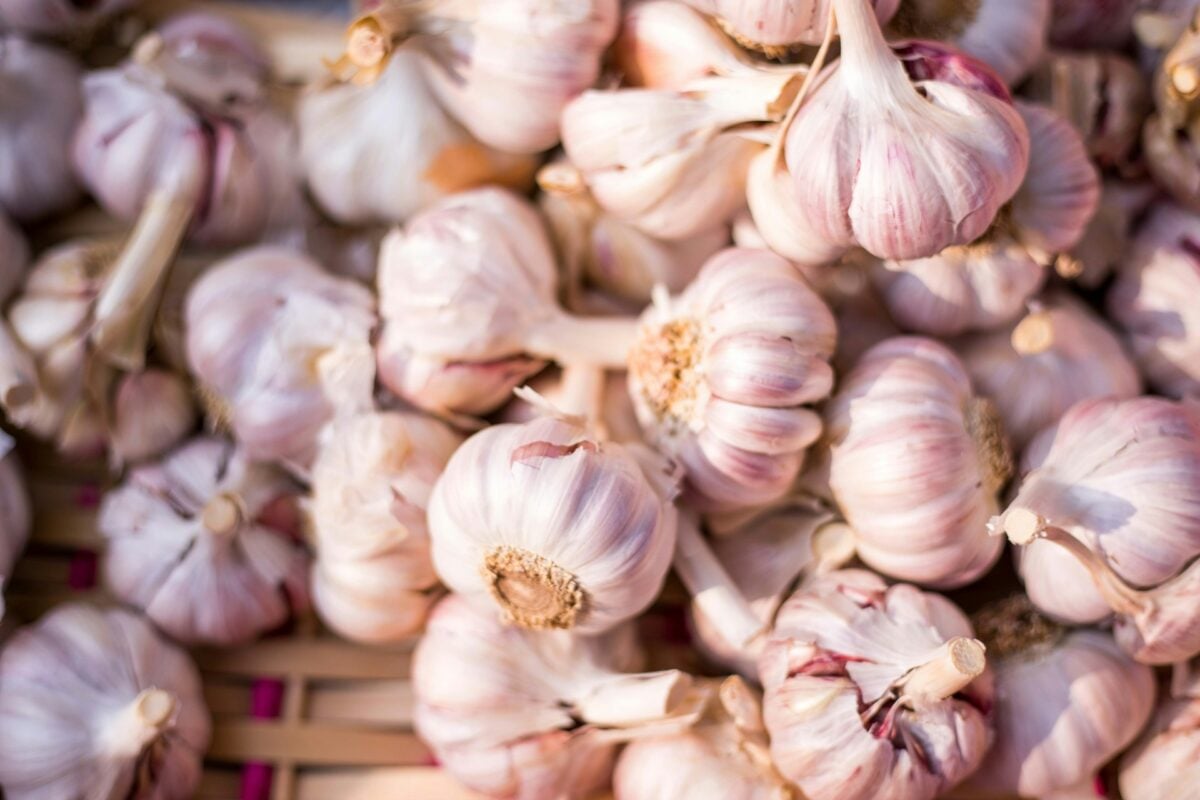
Ancient Egyptians fed garlic to slaves and laborers to keep them strong for physical work. It was medicinal, pungent, and definitely not something refined people ate.
The smell alone was enough to mark someone as lower class. Immigrants from Italy, Germany, and Poland brought garlic to America and used it liberally in their cooking.
Over time, as those cuisines became mainstream and popular, garlic shed its working-class reputation. Now it’s everywhere, from fancy restaurants to home kitchens, and nobody thinks twice about the cost or the class associations.
What Changes and What Doesn’t
These foods didn’t suddenly taste better or become more nutritious. Lobster in 1800 was the same creature as lobster now. What shifted was availability, perception, and who was eating them.
Scarcity turned abundance into luxury. Marketing turned ugly into exotic.
Distance made the familiar seem special. Some of these foods had their reputations rescued by necessity – someone figured out how to cook them properly.
Others just got rare enough that people forgot why they were cheap in the first place. And a few became status symbols simply because the right people started eating them at the right time.
The line between peasant food and luxury has always been thinner than anyone wants to admit.
More from Go2Tutors!

- The Romanov Crown Jewels and Their Tragic Fate
- 17 Halloween Costumes Once Considered Taboo
- Famous Hoaxes That Fooled the World for Years
- 15 Child Stars with Tragic Adult Lives
- 16 Famous Jewelry Pieces in History
Like Go2Tutors’s content? Follow us on MSN.



