13 Kids’ Magazines That Somehow Made Learning Feel Cool
Before the tablet and learning app took center stage in kids’ entertainment, print magazines held the attention of young minds with their colorful pages and interesting content. They were not only entertainment but gateways to learning that somehow made learning a pleasure and not a task.
Parents were aware of the learning possibilities, but to kids, these magazines were hip. These are 13 children’s magazines that successfully hid learning behind entertainment, and thereby created generations of readers who acquired knowledge without even knowing it.
Highlights

This classroom and doctor’s office staple has been teaching kids critical thinking since 1946. Highlights perfected the formula of mixing puzzles with short stories and educational content that children actually wanted to read.
The famous Hidden Pictures activities trained young eyes for detail, while Goofus and Gallant quietly taught moral lessons without ever feeling preachy.
National Geographic Kids
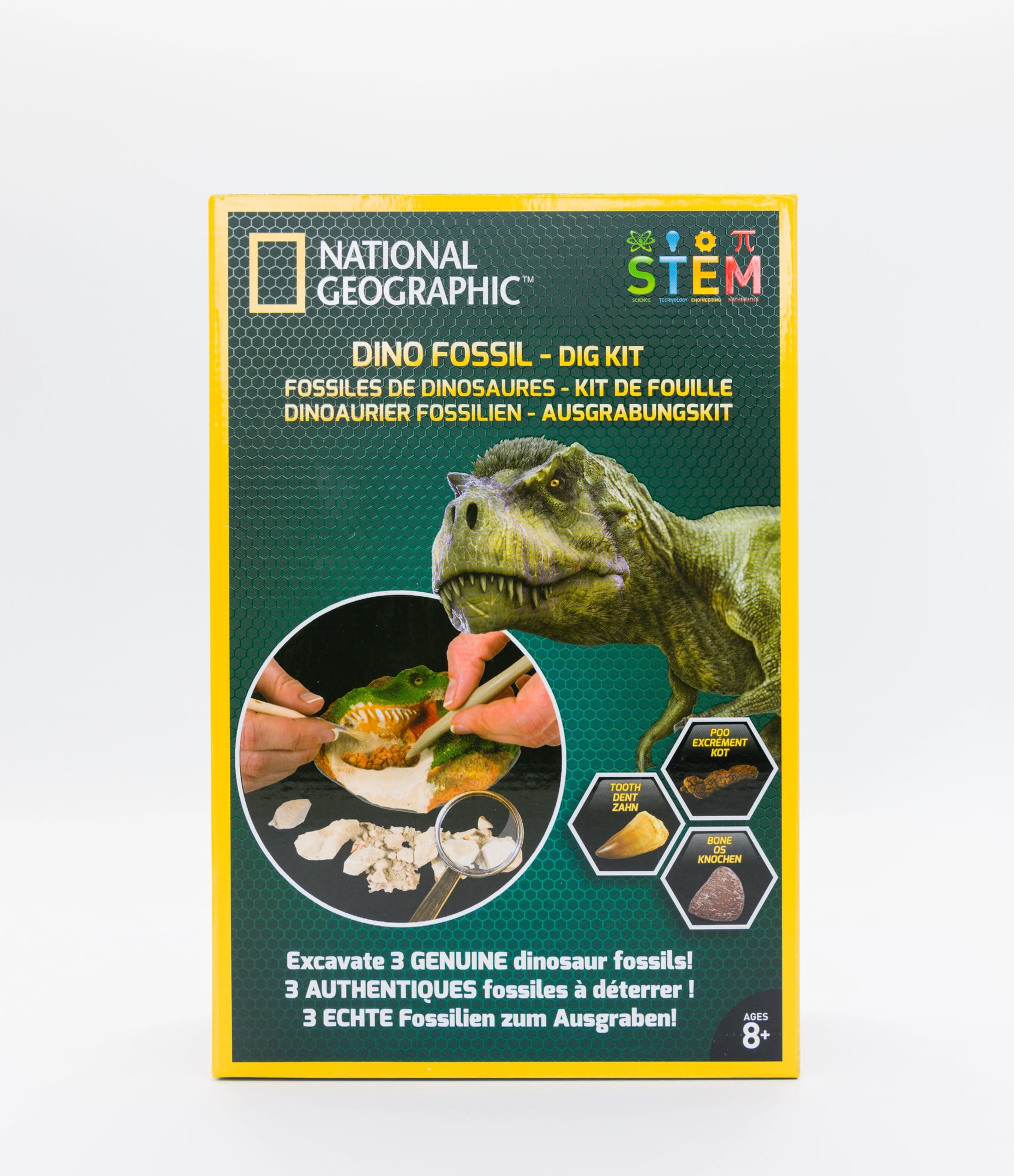
Taking after its distinguished parent publication, National Geographic Kids transformed complex scientific concepts into digestible, fascinating articles for young readers. The stunning photography of exotic animals and faraway places expanded children’s worlds beyond their neighborhoods.
At the same time, the accessible writing made everything from marine biology to astronomy feel within reach of understanding.
Ranger Rick
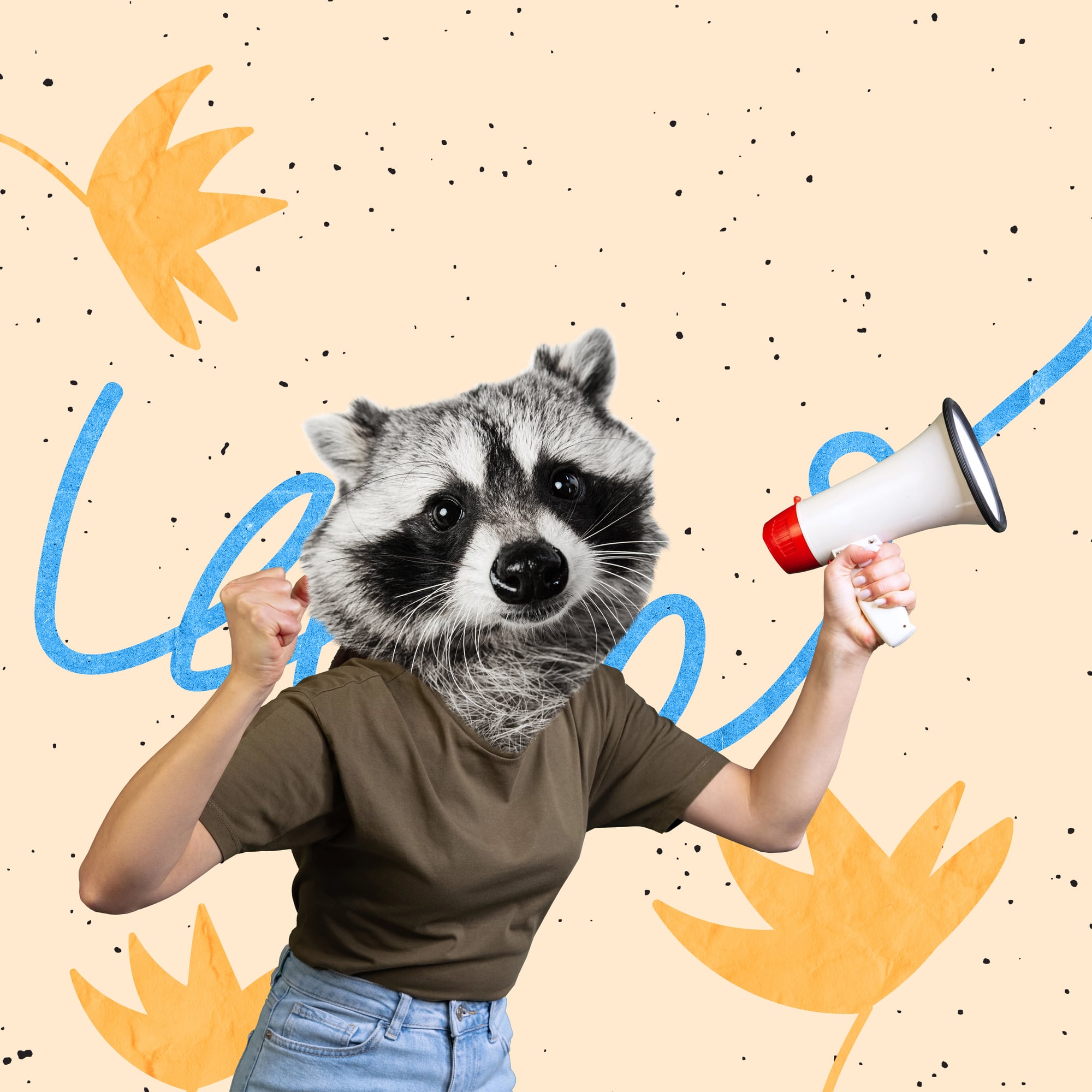
Nature came alive in the pages of Ranger Rick, where a cartoon raccoon and his friends guided readers through environmental education. The magazine turned children into junior conservationists by combining wildlife facts with conservation messages.
Each issue fostered genuine connections to the natural world through vivid photography that rivaled any television nature show.
Zoobooks

Focused entirely on animals, Zoobooks turned biology lessons into collectible treasures. Each issue deep-dives into a specific animal group with anatomically correct illustrations that put textbooks to shame.
Children would eagerly await their monthly delivery, never suspecting they were building a comprehensive zoological knowledge base worth keeping well into adulthood.
Time for Kids

By converting global news into age-appropriate content, Time for Kids made current events approachable and pertinent. The magazine explained complicated global topics without being overly simplistic, preparing students for informed citizenship.
Children just believed they were receiving insider knowledge about what was going on in the adult world, even though many teachers integrated it into the curriculum.
Cricket

Literary excellence defined Cricket magazine, which published some of the finest children’s short stories, poems, and artwork available. Between its pages, young readers encountered quality writing that respected their intelligence.
The magazine’s various bug characters offered commentary in the margins, creating a community feeling that made literature seem like a cool club worth joining.
Muse

For the science-minded child, Muse delivered deep dives into topics ranging from quantum physics to archaeology. The magazine never talked down to its audience, instead presenting cutting-edge scientific concepts with humor and clarity.
Regular features like ‘Ask Muse’ answered readers’ often mind-bendingly complex questions with respect and accuracy.
Odyssey

Odyssey magazine made space exploration and astronomy tangible. Each issue transported readers beyond Earth’s atmosphere with explorations of planetary science, space technology, and the search for extraterrestrial life.
The publication sparked countless science fair projects and probably more than a few future NASA careers.
Stone Soup

Written and illustrated entirely by children, Stone Soup showed young creators what was possible when kids took the creative reins. The magazine published stories, poems, and artwork submitted by readers under age 13, setting a high bar for quality that inspired young contributors to develop their talents.
Many professional writers and artists today cite it as their first publication credit.
Cobblestone

American history came alive through Cobblestone‘s themed issues exploring different aspects of the nation’s past. The magazine used primary sources, timelines, and engaging narratives to make historical events feel immediate and relevant.
Young history buffs collected issues to build their own reference library of American stories beyond what textbooks typically covered.
Faces

Cultural anthropology found its younger audience through Faces, which explored global communities with respect and curiosity. Each issue focused on a single culture or region, examining everything from food and celebrations to daily life and challenges.
The magazine cultivated global citizens long before international connectedness became a curriculum buzzword.
Ask

Answering the endless questions that flow from curious minds, Ask magazine approached STEM subjects through engaging stories and clear explanations. The publication tackled complex topics like robotics, genetics, and meteorology with a sense of wonder that mirrored children’s natural curiosity.
Parents appreciated the scientific accuracy while kids just thought they were reading about cool stuff.
3-2-1 Contact

Based on the popular PBS show, this magazine brought hands-on science experiments into homes and classrooms. Each issue included activities that could be completed with household items, such as turning ordinary kitchens into laboratories.
The magazine’s approach to practical science demystified scientific principles by letting kids discover concepts through direct experience rather than abstract explanation.
Knowledge That Lasts

While many of these publications have evolved into digital formats or ceased printing altogether, their impact endures through generations of adults who can still recall specific articles or activities from their favorite childhood magazines. These publications succeeded because they understood a fundamental truth: children don’t resist learning—they resist being bored.
By packaging knowledge in formats that respected young readers’ intelligence while engaging their imagination, these magazines created educational experiences that didn’t just inform—they inspired.
More from Go2Tutors!

- The Romanov Crown Jewels and Their Tragic Fate
- 13 Historical Mysteries That Science Still Can’t Solve
- Famous Hoaxes That Fooled the World for Years
- 15 Child Stars with Tragic Adult Lives
- 16 Famous Jewelry Pieces in History
Like Go2Tutors’s content? Follow us on MSN.